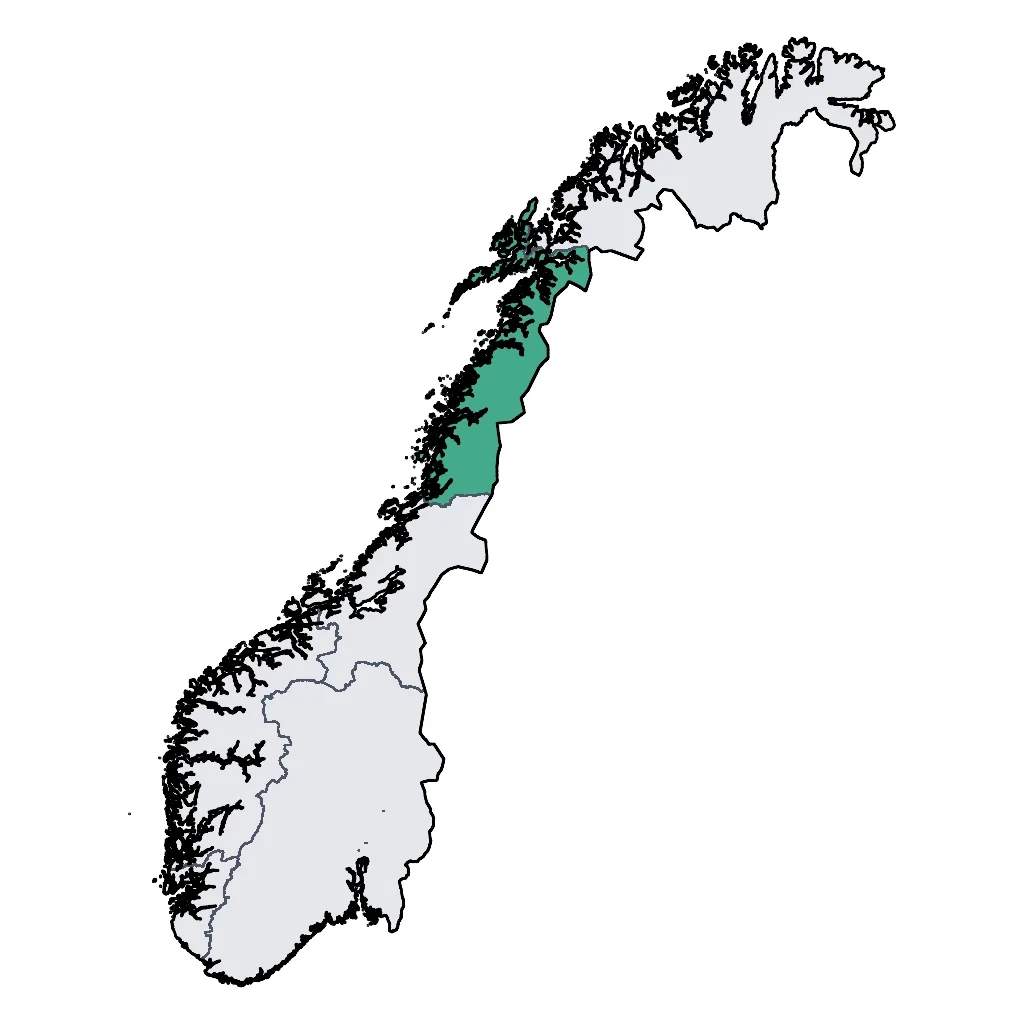

Trondheim & Central Norway serves as the historic bridge between the south and the arctic north. Trondheim, Norway's third-largest city, was the country's first capital. Its centrepiece is the gothic Nidaros Cathedral. While cathedrals can be dry for kids, this one features grotesque gargoyles, a mysterious crypt, and a narrow tower climb that rewards effort with sweeping views. The city is also home to Rockheim, the national museum of pop and rock music, which is heavily interactive; kids can mix tracks, play electric guitars, and draw digital graffiti.
For swimming lovers, Pirbadet represents one of Norway's best indoor water parks, located right on the waterfront with views of the fjord while you swim. Just across the Old Town Bridge lies the Bakklandet district, famous for its wooden houses, bicycle lift (a mechanical curiosity), and cozy cafes serving massive waffles.
Traveling inland, the UNESCO-listed town of Røros is a living museum. This old copper mining town consists of preserved 17th-century wooden buildings. In winter, it becomes a snowy wonderland where families can take horse-drawn sleigh rides, though temperatures can drop extremely low (-20°C is common). Fans of Pippi Longstocking often feel Røros resembles her film sets.
Nature here is wilder. Dovrefjell National Park is the only place in Norway (and one of few in the world) where you can see wild Musk Oxen. Guided hiking safaris are available and suitable for families with older children (usually 7+ years), ensuring a safe distance from these prehistoric-looking woolly beasts. Towards the coast, the Atlantic Road offers a spectacular drive across bridges that seem to skip over the waves, a short but memorable road trip experience.
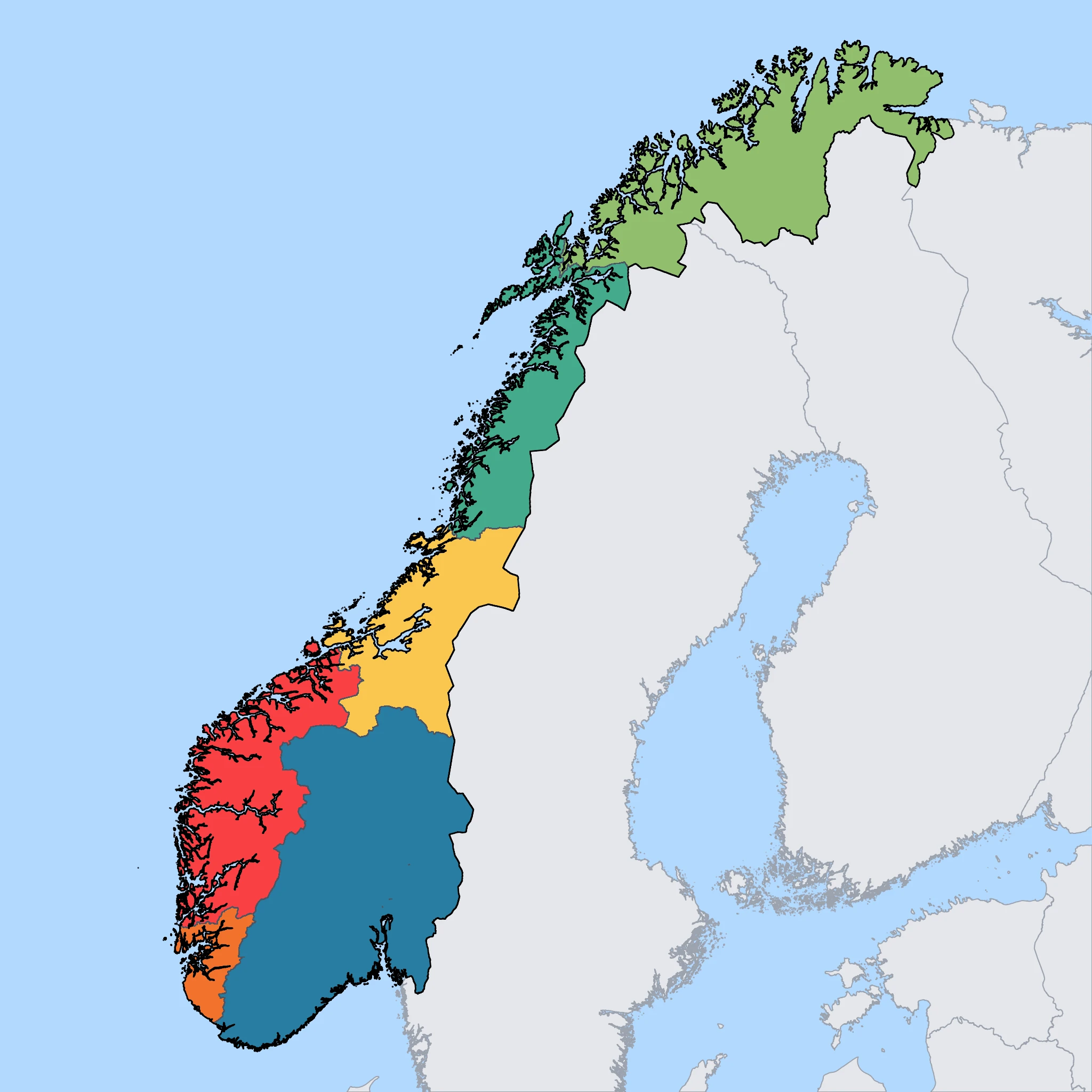
Click a region to explore

Activities & Best Times
Hiking, wildlife, outdoor exploration, ecotourism
Offers world-class musk ox safaris in the Dovrefjell highlands and pristine hiking in the Trollheimen mountains. Peak summer (Jul-Aug) provides the best accessibility to high-altitude trails; shoulder months offer beautiful autumn or spring colors but with much cooler temperatures and variable trail conditions.

Urban tourism, museums, historical sites, architecture
Home to the majestic Nidaros Cathedral and a sophisticated Michelin-starred culinary scene, the region blends medieval history with modern Nordic luxury. Summer months (Jun-Aug) are peak due to long daylight hours and optimal walking weather; winter months are dark and significantly colder, limiting the enjoyment of the historic timber architecture.

Events, celebrations, seasonal attractions
Hosts the internationally significant St. Olav Festival in July and the iconic, highly authentic Røros Christmas Market in December. Peak months align with these major cultural events; the February 'Rørosmartnan' serves as a strong shoulder period for traditional trade and culture despite the freezing temperatures.

Scenic drives, countryside tours, route-based travel
Provides access to the world-famous Atlantic Road and scenic mountain passes with high-quality infrastructure and spectacular fjord views. Peak summer (Jun-Aug) ensures clear roads and maximum visibility; winter months are off-season due to heavy precipitation, icy conditions, and early sunset times.

Learning experiences, scientific sites, historical education
Offers profound historical learning through Nidaros' pilgrimage history and Røros' unique 17th-century mining heritage. Peak summer months provide full access to outdoor museums and expert-guided archaeological tours, which are restricted or closed during the harsh winter season.
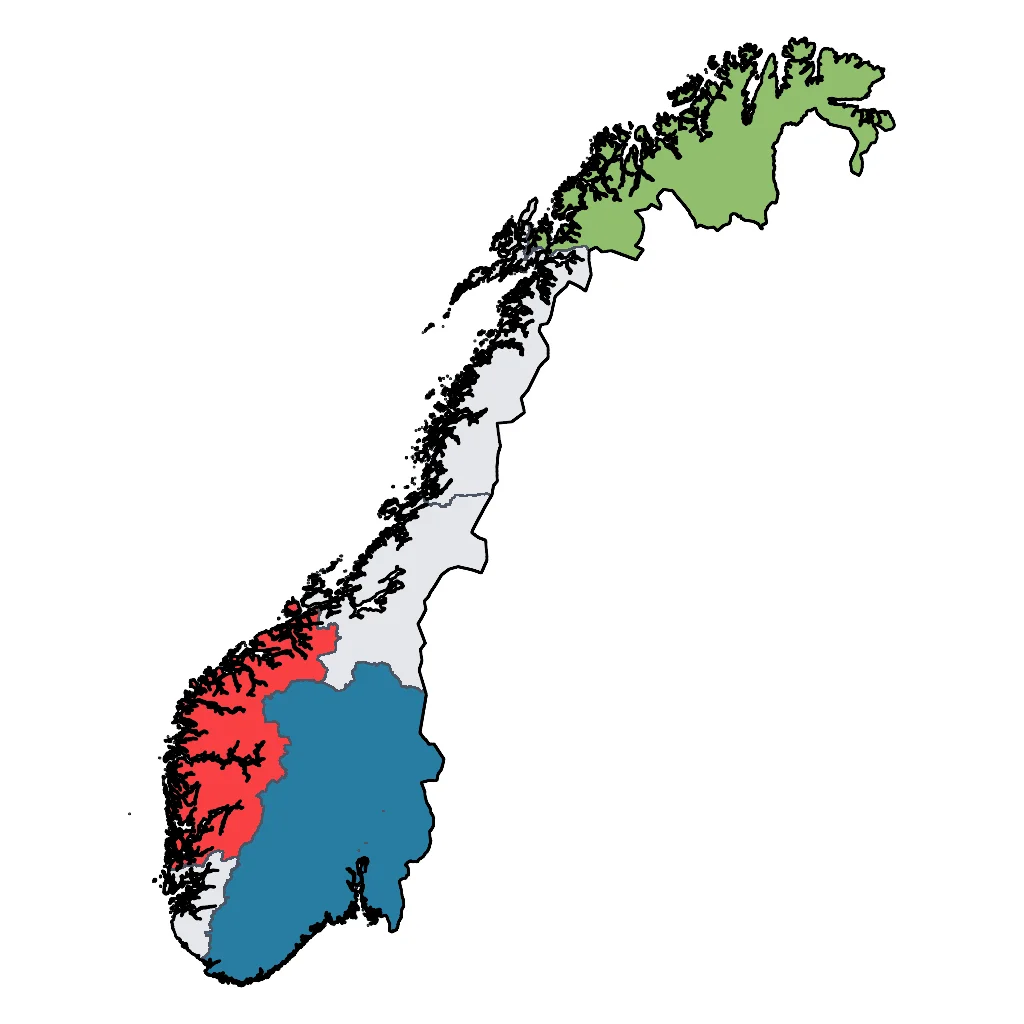

Spa retreats, wellness centers, peaceful getaways
High-end relaxation is centered on world-class facilities like the historic Britannia Hotel spa and secluded coastal retreats. Summer months allow for the integration of Nordic wellness with the natural environment, whereas the high precipitation and cold of winter limit the appeal of the region's coastal spa settings.
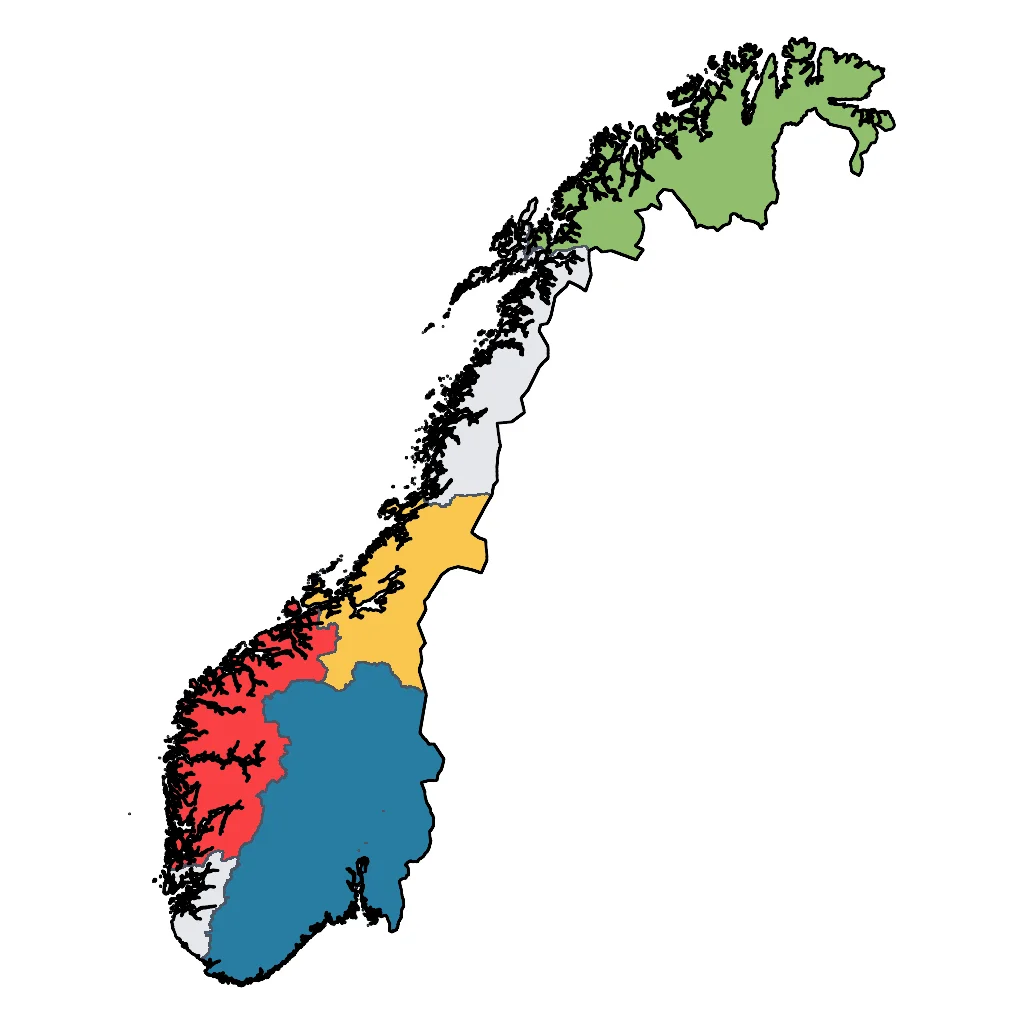

Winter sports, ski resorts, snow activities
Features authentic winter sports at Oppdal and world-class cross-country skiing around the UNESCO site of Røros. Peak months (Feb-Mar) offer the best combination of deep snow coverage and increasing daylight; summer and autumn are unsuitable as no permanent glaciers exist for skiing.
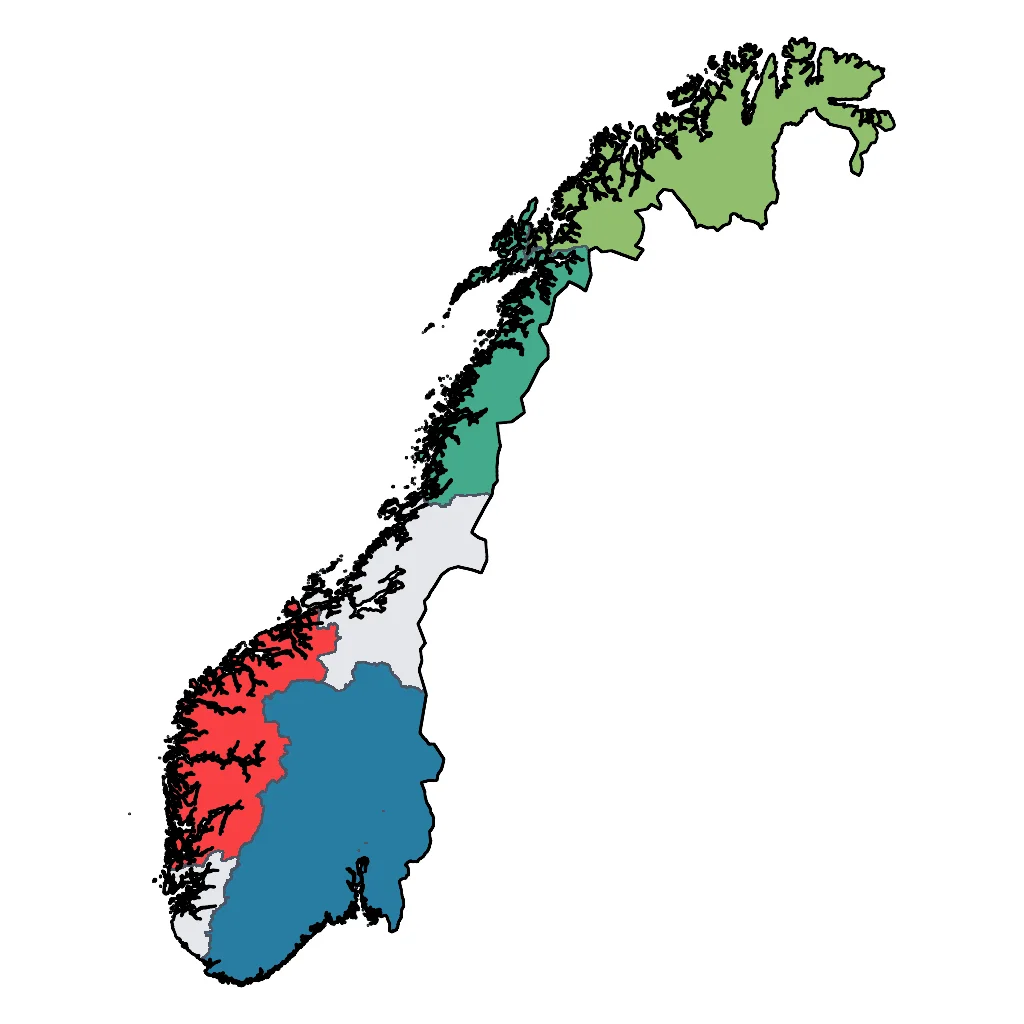

Sport tourism, fitness activities, active recreation
The region is famous for world-class salmon fishing in the Gaula River and excellent coastal cycling terrain. Activity peaks in summer (Jun-Aug) when river levels and mild temperatures are optimal; winter is unsuitable due to frozen inland waters and heavy snowfall.
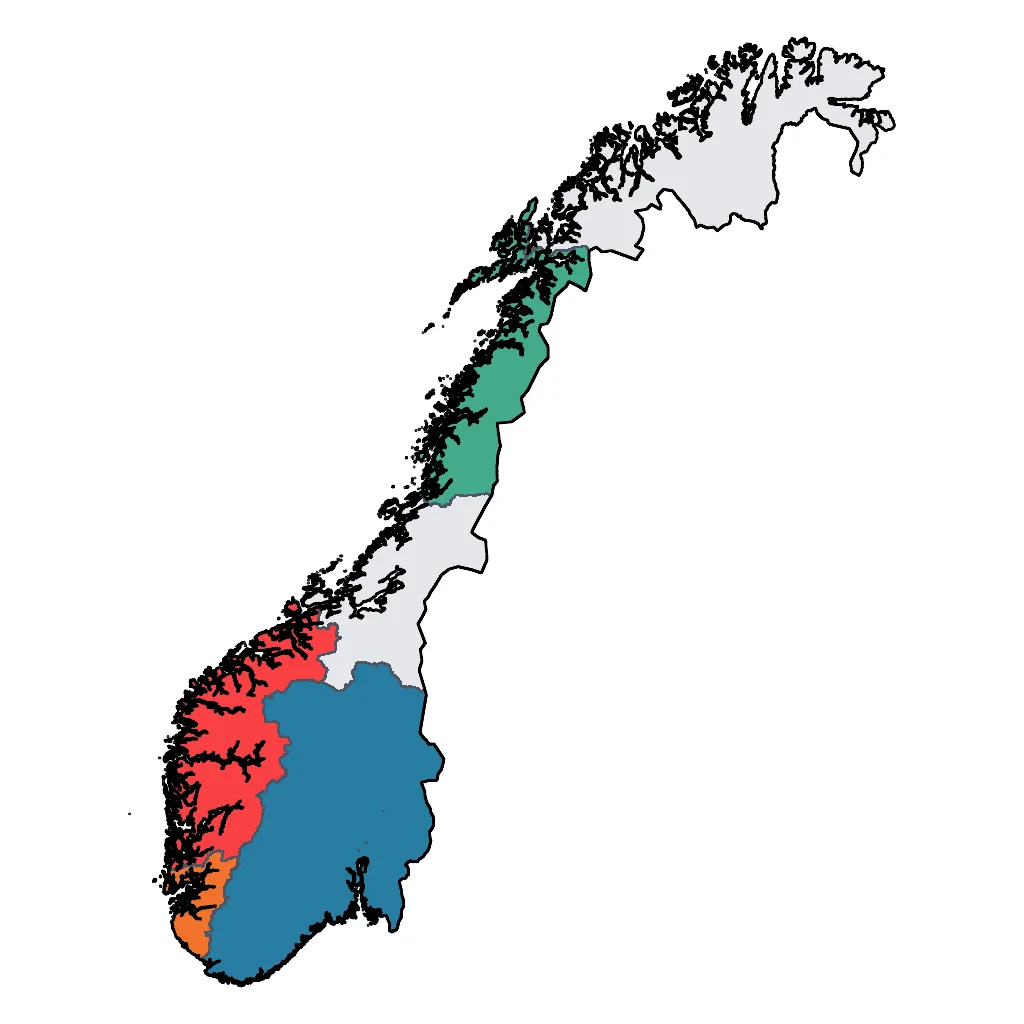
Beach resorts, marine activities: diving, snorkelling, kite surfing, wind surfing, sailing
Coastal areas offer opportunities for boat trips and sea kayaking, providing authentic water-based exploration, but do not meet international standards for traditional beach resort holidays. July offers the mildest coastal temperatures for water activities, while June and August are shoulder months with cooler conditions; the remaining months are unsuitable due to cold temperatures and potentially rough seas.