
Stavanger & Lysefjord (Preikestolen)
Cliffs, cruises, and sandy beaches 🏖️⚓
Stavanger & Lysefjord combines coastal culture with some of Norway's most photographed natural wonders. Stavanger is a compact, walkable city where the Gamle Stavanger (Old Stavanger) district features Europe's best-preserved settlement of wooden houses. While the cobblestones can be bumpy for strollers, the area is car-free and picturesque. A major hit with older children is the Norwegian Petroleum Museum, which uses escape chutes, diving bells, and interactive exhibits to explain offshore life in a way that feels like an adventure playground.
The region's crown jewel is the Lysefjord. The most famous attraction is Preikestolen (The Pulpit Rock), a flat plateau towering 604 metres above the fjord. Warning: The hike takes about 4 hours round-trip and is moderate in difficulty. While popular, there are no safety fences at the edge. It is suitable for sure-footed older children, but parents must exercise extreme caution with toddlers or impulsive kids. For a safer and more relaxed alternative, electric fjord cruises depart daily from Stavanger, allowing families to gaze up at the cliff and see the "Vagabond's Cave" without the physical exertion.
Beyond the fjord, the coastline boasts the Jæren beaches, such as Sola Beach. These are wide, white-sand beaches perfect for kite-flying, surfing lessons, or simply digging in the sand—a rare find in rocky Norway. Nearby, the majestic swords in the rock monument (Sverd i fjell) provides a quick but memorable photo stop commemorating the unification of Norway. The region has a strong food culture, and families can enjoy casual dining with high-quality local ingredients, though prices reflect the oil-industry economy.
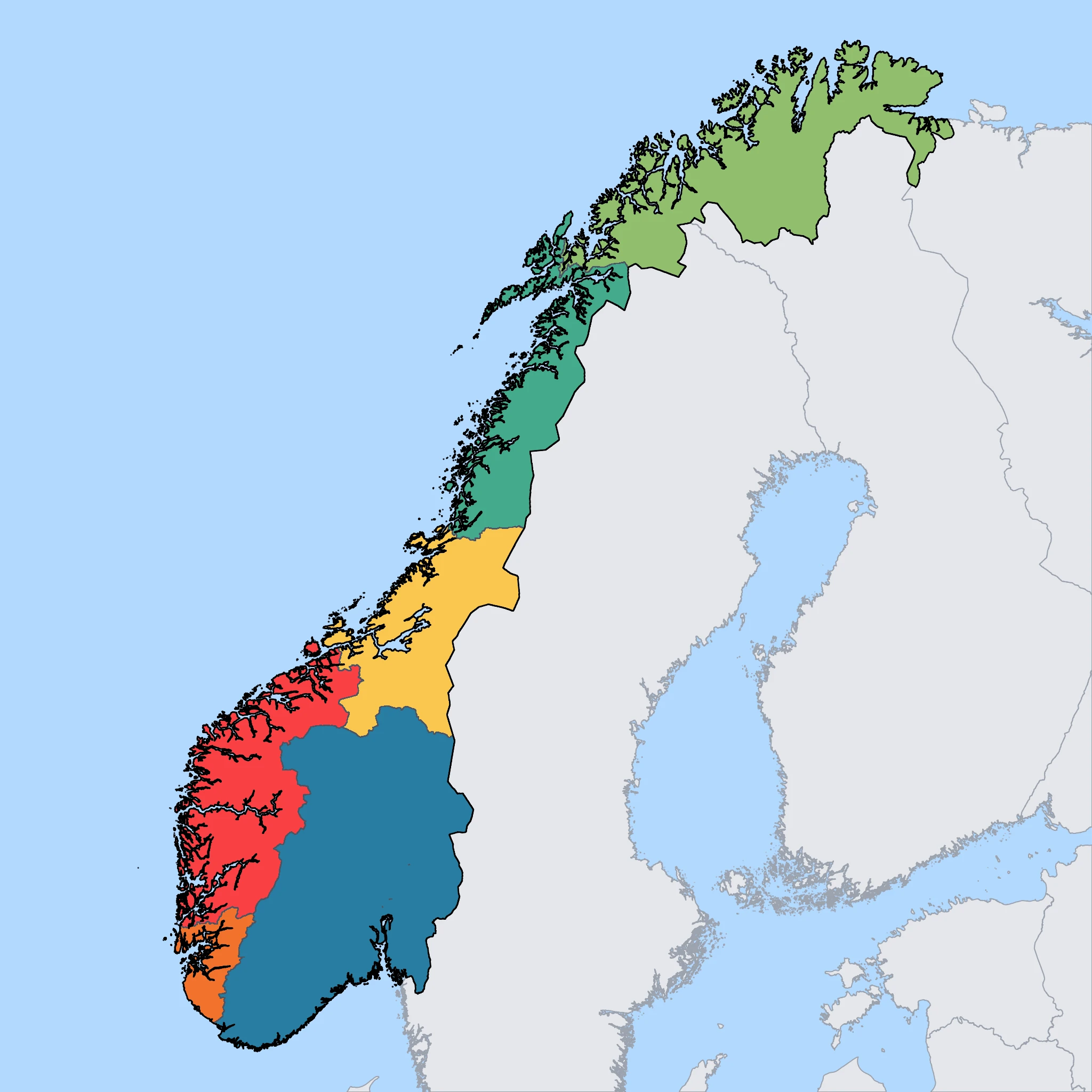
Click a region to explore

Activities & Best Times

Hiking, wildlife, outdoor exploration, ecotourism
Home to world-class icons like Preikestolen and Kjerag, offering some of the most dramatic fjord landscapes on Earth. Peak months provide the best trail accessibility and daylight; shoulder months are viable but wetter, while winter months are dangerous due to extreme rainfall (over 300mm) and icy conditions.

Urban tourism, museums, historical sites, architecture
Stavanger features the best-preserved wooden house district in Northern Europe and a sophisticated culinary scene including Michelin-starred dining. Peak months coincide with the lowest rainfall and longest days for exploring the picturesque old town; winter is characterized by persistent darkness and heavy precipitation.

Scenic drives, countryside tours, route-based travel
The Ryfylke National Tourist Route offers sophisticated travelers an authentic journey through evolving fjord landscapes and modern architecture. Peak summer ensures clear mountain passes and maximum visibility; winter months are unsuitable due to heavy rain, fog, and seasonal road closures.
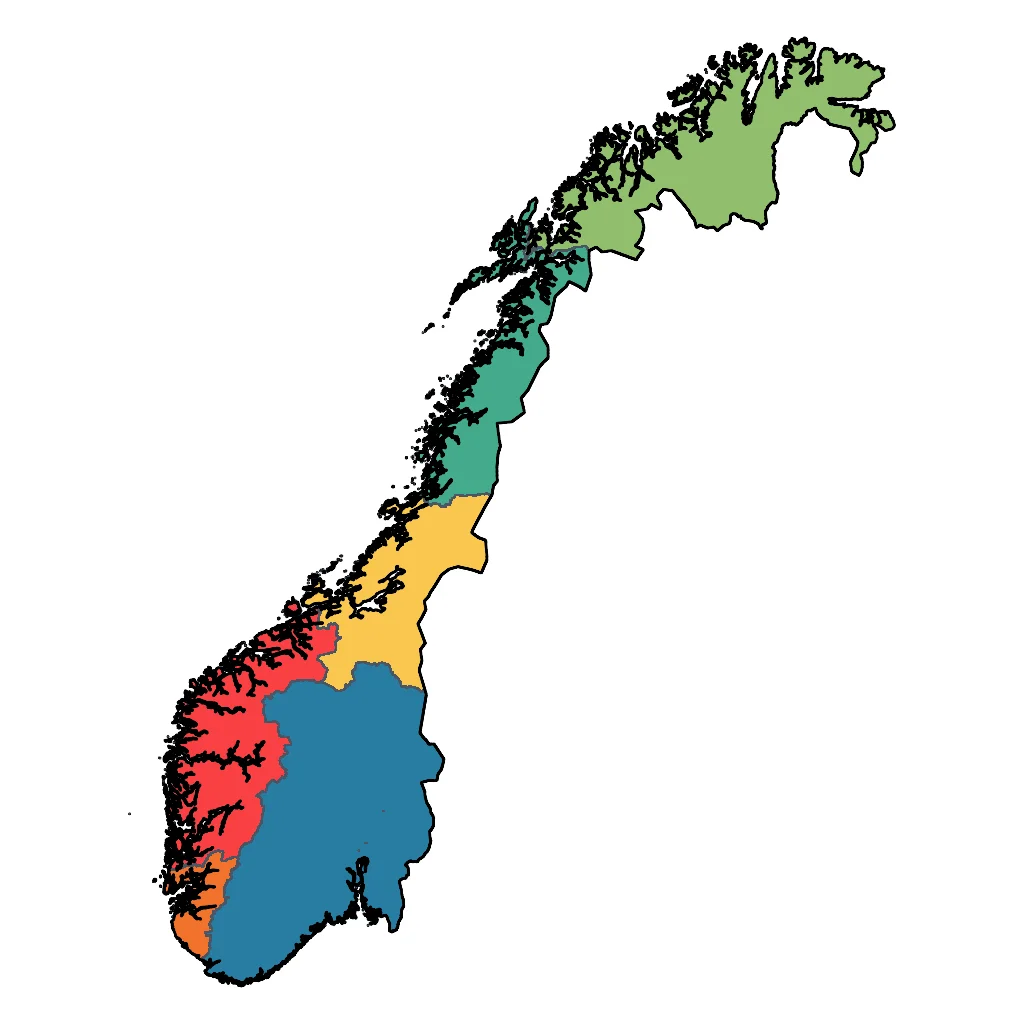

Sport tourism, fitness activities, active recreation
World-class fjord kayaking and high-quality cycling routes offer deep immersion into the Norwegian landscape. Summer provides the calmest waters and most reliable conditions for active families; the rest of the year is hampered by high winds and excessive humidity.
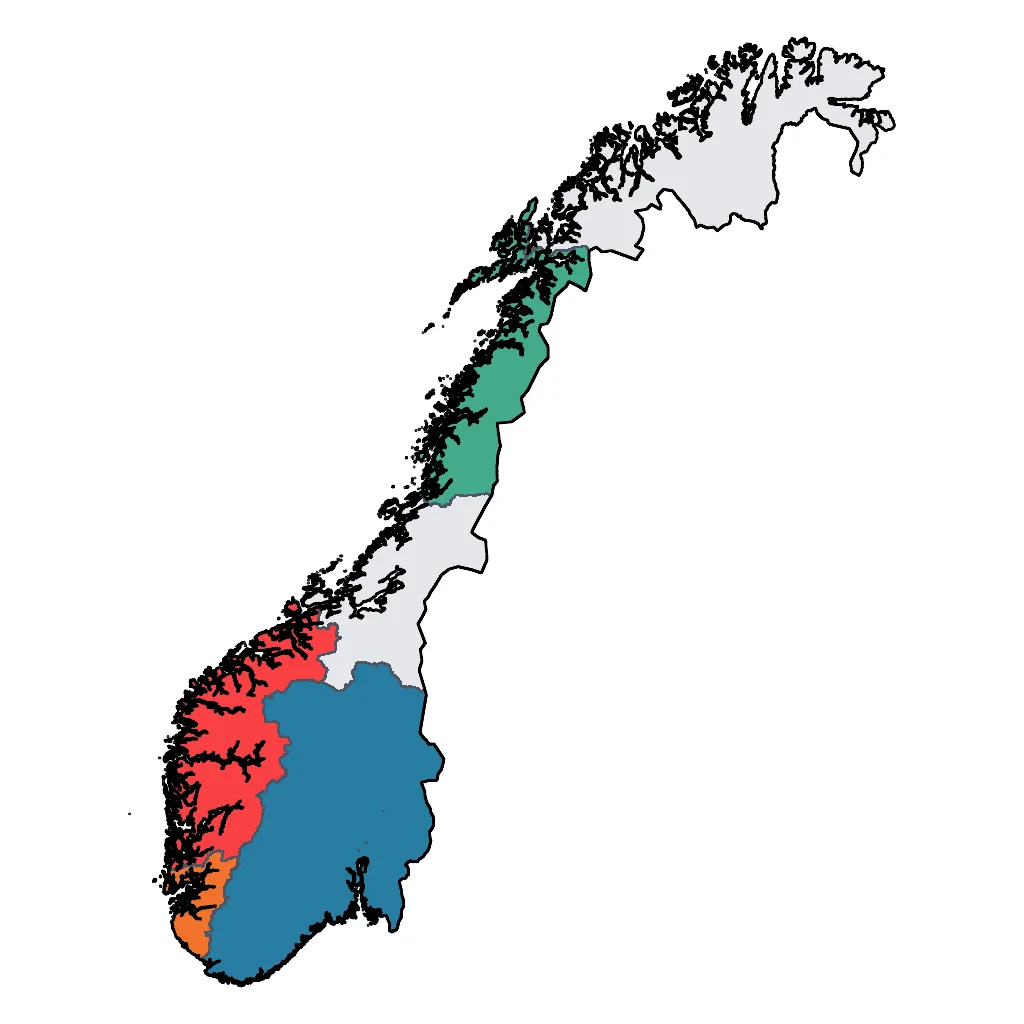

Learning experiences, scientific sites, historical education
The Norwegian Petroleum Museum is an international benchmark for industrial education, providing high-quality, interactive experiences for discerning families. While museums are indoor, the peak period allows for combining these with outdoor archaeological sites like the Iron Age Farm in comfortable weather.
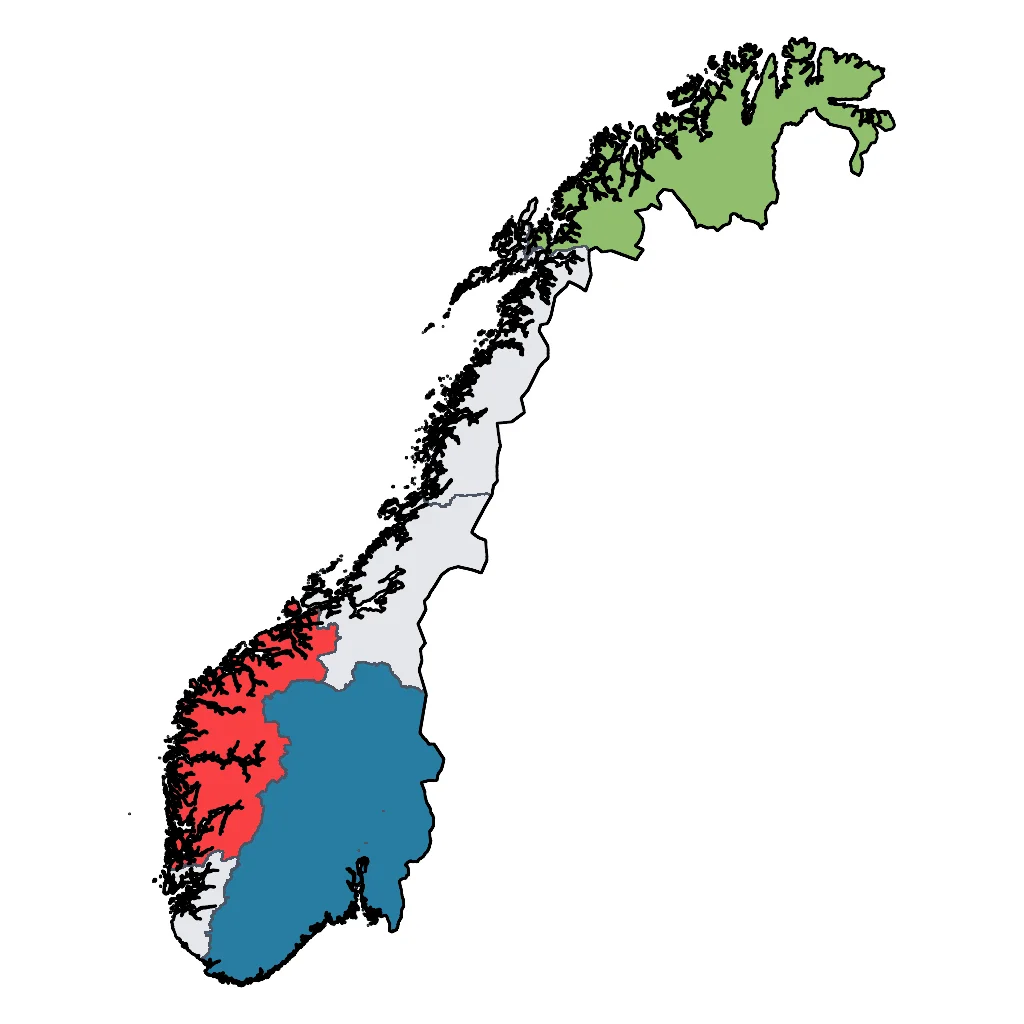

Events, celebrations, seasonal attractions
The region hosts 'Gladmat', Scandinavia's largest food festival in July, and the world-renowned Nuart street art festival in September. These offer authentic cultural engagement beyond typical tourism; however, the events are highly concentrated in specific weeks of the summer/early autumn.
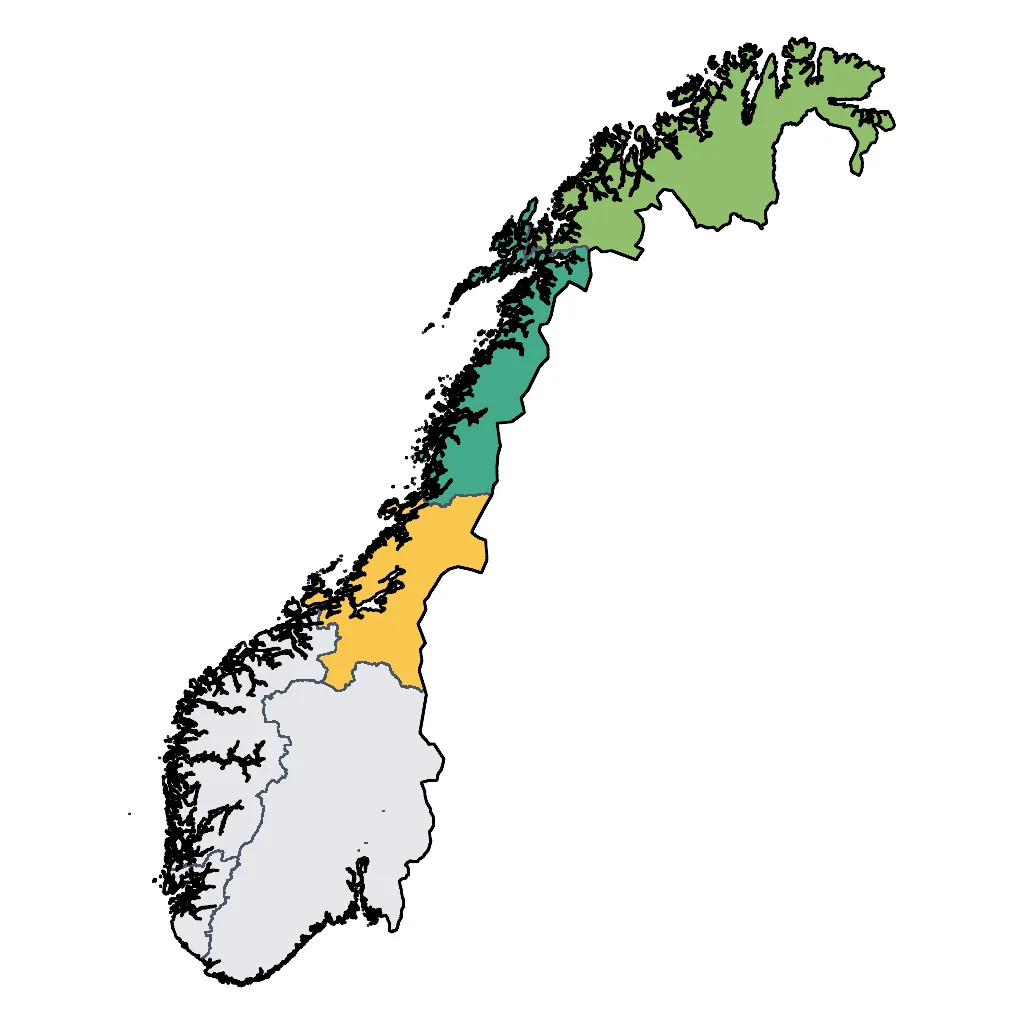

Beach resorts, marine activities: diving, snorkelling, kite surfing, wind surfing, sailing
Stavanger offers Sola Beach for family activities like sandcastle building and kite flying, but the cool Norwegian summers typically mean water temperatures do not meet international peak standards for swimming. July and August offer the mildest conditions for general beach enjoyment, while other months are too cold with rough seas for discerning international travelers seeking pristine beach experiences.