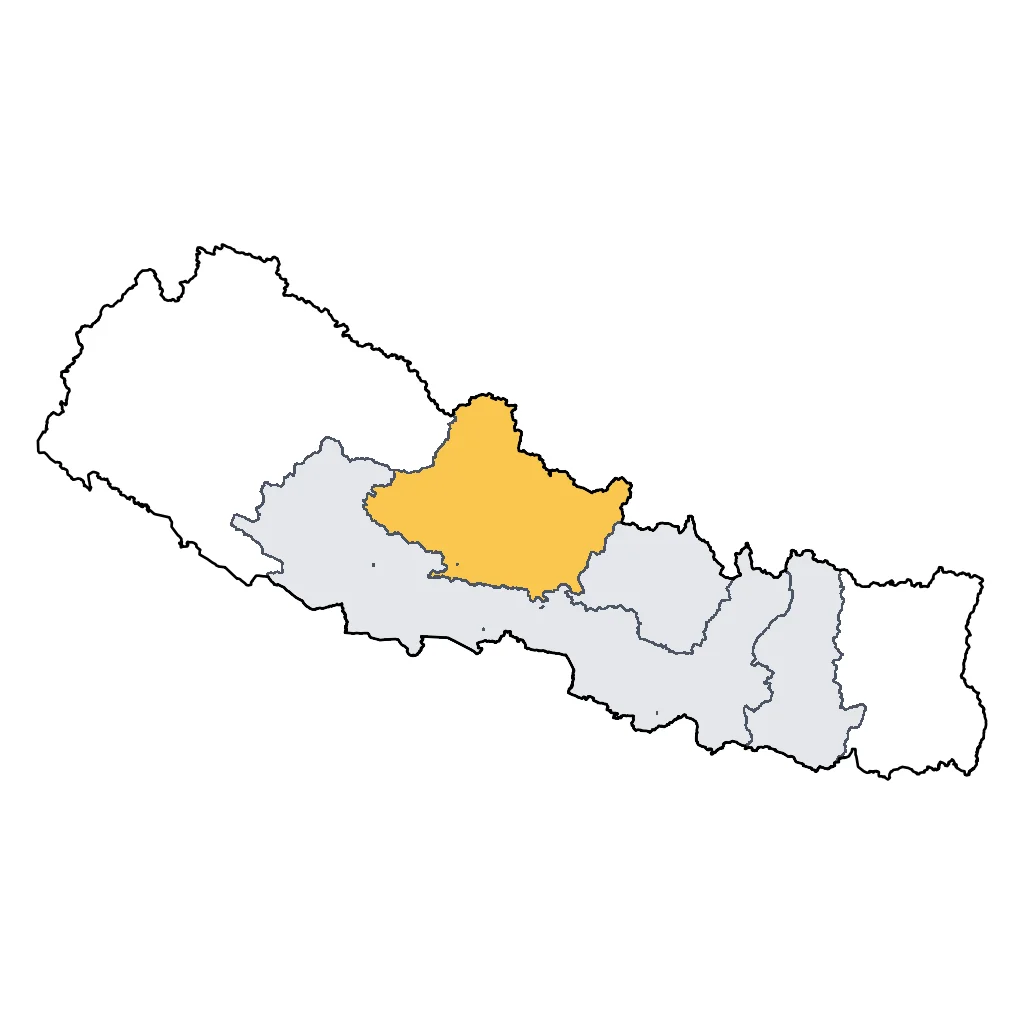
Kathmandu Valley & Langtang
Ancient temples, living goddesses, and valley treks 🛕🐒
⚠️ SAFETY WARNING: Due to the risk of civil disorder and demonstrations in the capital, government agencies (including the USA, UK, Canada, and Australia) advise travelers to reconsider travel or exercise increased caution in the Kathmandu Valley. Political gatherings can occur near government buildings and public squares, potentially turning confrontational. Families are strongly urged to consult their own government's official travel advisory before considering a trip, as circumstances and risk assessments vary.
The Kathmandu Valley is a sensory explosion that serves as the cultural anchor of Nepal. It contains three major historic cities—Kathmandu, Patan, and Bhaktapur—each with its own Durbar Square filled with palaces and temples. For families, Swayambhunath (the Monkey Temple) is an immediate hit; the climb offers panoramic views of the city, and the resident monkeys provide endless entertainment, though food should be kept hidden. Boudhanath Stupa is another pedestrian-friendly area where children can join monks and locals in circumambulating the massive white dome, spinning prayer wheels as they go. Bhaktapur stands out as the most traffic-free and preserved of the cities, offering pottery workshops where kids can get their hands dirty with local clay.
Just north of the capital lies the Langtang region, often considered the best trekking option for families who want a Himalayan experience without the logistical complexity of Everest or Annapurna. The trailhead at Syabrubesi is accessible by a day-long drive from Kathmandu, eliminating the need for domestic flights. The Langtang Valley trek is relatively moderate, rising gradually through bamboo and rhododendron forests where red pandas are occasionally spotted. The Kyanjin Gompa settlement offers a spectacular amphitheater of glaciers and peaks, with a cheese factory that demonstrates local yak cheese production—a fun educational stop.
The climate in the valley is temperate, but pollution can be an issue in Kathmandu city; families often prefer staying in the outskirts or in cleaner Bhaktapur. Traffic in Kathmandu is chaotic, so using taxis or arranged transport is safer than local buses. The food scene is diverse, with plenty of international options if children are picky, alongside local staples like momo (dumplings) which are universally loved by kids.
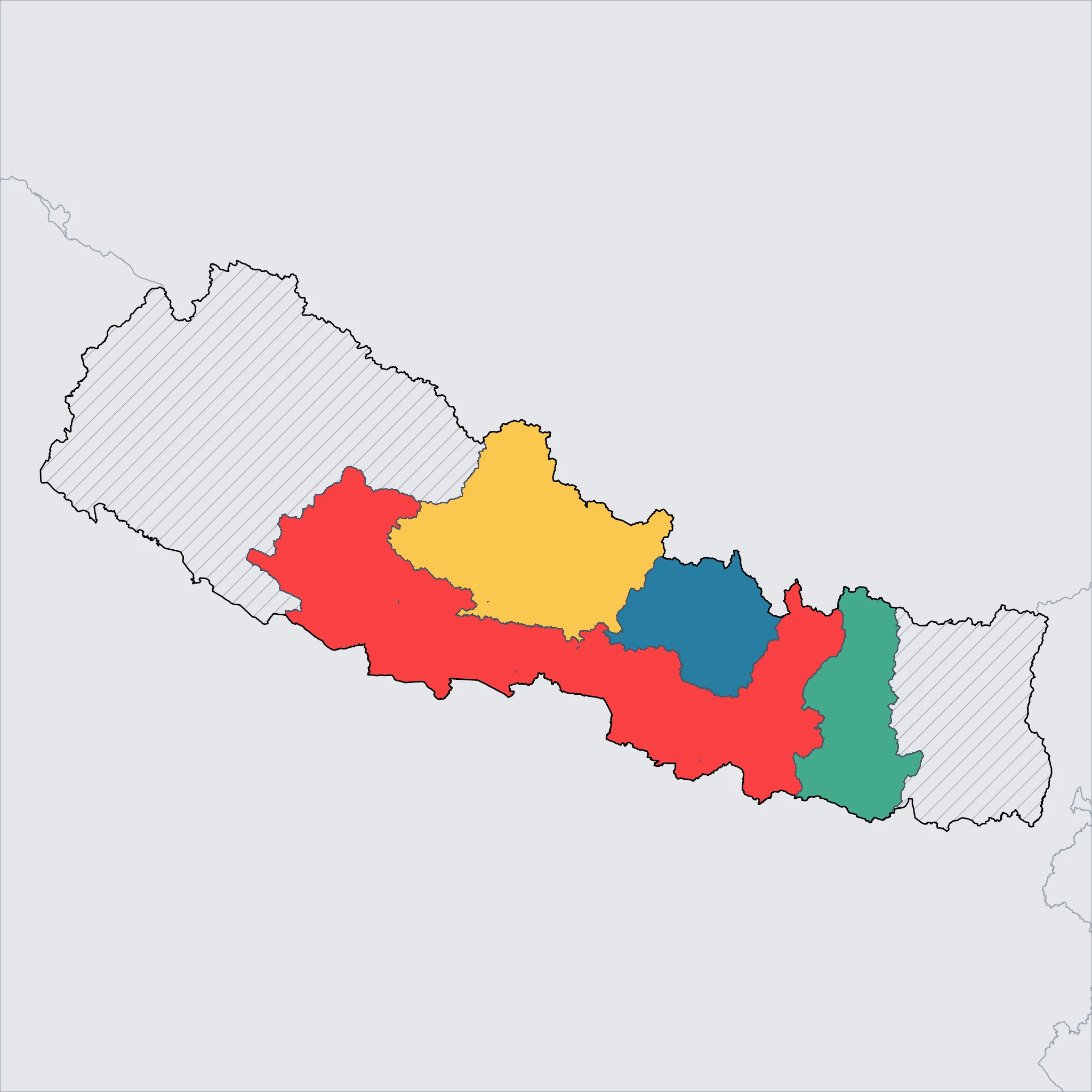
Click a region to explore

Activities & Best Times

Hiking, wildlife, outdoor exploration, ecotourism
Langtang National Park offers world-class Himalayan trekking with accessible trails and authentic Tamang hospitality that rivals the best alpine experiences globally. Peak spring and autumn provide crystal-clear mountain views and stable trails, while the monsoon (Jun-Sep) and mid-winter (Jan-Feb) present landslide risks or extreme cold unsuitable for families.
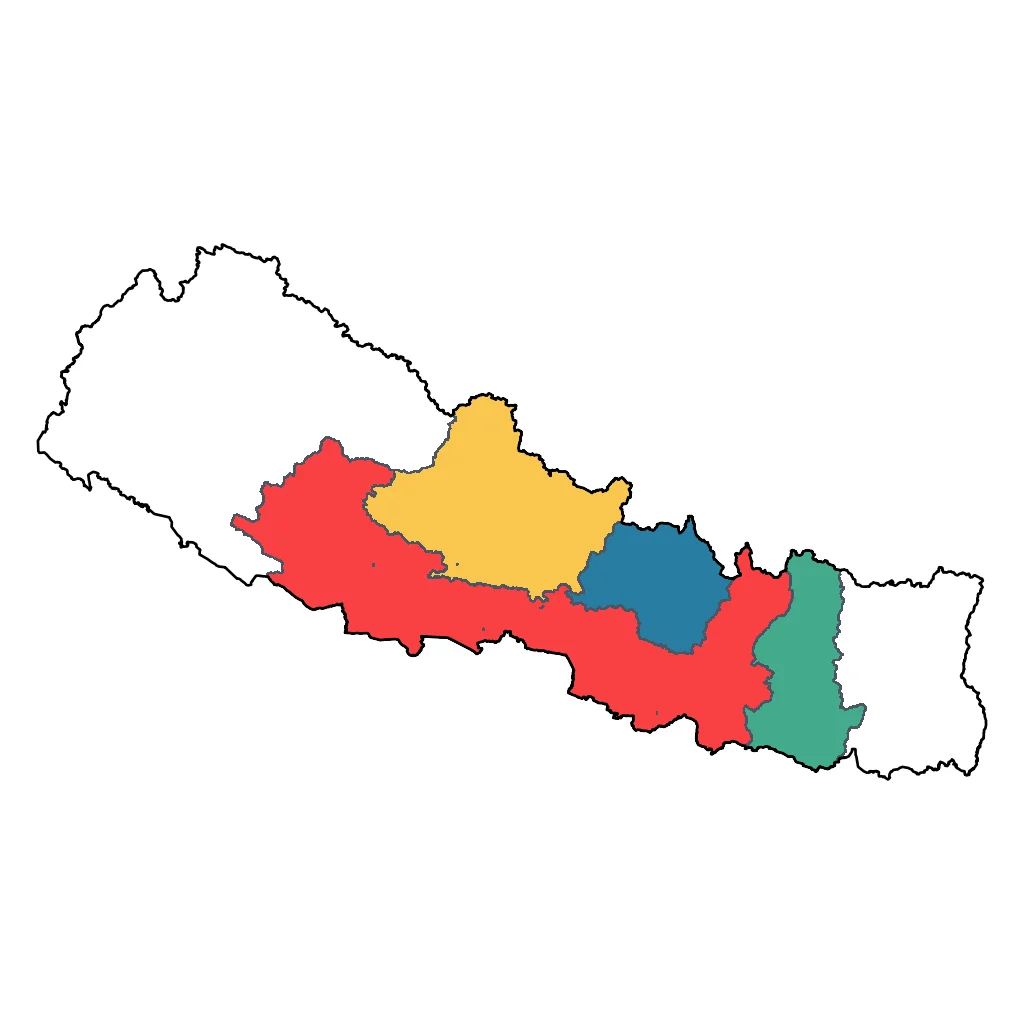

Urban tourism, museums, historical sites, architecture
The UNESCO-listed cities of Bhaktapur and Patan are world-class living museums, offering a density of authentic medieval architecture and craftsmanship rarely seen elsewhere. Peak seasons offer comfortable walking temperatures and dry conditions; the heavy monsoon rains from June to September make navigating the historic, unpaved alleyways difficult for sophisticated travelers.
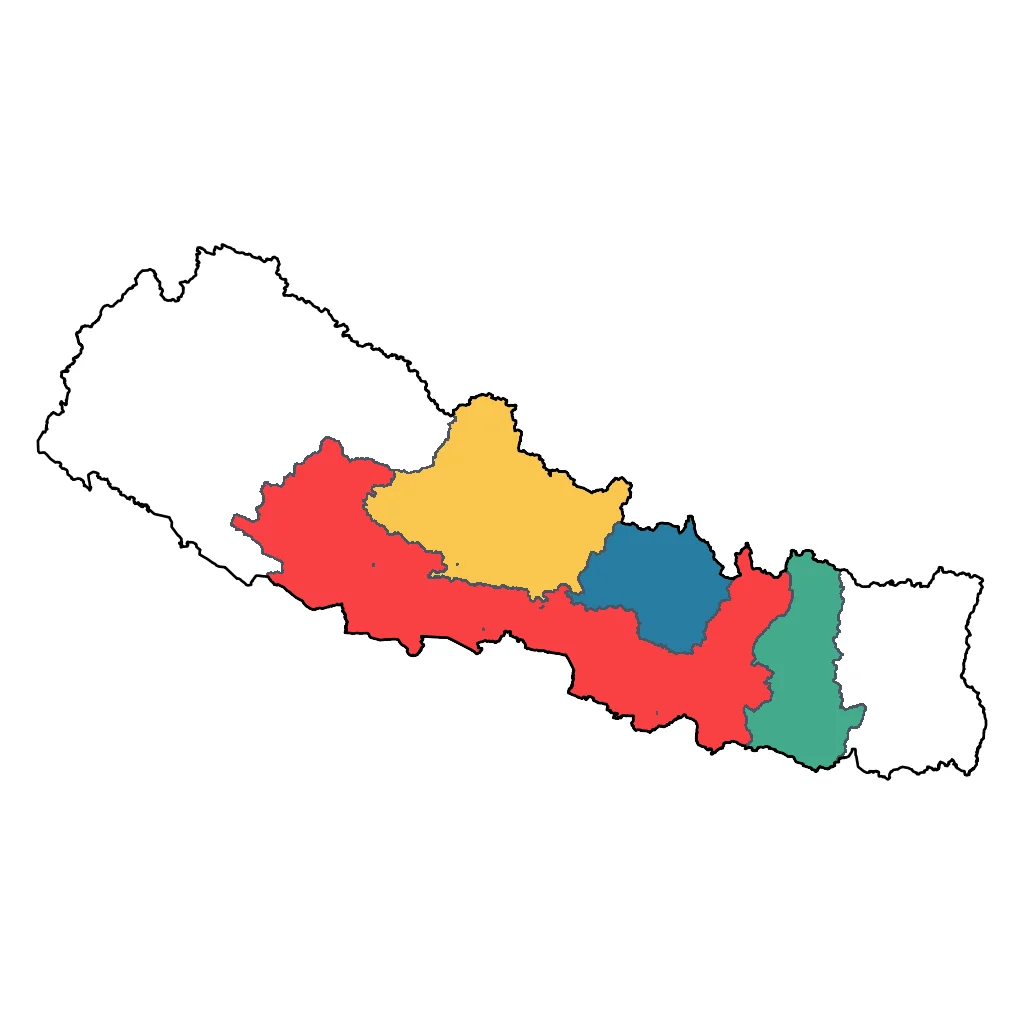

Events, celebrations, seasonal attractions
The region hosts iconic, deeply authentic celebrations such as Dashain, Tihar, and Holi that offer travelers a unique window into vibrant local traditions. These major festivals align with the clear, dry weather of October and March, while the summer monsoon period sees fewer large-scale public processions due to disruptive heavy rainfall.
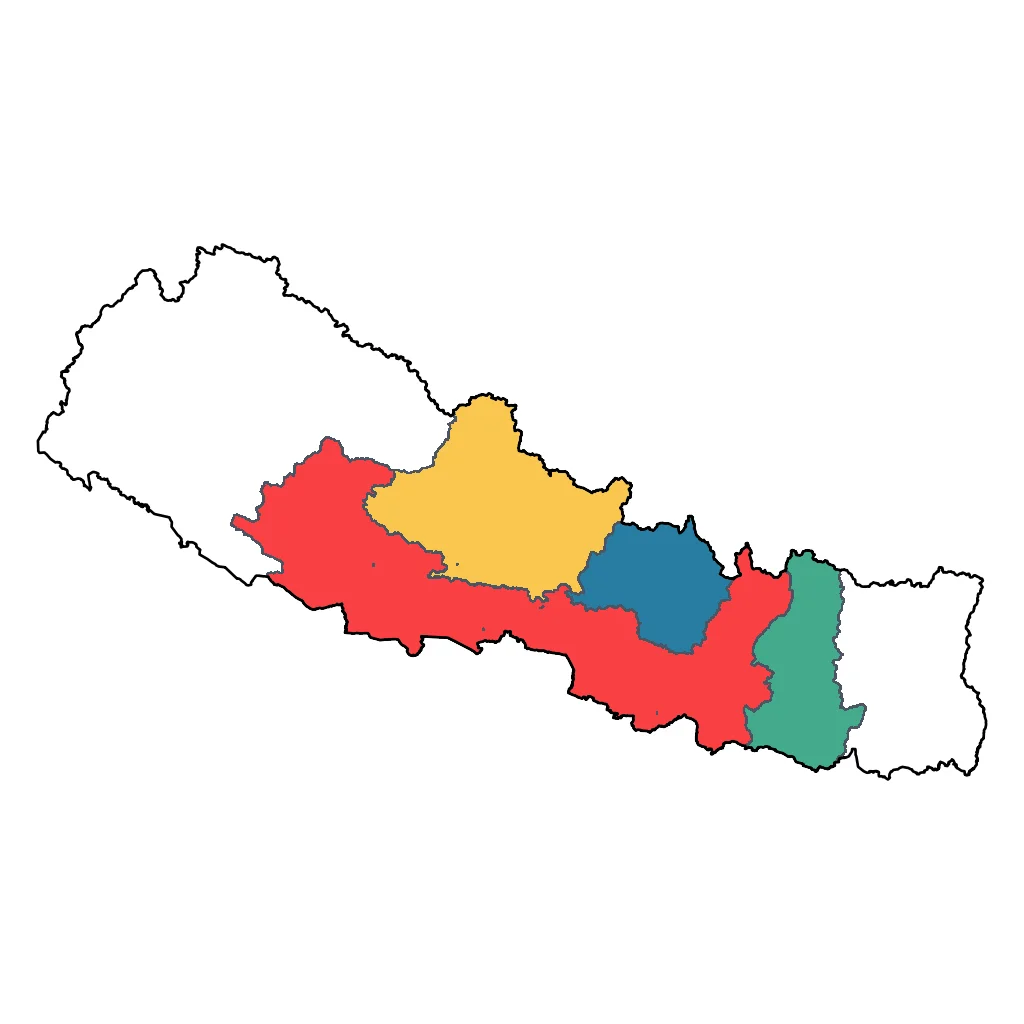

Learning experiences, scientific sites, historical education
Rich religious history and archaeological depth make this a premier site for families seeking to learn about Hindu-Buddhist syncretism and Newari arts. Dry, mild months (Mar-Apr, Oct-Nov) facilitate outdoor site exploration and workshops; extreme summer rainfall significantly limits access to archaeological sites and outdoor cultural lectures.
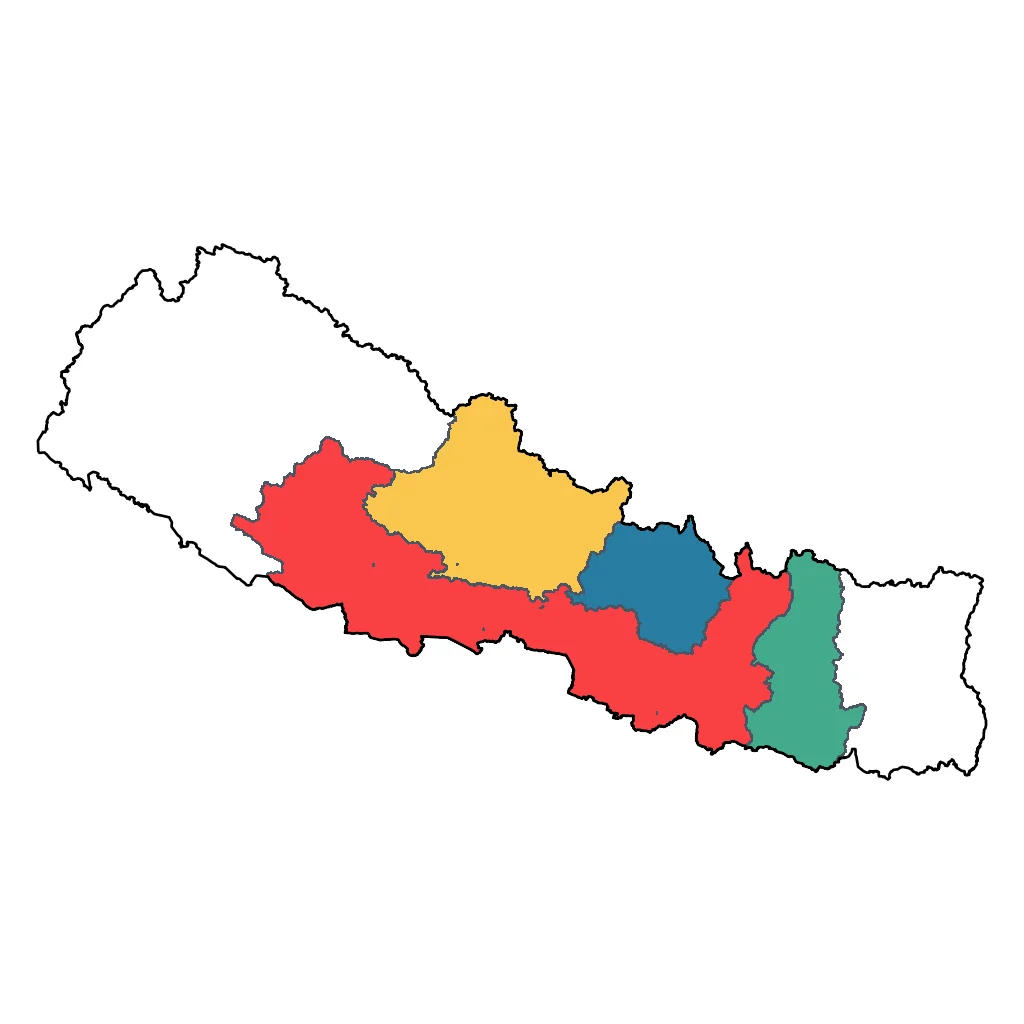

Spa retreats, wellness centers, peaceful getaways
High-end heritage retreats like Dwarika's provide world-class Ayurvedic and Newari wellness treatments in a tranquil, authentic setting. Ideal weather in spring and autumn supports outdoor yoga and meditation; however, the high humidity (over 70%) and noise of heavy monsoon rain in summer can detract from a peaceful retreat atmosphere.
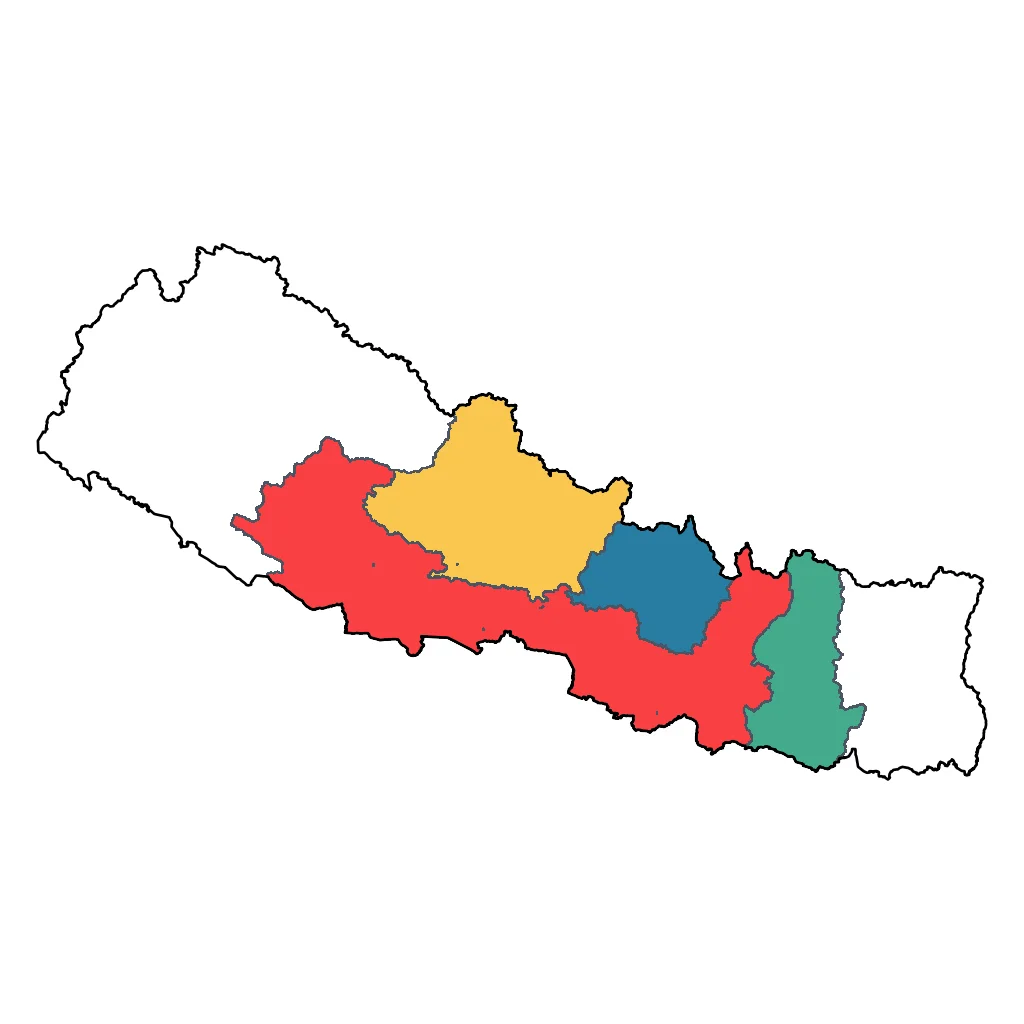

Sport tourism, fitness activities, active recreation
A premier destination for high-altitude trekking and emerging mountain biking routes that challenge and inspire experienced active families. Peak months offer the best terrain conditions and visibility, whereas the monsoon creates hazardous mud and winter brings freezing temperatures to the Langtang trails.
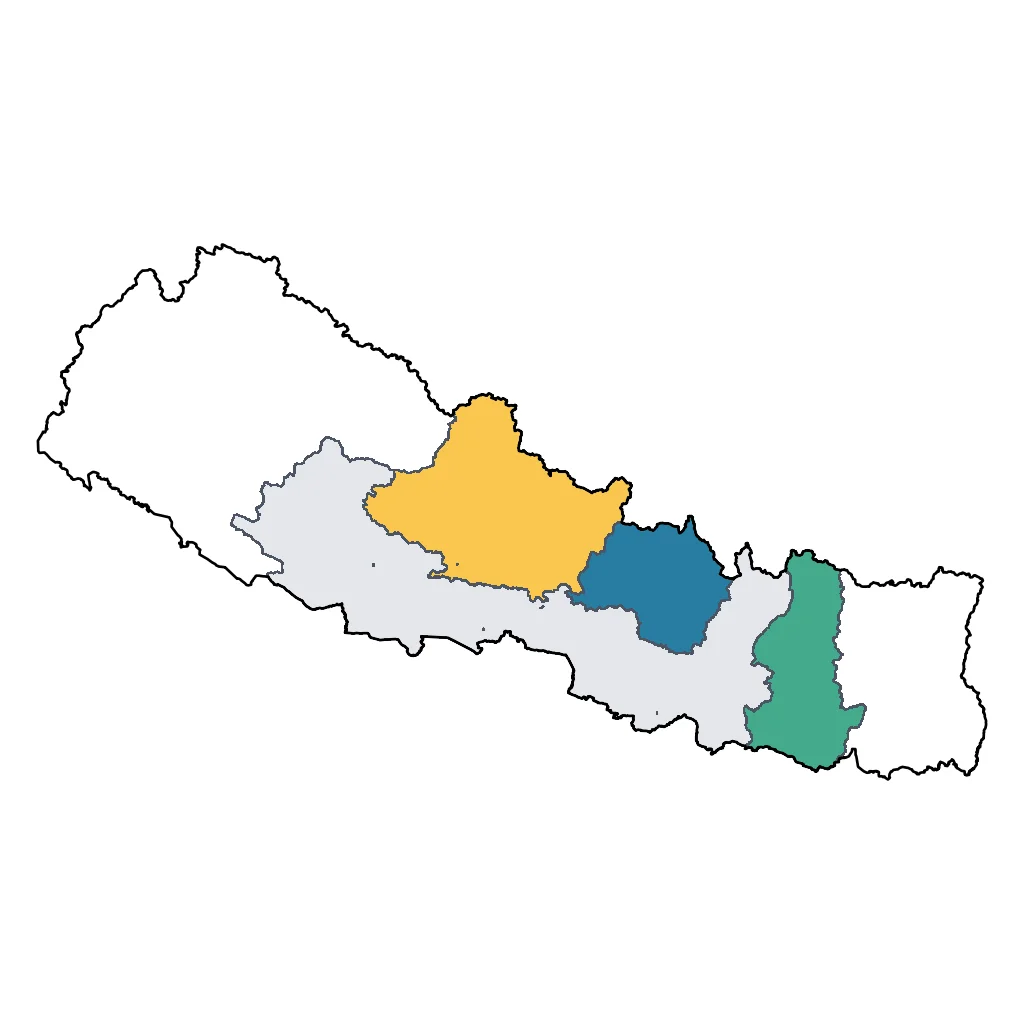

Scenic drives, countryside tours, route-based travel
While scenic routes like the drive to Nagarkot offer spectacular Himalayan vistas, local road infrastructure and traffic often fall below international standards for sophisticated families. The post-monsoon months (Oct-Nov) provide the best visibility and road safety, as the summer months bring significant landslide risks and poor road conditions.