

⚠️ SAFETY WARNING: As of February 2026, travel advisories (Level 3) suggest reconsidering travel to Nepal due to civil unrest and political instability ahead of the March elections. Protests, transportation strikes, and curfews may occur in major cities like Kathmandu and Pokhara. Families are urged to check their government's latest guidance, avoid demonstrations, and ensure comprehensive travel insurance is in place before booking.
Nepal is often defined by its summits, but for families, the magic lies in its variety. It is one of the few places on Earth where you can see the world's highest mountains and track tigers in a humid jungle on the same trip. While it requires more patience than a resort holiday, the rewards for adventurous children are immense. The culture is deeply welcoming; locals adore children, and the greeting "Namaste" will quickly become your family's favourite phrase.
Kathmandu Valley: Living History
The capital can be dusty and chaotic, but it captures the imagination. Swayambhunath (the Monkey Temple) is a guaranteed hit with kids, offering panoramic views and cheeky resident primates (keep snacks hidden!). For a calmer experience, visit Bhaktapur, a medieval city with car-free zones where children can run through pottery squares and marvel at multi-tiered pagodas. The sights, sounds, and smell of incense provide a sensory education no classroom can match.
Wildlife and Jungles
Head south to the Terai lowlands for a "Jungle Book" experience in Chitwan National Park. Unlike the high altitude north, this region is tropical and lush. Families can take jeep safaris to spot one-horned rhinoceroses, deer, and monkeys. The sheer excitement of spotting a rhino in the wild is a memory that lasts a lifetime. The area is well-setup for tourism with family-friendly lodges offering cultural dance programs in the evenings.
Pokhara and Family Trekking
Pokhara is the country's relaxation capital. Families can hire a colourful wooden boat on Phewa Lake or visit the Bat Cave. It is also the gateway to the Annapurna range. You don't need to climb Everest to experience the Himalayas; the Poon Hill trek (often called the "Apple Pie Trek") is achievable for active older children over 3-4 days, offering teahouse accommodation and spectacular sunrise views without extreme altitude risks.
Practical Considerations for Families
Travel in Nepal requires logistical planning. Road conditions can be poor and journeys long; a 200km trip can take 7+ hours. Domestic flights save time but be aware that safety records vary and weather delays are common. Food is a highlight-Dal Bhat (lentils and rice) is mild and nutritious, and dumplings are available everywhere. Stick to bottled or purified water strictly to avoid tummy troubles, and pack good walking shoes.

Explore Regions
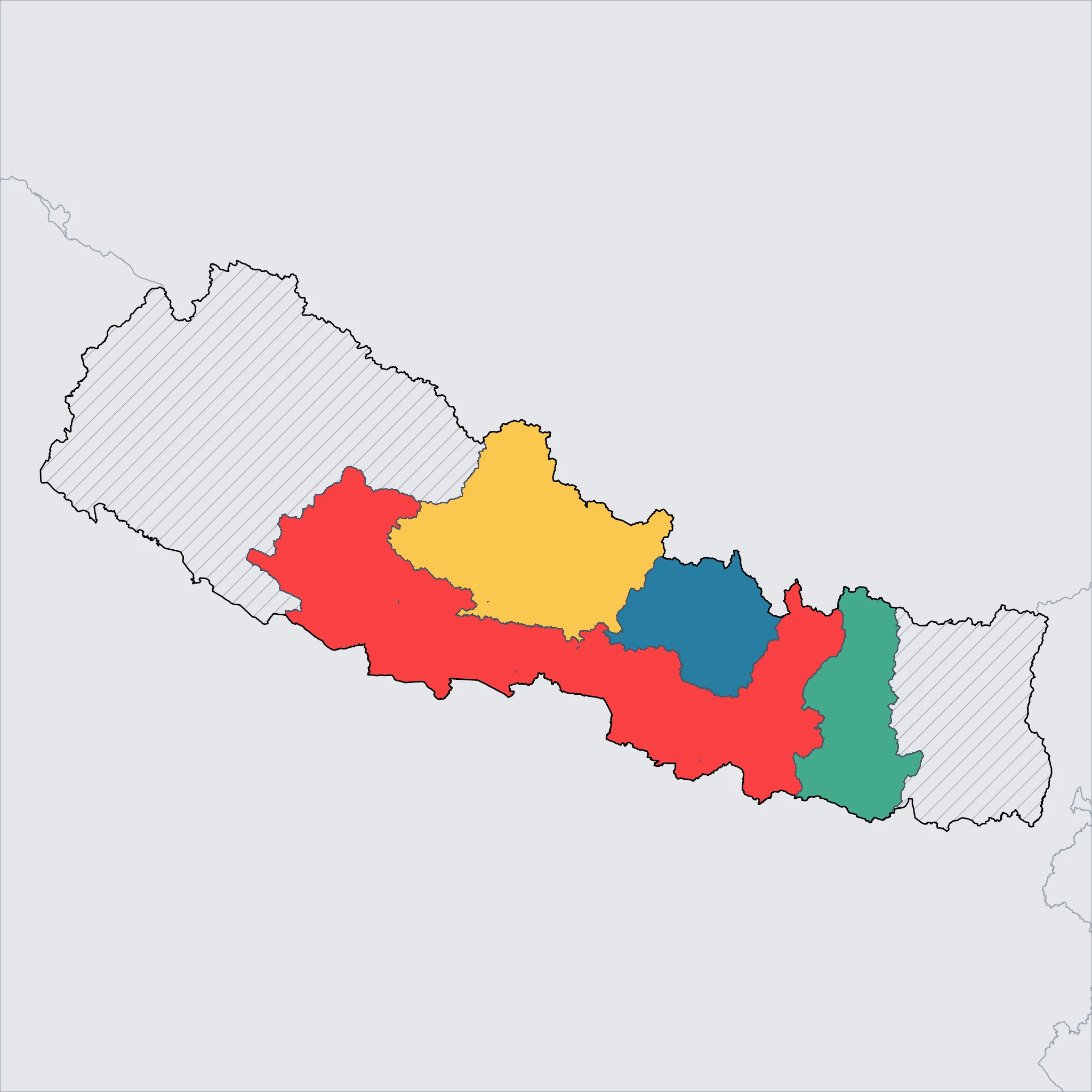
4 Regions
Chitwan & Terai
Jungle safaris and wildlife adventures 🦏🌿
Everest Region (Solu Khumbu)
Walk among giants in the Sherpa homeland 🏔️🇳🇵
Kathmandu Valley & Langtang
Ancient temples, living goddesses, and valley treks 🛕🐒
Pokhara, Annapurna & Mustang
Lakeside relaxation and mountain adventures 🛶⛰️
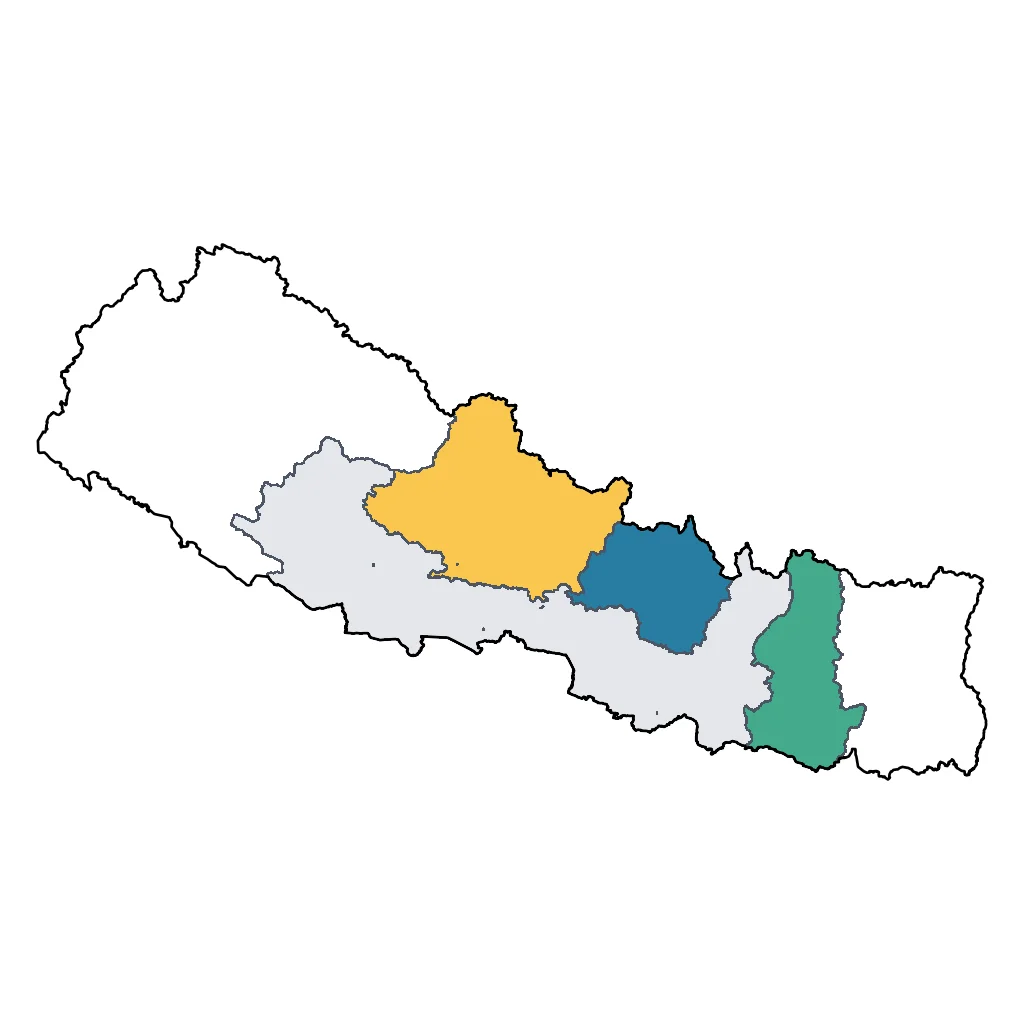
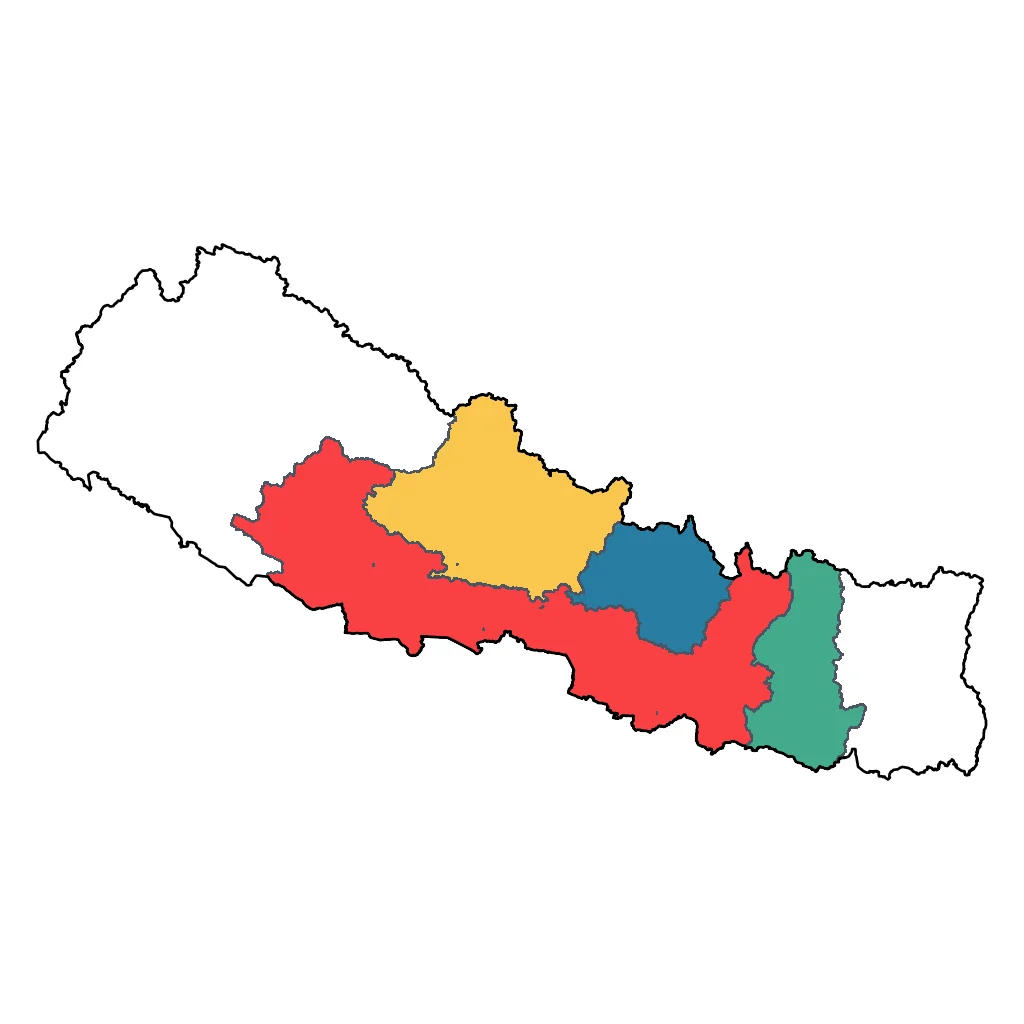
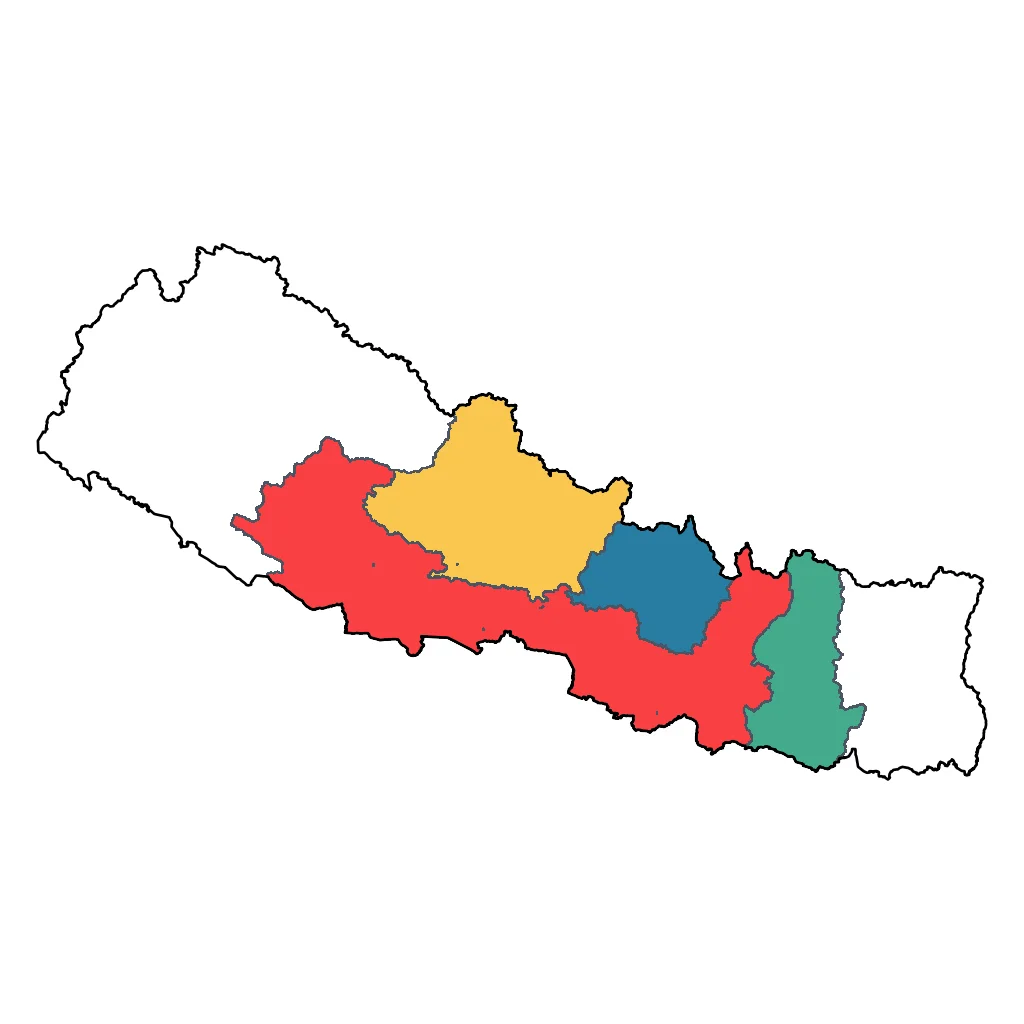
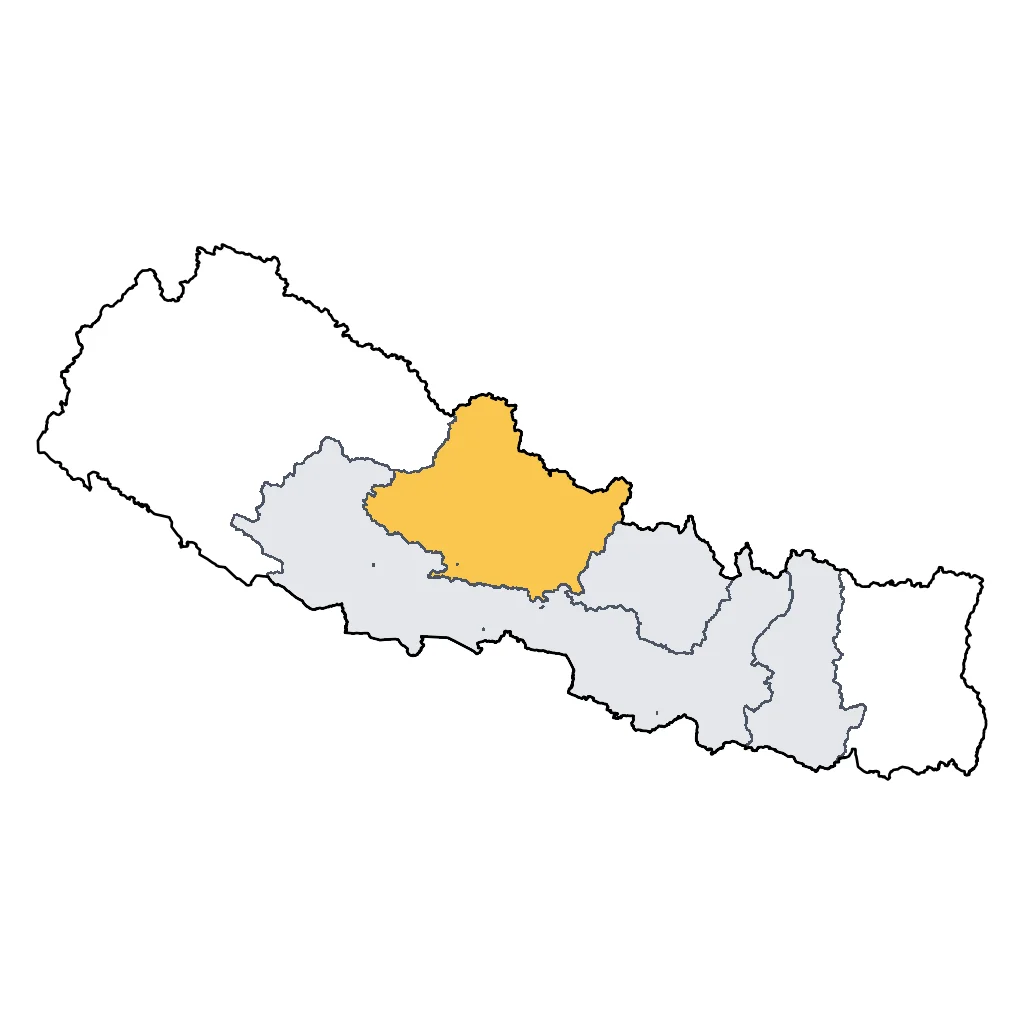
Click on a region marker to explore details. Use the dropdown to color regions by activity suitability.

Activities & Best Times

Adventure & Nature
ExcellentHiking, wildlife, outdoor exploration, ecotourism
Langtang National Park offers world-class Himalayan trekking with accessible trails and authentic Tamang hospitality that rivals the best alpine experiences globally. Peak spring and autumn provide crystal-clear mountain views and stable trails, while the monsoon (Jun-Sep) and mid-winter (Jan-Feb) present landslide risks or extreme cold unsuitable for families.
As the home of Mount Everest and Sagarmatha National Park, this region offers world-class trekking through high-altitude ecosystems with unparalleled Himalayan vistas. Peak months align with the dry season (<80mm rain) and ideal temperatures (16-26°C); summer is unsuitable due to extreme monsoon rainfall and poor mountain visibility.
Home to the world-renowned Annapurna Circuit and the unique high-altitude desert of Mustang, offering peerless trekking and Himalayan vistas. Peak months provide optimal visibility and dry trails, while the heavy monsoon (Jun-Sep) brings significant landslide risks and obscured mountain views.

City & Cultural
ExcellentUrban tourism, museums, historical sites, architecture
The UNESCO-listed cities of Bhaktapur and Patan are world-class living museums, offering a density of authentic medieval architecture and craftsmanship rarely seen elsewhere. Peak seasons offer comfortable walking temperatures and dry conditions; the heavy monsoon rains from June to September make navigating the historic, unpaved alleyways difficult for sophisticated travelers.
Home to the UNESCO-listed Lumbini, the birthplace of Buddha, and highly authentic indigenous Tharu villages. Ideal conditions exist during the cooler, dry winter months; extreme pre-monsoon heat (up to 35.5°C) and heavy summer rains make outdoor exploration challenging.
While lacking a metropolis, Namche Bazaar serves as a unique cultural hub with authentic Sherpa architecture and UNESCO-recognized heritage. The spring and autumn months offer the most comfortable temperatures and clear skies for exploring high-altitude monasteries and villages; the heavy monsoon rain (up to 486mm) makes travel and photography difficult.

Festivals & Seasonal
ExcellentEvents, celebrations, seasonal attractions
The region hosts iconic, deeply authentic celebrations such as Dashain, Tihar, and Holi that offer travelers a unique window into vibrant local traditions. These major festivals align with the clear, dry weather of October and March, while the summer monsoon period sees fewer large-scale public processions due to disruptive heavy rainfall.
The region hosts the world-renowned Mani Rimdu festival at Tengboche Monastery, a deeply authentic spectacle of Sherpa dance and ritual. Peak season centers on the autumn festival dates; the monsoon months are avoided due to travel logistics and the lack of major cultural celebrations.
Features authentic events like the Tiji Festival in Mustang (typically May) and major national celebrations like Dashain and Tihar in autumn. These provide deep cultural insights for sophisticated travelers, though the timing is strictly seasonal and often coincides with the best weather windows.

Sports & Active
ExcellentSport tourism, fitness activities, active recreation
A premier global destination for high-altitude trekking and mountaineering, supported by an established infrastructure of elite mountain guides and high-end lodges. The dry, clear months (Oct-Mar) provide the stable conditions required for active exploration, while the monsoon period (Jun-Sep) presents dangerous trail conditions and heavy rain.
A premier destination for high-altitude trekking and emerging mountain biking routes that challenge and inspire experienced active families. Peak months offer the best terrain conditions and visibility, whereas the monsoon creates hazardous mud and winter brings freezing temperatures to the Langtang trails.
Pokhara is a global premier destination for paragliding and ultra-light flights, complemented by world-class white-water rafting and technical trekking. Conditions are ideal during the stable post-monsoon and spring windows; summer rainfall (>400mm) makes rivers dangerous and flight conditions unstable.

Educational & Exploratory
Very GoodLearning experiences, scientific sites, historical education
Rich religious history and archaeological depth make this a premier site for families seeking to learn about Hindu-Buddhist syncretism and Newari arts. Dry, mild months (Mar-Apr, Oct-Nov) facilitate outdoor site exploration and workshops; extreme summer rainfall significantly limits access to archaeological sites and outdoor cultural lectures.
Families can explore the history of mountaineering and the profound heritage of the Sherpa people at sites like the Hillary School and Khumjung Monastery. Excellent visibility and dry weather from October to March allow for consistent access to high-altitude heritage sites, which are often isolated by clouds and rain during the monsoon.
The 'Forbidden Kingdom' of Mustang provides an authentic window into ancient Tibetan Buddhist culture, featuring 15th-century monasteries and mysterious sky caves. The dry climate of Mustang allows for exploration in May, but the overall region's archaeological access is hampered by monsoon rains from June to September.

Relaxation & Wellness
Very GoodSpa retreats, wellness centers, peaceful getaways
High-end heritage retreats like Dwarika's provide world-class Ayurvedic and Newari wellness treatments in a tranquil, authentic setting. Ideal weather in spring and autumn supports outdoor yoga and meditation; however, the high humidity (over 70%) and noise of heavy monsoon rain in summer can detract from a peaceful retreat atmosphere.
Pokhara serves as an international hub for yoga and meditation retreats, offering serene lakeside environments with mountain backdrops. Peak seasons offer crisp air and comfortable temperatures (17-23°C), while mid-summer humidity and extreme rainfall (up to 674mm) detract from the peaceful, outdoor-focused wellness experience.
Discerning travelers can find solace in exclusive luxury mountain lodges offering high-end spa treatments and spiritual meditation with views of 8,000m peaks. Clear transition seasons (Mar-Apr and Oct-Nov) provide the peaceful, scenic environment ideal for wellness, whereas the high humidity and heavy rains of summer are less conducive to relaxation.

Road Trips & Scenic
GoodScenic drives, countryside tours, route-based travel
Rugged, high-altitude routes into Mustang offer some of the world's most dramatic mountain scenery for adventurous families. While road infrastructure is developing, peak dry months are essential for safety, as the monsoon months cause frequent road washouts and treacherous driving conditions.
While scenic routes like the drive to Nagarkot offer spectacular Himalayan vistas, local road infrastructure and traffic often fall below international standards for sophisticated families. The post-monsoon months (Oct-Nov) provide the best visibility and road safety, as the summer months bring significant landslide risks and poor road conditions.
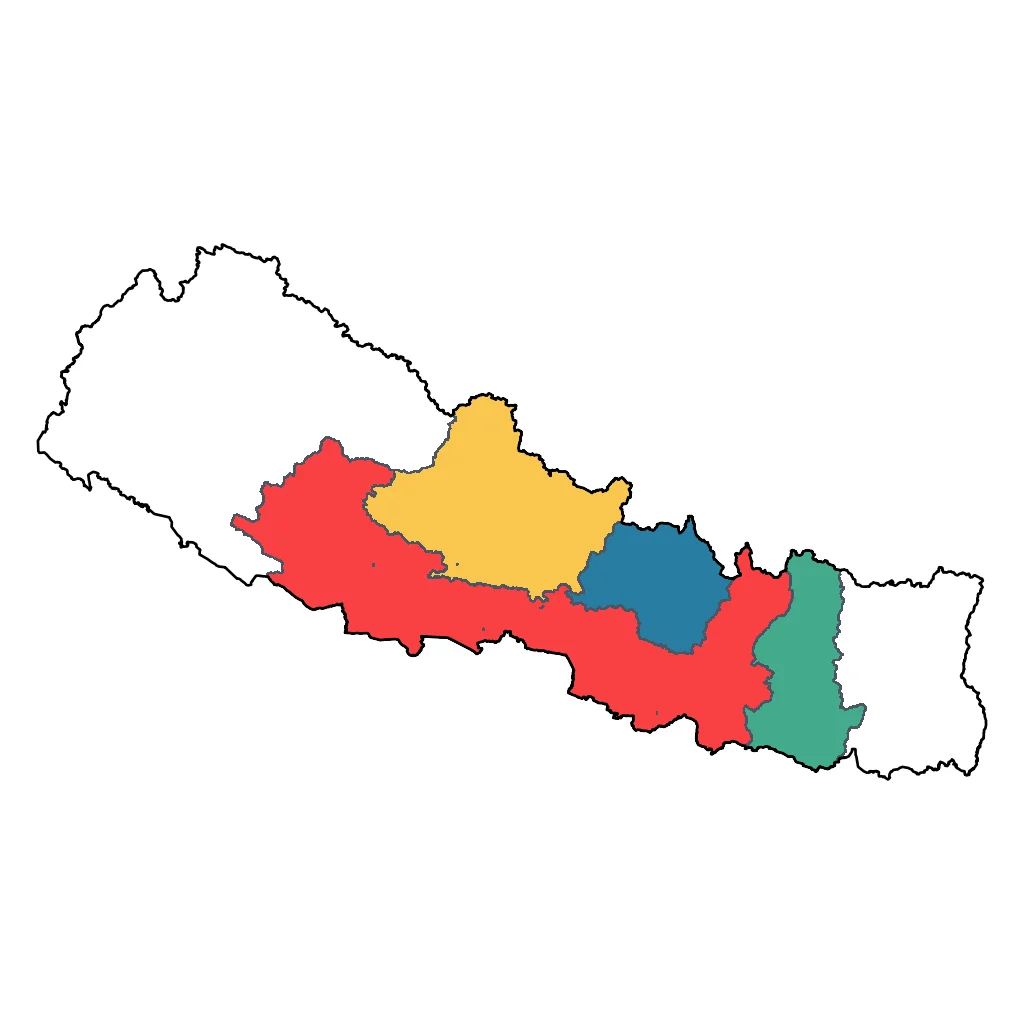

Airports & Flight Routes
Toggle options to view domestic routes and international airports. Click an airport for details.
Climate & Weather
Chitwan & Terai
Show Details
| Month | Temp °C | Rain | Humidity |
|---|
Everest Region (Solu Khumbu)
Show Details
| Month | Temp °C | Rain | Humidity |
|---|
Kathmandu Valley & Langtang
Show Details
| Month | Temp °C | Rain | Humidity |
|---|
Pokhara, Annapurna & Mustang
Show Details
| Month | Temp °C | Rain | Humidity |
|---|

Travel Advisory
Heightened vigilance is necessary due to ongoing political transitions, recent civil unrest, and significant natural hazard risks.
Safety Topics
Traveller Advice (3 groups)

Solo trekking is prohibited in most national parks and protected regions. Foreigners must be accompanied by a licensed local guide or porter and must obtain a Trekking Information Management System (TIMS) card.

While recent legal strides have been made, public displays of affection may still be met with disapproval in conservative or rural areas. Travellers should research the current social climate before visiting.

Female travellers are advised to dress conservatively and remain highly cautious of harassment. Incidents of sexual assault have occurred, particularly in nightlife areas of Kathmandu; avoiding solo travel at night is strongly recommended.