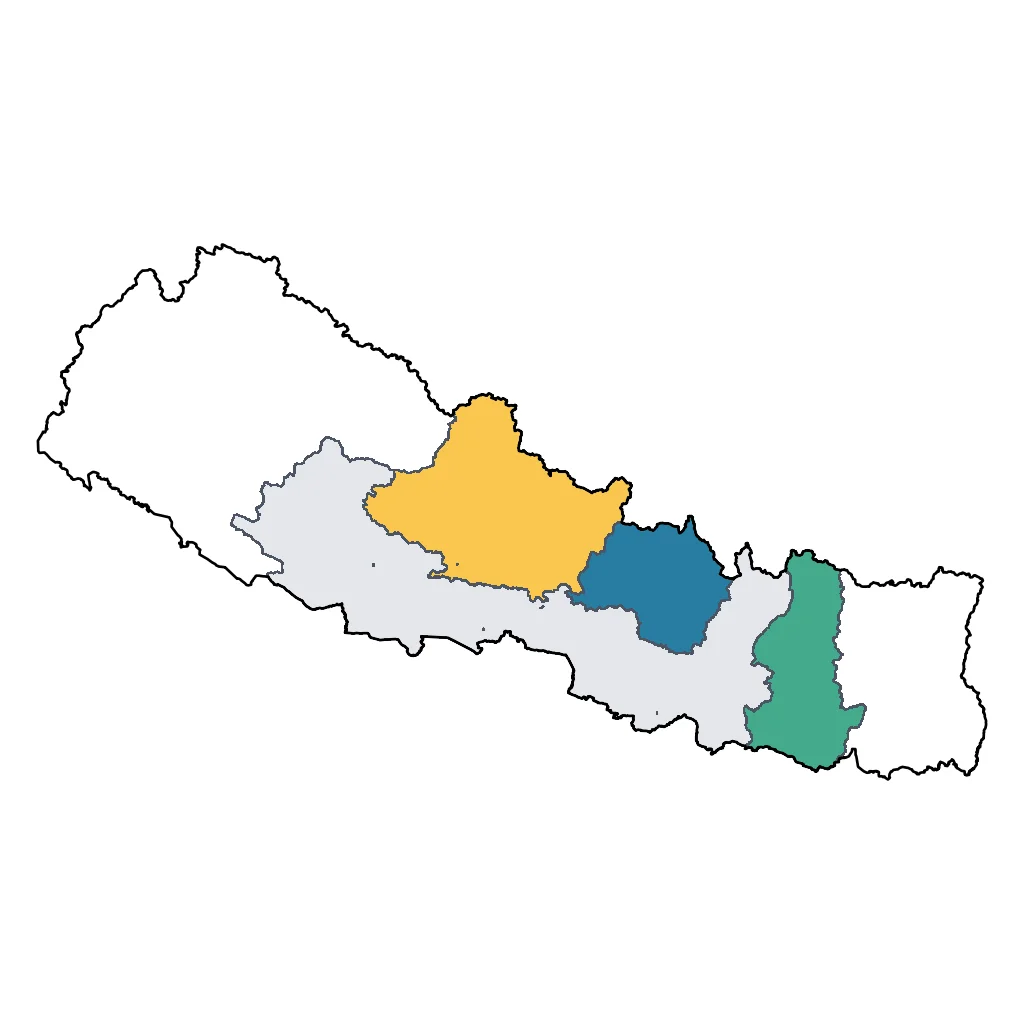
⚠️ SAFETY WARNING: Due to the potential for civil unrest and political volatility, particularly in areas near the Indian border, government agencies (including the USA, UK, Canada, and Australia) advise travelers to reconsider travel to parts of the Terai region. While Chitwan National Park is a major tourist destination with established infrastructure, the broader lowlands can experience sudden strikes (bandhs) and security incidents. Families are strongly urged to consult their own government's official travel advisory before considering a trip, as circumstances and risk assessments vary.
Chitwan and the Terai offer a dramatic contrast to Nepal's Himalayan peaks. This tropical, low-lying region stretches along the southern border and is characterized by humid jungles, vast marshes, and endless agricultural plains. For families, the primary draw is the accessibility of wildlife. Unlike the strenuous trekking required elsewhere, nature here is best explored by jeep or canoe. Chitwan National Park, a UNESCO World Heritage site, is famous for its population of one-horned rhinoceroses. Children are often thrilled by the prospect of spotting these armored giants, along with gharial crocodiles sunning themselves on the riverbanks and, for the very lucky, the elusive Bengal tiger.
Culturally, the Terai introduces visitors to the Tharu people, indigenous inhabitants known for their mud-walled houses decorated with colorful hand-prints and their resistance to malaria. Many lodges in Sauraha and Meghauli organize cultural shows featuring the stick dance, a rhythmic performance that captivates younger audiences. West of Chitwan lies Lumbini, the birthplace of Lord Buddha. It serves as a quieter, spiritual destination where families can walk through monastic zones representing different Buddhist nations, from Myanmar to Germany. The Maya Devi Temple creates a tangible connection to history that can be educational for school-aged children.
The climate here is subtropical. Winters (October to March) are pleasant and dry, making them the ideal time for safaris, though mornings can be surprisingly misty and cold. The summer months, leading into the monsoon, become oppressively hot and humid, often exceeding 35°C (95°F), which can be difficult for young children. When packing, families should prioritize mosquito repellent and light, long-sleeved clothing to protect against insects and the sun. While malaria risk is low in the dry season and main tourist hubs, it is a consideration in the broader region. Travel between towns is typically done by tourist bus or private car, but distances are long; domestic flights to Bharatpur or Bhairahawa significantly reduce travel time and are recommended for families with limited patience for bumpy roads.
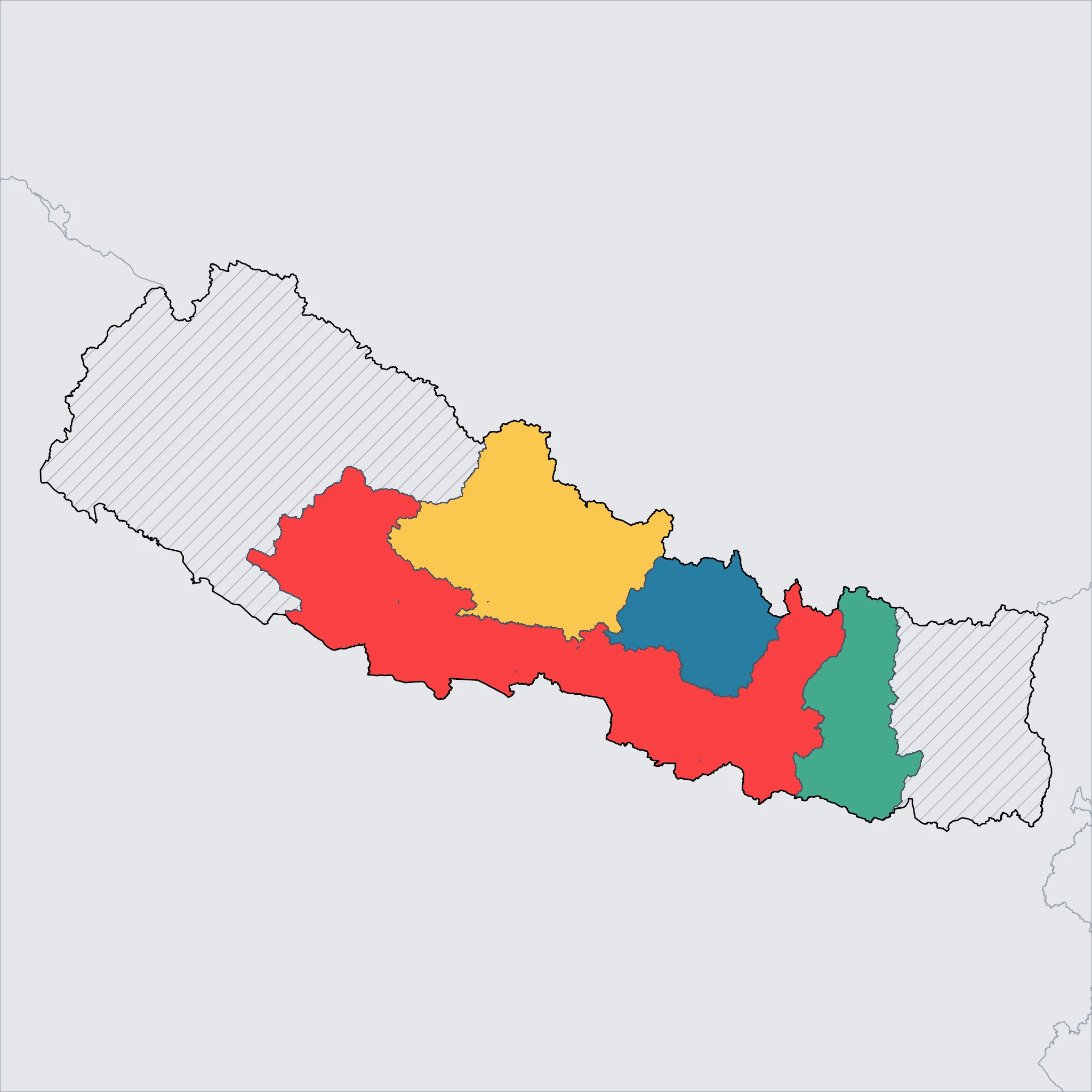
Click a region to explore

Activities & Best Times

Hiking, wildlife, outdoor exploration, ecotourism
A world-class destination for observing Greater One-horned Rhinos and Bengal tigers via authentic river and jeep safaris. Peak months offer dry weather and optimal visibility (15-25°C), while the heavy monsoon (Jun-Sep) causes flooding and park closures.

Urban tourism, museums, historical sites, architecture
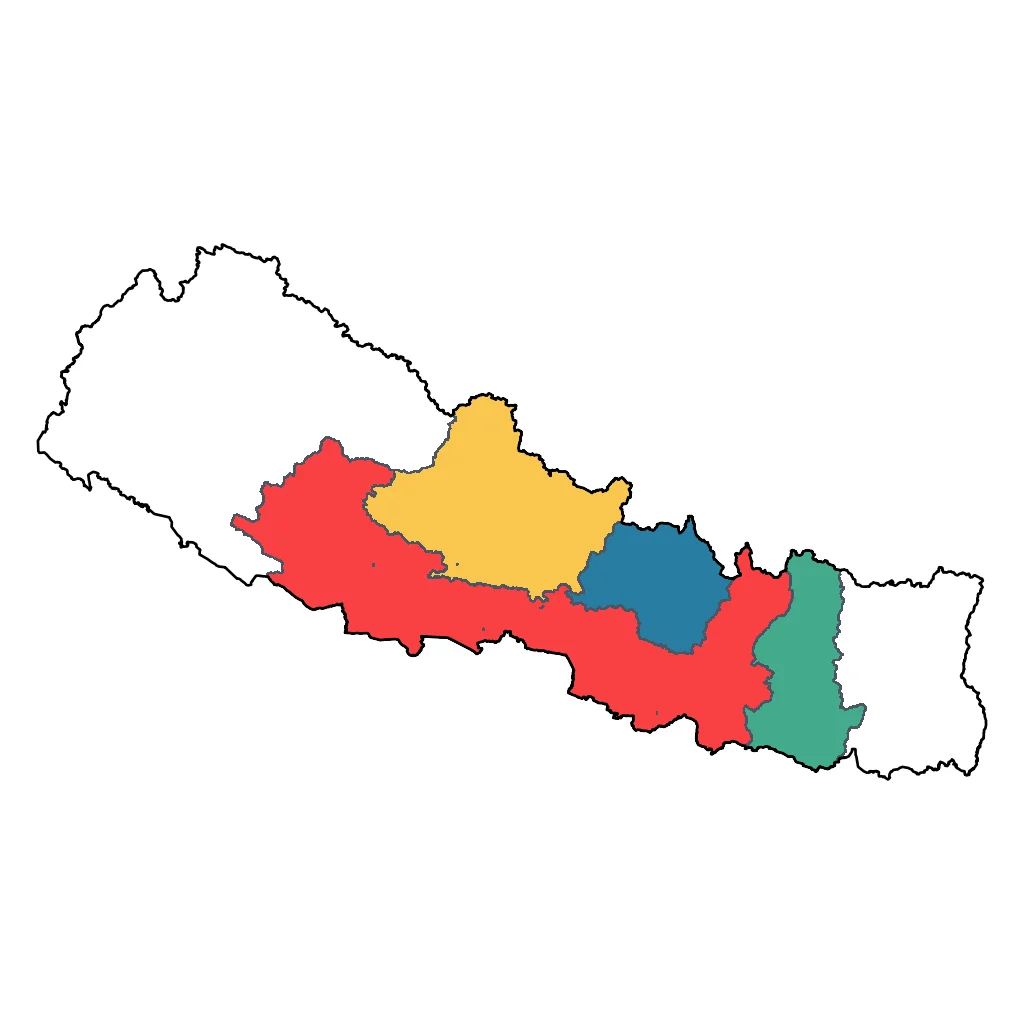
Home to the UNESCO-listed Lumbini, the birthplace of Buddha, and highly authentic indigenous Tharu villages. Ideal conditions exist during the cooler, dry winter months; extreme pre-monsoon heat (up to 35.5°C) and heavy summer rains make outdoor exploration challenging.

Learning experiences, scientific sites, historical education
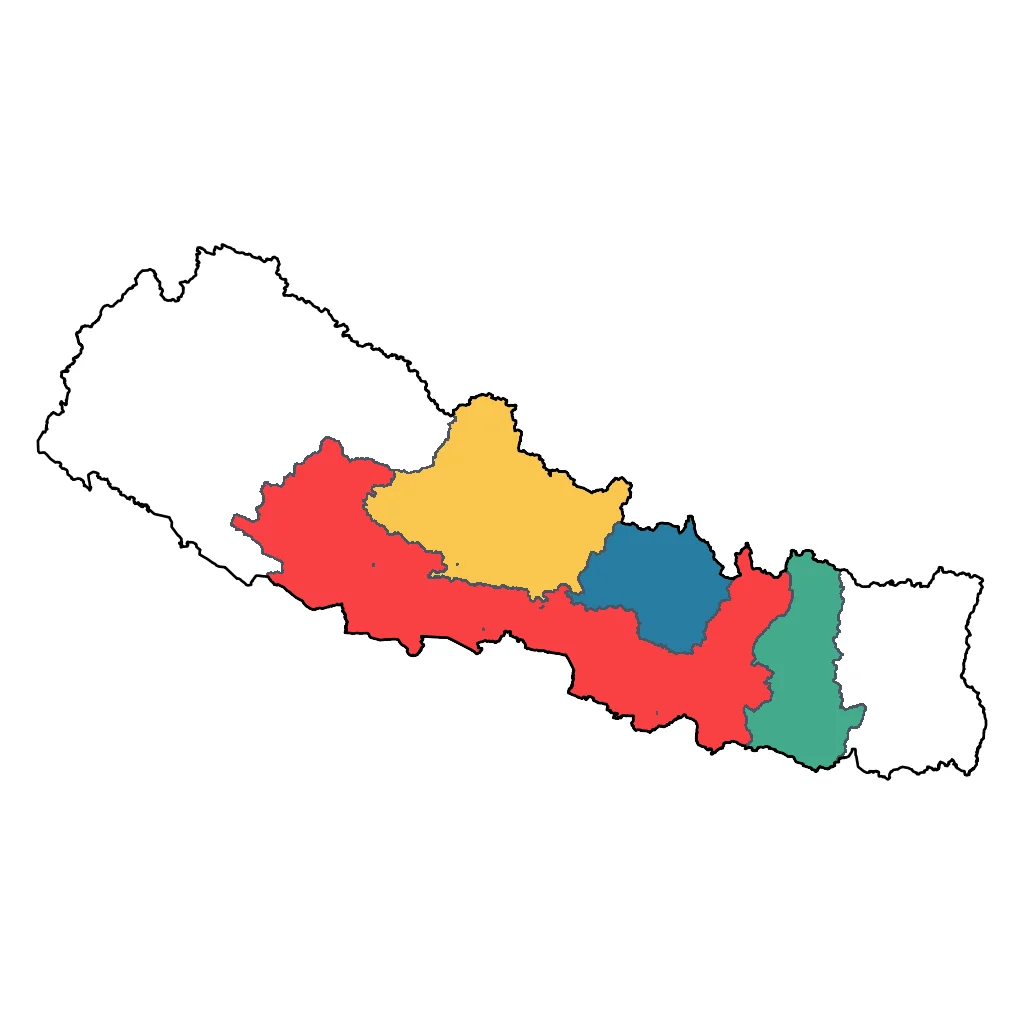
Offers profound learning experiences at significant archaeological sites and world-leading rhino conservation centers. The dry season provides the best access for guided educational tours, whereas the monsoon brings excessive rainfall (>300mm/month) that disrupts infrastructure.
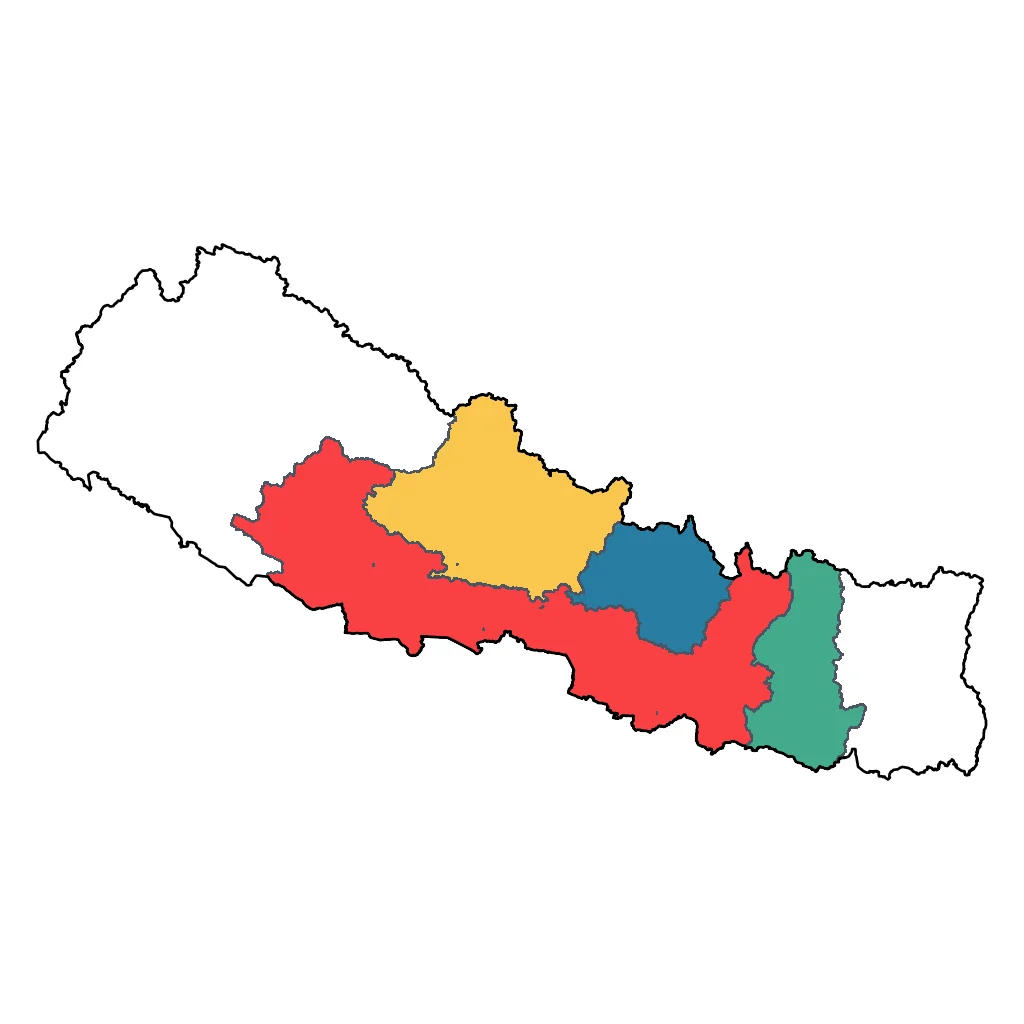

Events, celebrations, seasonal attractions
Vibrant Tharu cultural performances and major Buddhist celebrations in Lumbini offer authentic experiences for sophisticated travelers. Most significant events occur during the pleasant autumn and winter months, while the monsoon period experiences fewer public festivals and logistical travel challenges.
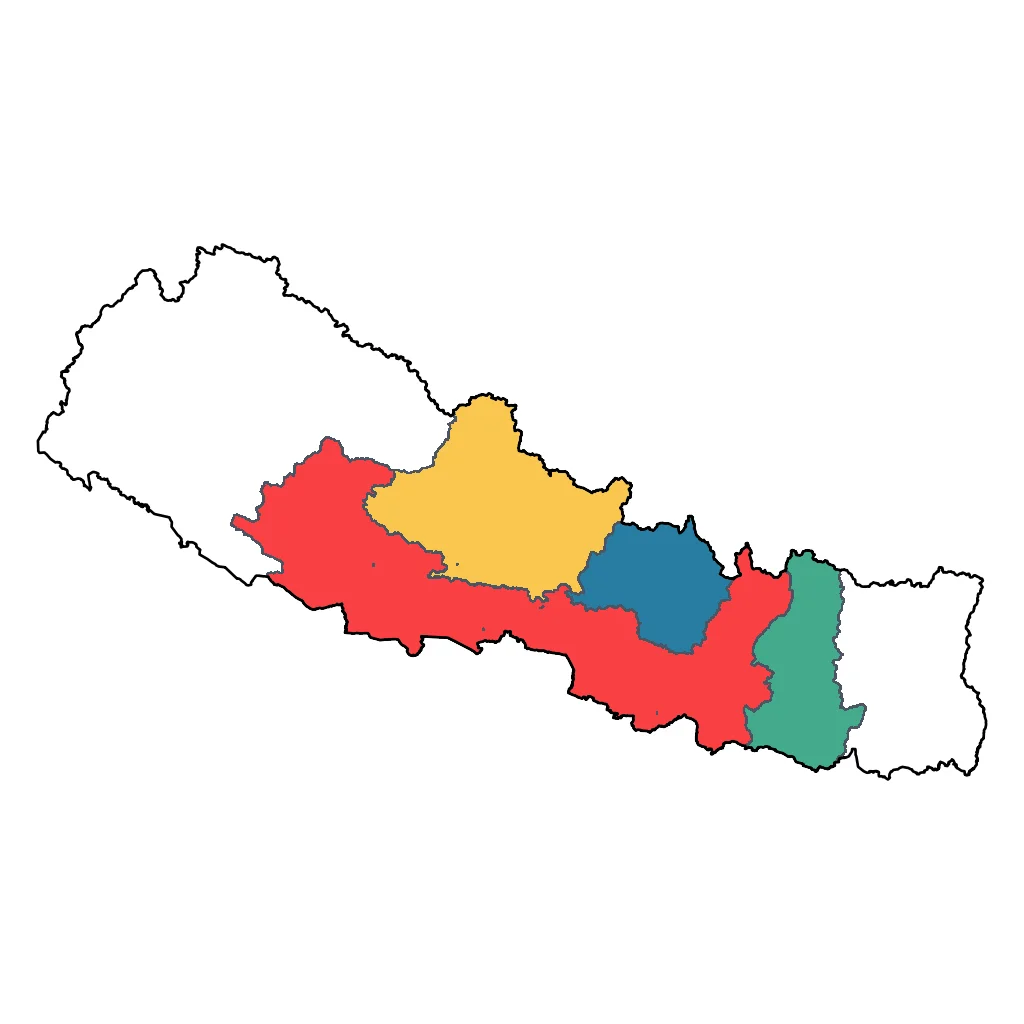

Spa retreats, wellness centers, peaceful getaways
Exclusive eco-luxury lodges offer high-end spa and meditation retreats set against a tranquil jungle backdrop. Peak months feature low humidity and pleasant temperatures, while the off-season suffers from intense humidity (reaching 69%) and heavy tropical downpours.
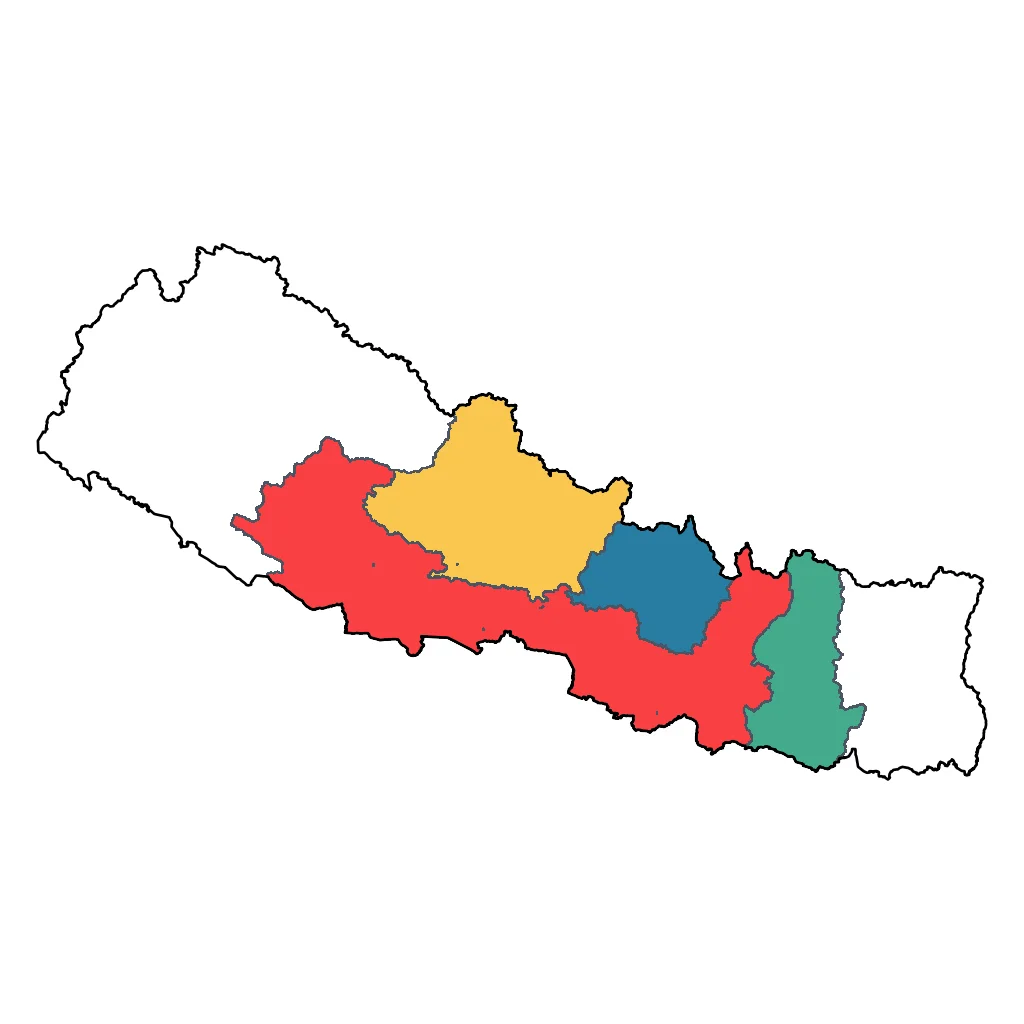

Sport tourism, fitness activities, active recreation
Distinctive active opportunities include jungle walking safaris and traditional dugout canoeing on the Rapti River. Conditions are best when trails are dry and rivers are calm; the monsoon months make terrain impassable and water activities unsafe.