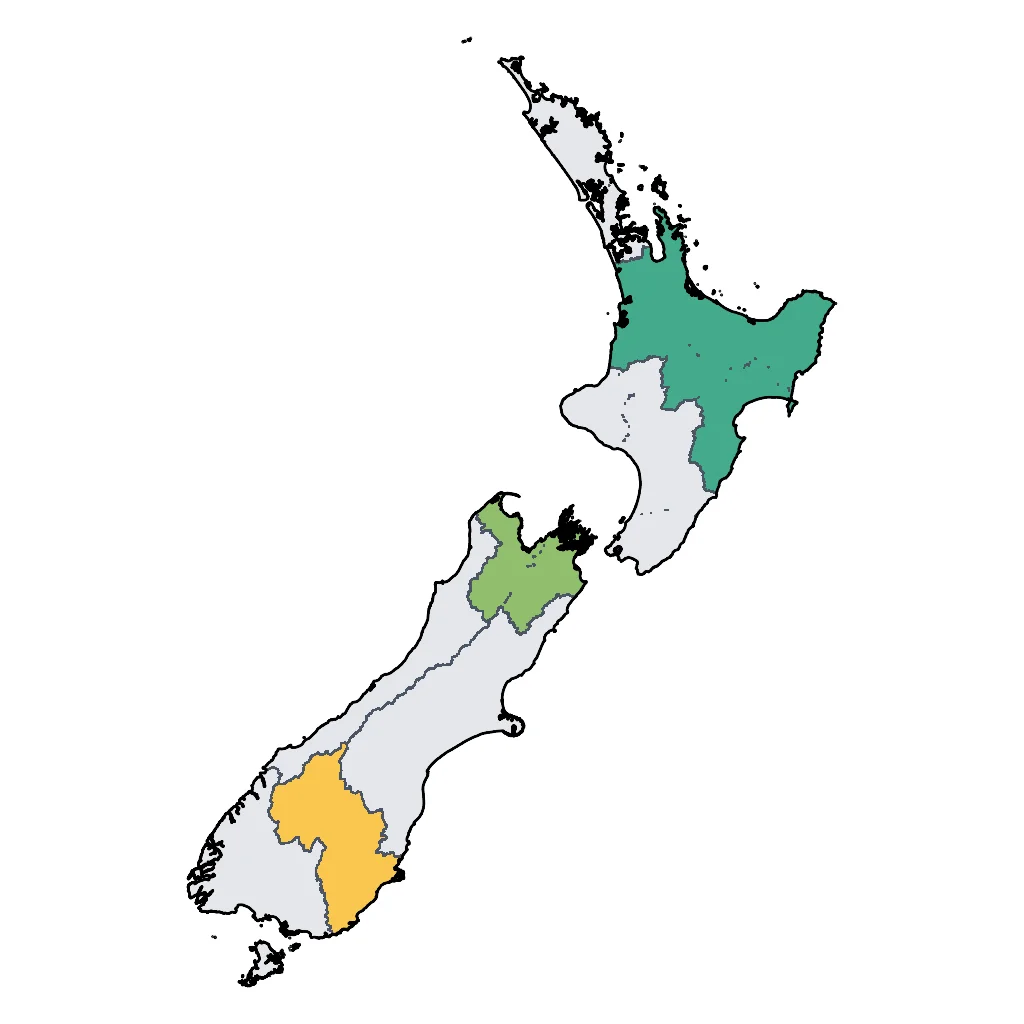

Auckland & Northland
City sights, ancient forests, and island adventures ⛵
Auckland, known as the "City of Sails," serves as the perfect entry point for families visiting New Zealand. The city center is built around two large harbors, offering easy access to island adventures. A short ferry ride takes you to Rangitoto Island, a dormant volcano where active families can hike to the summit for panoramic views, or to Waiheke Island for beaches and zip-lining. Back in the city, the Sky Tower provides a bird's-eye view that fascinates children, while the Auckland War Memorial Museum offers engaging displays on Pacific culture and natural history.
Heading north from Auckland, the region transforms into the subtropical paradise of Northland. This area is warmer than the rest of the country, making it ideal for year-round visits. The Bay of Islands is a major highlight, where families can take boat cruises to see the "Hole in the Rock" and often spot dolphins playing in the wake. The nearby Waitangi Treaty Grounds provide an essential and accessible introduction to New Zealand's founding history, featuring cultural performances and a giant waka (war canoe) that captures kids' imaginations.
On the west coast of Northland, the ancient Waipoua Forest offers a distinct change of pace. Here, easy walking tracks lead to Tane Mahuta, the largest living kauri tree in New Zealand. Standing beneath this giant makes for an unforgettable memory. Further north, Cape Reinga marks the spiritual tip of the country where the Tasman Sea and Pacific Ocean crash together—a dramatic sight worth the long drive. When traveling with children, allow extra time for the winding roads in Northland, and be sure to pack sun protection as the northern sun can be particularly strong.
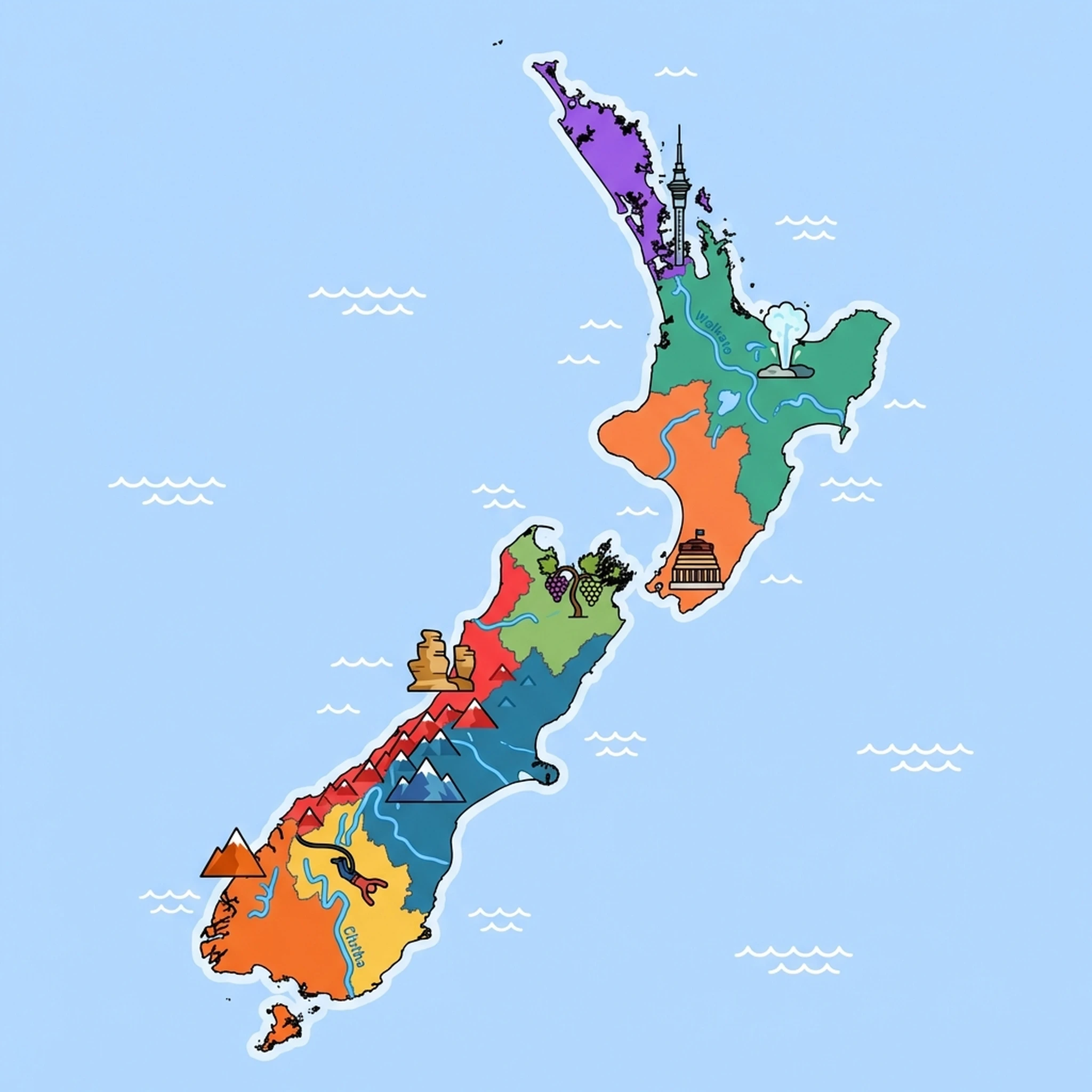
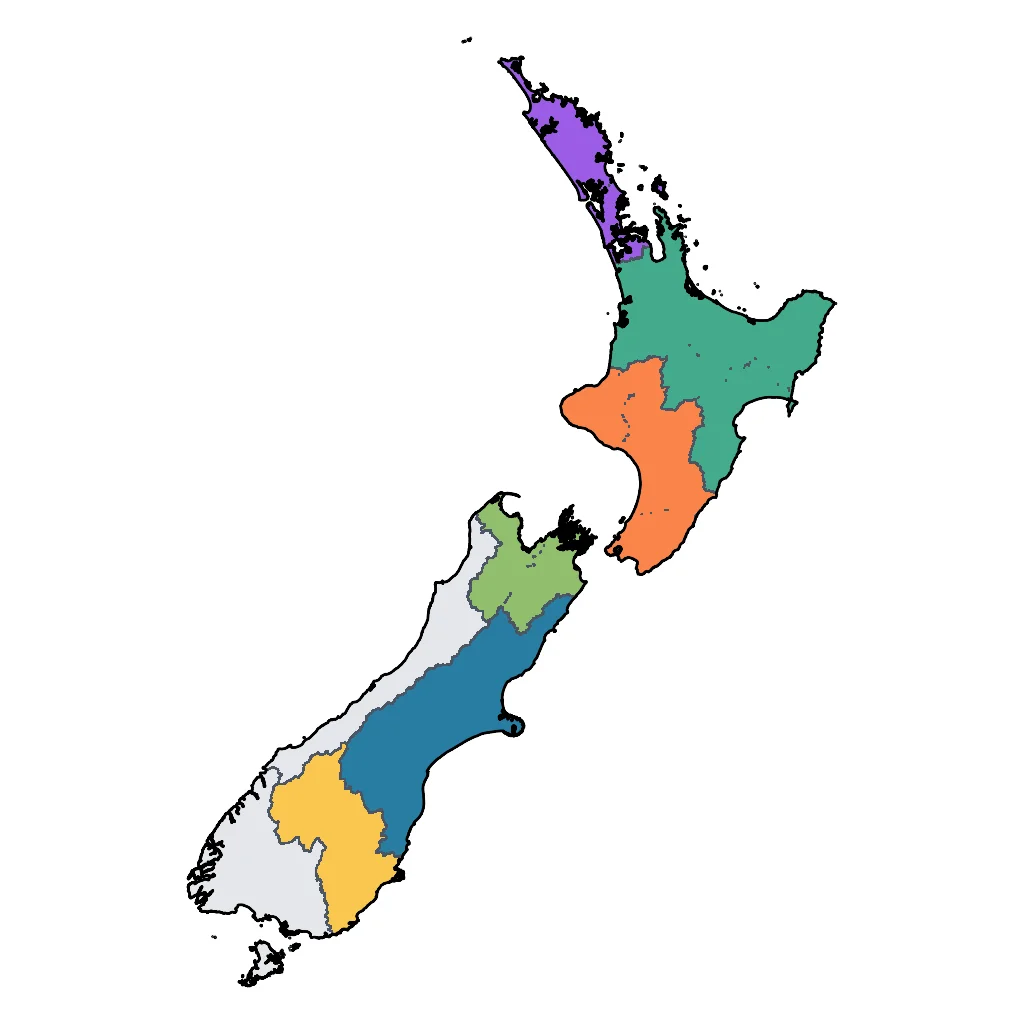
Click a region to explore

Activities & Best Times

Hiking, wildlife, outdoor exploration, ecotourism
Features unique ancient Kauri forests and the dramatic meeting of the Tasman Sea and Pacific Ocean at Cape Reinga. The summer and late spring offer dry, stable conditions for hiking coastal trails; winter months see significantly higher precipitation (up to 168mm), creating muddy conditions and limited visibility.
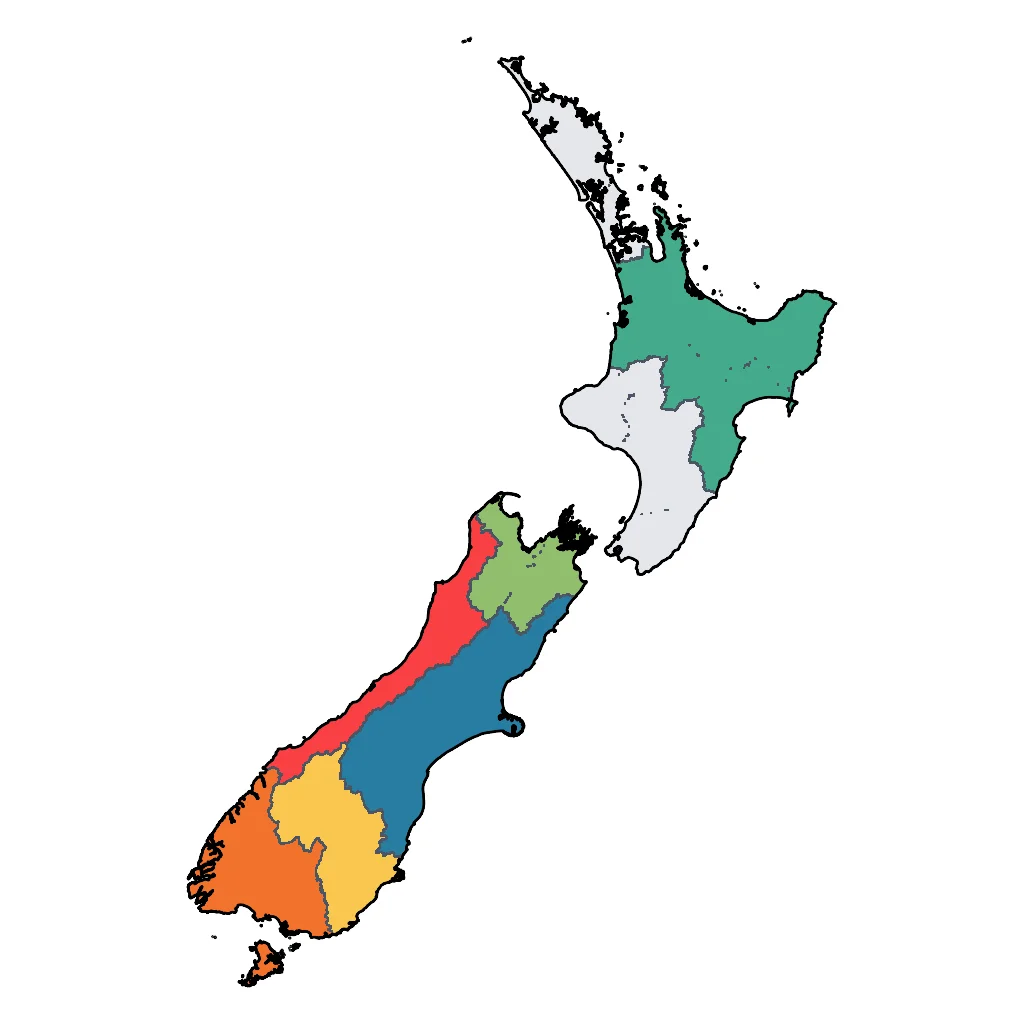

Beach resorts, marine activities: diving, snorkelling, kite surfing, wind surfing, sailing
Home to the world-renowned Poor Knights Islands marine reserve and the iconic Bay of Islands, offering exceptional diving and sailing experiences. Peak months provide the warmest water temperatures (>22°C) and lowest rainfall, while winter and early spring are too cool and wet for comfortable marine activities.
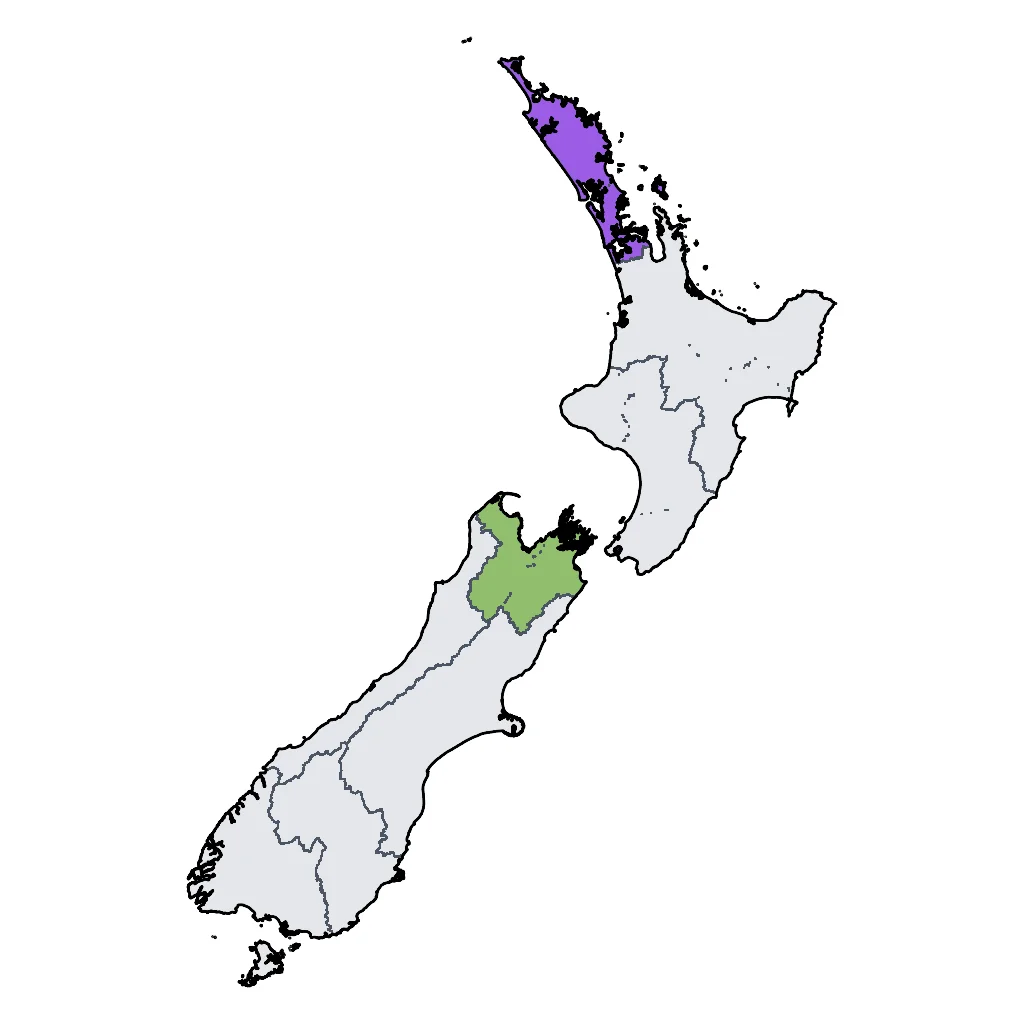

Learning experiences, scientific sites, historical education
The Waitangi Treaty Grounds provide a world-class, authentic immersion into the founding history of New Zealand and Maori culture. Educational exploration is best during the drier months when outdoor guided tours and historical sites are most accessible; heavy winter rain can limit the experience of the extensive outdoor grounds.
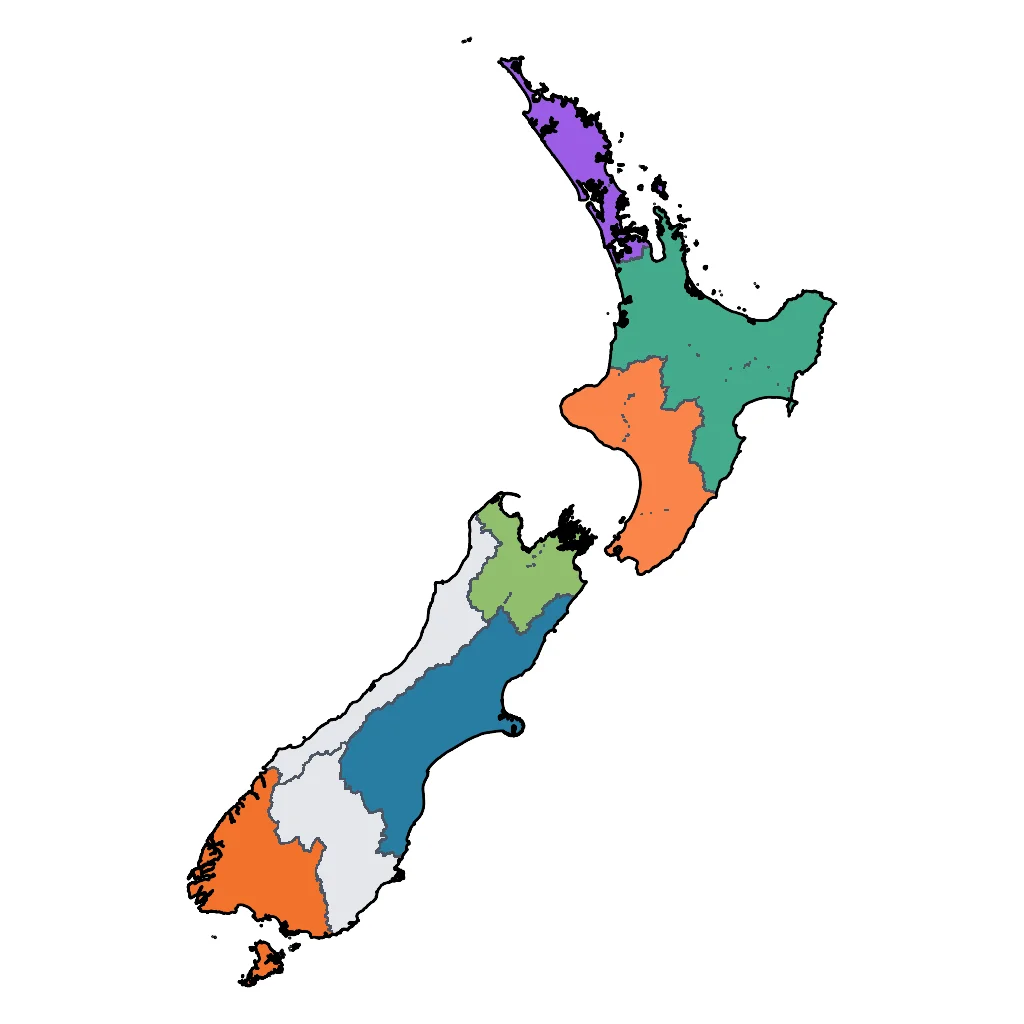

Scenic drives, countryside tours, route-based travel
The Twin Coast Discovery Highway offers spectacular coastal vistas and access to authentic rural townships and the Far North. Peak conditions provide the best visibility for scenic lookouts; winter road trips are hampered by frequent heavy rain and shorter daylight hours which can make rural driving less safe.
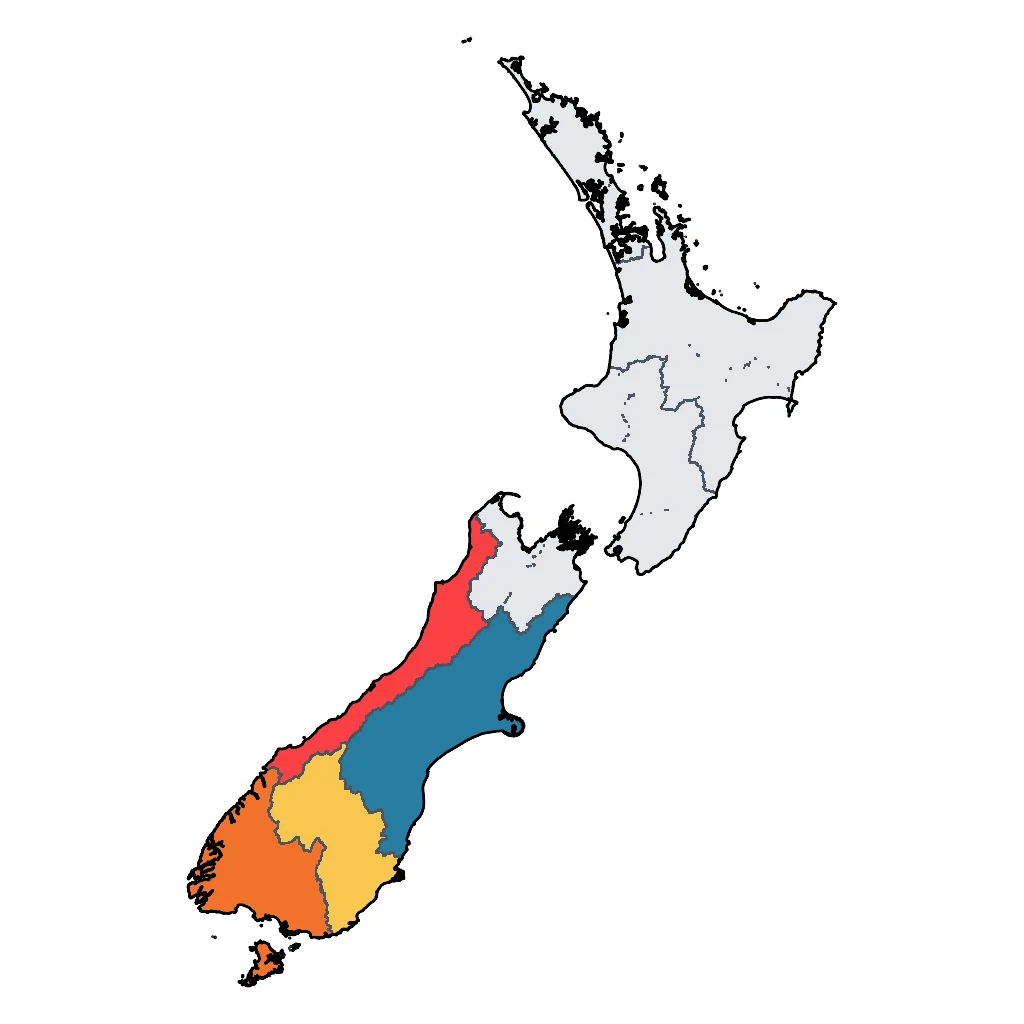

Sport tourism, fitness activities, active recreation
While Kauri Cliffs and Tara Iti are elite golf courses and Auckland has a strong sailing heritage, the overall sports portfolio is narrow compared to regions rated 'excellent' globally. Two niche sports (sailing, golf) don't meet the threshold for 'excellent' by international calibration. Queenstown and Rotorua have broader, deeper active sports offerings that better justify 'excellent'.
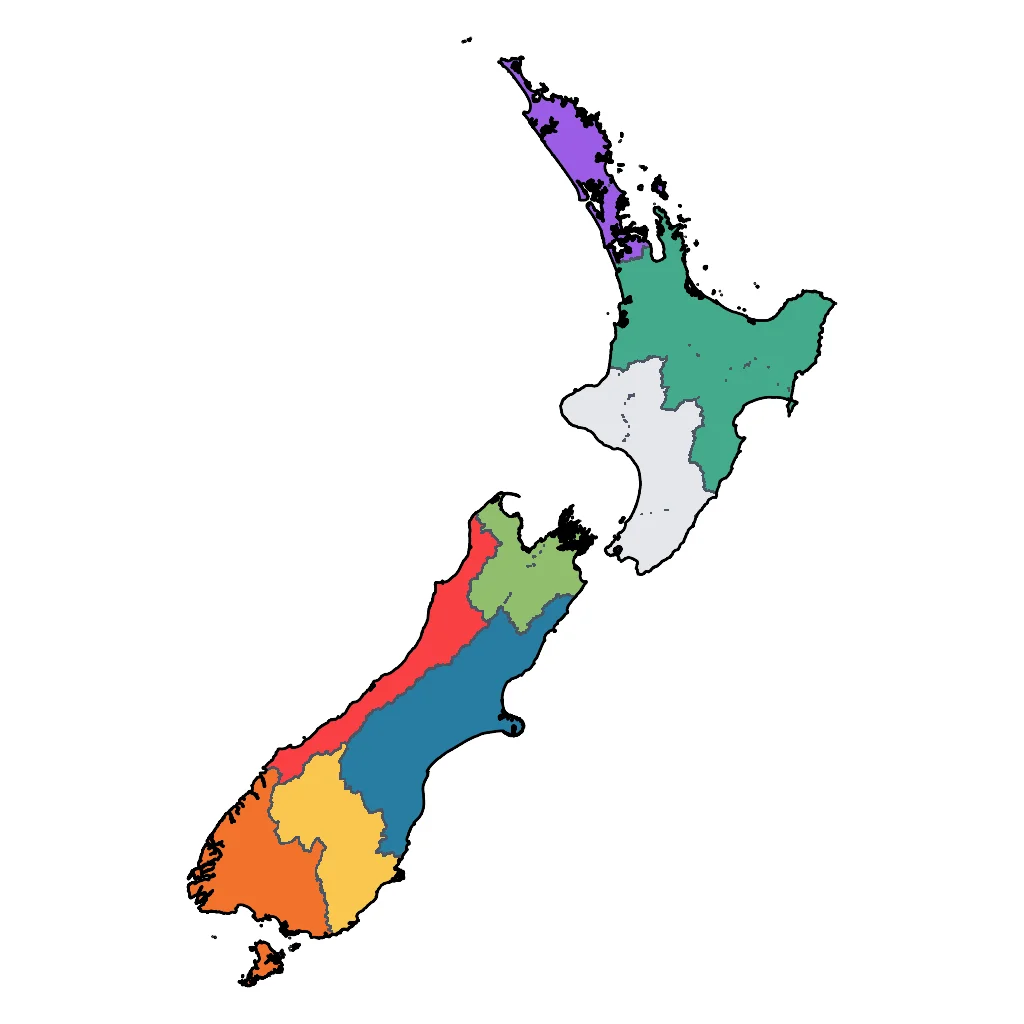

Urban tourism, museums, historical sites, architecture
Auckland offers a sophisticated urban harbor culture with world-class museums and a distinct Polynesian influence, though it lacks the architectural density of European capitals. The summer period is ideal for exploring the city's volcanic cones and waterfront districts, whereas winter is frequently overcast and rainy.
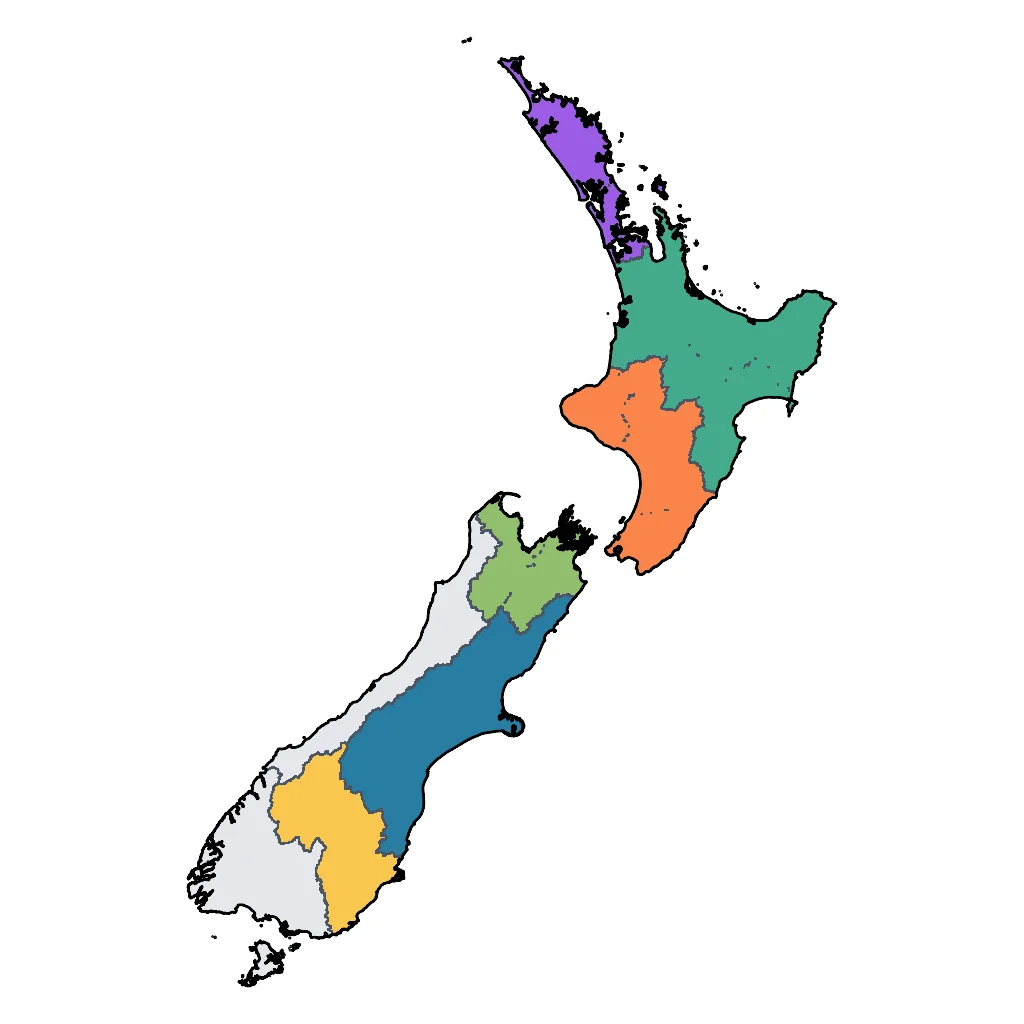

Events, celebrations, seasonal attractions
Waitangi Day in February is a nationally significant event offering deep cultural immersion, complemented by Auckland's summer festival season. These outdoor celebrations rely on the peak summer weather; activities are very limited during the wet and cooler winter months.

Spa retreats, wellness centers, peaceful getaways
Host to some of the world's most exclusive luxury lodges, offering seclusion and high-end spa facilities in pristine coastal settings. The peak summer heat and low humidity (62%) enhance outdoor relaxation; the cooler, high-rainfall winter period is less conducive to the 'indoor-outdoor' flow typical of New Zealand wellness retreats.