

New Zealand (Aotearoa) transforms the standard family road trip into an epic journey through landscapes that shift from subtropical beaches to alpine glaciers within a few hours' drive. For parents, the appeal lies in the country's safety and ease of travel; for children, it is a land of bubbling mud, flightless birds, and real-life movie sets. The country is divided into two main islands, each offering distinct experiences for family travelers.
The North Island is defined by volcanic activity and rich Māori culture. In Rotorua, families can walk past steaming geothermal vents, watch geysers erupt, and learn about indigenous history at a living village. Just north, the Waitomo Caves offer boat rides into underground grottos illuminated by thousands of bioluminescent glowworms-a magical experience for kids of all ages. For many, the highlight is Hobbiton in Matamata, where children can run through the round doors of the Shire famously seen in The Lord of the Rings films.
The South Island offers dramatic alpine scenery and wildlife encounters. The resort town of Queenstown is the hub for adventure, where families can ride the Skyline Gondola and race down the luge track, or take a historic steamship across Lake Wakatipu. A trip to Milford Sound reveals sheer cliffs and waterfalls that cascade directly into the sea, often accompanied by playful fur seals and dolphins. On the east coast, Kaikoura provides opportunities to see giant sperm whales, while Oamaru is famous for its colonies of Little Blue Penguins returning to shore at dusk.
Practical Considerations for Families:
Traveling by campervan is a popular and practical way to see the country, allowing you to carry your accommodation with you and stop frequently for breaks. Campsites are clean, well-equipped, and often located in scenic spots. The climate is changeable-locals say you can experience "four seasons in one day"-so layering clothing is essential regardless of when you visit. The sun in New Zealand is exceptionally strong due to the thinner ozone layer; high-SPF sunscreen and hats are non-negotiable for children, even on cloudy days.
New Zealand's food scene is kid-friendly, with high-quality dairy, fresh fruit, and the ubiquitous fish and chips available in almost every town. From exploring tide pools on the Coromandel Peninsula to learning the Haka in a marae, New Zealand offers grounded, hands-on experiences that create lasting family memories.
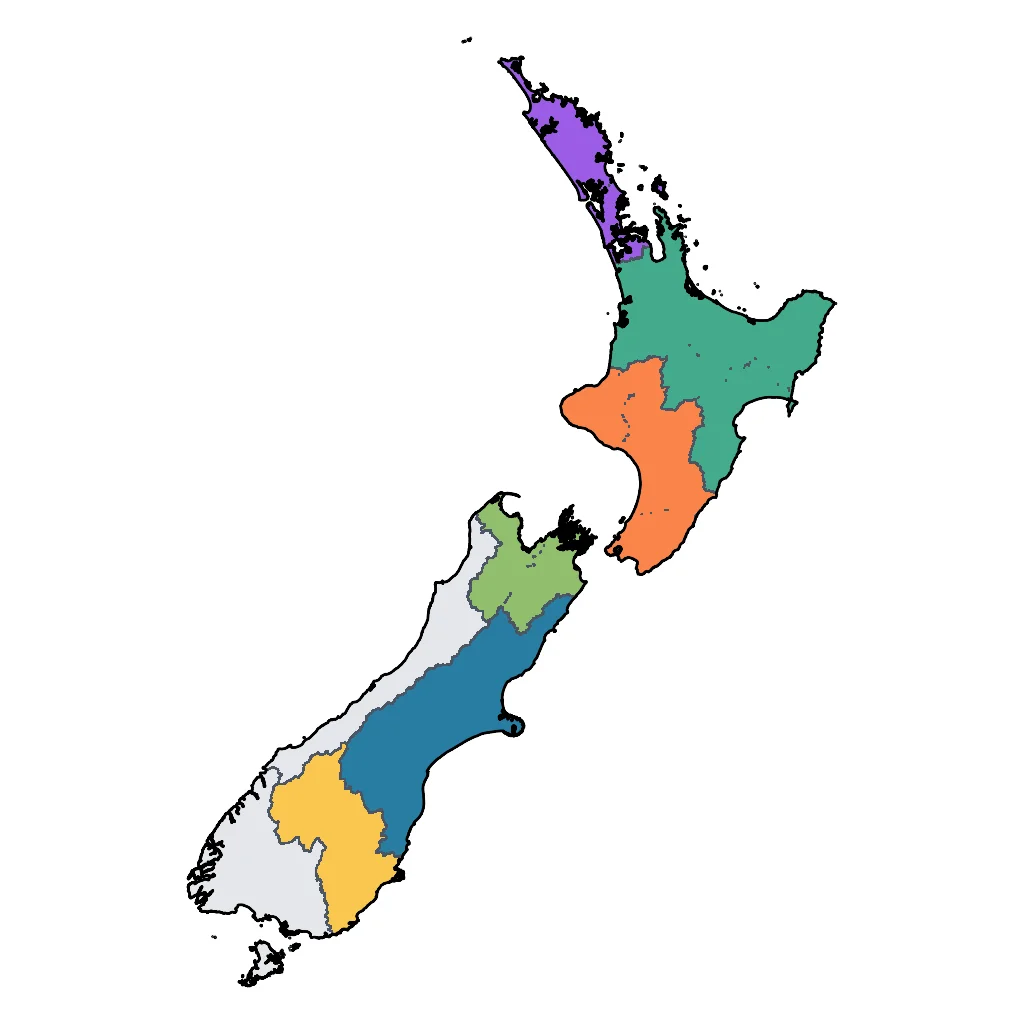
Explore Regions
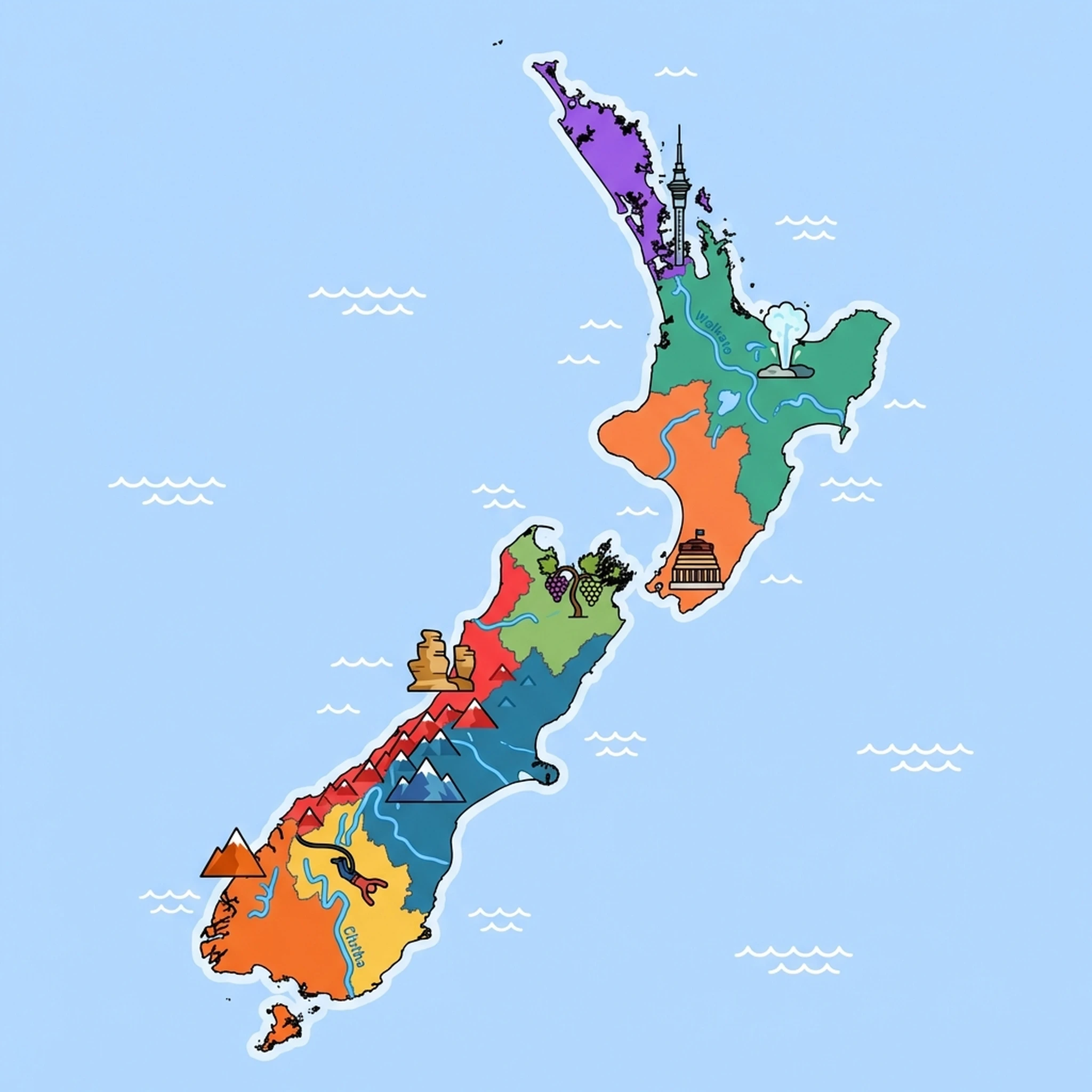
8 Regions
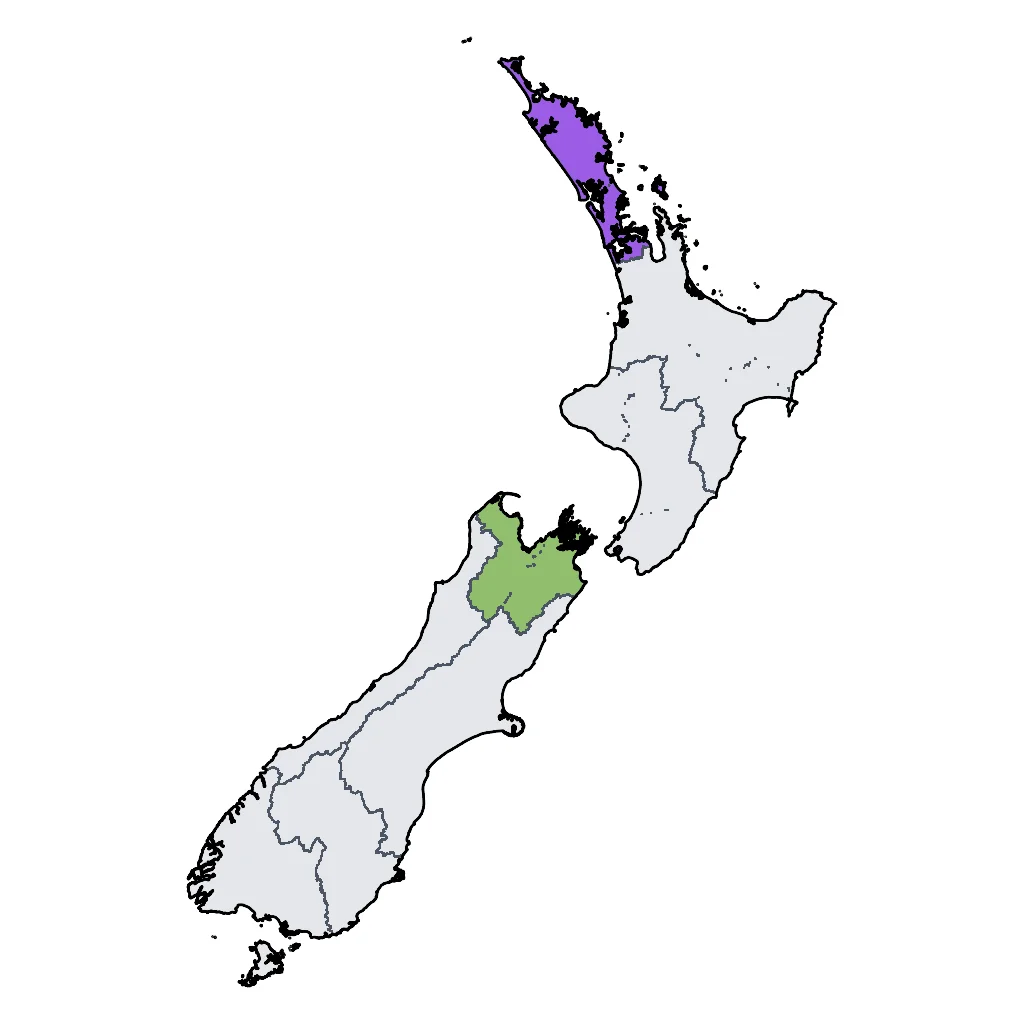
Auckland & Northland
City sights, ancient forests, and island adventures ⛵
Canterbury & Christchurch
Alpine peaks, wide plains, and marine giants 🐋
Fiordland (Milford Sound)
Dramatic waterfalls and untouched wilderness 🌧️
Marlborough & Nelson
Golden beaches and sun-soaked bays ☀️
Queenstown & Southern Lakes
Adventure capital and alpine scenery 🏔️
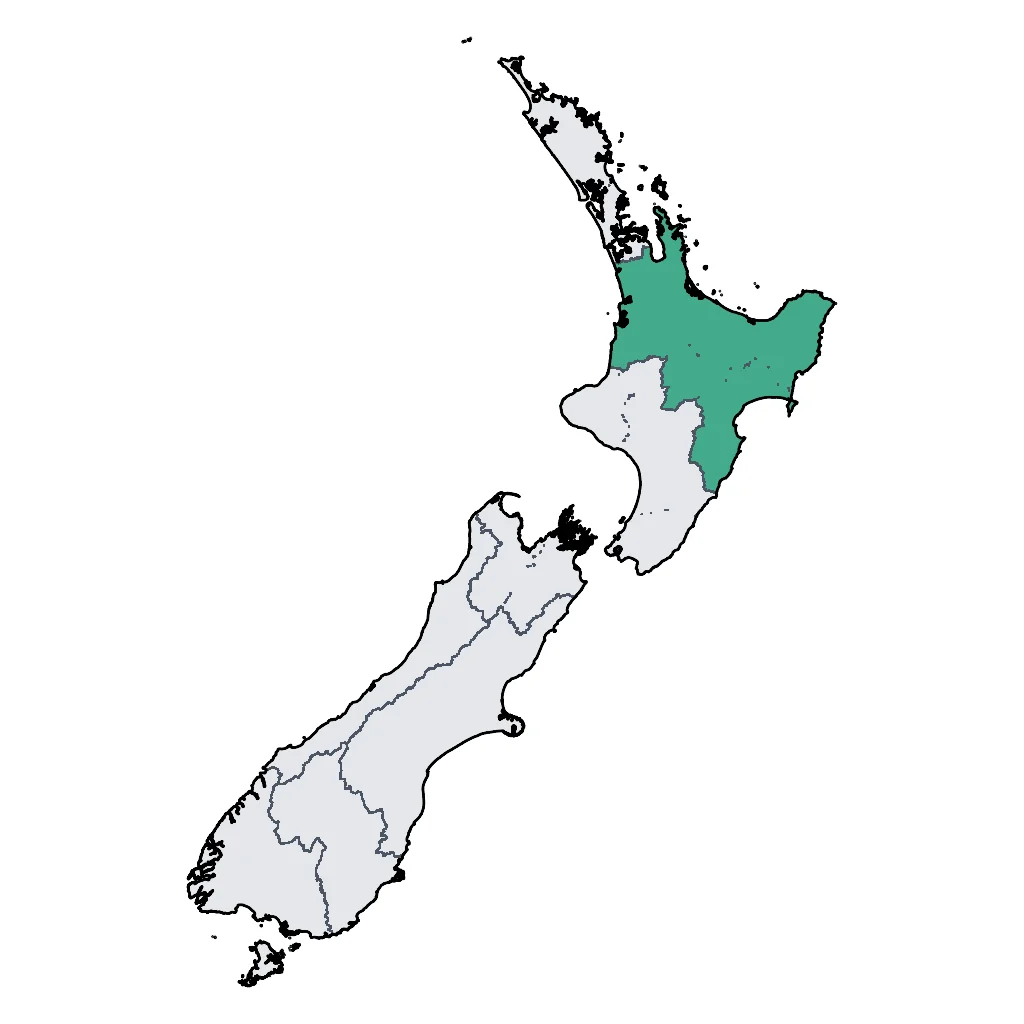
Rotorua & Central North Island
Geysers, culture, and volcanic wonders 🌋
South Island West Coast (glaciers)
Wild coastlines and ancient ice 🧊
Wellington & Lower North Island
Cool culture and capital city fun 🚋
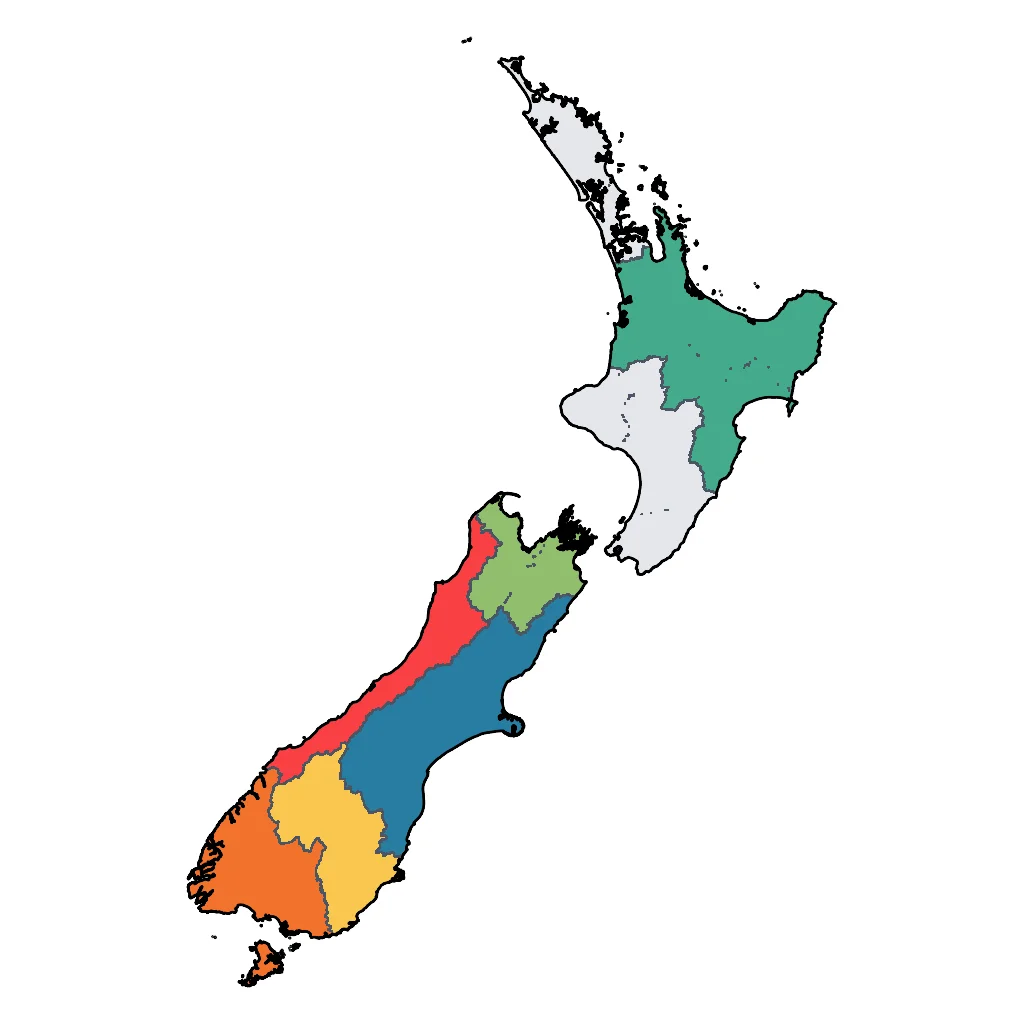
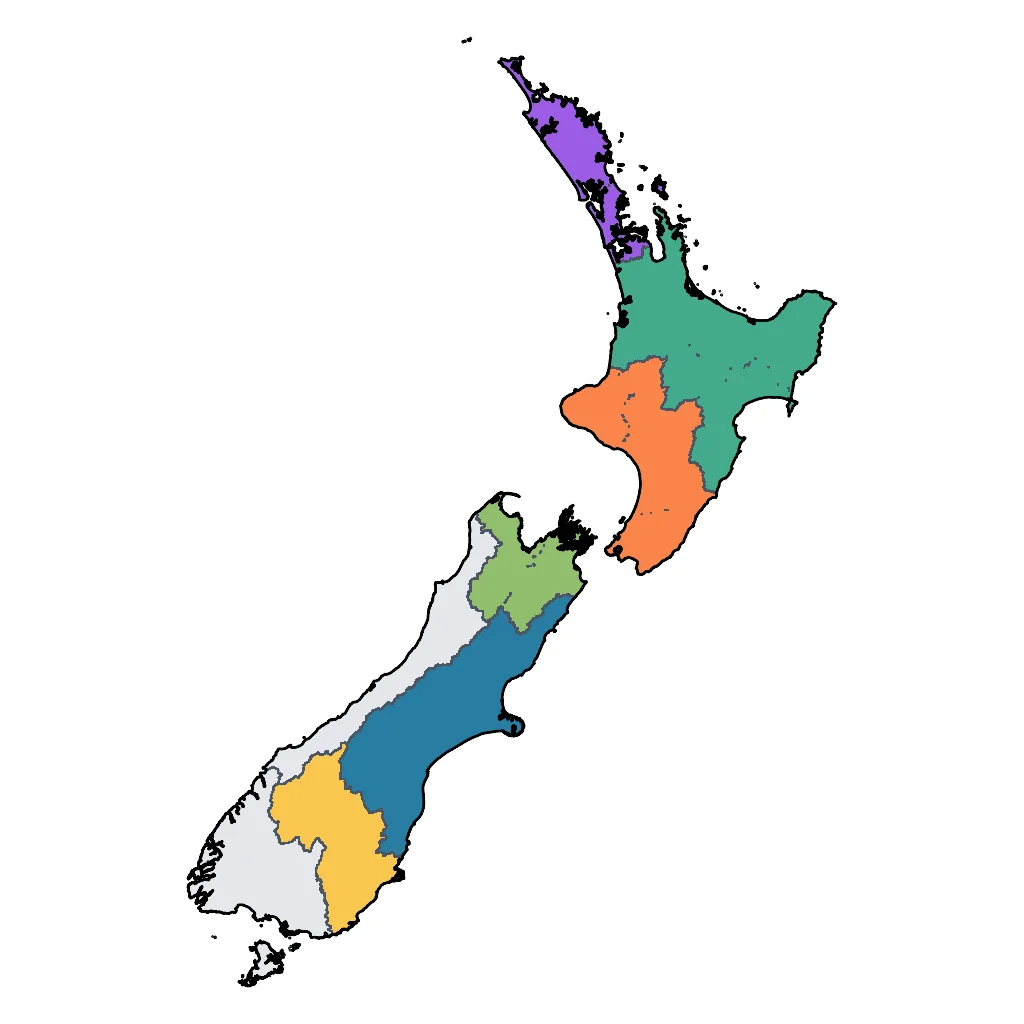
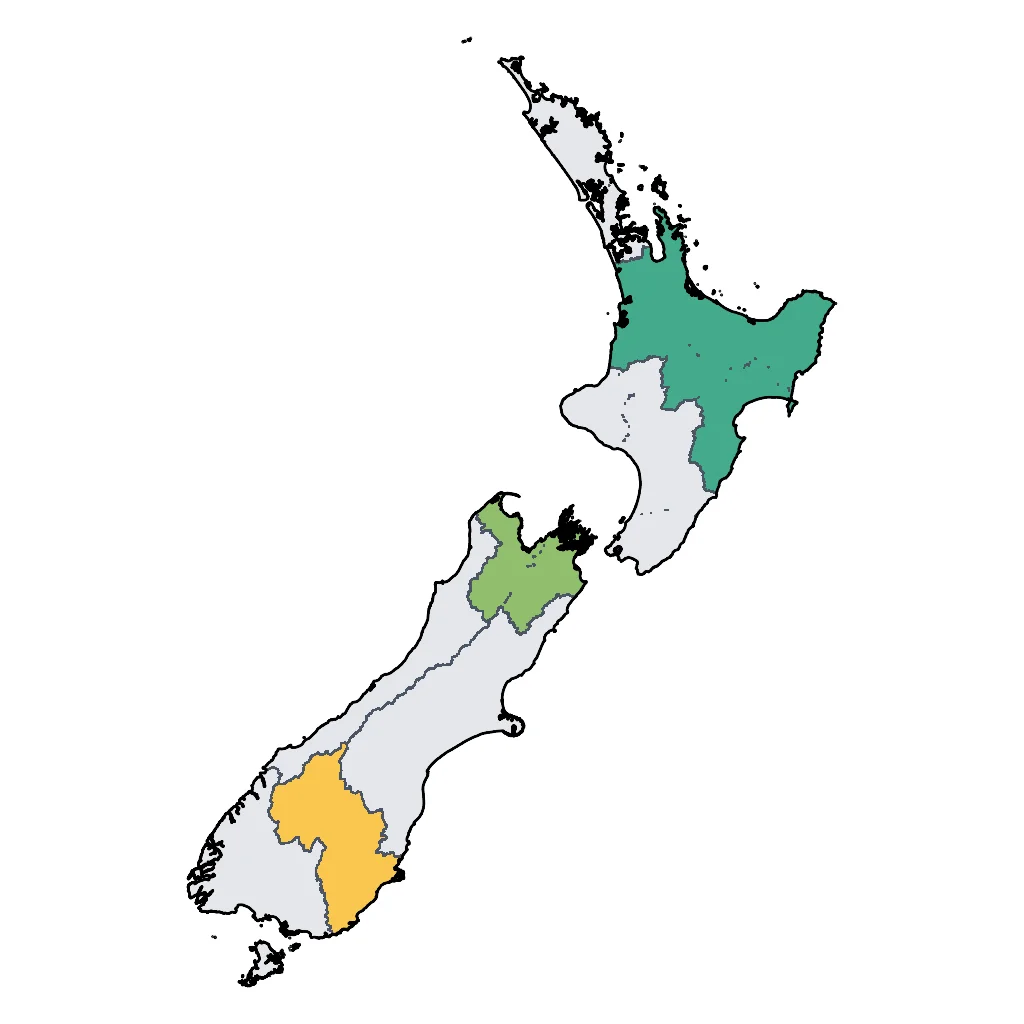
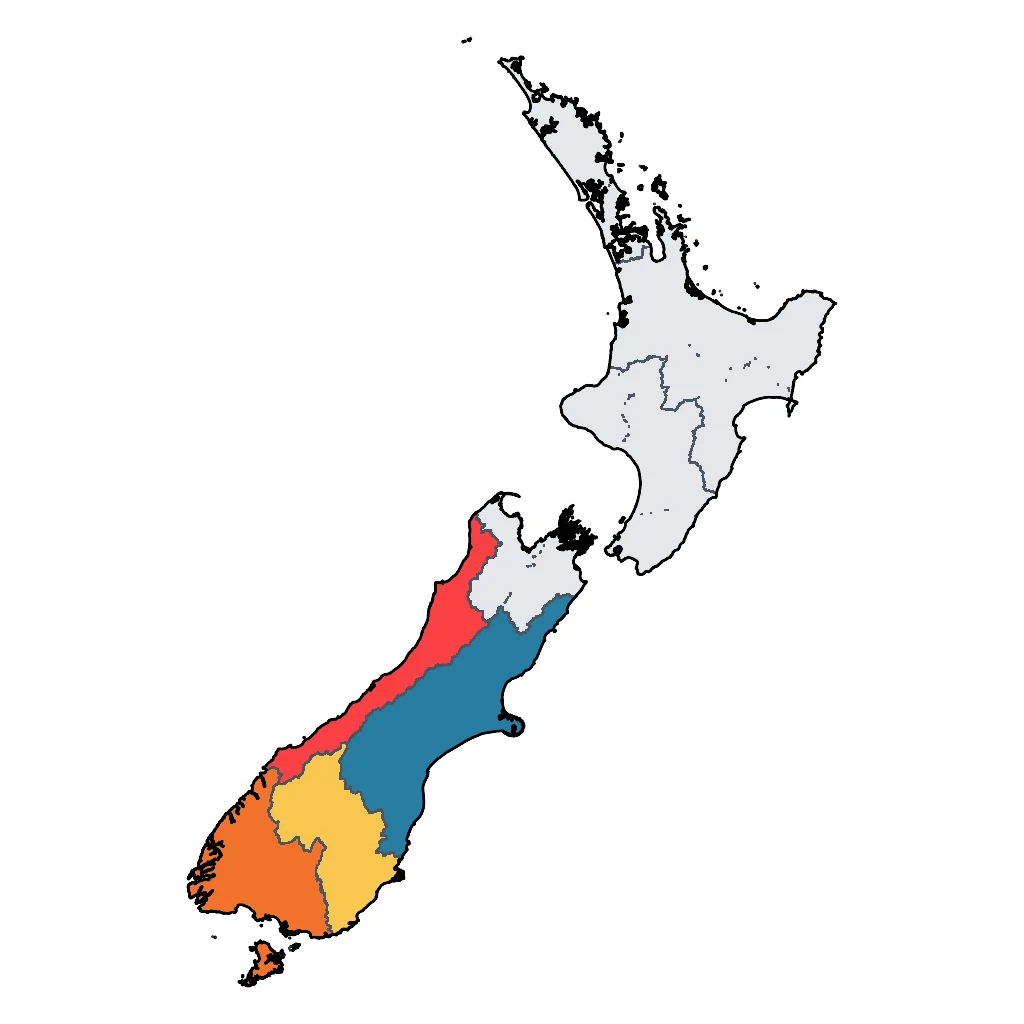
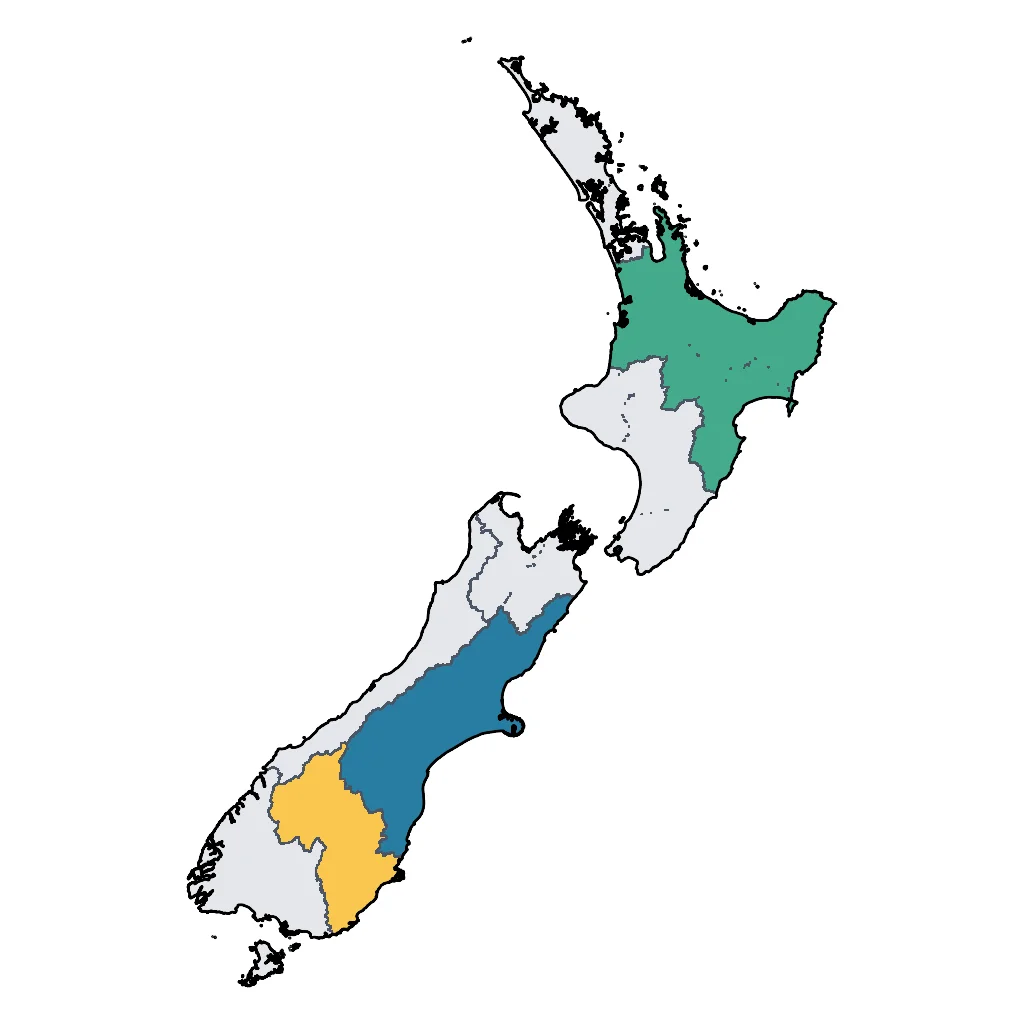
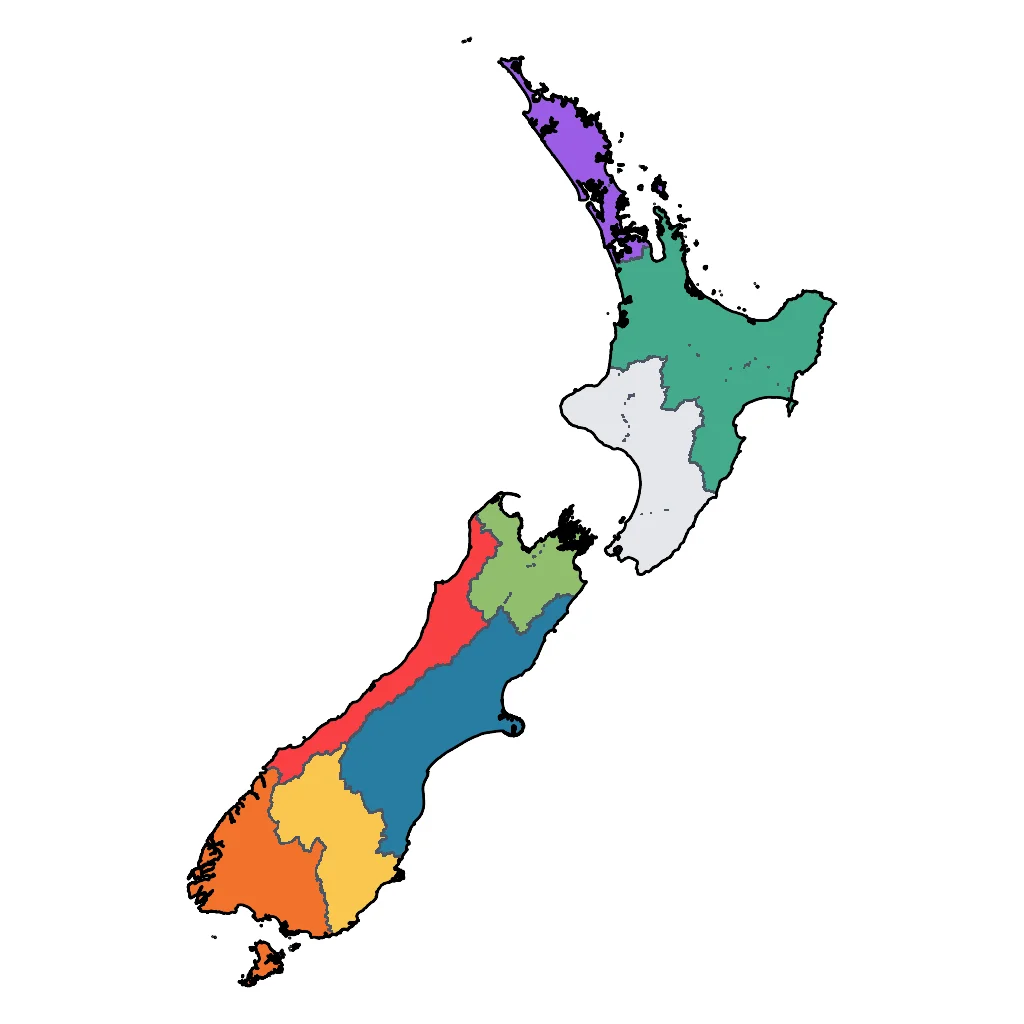
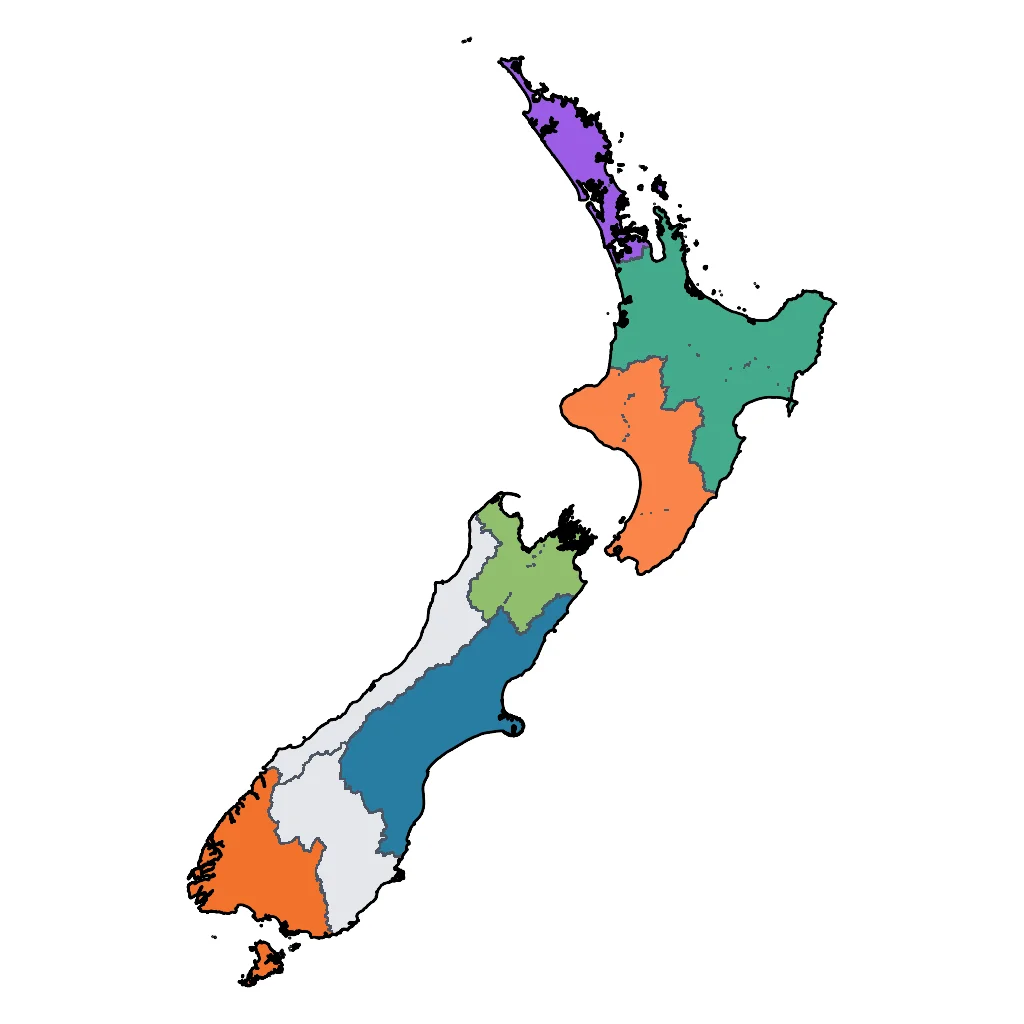
Click on a region marker to explore details. Use the dropdown to color regions by activity suitability.

Activities & Best Times
Adventure & Nature
ExcellentHiking, wildlife, outdoor exploration, ecotourism
Features the UNESCO-listed Tongariro National Park and globally unique geothermal wonders like Pohutu Geyser. Peak summer months provide optimal visibility and safe trail conditions for volcanic exploration; winter months are unsuitable due to heavy rain and hazardous alpine terrain.
A UNESCO World Heritage area offering the rare global phenomenon of glaciers descending into temperate rainforests. Peak summer months provide the warmest temperatures for glacier valley walks, while the high rainfall and low temperatures of the off-season can restrict access and visibility.
Offers world-class alpine landscapes in Aoraki/Mount Cook National Park and unique marine biodiversity in Kaikōura. Peak summer provides optimal hiking weather and high wildlife activity, while winter conditions bring freezing temperatures and trail closures.

City & Cultural
ExcellentUrban tourism, museums, historical sites, architecture
Home to Te Papa Tongarewa, a world-benchmark museum, and the creative Weta Workshop, Wellington offers a sophisticated, walkable urban experience. Peak months offer the best weather for exploring the harbor and vibrant coffee culture, while winter months are frequently damp and subject to the region's notorious gale-force winds.
The internationally recognized epicentre of Māori culture, offering authentic village experiences and world-class heritage performances. Summer peak periods provide the best climate for traditional outdoor Hangi and marae visits; winter is frequently too wet for outdoor cultural ceremonies.
Auckland offers a sophisticated urban harbor culture with world-class museums and a distinct Polynesian influence, though it lacks the architectural density of European capitals. The summer period is ideal for exploring the city's volcanic cones and waterfront districts, whereas winter is frequently overcast and rainy.

Relaxation & Wellness
ExcellentSpa retreats, wellness centers, peaceful getaways
A premier global hub for geothermal wellness, headlined by the world-renowned Polynesian Spa and natural volcanic springs. Peak months offer ideal ambient temperatures for outdoor therapy; winter is rated off-season due to high precipitation and colder air making transition between pools uncomfortable.
Features an array of world-class luxury lodges and the unique Onsen hot pools, offering a sophisticated, peaceful retreat for discerning travelers. Summer months are peak for outdoor relaxation and lake views, while the cold, damp winter months (May-Sep) limit the appeal of the region's nature-integrated wellness facilities.
Discerning travelers can enjoy ultra-luxury lodge stays within the Marlborough Sounds and high-end vineyard retreats. The region is most restorative during the warm, sunny months when outdoor dining and vineyard tours are at their best; winter months can feel isolated with many premium lodges operating on reduced schedules.

Road Trips & Scenic
ExcellentScenic drives, countryside tours, route-based travel
The Great Coast Road is a world-renowned scenic drive featuring dramatic limestone formations like Pancake Rocks and rugged coastline. Peak conditions occur in summer with maximum daylight and better visibility, whereas winter and spring see frequent heavy deluges and increased road hazards.
Spectacular routes including the Great Alpine Highway and the turquoise glacial vistas of the Mackenzie Basin. Peak season offers maximum visibility and safe driving conditions, whereas winter months carry high risks of snow and ice on mountain passes.
The Milford Road is internationally celebrated as one of the world's most scenic drives, offering dramatic alpine vistas and ancient rainforest access. Peak months provide maximum daylight and better visibility, whereas winter months often require snow chains and face frequent road closures due to ice.

Ski & Snow
ExcellentWinter sports, ski resorts, snow activities
The Southern Hemisphere's premier ski destination with four world-class resorts offering diverse terrain and modern infrastructure. Peak months (Jul-Aug) provide the most reliable snow base and cold conditions; shoulder months (Jun, Sep) offer spring skiing but coverage can be variable.
Features the Southern Hemisphere's most distinctive volcanic ski terrain at Whakapapa and Turoa on Mt Ruapehu. Peak winter months provide a reliable 100cm+ snow base; shoulder months offer variable spring conditions, while the remaining months lack any snow coverage.
Features Mt Hutt, a premier international ski destination, alongside authentic high-country 'club fields' for experienced skiers. Peak winter months provide the most reliable snow base, while the shoulder months offer spring skiing with thinner coverage.

Sports & Active
ExcellentSport tourism, fitness activities, active recreation
Home to a world-class IMBA Gold-level mountain biking network in Whakarewarewa Forest and legendary trout fishing on Lake Taupō. Warm, dry months offer peak trail conditions and water activity comfort, whereas winter rain often creates muddy, unsuitable conditions for active recreation.
A global hub for high-end active pursuits including championship golf, mountain biking, and pioneering bungee jumping facilities. Peak summer months provide the dry conditions and warmth necessary for full-day activity; winter shifts the focus almost exclusively to snow sports, closing many cycling and golfing venues.
While Kauri Cliffs and Tara Iti are elite golf courses and Auckland has a strong sailing heritage, the overall sports portfolio is narrow compared to regions rated 'excellent' globally. Two niche sports (sailing, golf) don't meet the threshold for 'excellent' by international calibration. Queenstown and Rotorua have broader, deeper active sports offerings that better justify 'excellent'.

Educational & Exploratory
Very GoodLearning experiences, scientific sites, historical education
Provides deep intellectual engagement with Māori living heritage and advanced geothermal science at Te Puia and GNS research sites. Summer months are peak for guided cultural tours and interactive volcanic walks; winter rain limits access to important archaeological and natural heritage sites.
The Waitangi Treaty Grounds provide a world-class, authentic immersion into the founding history of New Zealand and Maori culture. Educational exploration is best during the drier months when outdoor guided tours and historical sites are most accessible; heavy winter rain can limit the experience of the extensive outdoor grounds.
Home to the International Antarctic Centre and the world-renowned Aoraki Mackenzie International Dark Sky Reserve. Summer months offer the best temperatures for outdoor scientific exploration and stargazing, while winter temperatures can be prohibitively cold for families.

Festivals & Seasonal
Very GoodEvents, celebrations, seasonal attractions
Hosts the internationally recognized Queenstown Winter Festival and major New Year celebrations that draw a sophisticated global crowd. June and December are peak due to these major events; April features the unique Arrowtown Autumn Festival, while other months lack significant internationally-calibre cultural events.
The World of WearableArt (WOW) in Sept/Oct and 'Wellington on a Plate' in August are internationally significant events that showcase world-class creativity and gastronomy. These specific months are peak for festival-seekers despite the cooler weather; summer months host secondary arts festivals, while late autumn/winter lack major international draws.
Hosts globally significant events like Crankworx (MTB) and the authentic Matariki (Māori New Year) celebrations. Peak months align with these specific event dates; shoulder and off-months see a significant reduction in internationally recognized cultural or sporting festivities.
Theme Park & Entertainment
Very GoodAmusement parks, family entertainment venues
Beach & Sea
Very GoodBeach resorts, marine activities: diving, snorkelling, kite surfing, wind surfing, sailing
Home to the world-renowned Poor Knights Islands marine reserve and the iconic Bay of Islands, offering exceptional diving and sailing experiences. Peak months provide the warmest water temperatures (>22°C) and lowest rainfall, while winter and early spring are too cool and wet for comfortable marine activities.
Known for golden sands and turquoise waters in Abel Tasman, though water temperatures are cool (18-19°C) by international standards. Suitability is rated 'good' due to the stunning natural beauty rather than resort-style swimming; peak conditions occur only in mid-summer when air temperatures reach their maximum.
Swimming with rare Hector's dolphins in the French-influenced Akaroa harbor is a unique highlight, though water temperatures rarely meet tropical standards. This experience is best attempted during the height of summer; the rest of the year is too cold for comfortable family water sports.
Airports & Flight Routes
Toggle options to view domestic routes and international airports. Click an airport for details.
Climate & Weather
Auckland & Northland
Show Details
| Month | Temp °C | Rain | Humidity |
|---|
Canterbury & Christchurch
Show Details
| Month | Temp °C | Rain | Humidity |
|---|
Fiordland (Milford Sound)
Show Details
| Month | Temp °C | Rain | Humidity |
|---|
Marlborough & Nelson
Show Details
| Month | Temp °C | Rain | Humidity |
|---|
Queenstown & Southern Lakes
Show Details
| Month | Temp °C | Rain | Humidity |
|---|
Rotorua & Central North Island
Show Details
| Month | Temp °C | Rain | Humidity |
|---|

Travel Advisory
Standard safety awareness applies; no elevated risks identified by major international agencies.
Safety Topics
Traveller Advice (3 groups)

When hiking or tramping in remote areas, always carry a Personal Locator Beacon (PLB). Mountain weather is notoriously unpredictable; notify the Department of Conservation of your plans and check track conditions before departure.

Ensure you have comprehensive travel insurance that covers medical evacuation and natural disaster-related cancellations. Apply for your NZeTA at least 72 hours before your flight.

New Zealand is generally safe for solo female travelers, though standard safety precautions should be taken when walking alone at night in urban centers.