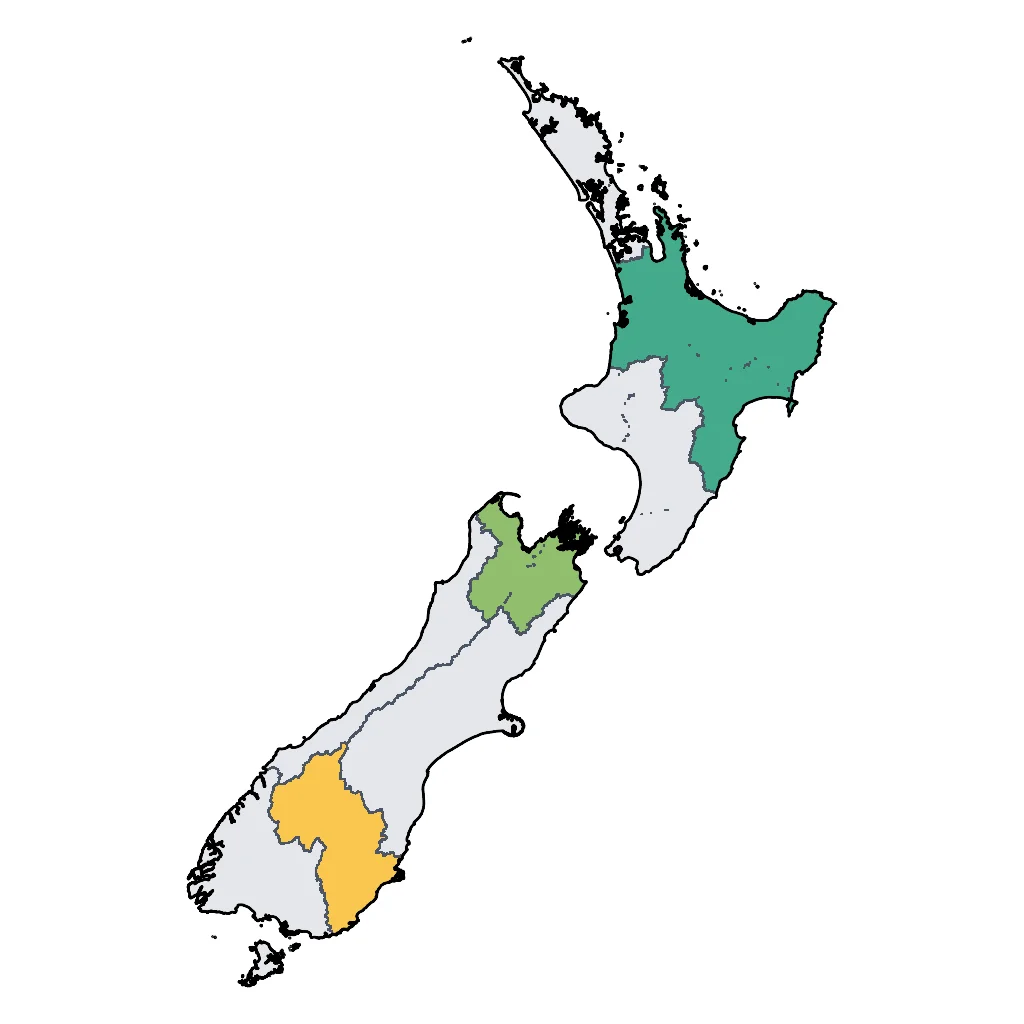

Fiordland (Milford Sound)
Dramatic waterfalls and untouched wilderness 🌧️
Fiordland National Park is a UNESCO World Heritage site that defines wild beauty. For families, the primary destination is usually Milford Sound. The journey there is an adventure in itself; the road from Te Anau is one of the most scenic drives in the world. It is important to plan for a full day, as the drive takes time with winding roads and the one-way Homer Tunnel. Along the way, short walks like The Chasm or the Mirror Lakes provide excellent breaks for restless legs. Once at the sound, a boat cruise is essential. The vessels travel beneath massive cliffs and get close enough to waterfalls to catch the spray—a thrilling experience for children. Keep an eye out for seals on the rocks and occasional dolphins.
The town of Te Anau is the logistical hub for the region and a great place to stay. Unlike the busy tourist buzz of Queenstown, Te Anau is calmer and grounded in nature. A highlight here is the boat trip across the lake to the Te Anau Glowworm Caves. Unlike other cave systems, this experience involves a small boat ride underground in silent darkness, illuminated only by thousands of tiny glowworms on the ceiling, which feels magical for younger travelers. The local Te Anau Bird Sanctuary is free to enter and offers a chance to see the prehistoric-looking takahē, a flightless bird once thought extinct.
Weather awareness is crucial in Fiordland. It is one of the wettest places on earth, receiving roughly seven meters of rain annually. Families should pack good quality raincoats and waterproof shoes. Interestingly, the rain enhances the scenery, creating thousands of temporary waterfalls cascading down the mountains. Sandflies (biting insects) are common near water, so carrying insect repellent is mandatory to keep children comfortable during outdoor stops.
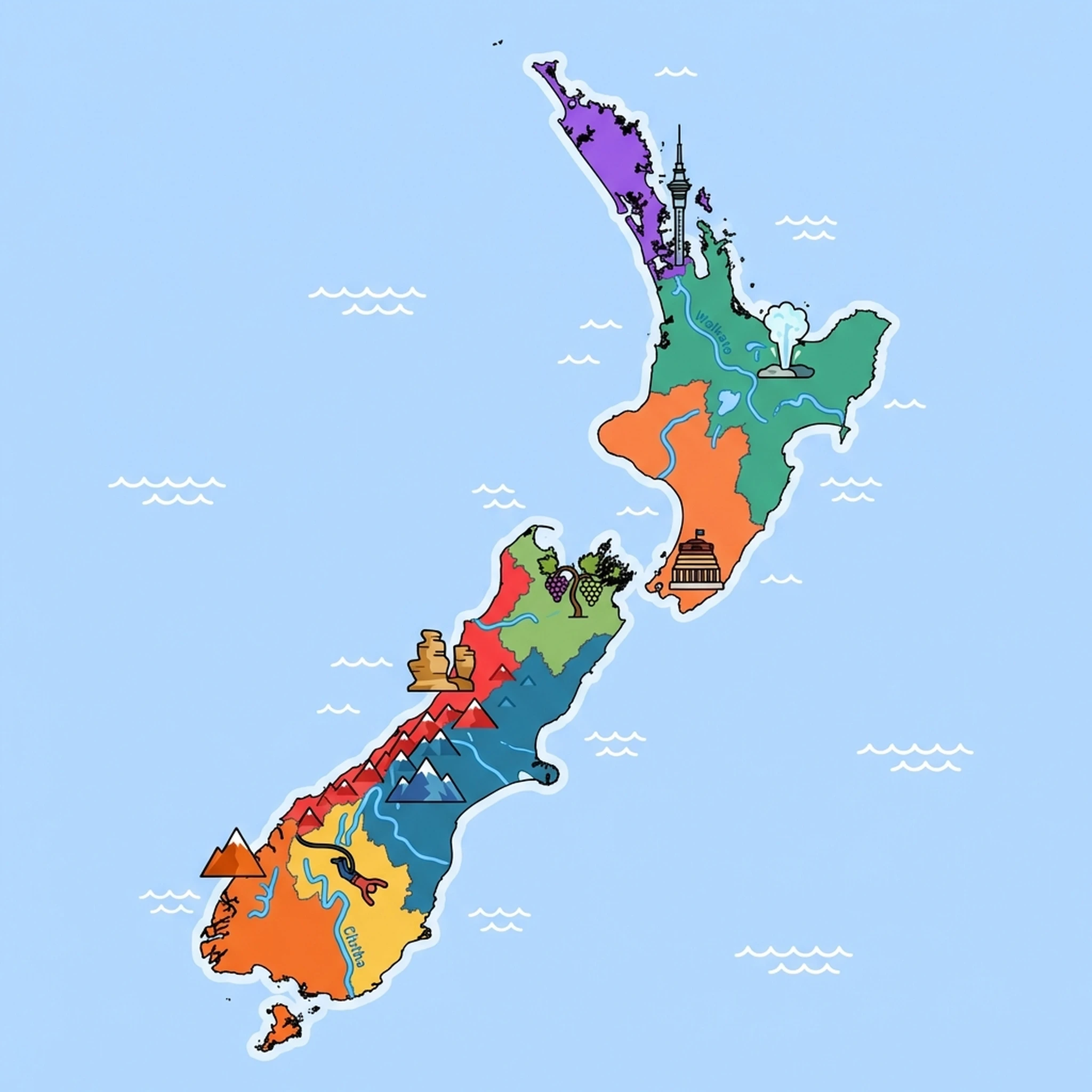
Click a region to explore

Activities & Best Times

Hiking, wildlife, outdoor exploration, ecotourism
A global benchmark for wilderness, featuring UNESCO-protected glacial fiords and the world-renowned Milford Track. Peak summer (Dec-Feb) offers the most reliable conditions for exploration, while winter (May-Sep) presents significant avalanche risks and trail closures.
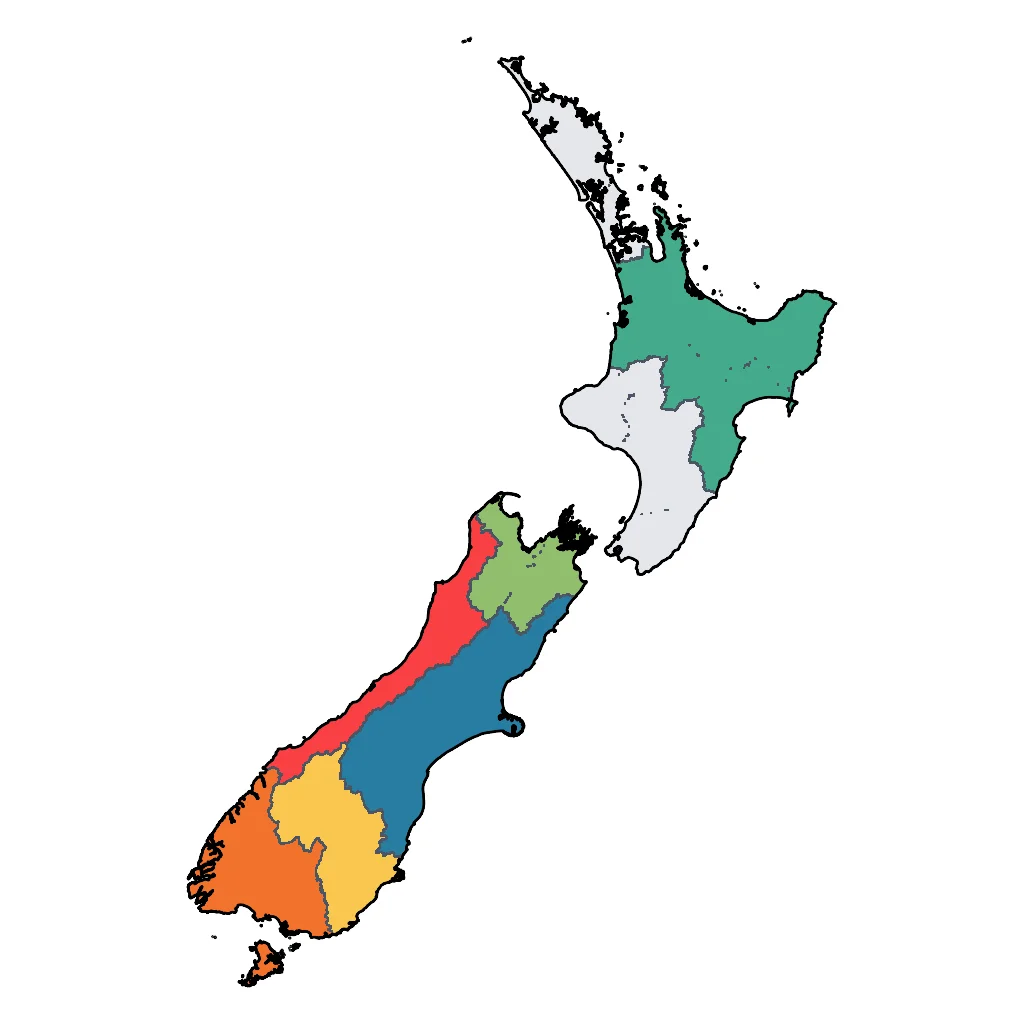

Scenic drives, countryside tours, route-based travel
The Milford Road is internationally celebrated as one of the world's most scenic drives, offering dramatic alpine vistas and ancient rainforest access. Peak months provide maximum daylight and better visibility, whereas winter months often require snow chains and face frequent road closures due to ice.
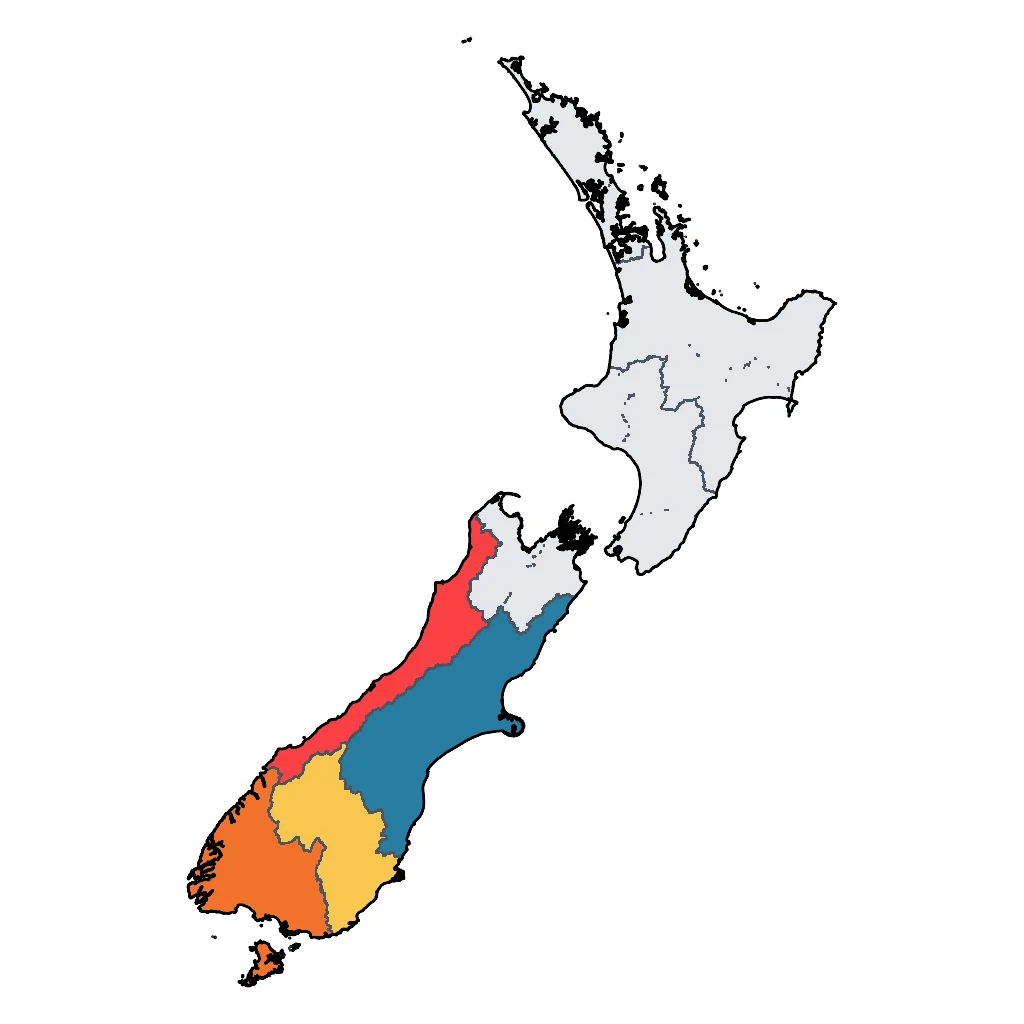

Learning experiences, scientific sites, historical education
Offers profound insights into glacial geomorphology and unique Southern Hemisphere ecosystems with high levels of endemism. Educational access is optimal during the warmer months (Dec-Feb) when guided ecological tours and research-focused cruises are fully operational.
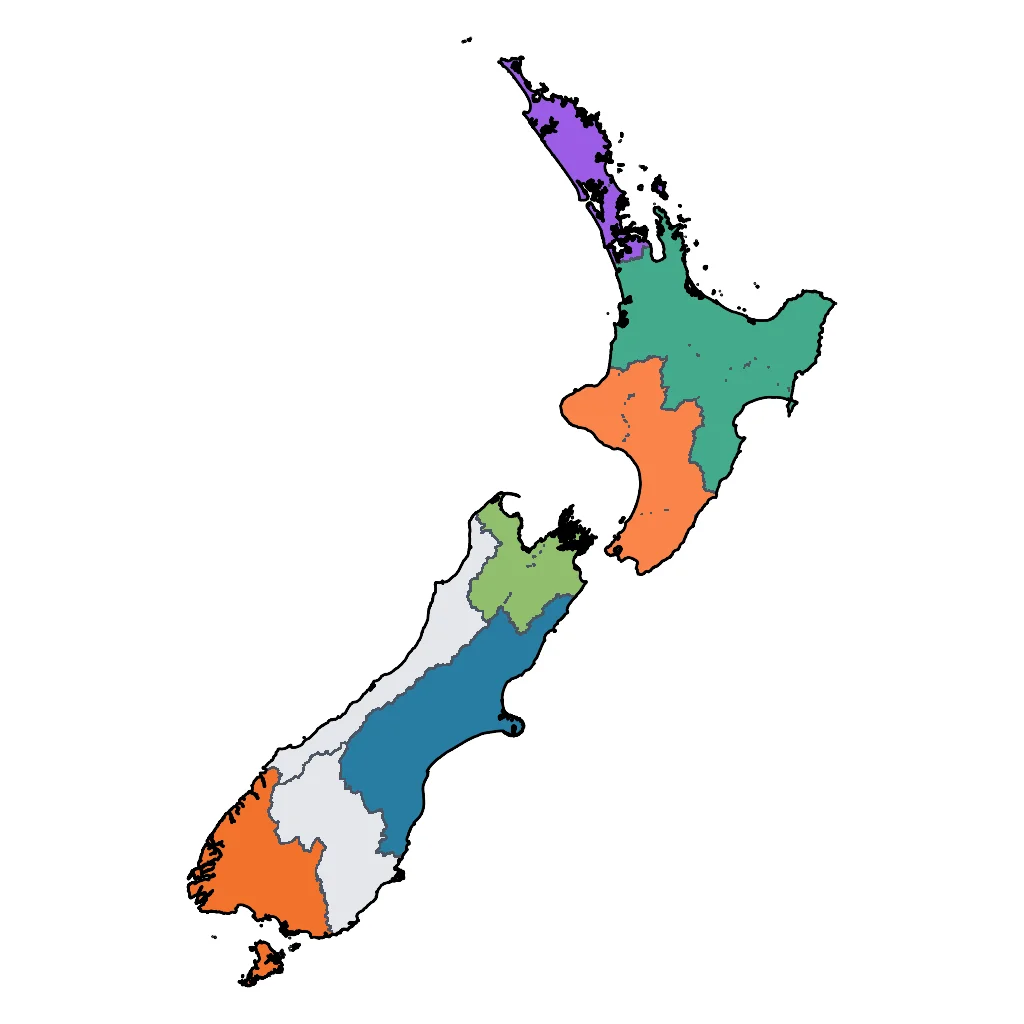

Sport tourism, fitness activities, active recreation
Features world-class sea kayaking and multi-day trekking on New Zealand's 'Great Walks' which require advanced booking. Peak conditions align with the warmest weather and best safety infrastructure; winter months are unsuitable for most active sports due to extreme cold and hazardous terrain.
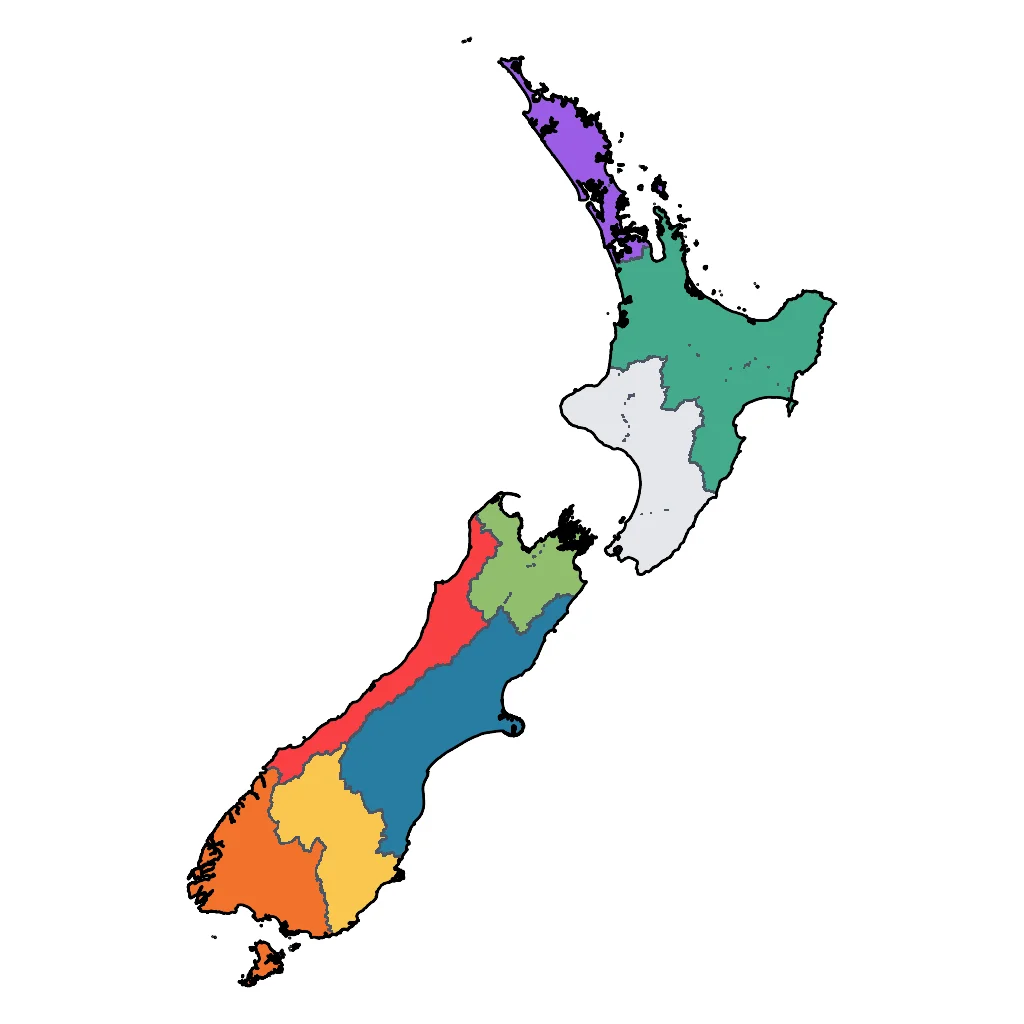

Spa retreats, wellness centers, peaceful getaways
High-end luxury lodges and overnight cruises offer a unique 'digital detox' and immersion in nature's silence. Summer (Dec-Feb) allows for comfortable relaxation on boat decks and balconies, while the persistent rain and biting cold of winter (May-Sep) limit the appeal for wellness-seeking travelers.