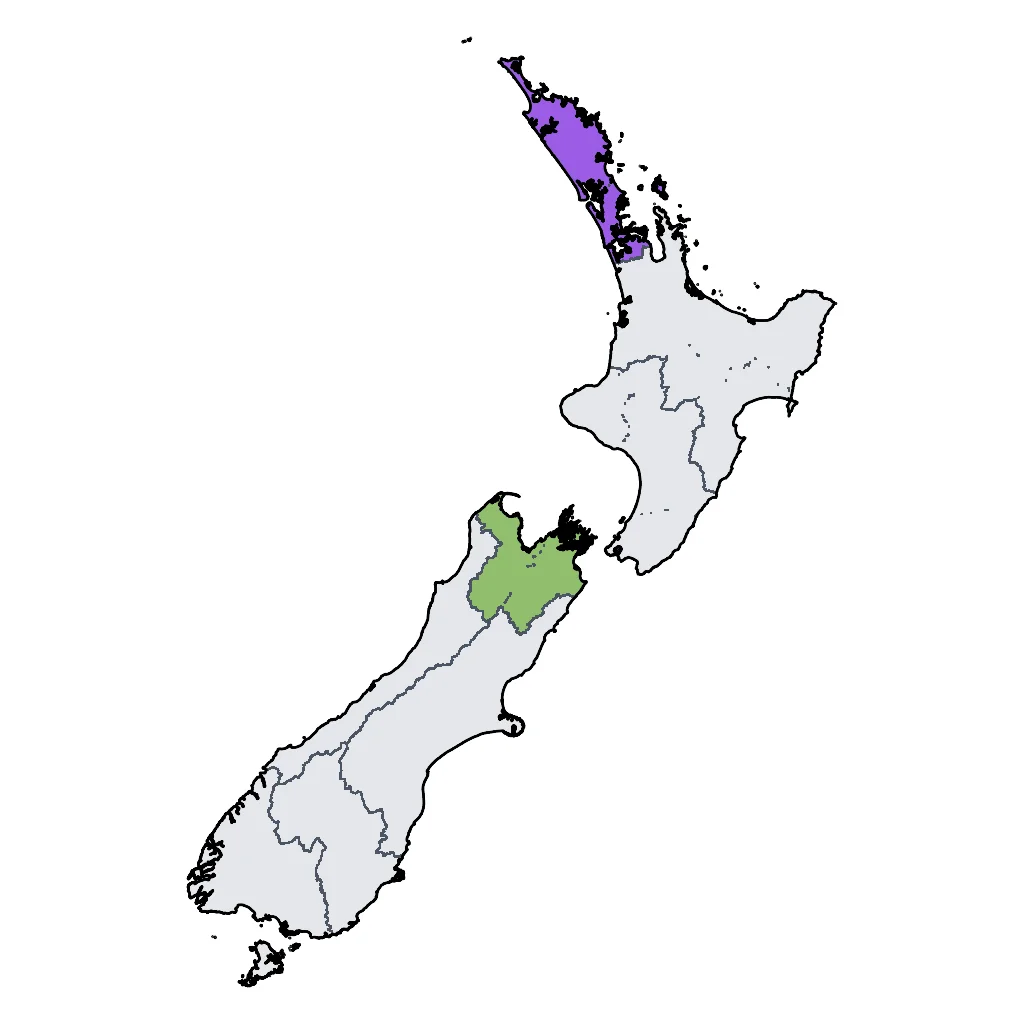

Wellington & Lower North Island
Cool culture and capital city fun 🚋
Wellington is a compact, walkable city that packs a lot of culture into a small space, making it easy for families to navigate without a car. The waterfront is the heart of the action, featuring wide promenades, pop-up markets, and the national museum, Te Papa Tongarewa. Te Papa is exceptionally family-friendly, with interactive discovery centers, giant squid exhibits, and an earthquake simulator house that teaches kids about New Zealand's geology. Best of all, general entry is free. A short walk away, the iconic red Wellington Cable Car climbs up the hill to the Botanic Garden, offering great views and an easy downhill walk back to the city through flower gardens.
For nature lovers, Zealandia is a world-first fenced ecosanctuary located just minutes from the CBD. Here, families can walk through native bush and easily spot rare birds like the tūī, kākā, and even the prehistoric tuatara reptile living in the wild. It is one of the best places in the country to see native wildlife without needing to hike into deep wilderness. Movie buffs—and kids who love monsters/robots—should visit the Weta Workshop in Miramar. Their tours reveal the movie magic behind The Lord of the Rings, Avatar, and other blockbusters, showing how props, costumes, and creatures are made.
Just north of the city, the Kapiti Coast offers lovely beaches and a warmer climate, while the Wairarapa region (accessible via a scenic drive over the Remutaka Hill) is known for rural charm and the Pūkaha National Wildlife Centre, home to a white kiwi. Wellington is famous for its wind, so a windproof jacket is a standard wardrobe requirement here, regardless of the season. The city has a vibrant cafe culture, and you will find that most places are very welcoming to children, offering
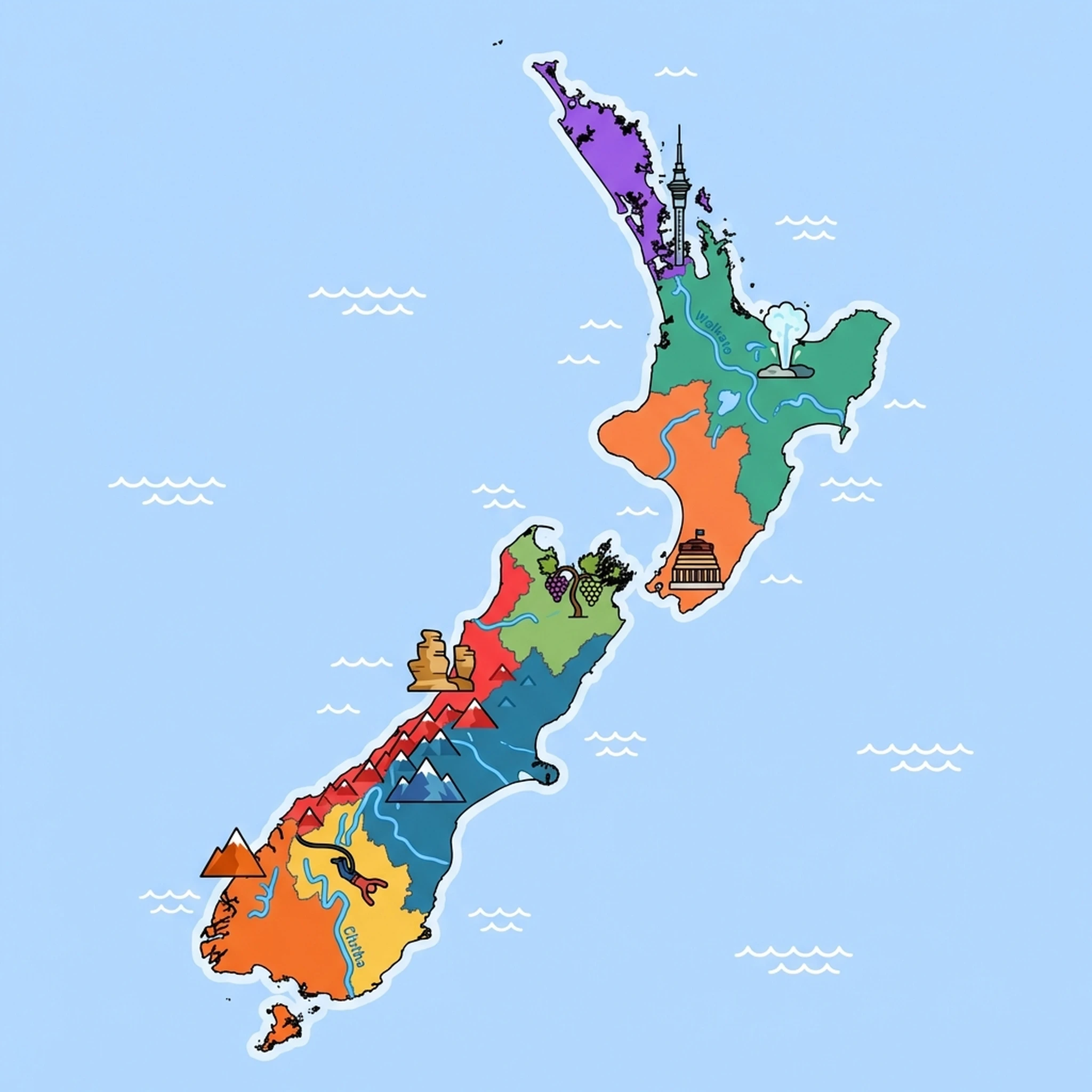
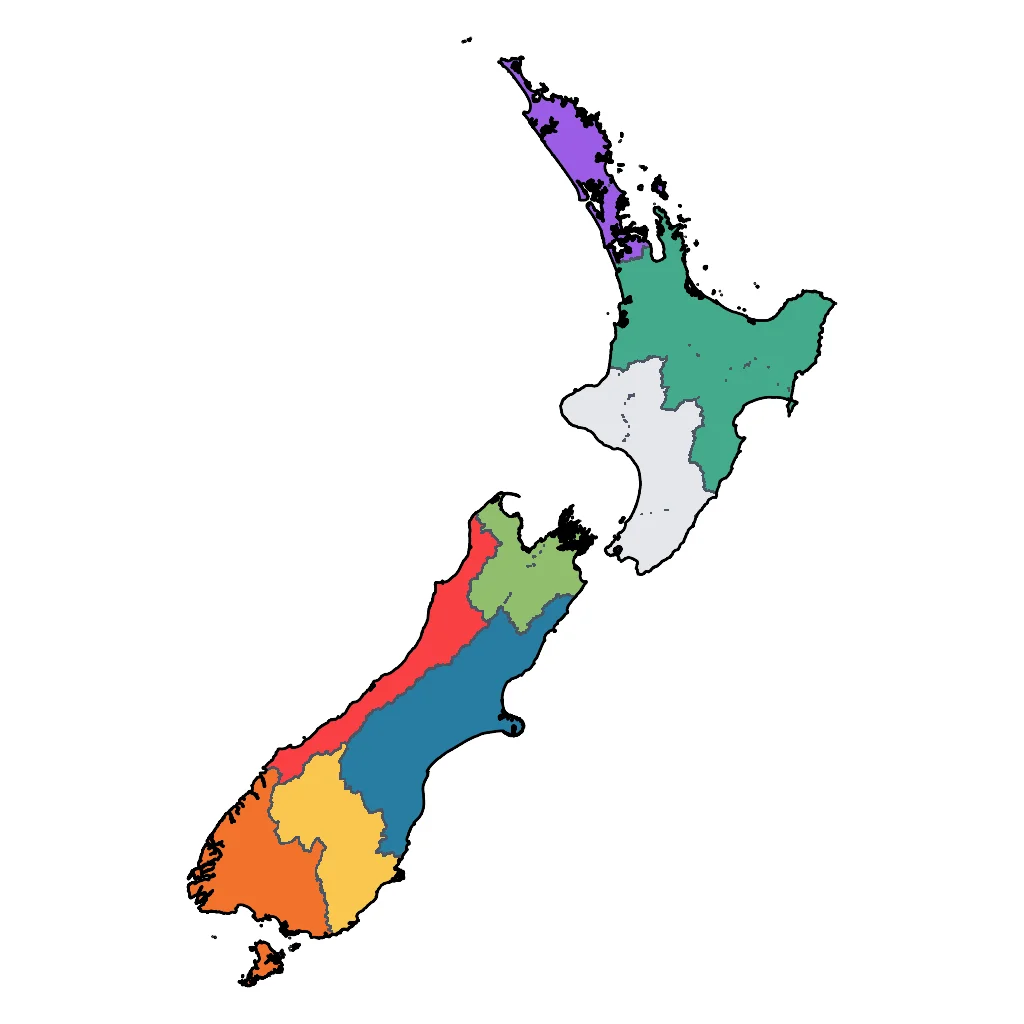
Click a region to explore

Activities & Best Times

Urban tourism, museums, historical sites, architecture
Home to Te Papa Tongarewa, a world-benchmark museum, and the creative Weta Workshop, Wellington offers a sophisticated, walkable urban experience. Peak months offer the best weather for exploring the harbor and vibrant coffee culture, while winter months are frequently damp and subject to the region's notorious gale-force winds.

Hiking, wildlife, outdoor exploration, ecotourism
The region features world-unique eco-sanctuaries like Kapiti Island and Zealandia, offering rare encounters with prehistoric bird species. Peak summer months provide the dry conditions necessary for hiking the Putangirua Pinnacles or Rimutaka ranges; winter brings heavy rainfall and limited visibility in the rugged backcountry.

Learning experiences, scientific sites, historical education
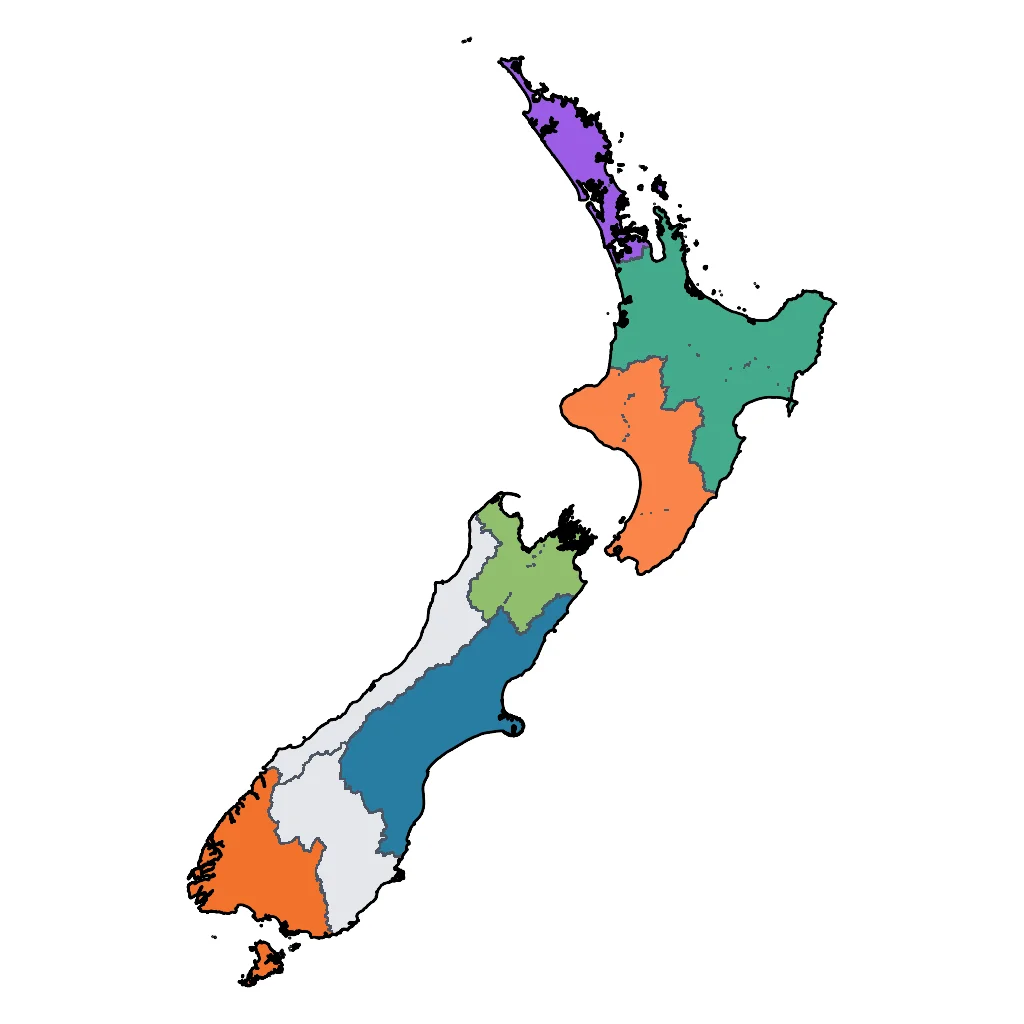
As the political and cinematographic heart of NZ, the region offers elite educational access to Parliament, film-making technology, and Māori history. Seasonal timing aligns with comfortable urban navigation; winter's chill and high precipitation make outdoor historical sites and walking tours less appealing for families.

Events, celebrations, seasonal attractions
The World of WearableArt (WOW) in Sept/Oct and 'Wellington on a Plate' in August are internationally significant events that showcase world-class creativity and gastronomy. These specific months are peak for festival-seekers despite the cooler weather; summer months host secondary arts festivals, while late autumn/winter lack major international draws.

Scenic drives, countryside tours, route-based travel
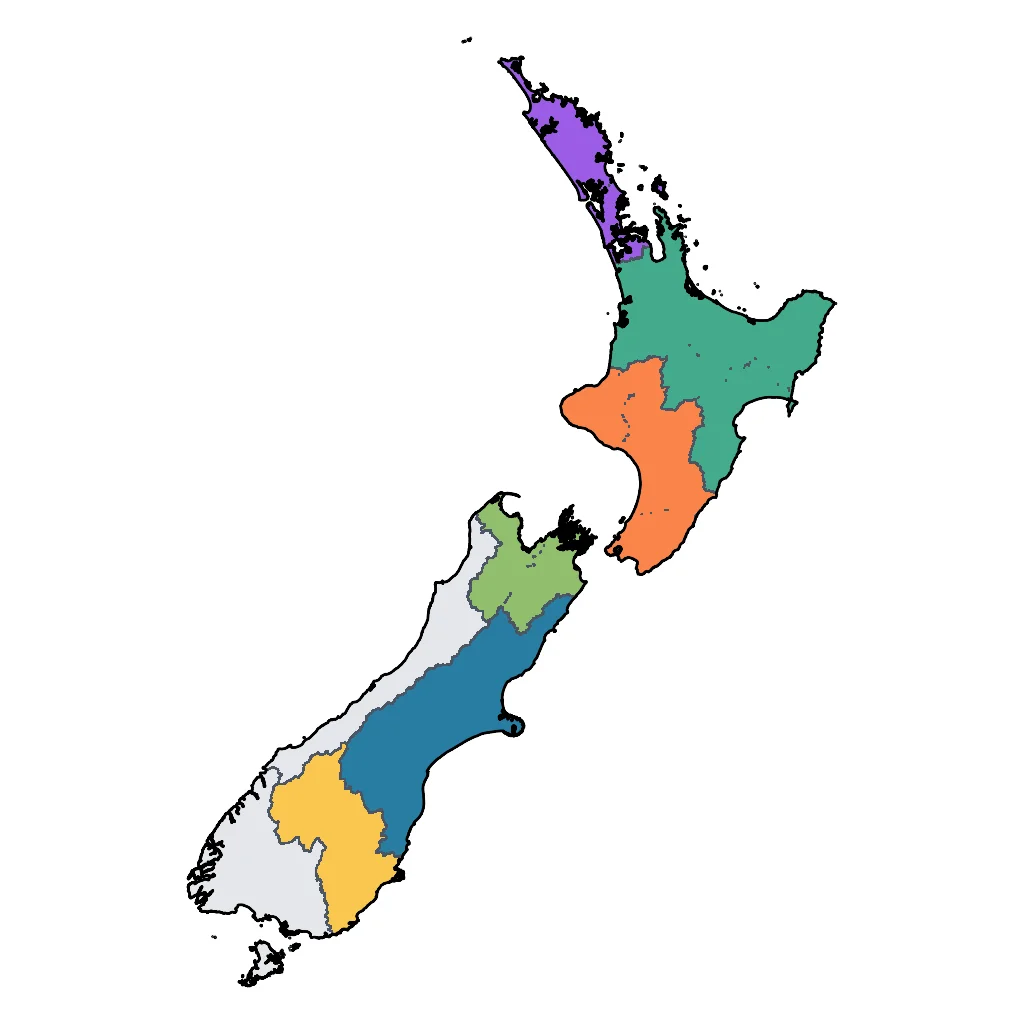
The 'Classic New Zealand Wine Trail' connects Wellington to the boutique vineyards of Wairarapa via the scenic Rimutaka Hill Road. Peak months offer clear visibility and safe driving conditions; the off-season sees high rainfall and frequent road closures or dangerous conditions due to extreme wind gusts.

Spa retreats, wellness centers, peaceful getaways
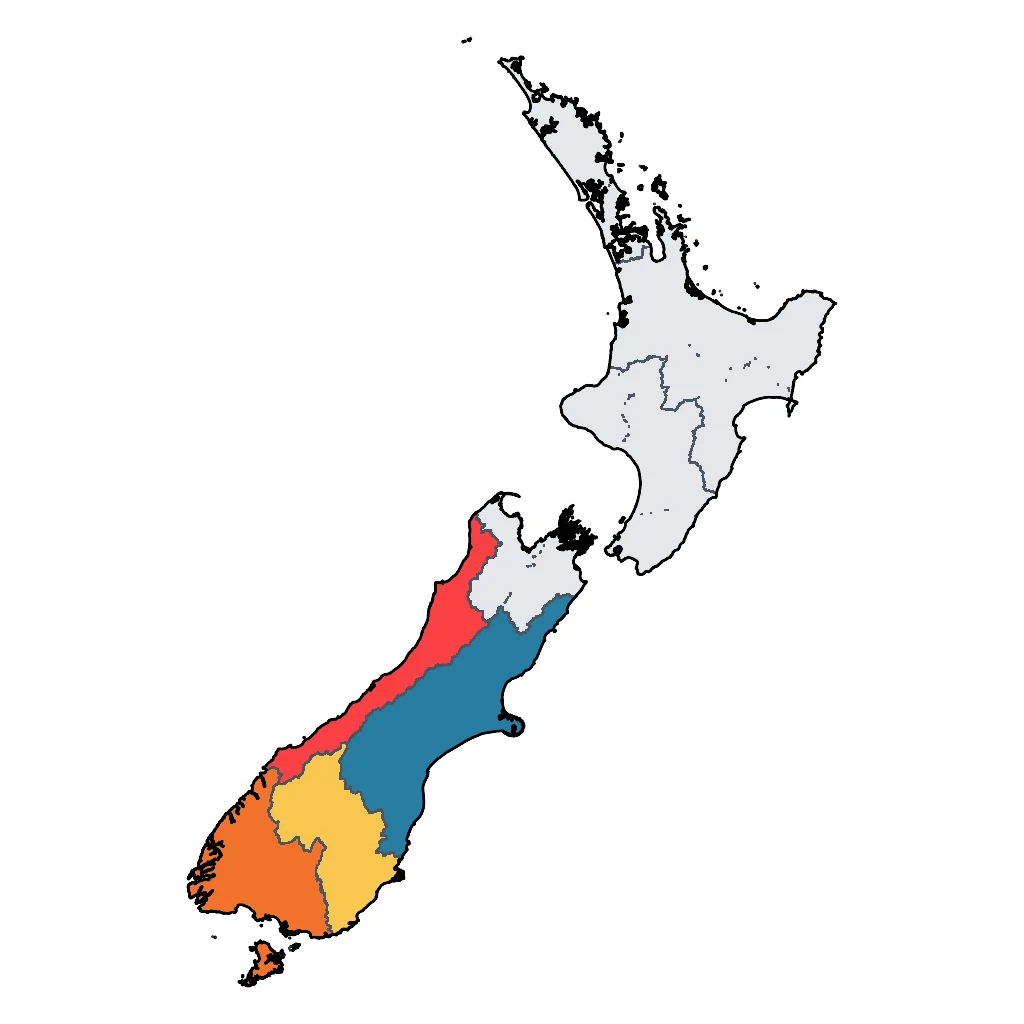
Martinborough offers high-end boutique lodge experiences focused on culinary relaxation and quiet rural luxury. Peak conditions coincide with the grape harvest and sunnier weather; the colder, rainier winter months diminish the appeal of the region's indoor-outdoor lifestyle and vineyard aesthetics.

Sport tourism, fitness activities, active recreation
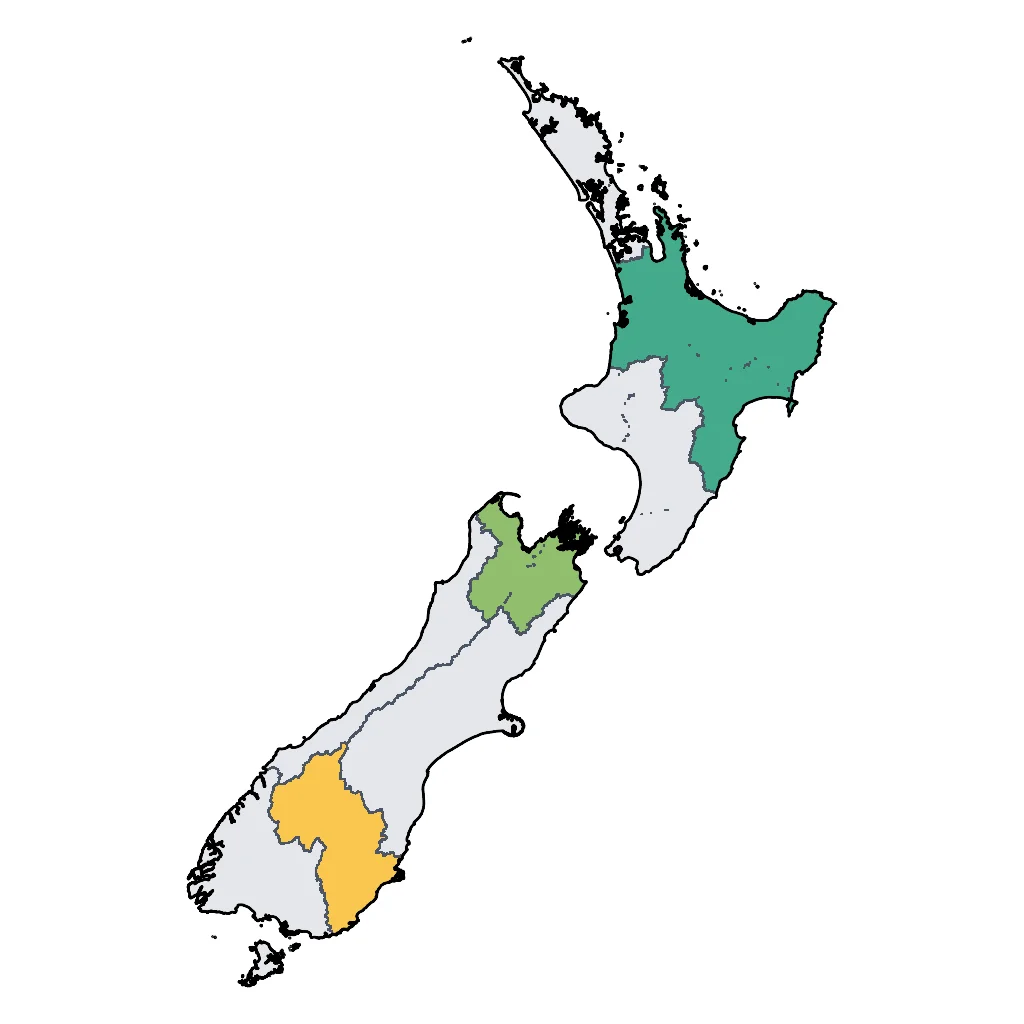
Features Paraparaumu Beach Golf Club, a world-class links course, and exceptional mountain biking at Makara Peak. Summer months provide the low rainfall and mild temperatures required for high-performance outdoor sport; the winter period is too wet and windy for consistent play or safe trail use.
Beach resorts, marine activities: diving, snorkelling, kite surfing, wind surfing, sailing
While the Kapiti Coast offers rugged beauty, water temperatures are cool and the Tasman Sea is often turbulent. Only the peak of summer (Jan-Feb) offers temperatures approaching comfort for international travelers, though it lacks the tropical infrastructure of global beach benchmarks.