

Oman stands out in the Arabian Peninsula for its rugged beauty and deep-rooted traditions, offering a family vacation that feels adventurous yet reassuringly safe. Unlike the skyscraper-filled cities of its neighbors, Oman is characterized by low-rise white buildings, dramatic mountain ranges, and a coastline dotted with fishing villages. For parents, the country’s modern infrastructure, high safety standards, and the widespread use of English make it an easy destination to navigate, while children will be captivated by the real-life sandcastles and vast desert landscapes.
The country’s geography acts as a massive playground for active families. The Al Hajar Mountains dominate the interior, offering cooler temperatures and spectacular geology. Jebel Shams, known as the "Grand Canyon of Arabia," provides hiking trails with views of vertical cliffs dropping thousands of meters. Lower down, the wadis (river valleys) are often the highlight for children. Wadi Bani Khalid is particularly family-friendly, featuring large, clear pools of water perfect for swimming, surrounded by date palms and rugged rocks. Wadi Shab offers a more adventurous hike involving a short boat ride and swimming through caves, which is better suited for older children and teens who are strong swimmers.
No trip to Oman is complete without experiencing the desert. The Wahiba Sands (Sharqiya Sands) offer towering red dunes that stretch for miles. Families can book stays in desert camps, which range from simple goat-hair tents to luxury air-conditioned pods. Activities here include 4x4 dune bashing, camel rides at sunset, and sandboarding down the slopes. The lack of light pollution makes this an exceptional spot for teaching children about astronomy, with the Milky Way often visible to the naked eye.
Culturally, Oman is accessible and engaging. In the ancient capital of Nizwa, the 17th-century fort features defensive traps, secret shafts, and heavy wooden doors that spark children's imaginations. The adjacent souq allows families to watch traditional silversmithing and taste halwa, a sticky Omani sweet made with saffron and rosewater. In the capital, Muscat, the Sultan Qaboos Grand Mosque welcomes visitors to walk on the world’s second-largest hand-woven carpet (modest dress is required). A walk along the Mutrah Corniche at sunset leads to the souq, where kids can practice bargaining for frankincense or local handicrafts.
Practically, the best way to explore Oman is by renting a 4WD vehicle. This provides the safety and clearance needed for mountain roads and desert approaches. The climate is the primary consideration for timing your visit; the summer months (May to September) are blisteringly hot and limit outdoor activity. The winter season, from October to April, offers pleasant temperatures generally between 20°C and 30°C. Omani cuisine is mild and palatable for children, featuring grilled meats, rice dishes like kabsa, and fresh flatbreads. Supermarkets stocking international bra

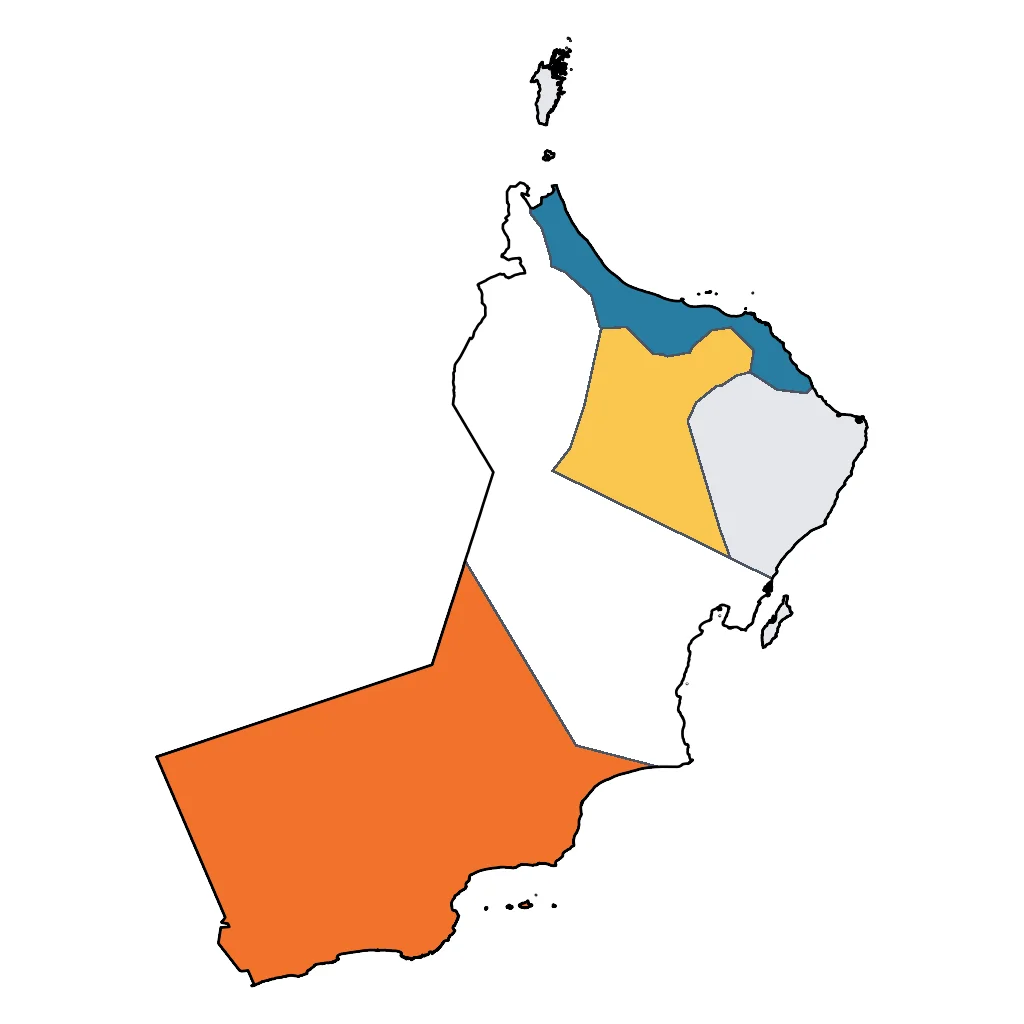
Explore Regions
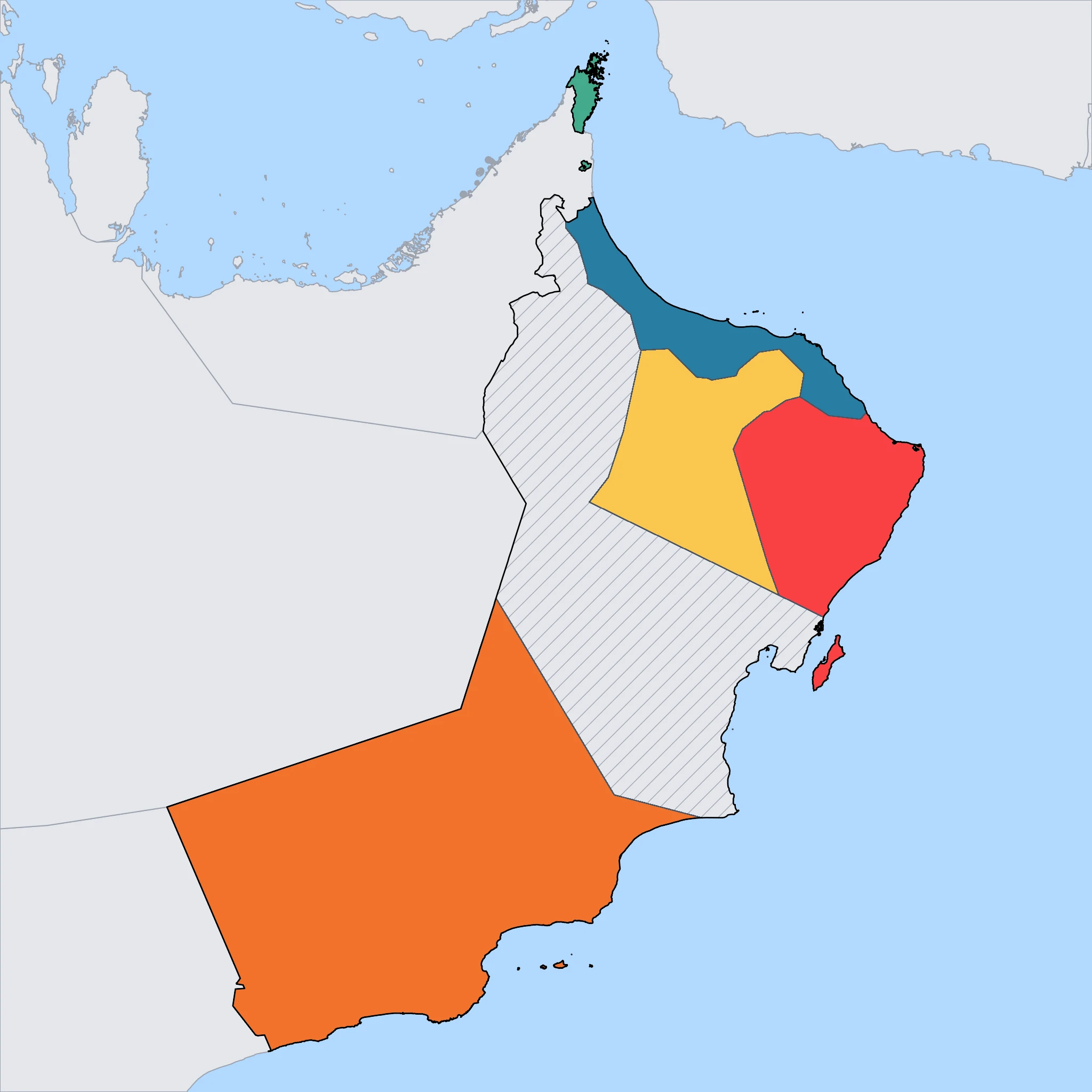
5 Regions
Dhofar (Salalah) - South
Where misty green mountains meet the tropical sea 🌴
Musandam Peninsula
Fjords, friendly dolphins, and dhow adventures 🐬
Muscat & Coast
Ancient souqs, golden mosques, and turtle beaches 🐢
Nizwa & Interior
Mountain forts, canyons, and ancient history 🏰
Wahiba Sands
Golden dunes, camels, and starry nights ⛺
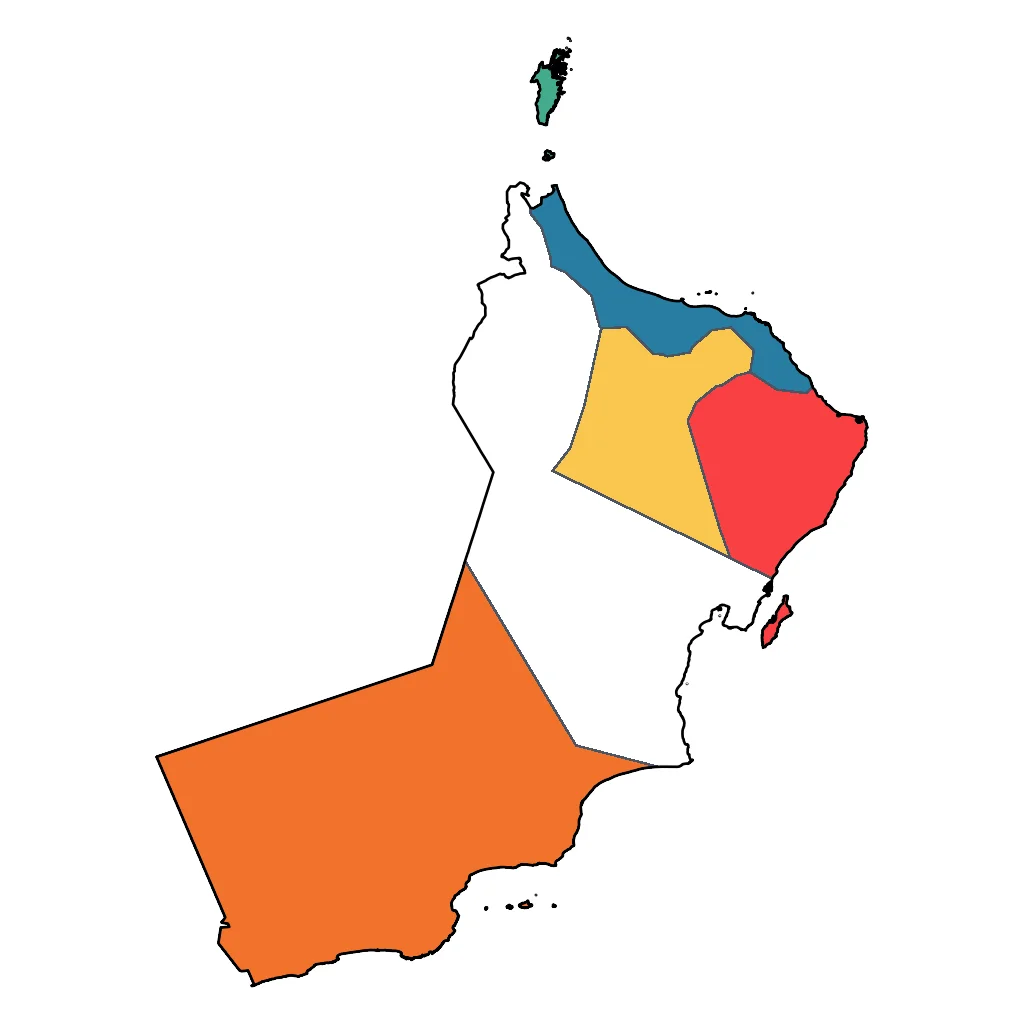
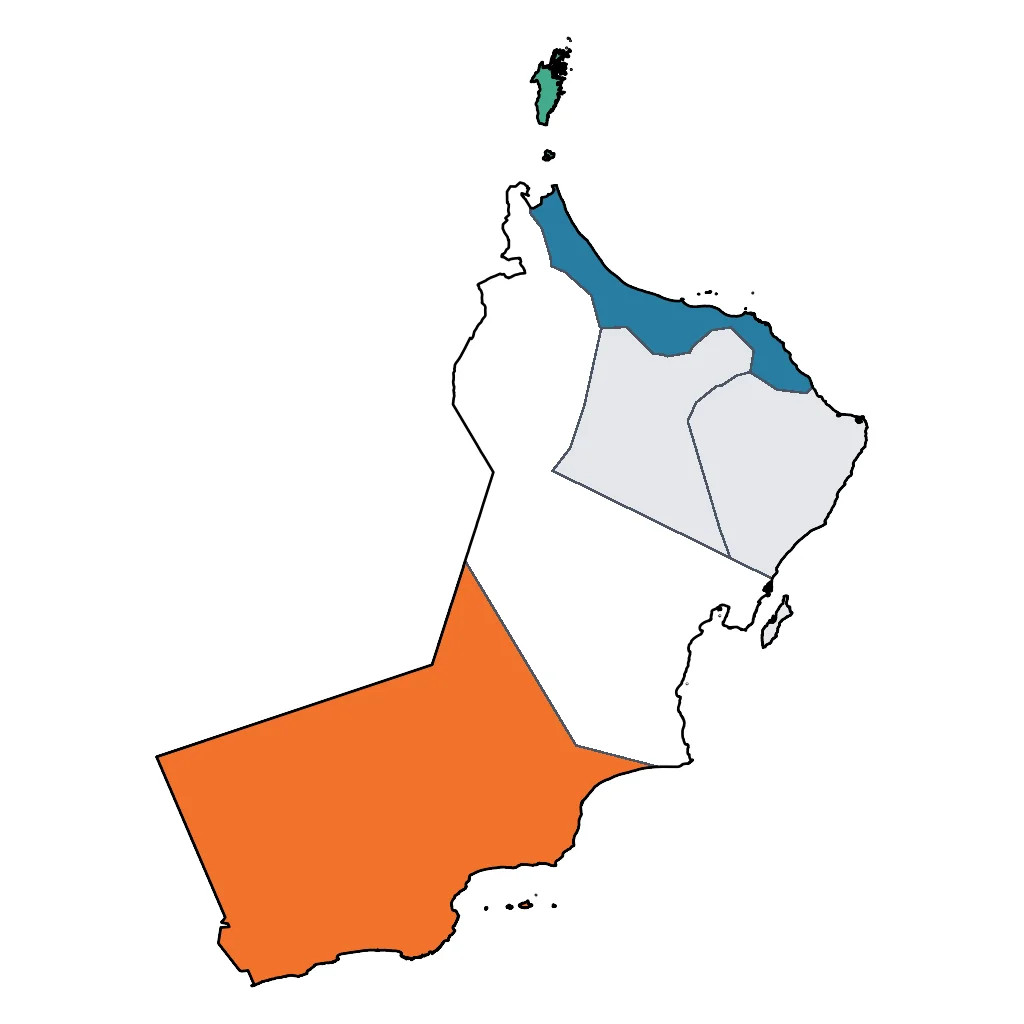
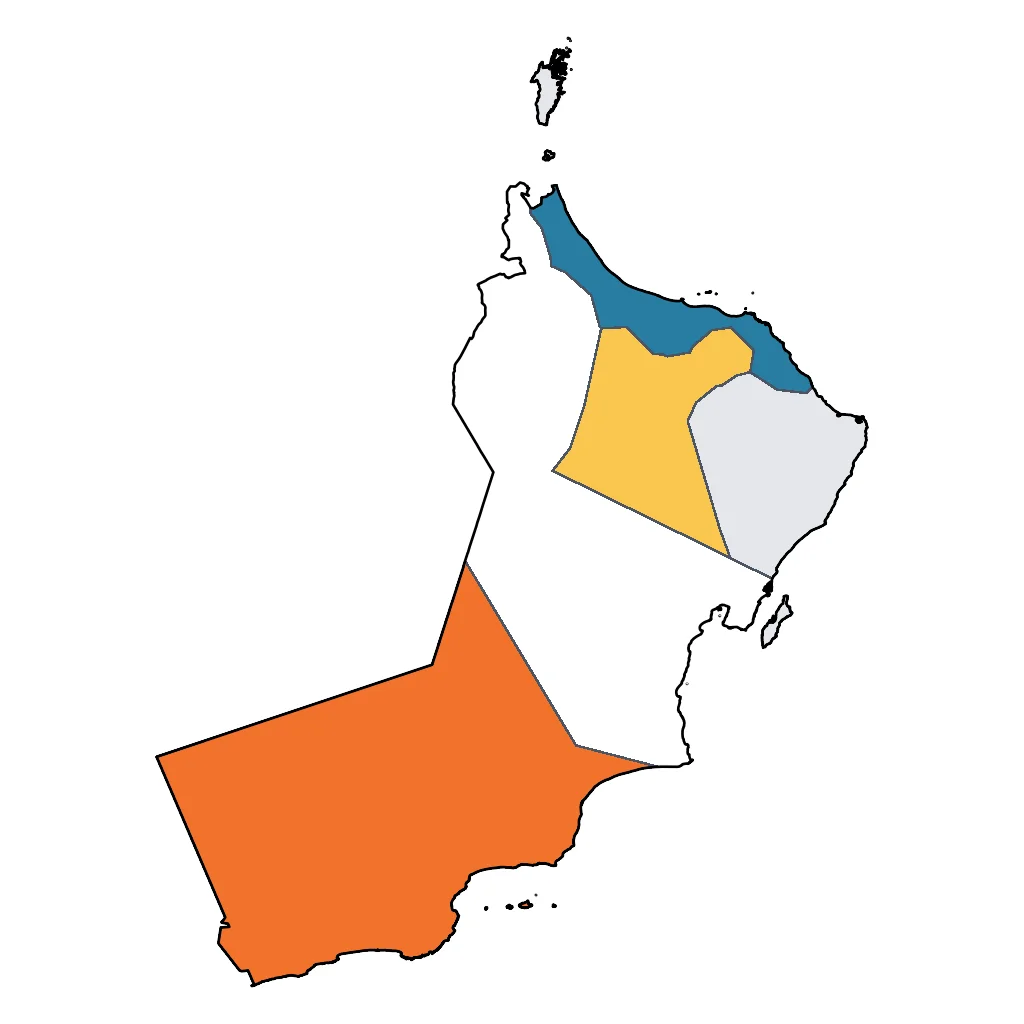
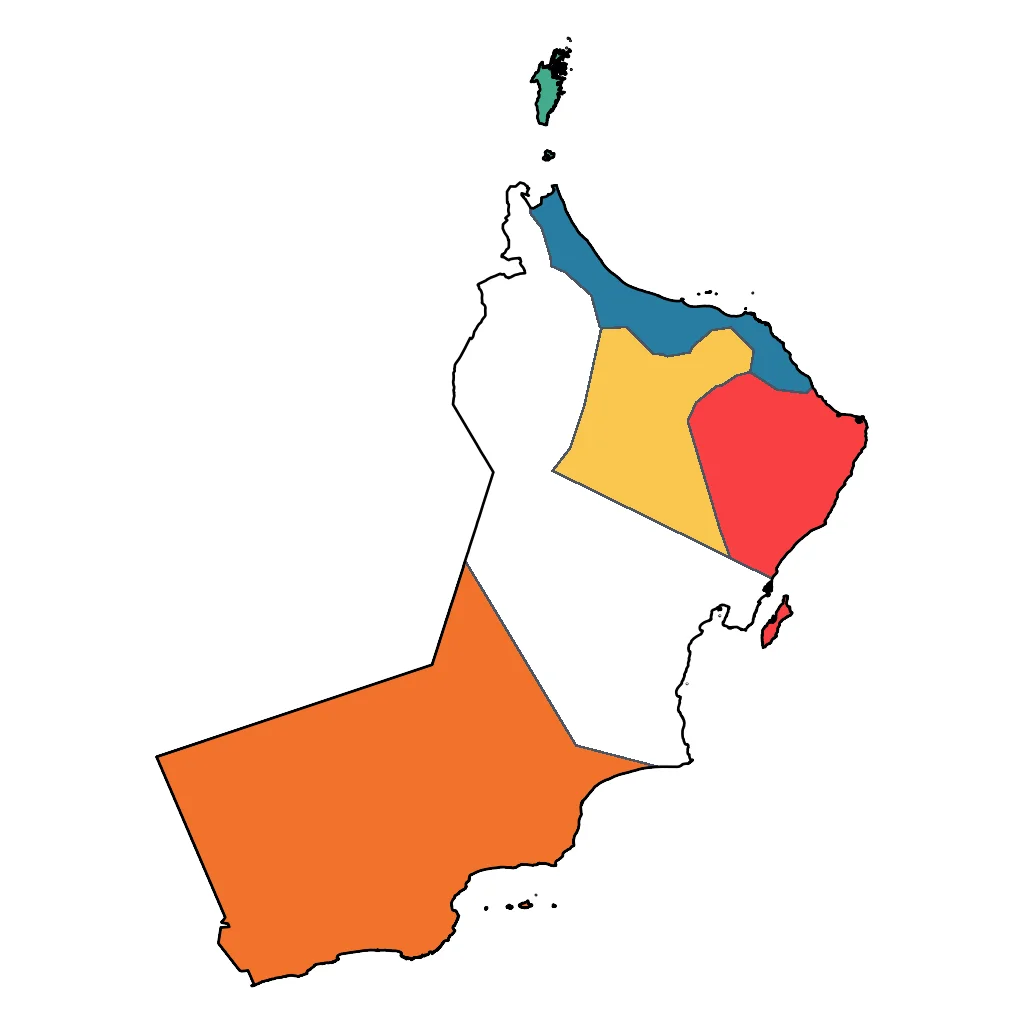
Click on a region marker to explore details. Use the dropdown to color regions by activity suitability.

Activities & Best Times

Adventure & Nature
ExcellentHiking, wildlife, outdoor exploration, ecotourism
A world-class desert wilderness offering authentic Bedouin interaction and iconic high-dune landscapes that rival the Sahara and Namib. Peak winter months provide perfect temperatures for desert exploration; summer heat exceeding 40°C is prohibitive for outdoor safety and comfort.
Features spectacular rugged mountain terrain and deep-sea inlets perfect for dolphin watching and remote exploration. Winter provides ideal trekking conditions (19-23°C); however, the extreme heat and humidity of May-September make mountain exploration unsafe.
Stunning volcanic landscapes, turquoise wadis, and dolphin-rich waters provide a high-end adventure playground. The cool winter months are essential for safe hiking and desert exploration, as summer temperatures frequently exceed 40°C.

Beach & Sea
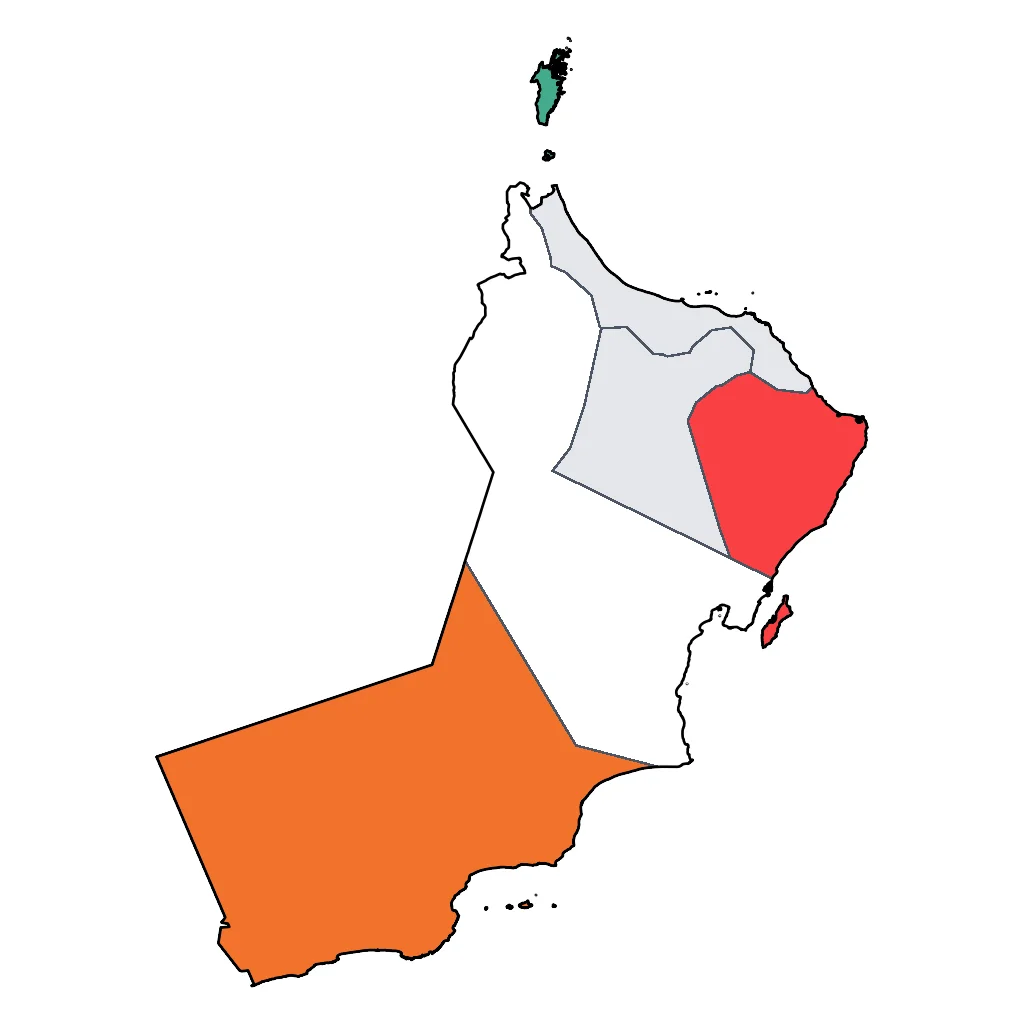
Very GoodBeach resorts, marine activities: diving, snorkelling, kite surfing, wind surfing, sailing
Dramatic fjord scenery is unique but the beaches themselves are not internationally renowned at Caribbean/Maldives level. Zero editorial attraction evidence for this region. Downgraded from excellent to very_good pending editorial attraction data.
Home to world-class luxury resorts and the pristine Daymaniyat Islands, offering exceptional diving and snorkeling. Peak months align with ideal 25-32°C air temperatures; summer months are dangerously hot for beach activities, while winter months offer cooler but pleasant conditions.
Pristine white-sand beaches and world-class luxury resorts like Alila and Anantara cater perfectly to discerning families. Peak conditions occur in spring and autumn with warm seas and clear skies; the summer monsoon season (Jun-Aug) brings dangerously rough seas and uncomfortably high temperatures.

City & Cultural
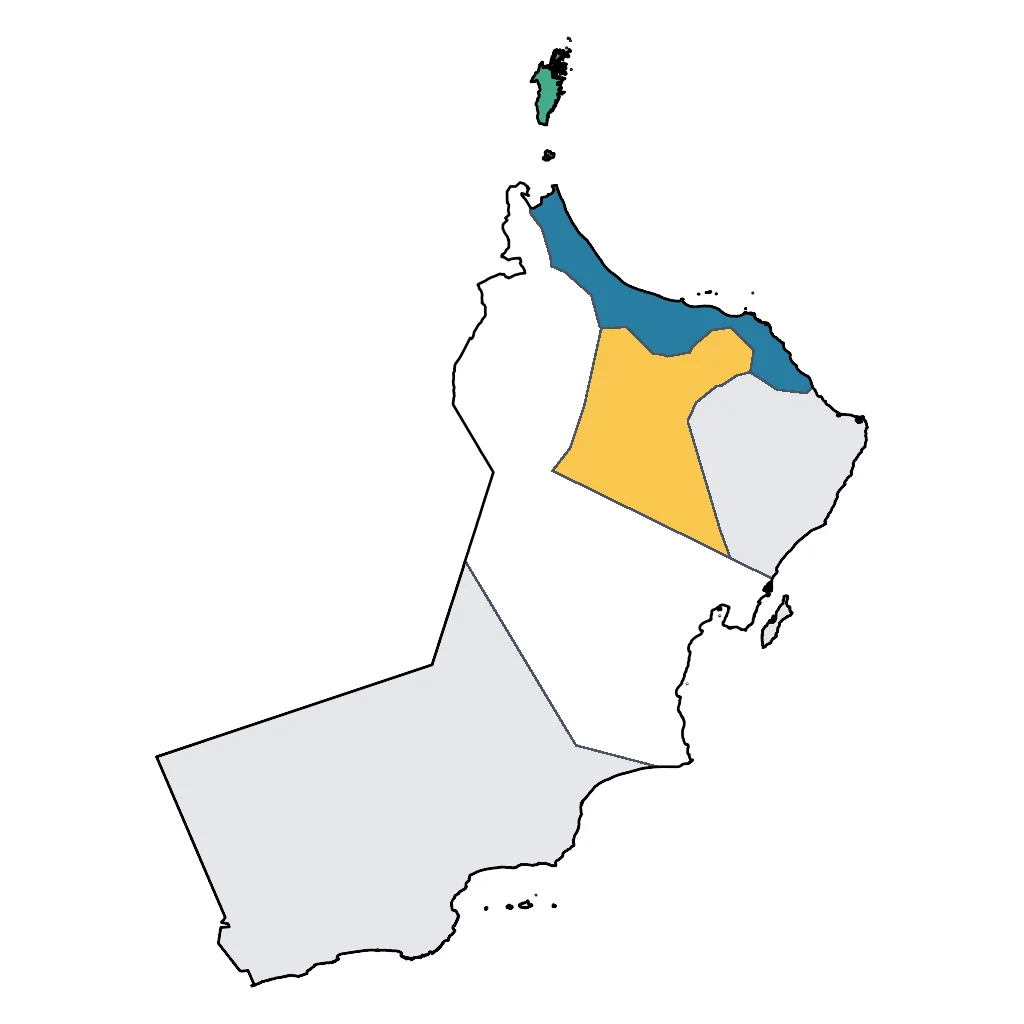
Very GoodUrban tourism, museums, historical sites, architecture
A sophisticated capital featuring the architectural masterpiece of the Grand Mosque and the authentic Muttrah Souq. Winter offers perfect conditions for exploring historical districts on foot, whereas the extreme summer heat limits urban exploration to air-conditioned venues.
Nizwa has Oman's densest heritage concentration (Nizwa Fort, Bahla Fort, Jabrin Castle, UNESCO Aflaj systems). Exceptional within the Arabian Peninsula, but against strict global calibration (Rome, Kyoto, Istanbul, Marrakech), very_good is more defensible. Still the strongest cultural region in Oman.
Salalah serves as the gateway to the ancient Frankincense trade, featuring high-quality archaeological parks and authentic souqs. Winter months offer the mildest climate for navigating outdoor UNESCO sites; summer heat makes urban and historical exploration physically demanding.

Educational & Exploratory
Very GoodLearning experiences, scientific sites, historical education
Offers profound insights into ancient Arabian architecture, traditional irrigation techniques, and the history of the Omani Imamate. Peak season aligns with mild weather ideal for guided tours of archaeological sites; shoulder months are warm but manageable for focused historical study.
Offers unique learning opportunities for families, including hunting for ancient marine fossils at high altitudes and exploring the maritime history of Khasab Fort. Peak conditions allow for comfortable outdoor site visits; the summer season is too hot for children to engage in educational walks or fort tours.
Rich opportunities to learn about ancient Bedouin customs, desert survival, and unique dune geology in an authentic setting. Winter is ideal for guided tours and interactive learning, whereas summer extremes lead to seasonal camp closures and limited accessibility.

Relaxation & Wellness
Very GoodSpa retreats, wellness centers, peaceful getaways
Home to world-renowned high-end retreats like Six Senses Zighy Bay, offering sophisticated isolation and holistic wellness. The mild winter and transition months provide a perfect climate for outdoor yoga and spa treatments; peak summer is avoided due to intense solar radiation.
Elite desert retreats offer profound tranquility and world-class star-gazing away from light pollution. Optimal weather from Nov-Feb allows for outdoor meditation and luxury glamping, while extreme summer heat limits the experience significantly.
The region hosts several internationally acclaimed spa retreats that blend Omani traditions with modern luxury. Peak months feature pleasant humidity and comfortable temperatures for outdoor yoga and relaxation; the extreme heat of May through September limits the appeal of open-air wellness facilities.

Road Trips & Scenic
Very GoodScenic drives, countryside tours, route-based travel
Exceptional 4x4 terrain through shifting sands and nearby scenic mountain-to-wadi routes provides a premier adventure driving experience. Winter offers stable sands and comfortable cabin temperatures; summer months pose vehicle overheating risks and extreme environmental stress.
Features dramatic, well-maintained mountain passes and rugged off-road routes through ancient wadis requiring 4WD. Optimal visibility and safe engine operating temperatures occur in winter; summer heat poses risks for vehicle strain and makes scenic stops uncomfortable.
Spectacular coastal roads and dramatic mountain passes offer world-class scenic driving experiences through diverse terrain. Peak post-monsoon months (Oct-Nov) showcase the region's unique emerald greenery before it fades; summer months present poor visibility due to thick mist and hazardous heat.

Sports & Active
Very GoodSport tourism, fitness activities, active recreation
Exceptional terrain for sea kayaking, rock climbing, and deep-sea fishing in an authentic, uncrowded environment. Optimal conditions align with the cooler seven months of the year; activity levels drop significantly during the summer months when humidity and heat peak.
Boasts championship golf courses like Al Mouj and premier sailing facilities at Oman Sail. Ideal winter weather supports high-stamina outdoor sports that are physically untenable during the scorching summer peak.
High-quality facilities for mountain biking and technical hiking, including the famous Balcony Walk. Ideal temperatures between 15-28°C occur from November to March; the punishing heat of the interior summer (max 43°C) makes high-exertion sports unsafe.

Festivals & Seasonal
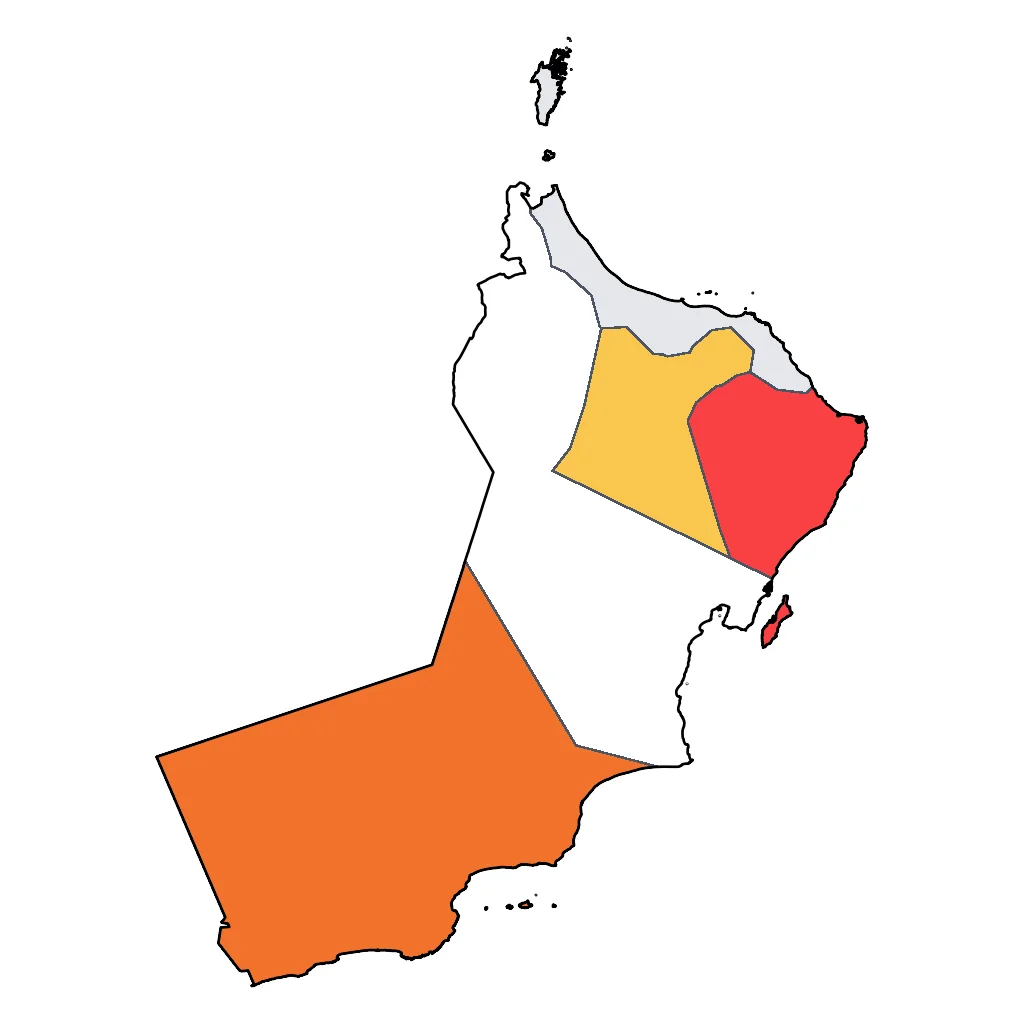
GoodEvents, celebrations, seasonal attractions
The Muscat Festival showcases authentic Omani heritage, crafts, and food in a world-class cultural display. These events are timed for the coolest months to ensure comfortable outdoor attendance for families.
Renowned for the weekly Nizwa Goat Market and the unique rose harvest in Jebel Akhdar during March and April. These authentic cultural spectacles are best experienced during the cooler months when outdoor gatherings are comfortable for international visitors.
The Khareef (monsoon) festival is a culturally significant event where the desert transforms into a tropical oasis. While July and August are peak for this unique atmospheric phenomenon, international travelers should be prepared for high humidity and regional crowds.

Airports & Flight Routes
Toggle options to view domestic routes and international airports. Click an airport for details.

Climate & Weather
Dhofar (Salalah) - South
Show Details
| Month | Temp °C | Rain | Humidity |
|---|
Musandam Peninsula
Show Details
| Month | Temp °C | Rain | Humidity |
|---|
Muscat & Coast
Show Details
| Month | Temp °C | Rain | Humidity |
|---|
Nizwa & Interior
Show Details
| Month | Temp °C | Rain | Humidity |
|---|
Wahiba Sands
Show Details
| Month | Temp °C | Rain | Humidity |
|---|

Travel Advisory
While generally safe, travellers should maintain high vigilance due to regional political volatility and local security risks.
Safety Topics
Traveller Advice (3 groups)

Respect local Islamic traditions and social norms. Carry identification at all times and monitor local news for updates on regional tensions.

Same-sex sexual acts are illegal and can lead to imprisonment. Discretion is essential as public displays of affection can attract police attention or legal charges.

Dress conservatively by covering shoulders and knees in public. Avoid walking alone in isolated areas, particularly after dark, to minimize the risk of harassment or assault.