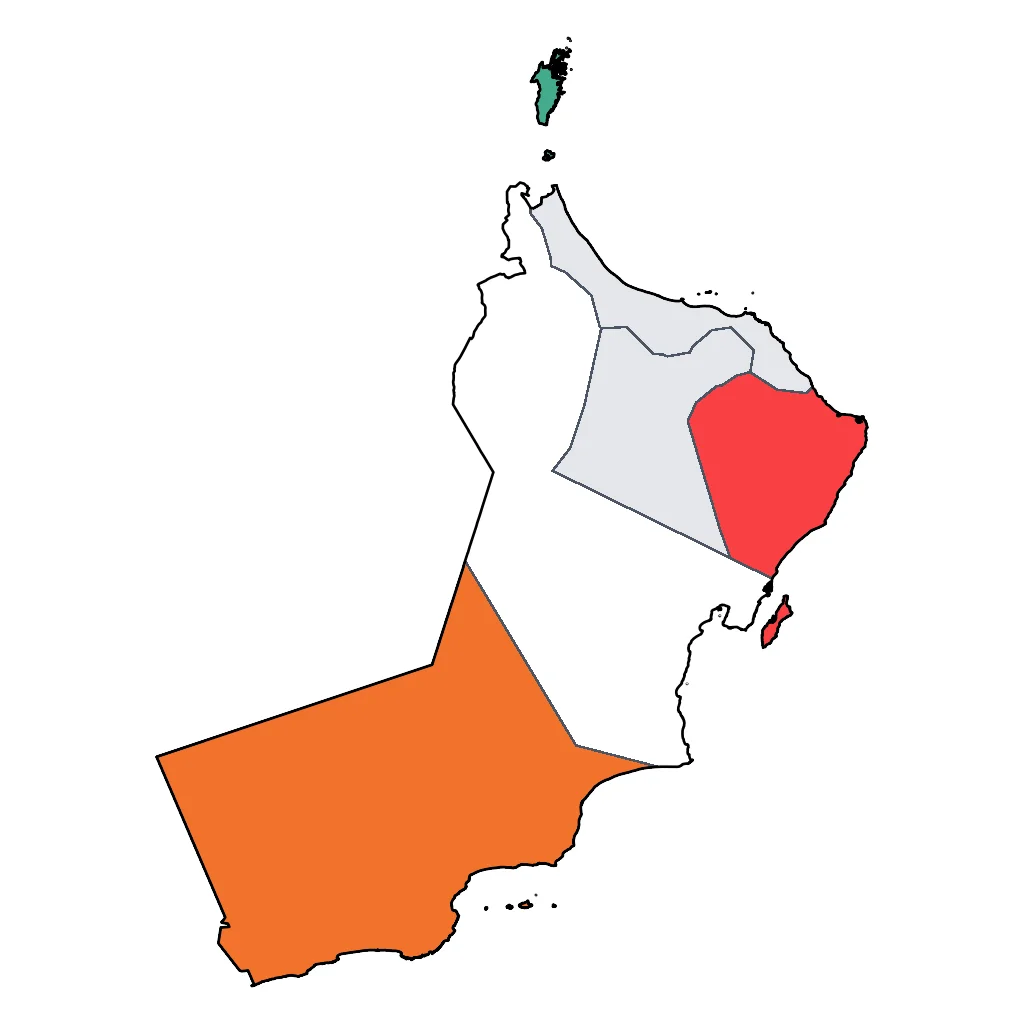
Nizwa and the surrounding interior region act as the historical soul of Oman. Dominated by the vast circular tower of Nizwa Fort, the city offers an engaging history lesson. Families can climb the ramparts and explore the defense mechanisms, including 'murder holes' (where boiling date syrup was once poured on invaders) and secret trapdoors. The adjacent souq is famous for Omani Halwa, a sweet, gelatinous dessert that shopkeepers will happily let you taste warm from the pot.
Venturing out of the city, the landscape rises sharply into the Hajar Mountains. Jebel Akhdar (the Green Mountain) is accessible by 4x4 and offers a cooler climate that is a relief during hotter months. Families can walk easy trails through terraced villages where pomegranates, walnuts, and Damask roses grow. The viewpoints, such as Diana's Point, provide breathtaking panoramas without requiring strenuous hiking.
For more rugged scenery, Jebel Shams is home to the 'Grand Canyon of Arabia'. While the famous Balcony Walk is spectacular, it has steep drop-offs and is better suited for teenagers; however, there are plenty of safe, flat areas on the plateau for younger children to run around and see the wild goats. The region is also dotted with other fortifications like Bahla Fort (a UNESCO World Heritage site) and Jabreen Castle, which is often described as the most beautiful in Oman due to its painted ceilings.
Water also plays a key role here in the form of falaj systems—ancient irrigation channels. In villages like Misfat al Abriyeen, families can walk along these shaded water channels that wind through lush date palm gardens, showing children how communities have survived in the desert for centuries.
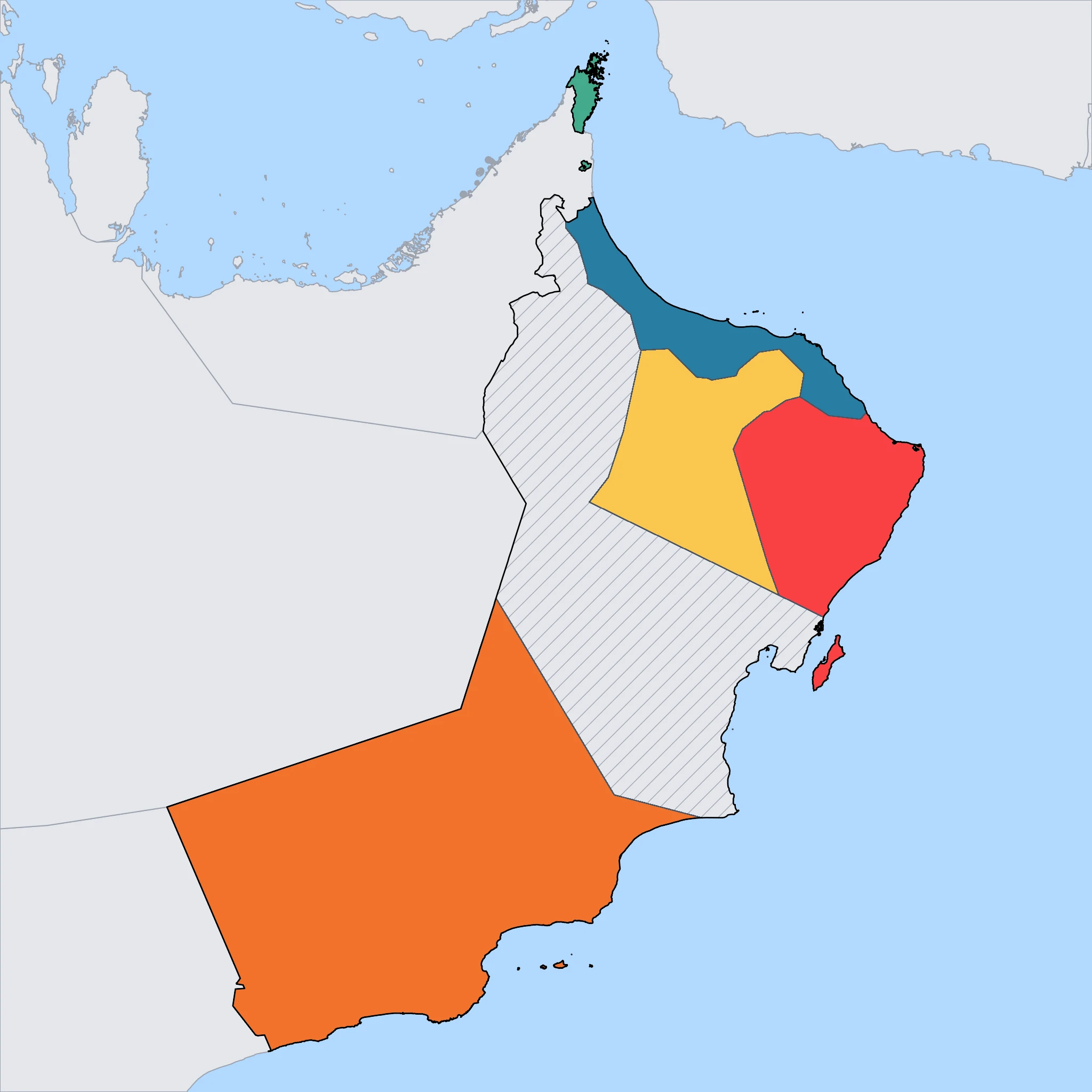
Click a region to explore

Activities & Best Times

Hiking, wildlife, outdoor exploration, ecotourism
Jebel Shams and trekking are impressive but not truly global top-tier compared to Patagonia, Nepal, or NZ. The 'Grand Canyon of Arabia' comparison is marketing; very_good is appropriate for a nationally exceptional but not globally leading adventure destination.
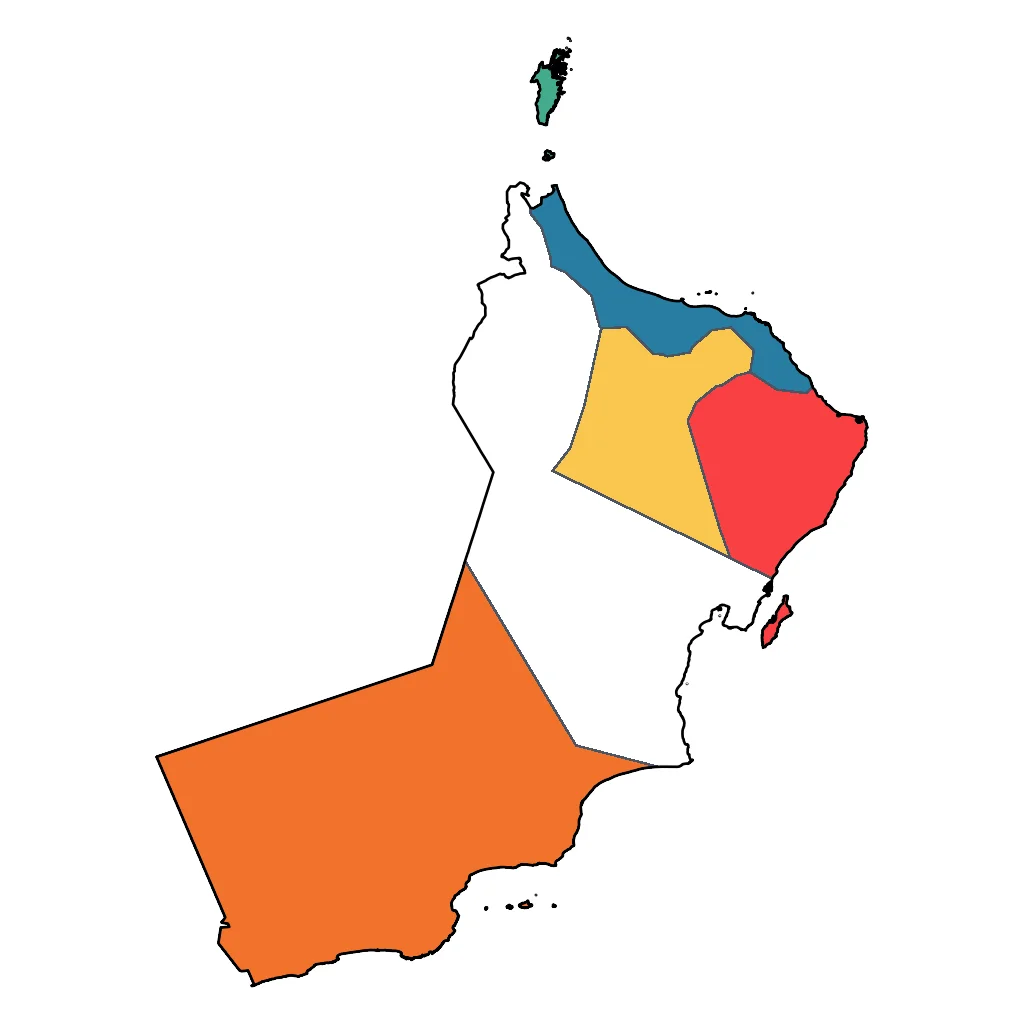

Urban tourism, museums, historical sites, architecture
Nizwa has Oman's densest heritage concentration (Nizwa Fort, Bahla Fort, Jabrin Castle, UNESCO Aflaj systems). Exceptional within the Arabian Peninsula, but against strict global calibration (Rome, Kyoto, Istanbul, Marrakech), very_good is more defensible. Still the strongest cultural region in Oman.
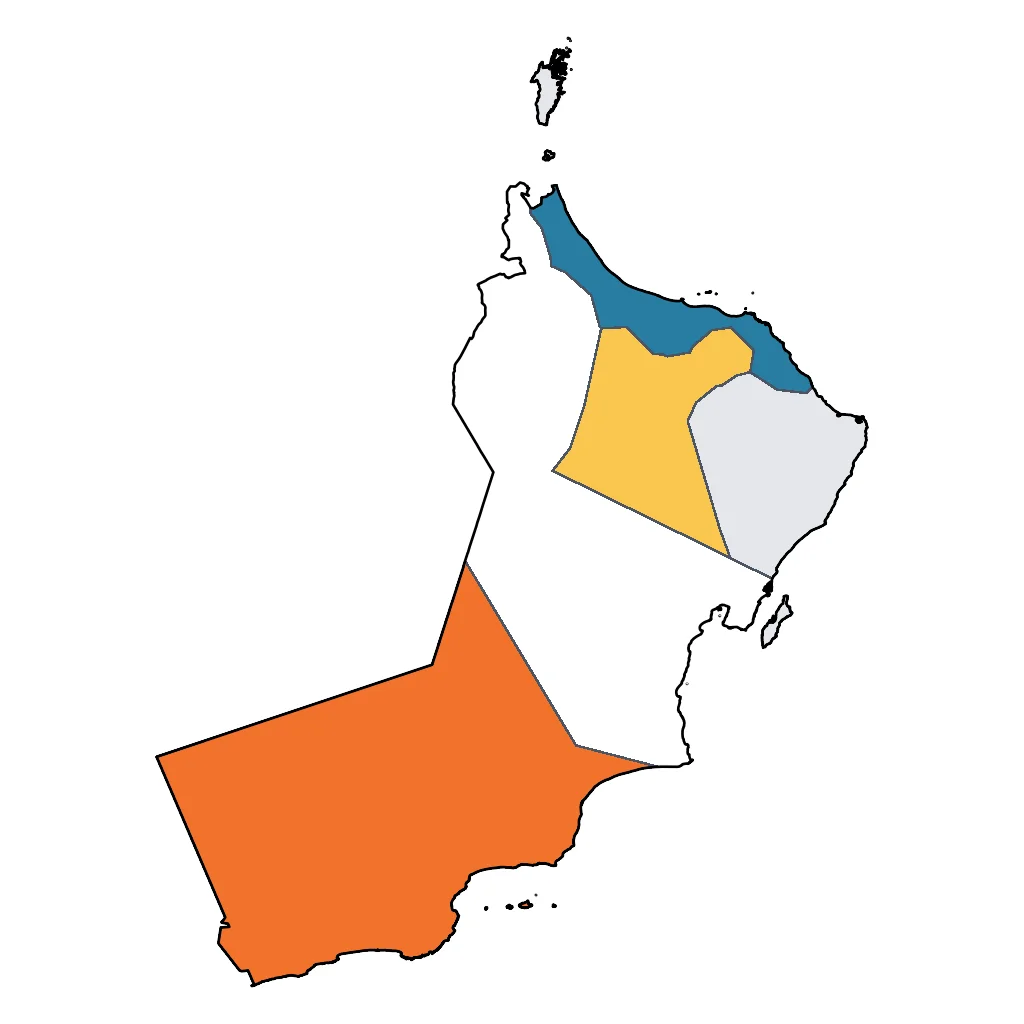

Learning experiences, scientific sites, historical education
Offers profound insights into ancient Arabian architecture, traditional irrigation techniques, and the history of the Omani Imamate. Peak season aligns with mild weather ideal for guided tours of archaeological sites; shoulder months are warm but manageable for focused historical study.
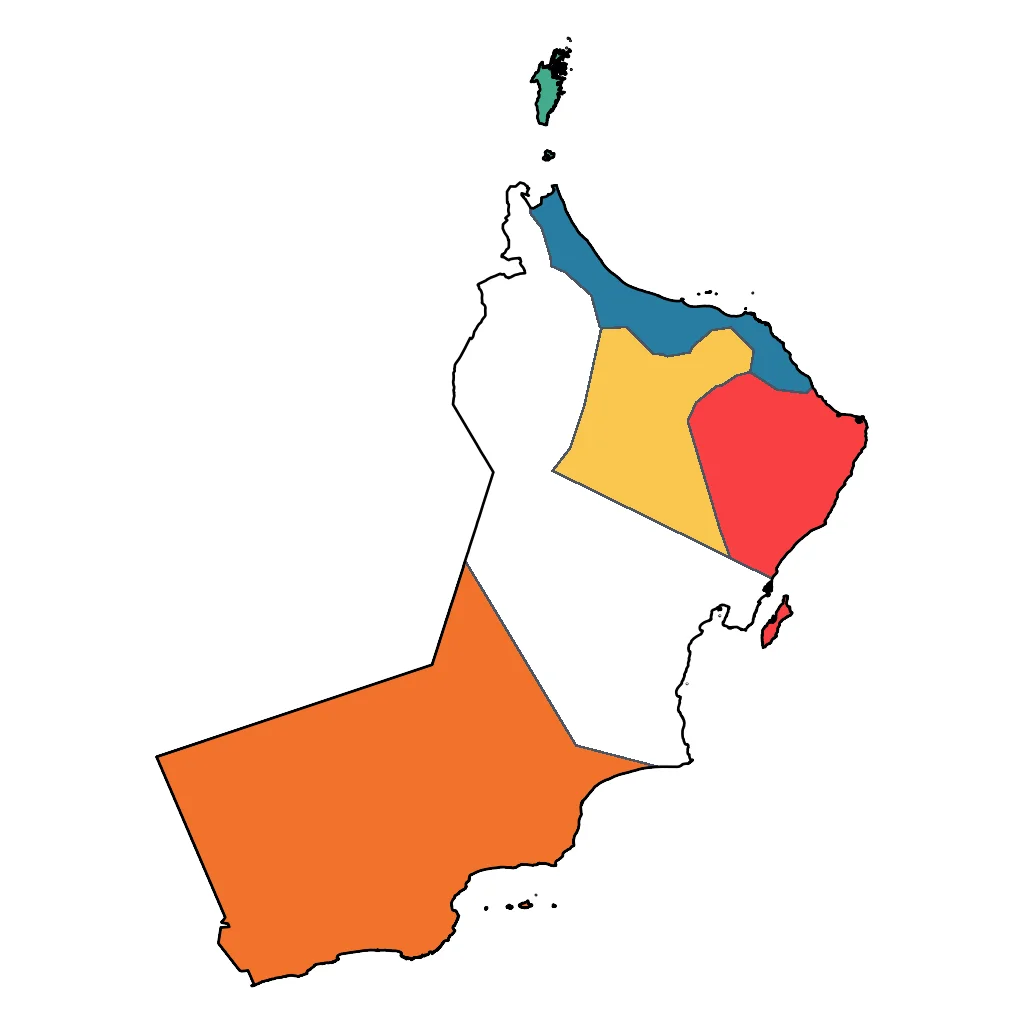

Scenic drives, countryside tours, route-based travel
Features dramatic, well-maintained mountain passes and rugged off-road routes through ancient wadis requiring 4WD. Optimal visibility and safe engine operating temperatures occur in winter; summer heat poses risks for vehicle strain and makes scenic stops uncomfortable.
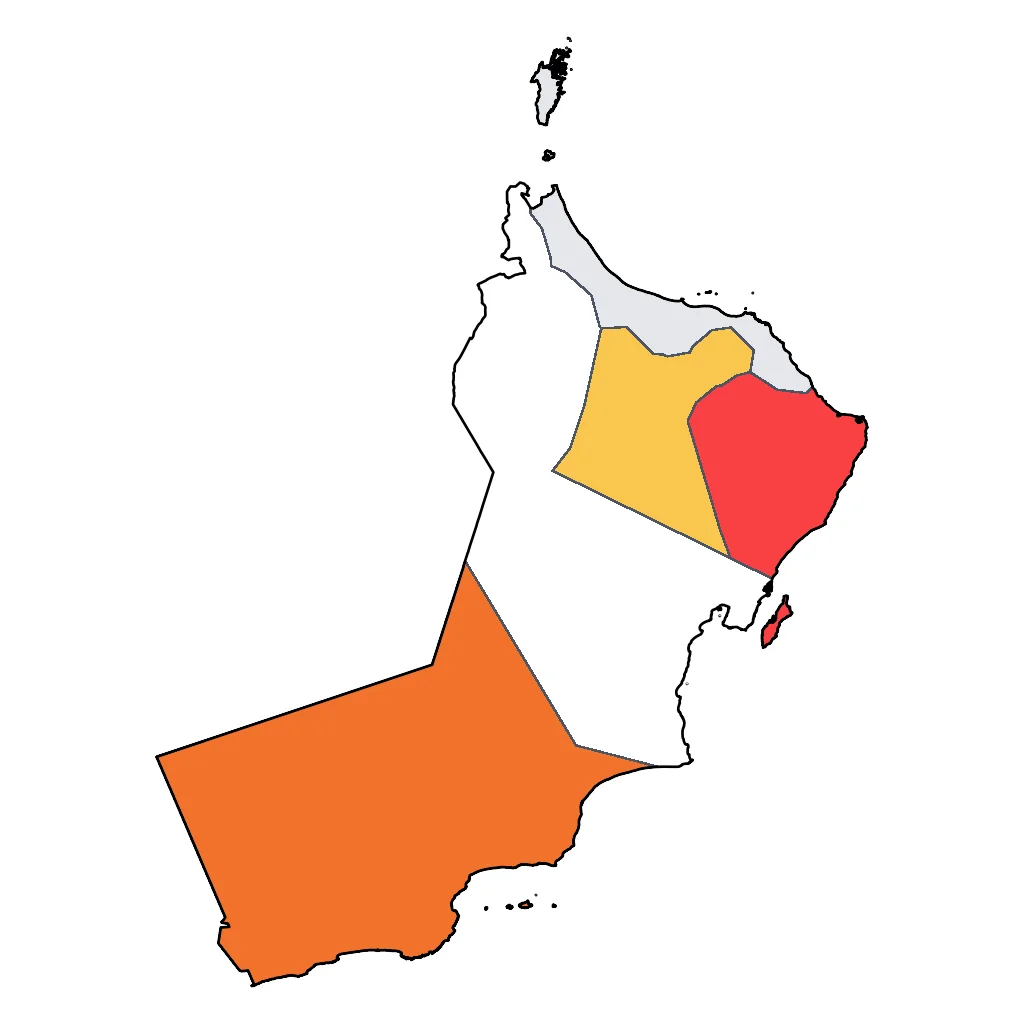

Sport tourism, fitness activities, active recreation
High-quality facilities for mountain biking and technical hiking, including the famous Balcony Walk. Ideal temperatures between 15-28°C occur from November to March; the punishing heat of the interior summer (max 43°C) makes high-exertion sports unsafe.
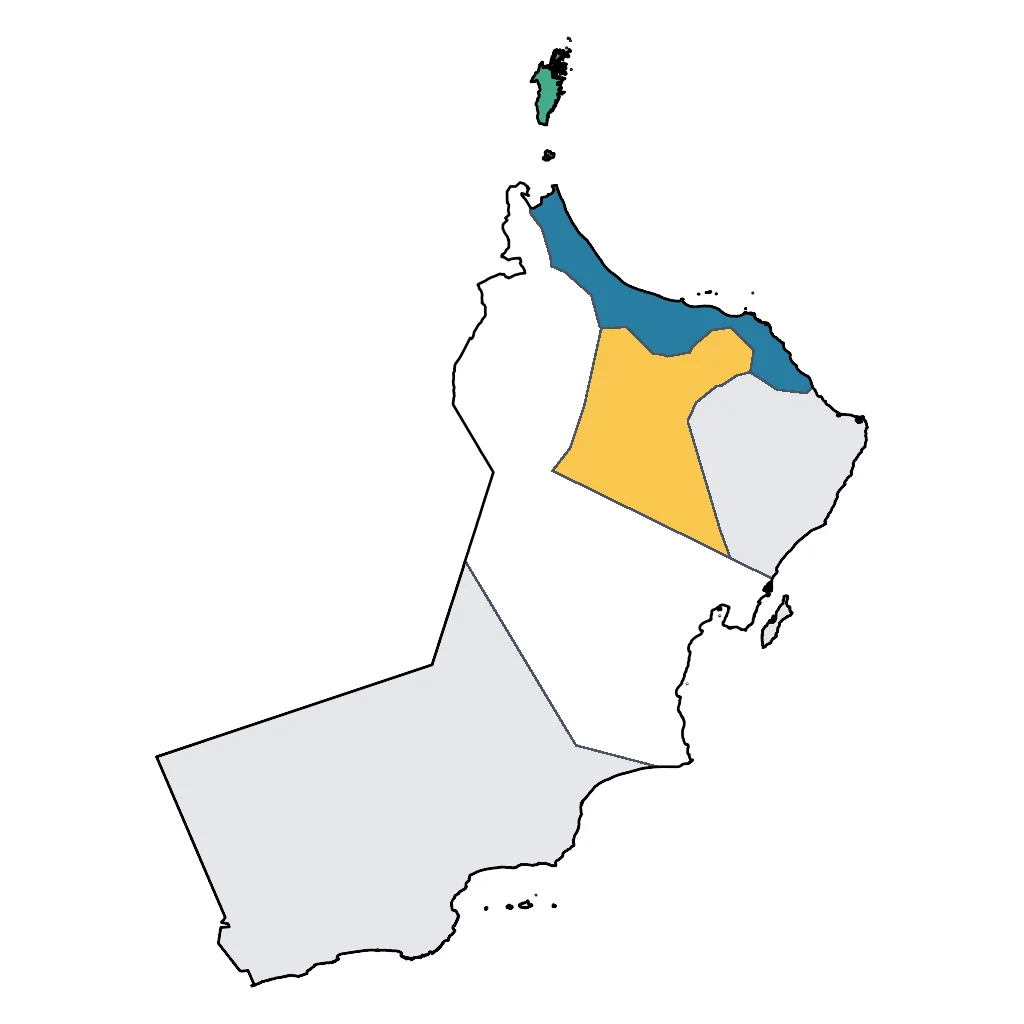

Events, celebrations, seasonal attractions
Renowned for the weekly Nizwa Goat Market and the unique rose harvest in Jebel Akhdar during March and April. These authentic cultural spectacles are best experienced during the cooler months when outdoor gatherings are comfortable for international visitors.
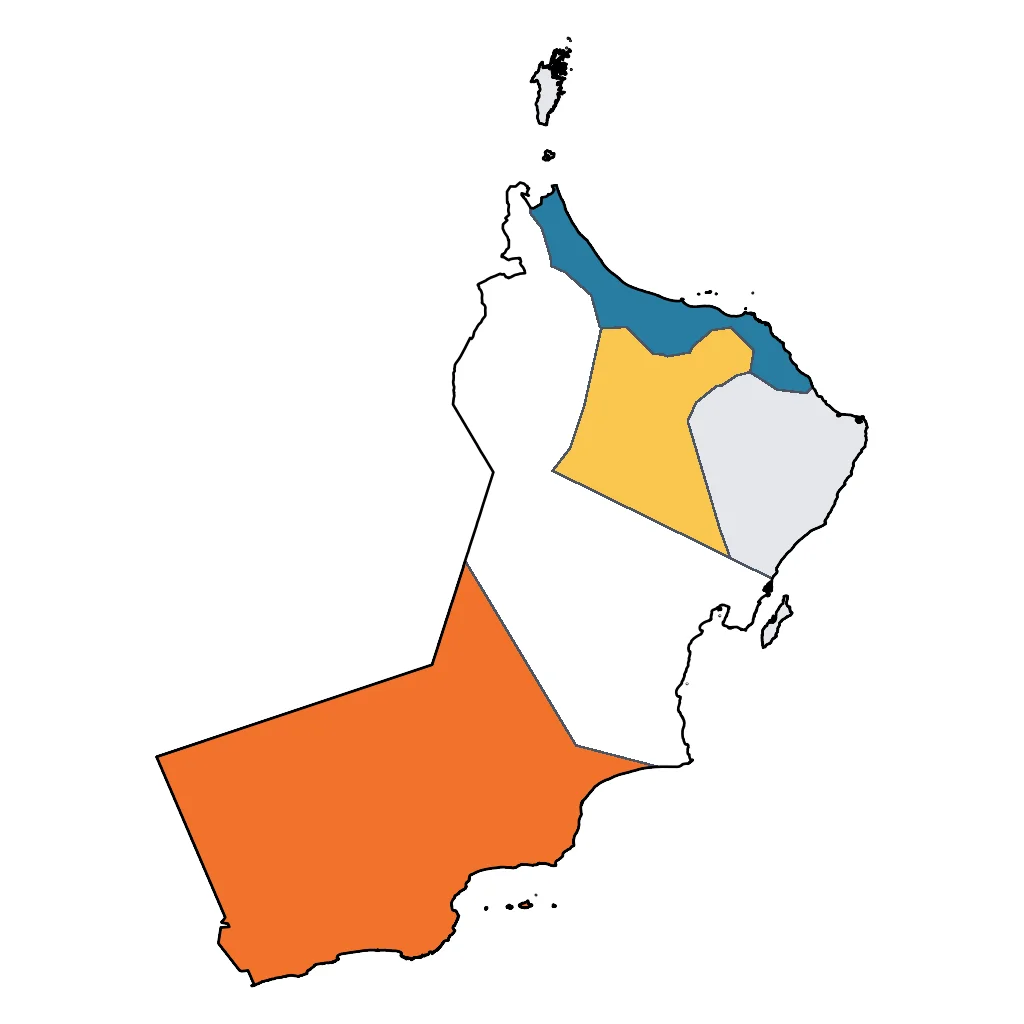

Spa retreats, wellness centers, peaceful getaways
No spa or wellness editorial attractions to support very_good rating. Mountain retreats exist but the region is known for cultural heritage and adventure, not wellness. Good reflects the availability of quality accommodation without overstating wellness credentials.