

Panama offers families a distinct mix of modern infrastructure and raw nature, making it one of the most user-friendly destinations in Central America. As the narrow land bridge connecting two continents, it allows travelers to experience both the Pacific and Caribbean coasts within a few hours of each other. The country is known for its biodiversity, but unlike some neighbors, much of this wildlife is easily accessible just minutes from the urban center.
For most families, the journey begins in Panama City. The skyline resembles Miami, but the ground level is rich in history and nature. A visit to the Miraflores Locks at the Panama Canal is essential; children can watch massive cargo ships rise and fall in the locks just a few meters away. Nearby, the Amador Causeway is perfect for renting bicycles and riding along the ocean entrance to the canal. The historic district of Casco Viejo offers walkable brick streets where families can buy raspados (shaved ice) and tour the gold altar at San José Church.
Nature is never far away. A short drive from the capital leads to Gamboa and the Gatun Lake, where boat tours take families to see capuchin and howler monkeys on the small islands created by the canal's flooding. The Biomuseo, designed by Frank Gehry, provides colorful, interactive exhibits about the isthmus's impact on global biodiversity, specifically tailored to engage younger visitors.
For a change of pace, the highland town of Boquete sits in the slopes of the Barú Volcano. The climate here is cooler and fresher, ideal for hiking suspension bridges in the cloud forest or visiting butterfly gardens. On the Caribbean side, the archipelago of Bocas del Toro offers Starfish Beach (Playa Estrella), where shallow, calm waters allow toddlers to see large sea stars resting on the sand.
Practical Information: Panama uses the US Dollar (alongside local coins called Balboas), eliminating currency exchange math. Uniquely for the region, tap water is safe to drink in Panama City and most major tourist areas. The dry season runs from late December to April, which is the best time for beach visits and hiking. While the country is generally safe for tourists, families should exercise caution in the city of Colón and must strictly avoid the remote Darién Gap at the Colombian border. Uber works reliably in the capital, providing safe and trackable transport.

Explore Regions
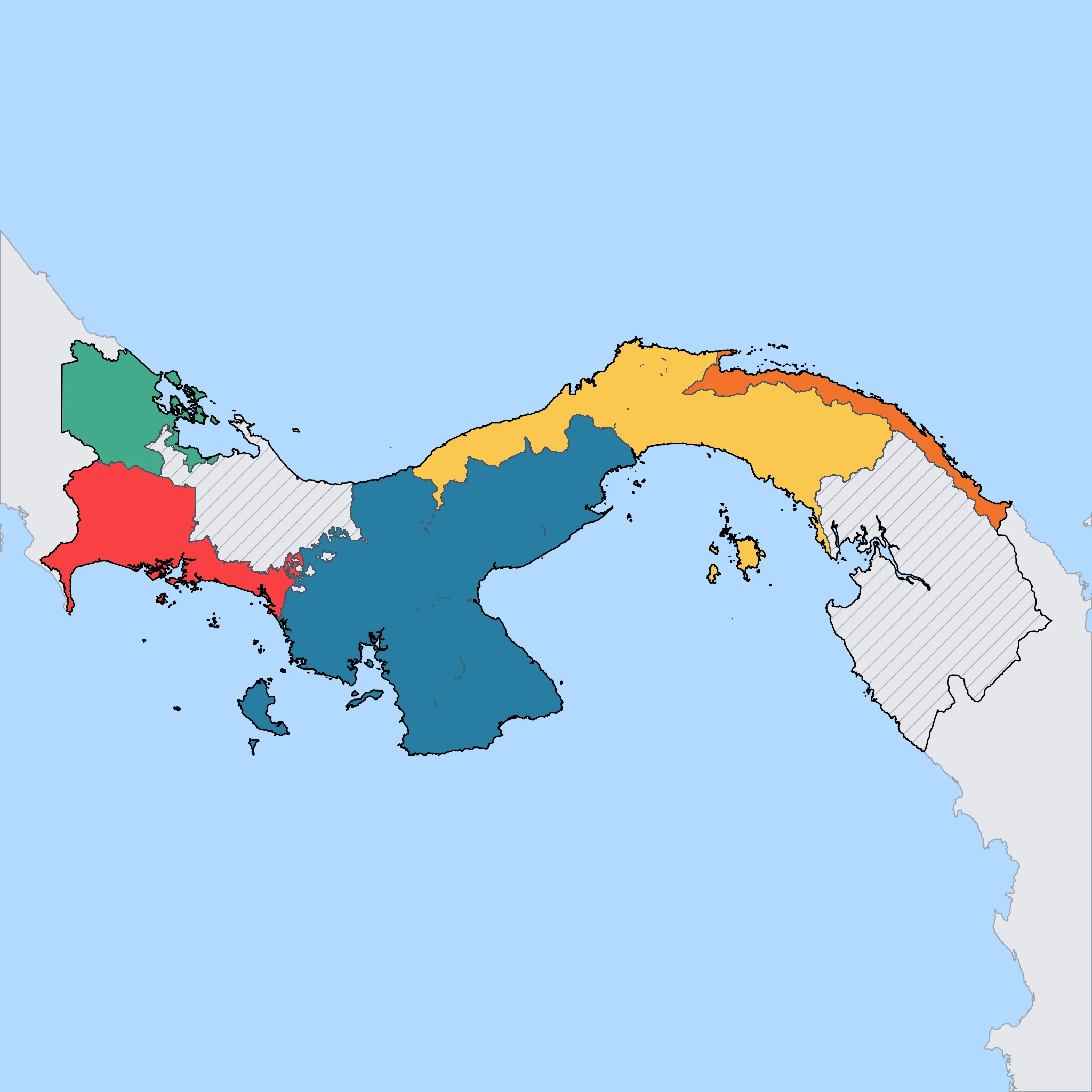
5 Regions
Bocas del Toro
Caribbean island hopping with starfish and sloths 🏝️
Boquete & Highlands
Cloud forests, coffee farms, and cool mountain air 🌋
Pacific Beaches
Sun, sand, and family resorts near the city 🏖️
Panama City & Canal
Skyscrapers, sloths, and the world's famous canal 🛳️
San Blas Islands
Pristine islands and indigenous culture 🌴
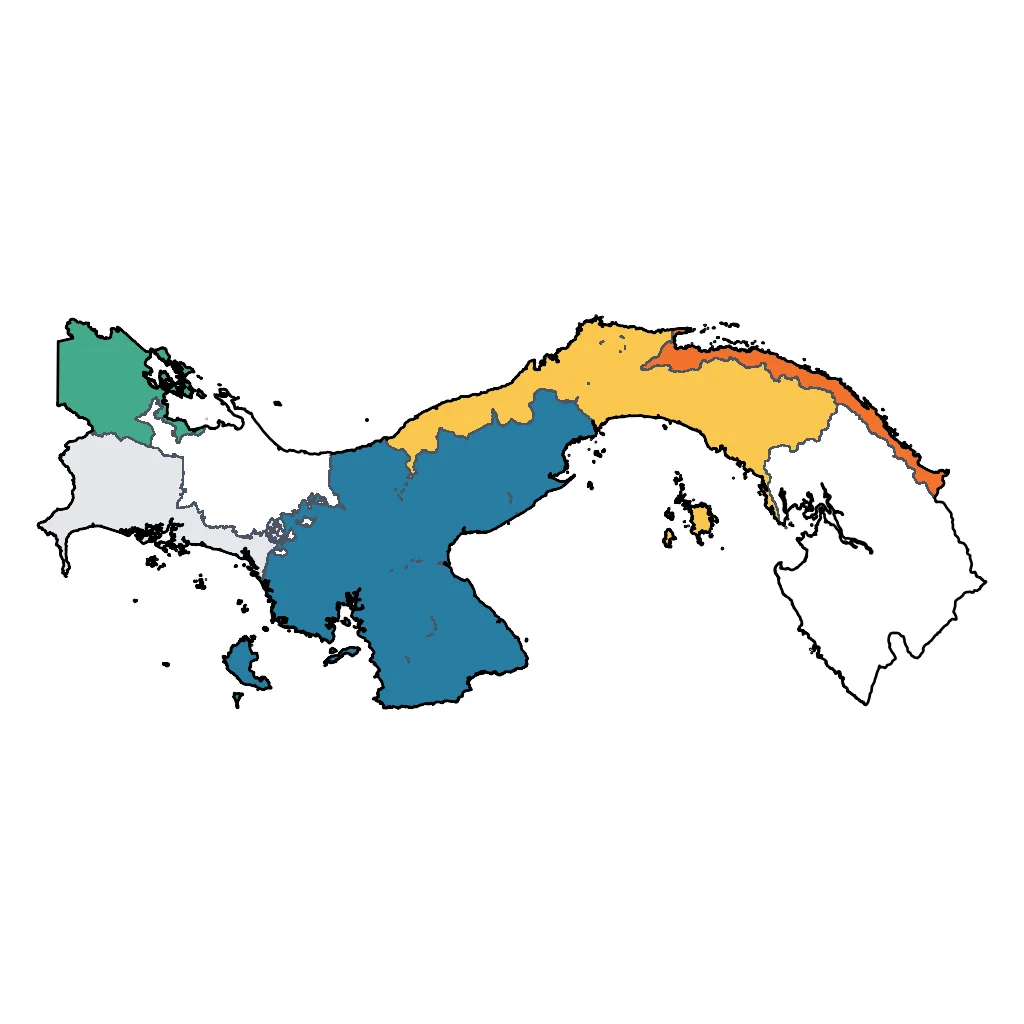
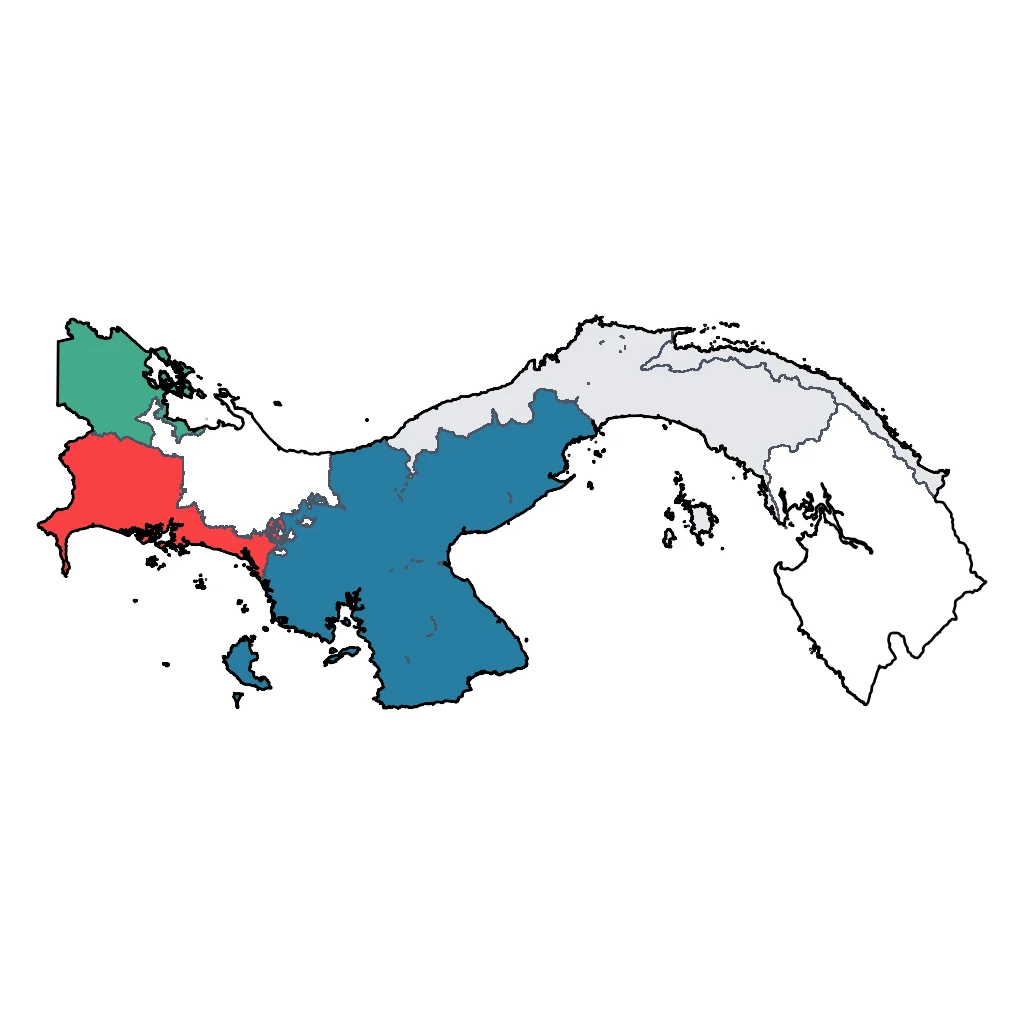
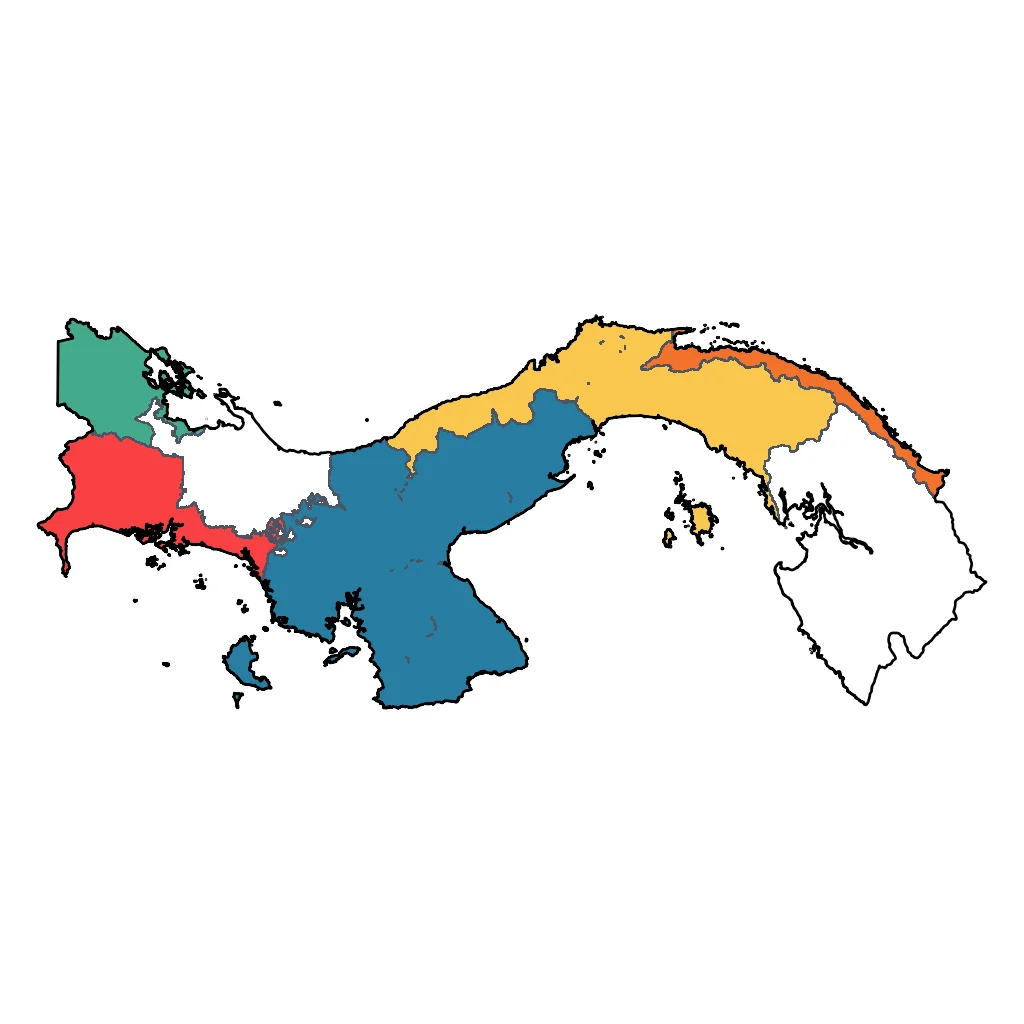
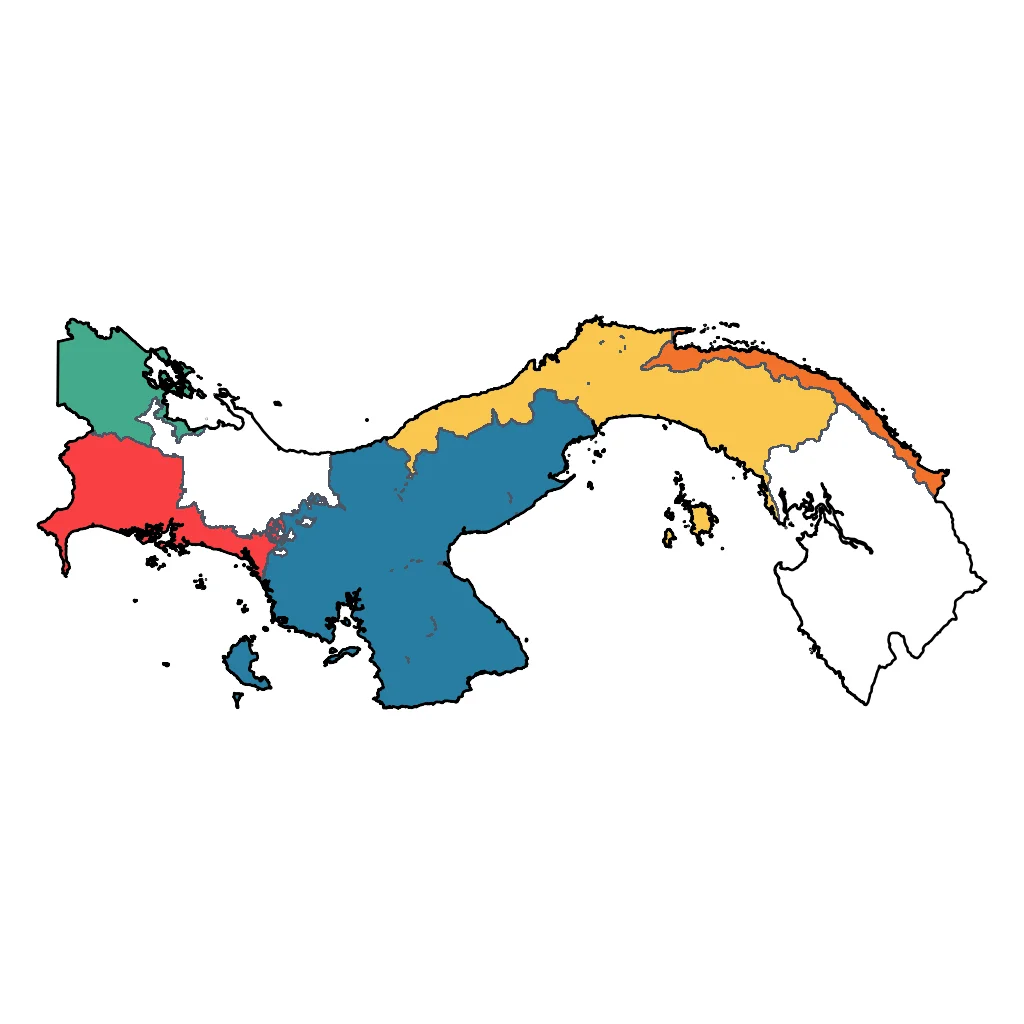
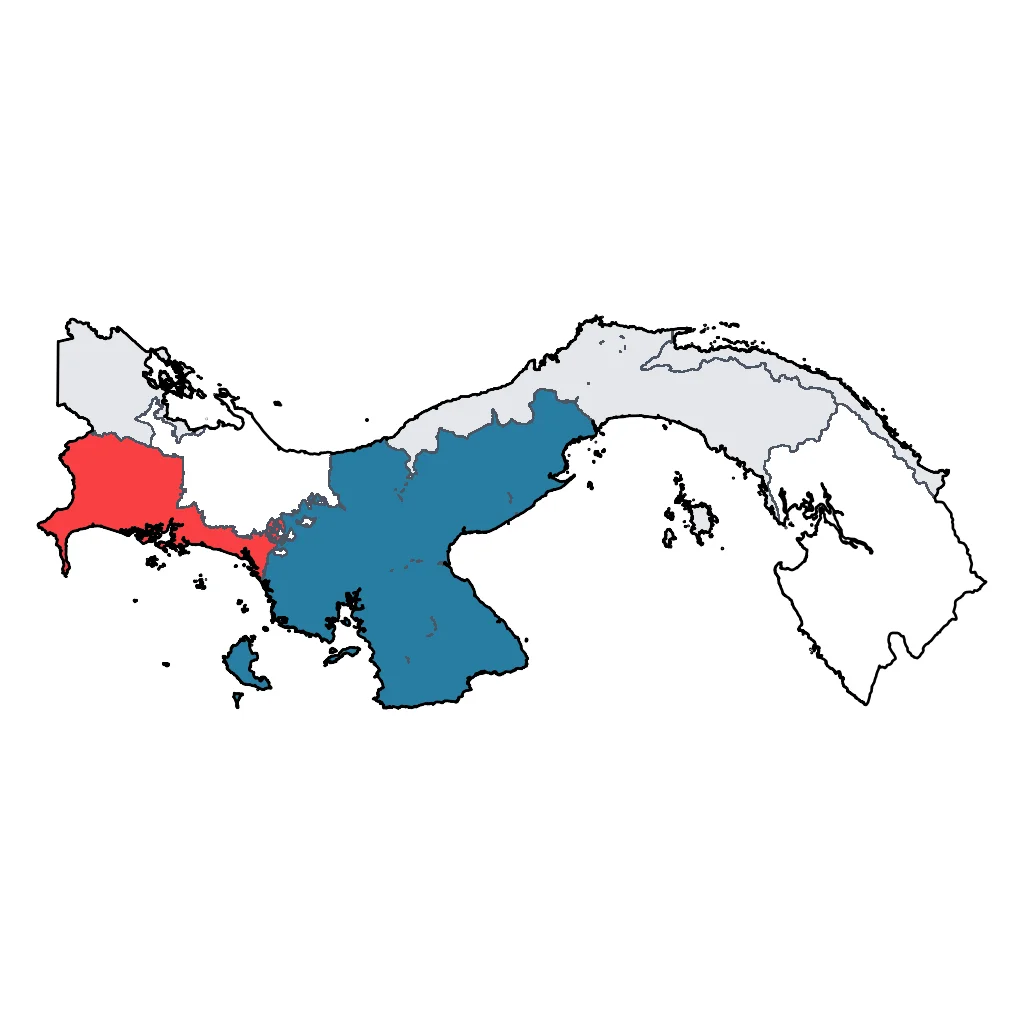
Click on a region marker to explore details. Use the dropdown to color regions by activity suitability.

Activities & Best Times

Adventure & Nature
ExcellentHiking, wildlife, outdoor exploration, ecotourism
A global hotspot for birdwatching, specifically for the Resplendent Quetzal, and the unique chance to see both oceans from the Volcán Barú summit. Peak dry season (Jan-Mar) is essential for navigable trails and clear vistas, while extreme rainfall (up to 734mm) in the wet season makes hiking hazardous.
Provides access to the UNESCO-listed Coiba National Park, offering world-class marine biodiversity and pristine island exploration. The dry season is essential for boat access and trail hiking; the extreme rainfall of October (415mm) makes nature exploration highly challenging.
Isla Bastimentos National Marine Park offers world-class rainforest exploration and unique wildlife like the strawberry poison dart frog. February and March provide the most stable trail conditions; extreme rainfall from May-August (>330mm) makes rainforest navigation difficult for discerning families.

City & Cultural
ExcellentUrban tourism, museums, historical sites, architecture
Casco Viejo offers a world-class blend of UNESCO-protected colonial history and sophisticated modern gastronomy, set against a dramatic skyscraper skyline. The dry season (Jan-Mar) is ideal for exploring the historic district on foot, while Oct-Nov sees extreme rainfall (>350mm) that can disrupt outdoor heritage tours.
A charming mountain town known for its unique blend of indigenous Ngäbe-Buglé culture and European architectural influences. The peak season features a walkable, vibrant atmosphere with local markets, while the heavy rains of the off-season make the town's outdoor-centric social life less accessible.
Charming colonial towns like Pedasí offer authentic Spanish-influenced architecture and a sophisticated, slow-paced atmosphere. While lacks world-class urban infrastructure, the cultural depth of the Azuero region appeals to experienced travelers during the sunny months.

Educational & Exploratory
ExcellentLearning experiences, scientific sites, historical education
Home to the Panama Canal and the Frank Gehry-designed BioMuseo, this region provides unparalleled educational value regarding global engineering and biodiversity. While indoor museums remain world-class year-round, the dry season (Jan-Mar) is optimal for observing the intricate operations of the Miraflores and Agua Clara locks.
Offers world-class 'farm-to-cup' educational tours focused on Geisha coffee, the world's most prized bean, alongside indigenous Ngäbe-Buglé cultural insights. Peak months align with the coffee harvest and processing season when estates are most active and accessible.
Offers unique learning opportunities regarding marine conservation at Isla Cañas and the historical legacy of the Coiba penal colony. Though turtle nesting occurs during wetter months, the dry season remains peak for families due to the accessibility of research sites and clearer weather for tours.

Beach & Sea
ExcellentBeach resorts, marine activities: diving, snorkelling, kite surfing, wind surfing, sailing
A world-class archipelago offering unparalleled authenticity and crystal-clear snorkeling among 300+ pristine coral islands. Peak dry months (Jan-Mar) provide optimal sea visibility and calm waters, while heavy rainfall from May to December significantly limits island access and water clarity.
Home to world-class surfing at Playa Venao and the exclusive resorts of the 'Dry Arch' coastline. Peak dry season (Jan-Mar) offers consistent offshore winds and 30°C+ heat, while the wet season (May-Nov) brings heavy tropical rains and reduced water visibility.
Features unique overwater bungalow architecture and crystal-clear Caribbean waters with high marine biodiversity. Peak months (Feb-Mar) align with the lowest rainfall (<210mm), while the September/October shoulder offers the calmest seas for diving despite higher precipitation.

Festivals & Seasonal
Very GoodEvents, celebrations, seasonal attractions
The Azuero Peninsula is the cultural heart of Panama, hosting world-famous Carnival celebrations and the 'Thousand Polleras' parade in January. These authentic spectacles are strictly seasonal, peaking in the dry months when traditional outdoor street celebrations are viable.
The annual Feria de las Flores y del Café in January is a regionally significant event showcasing world-class horticulture and coffee. Outside of the harvest and festival window (Dec-Mar), there are fewer authentic cultural celebrations of interest to international travelers.
The 'Feria del Mar' (Fair of the Sea) in September is a significant cultural event showcasing regional traditions and gastronomy. While September is rainy, the cultural significance of this period makes it the peak for seasonal travelers seeking authentic local experiences.

Relaxation & Wellness
Very GoodSpa retreats, wellness centers, peaceful getaways
The 'eternal spring' climate supports high-end boutique wellness retreats and eco-lodges nestled in mist-shrouded estates. The dry season provides the low humidity and crisp air ideal for outdoor yoga and hot spring visits, whereas the heavy monsoon rains limit the serene atmosphere.
A growing hub for high-end eco-wellness retreats that integrate tropical nature with luxury spa facilities. The drier window of Feb-Mar is ideal for outdoor yoga and open-air treatments, while heavy mid-year rains can limit the 'indoor-outdoor' living experience.
An emerging destination for upscale yoga and surf retreats that capitalize on the peaceful, remote coastline. Peak months offer the low humidity and clear nights essential for outdoor wellness practices, whereas the wet season's intense humidity (up to 73%) can be uncomfortable.

Sports & Active
Very GoodSport tourism, fitness activities, active recreation
Excellent infrastructure for technical mountain biking, rock climbing at Bajo Mono, and white-water rafting on the Chiriquí Viejo. Activity is optimal during the drier months when river levels are safer and mountain tracks remain firm; the off-season sees excessive mud and dangerous river volumes.
Internationally renowned for deep-sea fishing at the 'Tuna Coast' and championship golf courses in high-end gated communities. Optimal dry weather and low humidity in early months provide peak conditions for all-day outdoor sports and consistent surf breaks.
Home to world-class surf breaks like Silverback and Carenero, attracting internationally experienced surfers. Peak surf season aligns with the northern winter (Dec-Mar) when swells are consistent and rainfall is relatively lower compared to the tropical peaks of May and October.

Road Trips & Scenic
GoodScenic drives, countryside tours, route-based travel
Features spectacular mountain passes and scenic loops through lush coffee highlands and alpine-style villages. Driving conditions are best in Jan-Mar when visibility is high; the wet season brings dense mountain fog (bajareque) and high risks of landslides on winding roads.
The scenic drive through the 'Dry Arch' offers beautiful coastal vistas and easy access to hidden coves. Dry season ensures reliable road conditions and high visibility, while the heavy monsoon-like rains in September and October can lead to localized flooding and difficult driving.
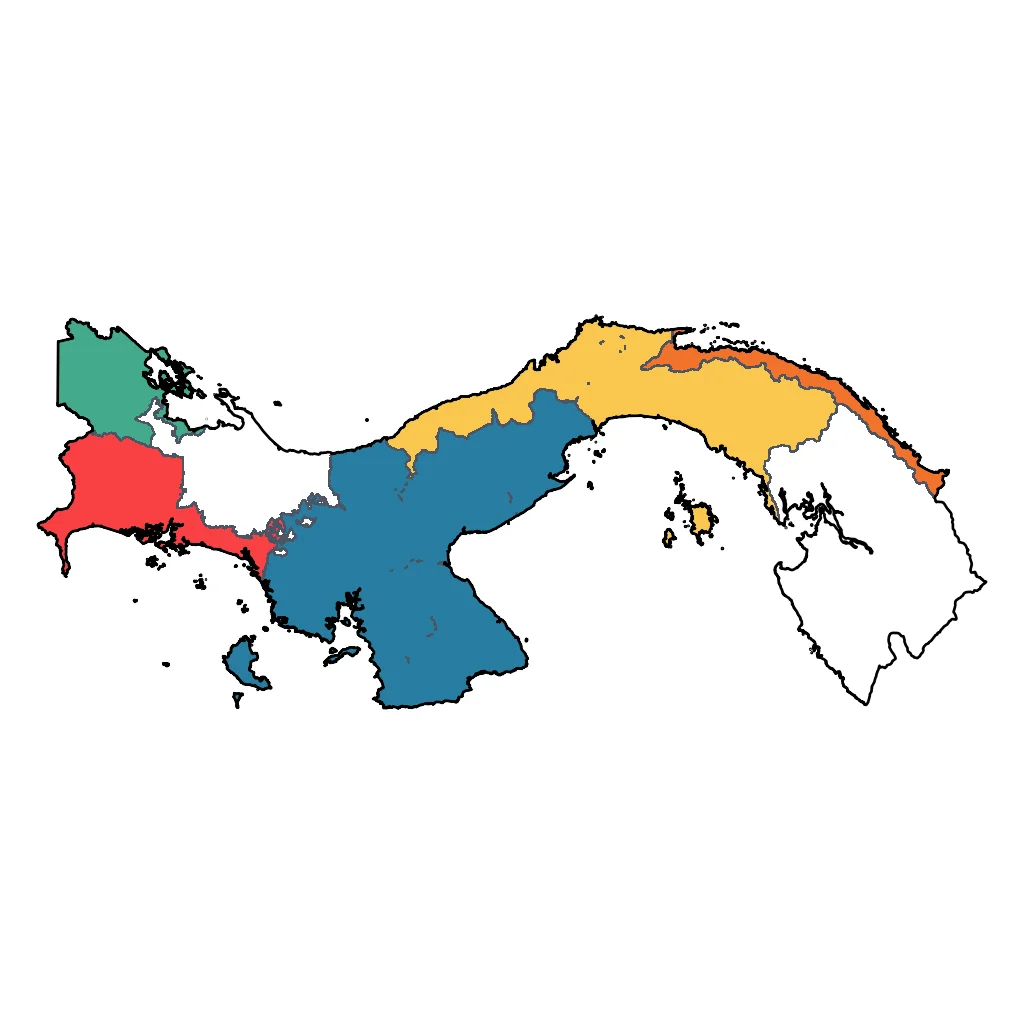
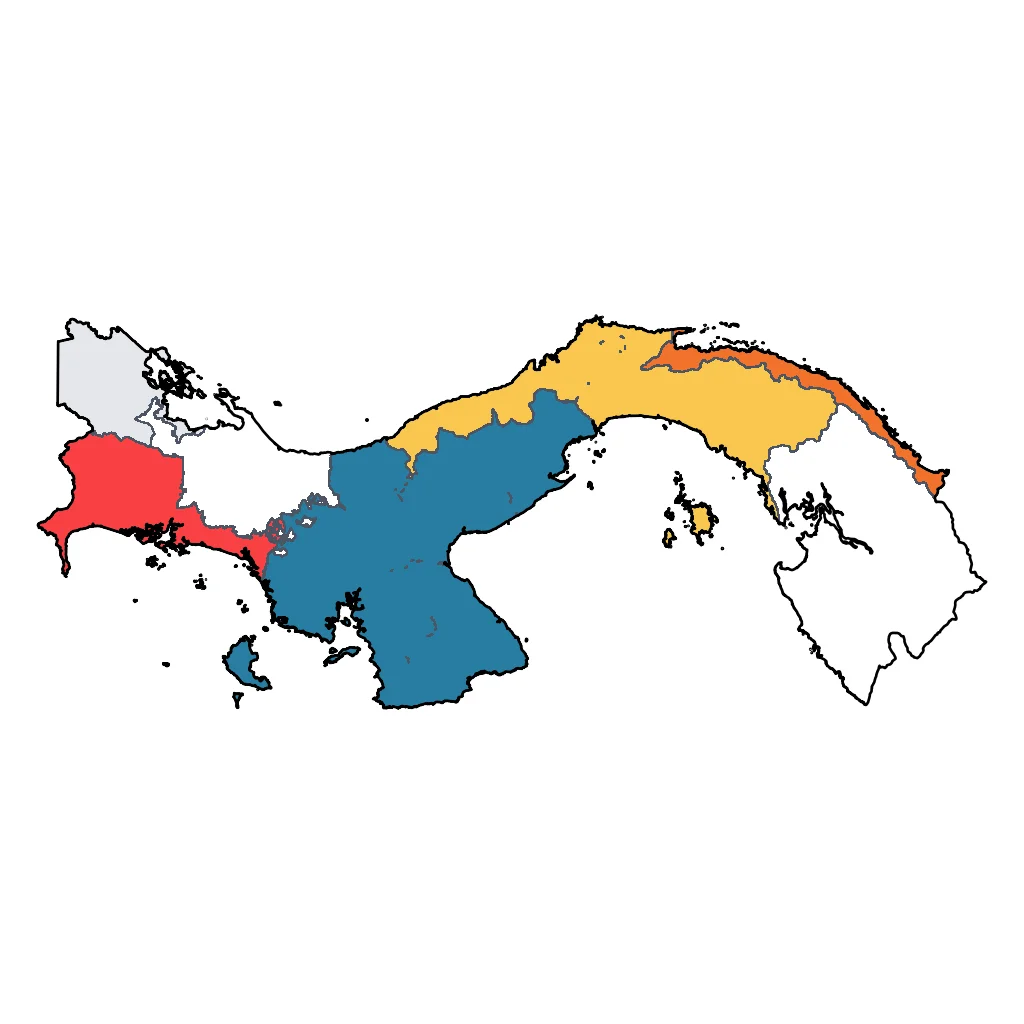
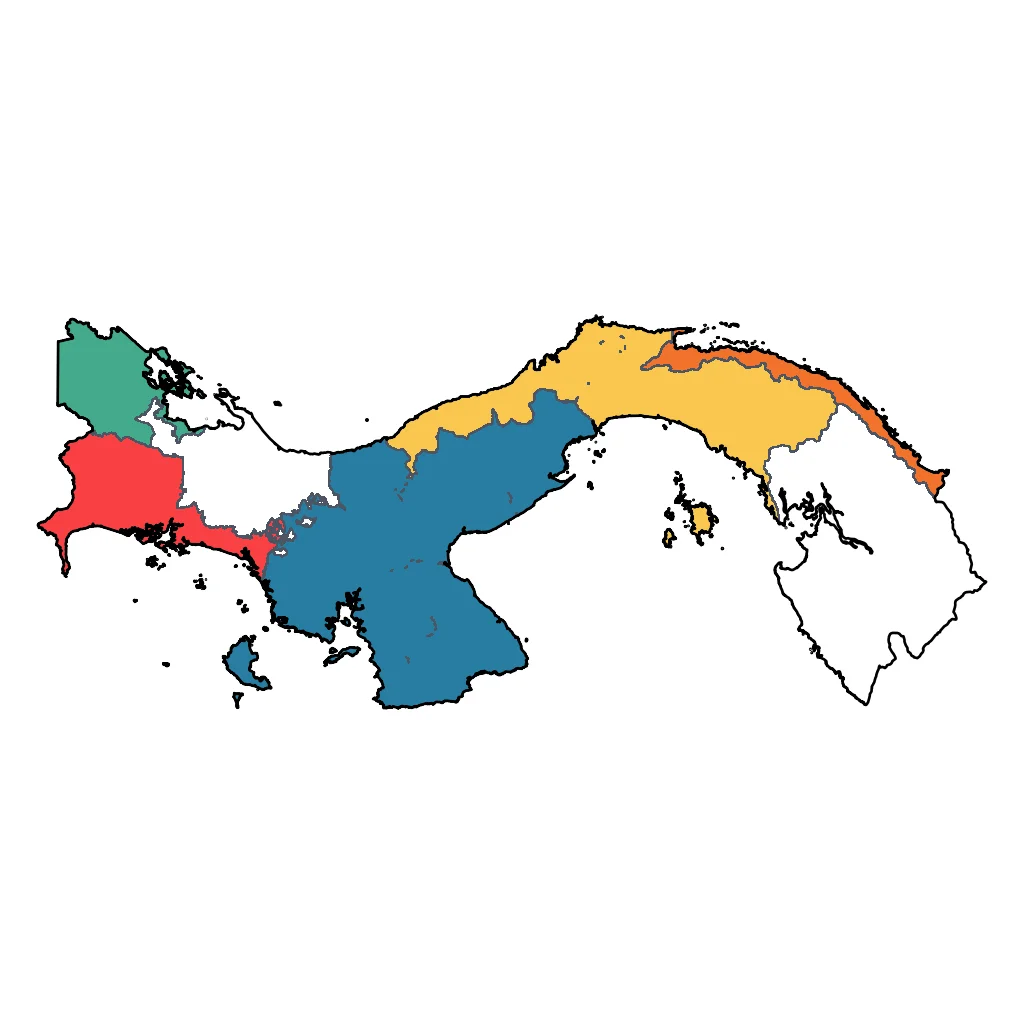

Airports & Flight Routes
Toggle options to view domestic routes and international airports. Click an airport for details.
Climate & Weather
Bocas del Toro
Show Details
| Month | Temp °C | Rain | Humidity |
|---|
Boquete & Highlands
Show Details
| Month | Temp °C | Rain | Humidity |
|---|
Pacific Beaches
Show Details
| Month | Temp °C | Rain | Humidity |
|---|
Panama City & Canal
Show Details
| Month | Temp °C | Rain | Humidity |
|---|
San Blas Islands
Show Details
| Month | Temp °C | Rain | Humidity |
|---|

Travel Advisory
While Panama is accessible, the majority of international agencies recommend exercising a higher degree of vigilance due to crime and potential civil unrest.
Safety Topics
Traveller Advice (4 groups)

Exercise high vigilance as there have been reports of sexual assault in tourist destinations. Avoid walking alone at night or in poorly lit areas.

Ensure minors are aware of local curfews. For children who are residents or dual nationals, notarized parental consent is required to exit the country if not accompanied by both parents.

Stay alert in crowded tourist areas and transport hubs. Use only registered taxis or ride-sharing apps, and avoid displaying signs of wealth such as expensive jewelry or large amounts of cash.

While same-sex acts are legal, social conservative attitudes may prevail outside of cosmopolitan areas, and public displays of affection might draw unwanted attention.