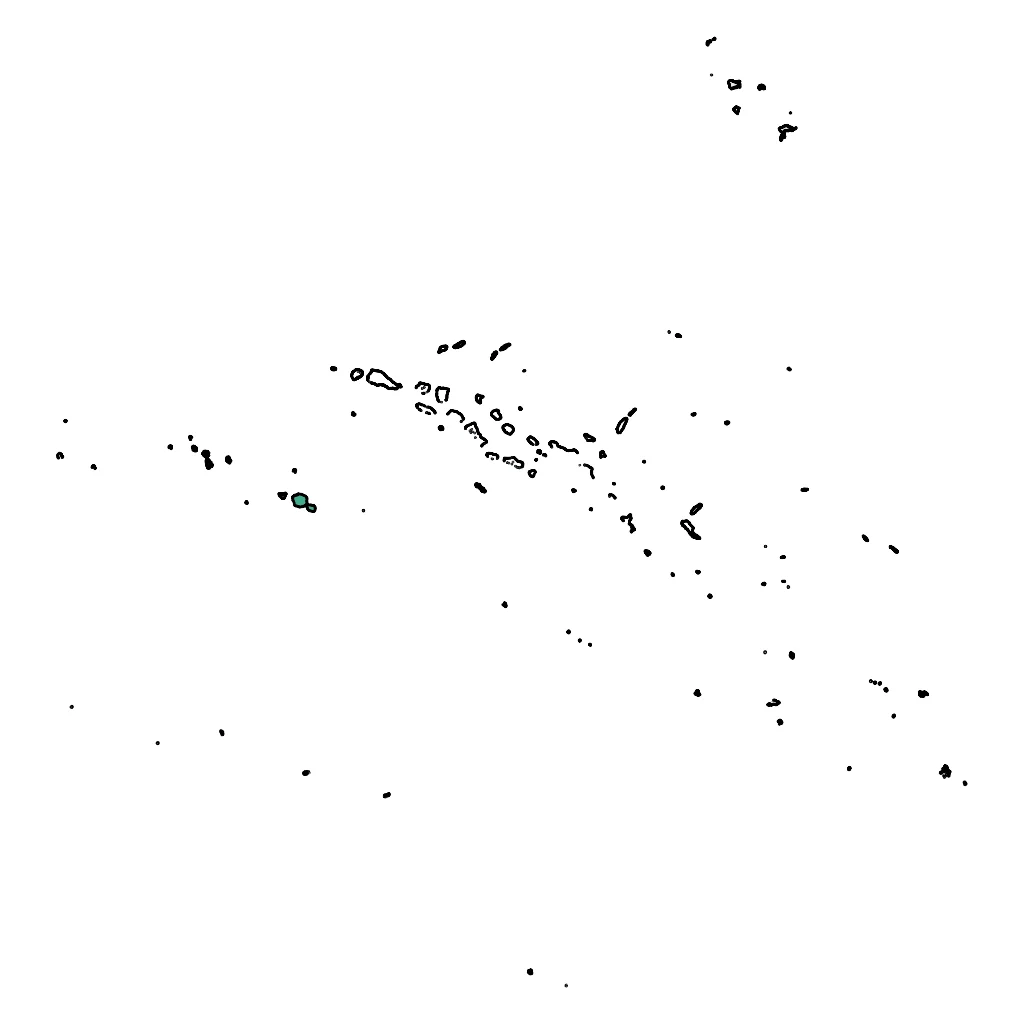
The Marquesas Islands represent the wild, untamed frontier of French Polynesia. Located about 1,500 kilometers northeast of Tahiti, these islands have no barrier reefs, meaning waves crash directly against sheer volcanic cliffs. The landscape is Jurassic in scale, with sharp ridges, deep valleys, and roaming herds of wild horses. For families, this is not a beach destination, but a place for exploration, culture, and nature.
Nuku Hiva, the largest island, is the hub of activity. Families can take 4x4 excursions into the interior to see the towering Vaipo Waterfall in the Hakaui Valley. The drive itself is an adventure, winding through pine forests and past grazing livestock. The main town, Taiohae, sits in a spectacular amphitheatre-like bay where children can watch local fishermen bring in their catch. Unlike the white sands of Bora Bora, the beaches here are volcanic black sand, which can get very hot; footwear is essential.
Hiva Oa is famous as the final home of artist Paul Gauguin and singer Jacques Brel. The cultural center offers a glimpse into their lives, but kids may be more impressed by the giant stone tikis at the Lipona archaeological site. These ancient statues are the largest in French Polynesia and stand in a lush, grassy complex that feels like a lost world. Exploring these sites provides a tangible connection to the islands' warrior history.
Culturally, the Marquesas are distinct. The local art form includes intricate wood carving and tapa cloth making. Visiting artisan workshops allows families to see these crafts in action. The "haka" (warrior dance) originated in this region of the Pacific, and hotel performances here are powerful and rhythmic, often captivating for teenagers.
Travelers should note that the ocean here is rougher. Boat transfers can be bumpy, and swimming is often limited to sheltered bays due to currents. The flight from Tahiti takes over three hours. This region is best suited for families with teenagers or adventurous older children who are comfortable with hiking and long travel days.
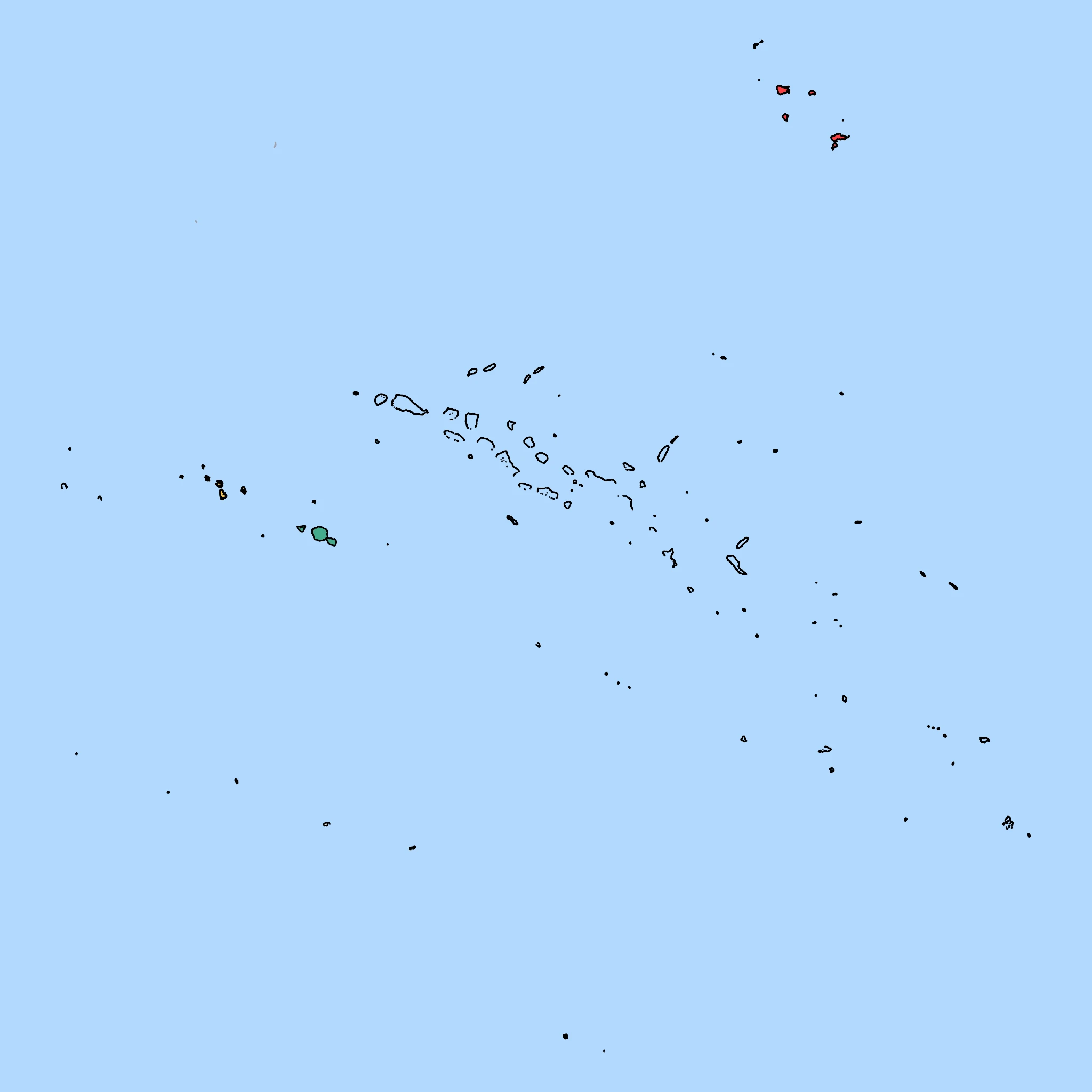
Click a region to explore

Activities & Best Times

Hiking, wildlife, outdoor exploration, ecotourism
The 'Land of Men' offers some of the world's most dramatic volcanic landscapes, featuring jagged peaks and prehistoric jungles that remain largely untouched. Peak months offer the driest conditions for exploring remote valleys, while heavy rainfall from January to April can lead to trail washouts and restricted access.

Learning experiences, scientific sites, historical education
Home to the largest ancient tikis in Polynesia, the islands serve as a living laboratory for Pacific archaeology and history. Peak months provide ideal visibility and footing for guided tours of remote archaeological complexes; the wet season (Jan-Apr) makes these rugged sites difficult to access safely.

Events, celebrations, seasonal attractions
The Marquesas Arts Festival is a globally recognized, deeply authentic celebration of Polynesian identity held periodically in December. While the climate is in a shoulder phase, the cultural significance of these gatherings is unparalleled; the off-season lacks major events and experiences higher rainfall.

Sport tourism, fitness activities, active recreation
Renowned for world-class horseback riding through misty valleys and challenging pelagic diving without the typical reef constraints. The drier window from September to October ensures stable terrain for riding and better sea conditions, while the early-year monsoon period creates hazardous, slippery conditions for active pursuits.

Beach resorts, marine activities: diving, snorkelling, kite surfing, wind surfing, sailing
A unique alternative to typical lagoon-based tourism, offering raw, black sand beaches and dramatic cliffside sailing. It is rated 'good' rather than 'excellent' as it lacks calm swimming lagoons; peak dry months offer the best water clarity for diving and smoother sailing conditions.

Urban tourism, museums, historical sites, architecture
The classification note itself acknowledges 'lacking large cities.' The Marquesas offer authentic rural/traditional cultural experiences, not urban cultural tourism. 'very_good' for city_cultural is inflated for an archipelago with no urban centers. Cultural richness alone does not justify a high city_cultural rating — that conflates two different experiences.

Scenic drives, countryside tours, route-based travel
Spectacular 4x4 mountain traverses provide breathtaking views of the archipelago’s jagged ridges and deep bays. Peak months offer the most reliable traction on unpaved mountain roads; the heavy rains of January through April can make these steep, rugged tracks dangerous or impassable.

Spa retreats, wellness centers, peaceful getaways
The Marquesas are rugged, remote, and adventure-oriented. There is minimal spa infrastructure and the experience is physically demanding (rough seas, mountainous terrain, basic facilities outside a few lodges). 'good' for relaxation/wellness overstates what is available. Travelers seeking relaxation would choose virtually any other French Polynesian archipelago first.

Attractions (35 total)
Beach / Coastal Recreation Area
Anaho Bay
Nuku Hiva
A stunning white-sand beach nestled in a protected turquoise bay, offering some of the calmest swimming waters in the Marquesas.
Bay of Virgins (Hanavave Bay)
Fatu Hiva
One of the most spectacular coastal sites in the Pacific, featuring dramatic volcanic spires that rise vertically from the ocean edge.
Hakahau Bay
Ua Pou
A picturesque coastal area known for its unique 'flower stones' and views of the island's iconic basaltic phonolite pillars.
Atuona Bay
Atuona
A classic Marquesan black sand beach located near the village of Atuona, framed by dramatic volcanic cliffs and lush mountains.
Hakaui Bay
Nuku Hiva
The scenic coastal entrance to the Hakaui Valley, known for its towering basalt cliffs and the starting point for the trek to Vaipo Waterfall.
Landmark / Monument / Iconic Urban Attraction
Bay of Virgins
Hanavave
Widely considered one of the most beautiful bays in the world, characterized by towering basalt spires that glow at sunset.
Te Iipona Archaeological Site
Puamau
Home to the largest ancient stone tiki statues in French Polynesia, this UNESCO World Heritage site offers a fascinating look into Marquesan history.
Vaipo Waterfall
Hakaui Valley
The highest waterfall in French Polynesia, cascading down a dramatic 350-meter basalt cliff in the heart of a lush, ancient valley.
Calvary Cemetery (Cimetière du Calvaire)
Atuona
The final resting place of artist Paul Gauguin and singer Jacques Brel, situated on a hill with panoramic views of the bay.
Notre Dame Cathedral
Taiohae
A unique cathedral built from multi-colored volcanic stones from each of the Marquesas islands, featuring exquisite traditional wood carvings.
Art Gallery / Fine Art Museum
Espace Culturel Paul Gauguin
Atuona
A major cultural museum dedicated to the life of French artist Paul Gauguin, featuring a reconstruction of his 'Maison du Jouir' and galleries of his work.
Visit website →Maison de la Tapa
Omoa
A specialized cultural gallery and workshop showcasing the traditional Marquesan art of Tapa bark cloth painting and heritage crafts.
Hiking & Cycling Routes
Hakaui Valley Trail (Vaipo Waterfall)
Taiohae
10km round trip, moderate difficulty, approximately 4-5 hours duration, with 300m elevation gain. This iconic trek leads through the ancient royal valley of Hakaui, past archaeological sites and massive basalt cliffs, to the base of the 350m Vaipo Waterfall, the tallest in French Polynesia. The trail involves river crossings and lush jungle terrain.
Visit website →Omoa-Hanavave Trail (Hananu Trail)
Omoa
17km one way, challenging difficulty, approximately 6-8 hours duration, with 700m elevation gain. This world-renowned trek crosses the island of Fatu Hiva, offering breathtaking views of the Bay of Virgins. The route follows a rugged mountain road/path through high-altitude rainforest and down steep ridges. Mountain bike rentals: Some guesthouses in Omoa provide bikes for the lower sections.
Visit website →Hanatekuua Bay Trail
Hanaiapa
8km round trip, moderate difficulty, approximately 3.5 hours duration, with 200m elevation gain. This coastal trail on Hiva Oa connects the village of Hanaiapa to the secluded white sand beach of Hanatekuua. The path skirts dramatic cliffs and passes through coconut groves. E-bike rental: E-Bike Hiva Oa (ebike-hivaoa.com) offers rentals in Atuona for reaching the trailhead.
Visit website →Hatiheu to Anaho Bay Trail
Hatiheu
8km round trip, moderate difficulty, approximately 3 hours duration, with 250m elevation gain. This scenic path climbs from the archaeological village of Hatiheu over a mountain ridge to the perfectly crescent-shaped Anaho Bay. It is well-maintained and provides panoramic views of the northern Nuku Hiva coast.
Visit website →Poumaka Peak Trail
Hakahetau
9km loop, expert difficulty, approximately 5-6 hours duration, with 600m elevation gain. A demanding hike that requires a local guide due to steep, slippery terrain and rope-assisted sections. The trail leads to the base of the spectacular basaltic 'pillars' of Ua Pou, offering the most dramatic mountain scenery in the archipelago.
Visit website →Castle / Palace / Historic Site
Kamuihei Archaeological Site
Hatiheu
An expansive ancient complex where families can explore massive banyan trees, stone petroglyphs, and ritual platforms in a jungle setting.
Visit website →Me'ae Ipona
Puamau
The site of the largest ancient stone tikis in French Polynesia, offering a fascinating look at monumental Polynesian sculpture.
Visit website →Tohua Koueva
Taiohae
A restored ceremonial site near the main town that provides a walkable and accessible introduction to ancient Marquesan communal life.
Upeke Archaeological Site
Atuona
One of the largest ritual complexes in the islands, featuring impressive dry-stone architecture that feels like a hidden forest palace.
Historic Town / Village / Cultural Area
Me'ae Iipona
Puamau
Home to the largest stone tikis in French Polynesia, this ancient ceremonial site offers a fascinating look into Marquesan history for all ages.
Visit website →Tohua Kamuihei
Hatiheu
An expansive archaeological complex featuring massive stone platforms and ancient banyan trees that bring the legends of Nuku Hiva to life.
Visit website →Atuona Cultural Center
Atuona
A cultural hub featuring the Paul Gauguin Cultural Center and Jacques Brel Space, celebrating the village's rich artistic and historic heritage.
Visit website →Road Trips & Scenic Drives
Route des Tikis (Atuona to Puamau)
Atuona
45km winding coastal and mountain route (2.5-3 hours, 4WD recommended). This road connects the main village of Atuona to the village of Puamau. It features breathtaking views of the Pacific, the 'Smile of the Tiki' cliff face, and leads to the Te I'ipona archaeological site, home to the largest stone tikis in French Polynesia.
Visit website →Taiohae to Hatiheu Scenic Drive
Taiohae
30km paved mountain road (1.5-2 hours) traversing the heart of Nuku Hiva. The route climbs from Taiohae Bay to the Muake overlook, crosses the alpine-like Toovii Plateau, and descends into the dramatic Hatiheu Bay, famous for its towering basalt spires and archaeological sites.
Visit website →Hakahau to Hohoi Scenic Route
Hakahau
15km paved and concrete coastal road (45 minutes) on Ua Pou. This route offers the best land-based views of the island's iconic phonolitic basalt pillars, including the peaks of Poutakeu and Poumaka, and ends at the village of Hohoi, known for its unique 'flower stones' found on the beach.
Visit website →Natural Feature / Scenic Site
Taiohae Bay
Taiohae
A massive natural harbor formed by a partially submerged volcanic crater, serving as the scenic heart of Nuku Hiva.
Visit website →The Spires of Ua Pou
Hakahau
These iconic basaltic volcanic plugs tower over the island, creating a prehistoric and dramatic mountain skyline unique to the Pacific.
Visit website →Science Museum / Natural History Museum / Discovery Centre
Geological Museum of Hokatu
Hokatu, Ua Huka
A specialized museum focusing on the island's volcanic origins and showcasing the rare 'flower stones' found only in this part of the world.
Visit website →Hane Sea Museum
Hane, Ua Huka
This museum explores the maritime history of the Marquesas with a unique collection of traditional canoe models and ancient fishing tools.
Visit website →Musée Enana
Taiohae, Nuku Hiva
The primary archaeological museum of the island, displaying prehistoric stone tools, carvings, and artifacts that reveal the natural history of human settlement.
Visit website →Papuakeikaha Arboretum
Vaipaee, Ua Huka
A significant botanical discovery center and forest reserve housing over 300 tree species and a dedicated museum of Marquesan wood science.
National Park / Nature Reserve
Toovii Plateau
Taiohae
This unique highland landscape features rolling green pastures and pine forests that provide a cool, tranquil escape from the tropical heat below.
Visit website →Anaho Bay Nature Reserve
Hatiheu
This protected natural bay offers a stunning white sand beach and exceptional snorkeling in calm waters, reached by a scenic mountain trail.
Visit website →