

While often marketed as a romantic escape for couples, French Polynesia offers a surprisingly distinct and safe adventure for families. The archipelago's defining feature-its protective coral reefs-creates vast, shallow lagoons that function like warm, natural swimming pools. This environment allows even young children to swim safely alongside tropical fish, gentle blacktip reef sharks, and stingrays without the worry of strong ocean currents.
Most family itineraries begin in Tahiti, the bustling economic hub. Here, families can visit the vibrant Papeete Market to buy local crafts and taste sweet red bananas, or explore the Museum of Tahiti and the Islands to understand Polynesian navigation. A short, reliable ferry ride leads to Moorea, widely considered the most family-friendly island. Moorea offers a balance of accessibility and nature, where you can take 4x4 safari tours through pineapple plantations, visit the jagged peaks of Cook's Bay, or attend an interactive cultural village to learn how to weave palm fronds and crack coconuts.
For those willing to travel further, Bora Bora provides a slower pace focused entirely on the water. The lagoon here is exceptionally calm, ideal for kayaking and paddleboarding with kids. Alternatively, the atolls of the Tuamotus, such as Rangiroa, offer world-class snorkeling with wild dolphins, though facilities are more rustic and geared toward older children comfortable in the water.
Culturally, the islands are exceptionally welcoming to children. The strong French influence ensures that familiar foods like warm baguettes, croissants, and crepes are available even in remote villages, sitting alongside fresh local fruit like mango and papaya. In the evenings, families can head to the rouottes (food trucks) in public squares, such as Place Vai'ete in Papeete, for affordable meals ranging from grilled fish to pizza in a casual, open-air setting.
Travel logistics require careful planning. The flight to Fa'a'ā International Airport is long from most parts of the world, and inter-island travel relies on Air Tahiti turboprops or ferries. However, the destination is generally free from many tropical diseases found elsewhere, and the healthcare standards in major resort areas and Tahiti are high, providing significant peace of mind for parents.

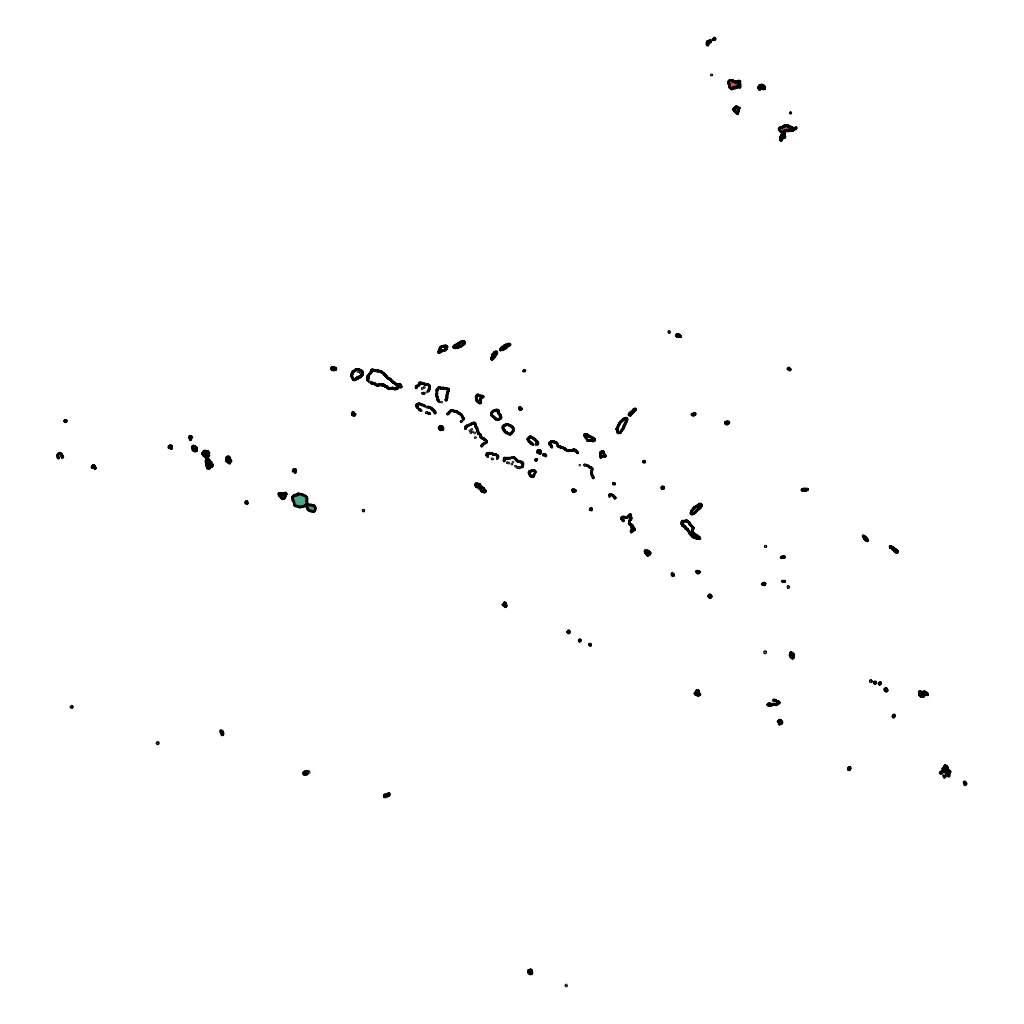
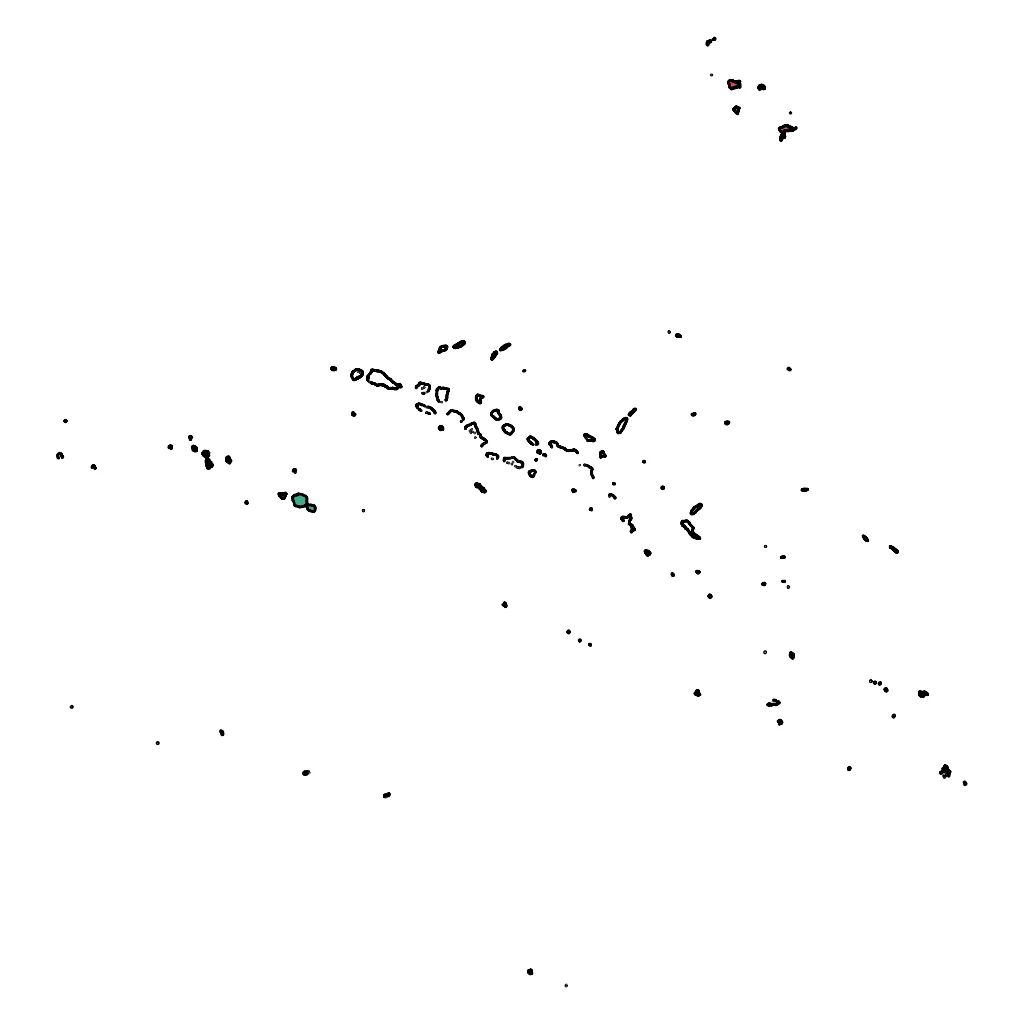
Explore Regions
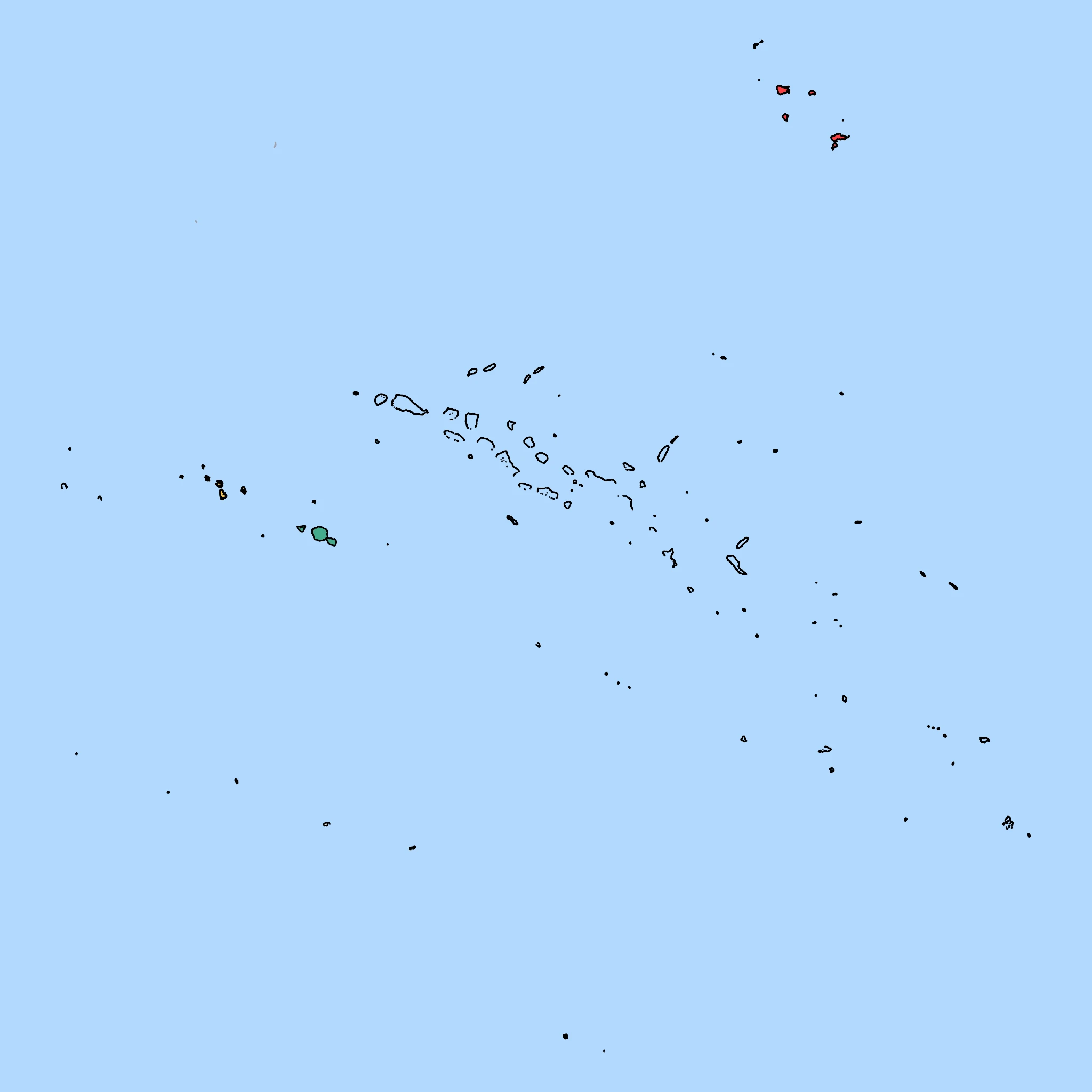
4 Regions
Leeward Islands (Bora Bora, Huahine, Raiatea)
Calm lagoons and vanilla-scented adventures ⛵
Marquesas Islands
Wild cliffs and ancient warrior legends 🗿
Tahiti & Moorea
Volcanic peaks and vibrant island culture 🌺
Tuamotu Atolls (Rangiroa, Fakarava)
An endless aquarium beneath the waves 🐠
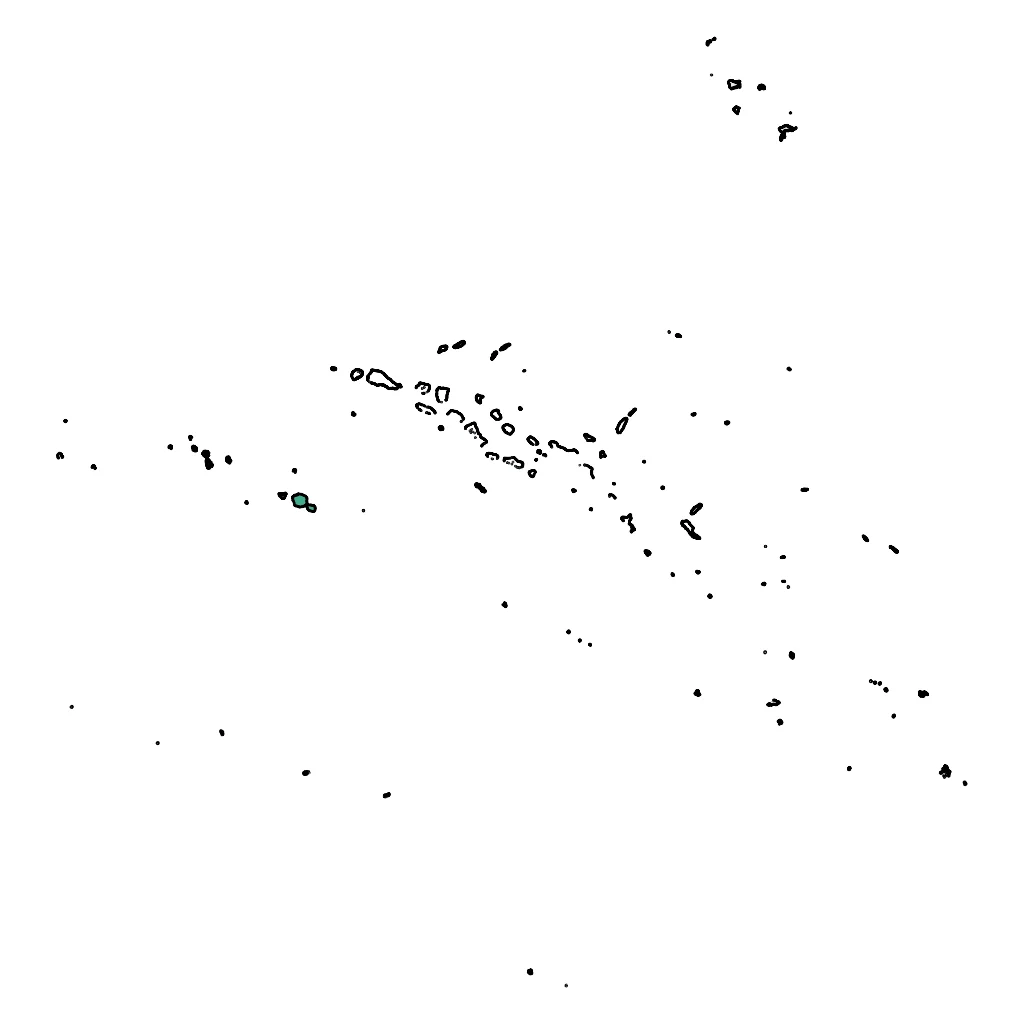
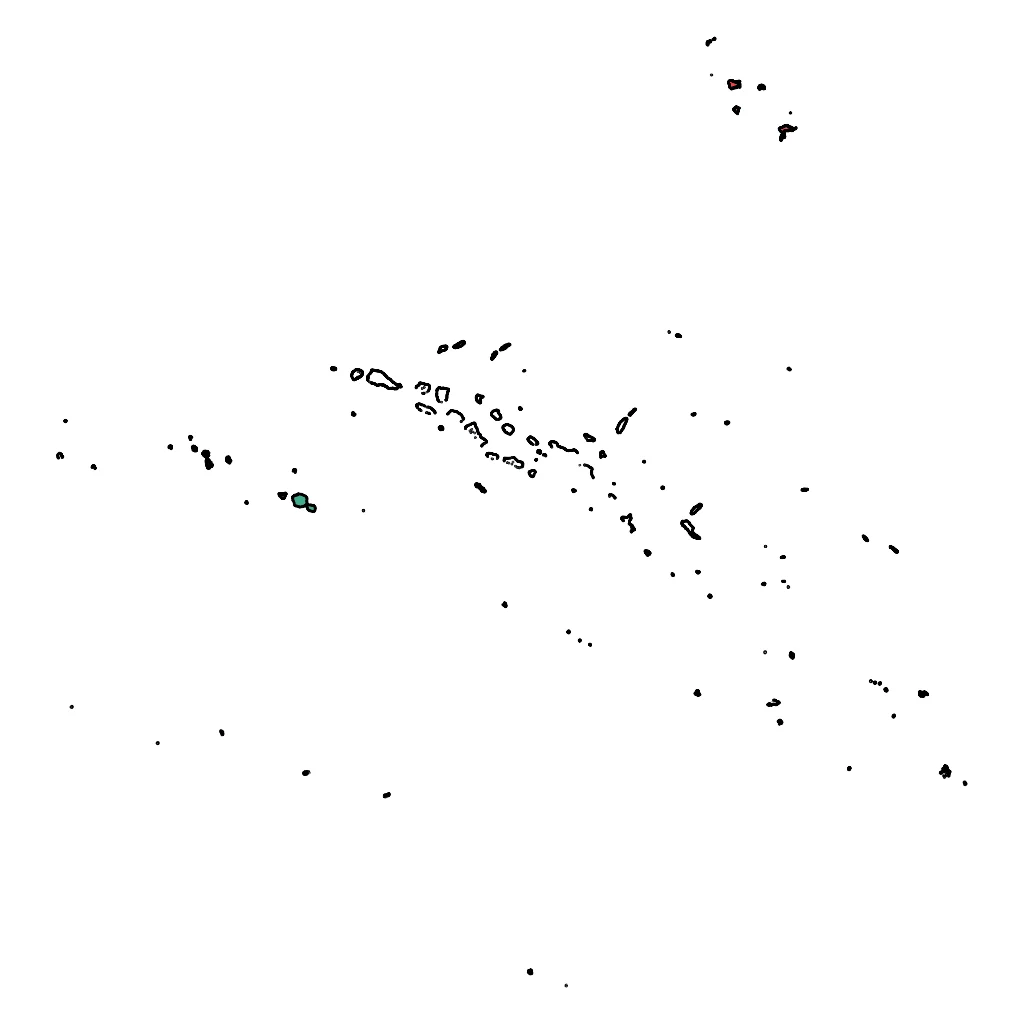
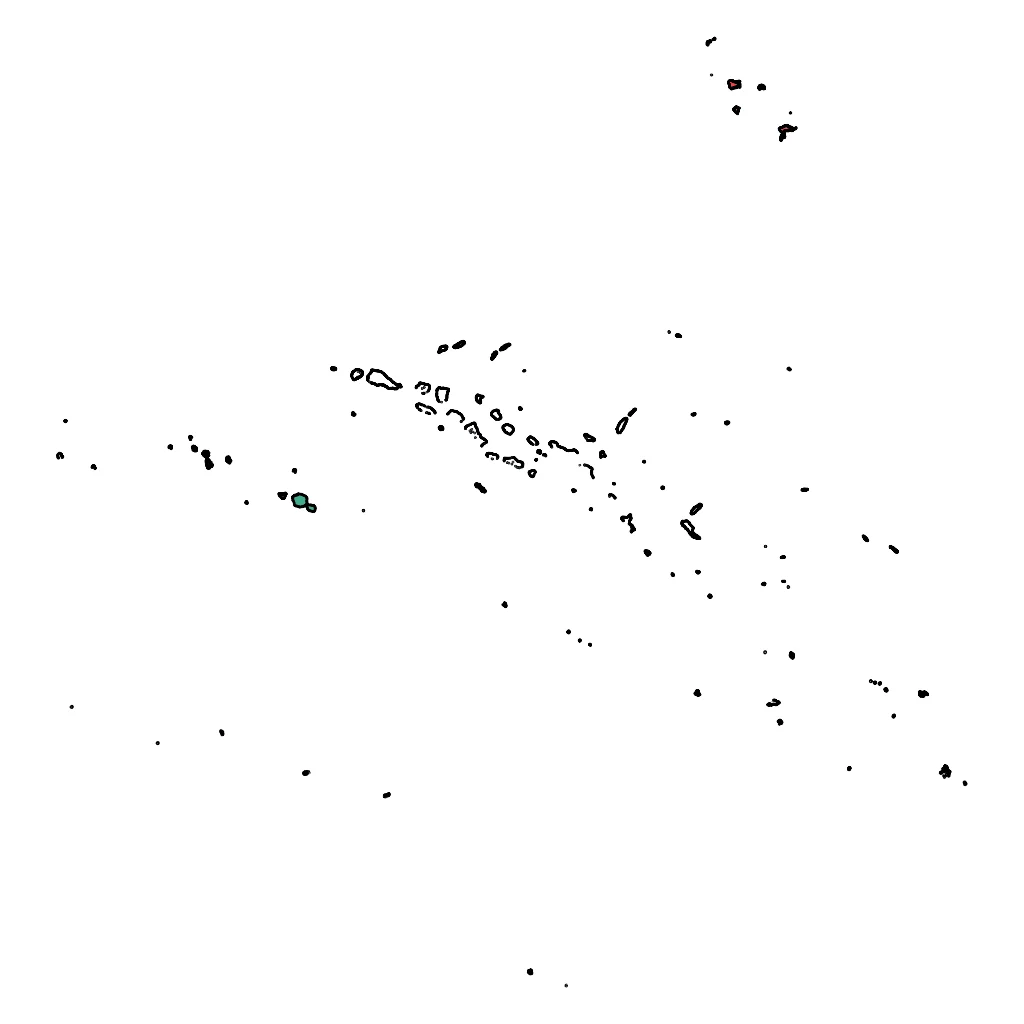
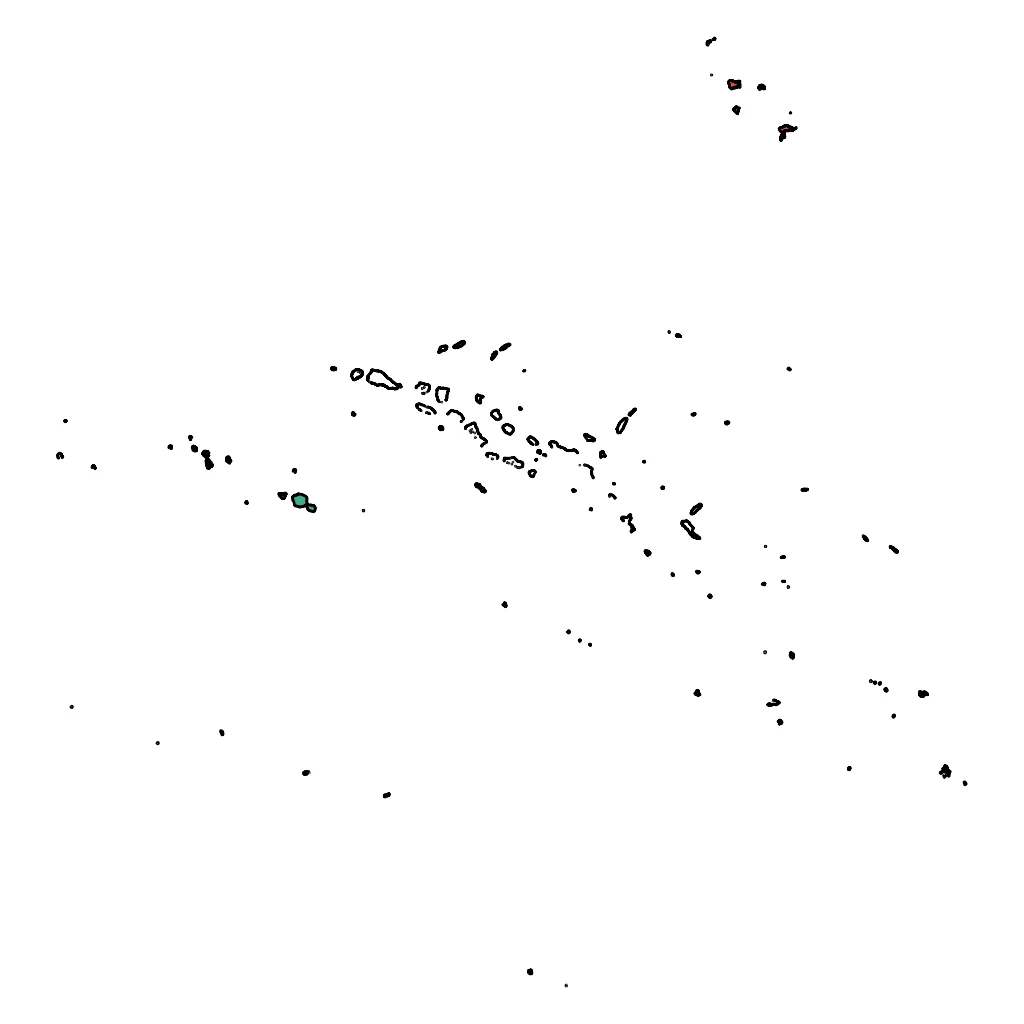
Click on a region marker to explore details. Use the dropdown to color regions by activity suitability.

Activities & Best Times

Adventure & Nature
ExcellentHiking, wildlife, outdoor exploration, ecotourism
The 'Land of Men' offers some of the world's most dramatic volcanic landscapes, featuring jagged peaks and prehistoric jungles that remain largely untouched. Peak months offer the driest conditions for exploring remote valleys, while heavy rainfall from January to April can lead to trail washouts and restricted access.
Offers unique encounters with 'walls of sharks' and pristine coral ecosystems far removed from mass tourism. The dry season (Jun-Sep) is ideal for boat-based expeditions to remote motus, whereas the wet season's high rainfall and storm potential make wilderness exploration more challenging.
Offers unique tropical ecosystems, from the dramatic volcanic peaks of Mount Otemanu to the only navigable river in Polynesia on Raiatea. Dry season months ensure safer hiking trails and better visibility, while the heavy rainy season (Dec-Jan reaching >400mm) brings hazardous trail conditions.
Beach & Sea
ExcellentBeach resorts, marine activities: diving, snorkelling, kite surfing, wind surfing, sailing
A global pinnacle for diving and lagoon exploration, featuring the world-class Fakarava UNESCO Biosphere Reserve and massive lagoons with 30m+ visibility. Peak months offer the driest weather and calmest seas, while the wet season (Nov-Mar) brings heavy tropical downpours and higher humidity that can impact water clarity.
Bora Bora's lagoon is a global benchmark for marine beauty, featuring world-class overwater resorts and crystal-clear visibility for diving. Peak months (Jun-Sep) provide the driest conditions and best water clarity, while the humid wet season (Nov-Apr) sees significant rainfall exceeding 300mm monthly.
Home to iconic overwater bungalows and crystal-clear lagoons with world-class snorkeling among sharks and rays. The dry season (Jul-Sep) provides the 10m+ visibility and calm seas required for elite diving, while the monsoon season (Nov-Apr) brings heavy rain and high humidity that degrade the experience.

Relaxation & Wellness
ExcellentSpa retreats, wellness centers, peaceful getaways
Home to some of the world's most prestigious spa retreats, offering authentic Polynesian treatments in secluded, high-end environments. The dry season (Jun-Sep) is ideal for outdoor wellness activities, whereas high humidity and heavy rain in summer can impact the serene, open-air atmosphere.
Offers world-leading luxury spa retreats specializing in traditional Polynesian 'Taurumi' massage and secluded wellness environments. Peak months align with lower humidity (68-69%) and pleasant temperatures, whereas the off-season humidity (>72%) and extreme rainfall (up to 539mm) can be oppressive for relaxation.
The Tuamotu atolls have extremely limited accommodation and virtually no dedicated spa or wellness infrastructure. While the remoteness and tranquility are appealing, 'very_good' for relaxation/wellness requires more developed facilities by international standards. A handful of high-end lodges does not place this on par with Bali, Maldives, or even the Leeward Islands for wellness tourism.

Educational & Exploratory
Very GoodLearning experiences, scientific sites, historical education
Home to the largest ancient tikis in Polynesia, the islands serve as a living laboratory for Pacific archaeology and history. Peak months provide ideal visibility and footing for guided tours of remote archaeological complexes; the wet season (Jan-Apr) makes these rugged sites difficult to access safely.
The UNESCO Biosphere status of Fakarava provides significant scientific interest regarding marine conservation and coral reef health. Accessibility to research sites and guided eco-tours is best during the stable weather of the dry season, with heavy rains often disrupting educational excursions from November to March.
Features the UNESCO-listed Marae Taputapuatea on Raiatea, providing a deep dive into the ancestral home of Polynesian culture and navigation. Best visited during the drier months for comfortable exploration of outdoor archaeological sites, as heavy monsoon-like rains hinder access during the off-season.

Festivals & Seasonal
Very GoodEvents, celebrations, seasonal attractions
The Marquesas Arts Festival is a globally recognized, deeply authentic celebration of Polynesian identity held periodically in December. While the climate is in a shoulder phase, the cultural significance of these gatherings is unparalleled; the off-season lacks major events and experiences higher rainfall.
The 'Heiva i Tahiti' in July is a globally significant festival of Polynesian dance and culture, while August-October is peak humpback whale season. These authentic experiences provide a deep connection to local heritage and nature that is not available during the rest of the year.
The Heiva festival in July is a prestigious, authentic celebration of Polynesian dance and heritage that draws international visitors. July is the absolute peak for this cultural immersion, while the rest of the year has fewer significant traditional events of international scale.

Sports & Active
Very GoodSport tourism, fitness activities, active recreation
Renowned for world-class horseback riding through misty valleys and challenging pelagic diving without the typical reef constraints. The drier window from September to October ensures stable terrain for riding and better sea conditions, while the early-year monsoon period creates hazardous, slippery conditions for active pursuits.
Renowned for world-class drift diving through passes and consistent trade winds ideal for kite-surfing and sailing. Conditions are most reliable from June to September; the summer monsoon season (Nov-Mar) introduces unstable winds and rougher lagoon conditions.
Raiatea is a world-class sailing hub, complemented by exceptional lagoon sports and deep-sea fishing throughout the islands. Peak conditions align with consistent trade winds from June to September; the off-season months face unpredictable weather and high tropical rainfall that limits maritime activity.

City & Cultural
GoodUrban tourism, museums, historical sites, architecture
The classification note itself acknowledges 'lacking large cities.' The Marquesas offer authentic rural/traditional cultural experiences, not urban cultural tourism. 'very_good' for city_cultural is inflated for an archipelago with no urban centers. Cultural richness alone does not justify a high city_cultural rating — that conflates two different experiences.
Papeete provides an authentic blend of French and Polynesian culture through its vibrant markets, cathedrals, and pearl museums. July is the peak cultural window due to major festivities, while the remainder of the wet season makes urban walking tours uncomfortable due to extreme heat and heavy precipitation.
While not a city destination, Vaitape offers a glimpse into local life and authentic handicrafts for discerning travelers. The dry season (May-Oct) is the only comfortable time for walking tours, as the wet season's heat and rain make urban exploration difficult.

Road Trips & Scenic
GoodScenic drives, countryside tours, route-based travel
Spectacular 4x4 mountain traverses provide breathtaking views of the archipelago’s jagged ridges and deep bays. Peak months offer the most reliable traction on unpaved mountain roads; the heavy rains of January through April can make these steep, rugged tracks dangerous or impassable.
The circuit roads of Tahiti and Moorea offer spectacular views of bays and mountains, particularly from the Belvedere Lookout. Dry months ensure the high visibility and safe road conditions necessary for a premium scenic driving experience, which is frequently compromised by intense tropical downpours.
The 32km circle island road offers scenic views and is easily explored via bicycle or open-top buggy. Peak dry months ensure safe and pleasant transit; heavy tropical downpours during the off-season can make road travel and visibility hazardous.
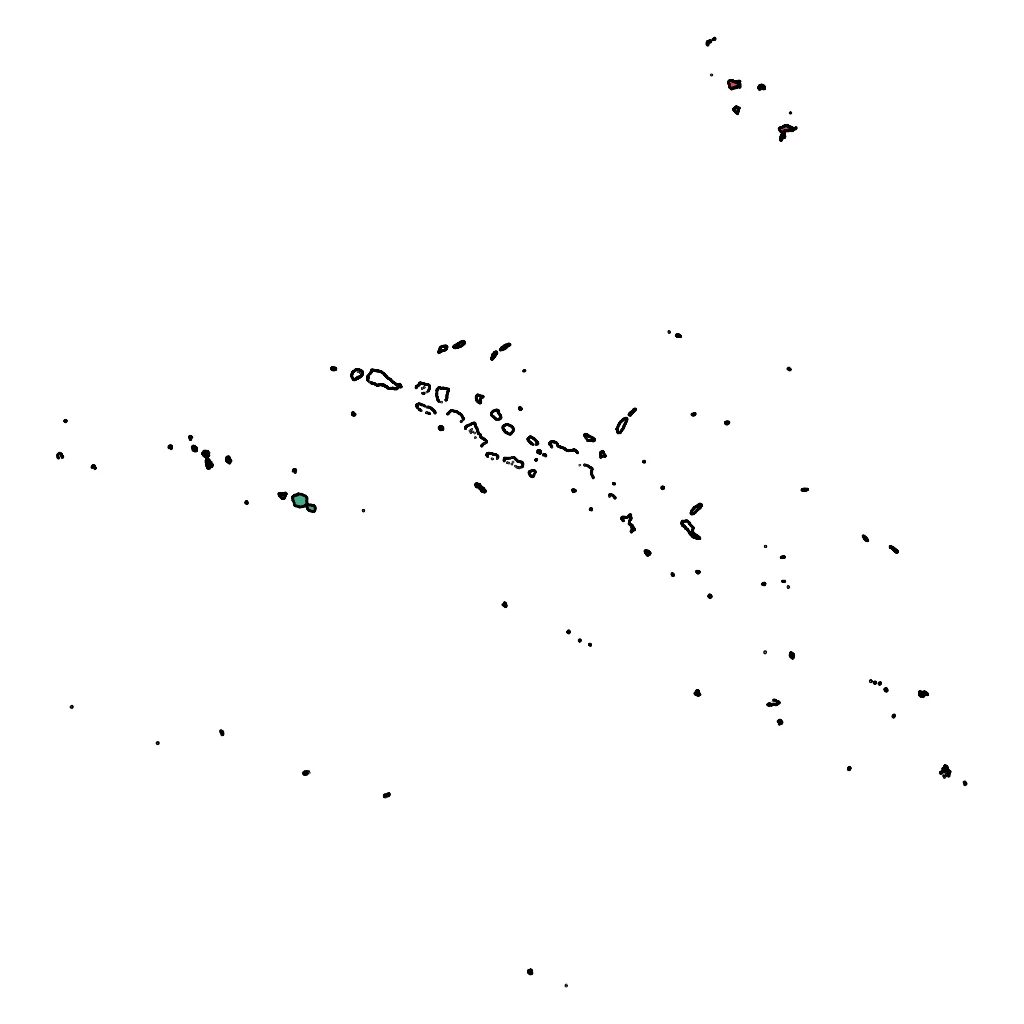
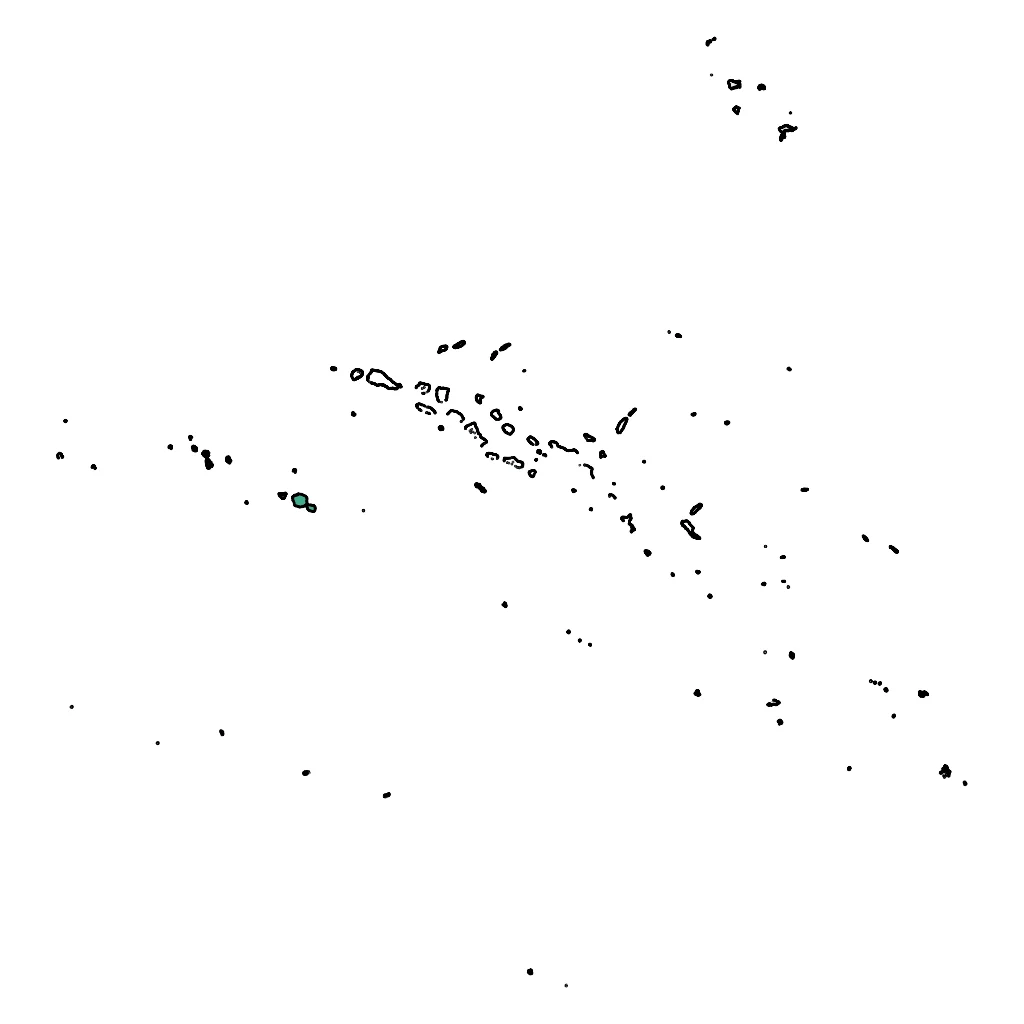
Airports & Flight Routes
Toggle options to view domestic routes and international airports. Click an airport for details.
Climate & Weather
Leeward Islands (Bora Bora, Huahine, Raiatea)
Show Details
| Month | Temp °C | Rain | Humidity |
|---|
Marquesas Islands
Show Details
| Month | Temp °C | Rain | Humidity |
|---|
Tahiti & Moorea
Show Details
| Month | Temp °C | Rain | Humidity |
|---|
Tuamotu Atolls (Rangiroa, Fakarava)
Show Details
| Month | Temp °C | Rain | Humidity |
|---|

Travel Advisory
Standard safety awareness applies; all six agencies report no elevated country-wide risks.
Safety Topics
Traveller Advice (4 groups)

Note that 'X' gender identifiers on passports may not be recognized by local authorities, potentially causing entry or administrative difficulties.

Specific guides for accessible travel in the territory are available through government foreign offices.

General safety awareness is advised, particularly for those travelling solo or independently.

Ensure scuba diving and adventure tour operators are reputable and insured. Use protective footwear to avoid injuries from marine life like stonefish.