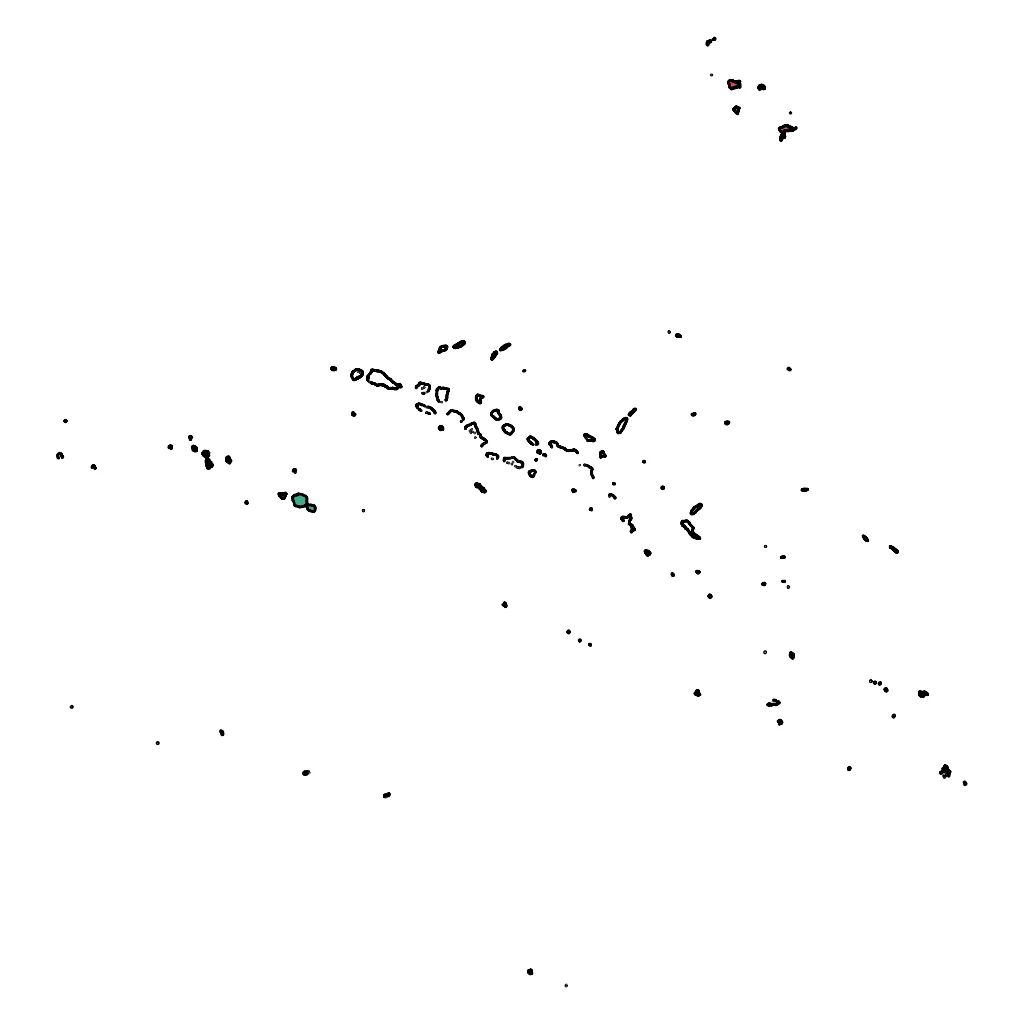
Leeward Islands (Bora Bora, Huahine, Raiatea)
Calm lagoons and vanilla-scented adventures ⛵
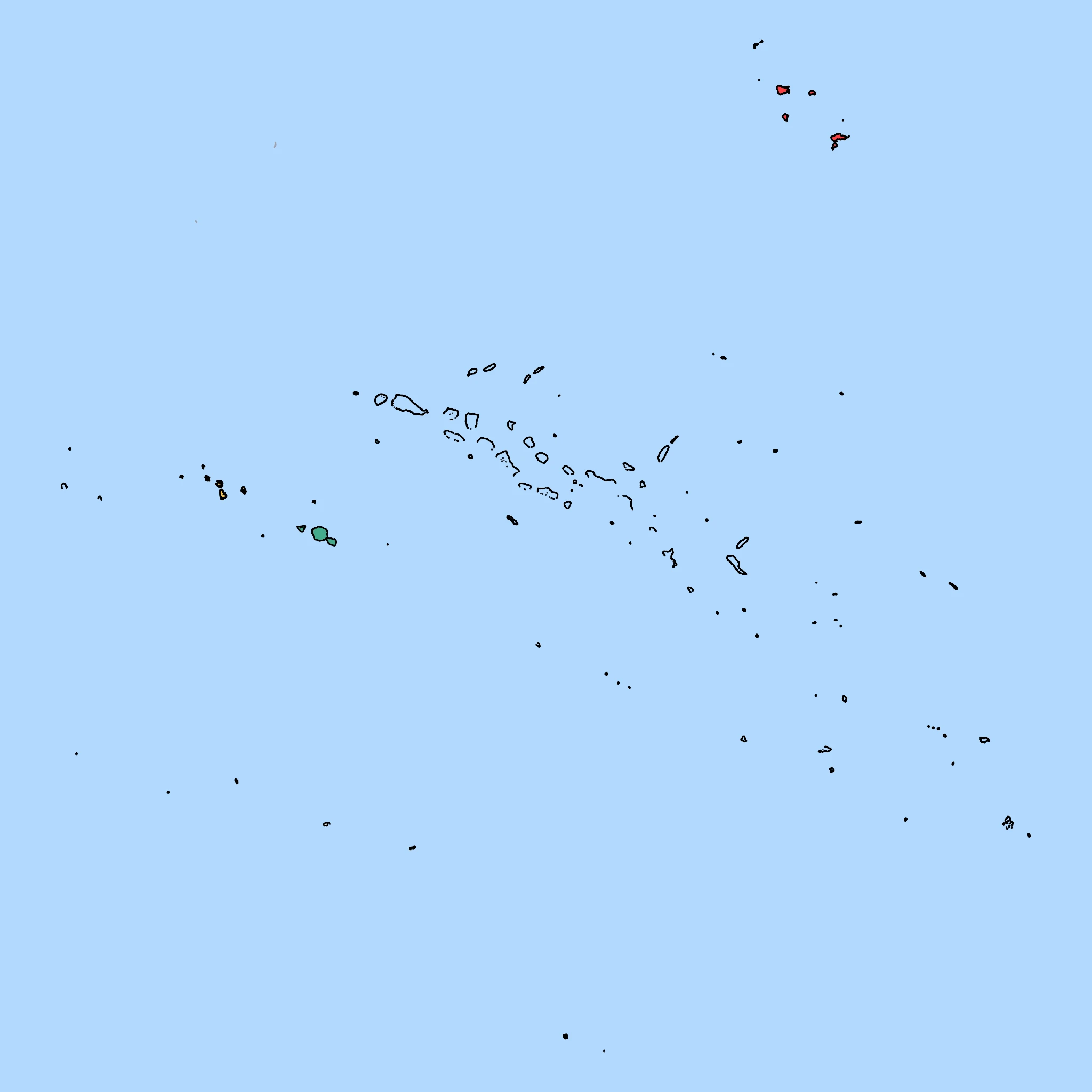
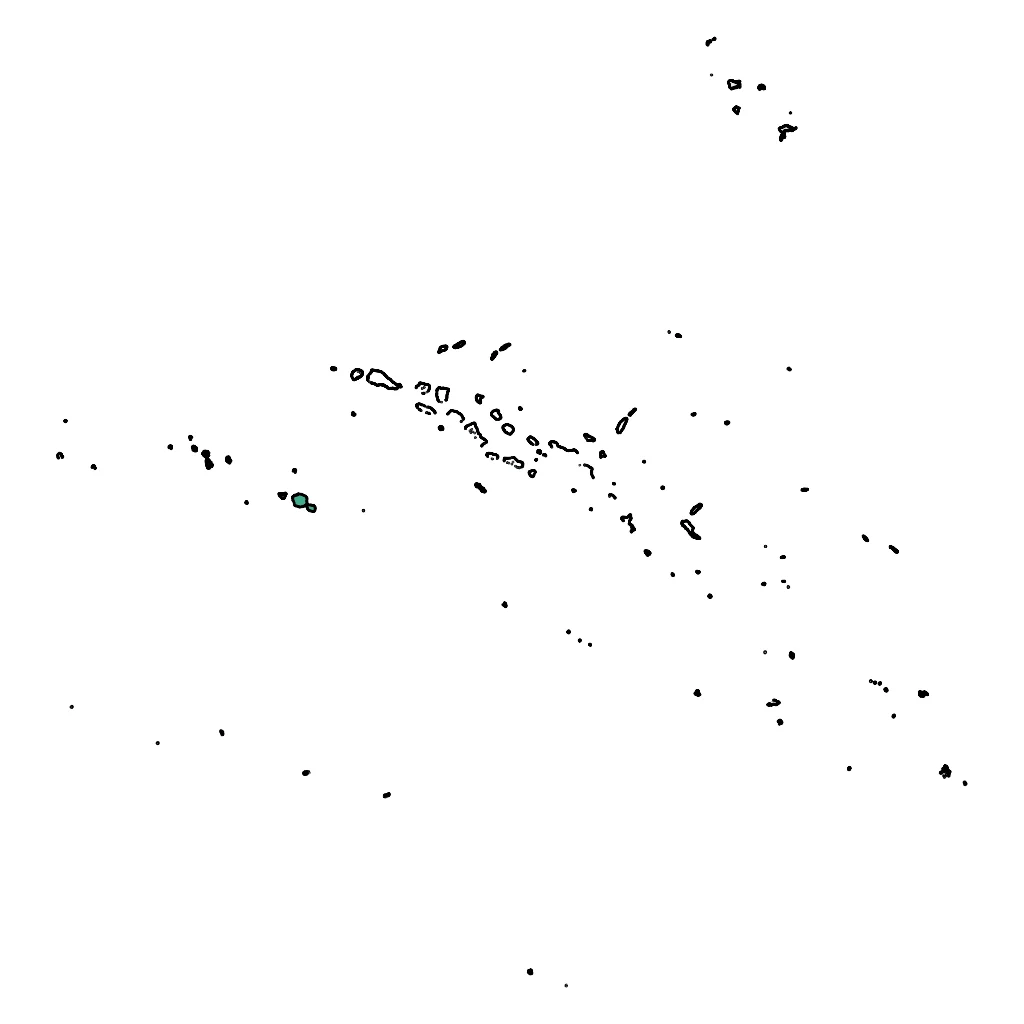
The Leeward Islands (Iles Sous-le-Vent) are often the primary reason families travel to French Polynesia. Located northwest of Tahiti, this archipelago features high volcanic islands surrounded by wide, protective barrier reefs. This geography creates vast, shallow swimming pools known as lagoons, where the water is warm, clear, and generally free from strong currents, making it ideal for young swimmers and novice snorkelers.
Bora Bora is the most famous island in this group, dominated by the iconic Mount Otemanu. While known for luxury, it offers excellent family experiences. You can take a boat tour to a motu (small islet) for a picnic, where guides teach children how to open coconuts and weave palm fronds. The Bora Bora Lagoonarium allows kids to swim in an enclosed area with turtles and fish under supervision, providing a safe introduction to marine life.
Huahine offers a more relaxed, authentic atmosphere often described as the "Garden Island." Here, families can rent a car to explore archaeological sites like the Maeva marae complex. A highlight for children is the village of Faie, where they can toss mackerel to the giant, sacred blue-eyed eels that live in the local stream. The island's beaches, particularly near the old Sofitel ruins, offer soft white sand and shallow entry points.
Raiatea and Taha'a share a single lagoon. Raiatea is the cultural heart of Polynesia, home to the UNESCO-listed Taputapuatea Marae, a massive ancient temple site that offers a history lesson for older children. It is also the only island with a navigable river, the Faaroa, which families can explore via kayak, paddling through lush jungle scenery. Nearby Taha'a, accessible by a short boat ride, is famous for its vanilla plantations. Touring a farm here is a sensory experience where kids can smell the curing beans and taste vanilla-infused treats.
Practical travel between these islands is easy via the domestic airline, Air Tahiti, with flight times averaging just 20 minutes. The waters are generally very safe, but reef shoes are highly recommended to protect feet from coral and stonefish.
Click a region to explore

Activities & Best Times
Beach resorts, marine activities: diving, snorkelling, kite surfing, wind surfing, sailing
Bora Bora's lagoon is a global benchmark for marine beauty, featuring world-class overwater resorts and crystal-clear visibility for diving. Peak months (Jun-Sep) provide the driest conditions and best water clarity, while the humid wet season (Nov-Apr) sees significant rainfall exceeding 300mm monthly.

Spa retreats, wellness centers, peaceful getaways
Home to some of the world's most prestigious spa retreats, offering authentic Polynesian treatments in secluded, high-end environments. The dry season (Jun-Sep) is ideal for outdoor wellness activities, whereas high humidity and heavy rain in summer can impact the serene, open-air atmosphere.
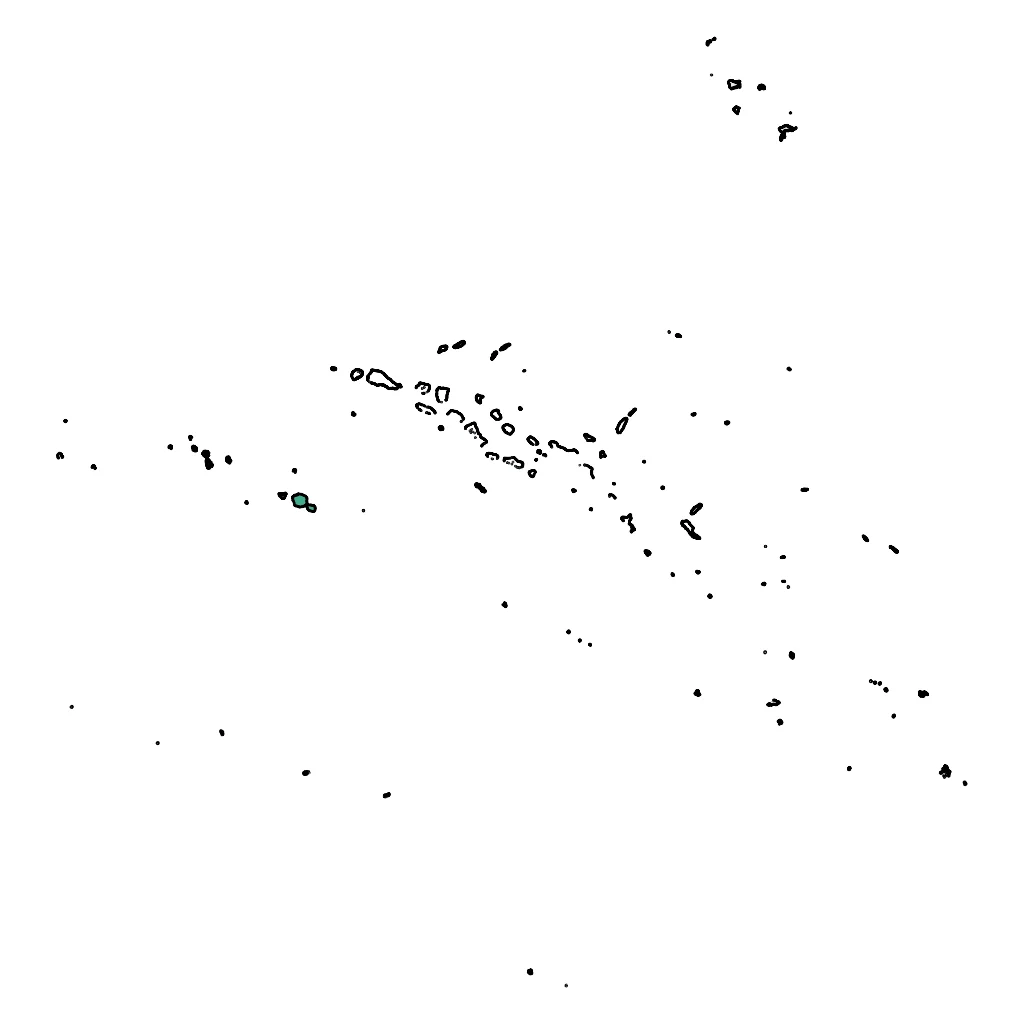

Hiking, wildlife, outdoor exploration, ecotourism
Offers unique tropical ecosystems, from the dramatic volcanic peaks of Mount Otemanu to the only navigable river in Polynesia on Raiatea. Dry season months ensure safer hiking trails and better visibility, while the heavy rainy season (Dec-Jan reaching >400mm) brings hazardous trail conditions.
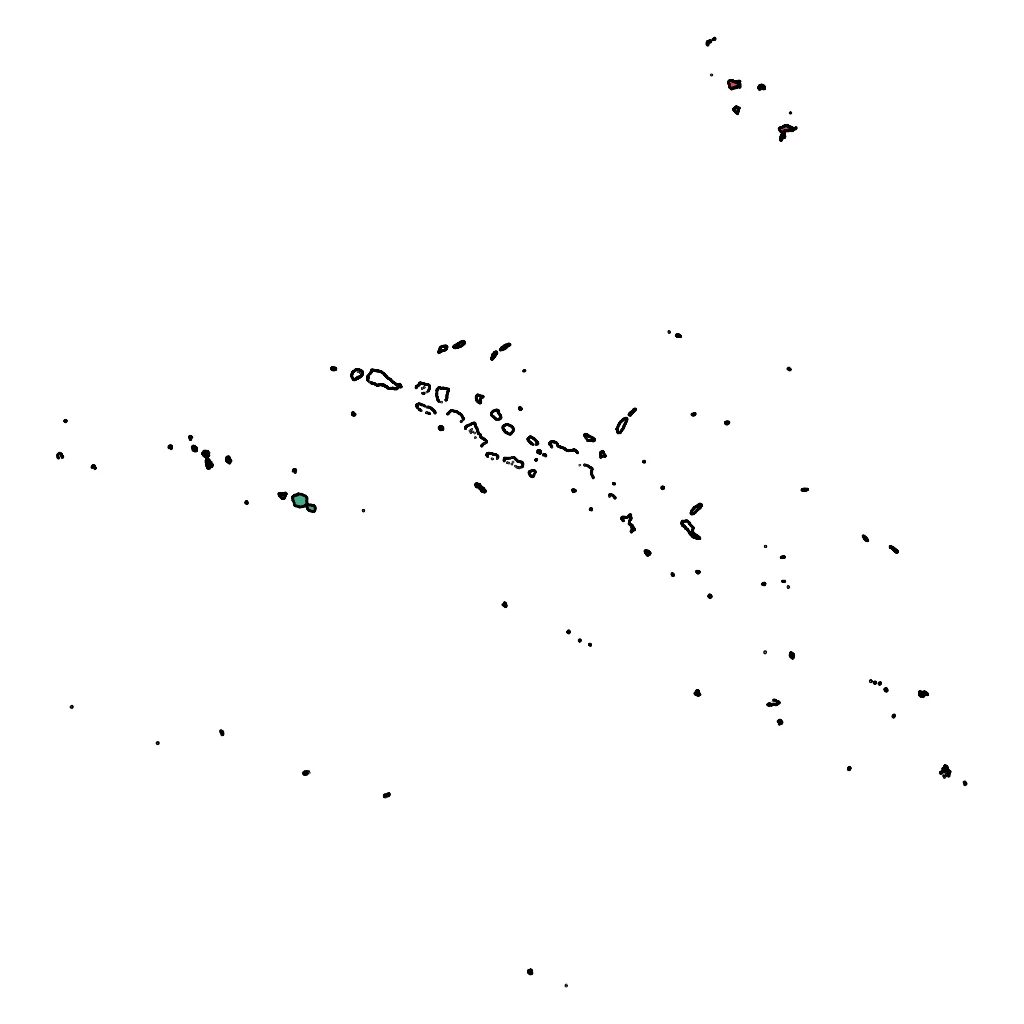

Sport tourism, fitness activities, active recreation
Raiatea is a world-class sailing hub, complemented by exceptional lagoon sports and deep-sea fishing throughout the islands. Peak conditions align with consistent trade winds from June to September; the off-season months face unpredictable weather and high tropical rainfall that limits maritime activity.
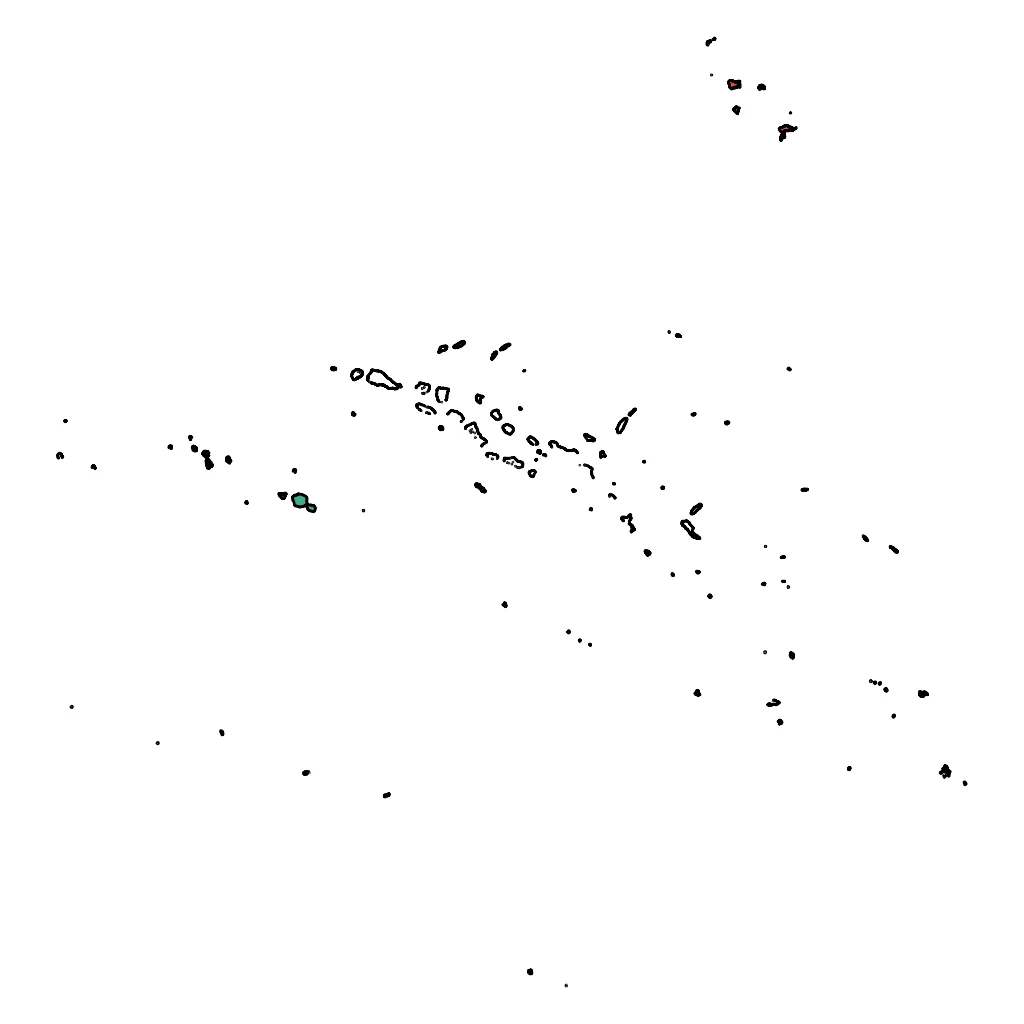

Learning experiences, scientific sites, historical education
Features the UNESCO-listed Marae Taputapuatea on Raiatea, providing a deep dive into the ancestral home of Polynesian culture and navigation. Best visited during the drier months for comfortable exploration of outdoor archaeological sites, as heavy monsoon-like rains hinder access during the off-season.
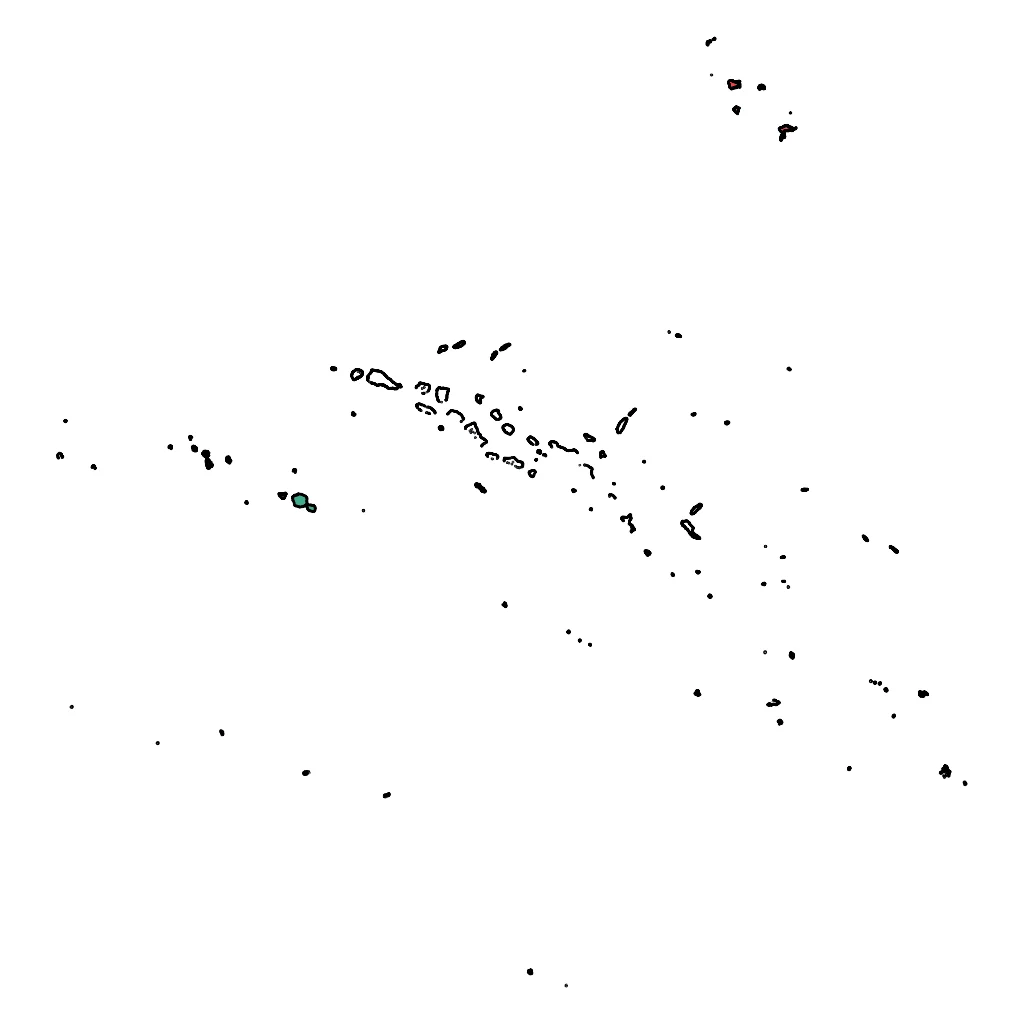

Events, celebrations, seasonal attractions
The Heiva festival in July is a prestigious, authentic celebration of Polynesian dance and heritage that draws international visitors. July is the absolute peak for this cultural immersion, while the rest of the year has fewer significant traditional events of international scale.

Urban tourism, museums, historical sites, architecture
While not a city destination, Vaitape offers a glimpse into local life and authentic handicrafts for discerning travelers. The dry season (May-Oct) is the only comfortable time for walking tours, as the wet season's heat and rain make urban exploration difficult.

Scenic drives, countryside tours, route-based travel
The 32km circle island road offers scenic views and is easily explored via bicycle or open-top buggy. Peak dry months ensure safe and pleasant transit; heavy tropical downpours during the off-season can make road travel and visibility hazardous.