Highlands (Goroka, Mt Hagen)
Tribal colours and mountain mists 🎭⛰️
⚠️ SAFETY WARNING: Due to ongoing tribal fighting involving firearms and unpredictable roadblocks, government agencies (including the US, UK, and Australia) advise travelers to Avoid Non-Essential Travel or Do Not Travel to parts of this region, particularly Hela, Enga, and Southern Highlands. The security situation can change rapidly. Families are strongly urged to consult their own government's official travel advisory before considering a trip, as circumstances and risk assessments vary.
For families who choose to visit with professional guides, the Highlands offer a spectacular window into the traditional cultures of Papua New Guinea. The region is defined by its fertile valleys, cool climate, and misty mountain peaks. The primary draw is the cultural pageantry; the annual Goroka Show in September features a dedicated 'Pikinini Show' on Friday, allowing children to watch tribal performances in a calmer, crowd-controlled environment before the main weekend event.
Beyond the festivals, the Eastern Highlands offers accessible history and nature. Families can visit the McCarthy Museum in Goroka to see WWII relics and photos from the first contact with the outside world in the 1930s. A short drive away, the legendary Asaro Mudmen perform their ghostly pantomime, a fascinating piece of living folklore that captivates older children. The region is also the heart of PNG's coffee industry; tours of local plantations offer a safe and educational look at how beans are harvested and roasted.
Travel here requires significant planning. Accommodation ranges from secure hotels like the Bird of Paradise to basic lodges. Road travel along the Highlands Highway can be rough and unpredictable; flying between major towns is the recommended option for families to ensure safety and comfort.
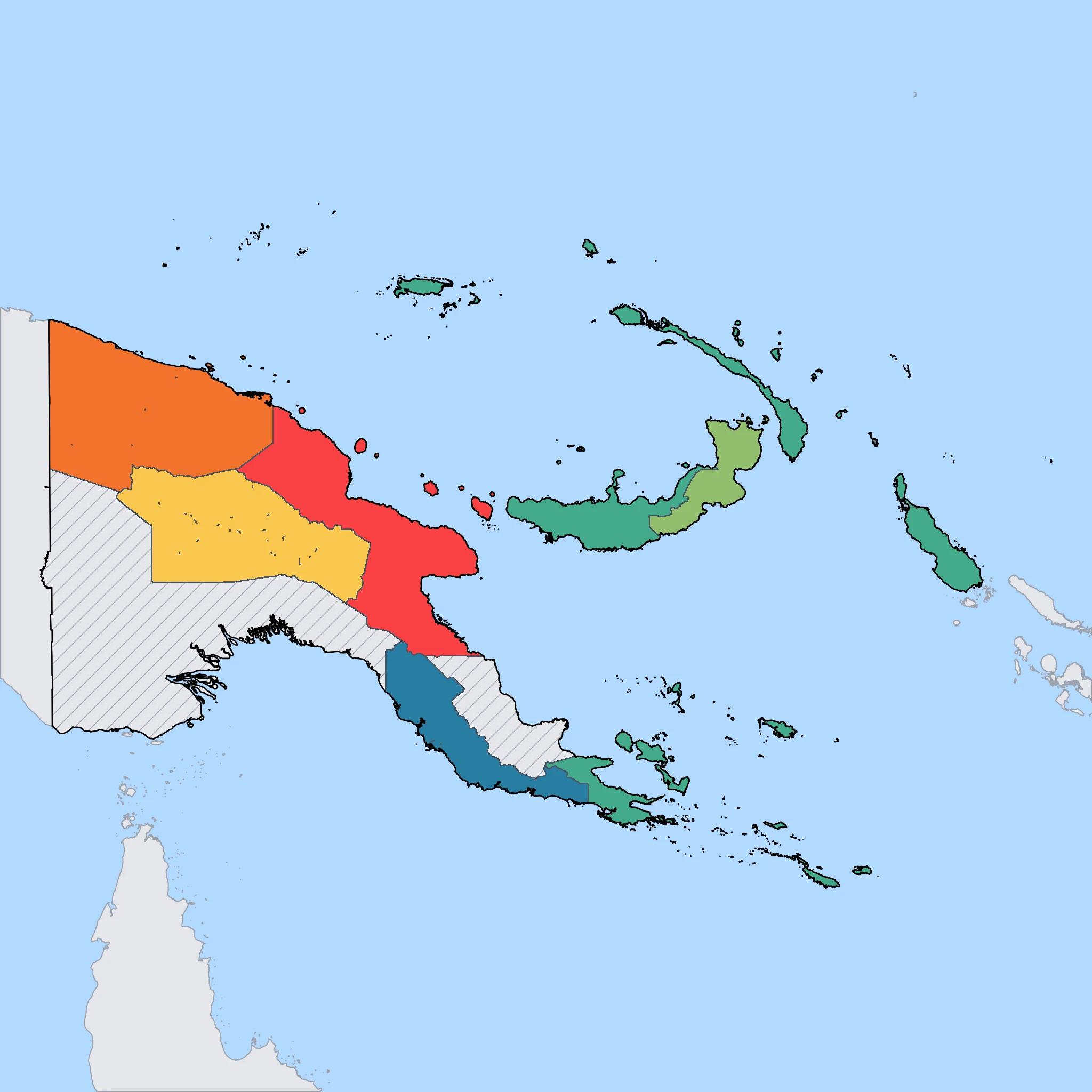
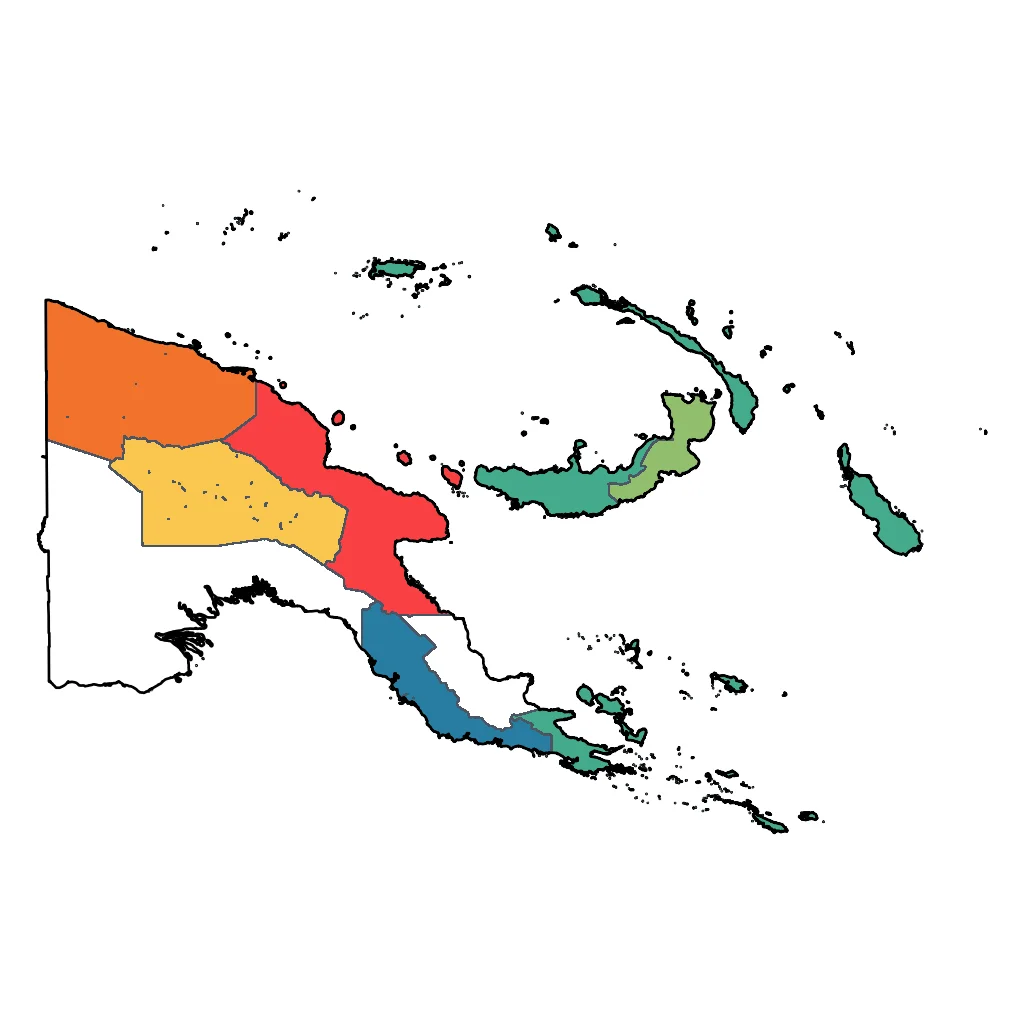
Click a region to explore

Activities & Best Times

Hiking, wildlife, outdoor exploration, ecotourism
A world-class destination for high-altitude trekking on Mt Wilhelm and observing rare Birds of Paradise in pristine cloud forests. Peak months (Jun-Aug) offer the 'driest' conditions (approx. 220mm rainfall) for navigating rugged terrain, while the heavy monsoonal rains from Dec-Apr create significant logistical and safety challenges.
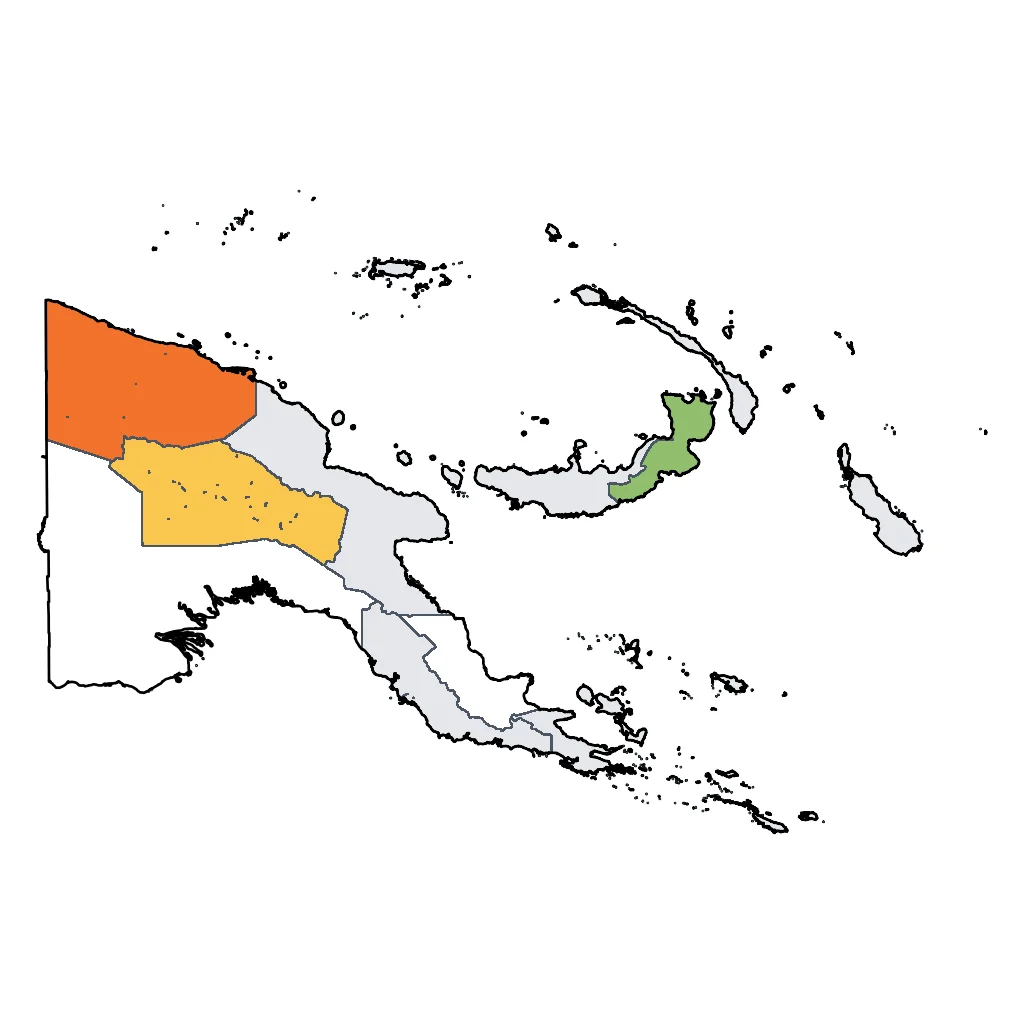

Events, celebrations, seasonal attractions
The Goroka and Mt Hagen cultural shows are globally unique spectacles of tribal heritage, drawing sophisticated travelers to witness thousands of warriors in traditional bilas. Peak timing aligns perfectly with these specific festival dates in August and September; outside of the festival season, the region lacks high-density cultural events of international significance.
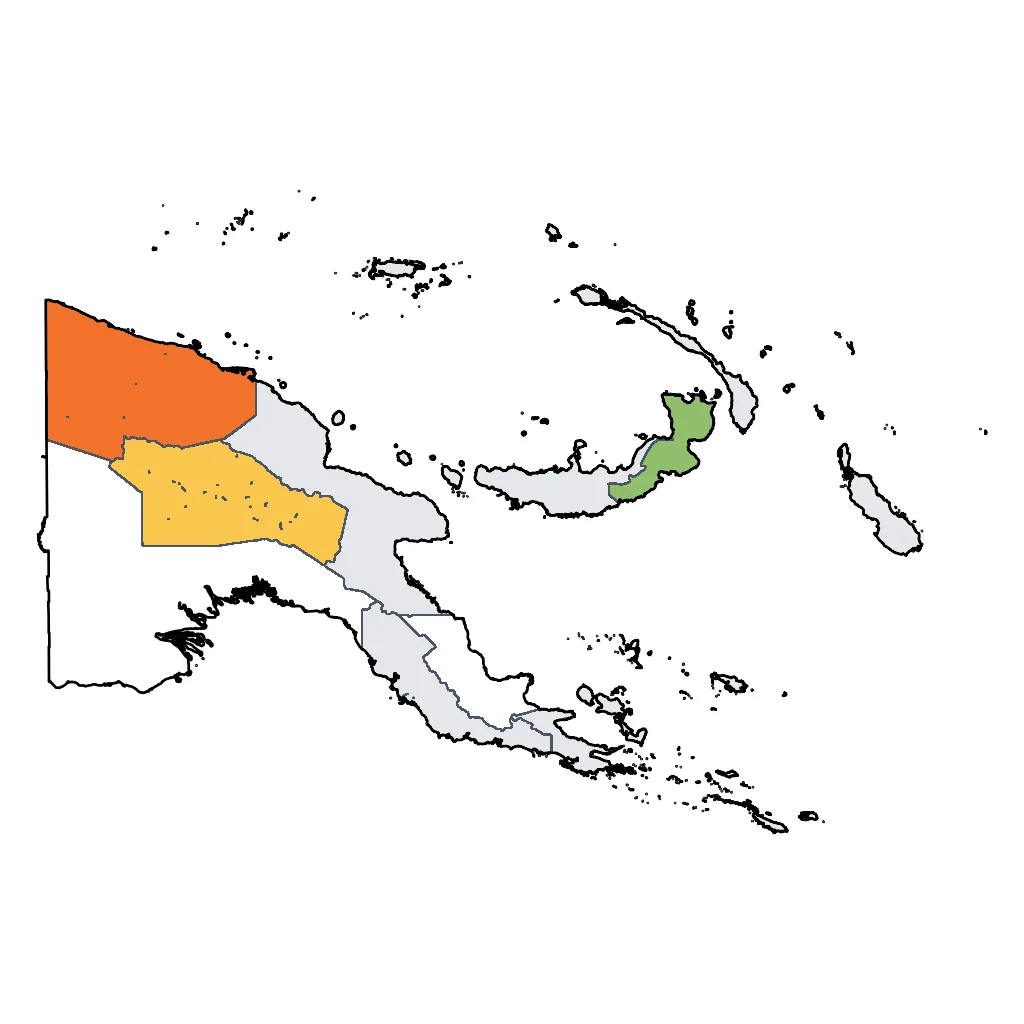

Urban tourism, museums, historical sites, architecture
Offers an incredibly authentic encounter with living neolithic cultures, such as the Asaro Mudmen and Huli Wigmen, in a way few places on Earth can match. While infrastructure is rustic compared to European hubs, the cultural depth is world-class; visits are best during the drier months to ensure access to remote valley communities.
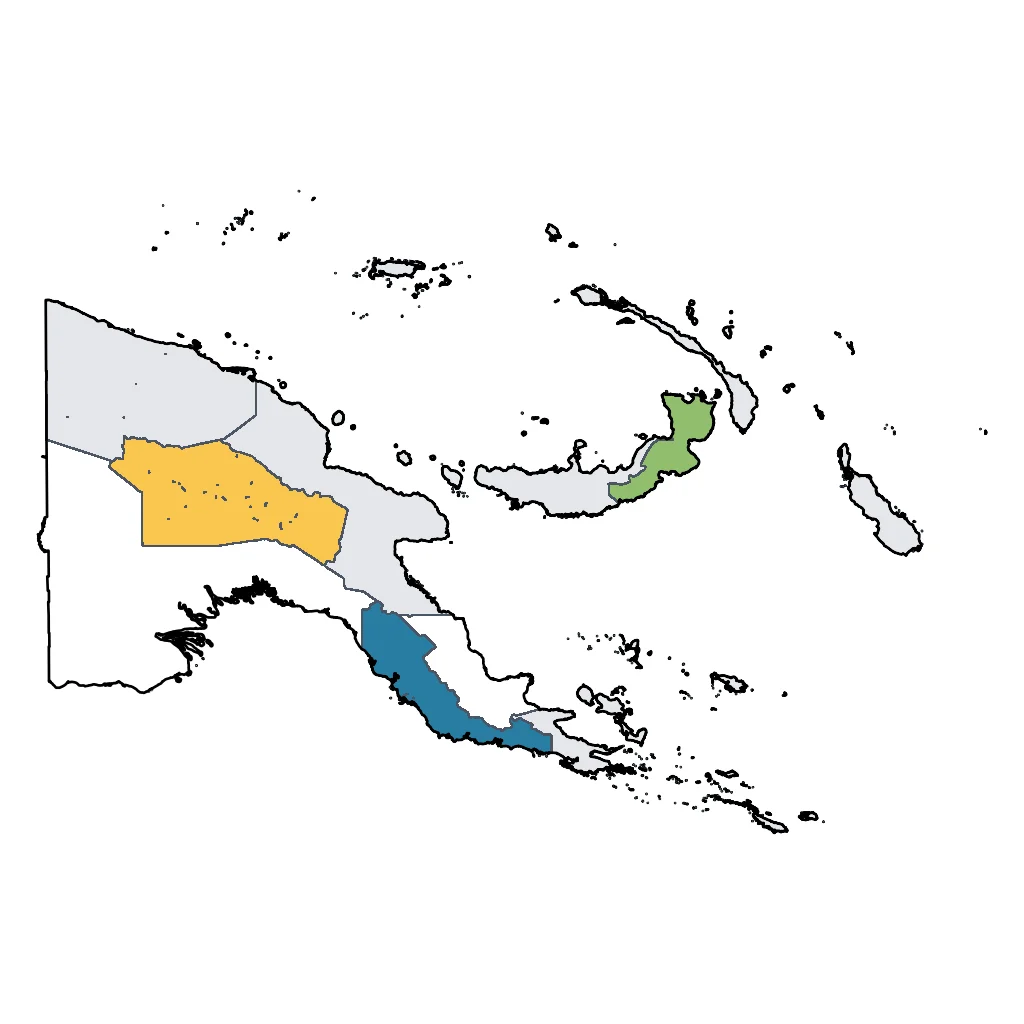

Learning experiences, scientific sites, historical education
Home to the Kuk Early Agricultural Site (UNESCO), providing deep insights into 10,000 years of agricultural evolution and anthropological history. Ideal weather in the middle of the year facilitates site visits and coffee plantation tours, whereas extreme humidity and rainfall in the early months can impede exploration of archaeological landscapes.

Scenic drives, countryside tours, route-based travel
Features spectacular mountain scenery, though travel is restricted to reputable guided convoys due to security and road quality concerns. The dry months offer the best visibility and road stability, while the wet season (Nov-Apr) significantly increases the risk of landslides and hazardous driving.