

⚠️ SAFETY WARNING: Major government travel authorities currently advise travelers to Reconsider Travel (Level 3) to Papua New Guinea due to crime and civil unrest. Families must exercise extreme caution, avoid walking alone at night, and should only travel with reputable tour operators or stay within secure resort precincts. Essential travel only is recommended for the Southern Highlands and Hela provinces. Comprehensive travel insurance and professional guidance are mandatory for a safe visit.
For families willing to venture off the beaten path, Papua New Guinea offers a travel experience unlike any other on Earth. This is a land of raw, untamed beauty, where jagged mountains meet volcanic islands and ancient rainforests teem with life. It is a destination for the intrepid-families who trade theme parks for active volcanoes and tablet screens for birdwatching. While infrastructure is developing, the country's resorts and guided tours provide safe bubbles where you can experience the magic of the Melanesian archipelago.
The most accessible family highlight is the Port Moresby Nature Park. As the country's leading attraction, it provides a safe, well-maintained environment where children can see the famous Birds of Paradise, adorable tree kangaroos, and cassowaries without trekking into the jungle. It is a fantastic educational hub that introduces the island's unique biodiversity. Nearby, Loloata Island Resort offers a private island escape just minutes from the capital, allowing families to relax in comfort while kids snorkel in calm, protected waters.
For families who love the ocean, Kimbe Bay in West New Britain is a world-class wonder. Stay at family-friendly lodges like the Walindi Plantation Resort, where the coral reefs are often cited as the most diverse in the world. The water is warm and clear, making it perfect for young snorkelers to spot Nemo (clownfish) and sea turtles. The region also offers hot river swims and firefly tours that feel like pure magic to younger travelers.
Culture is the heartbeat of the nation. With over 800 languages spoken, the diversity is staggering. While remote village stays are best left to adults, families can witness the spectacle of a Sing-sing-a gathering where tribes show off elaborate bilas (body decoration) and traditional dance. The shows in Goroka and Mount Hagen are the most famous, offering a sensory explosion of feathers, shells, and drums that history-loving teens will never forget.
Travel here requires careful planning. Malaria prophylaxis is essential for all family members, and packing a comprehensive first-aid kit is recommended. Domestic travel is almost exclusively by air, so be prepared for small planes and

Explore Regions
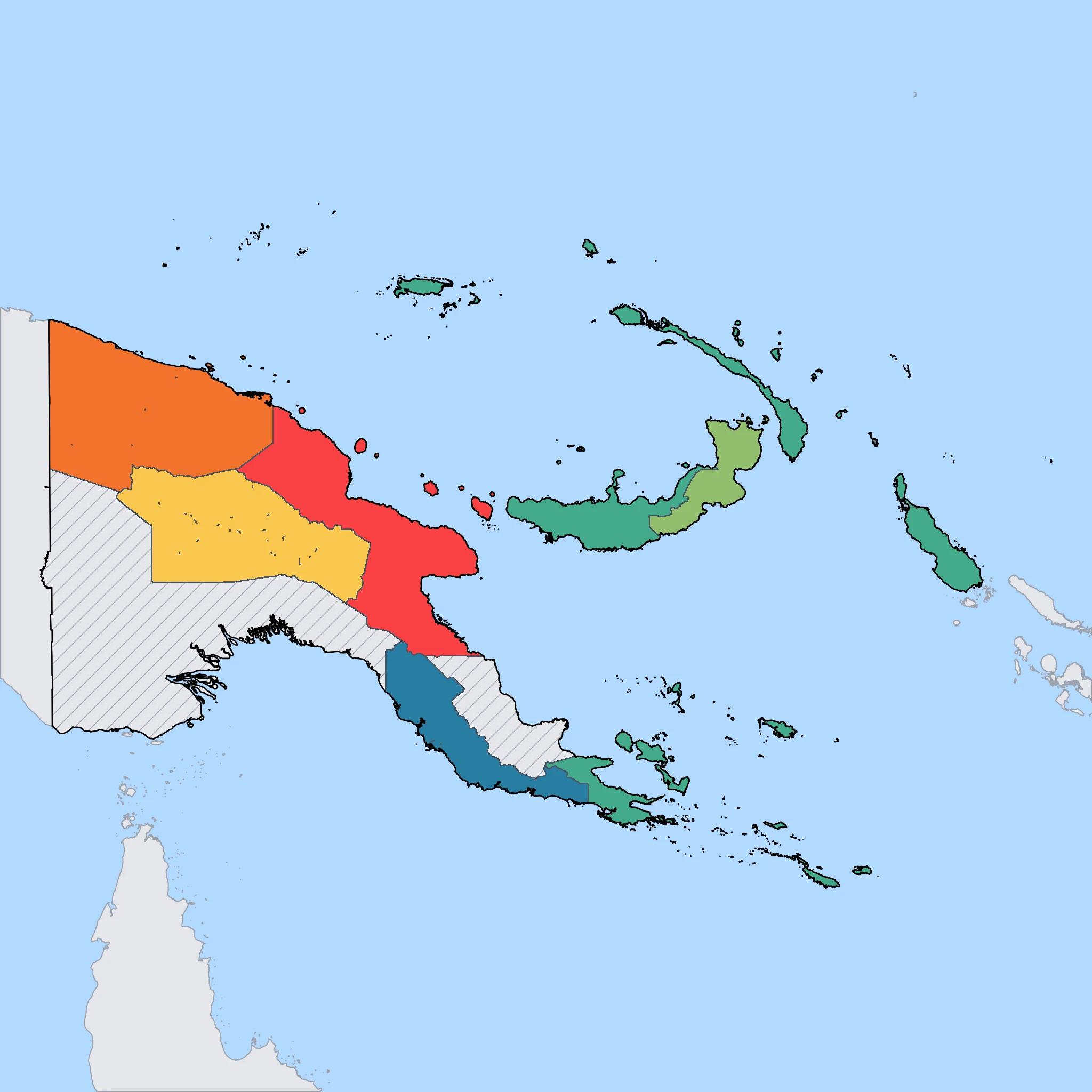
6 Regions
Highlands (Goroka, Mt Hagen)
Tribal colours and mountain mists 🎭⛰️
Islands (New Ireland, Bougainville)
Laid-back island adventures 🚲🏝️
Kokopo & East New Britain
Volcanoes, dolphins, and history 🌋🐬
Madang & North Coast
Reefs, rainforests, and flying foxes 🦇🌺
Port Moresby & Central
City comforts and wild encounters 🏙️🐊
Sepik Region
River journeys into the unknown 🛶🌿
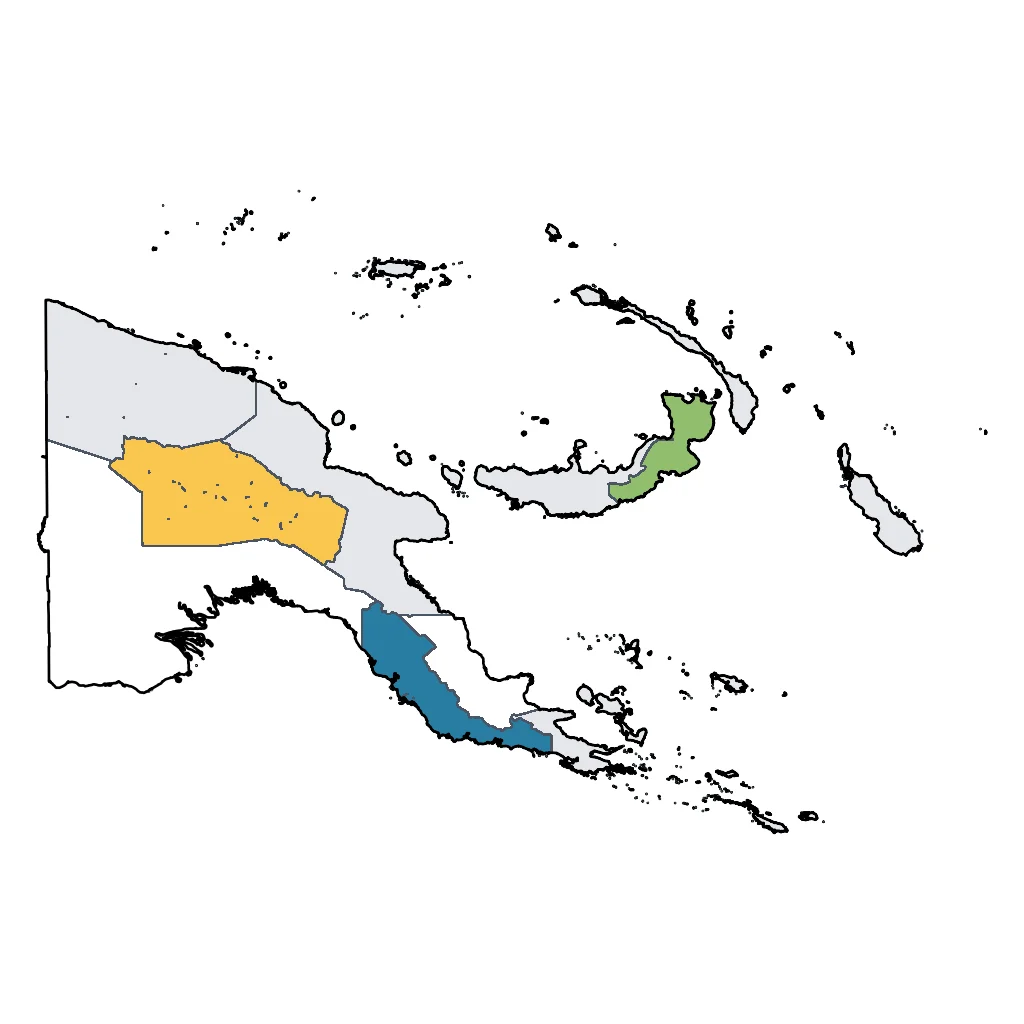
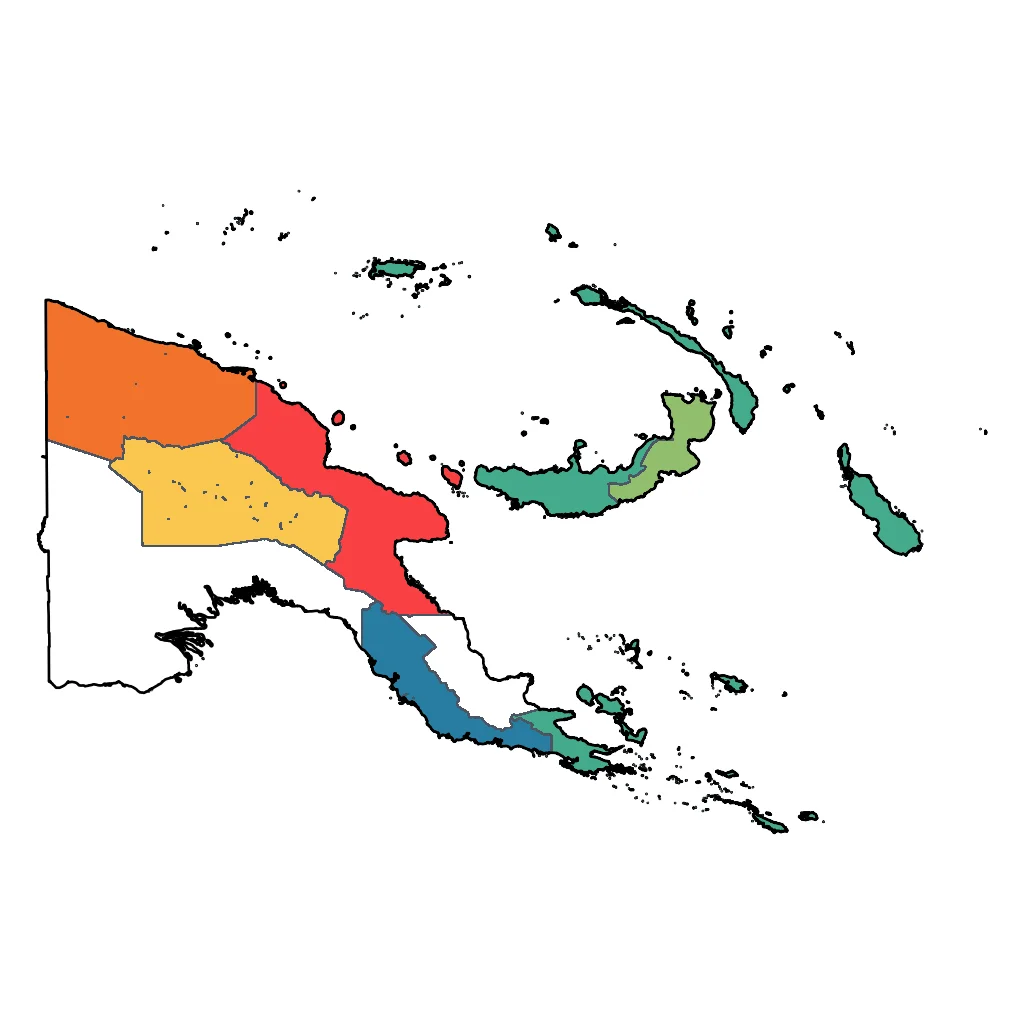
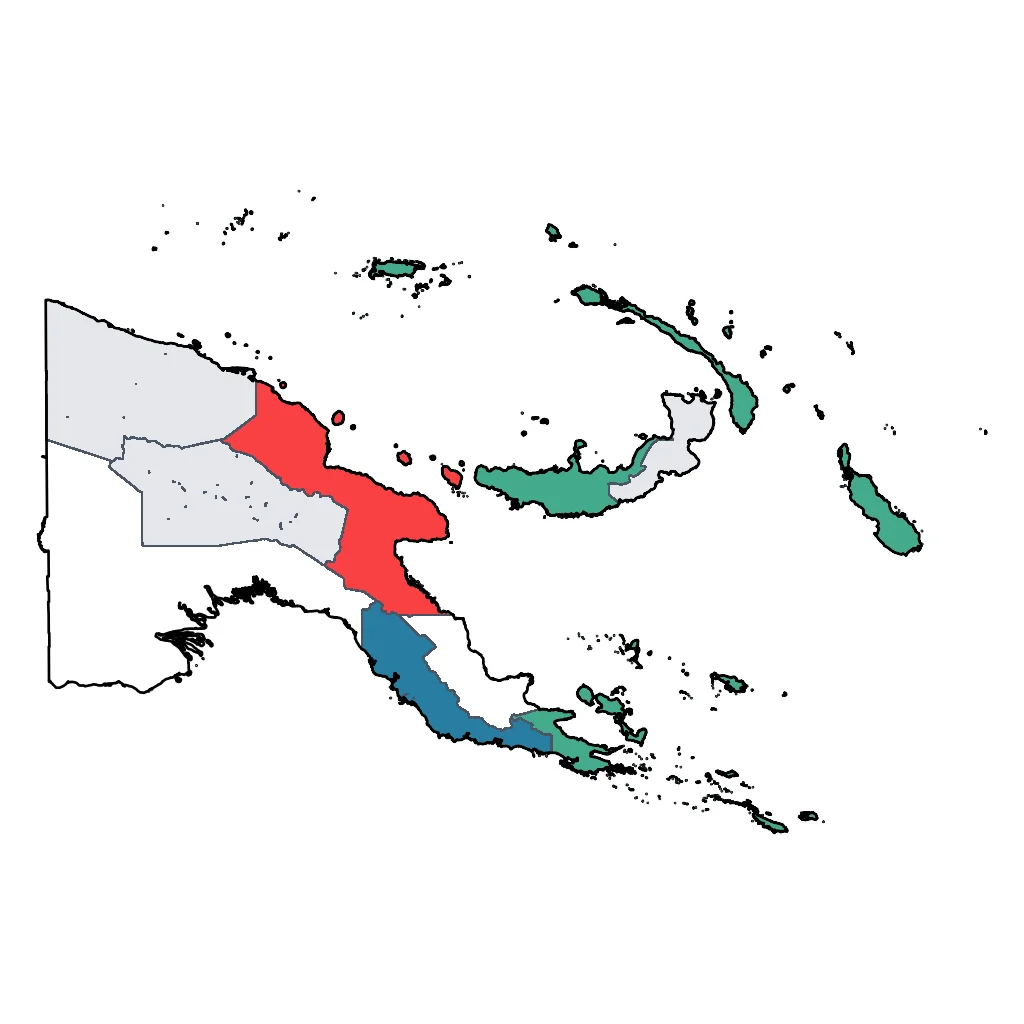
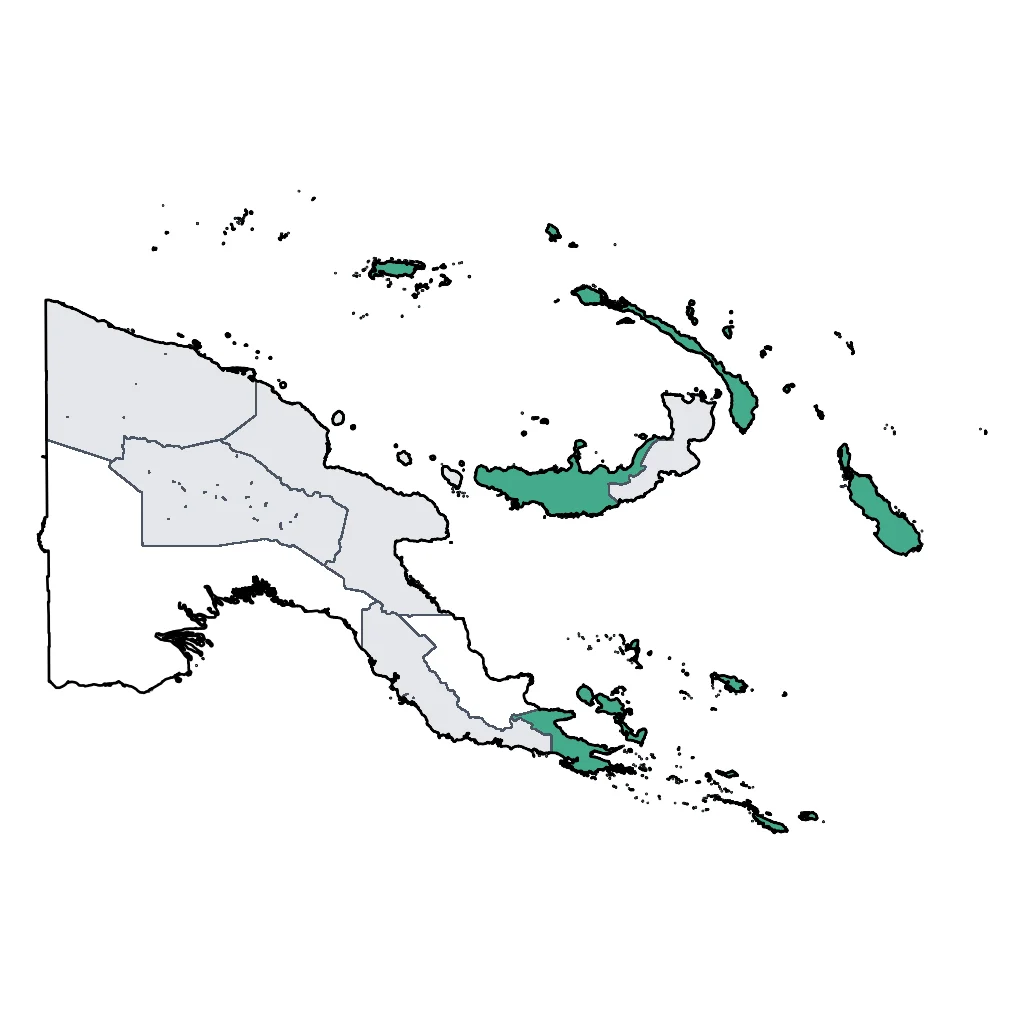
Click on a region marker to explore details. Use the dropdown to color regions by activity suitability.

Activities & Best Times

Adventure & Nature
ExcellentHiking, wildlife, outdoor exploration, ecotourism
A world-class destination for high-altitude trekking on Mt Wilhelm and observing rare Birds of Paradise in pristine cloud forests. Peak months (Jun-Aug) offer the 'driest' conditions (approx. 220mm rainfall) for navigating rugged terrain, while the heavy monsoonal rains from Dec-Apr create significant logistical and safety challenges.
Home to the world-class active volcano Mount Tavurvur and pristine rainforests, offering a raw and authentic wilderness experience for adventurous families. Peak months align with the 'drier' season (sub-270mm) for safer trekking, while the heavy monsoons of Dec-Apr make volcanic terrain hazardous.
The Sepik is a globally unique river system offering unparalleled ethnographic exploration and pristine tropical ecosystems. Peak months (Jun-Sep) provide the lowest rainfall (164-190mm) and slightly lower humidity, making river navigation and village expeditions more comfortable for families; the monsoon season (Dec-Apr) brings heavy rain and challenging travel conditions.

Festivals & Seasonal
ExcellentEvents, celebrations, seasonal attractions
The Goroka and Mt Hagen cultural shows are globally unique spectacles of tribal heritage, drawing sophisticated travelers to witness thousands of warriors in traditional bilas. Peak timing aligns perfectly with these specific festival dates in August and September; outside of the festival season, the region lacks high-density cultural events of international significance.
The region hosts the globally unique Baining Fire Dance and the National Mask Festival, offering profound and authentic cultural immersion. July to October provides the best conditions for outdoor ceremonies; heavy summer rains (Jan-Mar) frequently disrupt scheduled cultural events.
The Sepik River Crocodile Festival in August is a world-class cultural event showcasing the profound spiritual connection between the river people and their environment. The festival itself is the peak attraction, with shoulder months offering opportunities to see preparations; the rest of the year lacks organized international-scale cultural celebrations.

Beach & Sea
Very GoodBeach resorts, marine activities: diving, snorkelling, kite surfing, wind surfing, sailing
Offers world-class wreck diving in Simpson Harbour and unique opportunities to swim with wild dolphins in crystal-clear tropical waters. While marine biodiversity is exceptional, the tropical climate means high year-round rainfall; peak months offer the best underwater visibility and calmest sea conditions.
Offers world-class diving and pristine, uncrowded turquoise lagoons with exceptional marine biodiversity. Peak months align with the period of relatively lower rainfall and improved underwater visibility, while the heavy monsoon rains from December to April can disrupt sea conditions.
Renowned for world-class wreck diving and vibrant coral gardens in a setting often called the prettiest in the South Pacific. Peak months offer the best underwater visibility and slightly lower rainfall; the off-season brings heavy monsoonal rains (over 300mm/month) that cloud the water and limit beach access.

City & Cultural
Very GoodUrban tourism, museums, historical sites, architecture
Offers an incredibly authentic encounter with living neolithic cultures, such as the Asaro Mudmen and Huli Wigmen, in a way few places on Earth can match. While infrastructure is rustic compared to European hubs, the cultural depth is world-class; visits are best during the drier months to ensure access to remote valley communities.
Features authentic cultural landmarks like the National Museum and Art Gallery and the Hanuabada stilt village, offering a raw and sophisticated look at Pacific heritage. Drier months are ideal for urban navigation, whereas heavy tropical downpours and high humidity in the wet season significantly detract from the experience.
The resilient history of Rabaul, partially buried by volcanic ash, provides an authentic and haunting cultural landscape. It lacks conventional luxury city infrastructure, but offers sophisticated travelers a unique look at Melanesian life; peak weather allows for comfortable exploration of the town's ruins and local markets.

Educational & Exploratory
Very GoodLearning experiences, scientific sites, historical education
A fascinating destination for families interested in WWII history and volcanology, featuring extensive Japanese tunnel complexes and a dedicated volcano observatory. Drier months are optimal for exploring outdoor historical sites, whereas monsoon-level precipitation in Jan-Mar can limit access to remote archaeological remains.
The region is an open-air museum of complex social structures, traditional woodcarving, and the iconic 'Haus Tambaran' spirit houses. While the cultural significance is year-round, peak dry season months offer the best accessibility to remote villages where these living traditions are most authentic; heavy rain in off-months can restrict access to key educational sites.
A high-value destination for military history (WWII) and ethnographic study, with museums and memorials providing deep educational insights. The dry season facilitates travel to remote historical sites; extreme precipitation in the early year can cause road closures and infrastructure issues.

Sports & Active
Very GoodSport tourism, fitness activities, active recreation
Home to the elite challenge of the Kokoda Track and professional-grade golf facilities, attracting serious athletes and adventurers. The dry winter months provide the necessary safety and stamina-friendly conditions for high-intensity physical activity in a tropical environment.
Kavieng is a premier global destination for surfing and high-visibility reef diving in a non-commercialized setting. Although prime surf swells occur in the wetter months, the peak season for general active recreation is defined by the most stable weather and lower humidity between August and November.
A premier destination for technical diving and sea kayaking within protected, picturesque bays. Optimal conditions occur mid-year when seas are calmest and visibility exceeds 20 meters; the off-season's persistent tropical downpours and high humidity are less than ideal for active recreation.

Road Trips & Scenic
MarginalScenic drives, countryside tours, route-based travel
The drive to the Sogeri Plateau offers spectacular Owen Stanley Range views, though road quality is variable and requires local expertise. July and August offer the best visibility and driest road surfaces; the wet season creates high risks of landslides and poor driving conditions.
Features spectacular mountain scenery, though travel is restricted to reputable guided convoys due to security and road quality concerns. The dry months offer the best visibility and road stability, while the wet season (Nov-Apr) significantly increases the risk of landslides and hazardous driving.
The Boluminski Highway in New Ireland provides a rare, scenic tropical driving route through picturesque coastal villages and plantations. While authentic, the infrastructure is limited, making it a niche experience best enjoyed during the drier months when road conditions are most reliable.

Relaxation & Wellness
MarginalSpa retreats, wellness centers, peaceful getaways
The region's seaside resorts offer a peaceful, slow-paced atmosphere that is significantly more relaxed than the mainland. However, it lacks the specialized, high-end wellness facilities and international-standard spa infrastructure found in top-tier global wellness destinations.
Downgrade: While the islands have a slower pace, they lack the resort infrastructure expected for a 'good' relaxation rating internationally. Fiji, Samoa, and Vanuatu are far superior Pacific relaxation destinations. The 'island time' atmosphere alone does not justify 'good'.
Tranquil coastal resorts offer a peaceful escape, though they lack the high-end, dedicated wellness infrastructure found in more developed regions. Peak months offer the most pleasant conditions for outdoor relaxation by the water; off-months are characterized by intense tropical humidity.
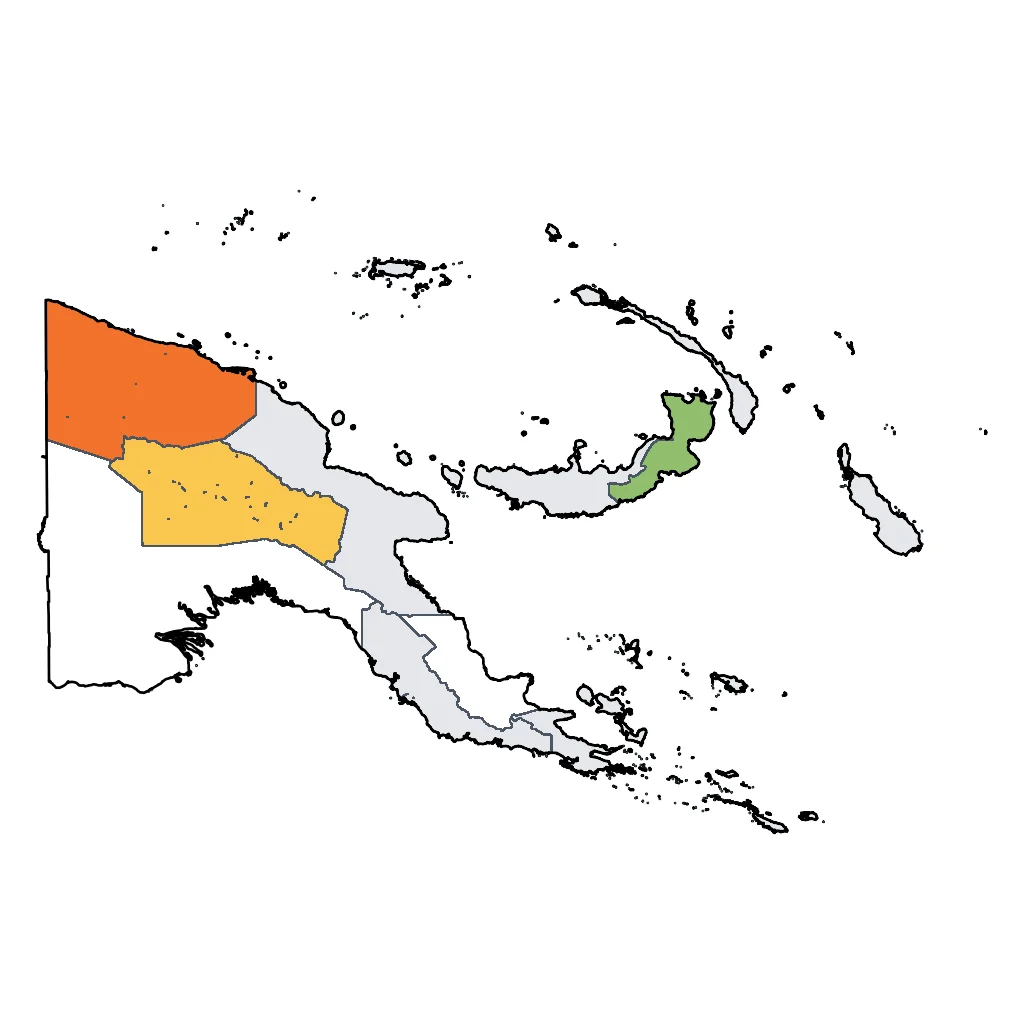
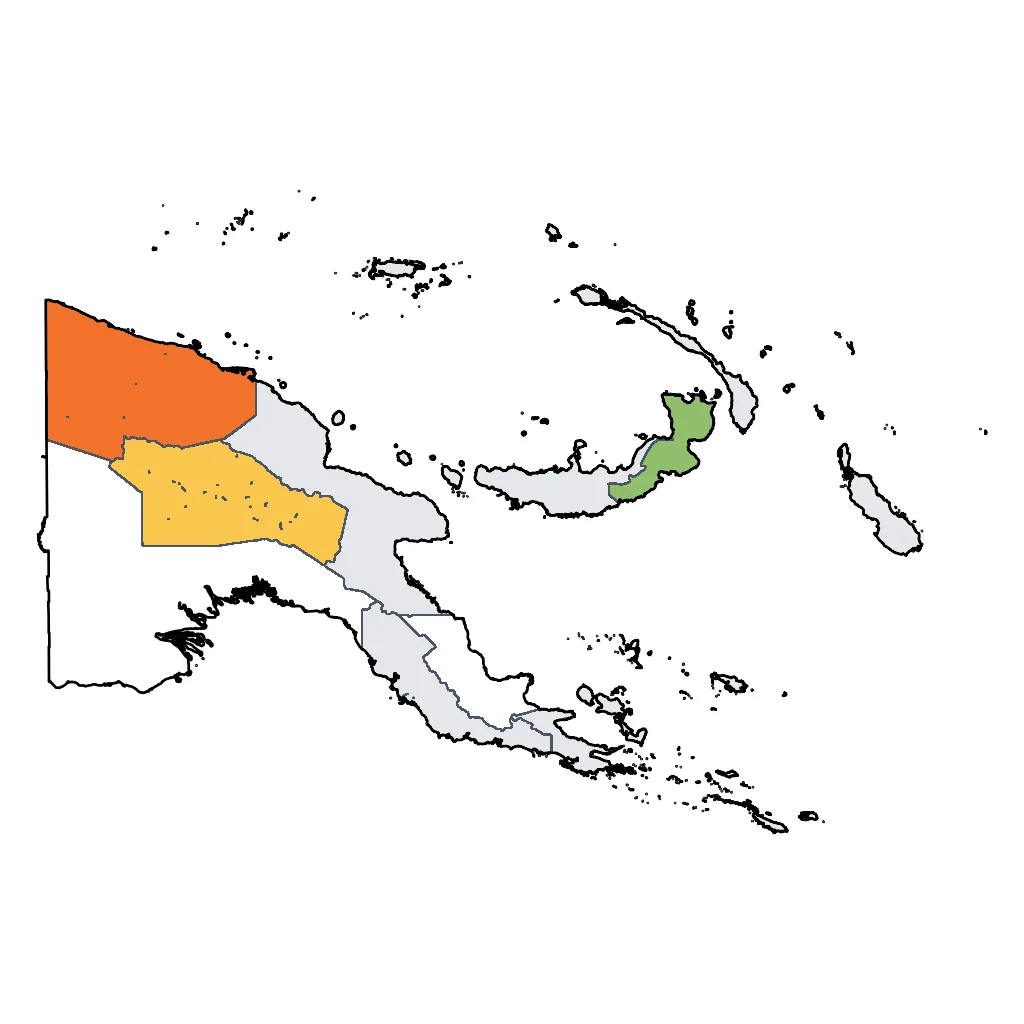
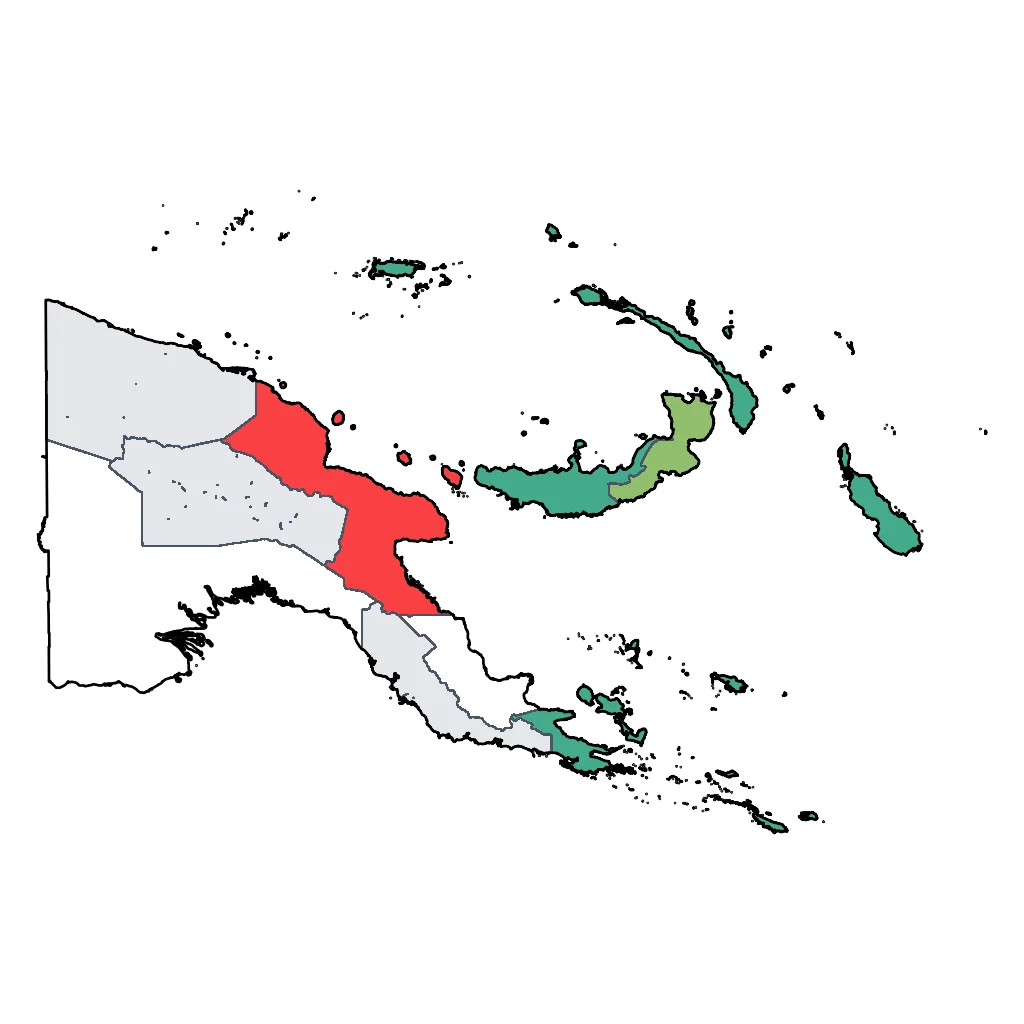
Airports & Flight Routes
Toggle options to view domestic routes and international airports. Click an airport for details.

Climate & Weather
Highlands (Goroka, Mt Hagen)
Show Details
| Month | Temp °C | Rain | Humidity |
|---|
Islands (New Ireland, Bougainville)
Show Details
| Month | Temp °C | Rain | Humidity |
|---|
Kokopo & East New Britain
Show Details
| Month | Temp °C | Rain | Humidity |
|---|
Madang & North Coast
Show Details
| Month | Temp °C | Rain | Humidity |
|---|
Port Moresby & Central
Show Details
| Month | Temp °C | Rain | Humidity |
|---|
Sepik Region
Show Details
| Month | Temp °C | Rain | Humidity |
|---|

Travel Advisory
Increased vigilance is required due to significant security risks, though most agencies do not currently advise against all travel to the country as a whole.
Safety Topics
Traveller Advice (3 groups)

Ensure you have pre-arranged transport from airports to accommodation. Avoid carrying large amounts of cash or wearing expensive jewelry in public.

Female travelers face a high risk of sexual assault and harassment. It is strongly advised not to travel alone, especially at night or in remote areas.

Homosexuality is criminalized in Papua New Guinea. Public displays of affection may attract legal action or local hostility.