⚠️ SAFETY WARNING: Due to the extreme remoteness, limited medical infrastructure, and unpredictable security in isolated areas, government agencies (including the US and Australia) advise travelers to Reconsider Travel to the Sepik region. Emergency evacuation is difficult. Families are strongly urged to consult their own government's official travel advisory before considering a trip, as circumstances and risk assessments vary.
The Sepik River is a destination for adventurous families with older children who want to experience a world completely different from their own. There are no roads here; life revolves around the winding, muddy river. Travel is primarily by boat, and for families, the safest and most comfortable way to visit is aboard a live-aboard river vessel like the Sepik Spirit. These floating hotels provide air-conditioned comfort and secure bases from which to launch daily excursions into the waterways.
The region is world-famous for its art and architecture. Villages are anchored by the Haus Tambaran (Spirit House), towering structures filled with ancestral carvings. While some cultural rituals like the crocodile skin scarification are intense, the general village life is fascinating for children to witness. They can see how local kids travel to school in canoes and how families live off the river.
The gateway town of Wewak offers a transition point with coastal history. Cape Wom, the site of the Japanese surrender in WWII, is a peaceful park with memorials and beaches. Souvenir hunting is excellent in the Sepik; even young travelers enjoy bargaining for small carvings or bilum bags to take home as a memento of their jungle expedition.
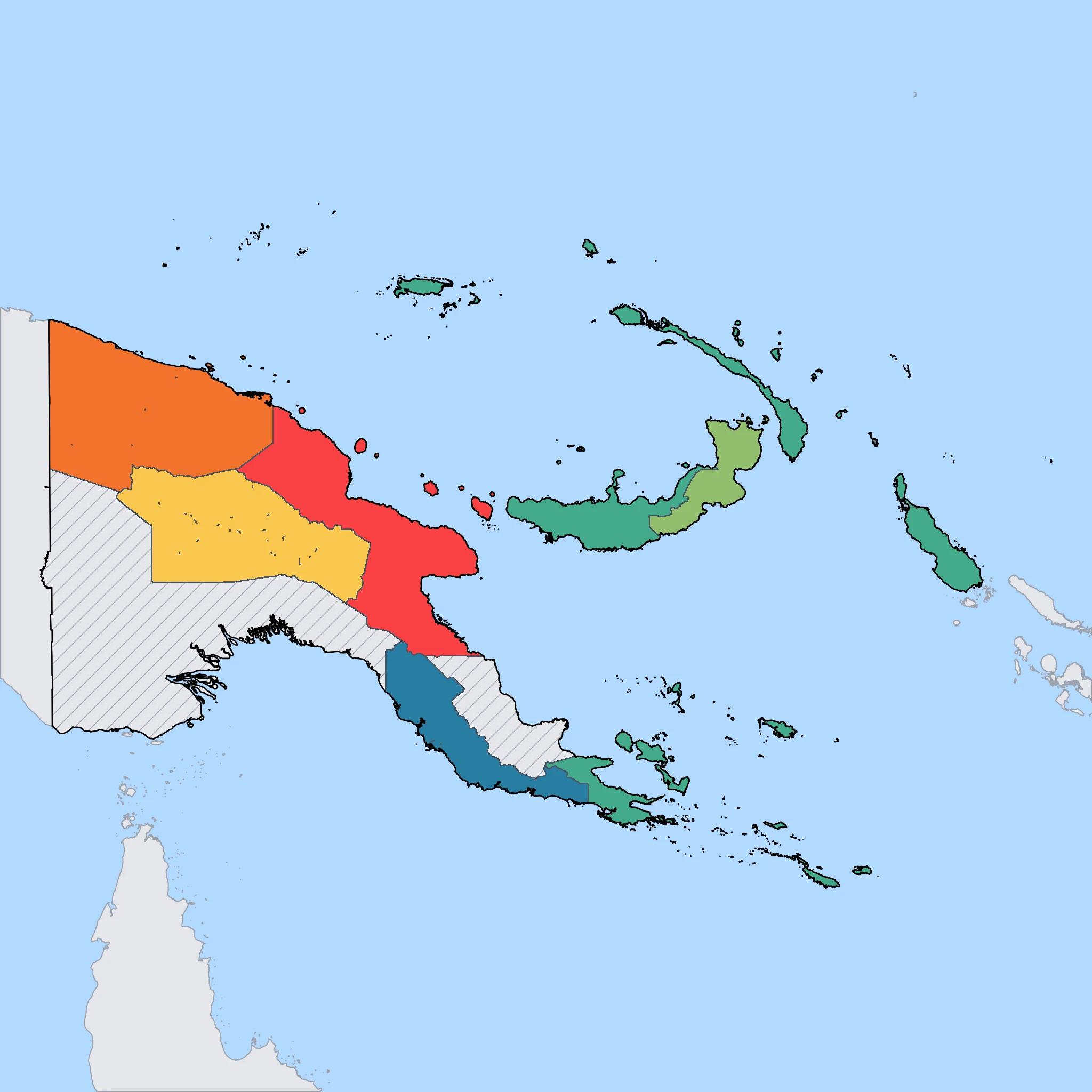
Click a region to explore

Activities & Best Times

Hiking, wildlife, outdoor exploration, ecotourism
The Sepik is a globally unique river system offering unparalleled ethnographic exploration and pristine tropical ecosystems. Peak months (Jun-Sep) provide the lowest rainfall (164-190mm) and slightly lower humidity, making river navigation and village expeditions more comfortable for families; the monsoon season (Dec-Apr) brings heavy rain and challenging travel conditions.

Learning experiences, scientific sites, historical education
The region is an open-air museum of complex social structures, traditional woodcarving, and the iconic 'Haus Tambaran' spirit houses. While the cultural significance is year-round, peak dry season months offer the best accessibility to remote villages where these living traditions are most authentic; heavy rain in off-months can restrict access to key educational sites.

Events, celebrations, seasonal attractions
The Sepik River Crocodile Festival in August is a world-class cultural event showcasing the profound spiritual connection between the river people and their environment. The festival itself is the peak attraction, with shoulder months offering opportunities to see preparations; the rest of the year lacks organized international-scale cultural celebrations.

Attractions (15 total)
Landmark / Monument / Iconic Urban Attraction
Haus Tambaran of Palembei
Palembei
An iconic example of traditional Sepik architecture, these towering spirit houses serve as the cultural and spiritual centers of the river villages.
Japanese War Memorial
Wewak
A peaceful monument on Mission Hill dedicated to peace and the memory of those who fell during the New Guinea campaign of WWII.
Historic Town / Village / Cultural Area
Kanganamun Village
Wewak
A premier cultural destination in the Middle Sepik, home to one of the region's largest and most historic traditional Spirit Houses.
Palembei Village
Wewak
A historic village known for its two significant and beautifully preserved Spirit Houses containing ancient cultural artifacts and carvings.
Beach / Coastal Recreation Area
Muschu Island
Wewak
A pristine tropical island featuring white sand beaches and vibrant coral reefs ideal for snorkeling and family day trips.
Kairiru Island
Wewak
A rugged volcanic island offering dramatic coastal scenery, natural hot springs, and freshwater waterfalls that flow into the sea.
Cape Wom Memorial Park
Wewak
A historic coastal park marking the site of the Japanese surrender in 1945, offering scenic ocean views and WWII monuments.
Road Trips & Scenic Drives
Sepik Highway
Wewak
A 170km paved route (approx. 5 hours) connecting Wewak to the river port of Pagwi. While paved, the road is prone to potholes and a 4WD is recommended for international travelers. The drive traverses the lush Prince Alexander Range and passes through Maprik, a cultural center famous for its towering 'Haus Tambaran' spirit houses and traditional Abelam villages.
Visit website →Vanimo-Wutung Coastal Road
Vanimo
A 45km well-maintained paved coastal road (approx. 1 hour) leading from the provincial capital of Vanimo to the Indonesian border crossing at Wutung. This scenic route offers dramatic vistas of limestone cliffs, world-class surf breaks like Lido, and traditional coastal villages set against the turquoise backdrop of the Pacific Ocean.
Visit website →Natural Feature / Scenic Site
Sepik River
Ambunti
The longest river in Papua New Guinea, offering a majestic winding waterway through dense rainforests and traditional stilt-house villages.
Visit website →Chambri Lakes
Pagwi
A vast and shallow wetland system adjacent to the Sepik River, famous for its diverse birdlife and floating vegetation mats.
National Park / Nature Reserve
Upper Sepik River Basin
Ambunti
A massive UNESCO-listed river system and wilderness offering sightings of unique birdlife and traditional cultures in a vast rainforest landscape.
Visit website →Tenkile Tree Kangaroo Conservation Area
Lumi
A vital mountain rainforest reserve dedicated to protecting the rare Tenkile tree kangaroo through community-led conservation and guided eco-tours.
Visit website →Castle / Palace / Historic Site
Palembei Spirit House
Ambunti
A magnificent example of traditional Sepik architecture, this historic Haus Tambaran features intricate carvings and serves as the cultural heart of the Middle Sepik.
Visit website →Major International Festival / Cultural Event
Sepik River Crocodile Festival
Ambunti
Usually held in early August, this 3-day cultural event celebrates the sacred spiritual bond between the Sepik people and the crocodile. It attracts approximately 1,000 to 2,000 visitors, including a high percentage of international adventure travelers. The festival features traditional 'sing-sing' dances, crocodile handling, and displays of world-renowned Sepik woodcarvings. It is suitable for adventurous families interested in unique cultural anthropology and remote river expeditions.
Visit website →