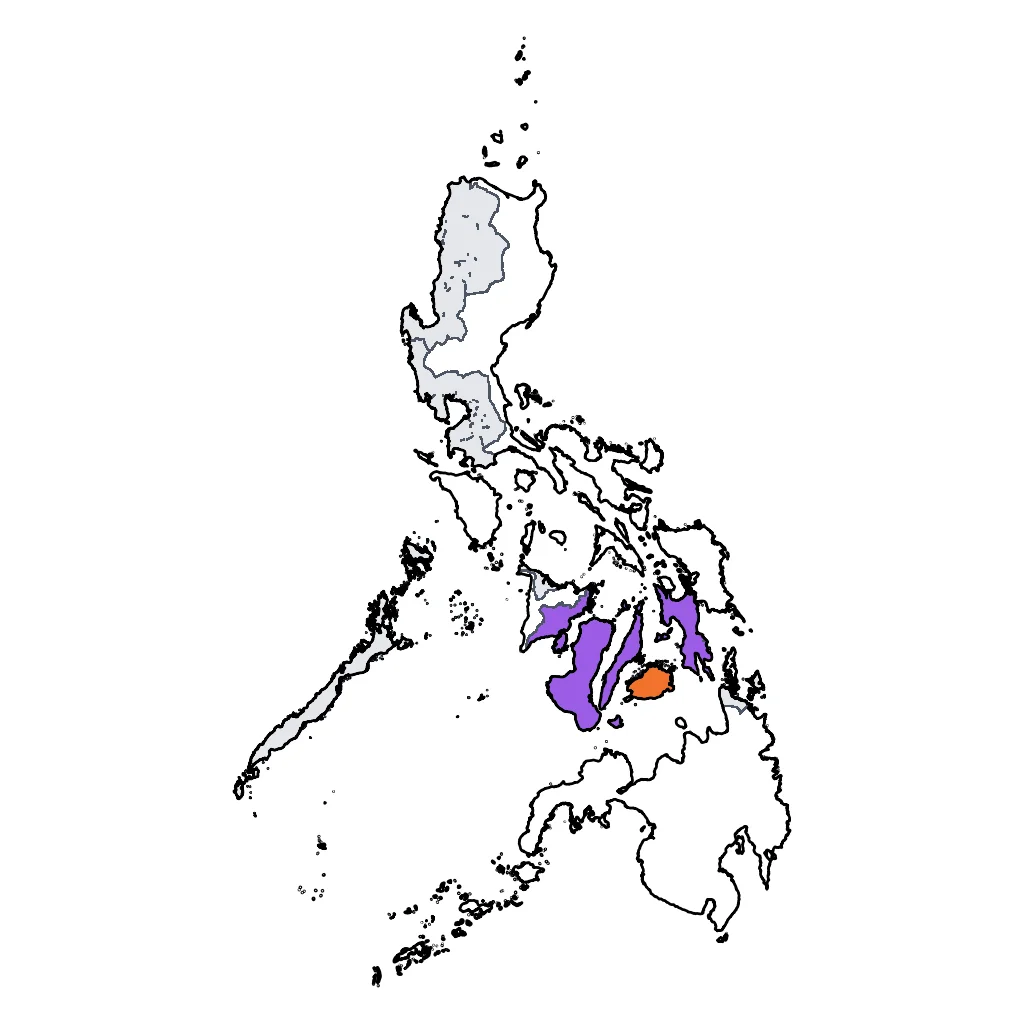
Bohol
Nature's playground with gentle giants and tiny primates 🐒🌿
Bohol stands out as one of the most family-friendly destinations in the Philippines, striking a perfect balance between adventure and accessibility. Unlike some of the more rugged islands, Bohol offers well-paved roads and a countryside charm that makes traveling with children significantly less stressful. The island is best known for its unique geological formations and wildlife, but its laid-back vibe is what keeps families coming back.
The geographic centerpiece is undoubtedly the Chocolate Hills in Carmen. During the dry season (typically late November to May), these 1,200+ cone-shaped hills turn brown, resembling giant chocolate kisses. Viewing decks are accessible via stairs, so parents with toddlers might need a carrier, but the view is worth the climb. Just a short drive away, the Philippine Tarsier Sanctuary in Corella provides a quiet, educational experience where children can see the world's smallest primates clinging to branches. It is crucial to maintain silence here, offering a good lesson in respecting wildlife.
For a relaxing lunch, the Loboc River Cruise is a hit with all ages. Families board a floating raft restaurant that drifts down the emerald-green river while local musicians perform. The water is calm, and the boat is stable, making it safe for young children. Towards the coast, Panglao Island connects to the mainland via two bridges and hosts the majority of the tourist resorts. Alona Beach is the most popular hub, lined with restaurants and dive shops, but families seeking quiet often prefer the calmer stretches of Doljo or Dumaluan Beach. The waters around Balicasag Island offering teeming coral reefs for snorkeling, where sea turtles are frequently spotted close to the surface.
Culturally, Bohol is deeply rooted in history. Several centuries-old stone churches, some rebuilt after the 2013 earthquake, dot the coastline. The climate is generally warm and tropical, with the driest months being from January to May, making this the ideal window for outdoor exploration. While English is widely spoken, learning a few words of Visayan can bring smiles to the friendly locals. For families, Bohol offers a complete package: manageable logistics, distinct natural wonders, and beaches that rival the best in the country.
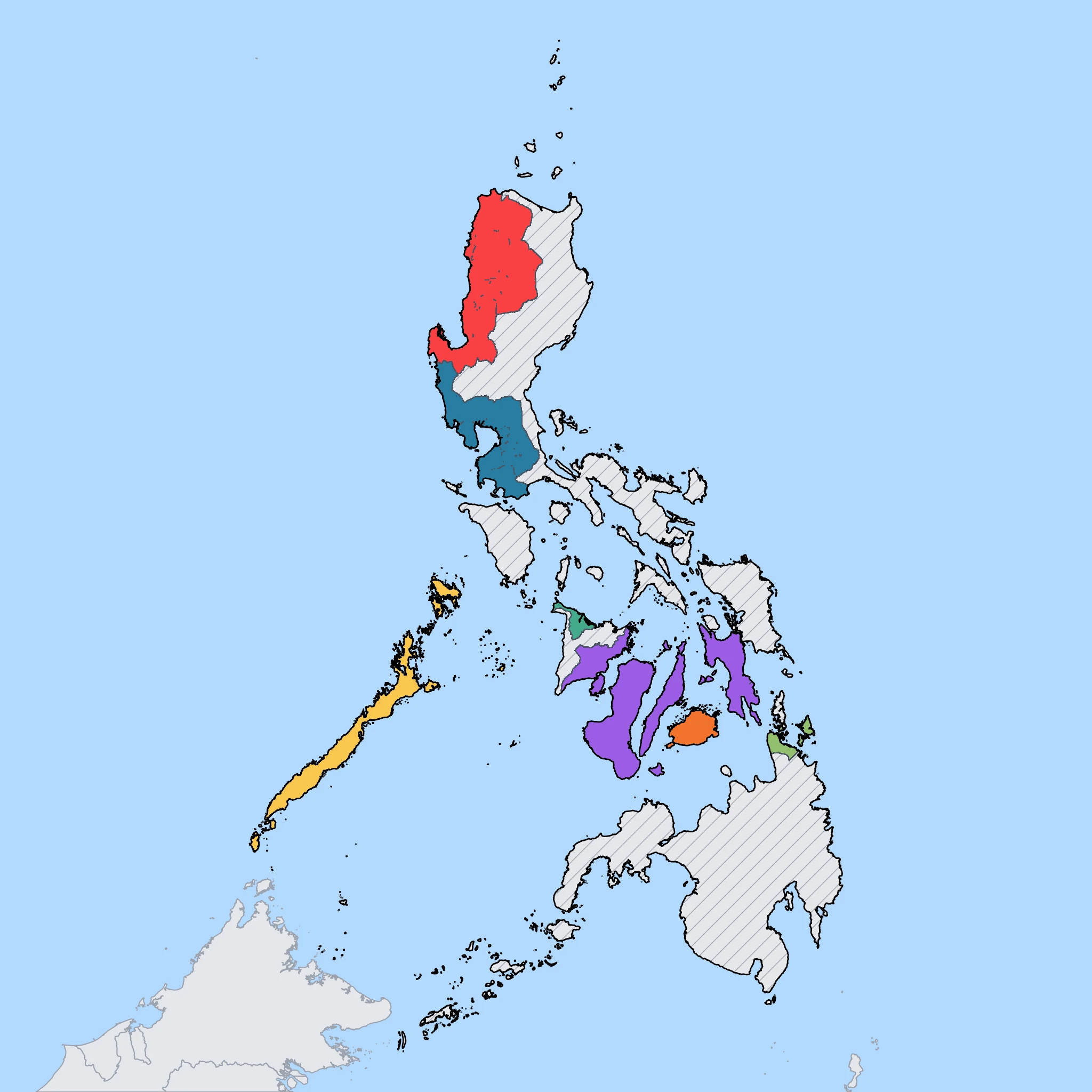
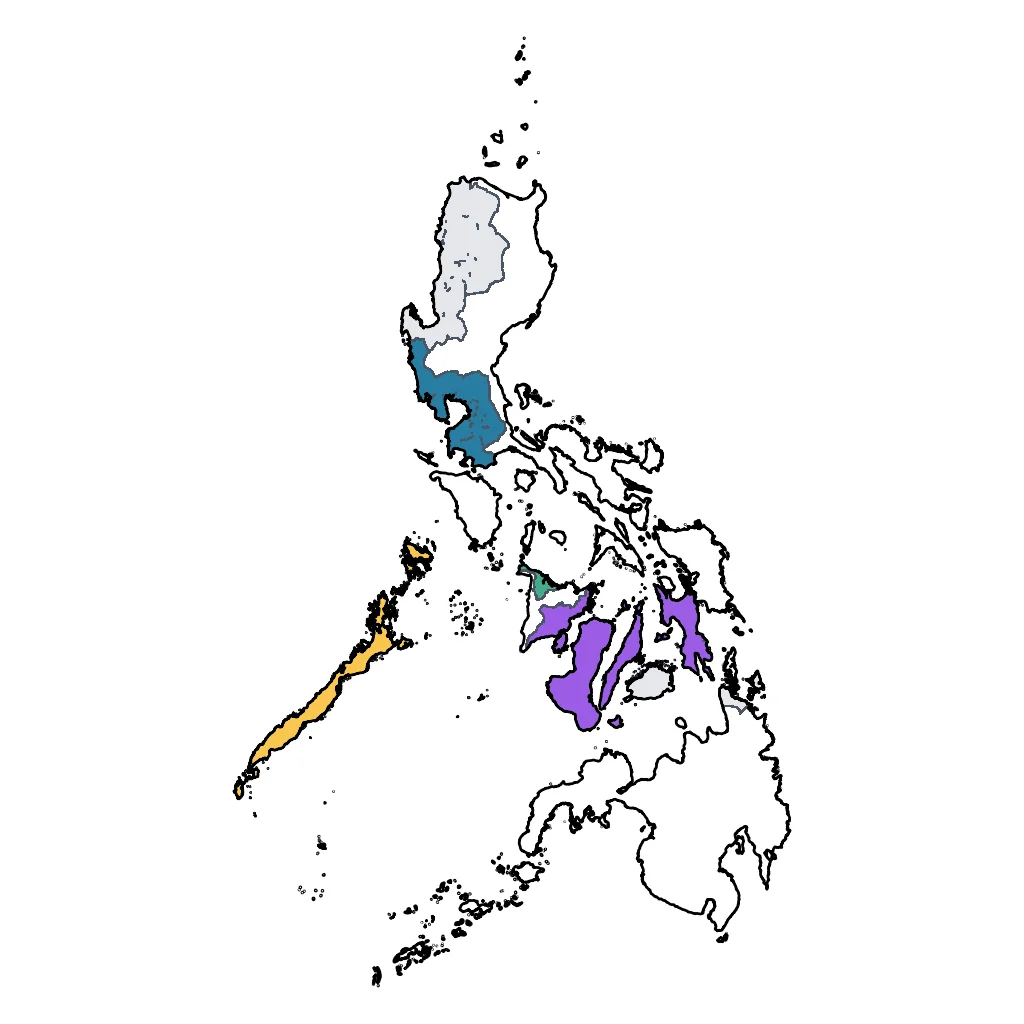
Click a region to explore

Activities & Best Times

Hiking, wildlife, outdoor exploration, ecotourism
While the Chocolate Hills and Tarsier are unique, Bohol's adventure/nature offering is relatively compact (day-trip scale). By international calibration against Costa Rica, Borneo, or Madagascar, 'very_good' is more appropriate. The features are exceptional but the depth and range of adventure activities don't reach 'excellent' tier.
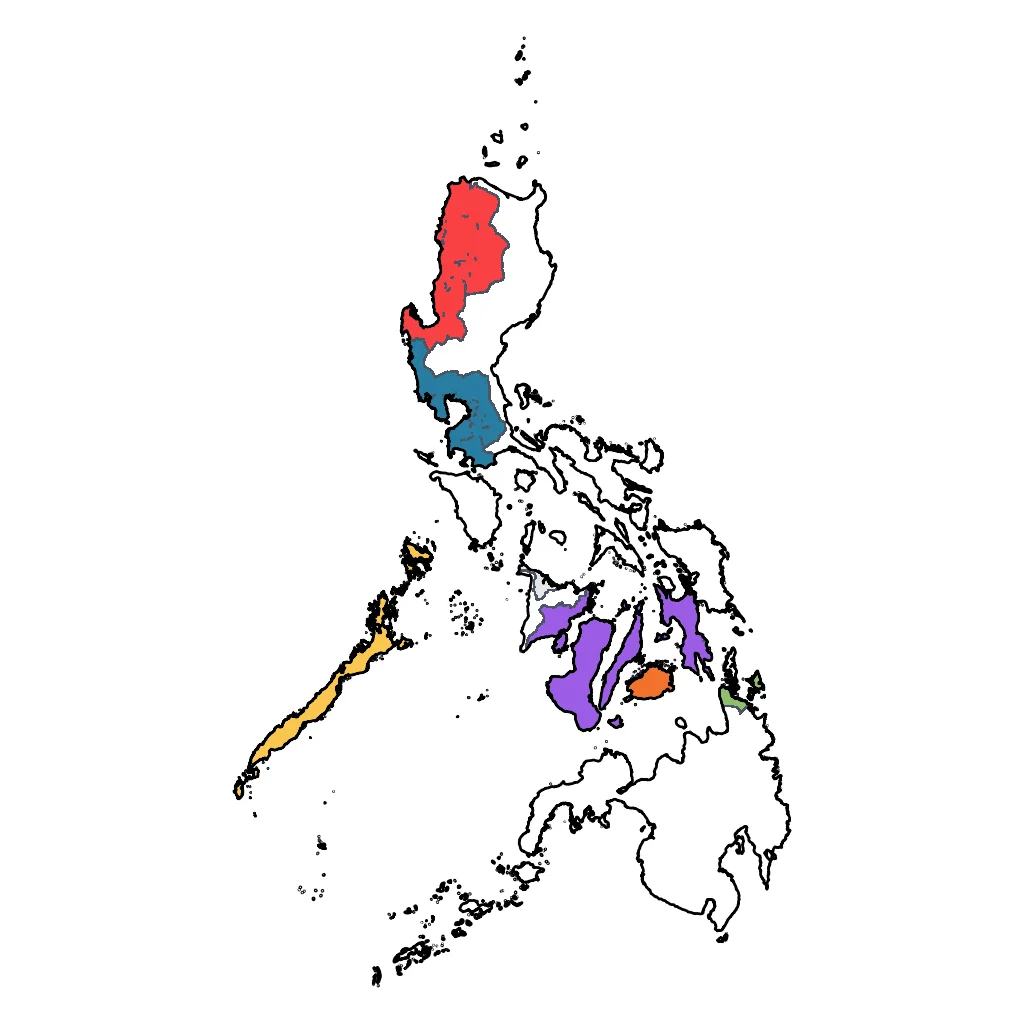

Beach resorts, marine activities: diving, snorkelling, kite surfing, wind surfing, sailing
Panglao Island and the nearby Balicasag Reef offer world-class diving and pristine white-sand beaches with high-end resort infrastructure. Best experienced during the dry window (Mar-Apr) for maximum sea visibility and calm waters, as monsoon rains and tropical depressions frequent the region from June onwards.
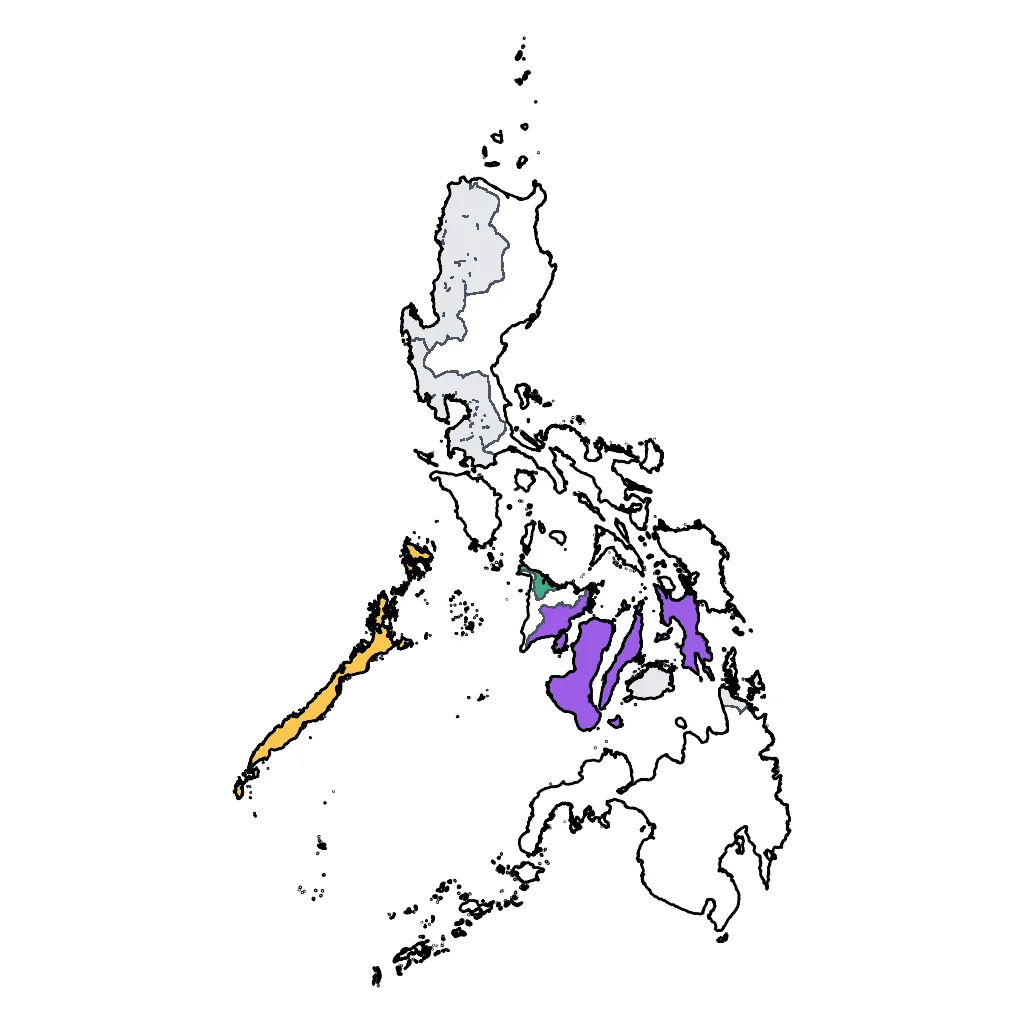

Sport tourism, fitness activities, active recreation
Exceptional opportunities for scuba diving, stand-up paddleboarding on the Loboc River, and cycling through scenic countryside. March and April provide the calmest seas and dryest weather, while the high rainfall and wind from June through December can disrupt water-based activities.
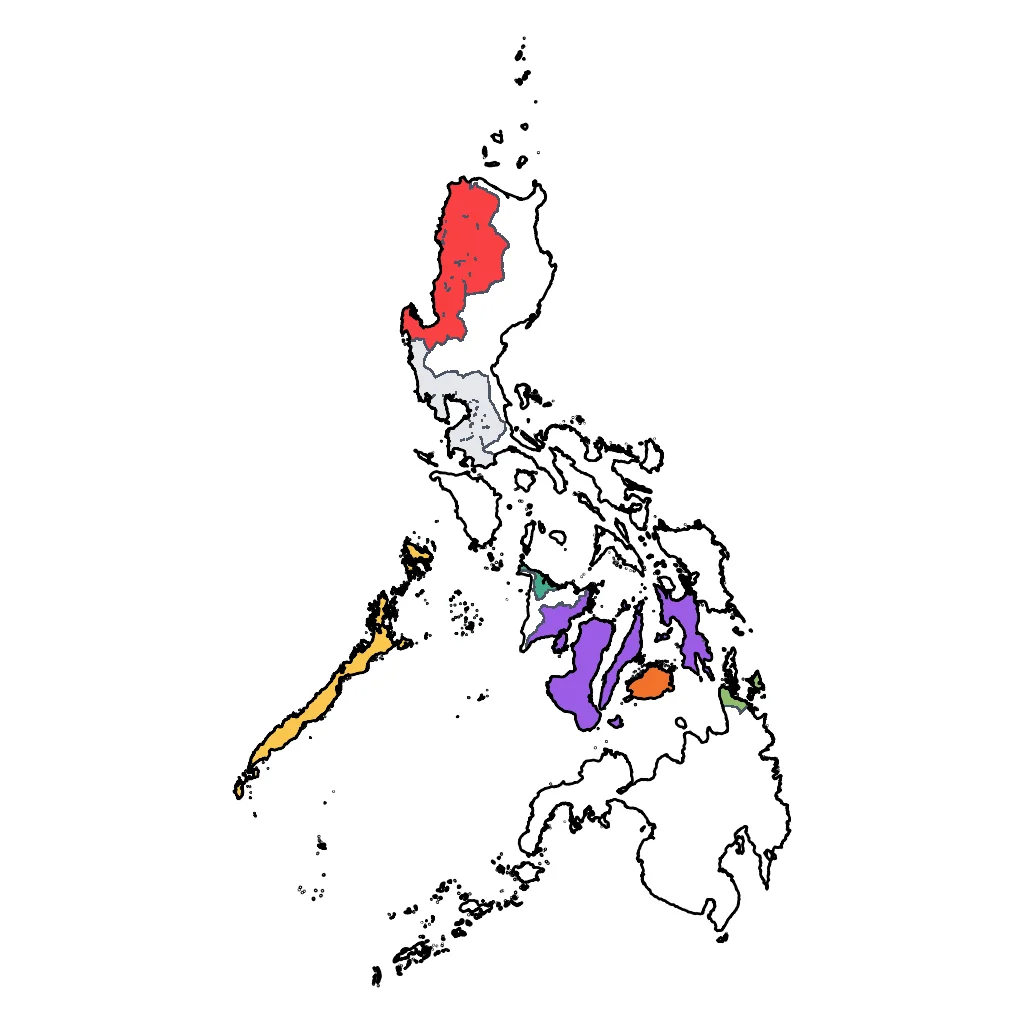

Urban tourism, museums, historical sites, architecture
Features significant Spanish colonial heritage, including some of the country's oldest stone churches and local artisanal crafts. These historical sites are best toured during the drier months when heat is manageable and transport is reliable; heavy rains can impact rural road access to heritage sites.
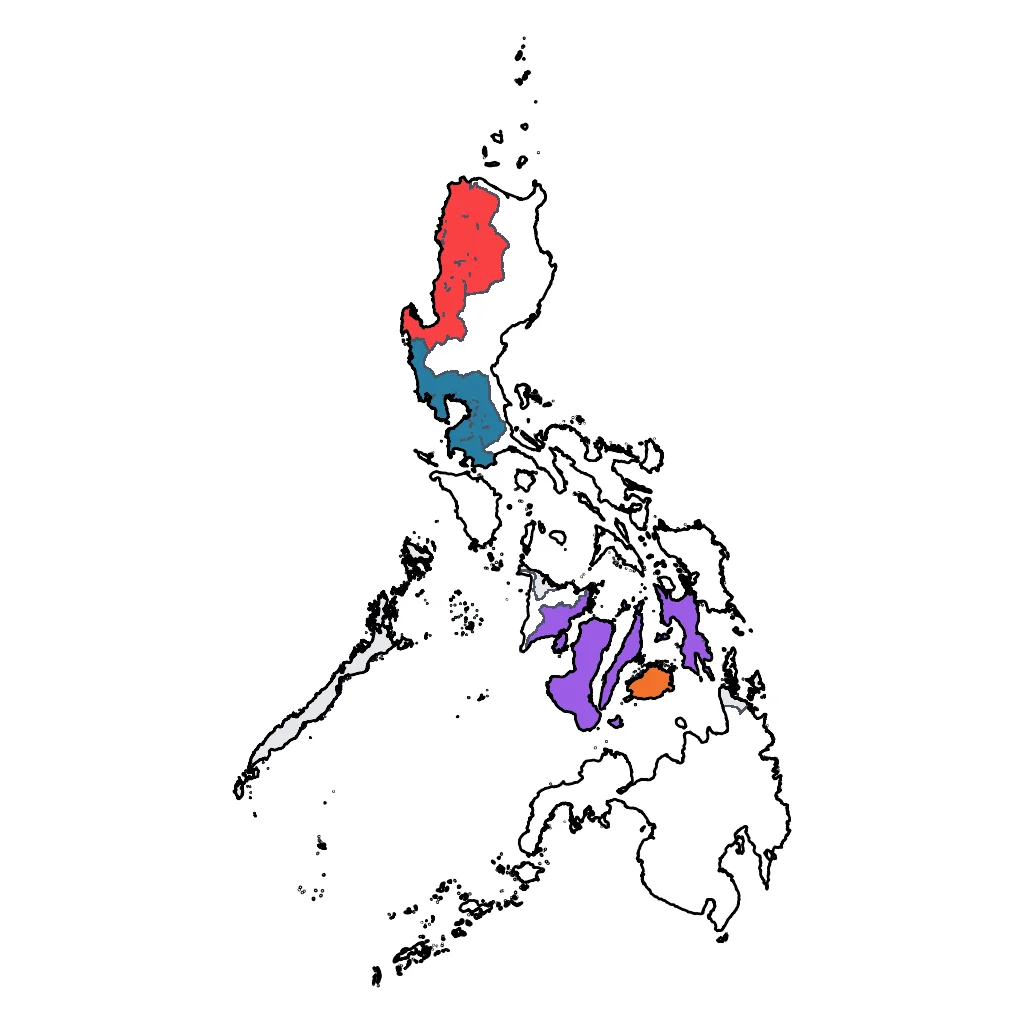

Learning experiences, scientific sites, historical education
Provides high educational value through geological study of the Chocolate Hills and tarsier conservation programs. The dry season (Feb-May) is ideal for families to visit research centers and observe wildlife in their natural habitat without weather-related closures.
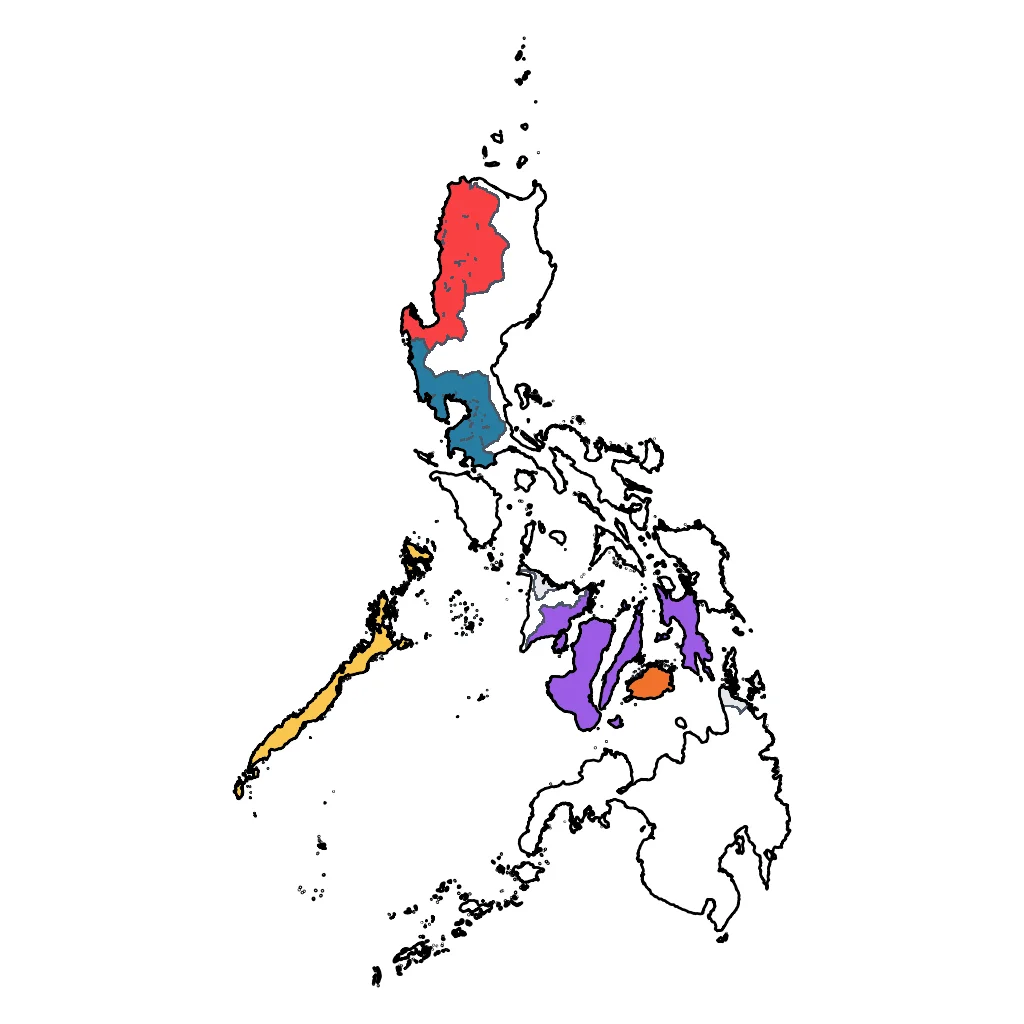

Events, celebrations, seasonal attractions
The Sandugo Festival in July is a culturally significant and authentic celebration of local history and friendship. While July is statistically wet, the vibrant street dances and traditional events make it the peak period for cultural travelers, with surrounding months offering minor celebrations.
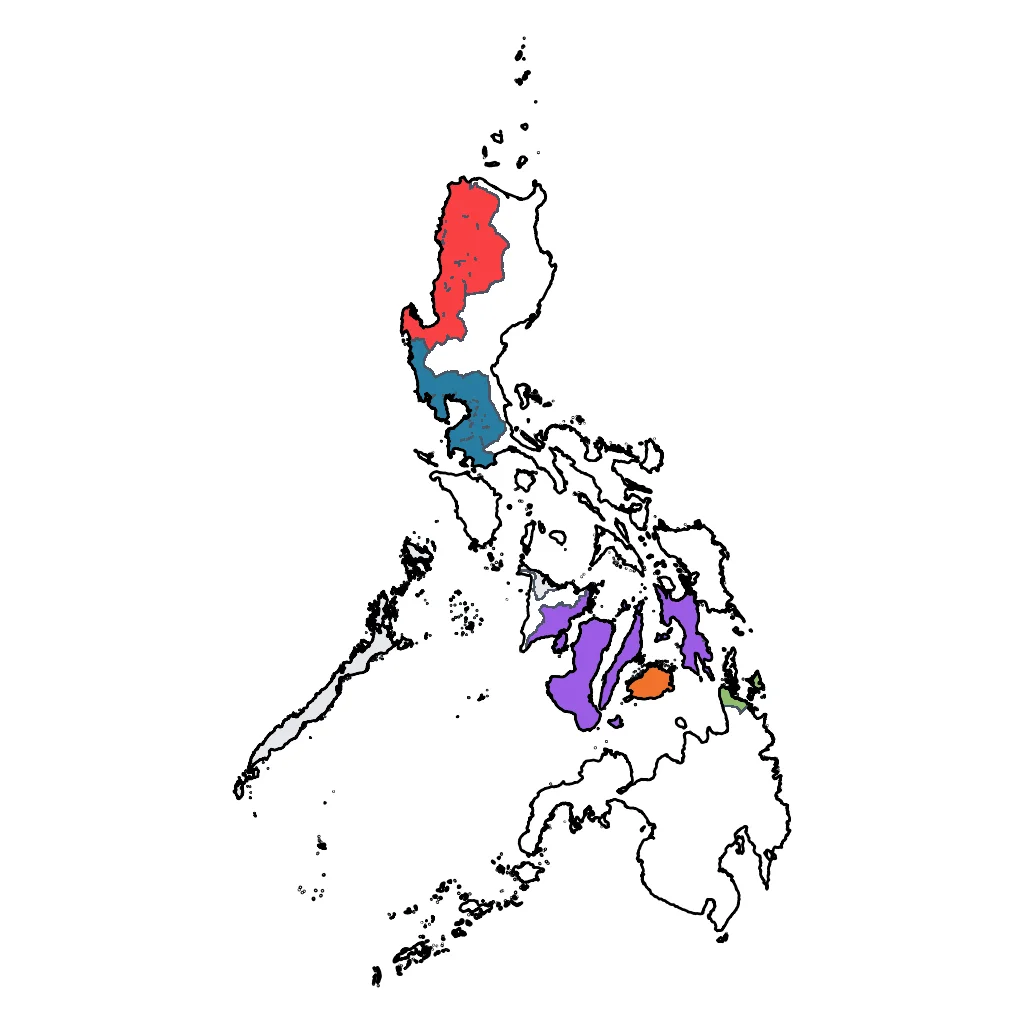

Spa retreats, wellness centers, peaceful getaways
Bohol has some boutique spa resorts but is not an internationally recognized wellness destination. Downgrading to 'good' improves differentiation from Palawan and Manila which have truly world-class wellness offerings (The Farm at San Benito, private island resorts).

Scenic drives, countryside tours, route-based travel
The interior of the island offers exceptionally scenic drives through mahogany forests and traditional agricultural landscapes. Peak dry months ensure clear vistas and safe road conditions, whereas the wet season's heavy precipitation can lead to poor visibility and muddy rural paths.