

The Philippines is an expansive archipelago in Southeast Asia that offers a unique proposition for families: a blend of accessible nature, English-speaking locals, and a culture that places family above all else. Comprising over 7,600 islands, the country is divided into three main island groups, but for family vacations, the focus usually lands on Luzon (the north) and the Visayas (the central islands), where the infrastructure for tourism is most developed.
For nature-loving children, the Philippines serves as a living biology classroom. In Bohol, families can visit the Philippine Tarsier and Wildlife Sanctuary to see one of the world's smallest primates quietly clinging to branches. Just a short drive away lie the Chocolate Hills, a geological formation of over 1,200 conical grass-covered mounds that turn brown in the dry season. Further west in Palawan, the Puerto Princesa Subterranean River allows families to paddle into a massive limestone cave system filled with bats and rock formations, a UNESCO World Heritage site that captures the imagination of older kids.
Water activities are the core of daily life here. Unlike the heavy surf often found in other Pacific destinations, many Filipino beaches, such as those on Boracay or Panglao, feature shallow, calm waters ideal for toddlers and novice swimmers. Families can rent a bangka (a traditional outrigger boat) for island-hopping tours where guides often cook fresh fish and rice on the boat or a secluded beach. Snorkeling is accessible even for beginners; places like Moalboal in Cebu allow you to see sea turtles and sardine runs just meters from the shore.
Filipino culture is heavily influenced by Spanish colonial history and modern American ties. Intramuros in Manila offers cobblestone streets and horse-drawn carriage rides through historic forts. Food here is generally kid-friendly and less spicy than in neighboring countries. Children usually enjoy Chicken Adobo (braised in soy sauce and vinegar), Lumpia (crispy spring rolls), and the famous Halo-halo, a dessert of shaved ice, evaporated milk, and sweet beans. A visit to Jollibee, the beloved local fast-food chain known for its sweet spaghetti, is practically a cultural rite of passage.
Practical Considerations:
Travel logistics in an archipelago can be complex. moving between islands requires domestic flights or ferries, which can be subject to weather delays. Families with young children may prefer basing themselves in one location like Cebu or Boracay to avoid frequent transit. Tricycles (motorcycles with sidecars) are a common, fun, and loud way to take short trips within towns.
While the major tourist zones in Luzon and the Visayas are generally safe, travelers should stay updated on government advice regarding parts of Mindanao in the far south, where instability can occur. The tropical sun is intense, so high-SPF sunscreen and hats are essential. Stick to bottled or purified water to prevent stomach issues, and pack lightweight,

Explore Regions
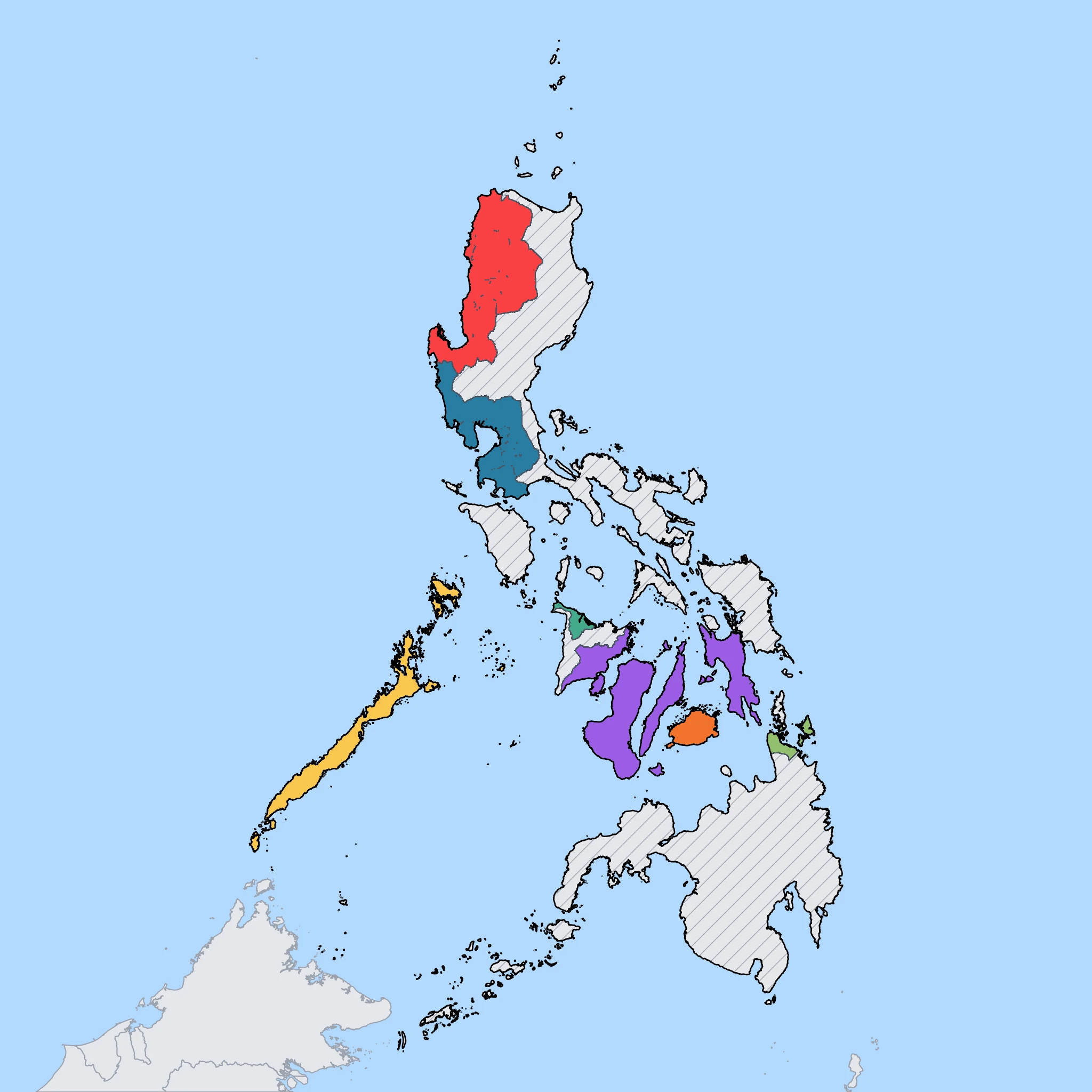
7 Regions
Bohol
Nature's playground with gentle giants and tiny primates 🐒🌿
Boracay
The world's most famous powdery white sand 🏖️☀️
Cebu & Visayas
Urban history meets underwater adventure 🦈🏙️
Manila & Luzon
The vibrant heart of culture and history 🇵🇭🏛️
Northern Luzon (Banaue, Sagada)
mountains, mists, and ancient traditions ⛰️🌾
Palawan (El Nido, Coron)
The last ecological frontier 🛶🏝️
Siargao (surfing)
Island vibes, coconut trees, and surf 🏄♂️🌴
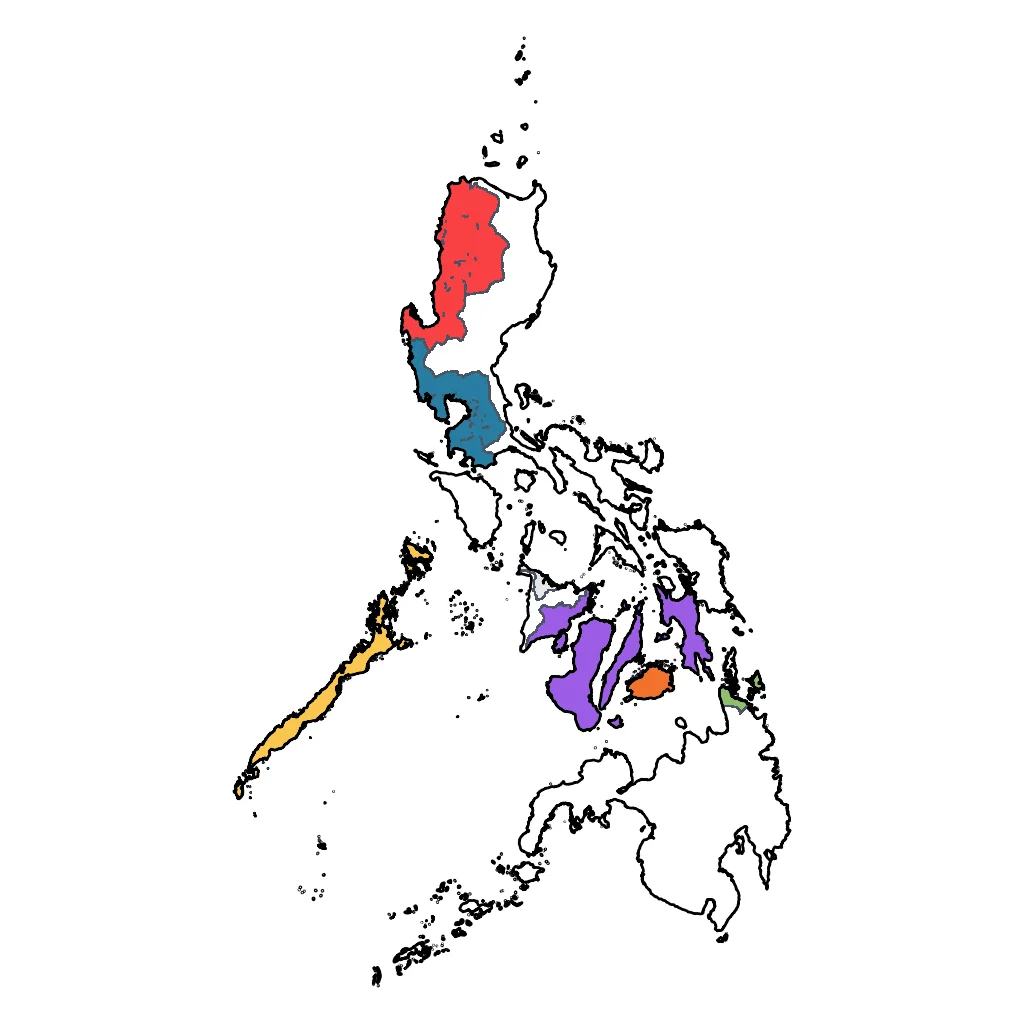
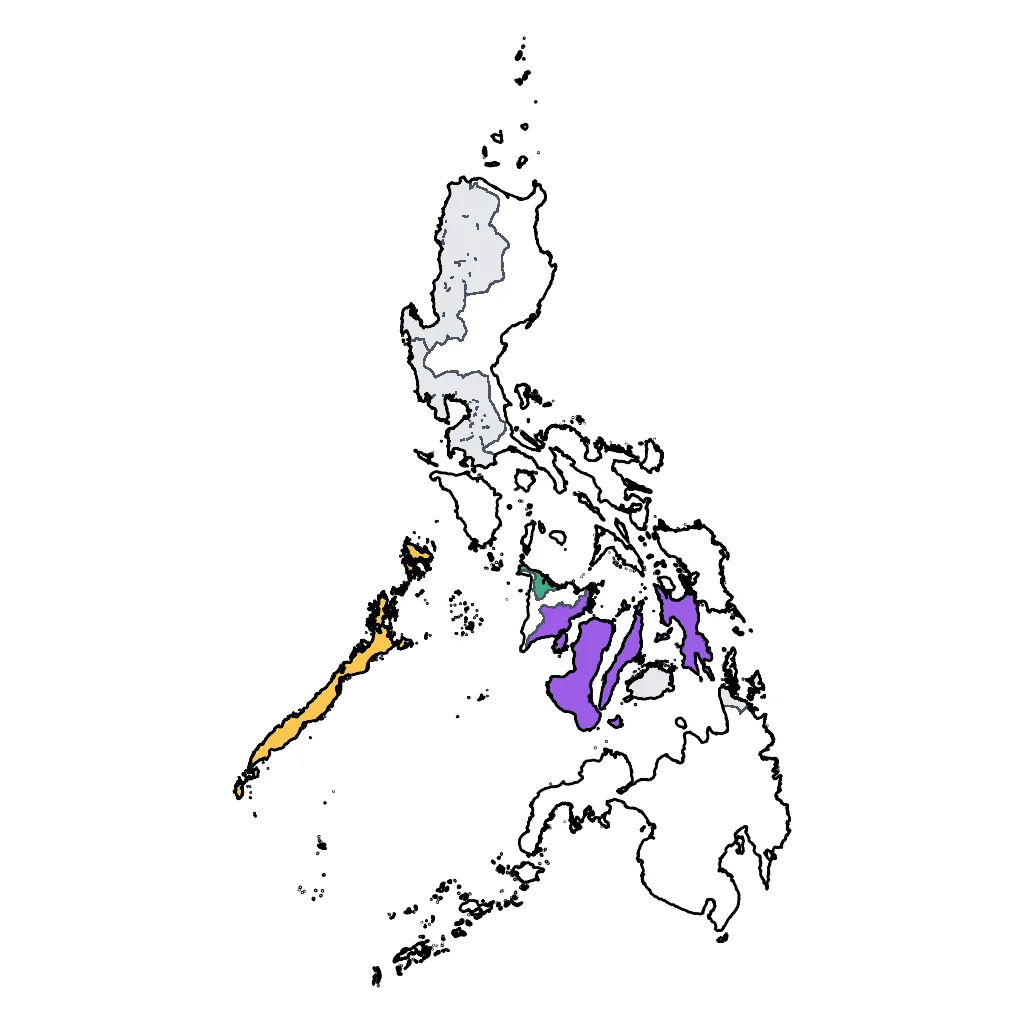
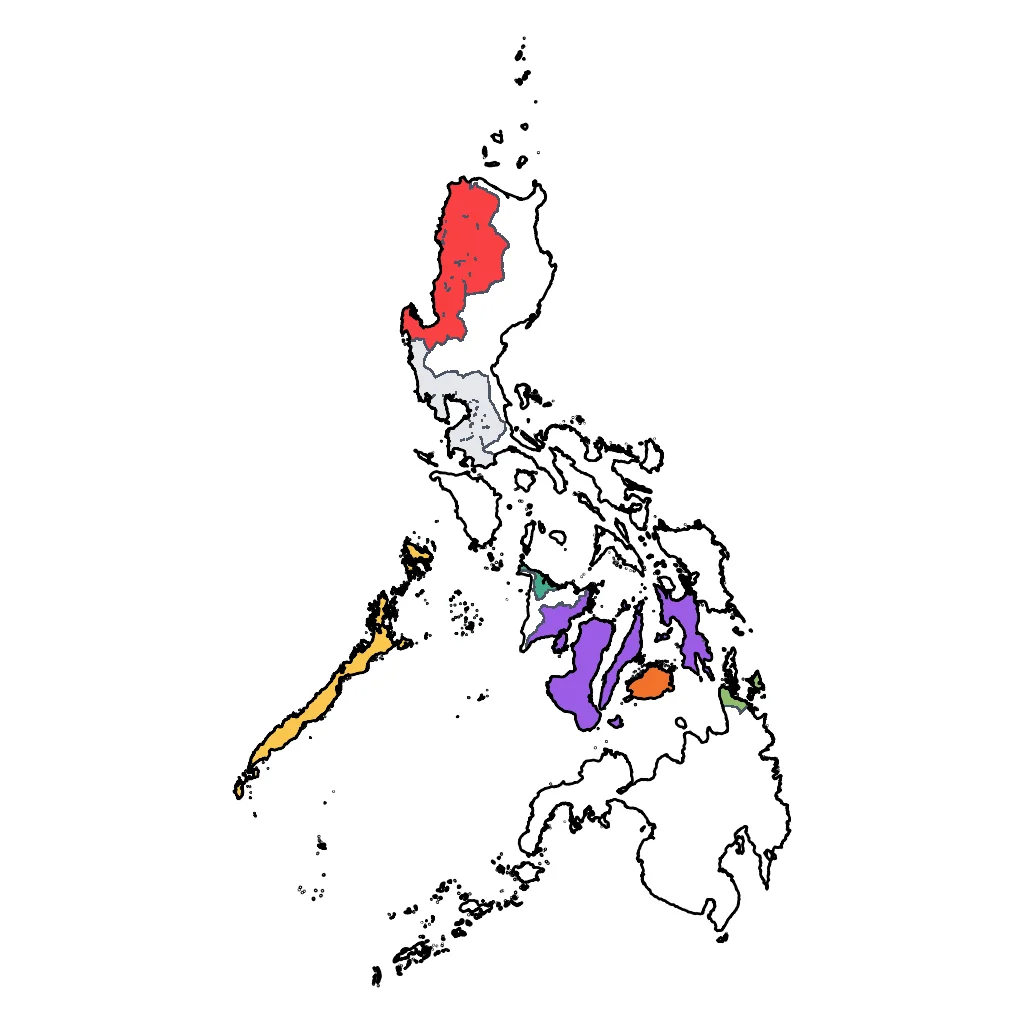
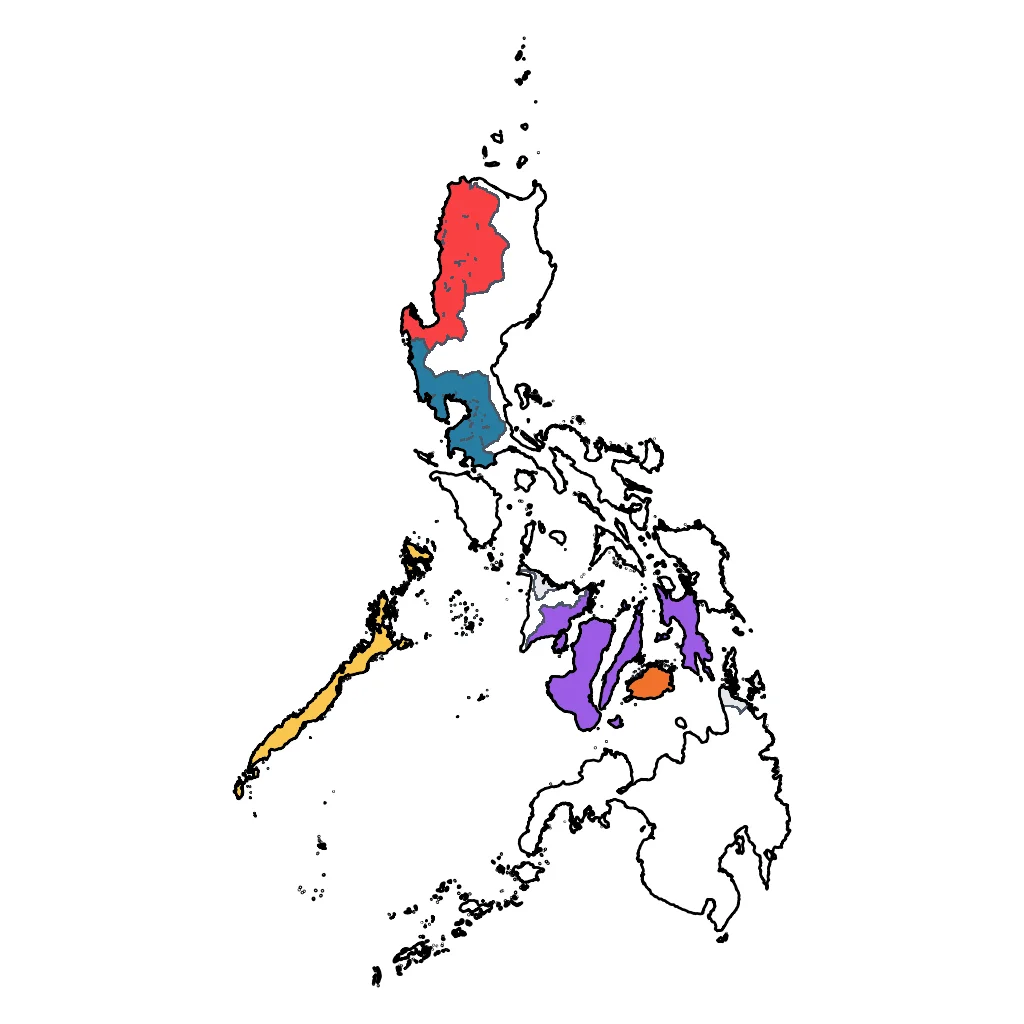
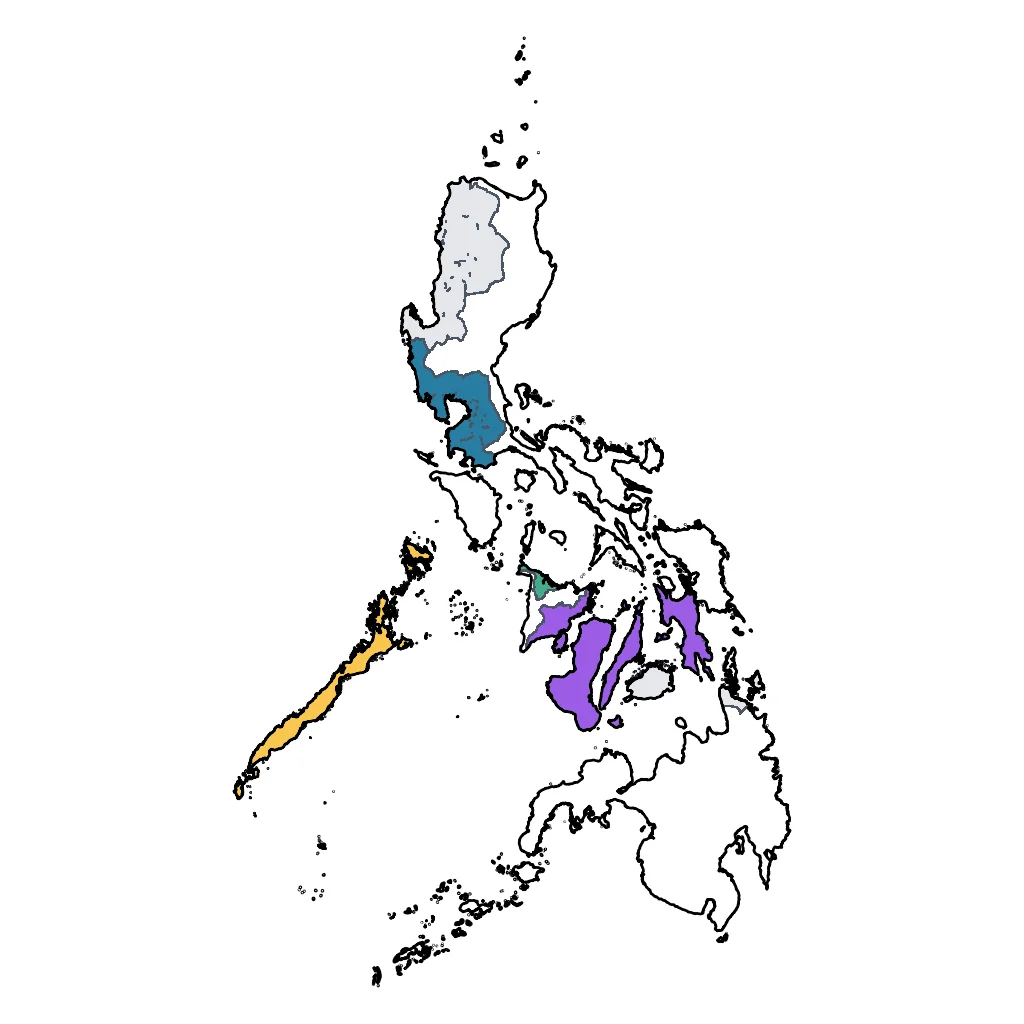
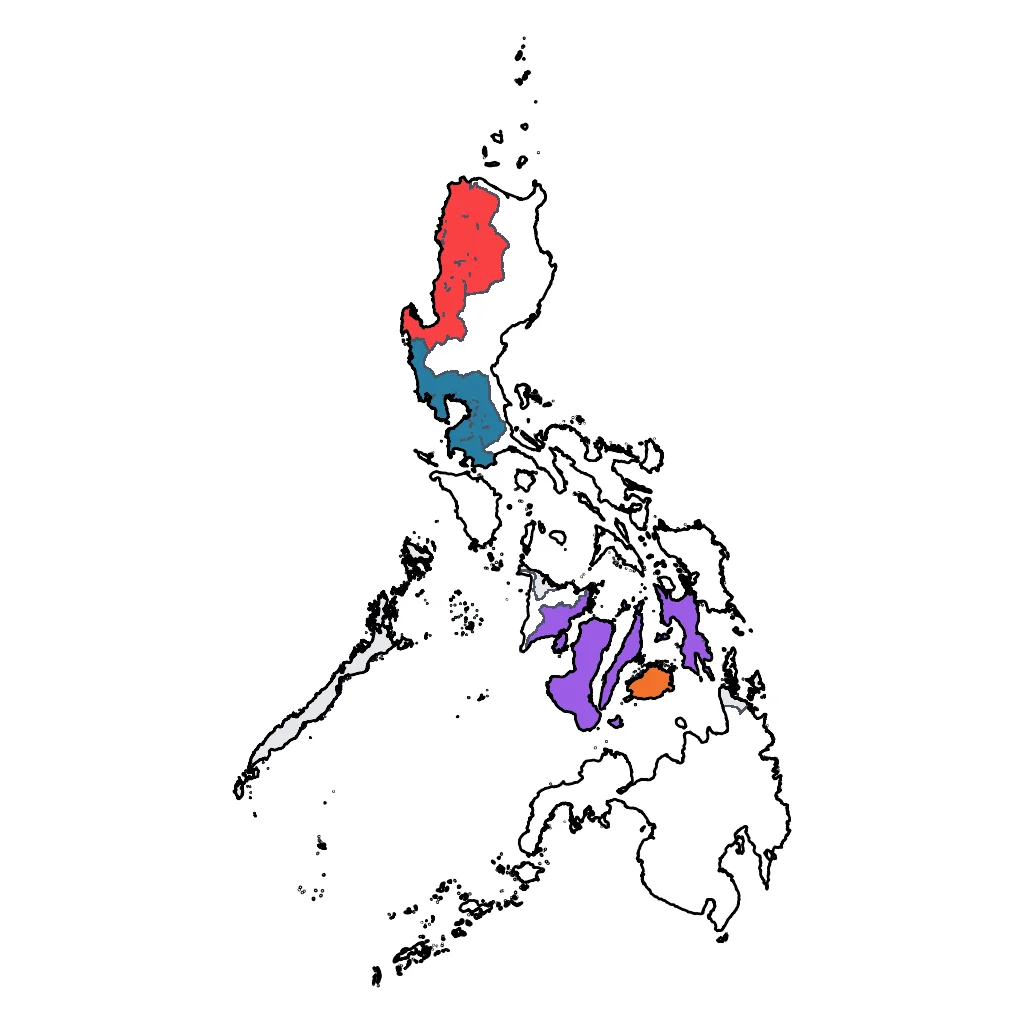
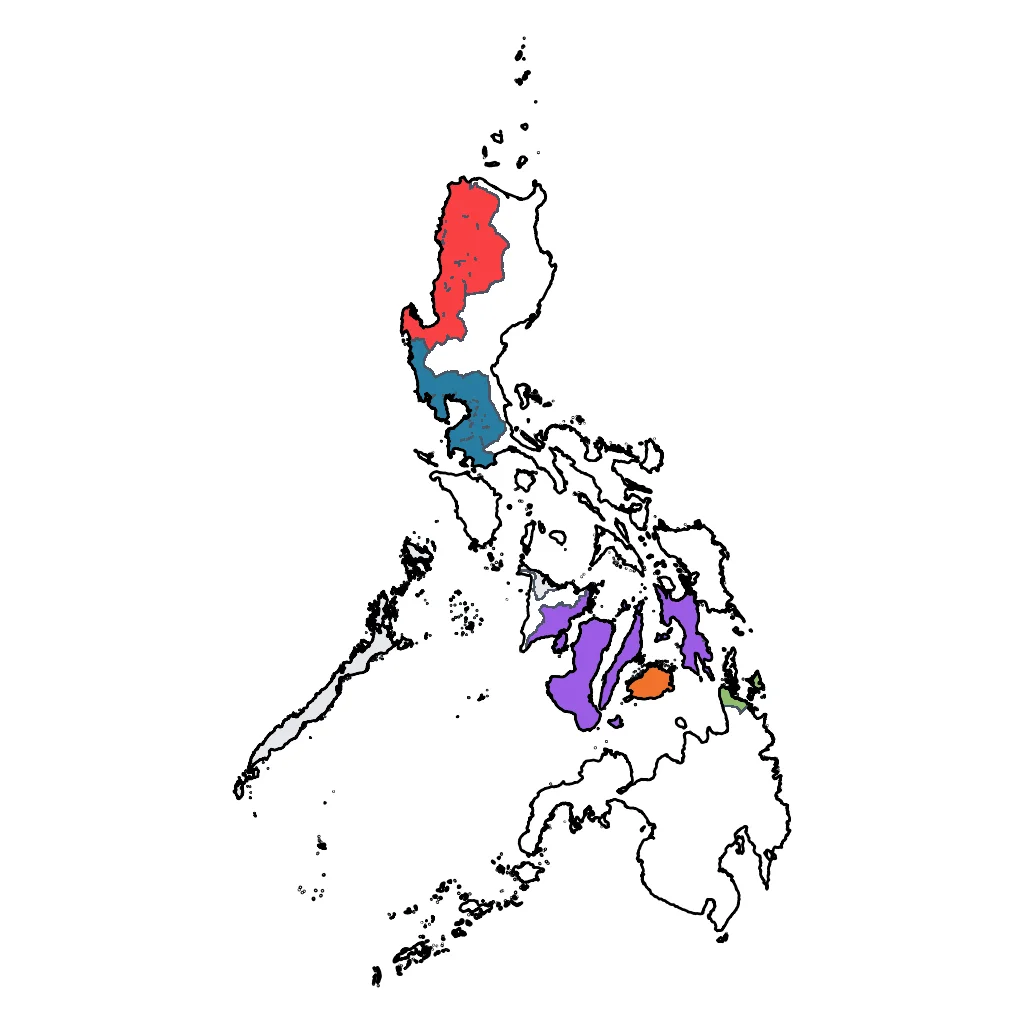
Click on a region marker to explore details. Use the dropdown to color regions by activity suitability.

Activities & Best Times

Adventure & Nature
ExcellentHiking, wildlife, outdoor exploration, ecotourism
Home to unique karst ecosystems and the UNESCO-listed Puerto Princesa Underground River, offering authentic wilderness exploration. The dry season (Jan–Apr) is optimal for safe trail navigation and lagoon access, while heavy rainfall exceeding 250mm/month in the off-season often results in site closures and murky waters.
Home to the UNESCO-listed Banaue Rice Terraces, offering a globally unique landscape and world-class trekking through vertical agricultural wonders. Peak months align with the dry season, providing clear views and safe trails, while the heavy monsoon (Jun-Oct) creates significant landslide risks and poor visibility.
While the Chocolate Hills and Tarsier are unique, Bohol's adventure/nature offering is relatively compact (day-trip scale). By international calibration against Costa Rica, Borneo, or Madagascar, 'very_good' is more appropriate. The features are exceptional but the depth and range of adventure activities don't reach 'excellent' tier.

Beach & Sea
ExcellentBeach resorts, marine activities: diving, snorkelling, kite surfing, wind surfing, sailing
A global benchmark for island beauty, featuring world-class shipwreck diving in Coron and pristine hidden lagoons in El Nido. Peak months offer the dry conditions (<60mm rain) and high visibility (>20m) required for a premium marine experience, whereas the monsoon season brings rough seas and heavy precipitation.
White Beach is globally recognized for its unique, powder-soft sand and crystal-clear turquoise waters, with high-end private enclaves at Station 0 and 1 catering to discerning families. Peak conditions occur during the driest months (Feb-Apr) when the sea is calm and visibility is optimal; the monsoon season (Jun-Dec) brings heavy rainfall exceeding 200mm and rougher surf.
Home to world-class diving sites like Malapascua and Moalboal, featuring incredible biodiversity and thresher sharks. The driest months (Feb-Apr) offer optimal underwater visibility and calm seas, while the monsoon season (Jun-Nov) brings high rainfall and potential marine travel disruptions.

Sports & Active
ExcellentSport tourism, fitness activities, active recreation
Home to the world-renowned 'Cloud 9' break, Siargao offers world-class surfing infrastructure and an authentic, sophisticated surf culture. Peak swell and international competitions occur in August-October; shoulder months offer cleaner, smaller waves, while the heavy rains and onshore winds of November-March make conditions unsuitable.
Offers exceptional sea kayaking, paddleboarding, and world-class technical wreck diving for active travelers. The calm, turquoise waters of the dry season provide ideal conditions for water-based recreation, while monsoon-driven swells during the off-months make active maritime exploration hazardous.
Bulabog Beach is a world-class hub for kiteboarding and windsurfing, benefiting from consistent trade winds during the Amihan season. Peak months offer the best combination of reliable wind and low rainfall; the Habagat monsoon (Jun-Oct) is unsuitable due to high storm risk and unpredictable winds.

Educational & Exploratory
Very GoodLearning experiences, scientific sites, historical education
A living museum of 2,000-year-old hydraulic engineering and indigenous sociology that fascinates sophisticated travelers. Dry conditions from December to April are essential for navigating the complex terrace systems and visiting remote heritage sites with expert local guides.
Provides significant learning opportunities regarding WWII maritime history through well-preserved shipwrecks and complex tropical geology. Educational site access is most reliable during the stable weather of the peak months, while tropical depressions in the latter half of the year can limit scientific and historical tours.
Provides high educational value through geological study of the Chocolate Hills and tarsier conservation programs. The dry season (Feb-May) is ideal for families to visit research centers and observe wildlife in their natural habitat without weather-related closures.

Relaxation & Wellness
Very GoodSpa retreats, wellness centers, peaceful getaways
Host to some of the world's most exclusive private island eco-resorts that provide high-end spa facilities and total seclusion for discerning families. Peak conditions align with low humidity (64-65%) and pleasant sea breezes; however, the extreme humidity and storm risks of the wet season can detract from the luxury experience.
The island features several world-class luxury spa retreats and secluded private villas that offer sophisticated wellness programs in a tranquil tropical setting. Dry months (Feb-Apr) provide the best environment for outdoor yoga and beachside treatments; the high rainfall and humidity of the monsoon months significantly limit the outdoor relaxation experience.
Features internationally acclaimed boutique wellness retreats and eco-luxury resorts focused on holistic health. The dry season (Feb-Apr) offers the low humidity necessary for outdoor spa treatments and meditation, whereas the monsoon period's oppressive heat and rain are less conducive to relaxation.

City & Cultural
Very GoodUrban tourism, museums, historical sites, architecture
Offers profound insights into indigenous Cordilleran traditions and the unique burial customs of Sagada's hanging coffins. While lacking modern city luxury, its cultural authenticity is world-class; however, accessibility to remote villages is severely hampered by heavy rainfall in the off-season.
Features significant Spanish colonial heritage, including some of the country's oldest stone churches and local artisanal crafts. These historical sites are best toured during the drier months when heat is manageable and transport is reliable; heavy rains can impact rural road access to heritage sites.
Cebu City provides a rich tapestry of Spanish colonial history and significant religious landmarks. The first quarter of the year is ideal for walking tours, especially during the vibrant Sinulog festival in January, while the latter half of the year is characterized by uncomfortable humidity and heavy precipitation.

Festivals & Seasonal
Very GoodEvents, celebrations, seasonal attractions
The region hosts the world-renowned Sinulog festival in January and traditional Lenten rituals in April. These months offer deep cultural immersion, while the peak of the rainy season (Jun-Nov) is generally avoided for major outdoor celebrations due to unpredictable weather.
Features authentic celebrations like the Imbayah festival (April) and nearby Baguio's Panagbenga (February), showcasing vibrant Cordilleran heritage. These events align with the best weather, though the region lacks significant international-scale festivals during the long rainy season.
The Sandugo Festival in July is a culturally significant and authentic celebration of local history and friendship. While July is statistically wet, the vibrant street dances and traditional events make it the peak period for cultural travelers, with surrounding months offering minor celebrations.

Road Trips & Scenic
GoodScenic drives, countryside tours, route-based travel
The interior of the island offers exceptionally scenic drives through mahogany forests and traditional agricultural landscapes. Peak dry months ensure clear vistas and safe road conditions, whereas the wet season's heavy precipitation can lead to poor visibility and muddy rural paths.
Scenic coastal drives around Cebu and rural island circuits in Bohol offer an authentic look at island life. Best traveled during the dry months (Feb-Apr) for safety and visibility, as the rainy season can lead to localized flooding and more challenging road conditions.
The Halsema Highway offers breathtaking mountain vistas but remains a challenging drive for international families due to steep terrain and unpredictable road quality. Travel is only recommended during the height of the dry season to avoid the frequent landslides triggered by even moderate rainfall.

Theme Park & Entertainment
MarginalAmusement parks, family entertainment venues
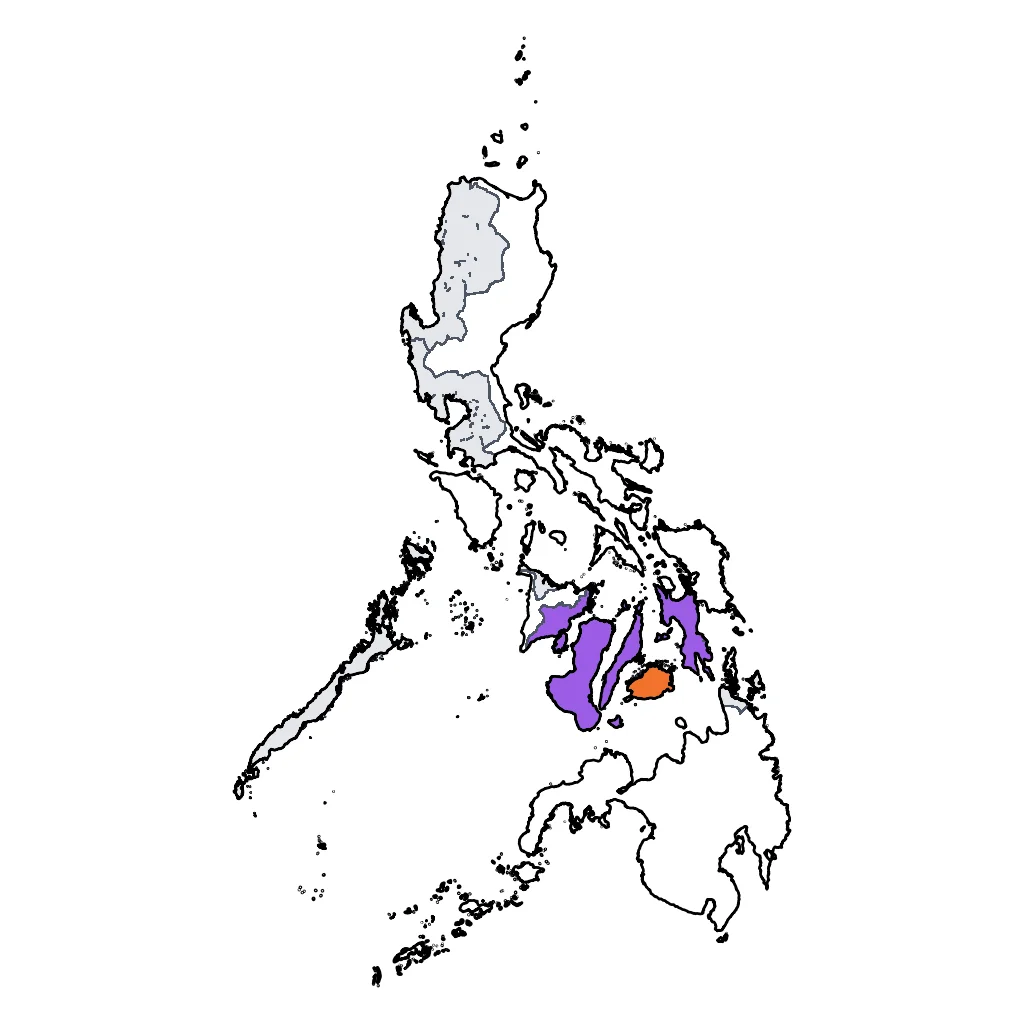

Airports & Flight Routes
Toggle options to view domestic routes and international airports. Click an airport for details.

Climate & Weather
Bohol
Show Details
| Month | Temp °C | Rain | Humidity |
|---|
Boracay
Show Details
| Month | Temp °C | Rain | Humidity |
|---|
Cebu & Visayas
Show Details
| Month | Temp °C | Rain | Humidity |
|---|
Manila & Luzon
Show Details
| Month | Temp °C | Rain | Humidity |
|---|
Northern Luzon (Banaue, Sagada)
Show Details
| Month | Temp °C | Rain | Humidity |
|---|
Palawan (El Nido, Coron)
Show Details
| Month | Temp °C | Rain | Humidity |
|---|

Travel Advisory
All six agencies maintain a consistent baseline of heightened caution for the entire country, primarily due to crime and terrorism, with specific high-risk zones in the southern regions.
Safety Topics
Traveller Advice (3 groups)

Always monitor local weather alerts during typhoon season and register your presence through your home government's travel portal for emergency updates.

While generally tolerated in urban hubs, same-sex relationships lack comprehensive legal protections, and public displays of affection may attract unwanted attention in conservative areas.

Female visitors should exercise vigilance against verbal and physical harassment, especially when travelling solo or in isolated areas after dark.