Manila & Luzon
The vibrant heart of culture and history 🇵🇭🏛️
Manila and the broader Luzon region offer a deep dive into Filipino culture, history, and modern entertainment. While the capital, Metro Manila, is known for its density and traffic, it holds several gems for families. The walled city of Intramuros is a standout, where you can rent bamboo bicycles or ride horse-drawn carriages (kalesas) to explore Spanish-era dungeons and forts. It’s a tangible history lesson that feels like an adventure. For indoor breaks from the tropical heat, The Mind Museum in Bonifacio Global City offers world-class interactive science exhibits, while the Manila Ocean Park provides a fascinating look at local marine life.
Escaping the city is a popular weekend tradition. Just two hours south lies Tagaytay City, perched on a ridge overlooking Taal Volcano. The climate here is noticeably cooler, and families can enjoy lunch with a view of the volcano sitting inside a lake. There are also several puzzle mansions and small zoos in the area. Further south, the beaches of Batangas offer accessible snorkeling and diving spots without needing a flight. The water is clear, and the resorts range from budget-friendly to luxury.
To the north of Manila, the former US military bases of Subic and Clark have been transformed into family leisure zones. Subic Bay is particularly famous for its drive-through tiger safari at Zoobic Safari and the Ocean Adventure park where animals are viewed in open-water environments. These areas are well-planned with wide roads and American-style infrastructure, making them very easy to navigate with a rental car.
When traveling in Luzon, patience is key regarding road transport. Distances may look short on a map, but travel times can be long due to congestion. However, the convenience of having access to major medical facilities, varied international dining, and large shopping malls makes it a practical choice for families, especially those with infants who need access to specific supplies.
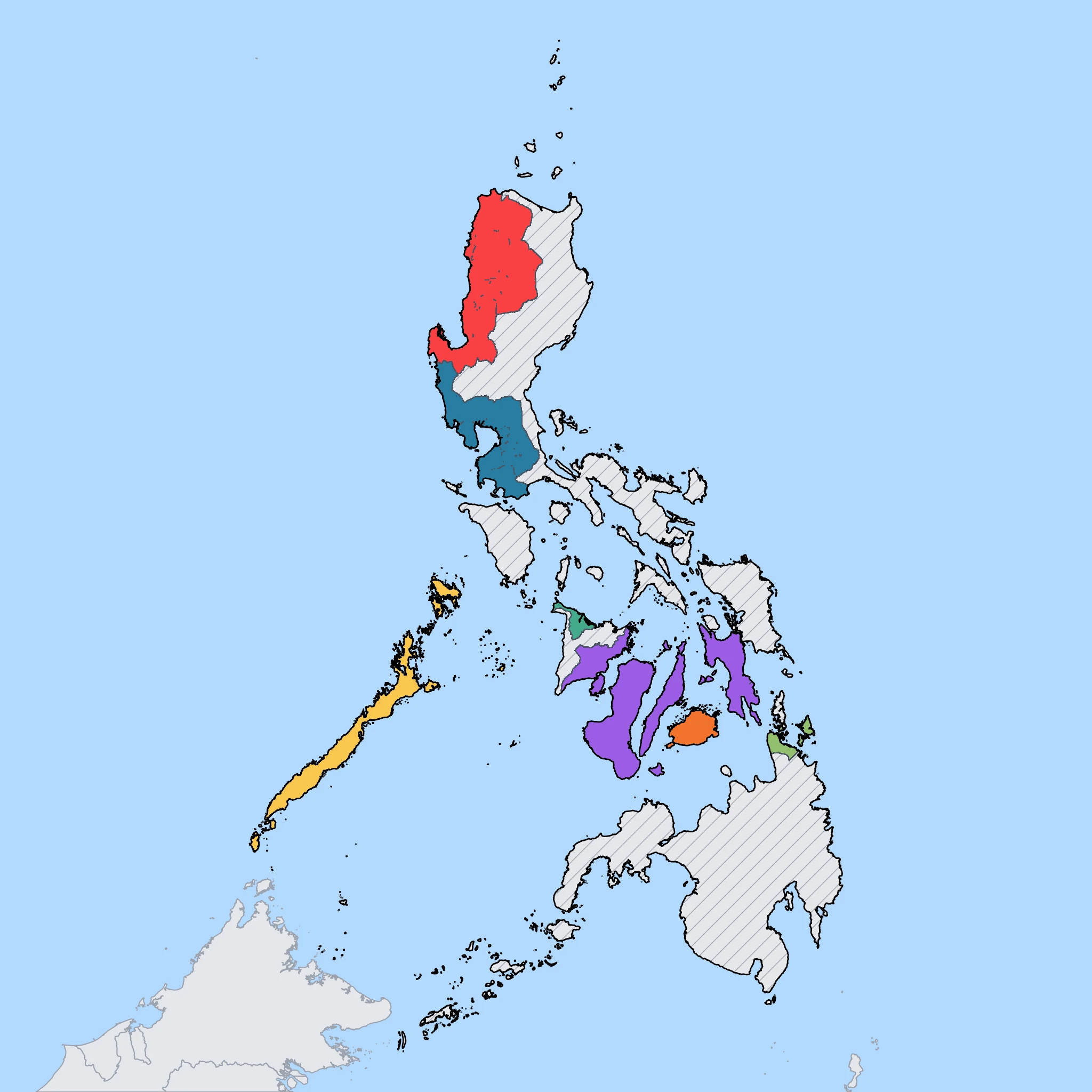
Click a region to explore

Activities & Best Times

Hiking, wildlife, outdoor exploration, ecotourism
Luzon offers world-class volcanic trekking at Mt. Pinatubo and the UNESCO-listed Rice Terraces of the Cordilleras, providing high-altitude wilderness unique to Southeast Asia. Peak months align with the dry season, ensuring safe trail conditions and clear views, while the monsoon months (Jun-Oct) pose significant landslide risks.
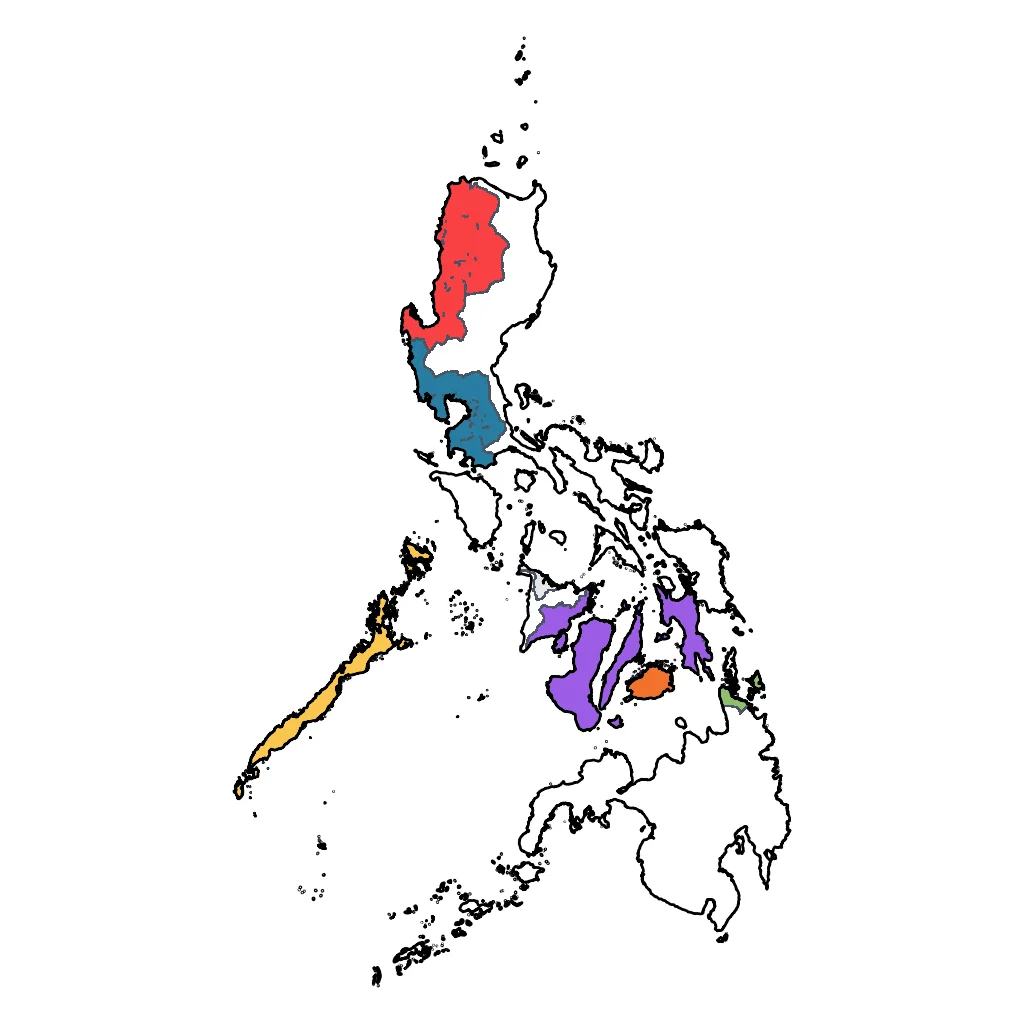

Spa retreats, wellness centers, peaceful getaways
Home to internationally acclaimed holistic retreats like The Farm at San Benito, the region offers sophisticated wellness experiences rooted in traditional healing. The dry season provides the low humidity necessary for outdoor meditation and spa circuits, whereas the heavy monsoon rains disrupt the tranquil, open-air environment.
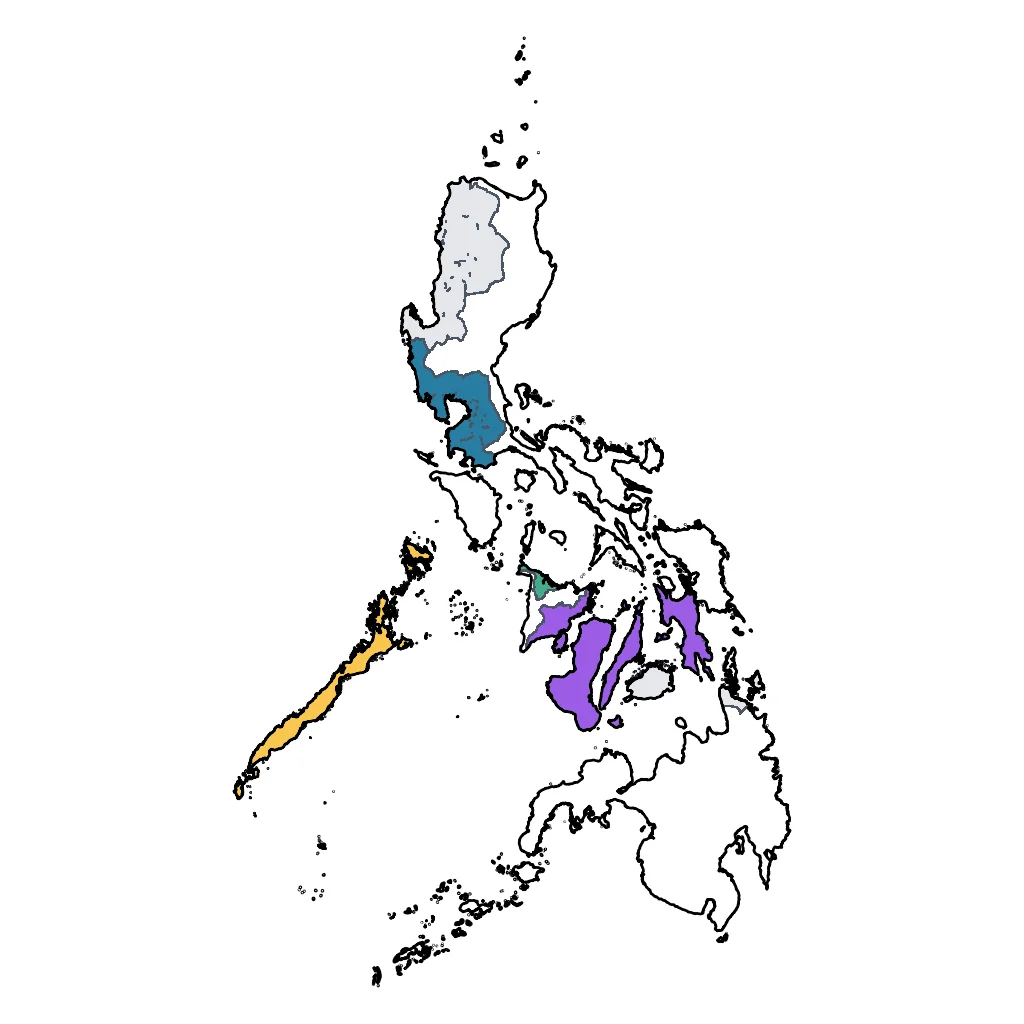

Beach resorts, marine activities: diving, snorkelling, kite surfing, wind surfing, sailing
Anilao is a world-class destination for macro-diving and underwater photography, offering biodiversity that rivals global benchmarks. Peak conditions offer sea visibility exceeding 15 meters and calm waters; the monsoon season brings rough seas and siltation that severely impact diving quality and safety.
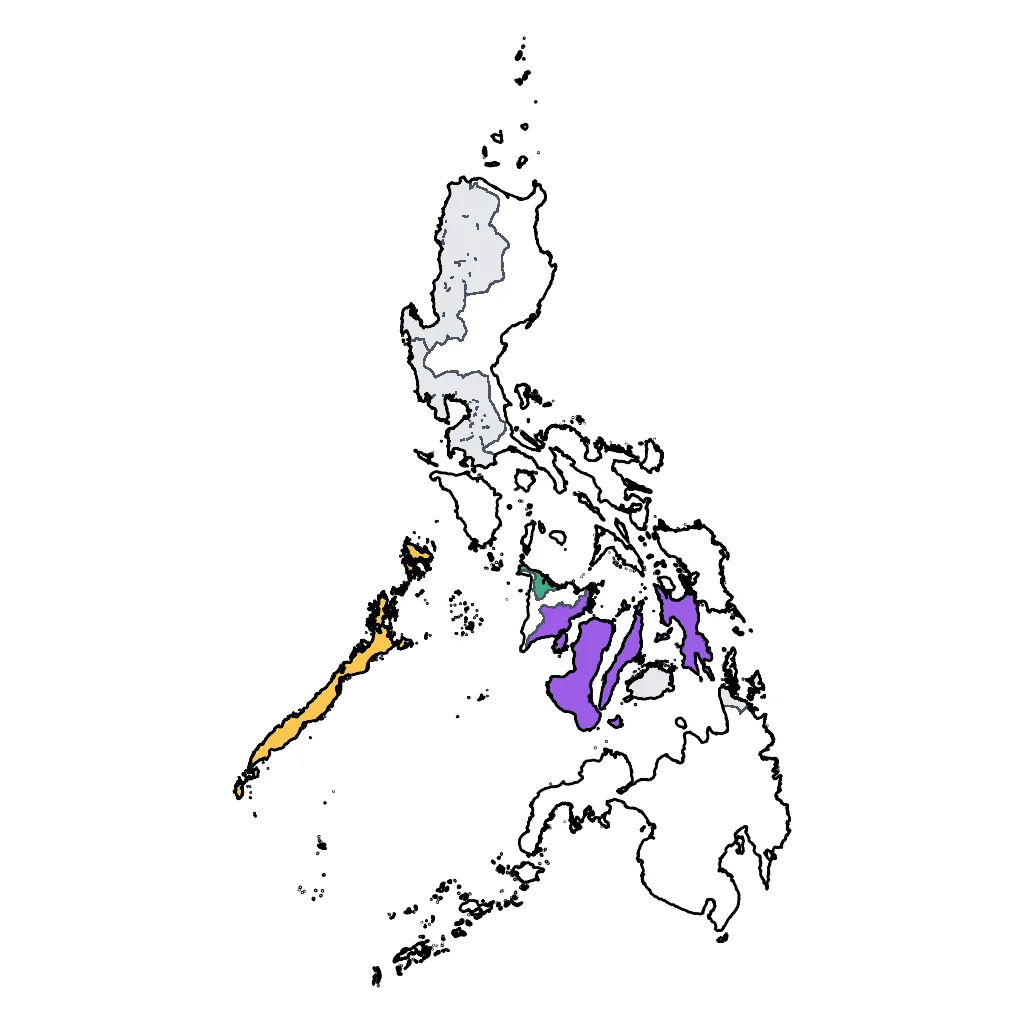

Urban tourism, museums, historical sites, architecture
The region features a sophisticated mix of Spanish colonial history in Intramuros and the world-class culinary and contemporary art scenes of Makati and BGC. Cooler, dry months are ideal for walking tours; the intense heat of May and frequent urban flooding during the monsoon significantly degrade the experience for discerning travelers.

Learning experiences, scientific sites, historical education
Families can explore significant World War II history at Corregidor Island and the ancient engineering of the Banaue Rice Terraces. Access to these sites is most reliable during the dry months, as heavy rain frequently leads to transport cancellations and limits access to outdoor archaeological parks.

Events, celebrations, seasonal attractions
Features authentic spectacles such as Baguio’s Panagbenga Flower Festival in February and the Giant Lantern Festival in December. These peak months offer the most vibrant cultural displays under favorable weather conditions, whereas the wet season sees fewer outdoor public celebrations.

Sport tourism, fitness activities, active recreation
The region offers championship golf courses and exceptional surfing in La Union and Baler, catering to active, high-end travelers. The stable weather of early year is perfect for consistent play and surf, while the typhoon season makes maritime and mountain activities hazardous.

Scenic drives, countryside tours, route-based travel
Scenic routes like the Halsema Highway offer dramatic mountain vistas, but infrastructure quality and traffic can be challenging for international standards. Clear, dry weather is essential for safe navigation of mountain passes, as the monsoon months bring frequent road closures due to landslides and poor visibility.

Amusement parks, family entertainment venues
While lacking global giants like Disney, Subic Bay’s Ocean Adventure and Zoobic Safari offer genuine regional entertainment for families. Peak dry months ensure all outdoor animal shows and attractions remain operational, whereas heavy rains in the off-season frequently disrupt schedules.