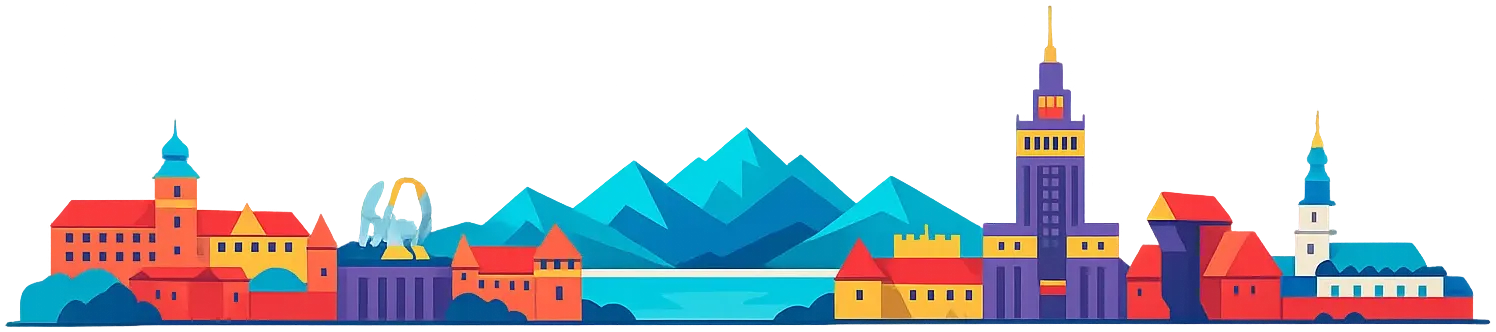

Poland sits at the crossroads of Europe, offering a landscape that shifts from the sandy dunes of the Baltic Sea in the north to the jagged granite peaks of the Tatra Mountains in the south. For families, this country provides a compelling mix of interactive history, distinct seasons, and outdoor activity without the intense crowds often found in western neighbors. The cities are walkable and steeped in history that is made accessible through legends and modern museums.
In Kraków, the country's cultural heart, children can visit the Dragon's Den under Wawel Hill to watch a metal dragon breathe real fire or listen for the trumpet signal cut short in the St. Mary's Basilica tower. A few hours away, the city of Wrocław turns sightseeing into a scavenger hunt; families can search for over 600 unique bronze dwarf statues hidden throughout the streets, depicting everything from firefighters to readers. The capital, Warsaw, has been meticulously rebuilt and features the massive Copernicus Science Centre, where kids can conduct their own experiments and explore robotics.
Beyond the cities, Poland offers significant adventures. The sheer scale of Malbork Castle-the largest brick castle in the world-captures the imagination with its Teutonic knight history, drawbridges, and armories. For a subterranean experience, the Wieliczka Salt Mine takes families deep underground to see chandeliers, chapels, and statues carved entirely from salt by generations of miners. In the summer, the Masurian Lake District is ideal for flat-water kayaking and sailing, while the southern town of Zakopane serves as a base for learning to ski or hiking the valley trails of the Tatras.
Polish cuisine is generally very well-received by younger travelers. Pierogi (dumplings) are the national staple and come filled with everything from meat and potatoes to strawberries and sweet cheese. Soups like rosół (chicken noodle) are common comfort foods, and bakeries sell pączki (filled doughnuts) on nearly every corner. Restaurants are typically family-friendly, often providing high chairs and kids' menus.
Traveling around Poland is efficient thanks to a modernized rail network (PKP) that connects major hubs comfortably. The currency is the Polish Złoty (PLN), which often makes dining and attractions more affordable than in Euro-zone countries. While Polish is a Slavic language, English is widely spoken in tourist areas, hotels, and restaurants, making navigation easy for international visitors.
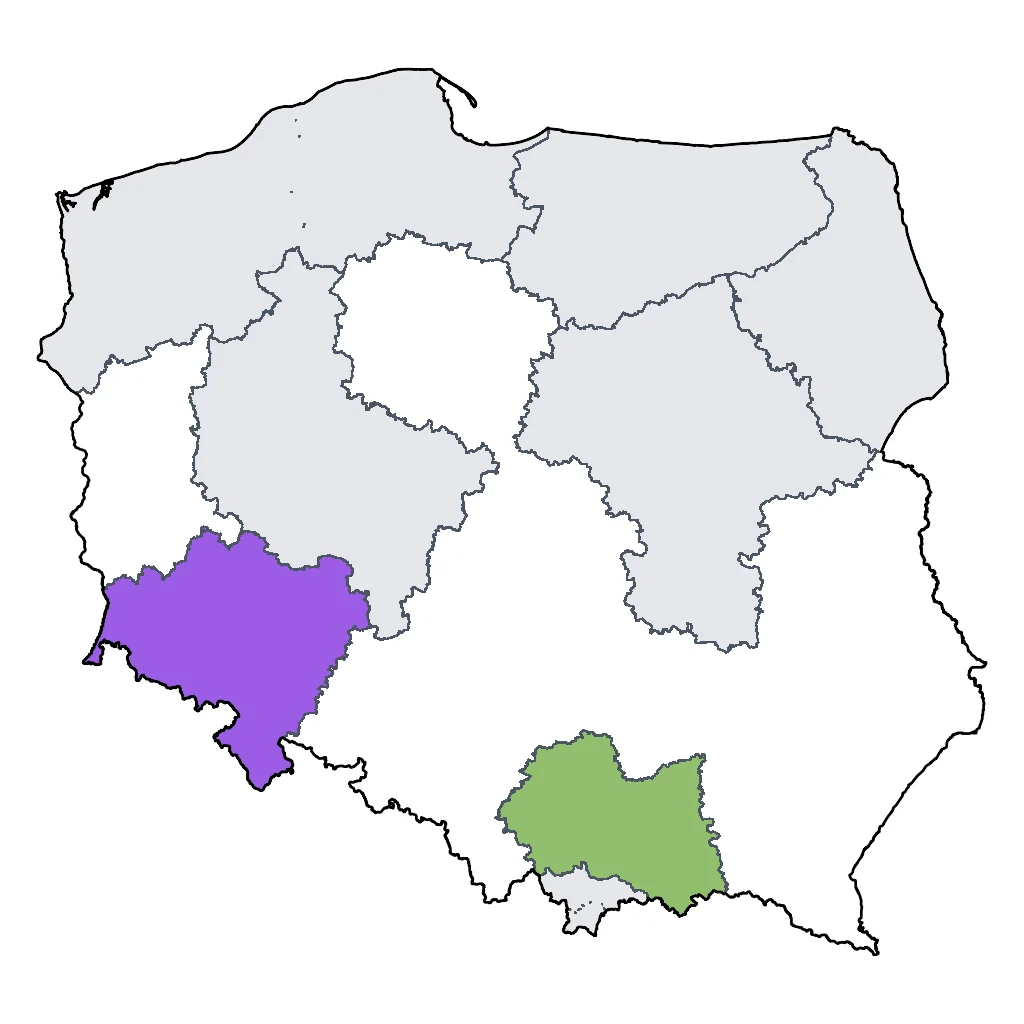
Explore Regions
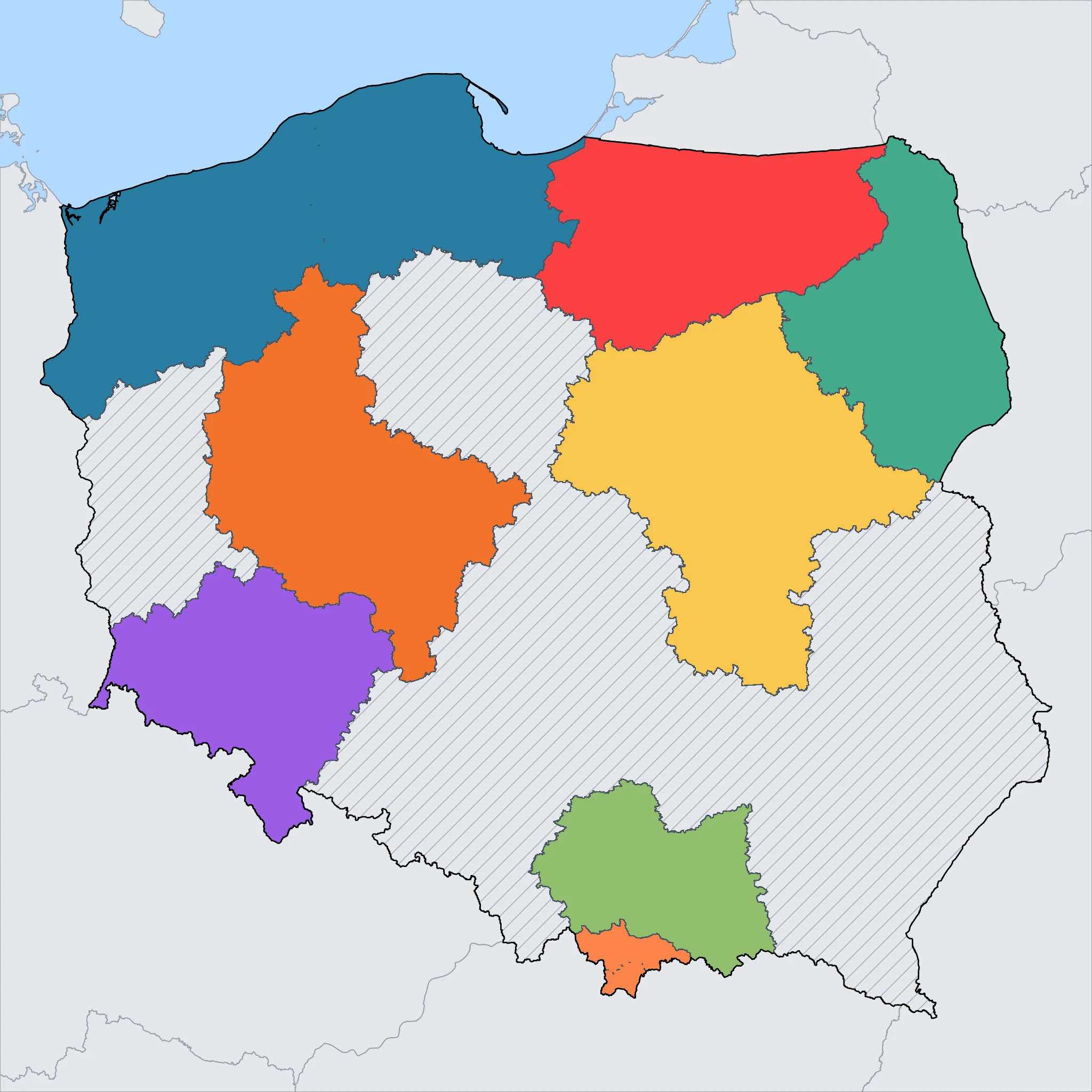
8 Regions
Gdańsk & Baltic Coast (Tricity, Sopot)
Amber treasures and seaside adventures ⚓
Kraków & Małopolska
Legends, dragons, and underground wonders 🐉
Masuria (Lakes)
Sailing, splashing, and wild nature ⛵
Podlasie (Białowieża Forest)
Home of the bison and ancient woods 🦬
Poznań & Greater Poland
Billy goats, croissants, and lakes 🐐
Tatra Mountains (Zakopane)
Alpine adventures and thermal pools ⛰️
Warsaw
Science, history, and royal parks 🏰
Wrocław & Lower Silesia
City of bridges and hidden gnomes 🕵️
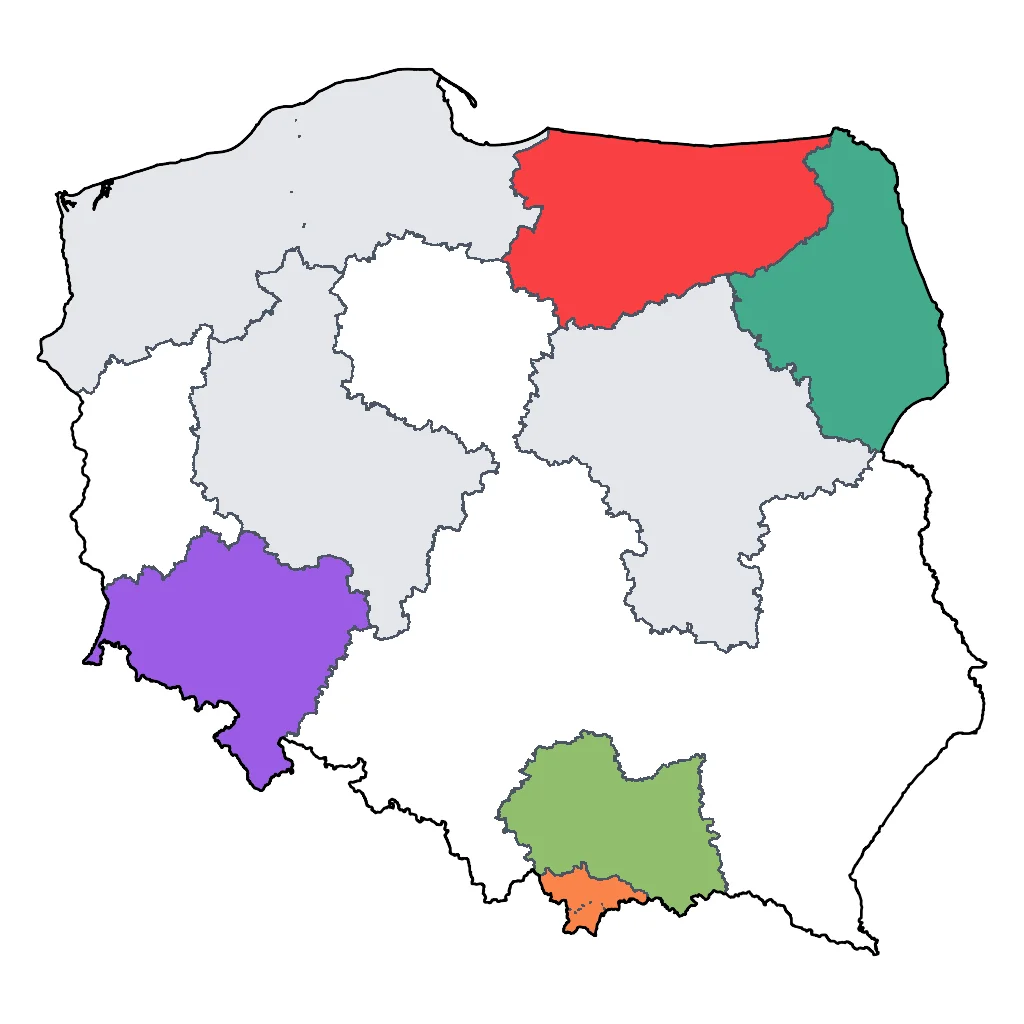
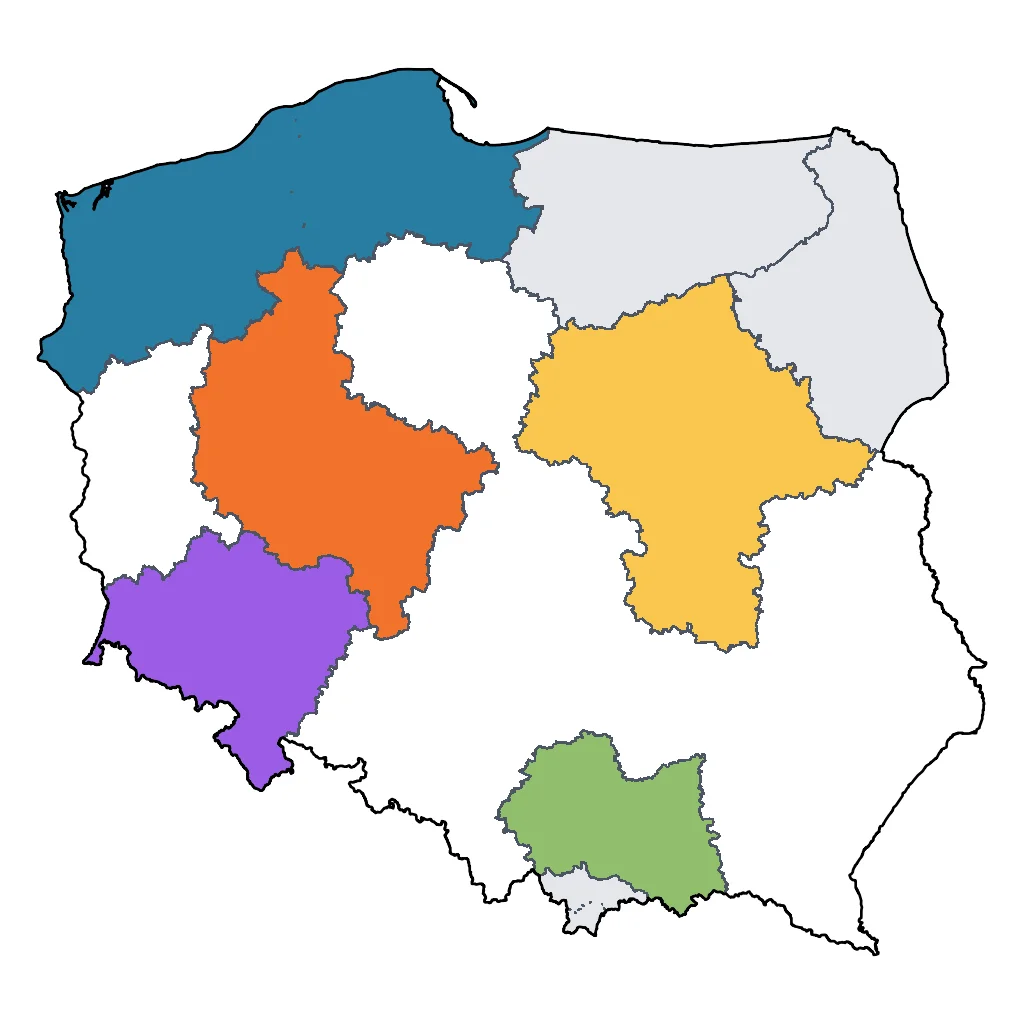
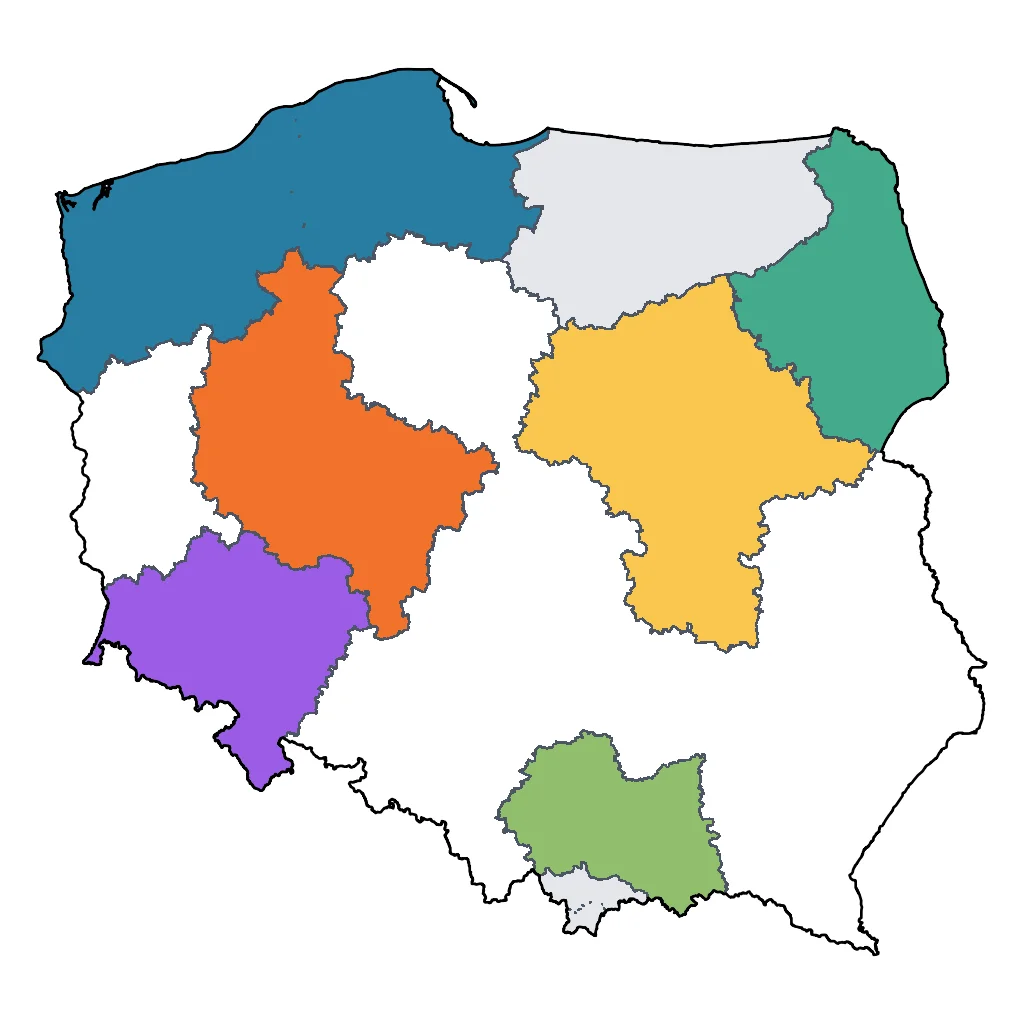
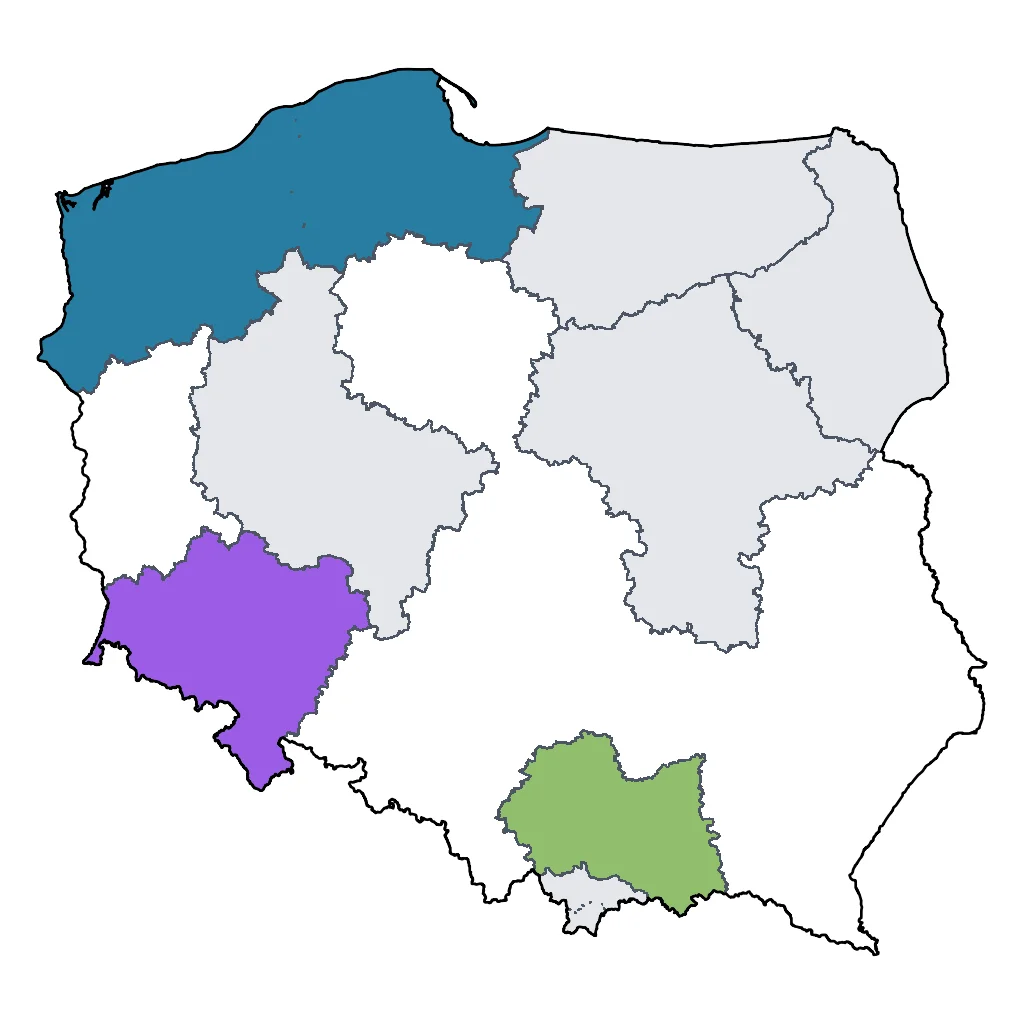
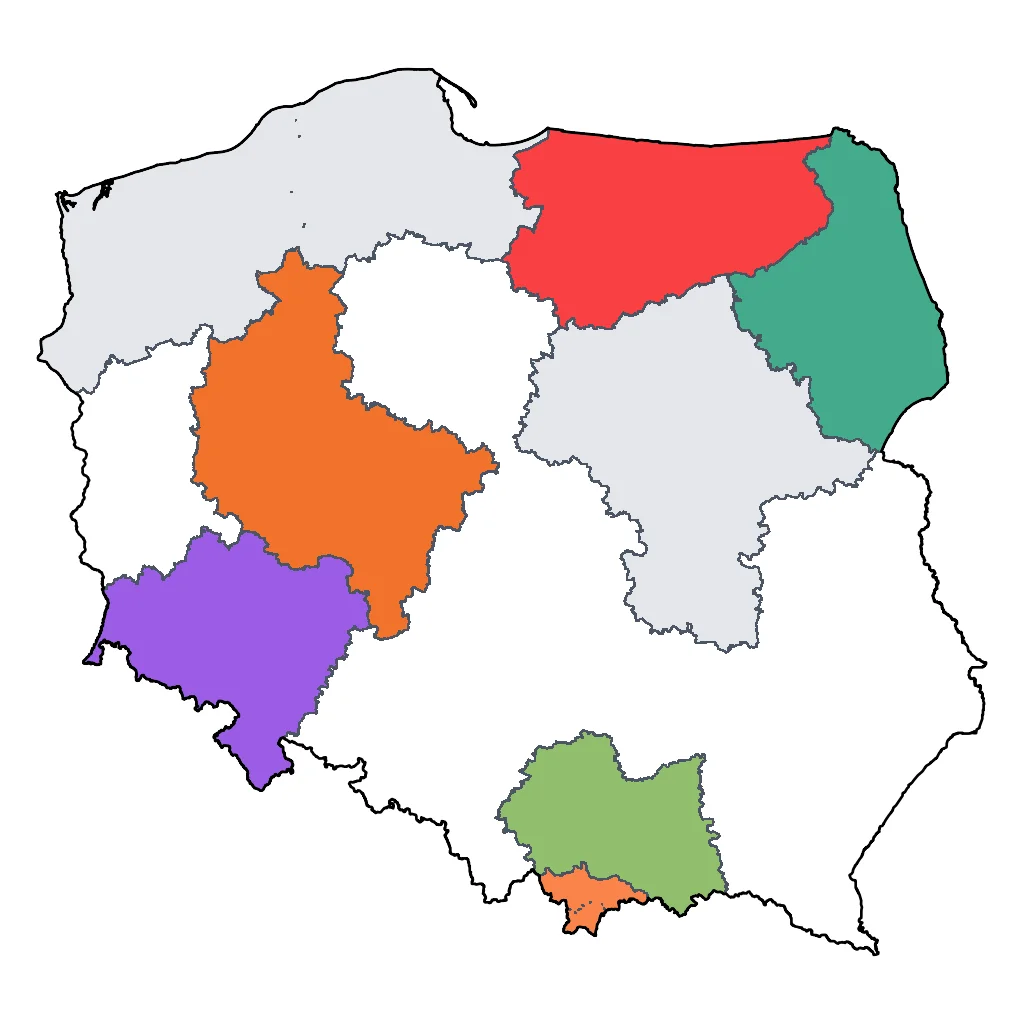
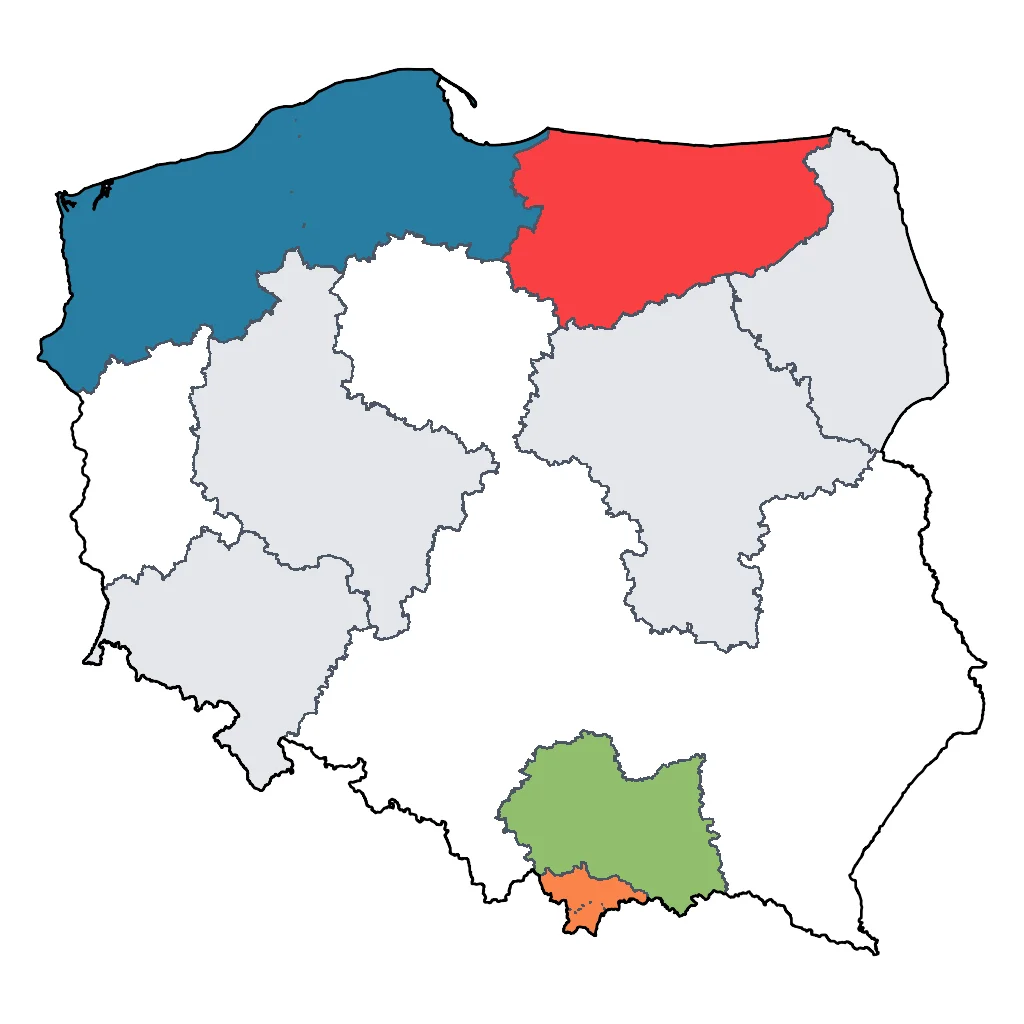
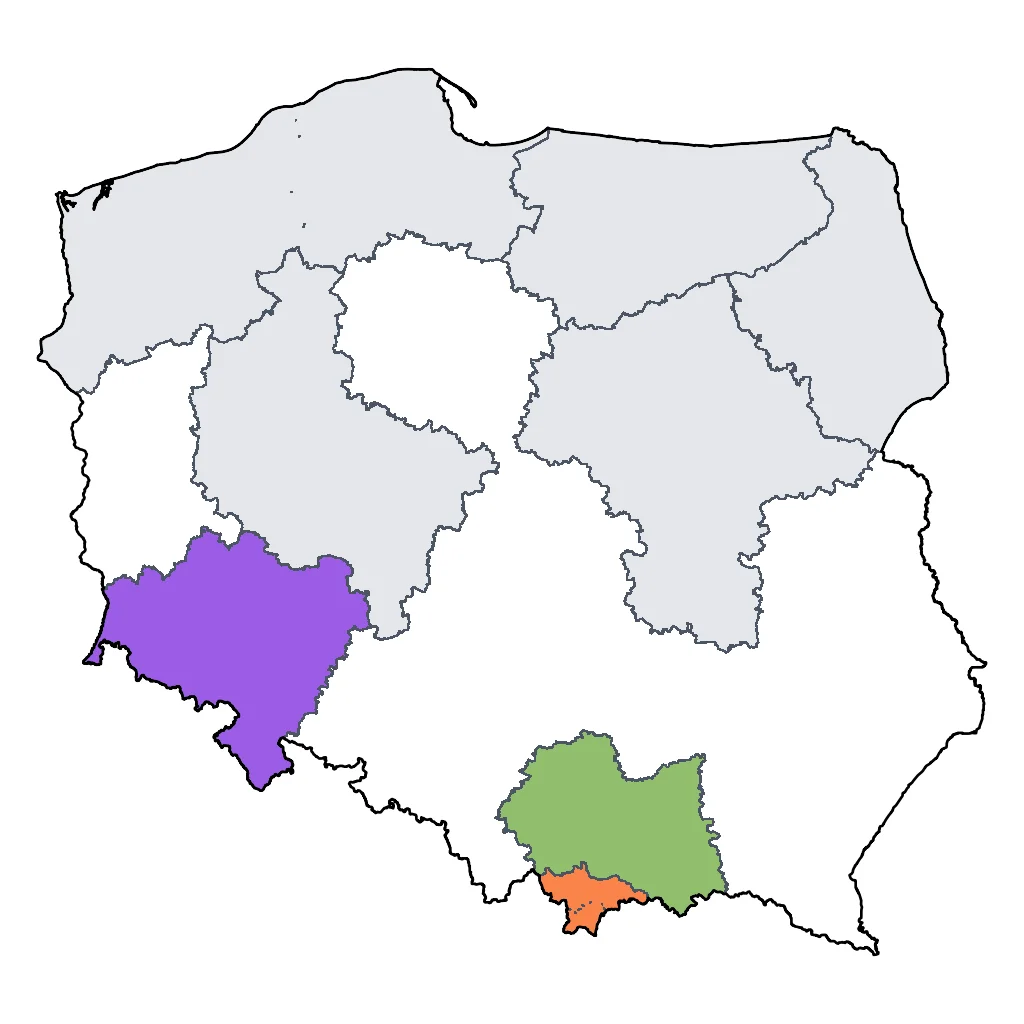
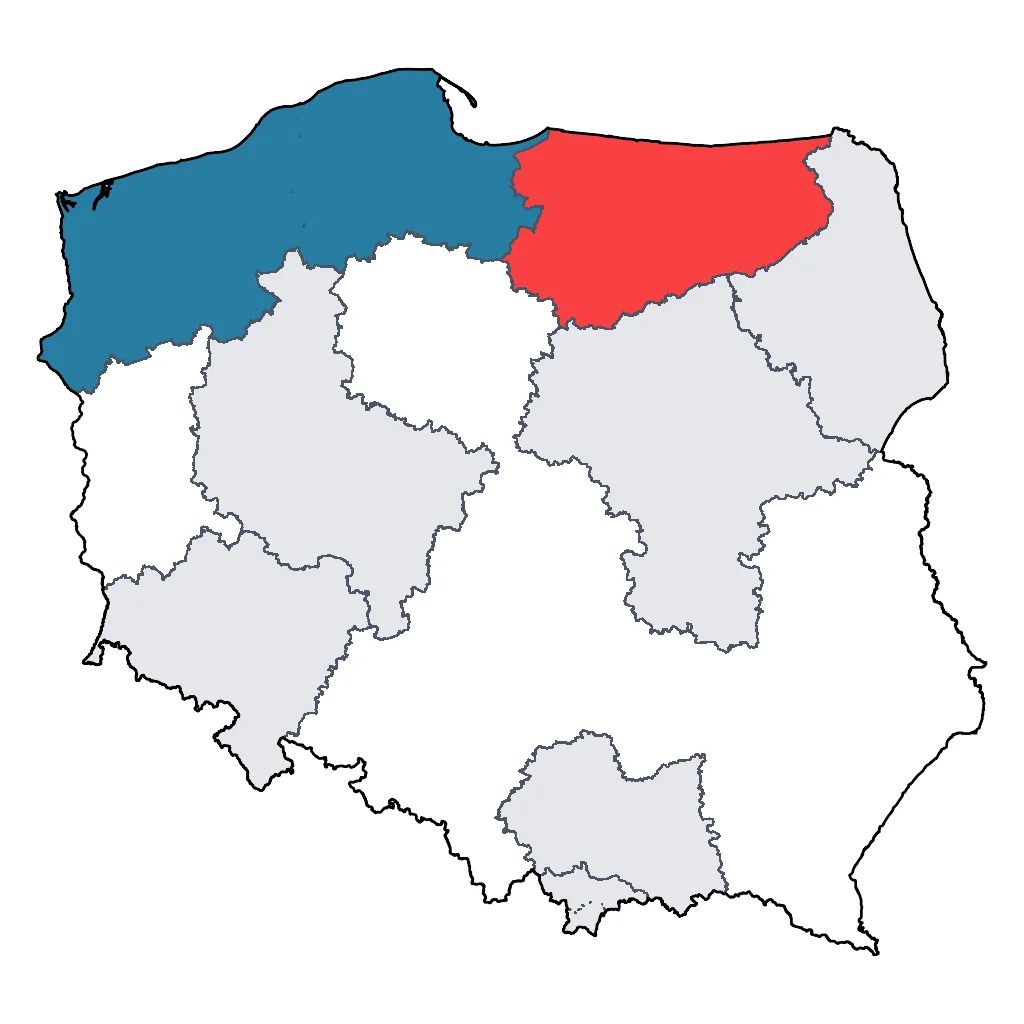
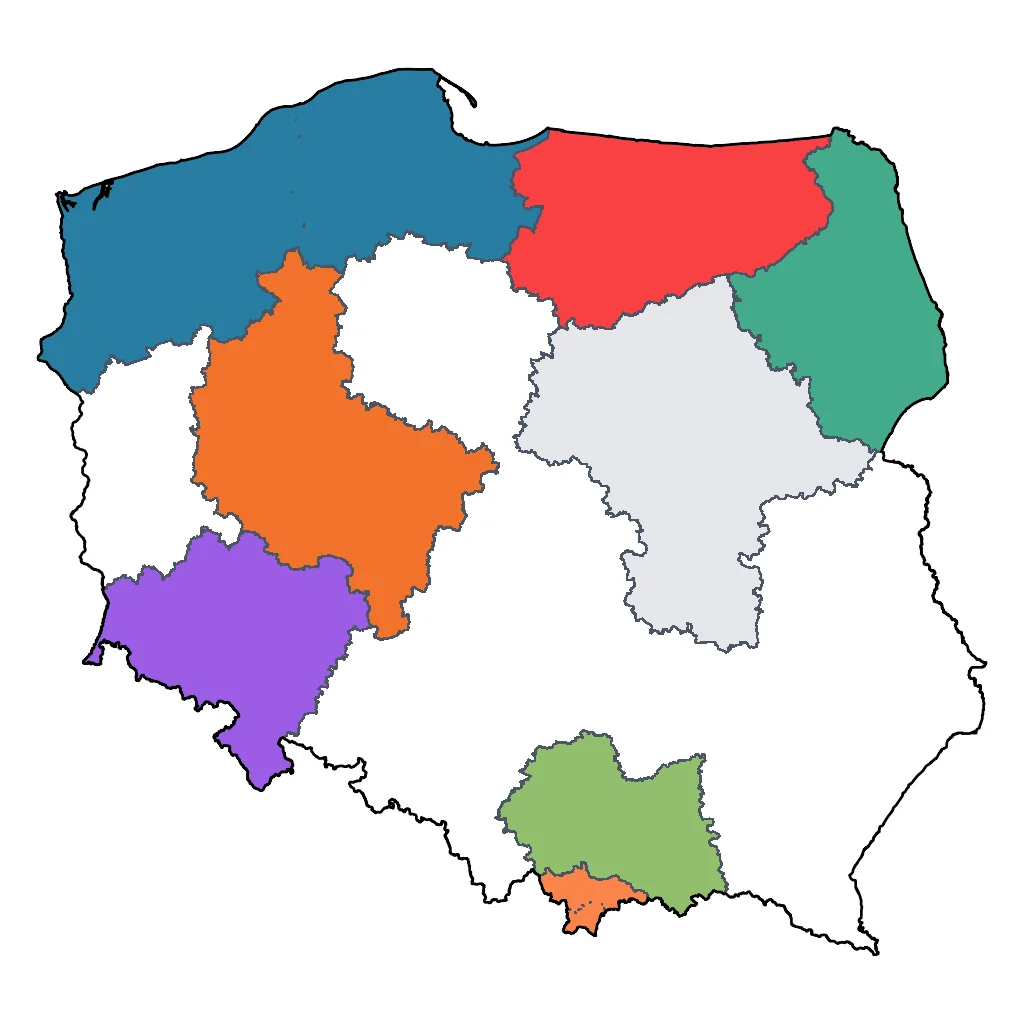
Click on a region marker to explore details. Use the dropdown to color regions by activity suitability.

Activities & Best Times
Adventure & Nature
ExcellentHiking, wildlife, outdoor exploration, ecotourism
As Europe's last primeval forest and a UNESCO site, it offers a world-class, authentic wilderness experience with the continent's largest bison population. Peak summer months provide optimal hiking conditions, while shoulder months offer spectacular bird migration (spring) and rutting seasons (autumn) despite cooler temperatures.
A unique European ecosystem featuring thousands of interconnected lakes and the massive Pisz Forest, home to free-roaming bison and rare bird species. Peak summer offers the best conditions for wildlife spotting and water exploration, while May and September provide a serene, less crowded experience for hikers.
The Tatra Mountains offer dramatic alpine scenery and the Pieniny range features the unique Dunajec River gorge for rafting. Summer is peak as high-altitude trails become snow-free; spring and autumn offer beautiful vistas but can be wet or see early/late snow closures.

City & Cultural
ExcellentUrban tourism, museums, historical sites, architecture
Gdańsk offers a world-class blend of meticulously restored Hanseatic architecture and globally significant history, featuring benchmarks like the WWII Museum. Peak summer months provide the perfect climate for exploring the Old Town's cobblestone streets, while the damp and dark winter months significantly hinder the urban experience.
Kraków is one of Europe's most authentic medieval cities, featuring the massive Rynek Główny and the royal Wawel Castle. Peak months offer mild temperatures and vibrant street life; summer (Jul-Aug) is shoulder due to high rainfall and heavy crowds, while winter is often too cold for extensive walking tours.
A resilient metropolis featuring a UNESCO-listed Old Town and world-class museums such as POLIN and the Warsaw Uprising Museum. Peak months (May-Sep) offer comfortable temperatures (13-23°C) and vibrant urban life, while winter months are bitingly cold and less suitable for exploring the city's architectural heritage.

Educational & Exploratory
ExcellentLearning experiences, scientific sites, historical education
Home to the world-unique Wieliczka Salt Mine and the somber, internationally significant Auschwitz-Birkenau site. Late spring and early autumn provide the best conditions for exploring these expansive outdoor and subterranean sites without the extreme summer humidity or winter freezing.
The region is an international hub for modern museology, with the European Solidarity Centre and WWII Museum setting global standards for interactive, meaningful education. These indoor venues are accessible year-round, but peak months allow for a more cohesive experience including outdoor maritime exhibits and historical site tours.
Home to the Copernicus Science Centre and world-renowned historical sites that offer profound learning for children and adults alike. Summer provides optimal weather for outdoor memorial tours and interactive exhibits; shoulder months are quieter but cooler, while winter weather restricts the exploratory nature of the city's educational trails.

Festivals & Seasonal
Very GoodEvents, celebrations, seasonal attractions
St. Dominic’s Fair in August is one of Europe's largest and oldest open-air cultural events, providing a sophisticated and authentic market experience. December is a secondary peak for its traditional, high-quality Christmas markets, while the rest of the year lacks significant internationally-appealing festivals.
Kraków hosts a world-class Christmas Market in December and the significant Jewish Culture Festival in June. While summer months feature various cultural events, the shoulder months capture traditional Easter markets and mid-summer celebrations, though weather can be rainy.
Wrocław hosts one of Europe's most authentic and atmospheric Christmas markets in December, while June features major cultural festivals. These events offer high-quality local crafts and traditions that appeal to sophisticated travelers, though late winter and late autumn lack significant cultural programming.
Road Trips & Scenic
Very GoodScenic drives, countryside tours, route-based travel
Features the stunning Wooden Architecture Trail and the Eagle Nests Trail of limestone cliffs and castles. May, June, and September provide the best visibility and pleasant driving conditions; winter months are unsuitable due to ice, snow, and limited daylight in rural areas.
Features authentic rural landscapes and scenic, tree-lined roads that connect charming lakeside villages and historic ruins. The late spring and summer provide maximum visibility and lush scenery, whereas autumn (September) offers beautiful foliage before winter conditions make the narrow rural roads less safe.
The 'Valley of Palaces and Gardens' offers a scenic route through aristocratic estates set against the Sudetes mountains. Peak months provide the best visibility and lush landscapes, whereas winter months present challenging driving conditions and limited daylight for sightseeing.

Sports & Active
Very GoodSport tourism, fitness activities, active recreation
One of the world's premier inland sailing and kayaking destinations with high-quality marinas and extensive water trails. Peak months provide ideal air and water temperatures for active recreation, whereas the shoulder season offers excellent winds for experienced sailors despite cooler water.
The nearby Hel Peninsula and Puck Bay are internationally renowned for kitesurfing and windsurfing due to shallow waters and consistent winds. Conditions are world-class from June to August, but the Baltic Sea is too cold for active water sports outside of the late spring to early autumn window.
World-class cycling infrastructure through the Velo Małopolska network and limestone climbing in the Kraków-Częstochowa Upland. Optimal conditions occur in late spring and early autumn; mid-summer is frequently interrupted by heavy rain (over 100mm/month), and winters are too cold for most active pursuits.

Ski & Snow
Very GoodWinter sports, ski resorts, snow activities
As Poland's winter capital, it provides a highly authentic alpine experience with traditional Goral architecture and reliable snow cover in mid-winter. While the terrain is less expansive than the Alps, the cultural atmosphere and modern lift infrastructure in nearby areas like Bialka Tatrzanska are excellent for families.
Zakopane is the 'winter capital' of Poland, offering authentic highlander culture and decent ski infrastructure. Peak months provide the most reliable snow cover and temperatures around 0°C; however, it lacks the massive interconnectedness of the Alps, making it a 'good' rather than 'excellent' choice for elite travelers.
Resorts like Karpacz and Szklarska Poręba offer solid infrastructure and reliable snow for family-focused skiing, though they lack the scale of the Alps. Peak conditions occur in Jan-Feb with average temperatures hovering near freezing, while shoulder months have more variable snow depths.
Beach & Sea
GoodBeach resorts, marine activities: diving, snorkelling, kite surfing, wind surfing, sailing
While freshwater-based, the region offers clean, calm waters and excellent family-oriented lakeside resorts that meet high international standards. Temperatures are cooler than tropical benchmarks, making July and August the only months where lake swimming is truly comfortable for children.
Features expansive, pristine golden sands and the upscale atmosphere of Sopot’s historic wooden pier and Grand Hotel. While the setting is world-class, the Baltic's cool water temperatures (max 18-22°C) limit peak beach utility to the warmest summer months of July and August.

Relaxation & Wellness
GoodSpa retreats, wellness centers, peaceful getaways
Home to high-end spa resorts and 'silent zones' that appeal to sophisticated travelers seeking a peaceful, nature-focused retreat. Summer months are peak for integrating lakeside activities with wellness, while the shoulder months offer a cozy, secluded atmosphere for indoor spa treatments.
Sopot is a historic spa destination with high-end wellness infrastructure and luxury hotels that cater to discerning travelers. The experience is best in summer when the sea breezes are refreshing; winter months can feel desolate and lack the outdoor serenity required for a top-tier retreat.
Known for high-quality thermal bath complexes in the Tatra foothills and unique salt-aerosol microclimates. Winter is peak for the 'fire and ice' experience of outdoor thermal pools, while summer offers family-friendly relaxation; transitional months are less appealing due to gray, damp weather.
Theme Park & Entertainment
GoodAmusement parks, family entertainment venues
Energylandia is one of Europe's largest amusement parks with record-breaking rollercoasters, offering world-class thrills for families. Peak operation is during the warm summer months; the park has limited appeal or closures during the cold, wet winter period.
The Wrocław Zoo features the world-class Afrykarium, an internationally recognized oceanarium focused on African ecosystems. While the Afrykarium is indoors, peak months are necessary to enjoy the extensive outdoor safari sections and high-quality family facilities without extreme cold.
The Lake Malta complex serves as a high-quality urban recreation zone with a unique narrow-gauge railway and year-round dry ski slope that is excellent for children. While well-organized, it is a local leisure hub rather than a world-class theme park, and its outdoor attractions are best enjoyed during the warm summer months.
Airports & Flight Routes
Toggle options to view domestic routes and international airports. Click an airport for details.
Climate & Weather
Gdańsk & Baltic Coast (Tricity, Sopot)
Show Details
| Month | Temp °C | Rain | Humidity |
|---|
Kraków & Małopolska
Show Details
| Month | Temp °C | Rain | Humidity |
|---|
Masuria (Lakes)
Show Details
| Month | Temp °C | Rain | Humidity |
|---|
Podlasie (Białowieża Forest)
Show Details
| Month | Temp °C | Rain | Humidity |
|---|
Poznań & Greater Poland
Show Details
| Month | Temp °C | Rain | Humidity |
|---|
Tatra Mountains (Zakopane)
Show Details
| Month | Temp °C | Rain | Humidity |
|---|

Travel Advisory
All agencies agree that Poland is a safe destination for general travel, with only specific regional concerns regarding its eastern borders.
Safety Topics
Traveller Advice (3 groups)

Dual nationals of Poland and another country should travel using their Polish passport, as the local government considers them solely Polish citizens within its territory.

While same-sex activity is legal, public displays of affection may attract unwanted attention or hostility in certain areas due to varying local attitudes.

Solo female travelers should follow standard safety precautions, such as avoiding isolated areas late at night and remaining vigilant in social venues where drink spiking has been reported.