
Warsaw is a dynamic metropolis that defies the stereotype of a grey post-Soviet city, offering vibrant green spaces and world-class attractions for families. The city revolves around the Vistula River; its western bank features wide, pedestrian-friendly boulevards lined with fountains, playgrounds, and food pavilions. Just off the river lies the Copernicus Science Centre, one of the largest in Europe. It is a massive interactive museum where "please touch" is the rule, allowing kids to generate electricity, blow giant bubbles, and explore robotics. Tickets sell out fast, so booking in advance is essential.
History comes alive in the Old Town (Stare Miasto), meticulously rebuilt after WWII. Families can tour the Royal Castle, but often just walking the cobblestone streets, eating ice cream, and watching the street artists in Castle Square is enough to fill an afternoon. For a break from the stone and concrete, Łazienki Królewskie Park is a massive palace-garden complex where children can spot free-roaming peacocks and feed friendly red squirrels. On summer evenings, the Multimedia Fountain Park near the Old Town hosts spectacular light, water, and sound shows that retell Warsaw legends, such as the story of the Warsaw Mermaid.
Transportation in Warsaw is excellent, with buses, trams, and a metro system that are easy to navigate with strollers. For a bird's-eye view of the city, families can take the elevator to the 30th floor of the Palace of Culture and Science. While the Warsaw Uprising Museum is a major attraction, it is intense and best suited for teenagers; younger children might prefer the Museum of King Jan III's Palace at Wilanów, which often hosts light mapping festivals in its gardens during winter. The city also boasts a variety of indoor play centres and trampolining parks, ensuring energy can be burned off regardless of the weather.
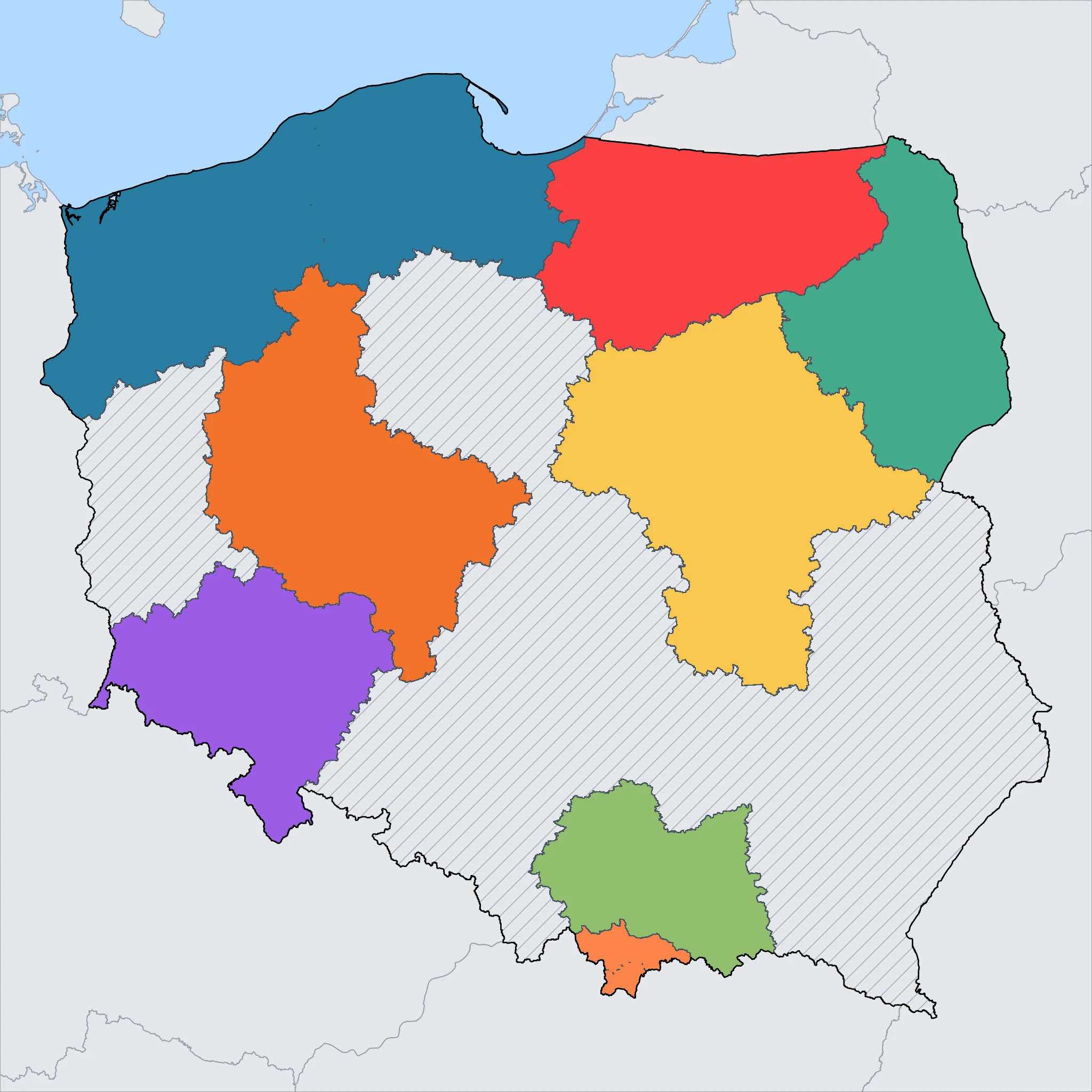
Click a region to explore

Activities & Best Times

Urban tourism, museums, historical sites, architecture
A resilient metropolis featuring a UNESCO-listed Old Town and world-class museums such as POLIN and the Warsaw Uprising Museum. Peak months (May-Sep) offer comfortable temperatures (13-23°C) and vibrant urban life, while winter months are bitingly cold and less suitable for exploring the city's architectural heritage.

Learning experiences, scientific sites, historical education
Home to the Copernicus Science Centre and world-renowned historical sites that offer profound learning for children and adults alike. Summer provides optimal weather for outdoor memorial tours and interactive exhibits; shoulder months are quieter but cooler, while winter weather restricts the exploratory nature of the city's educational trails.

Events, celebrations, seasonal attractions
Offers high-quality cultural events like the Chopin concerts in Łazienki Park and a sophisticated Christmas market scene in December. Summer peaks with outdoor music and riverfront festivals, while late autumn shoulder months feature film and jazz festivals; late winter and early spring lack significant international events.

Hiking, wildlife, outdoor exploration, ecotourism
Provides access to the wild-banked Vistula River and the nearby Kampinos National Park, a UNESCO Biosphere Reserve. Summer offers the best conditions for river navigation and hiking, but it lacks the 'bucket-list' wilderness appeal of world-class nature destinations for well-travelled families.

Spa retreats, wellness centers, peaceful getaways
Luxury urban retreats like the Raffles Europejski offer world-class spa facilities, though the region lacks natural thermal or scenic retreat characteristics found in major wellness hubs. Peak months allow for relaxing walks in historic royal gardens; winter limits the experience to indoor hotel facilities.
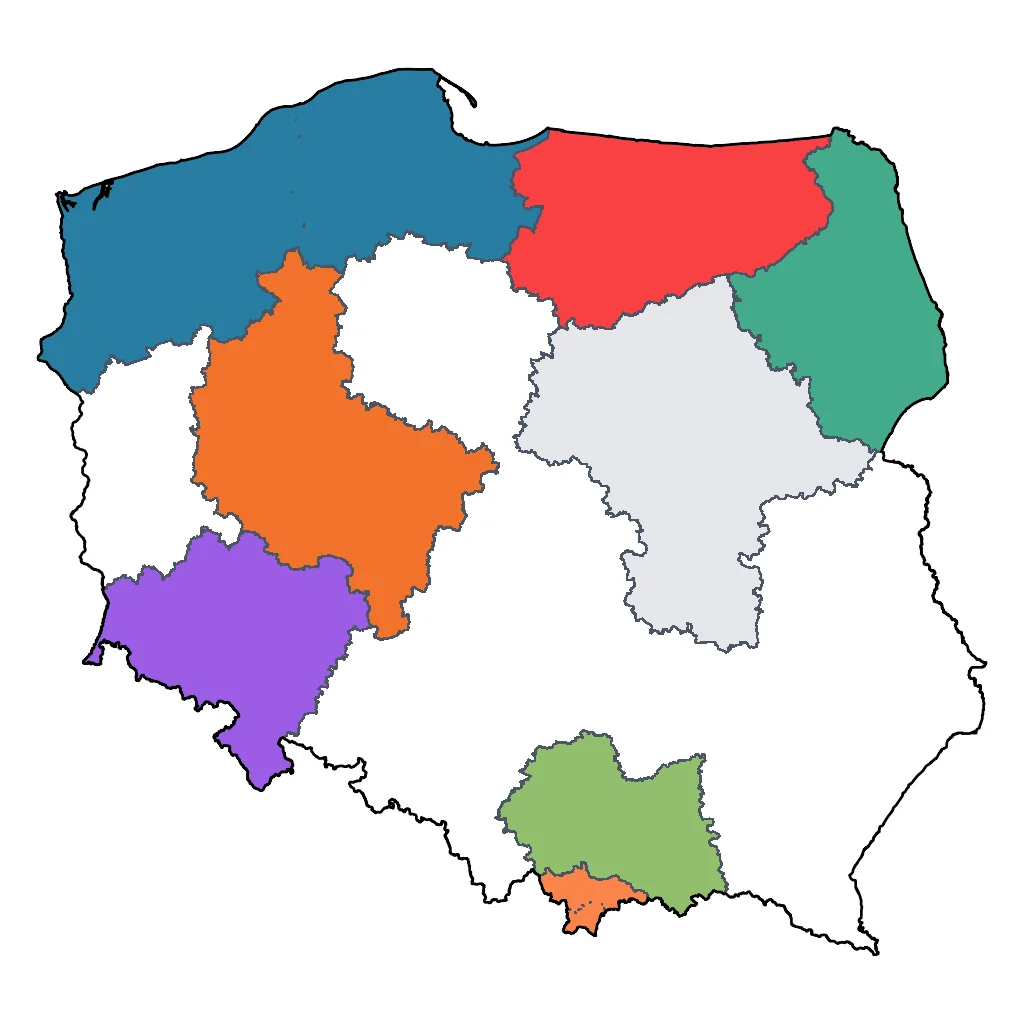

Scenic drives, countryside tours, route-based travel
Serves as a high-standard gateway for exploring Central Poland, including routes to the Masurian Lake District or the historic town of Kazimierz Dolny. Peak summer months offer long days and reliable road conditions; winter months are discouraged due to ice, early darkness, and slush.
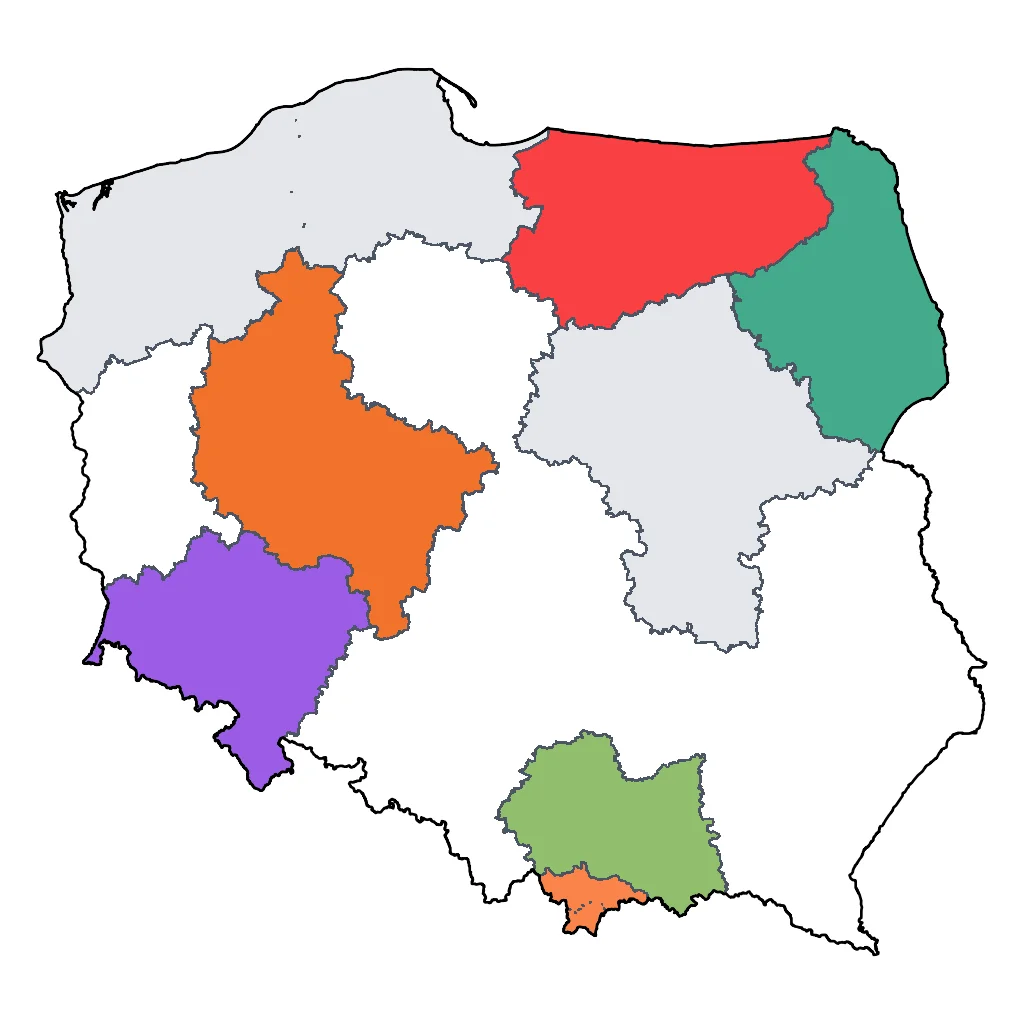

Sport tourism, fitness activities, active recreation
Features well-maintained riverside cycling paths and urban marathons, but lacks specialized high-performance or unique natural terrain for sports tourism. The mild summer climate is ideal for active families, while the shoulder seasons are often too damp or chilly for extended outdoor recreation.