

Gran Chaco (west)
Wild nature and culture in the Green Hell 🐆🦅
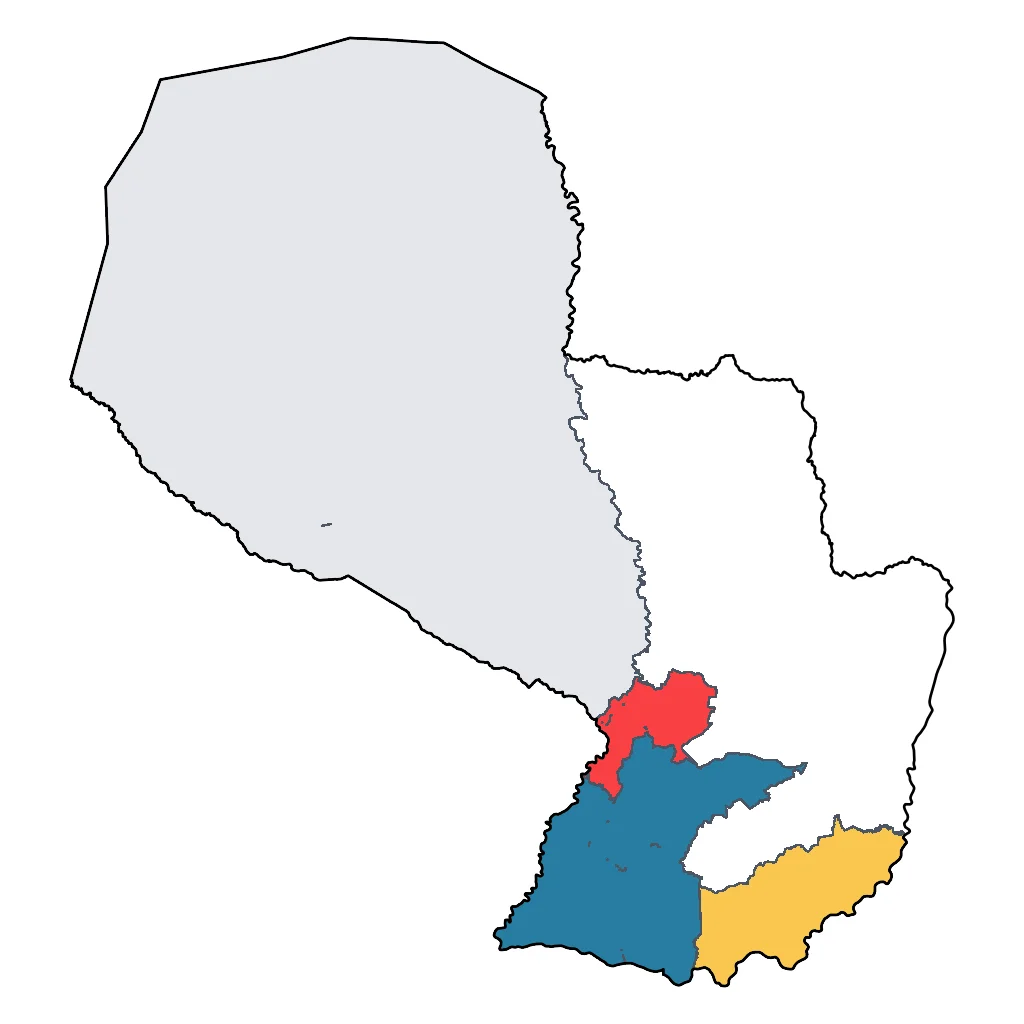
The Gran Chaco is a destination for families who love nature, road trips, and off-the-beaten-path adventures. Occupying the western half of Paraguay, this region is a vast, flat expanse of dry forest, palm savannas, and salt lagoons. It is sparsely populated and offers a stark contrast to the lush eastern region. The primary hubs for travelers are the Mennonite colonies of Filadelfia, Loma Plata, and Neuland. These towns feel like a different world, with orderly streets, German architecture, and modern amenities. For children, a visit here is a fascinating lesson in resilience and culture; they can learn how these communities turned a harsh desert into a dairy farming powerhouse. The local dairy cooperative museums are surprisingly engaging, and the reward of fresh, high-quality ice cream and yogurt—famous throughout the country—is sure to please younger travelers.
Wildlife is the other major draw. The Chaco is one of the best places in South America to see mammals. While jaguars are elusive, families driving the backroads or visiting reserves like Campo María or the salt lagoons around the central Chaco often spot giant anteaters, tapirs, foxes, and peccaries. Birdwatching here is world-class; the lagoons turn pink with flamingos and are crowded with storks and spoonbills. The ecosystem is unique, known as the "Dry Chaco," where trees like the Palo Borracho (bottle tree) grow in strange, swollen shapes that capture children's imaginations.
Travel Advice: This region requires preparation. The heat can be extreme, often exceeding 40°C (104°F) in summer, so the best time to visit is during the cooler winter months (June to August). A sturdy vehicle is recommended, and if venturing off the paved Trans-Chaco Highway, a 4x4 is essential. Families should pack plenty of water, sun protection, and insect repellent. While the wilderness is rugged, the hotels in Filadelfia are comfortable, often featuring swimming pools and air conditioning, providing a safe and relaxing oasis after a day of dusty exploration. Visiting the Chaco is an education in geography and biology that brings the "wild" to life in a way few other destinations can.
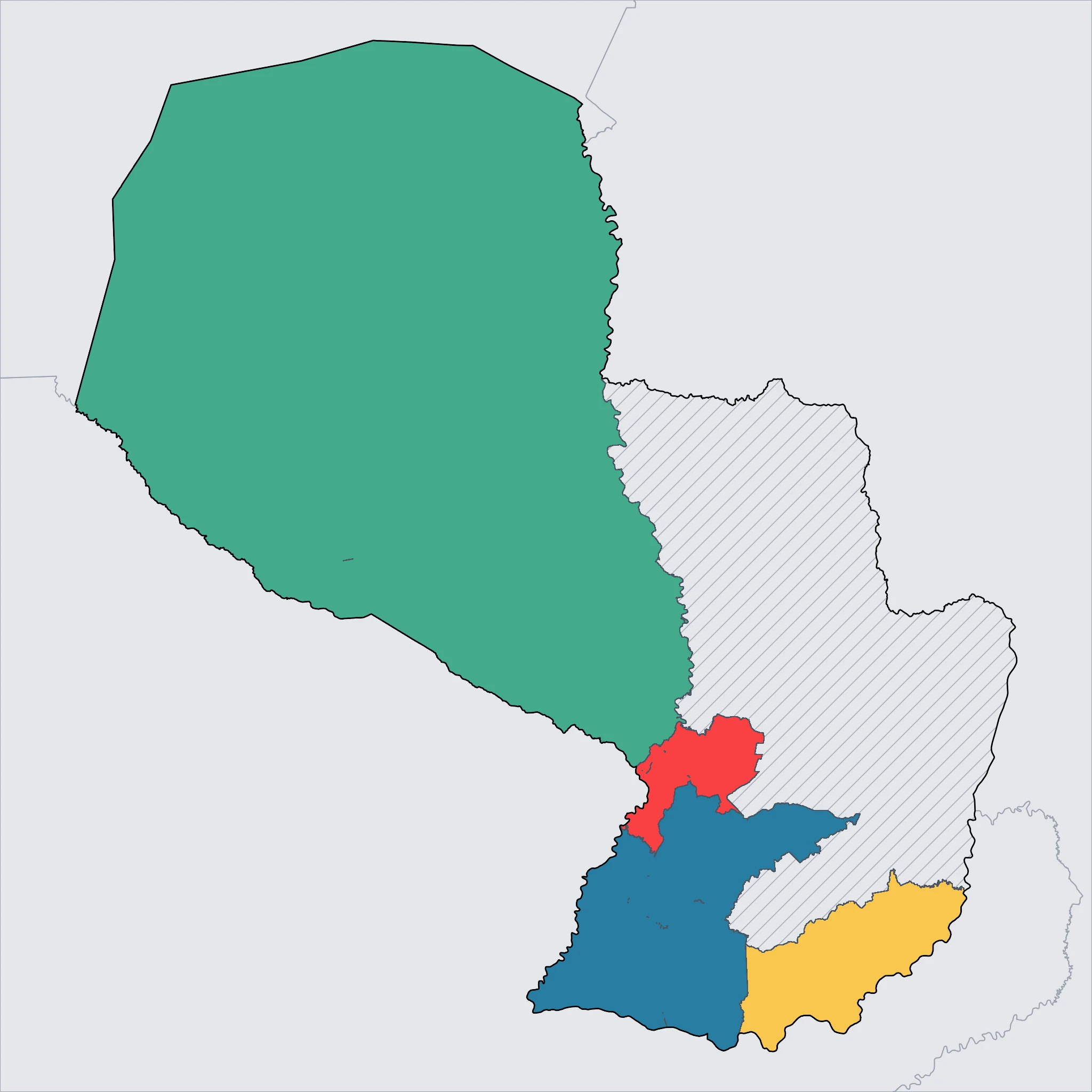
Click a region to explore

Activities & Best Times

Hiking, wildlife, outdoor exploration, ecotourism
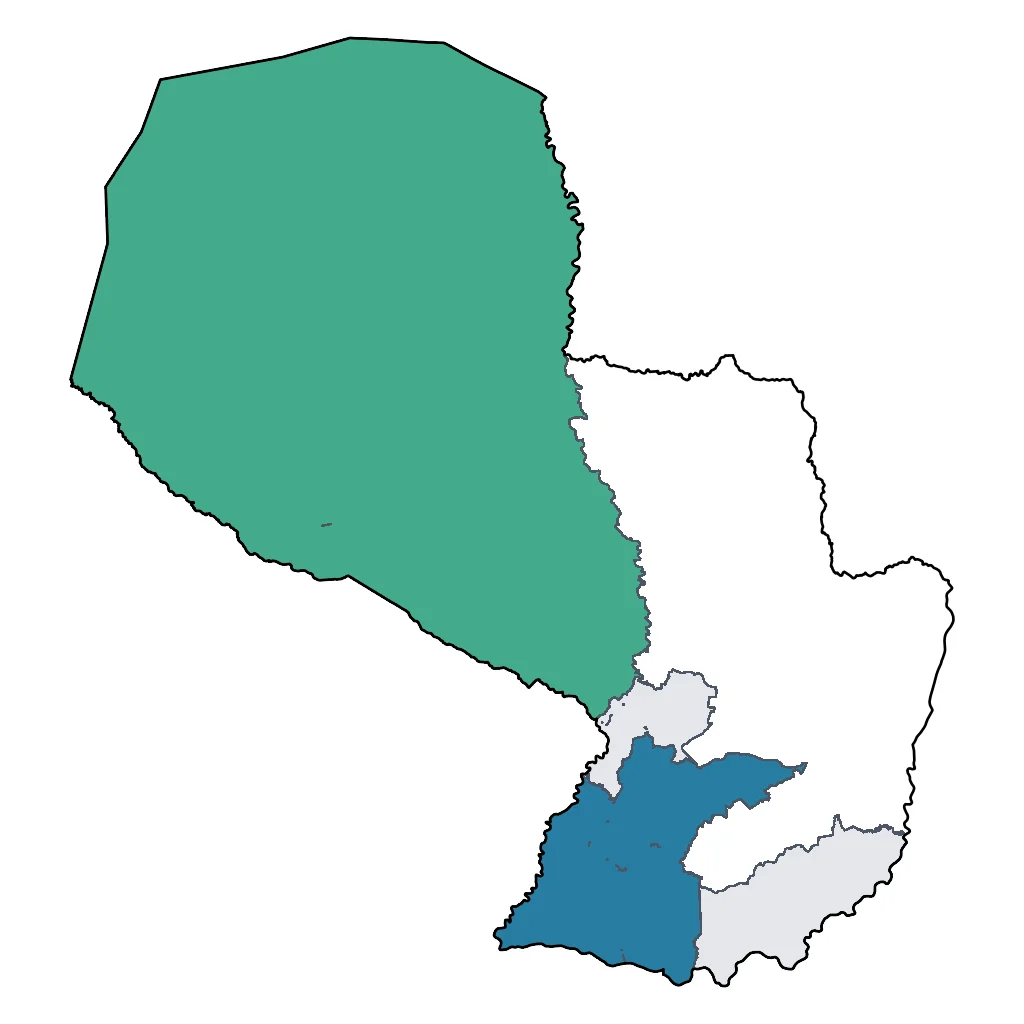
A world-class wilderness offering rare wildlife sightings like the Chacoan peccary and jaguars in an authentic, untamed environment. Peak dry months (Jun-Aug) provide optimal wildlife viewing as animals congregate at waterholes, while the extreme summer heat and mud (Oct-Apr) make many areas inaccessible.

Learning experiences, scientific sites, historical education
Offers unique insights into Mennonite history, indigenous resilience, and the Chaco War through remote colonies and pioneer settlements. The cooler winter months allow for comfortable exploration of outdoor historical sites and research facilities that are otherwise subjected to oppressive humidity and heat.

Scenic drives, countryside tours, route-based travel
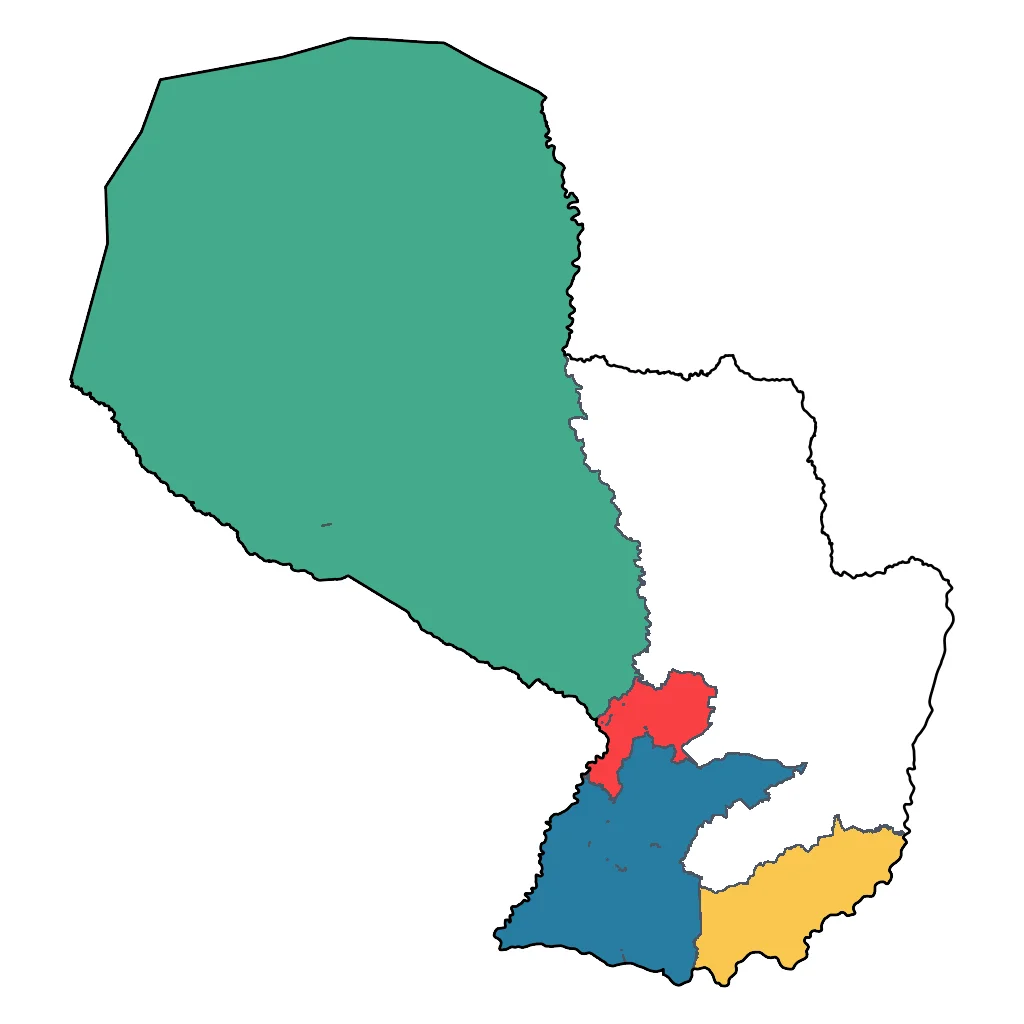
An epic overlanding destination for experienced travelers seeking a 'last frontier' experience with vast, spectacular horizons. Dry conditions from June to August are essential to ensure the region's unpaved roads remain passable, as summer rains frequently turn the terrain into impassable mud.

Urban tourism, museums, historical sites, architecture
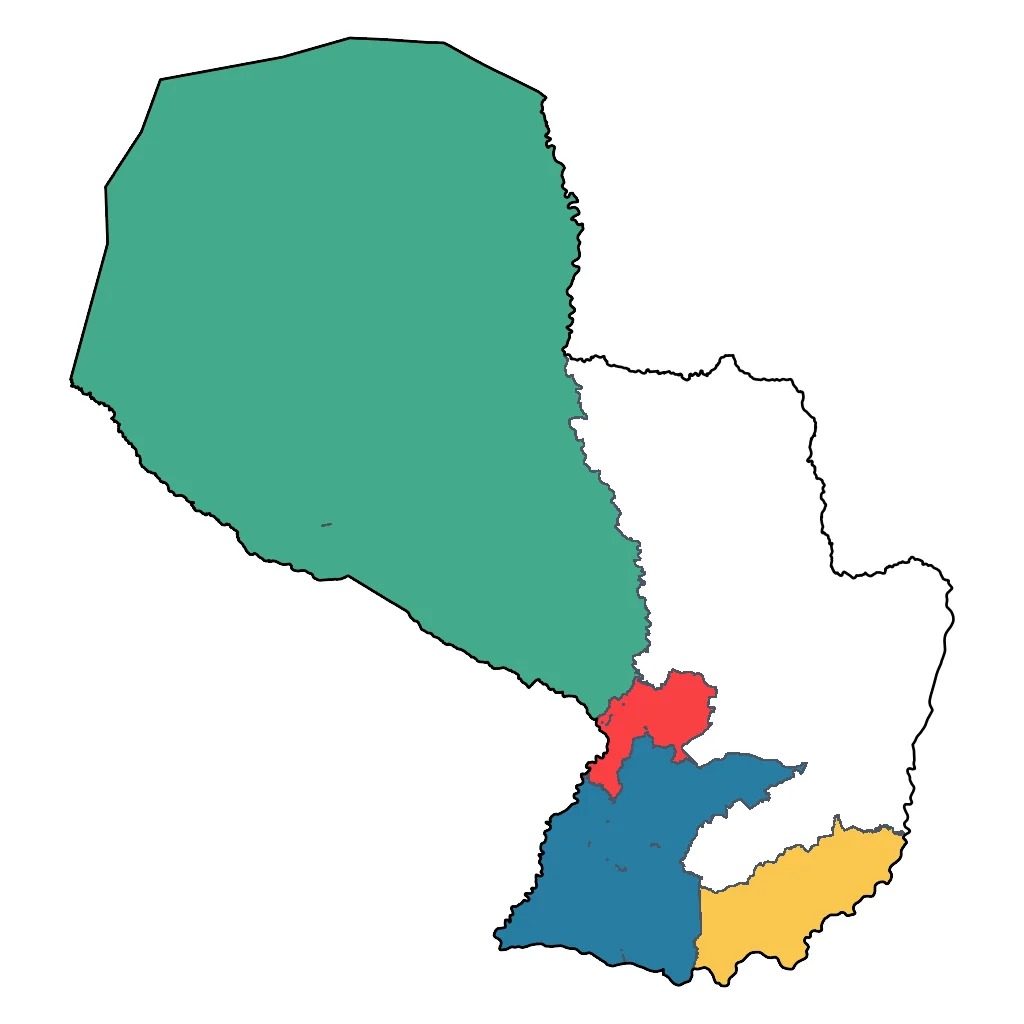
While not traditional world-class cities, settlements like Filadelfia offer a highly authentic cultural experience through their unique heritage and structured society. The destination is rated marginal due to limited urban infrastructure, and visits are only recommended in winter to ensure the environment is comfortable for walking and local exploration.

Attractions (26 total)
Hiking & Cycling Routes
Cerro León Summit Trail
Mariscal Estigarribia
5km moderate out-and-back hike with approximately 300m elevation gain. This trail leads to the summit of Cerro León, a unique geological formation in the middle of the Chaco plain, offering panoramic views of the dense dry forest. Typical duration is 3 hours. Due to extreme heat, it is recommended to start at dawn. No local equipment rentals; hikers must be self-sufficient.
Visit website →Ruta de las Lagunas Saladas
Loma Plata
42km moderate gravel cycling loop with negligible elevation gain. This route passes through the 'Campo Maria' private reserve and several saline lagoons. Typical duration is 4-5 hours by bike. The route is internationally recognized for birdwatching, particularly Chilean Flamingos. Visitors should bring their own gravel or mountain bikes as rentals are not readily available in the Chaco Central colonies.
Visit website →Sendero El Cardonal
Mariscal Estigarribia
2.5km easy loop trail through the dry Chaco ecosystem with minimal elevation gain. Typical duration is 1 hour. This trail in Teniente Agripino Enciso National Park is famous for its giant cacti and high probability of spotting native wildlife such as peccaries. No equipment rentals available in the vicinity.
Visit website →Natural Feature / Scenic Site
Defensores del Chaco National Park
Filadelfia
Paraguay's largest national park features the impressive Cerro León rock formation and diverse wildlife in a vast dry forest landscape.
Visit website →Teniente Agripino Enciso National Park
Mariscal Estigarribia
A key conservation area for the dry Chaco ecosystem, offering interpretive trails and sightings of rare desert-adapted mammals and birds.
Visit website →Castle / Palace / Historic Site
Fortín Boquerón
Mariscal Estigarribia
The most significant battlefield of the Chaco War, featuring an informative museum, preserved trenches, and memorials in a quiet park setting.
Jakob Unger Museum
Filadelfia
A key historical and cultural site detailing the arrival of Mennonite settlers in the Chaco and the region's unique natural history.
Visit website →Fuerte Borbón
Fuerte Olimpo
A historic 18th-century stone fortress built by the Spanish to guard the frontier, offering stunning panoramic views of the Paraguay River and the Pantanal.
Historic Town / Village / Cultural Area
Museum of History and Natural History
Filadelfia
A fascinating look at Mennonite history and local wildlife, perfect for curious children and history buffs.
Visit website →Museum of History of the Neuland Colony
Neuland
This peaceful site tells the moving story of European refugees through artifacts and a beautifully maintained memorial park.
Visit website →Fuerte de Borbón
Fuerte Olimpo
A historic hilltop fortress offering stunning river views and a glimpse into Paraguay's colonial defense history.
Museum of History of the Menno Colony
Loma Plata
Families can explore the original pioneer buildings and vintage machinery that shaped the first colony in the Chaco.
Visit website →Road Trips & Scenic Drives
Trans-Chaco Highway (Ruta PY09)
Villa Hayes
760km paved highway (undergoing major reconstruction) stretching from the outskirts of Asunción to the Bolivian border. Typically a 10-12 hour drive. Known for its vast, flat landscapes, incredible birdwatching, and sightings of giant anteaters and tapirs. It is the primary artery for exploring the dry thorn forests of the Gran Chaco.
Visit website →Bioceanic Corridor (Ruta PY15)
Carmelo Peralta
A newly inaugurated, modern paved highway (approx. 275km currently completed in the first stage) crossing the northern Chaco. It connects the Paraguay River at the Brazilian border toward the Central Chaco. It offers a remote, high-quality driving experience through pristine wilderness and the transition zone between the Cerrado and the Dry Chaco.
Visit website →Mennonite Colony Circuit
Circular
Approximately 120km paved loop (1-2 days) connecting the primary colonies of Filadelfia, Loma Plata, and Neuland. Features well-maintained infrastructure, unique German-influenced architecture, industrial dairy cooperatives, and historical museums dedicated to the Chaco War and pioneer history.
Visit website →Science Museum / Natural History Museum / Discovery Centre
Centro de Interpretación del Gran Chaco Americano
Filadelfia
A modern discovery center providing an interactive overview of the Gran Chaco's unique dry forest ecosystem and cultural diversity.
Museo Jacob Unger
Filadelfia
The region's premier natural history museum, showcasing a vast collection of Chaco wildlife taxidermy and indigenous ethnography.
Visit website →National Park / Nature Reserve
Fortín Toledo
Filadelfia
A historical site combined with a nature refuge dedicated to the protection and breeding of the once-extinct Chacoan Peccary.
Laguna Capitán Reserve
Loma Plata
A popular saline lagoon reserve in the Central Chaco known for its spectacular seasonal populations of migratory flamingos.
Rio Negro National Park
Bahía Negra
Protecting a vast section of the Paraguayan Pantanal, this wetland park is a premier destination for birdwatching and observing aquatic wildlife.
Landmark / Monument / Iconic Urban Attraction
Neuland Memorial Park and Museum
Neuland
A solemn memorial and museum dedicated to the settlers of the Neuland Colony, featuring a monument to those who suffered in Europe.
Visit website →Museum of the Colony
Loma Plata
An open-air and indoor museum showcasing the early settlement life of the first Mennonite colony in the Paraguayan Chaco through vintage machinery and historic buildings.
Visit website →Zoo / Wildlife Park / Safari Park
Project Taguá Wildlife Center
Filadelfia
A dedicated conservation site at Fortín Toledo where visitors can learn about and observe the rare Chacoan Peccary in a naturalistic habitat.
Visit website →Urutaú Wildlife Rescue Center
Filadelfia
A renowned wildlife rehabilitation center providing up-close encounters with rescued jaguars, pumas, and diverse bird species of the Gran Chaco.
Visit website →Adventure Park / Outdoor Activity Center
Estación Biológica Tres Gigantes
Bahía Negra
The primary outdoor activity hub in the Paraguayan Pantanal, offering river kayaking, wildlife trekking, and photographic safaris in a remote wilderness setting.
Visit website →Laguna Capitán
Loma Plata
A nature reserve and activity center offering saline lagoon views, birdwatching trails, and organized camping in the heart of the Mennonite colonies.
Visit website →