

Once closed to leisure travelers, Saudi Arabia has opened its doors, revealing a destination where ancient history coexists with rapid modernization. For families, the Kingdom offers a mix of outdoor adventures, cultural education, and high-end entertainment facilities. The country is vast, safe, and increasingly easy to navigate, though it requires planning around the desert climate and local customs.
In the capital, Riyadh, the past and future collide. Families can explore the roots of the Saudi state at At-Turaif in Diriyah, a UNESCO World Heritage site featuring restored mud-brick palaces and interactive museums. Conversely, the city center boasts modern marvels like the Kingdom Centre tower, where a sky bridge offers views across the metropolis. During the cooler months, the city hosts Riyadh Season, a massive festival featuring temporary theme parks, zoos, and international shows at zones like Boulevard World, which are specifically designed to entertain children and teenagers.
The coastal city of Jeddah offers a more relaxed pace by the Red Sea. The historic district of Al Balad is famous for its intricate coral architecture and wooden latticed balconies, providing a tangible history lesson. Families can walk along the expansive Jeddah Corniche, a waterfront promenade lined with sculptures, playgrounds, and the King Fahd Fountain-the tallest of its kind in the world. The Red Sea itself is a major draw, offering calm, warm waters ideal for introductory snorkeling trips where kids can see colorful coral and marine life without strong currents.
For a unique desert experience, a trip to AlUla is essential. This region holds the archaeological site of Hegra, where monumental tombs are carved directly into sandstone cliffs, similar to Jordan's Petra but often less crowded. The area offers family-friendly activities such as easy hiking trails, stargazing tours free from light pollution, and visits to the massive sandstone formation known as Elephant Rock. The tourism infrastructure here is modern, allowing for comfortable stays amidst dramatic geological formations.
Practical Considerations for Families: The climate plays a major role in planning; the summer months (June to August) are extremely hot, making outdoor activities difficult during the day. The ideal time to visit is between November and March when temperatures are mild and pleasant. While the culture is conservative, it is welcoming to tourists. Families should dress modestly (covering shoulders and knees) to respect local norms. Public safety is high with very low crime rates. Dining is a highlight, with family-style platters of Kabsa (spiced rice and meat) and fresh fruit juices widely available in restaurants that cater specifically to large groups.

Explore Regions
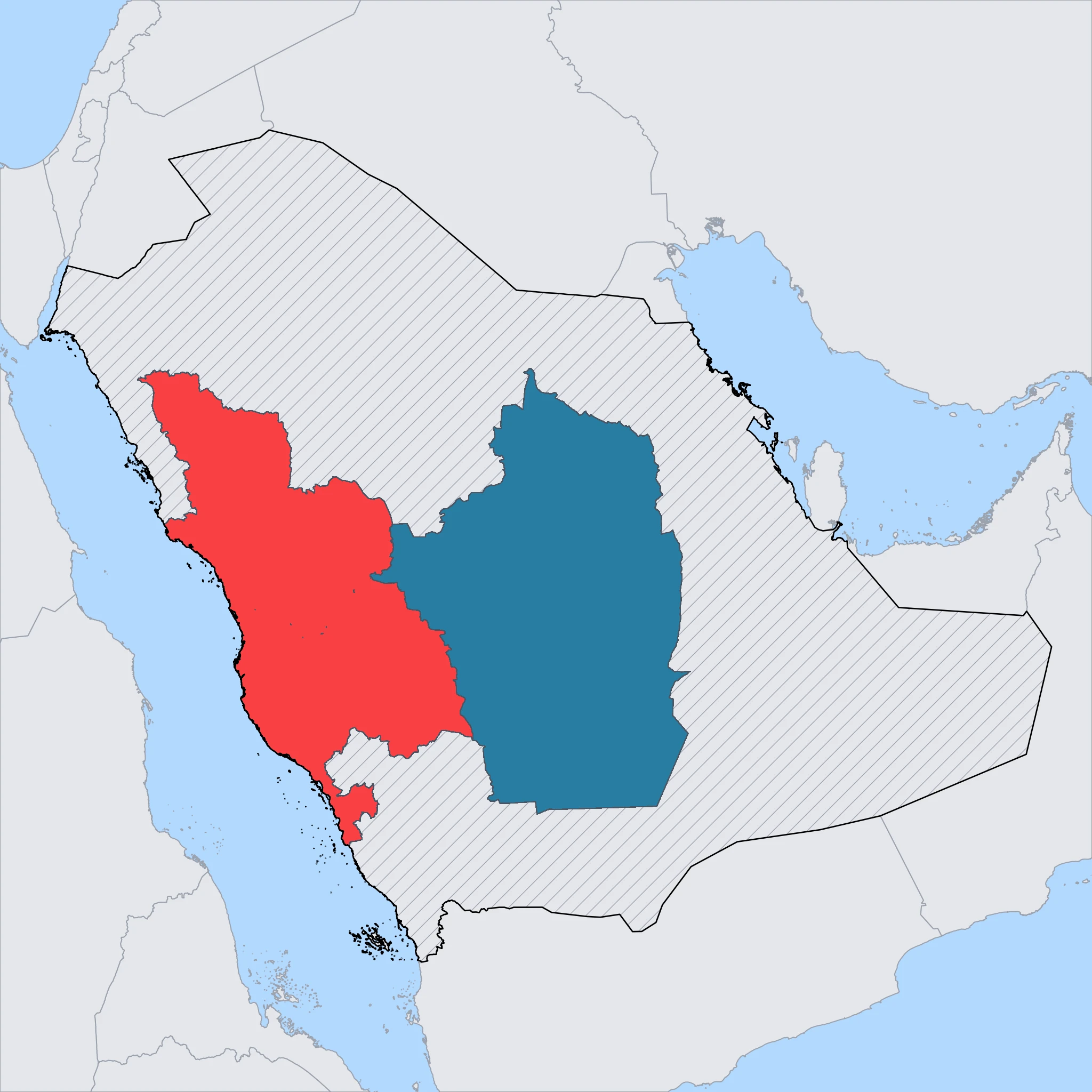
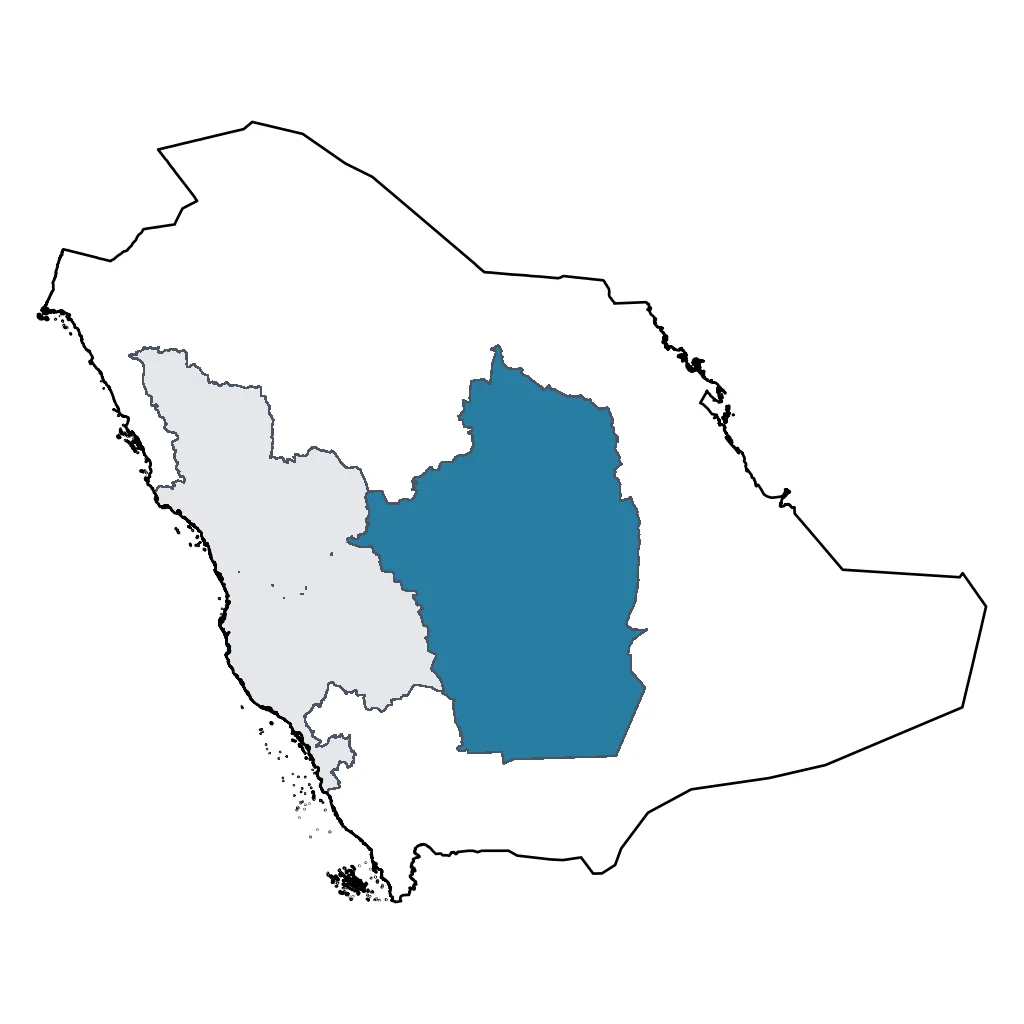
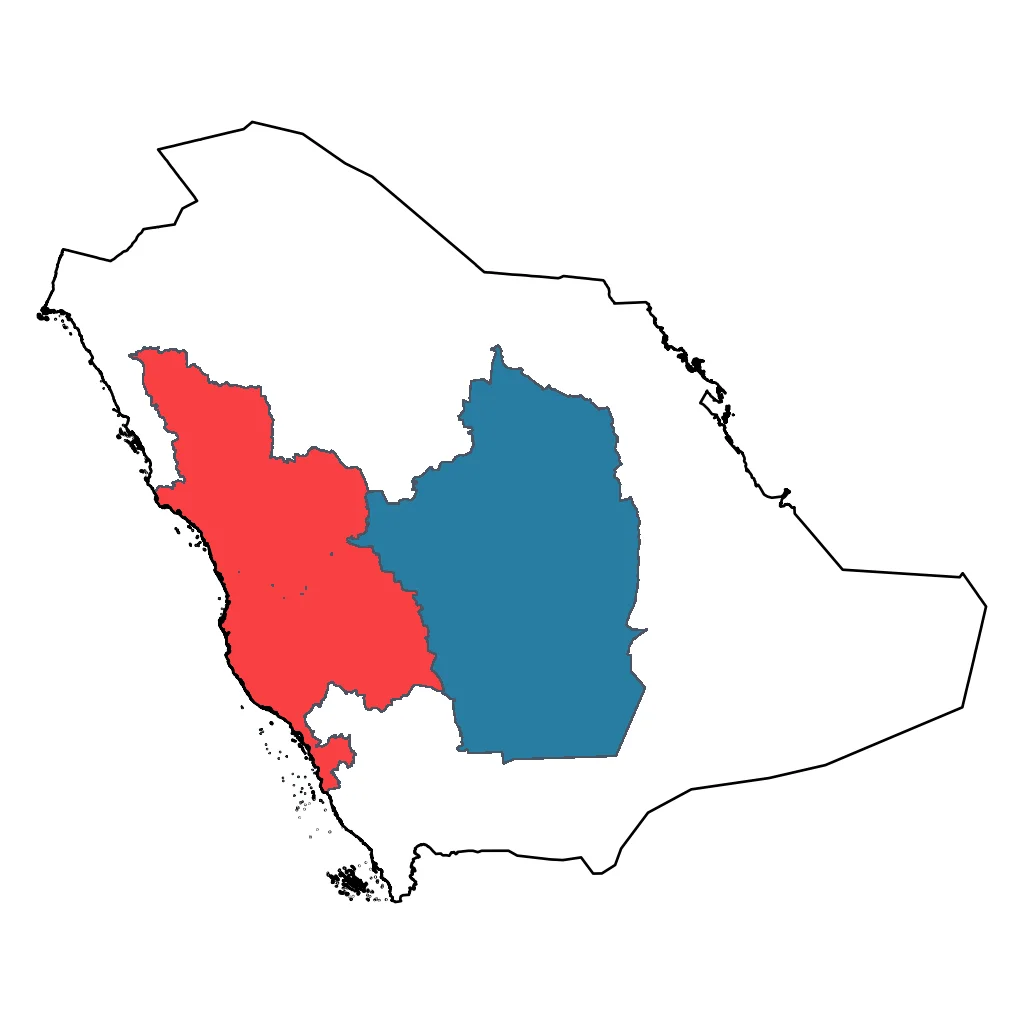
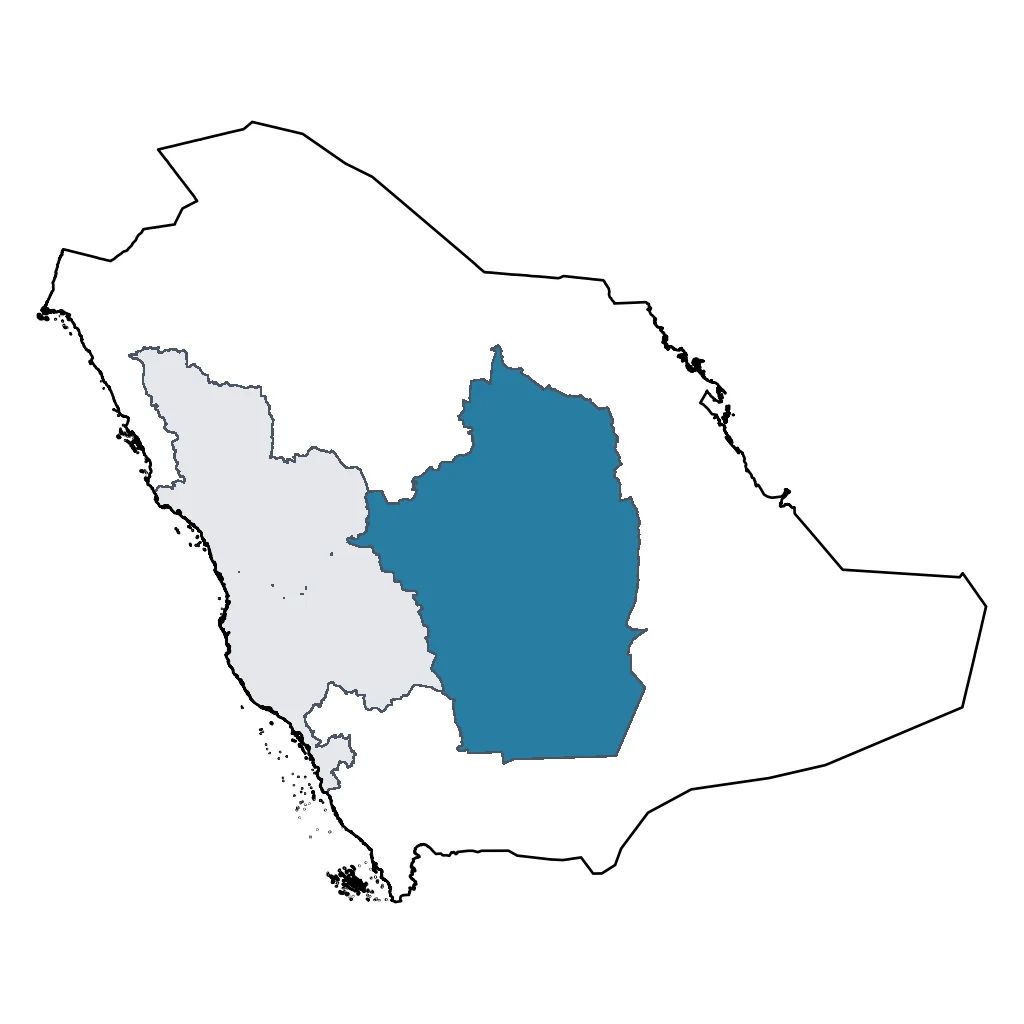
Click on a region marker to explore details. Use the dropdown to color regions by activity suitability.

Activities & Best Times

Adventure & Nature
Very GoodHiking, wildlife, outdoor exploration, ecotourism
AlUla's desert landscapes are striking but limited in diversity compared to global 'excellent' adventure destinations (Patagonia, Nepal, New Zealand). The terrain offers hiking and stargazing but lacks the range of activities expected for top-tier international adventure classification. No attraction evidence in DB to support the rating.
The Tuwaiq Escarpment and the 'Edge of the World' offer spectacular, authentic desert landscapes for hiking and off-road exploration. Ideal conditions occur in winter when temps are mild; summer is unsuitable as desert temperatures frequently exceed 40°C, posing safety risks.
Offers a unique blend of world-class marine exploration and rugged Hejaz mountain landscapes. Peak winter months are optimal for desert excursions and hiking; the off-season sees temperatures too high for safe or enjoyable outdoor physical exertion.

City & Cultural
Very GoodUrban tourism, museums, historical sites, architecture
Diriyah is UNESCO-listed and the attraction evidence supports a strong cultural offering. However, Riyadh's cultural scene is still maturing compared to globally established cultural capitals (Istanbul, Rome, Kyoto, Paris). 'Very_good' accurately reflects a rapidly developing but not yet internationally pre-eminent cultural destination.
Jeddah's Al-Balad is a UNESCO World Heritage site offering authentic coral-stone architecture and a deep maritime history. The winter months provide the necessary mild climate (15-28°C) for exploring ancient alleys, while the extreme summer heat makes urban walking tours unsuitable.
Hegra is a genuinely significant UNESCO site comparable to Petra, but AlUla is an archaeological site, not a cultural city. It lacks the urban cultural infrastructure (museums, galleries, performance venues, diverse neighborhoods) that 'excellent' city_cultural destinations offer. Also creates inconsistency: Western Region with UNESCO Al-Balad + Mecca/Medina cultural depth is rated only 'very_good'.

Educational & Exploratory
Very GoodLearning experiences, scientific sites, historical education
The 200,000-year archaeological record is significant, but visitor interpretation infrastructure is still being developed. 'Excellent' educational destinations (e.g., Athens, Cairo, Rome) offer decades-established museum ecosystems. No attraction evidence in DB supports this rating at the 'excellent' level.
The National Museum and King Abdulaziz Historical Center offer high-quality, curated insights into Arabian history and archaeology. While many exhibits are indoors, the interconnected heritage sites are best enjoyed when outdoor walking temperatures are moderate (Nov-Mar).
Rich in historical and scientific educational value, from Islamic history in Medina to the cutting-edge marine research at KAUST. Seasonal timing is dictated by the ability to move comfortably between outdoor archaeological sites and indoor facilities during the cooler winter period.

Festivals & Seasonal
Very GoodEvents, celebrations, seasonal attractions
Riyadh Season is a massive, well-funded entertainment event but primarily draws regional audiences. It has not yet achieved the decades-long international recognition of 'excellent' festival destinations (Edinburgh Fringe, Rio Carnival, Oktoberfest). 'Very_good' reflects its impressive scale while acknowledging its relative youth on the global stage.
The 'Winter at Tantora' festival is a world-class cultural event featuring international music, arts, and horse racing. The main festival season coincides with the coolest months (Dec-Feb), while the region lacks significant international events during the harsh summer period.
Jeddah Season and various cultural art fairs transform the city into a vibrant hub of international entertainment. These events are strategically scheduled for the winter months to leverage the mild coastal weather, with very little outdoor festival activity during the scorching summer.

Relaxation & Wellness
Very GoodSpa retreats, wellness centers, peaceful getaways
Offers high-end eco-luxury retreats and desert spa sanctuaries that emphasize serenity and architectural integration. Winter months are perfect for outdoor yoga and meditation in the canyons, though summer heat restricts these activities to indoor environments.
The city features ultra-luxury hotel spas and emerging desert retreats that cater to the most discerning international travelers. Peak months allow for outdoor meditation and terrace relaxation, whereas summer months limit the wellness experience to indoor climate-controlled environments.
Sophisticated luxury resorts along the 'Corniche' and newer Red Sea developments provide high-end spa and wellness facilities. Peak months offer pleasant humidity and temperatures for outdoor meditation and yoga, whereas summer humidity and heat levels are restrictive.

Beach & Sea
Very GoodBeach resorts, marine activities: diving, snorkelling, kite surfing, wind surfing, sailing

Road Trips & Scenic
GoodScenic drives, countryside tours, route-based travel
Excellent road infrastructure connects the capital to unique heritage villages like Ushaiger and stunning desert vistas. Winter provides the clear skies and comfortable temperatures necessary for scenic stops; summer heat makes exiting the vehicle for exploration taxing.
Provides stunning desert vistas and well-maintained roads connecting dramatic geological sites like Elephant Rock. Peak months offer clear visibility and comfortable driving conditions, whereas summer travel is discouraged due to extreme temperatures and potential heat-related vehicle stress.
Modern highways offer high-speed connectivity between the coast and the Hejaz mountains, suitable for scenic coastal drives. The rating is conservative due to a lack of diverse rural landscapes compared to global benchmarks, and travel is best limited to the coolest months.

Sports & Active
GoodSport tourism, fitness activities, active recreation
World-class golf courses and elite equestrian facilities offer high-quality active recreation for sophisticated travelers. These outdoor sports are at their peak during the cool winter months; the extreme heat and low humidity of summer (Jun-Aug) make strenuous outdoor activity unfeasible.
Exceptional for sailing, windsurfing, and golf with facilities that meet international standards. Ideal conditions align with the spring and autumn windows for optimal wind and manageable heat; summer is too intense for high-intensity activity.
Emerging destination for rock climbing, desert cycling, and endurance events within a unique sandstone terrain. Activities are best pursued during the mild winter window; the summer months are considered off-season due to high-risk thermal conditions for physical exertion.
Theme Park & Entertainment
GoodAmusement parks, family entertainment venues
Boulevard World and Boulevard Riyadh City provide sophisticated, high-production entertainment zones that rival international standards during the peak season. These venues are primarily outdoor-focused, making the cooler months the only viable time for a world-class family experience.
The region features modern indoor amusement parks and the prominent Fakieh Aquarium, offering quality family entertainment. While these facilities meet high standards, they lack the global scale of top-tier international theme parks, and the outdoor areas of the Corniche are only enjoyable in the winter.
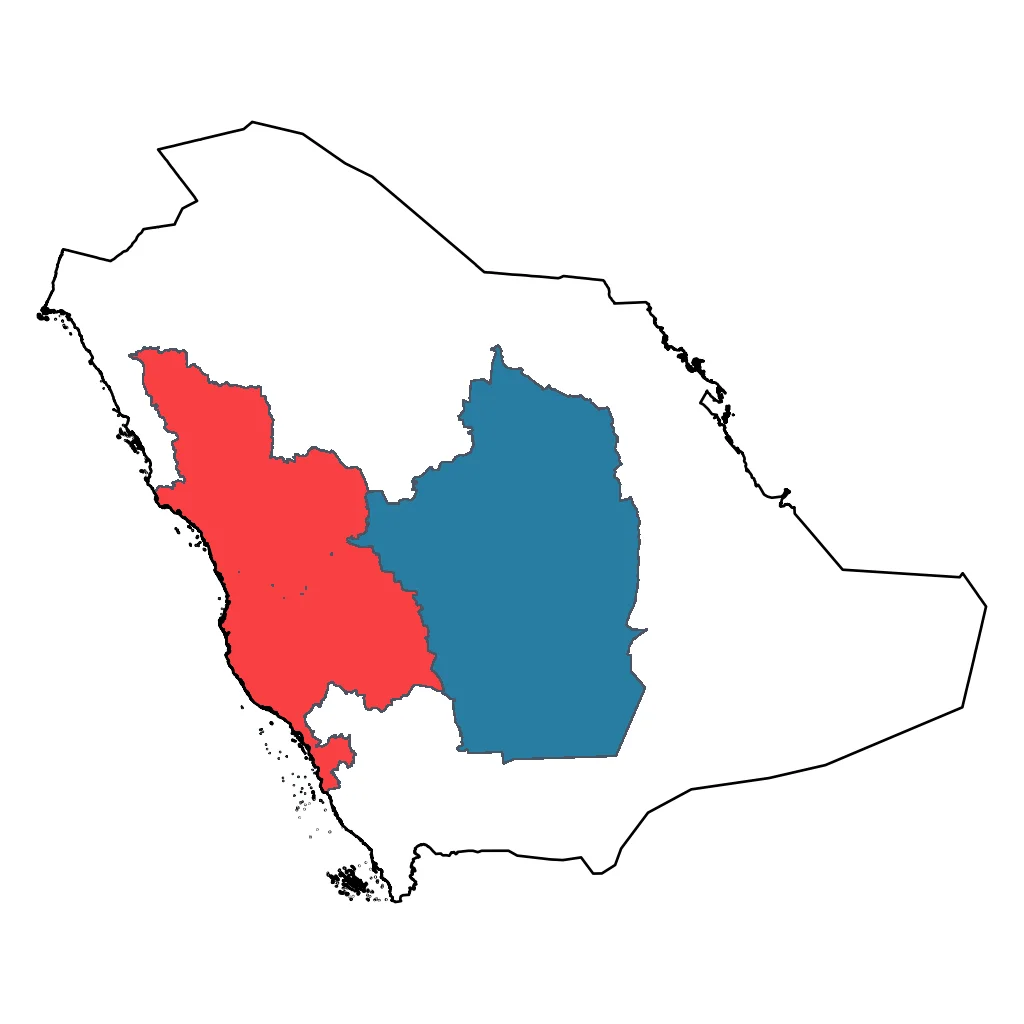
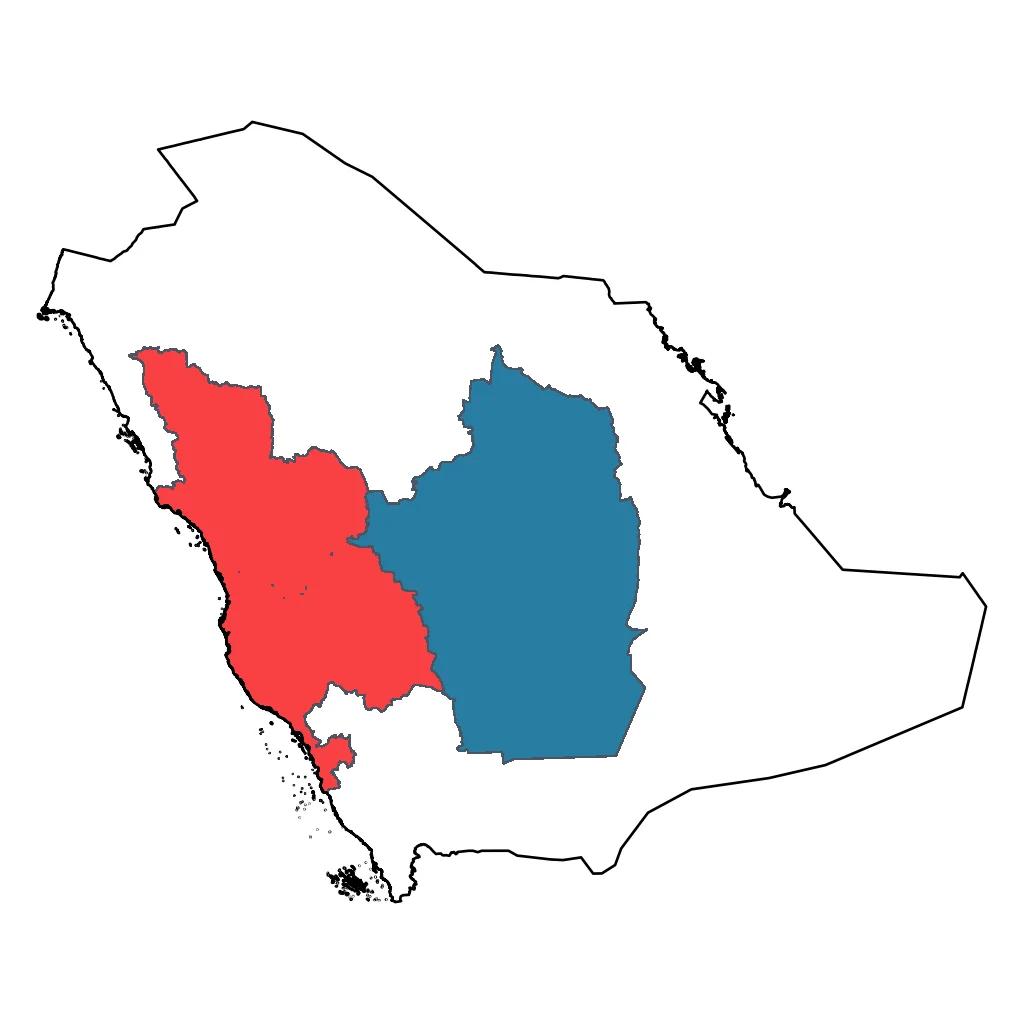
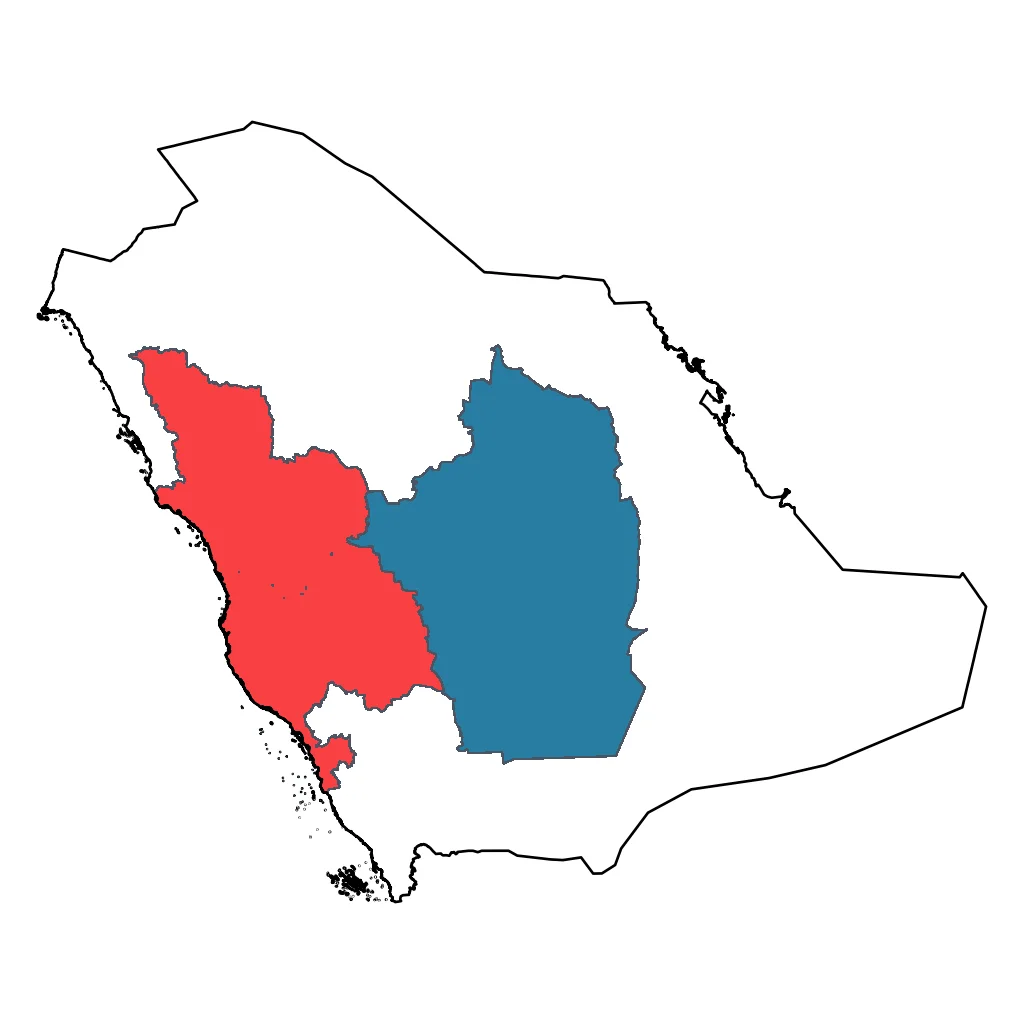
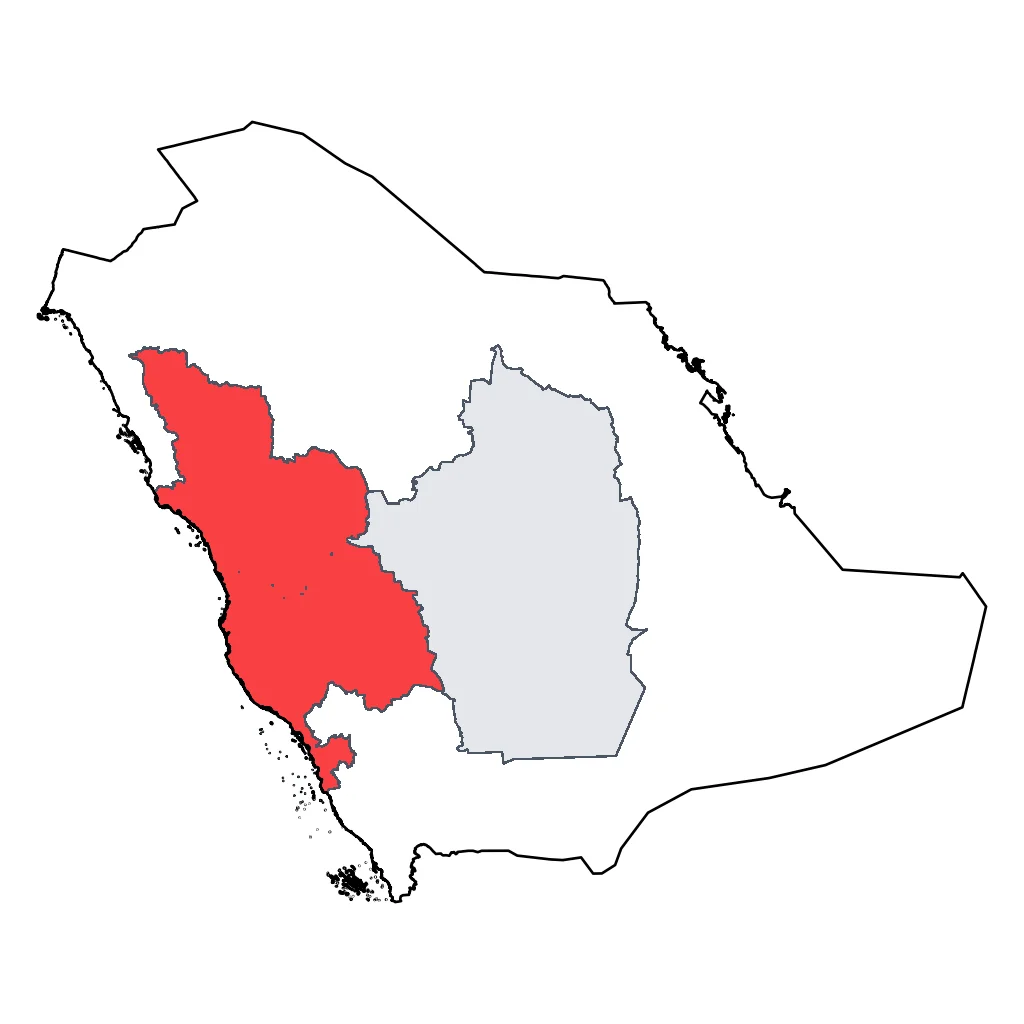

Airports & Flight Routes
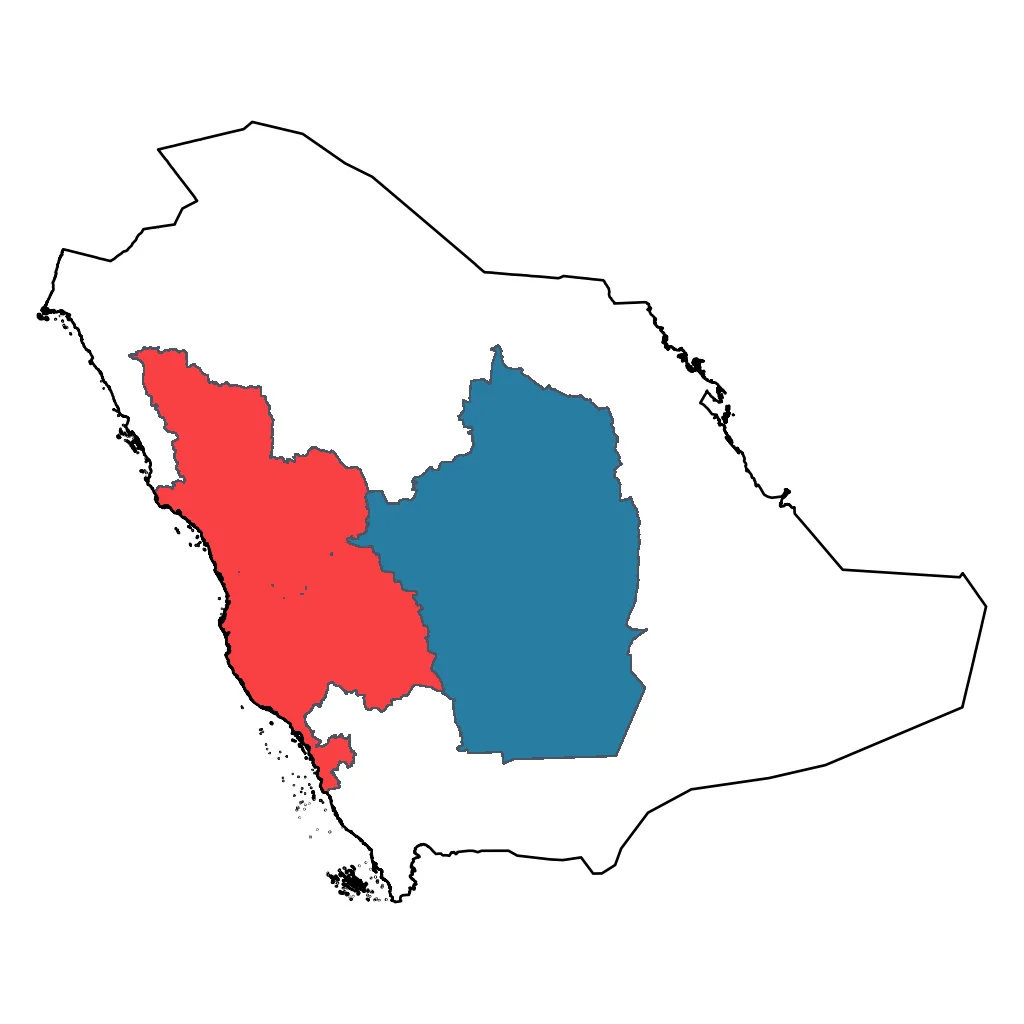
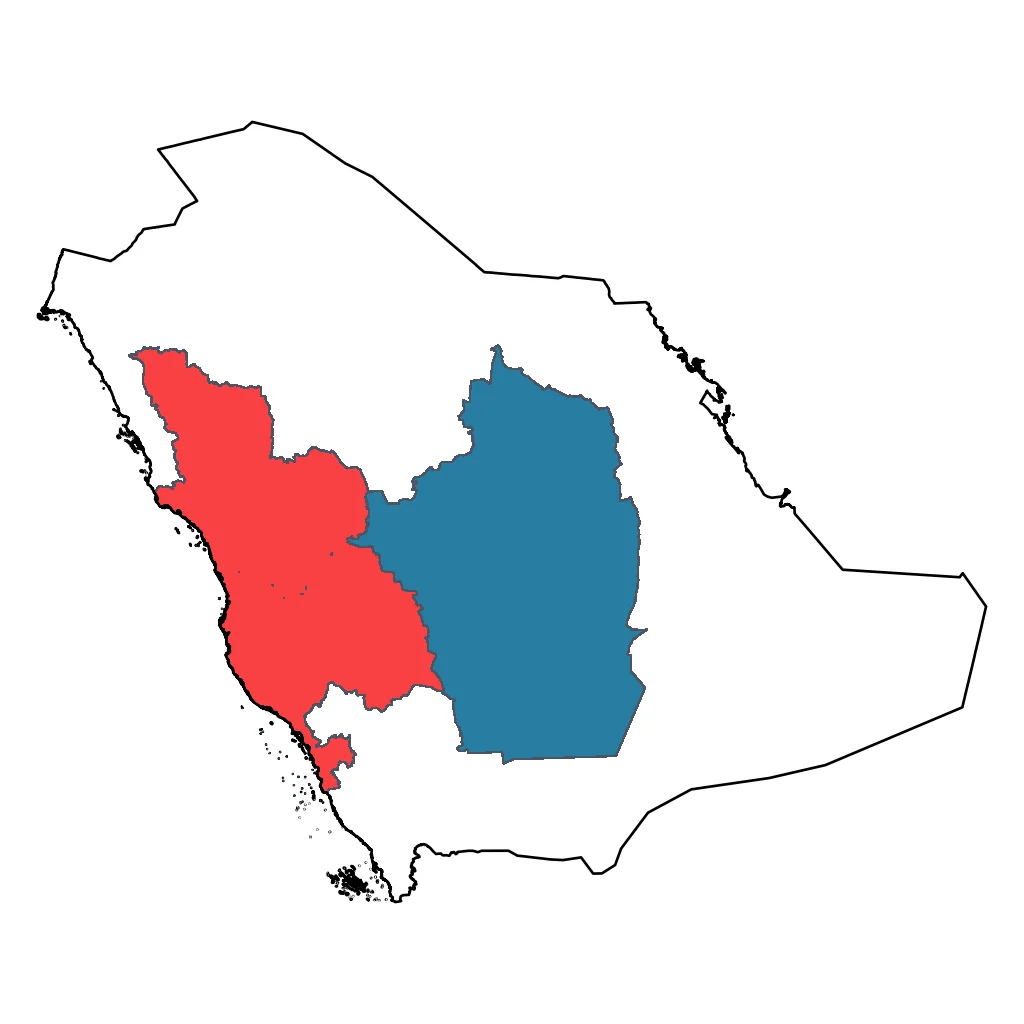
Toggle options to view domestic routes and international airports. Click an airport for details.

Climate & Weather
AlUla (ancient sites)
Show Details
| Month | Temp °C | Rain | Humidity |
|---|
Riyadh
Show Details
| Month | Temp °C | Rain | Humidity |
|---|
Western Region (Jeddah, Mecca & Medina)
Show Details
| Month | Temp °C | Rain | Humidity |
|---|

Travel Advisory
Heightened vigilance is required nationwide due to risks of terrorism and missile/drone attacks, though most areas remain open to travel.
Safety Topics
Traveller Advice (3 groups)

Homosexuality is illegal and can lead to severe penalties, including imprisonment or deportation. Public displays of affection should be avoided regardless of orientation.

Specific Hajj and Umrah visas are required for pilgrims. Participants should prepare for extreme crowding and follow all safety instructions from local authorities to prevent stampedes.

Female visitors should dress conservatively in public. While an abaya is no longer mandatory for tourists, modesty is expected, and social norms remain traditional.