

Nubian Nile Valley (Northern State)
Ancient pyramids and the holy mountain 🐫
⚠️ SAFETY WARNING: Due to the severe national conflict and compromised security infrastructure, government agencies (including CA, USA, UK, AU, IE, and NZ) advise travelers to avoid all travel to the Nubian Nile Valley. Emergency services are limited, and the situation remains volatile. Families are strongly urged to consult their own government's official travel advisory before considering any travel to this region.
The Nubian Nile Valley serves as an open-air museum of the ancient world, hosting more pyramids than Egypt. This region was the heart of the Kingdom of Kush, a powerful civilization that once ruled over the Nile. The most iconic site is the Royal Necropolis of Meroe, where dozens of steep-sided pyramids rise from the orange desert sands. Unlike their Egyptian counterparts, these pyramids are smaller and clustered closely together, creating a striking silhouette against the dunes. Visitors to the region (in peaceful times) are often struck by the profound silence and lack of crowds, allowing for an intimate connection with antiquity.
The landscape is dominated by the Nile, which winds through the Sahara in a giant 'S' curve. Along this fertile ribbon, date palms and mud-brick villages thrive, contrasting with the stark beauty of the surrounding Bayuda and Nubian Deserts. A key landmark is Jebel Barkal near the town of Karima. This flat-topped sandstone mesa was considered the dwelling place of the god Amun and marks the southern limit of the Egyptian empire's expansion. At its base lie the ruins of a massive temple complex, and energetic travelers can climb the mountain for a panoramic view of the Nile valley and the nearby pyramids of Nuri.
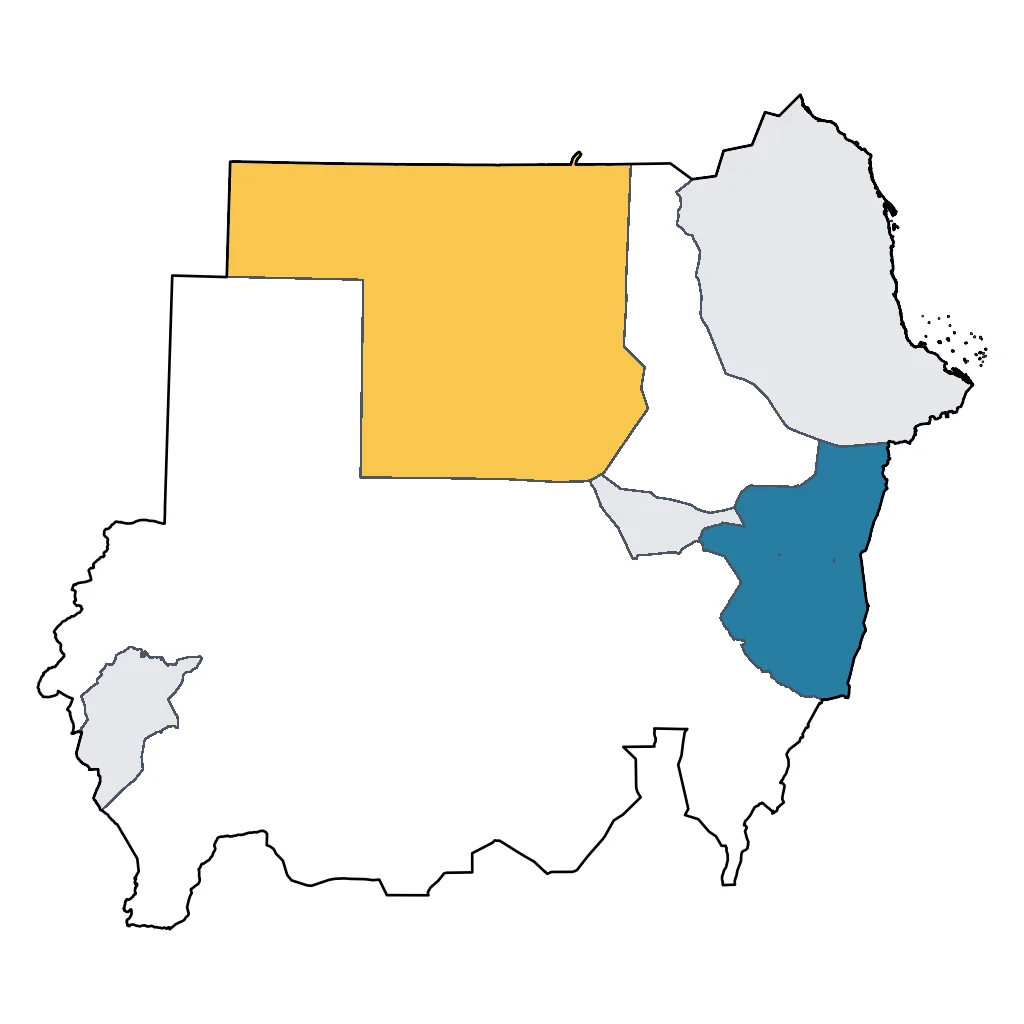
The region is also famous for its traditional Nubian hospitality. The houses are often decorated with colorful geometric patterns and bright doorways. The pace of life here is dictated by the river and the sun, with agriculture remaining the primary livelihood. Dongola, one of the larger towns, serves as a hub for the region's date trade. Geographically, the
Click a region to explore

Activities & Best Times

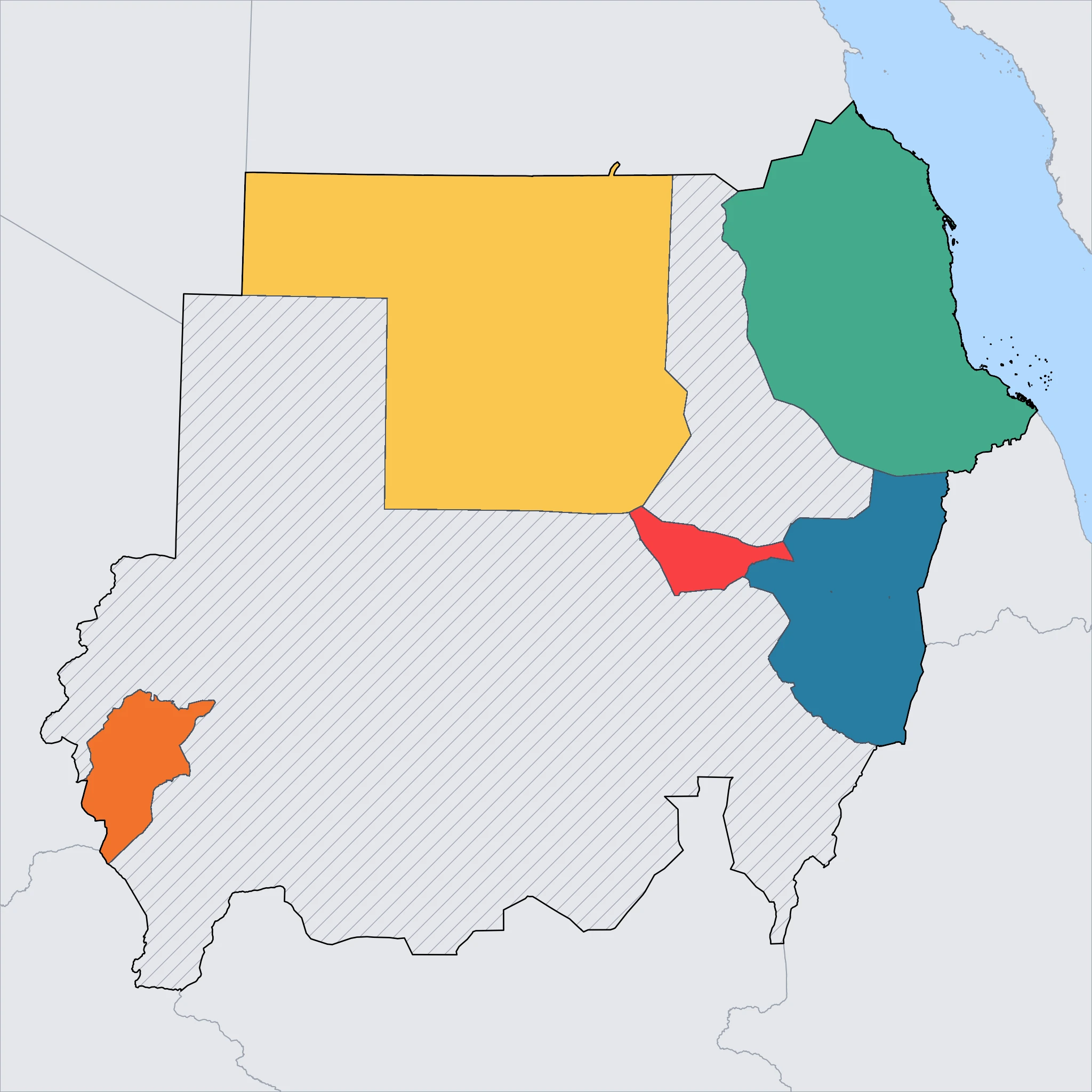
Urban tourism, museums, historical sites, architecture
Home to the ancient Kingdom of Kush and the 'Black Pharaohs,' the region offers world-class UNESCO sites like Jebel Barkal and the Kerma ruins without the crowds of Egypt. Peak winter months provide the mild temperatures (max 24-27°C) necessary for exploring exposed archaeological sites; summer heat regularly exceeds 35-40°C, making cultural tours uncomfortable.
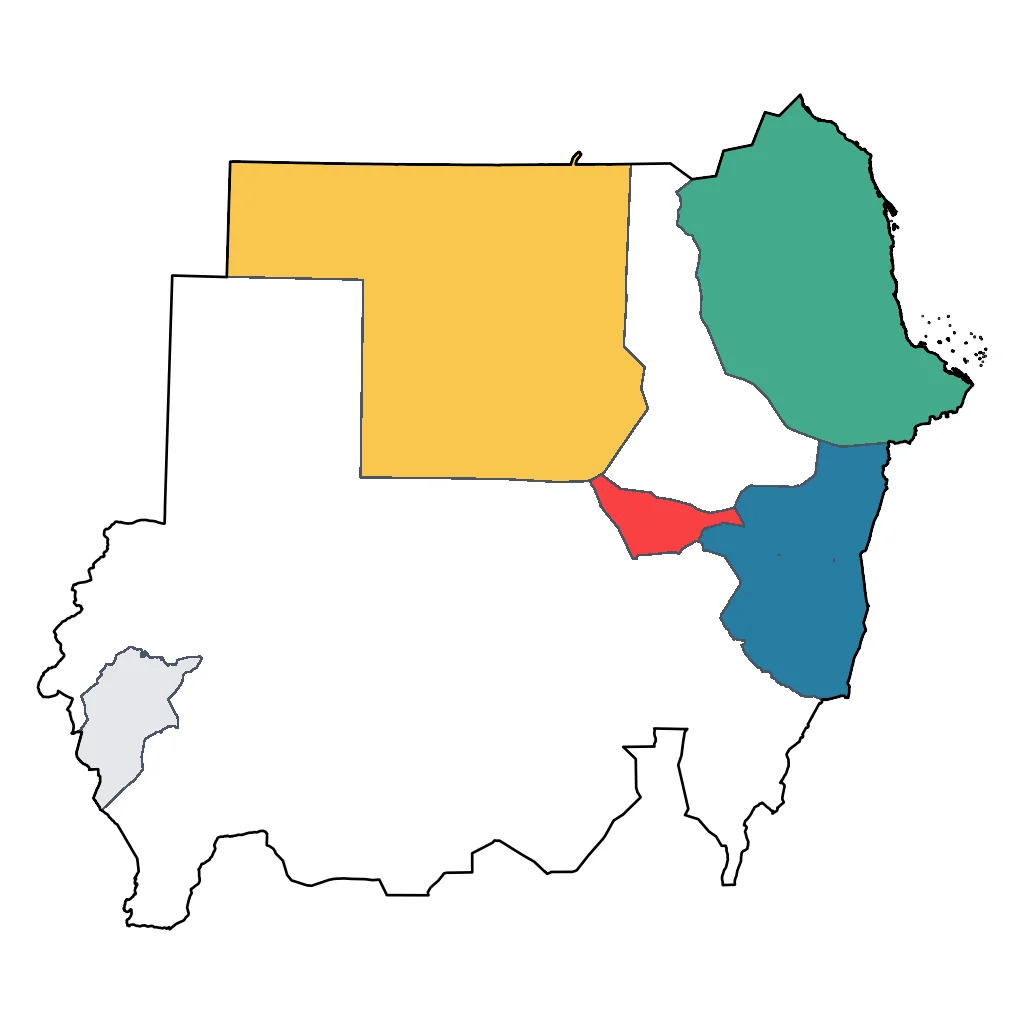

Learning experiences, scientific sites, historical education
An exceptional destination for families to learn about ancient civilizations, archaeological excavation, and Nubian heritage in an authentic, non-commercialized environment. Winter offers optimal learning conditions, while the extreme hyper-arid climate from April to October limits access to remote sites and reduces the quality of educational tours.
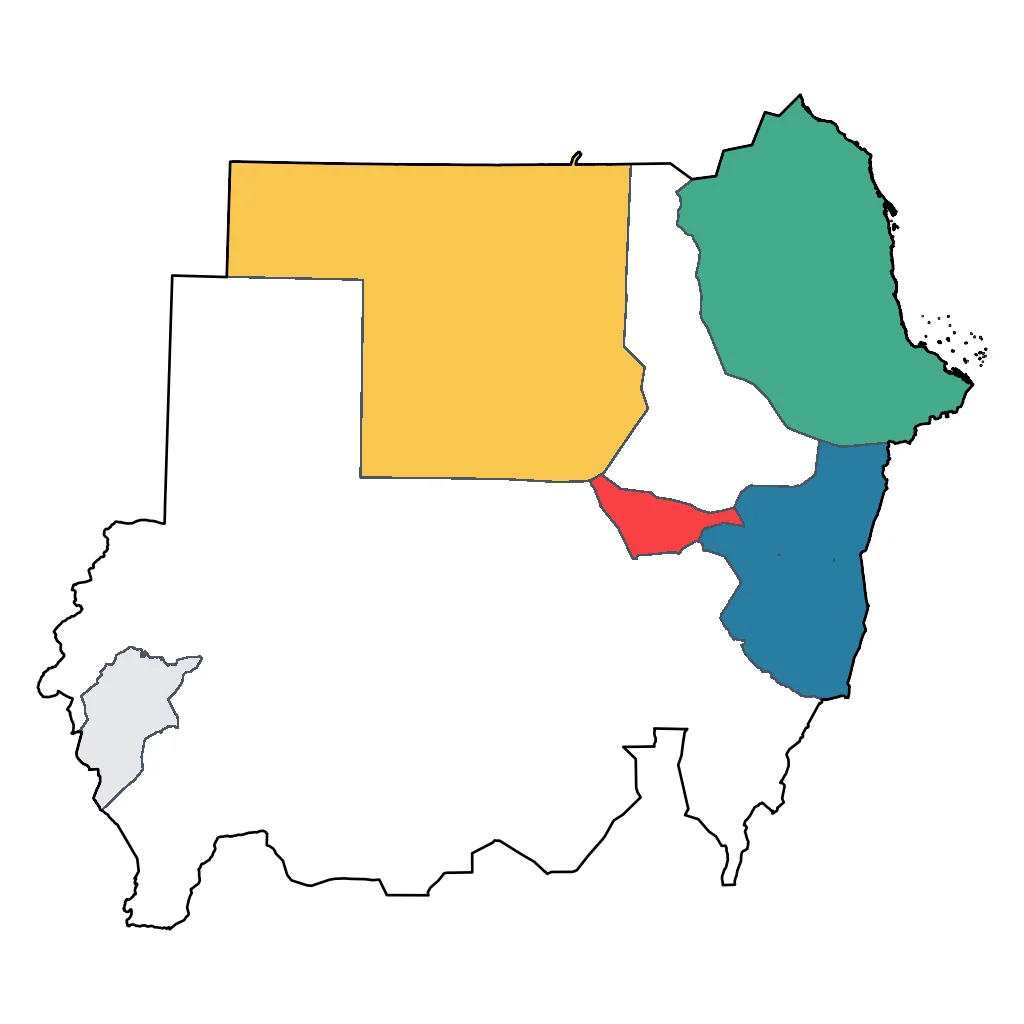

Hiking, wildlife, outdoor exploration, ecotourism
Offers unique desert exploration including Nile boat trips, sand dune trekking, and camping under world-class dark skies. The cool, dry winter months are ideal for outdoor activity, whereas the severe summer temperatures (averaging nearly 40°C) present significant safety risks for desert adventure.
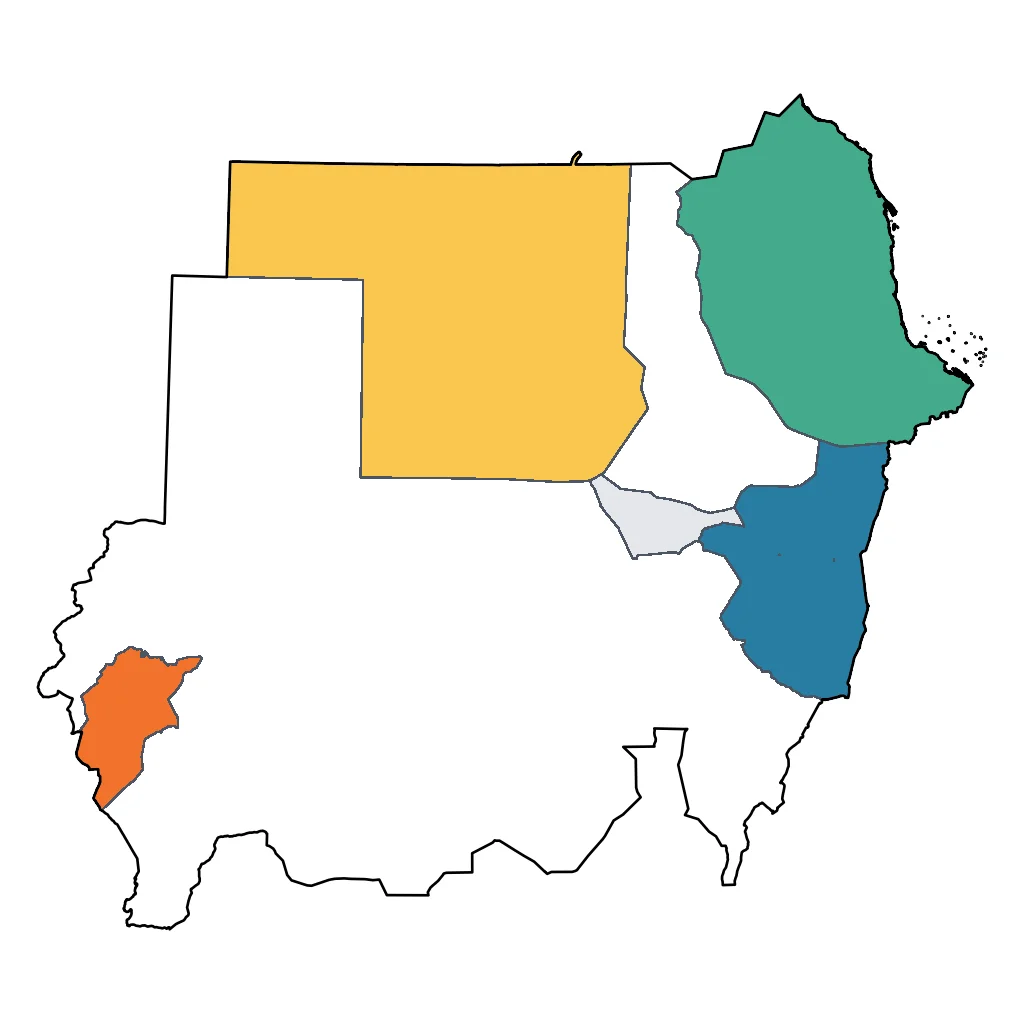

Scenic drives, countryside tours, route-based travel
The route through the Nubian Desert along the Nile provides a sense of raw exploration and spectacular, uncrowded landscapes for experienced travelers. Peak season ensures reliable vehicle performance and passenger comfort, while the intense summer heat and potential for sandstorms during the hotter months make long-distance travel difficult.

Spa retreats, wellness centers, peaceful getaways
Traditional Nubian guesthouses offer a tranquil, slow-paced escape for travelers seeking spiritual peace over modern spa facilities. This peaceful atmosphere is best enjoyed during the pleasant winter months; high temperatures during the rest of the year negate the relaxation benefits for international visitors.