

⚠️ SAFETY WARNING: Due to full-scale civil warfare, indiscriminate shelling, high risks of kidnapping, and a collapsed healthcare system, government agencies (including CA, USA, UK, AU, IE, and NZ) advise travelers to avoid all travel to Sudan. The security environment is lethal and unpredictable, with no consular support available. Families are strongly urged to consult their own government's official travel advisory, as evacuation options are virtually nonexistent.
Geographically, Sudan is dominated by the majestic Nile River, formed by the meeting of the Blue Nile and White Nile in the capital, Khartoum. This waterway creates a ribbon of green through the vast Sahara Desert, supporting agriculture and daily life. In peaceful times, the country's landscape ranges from the arid northern deserts to the Red Sea coastline in the east, which is famous for its untouched coral reefs and marine biodiversity near Port Sudan.
The country's most significant historical draw for families is its rich archaeological heritage. Sudan was the seat of the ancient Kingdom of Kush, often referred to as the land of the Black Pharaohs. The UNESCO World Heritage sites at Meroë and Jebel Barkal contain hundreds of steep, narrow pyramids that differ distinctly from those in Egypt. These sites historically provided a profound educational experience for older children interested in ancient history, offering a tangible connection to civilizations that thrived thousands of years ago.
Culturally, Sudan is known for its tradition of hospitality, centered around sweet tea and coffee ceremonies. However, the current conflict has severely impacted local communities and infrastructure. The climate is intensely hot and arid, with temperatures often exceeding 40°C (104°F), making the cooler winter months the only viable window for visiting in the past. Under current conditions, access to basic necessities like clean water, fuel, and medical care is critically limited across the entire region.

Explore Regions
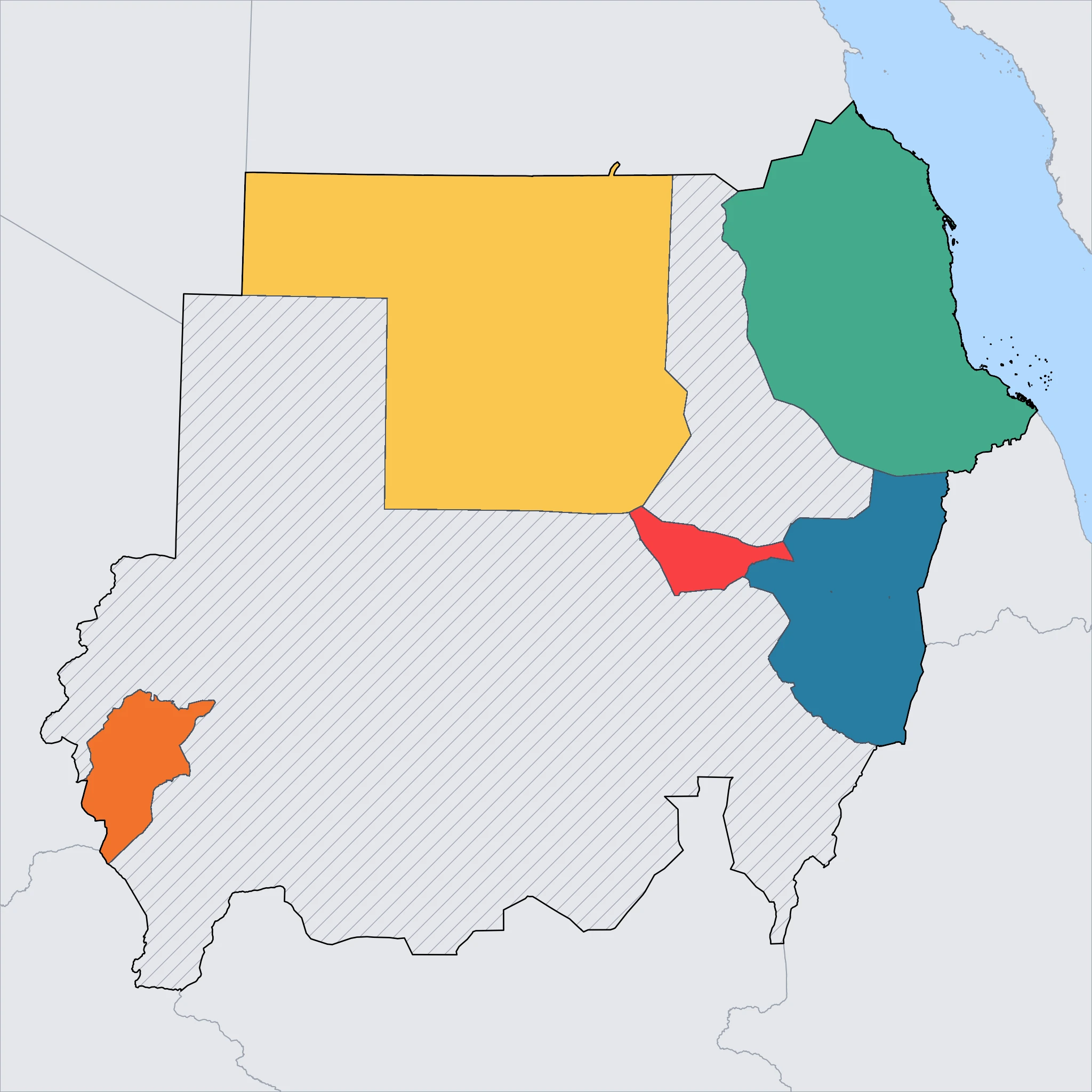
5 Regions
Darfur Highlands (Central Darfur State)
Volcanic peaks and hidden waterfalls 🌋
Eastern Sudan Highlands (Kassala State, Gedaref State)
Granite peaks and traditional coffee culture ☕
Khartoum & Confluence (Khartoum State)
Where the two Niles meet 🌊
Nubian Nile Valley (Northern State)
Ancient pyramids and the holy mountain 🐫
Red Sea Coast (Red Sea State)
Pristine coral reefs and historic ports 🐠
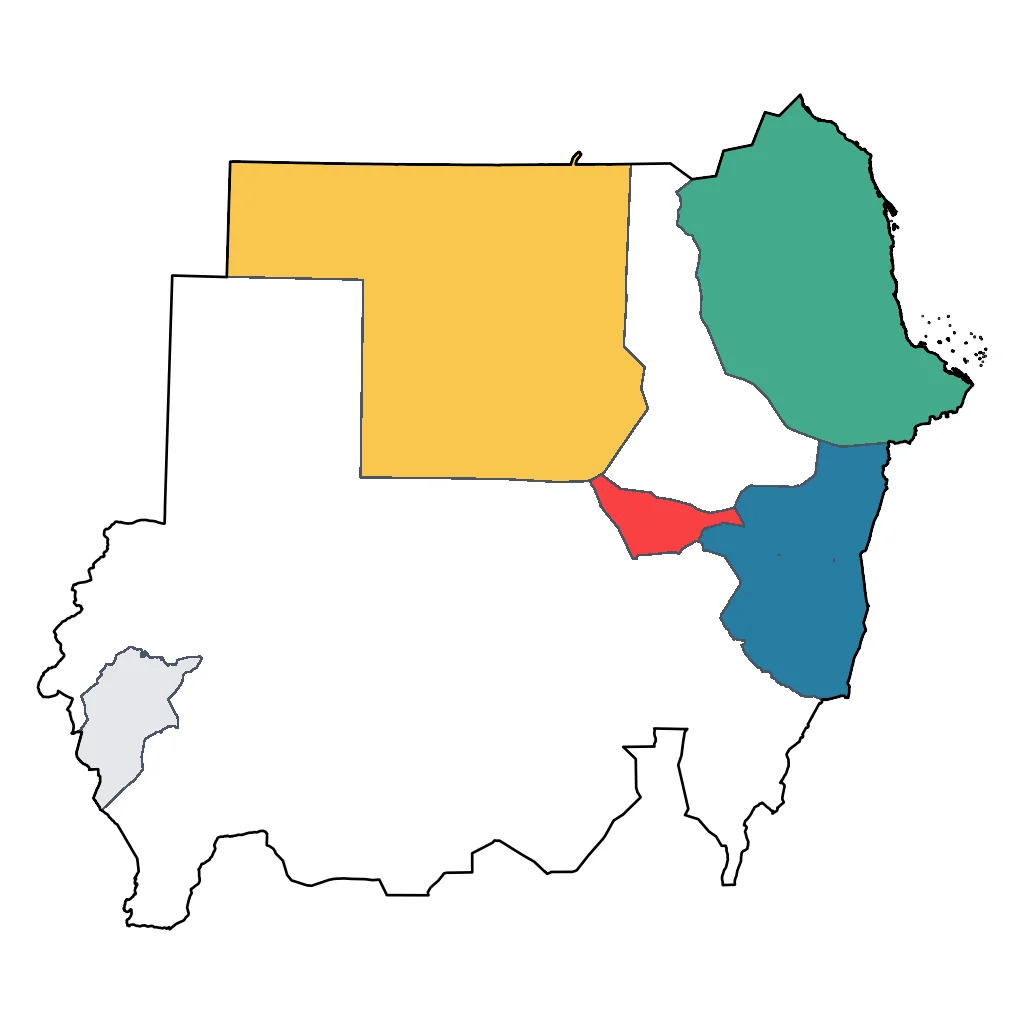
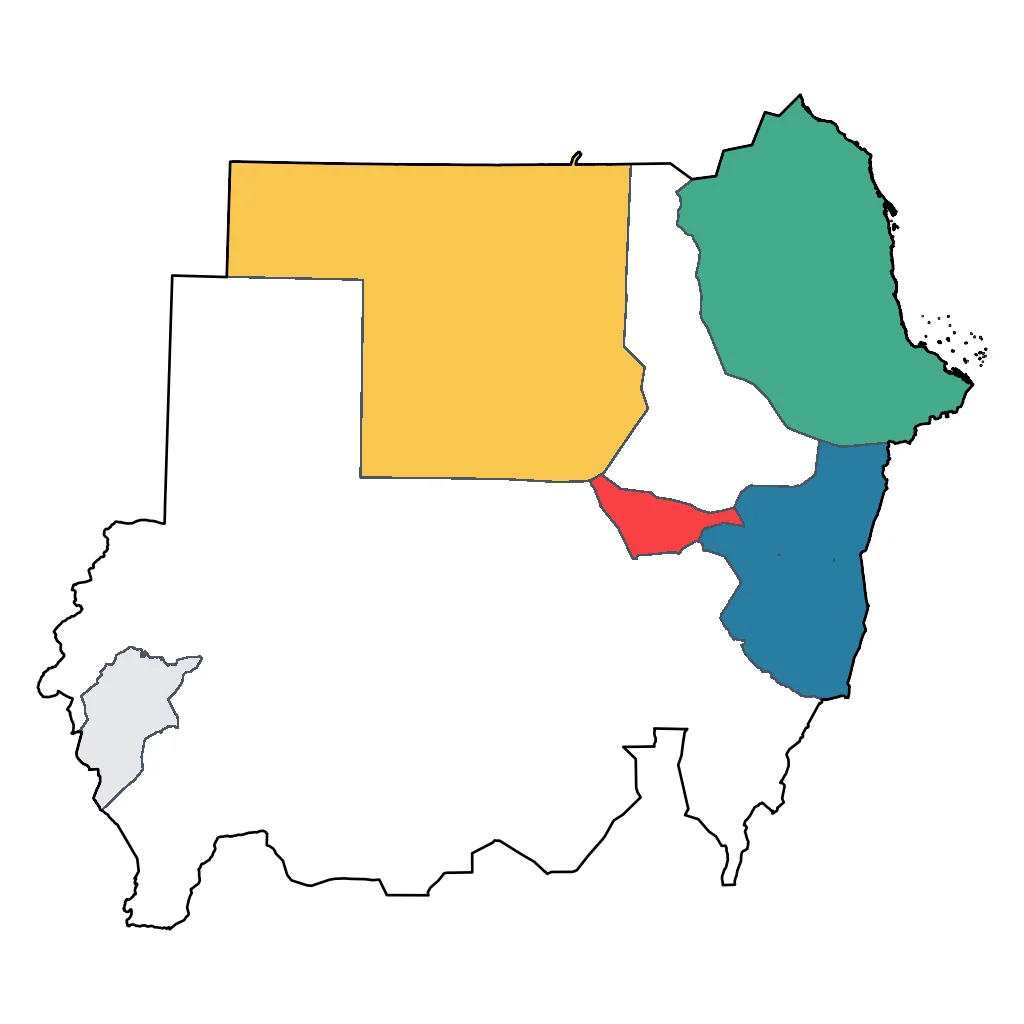
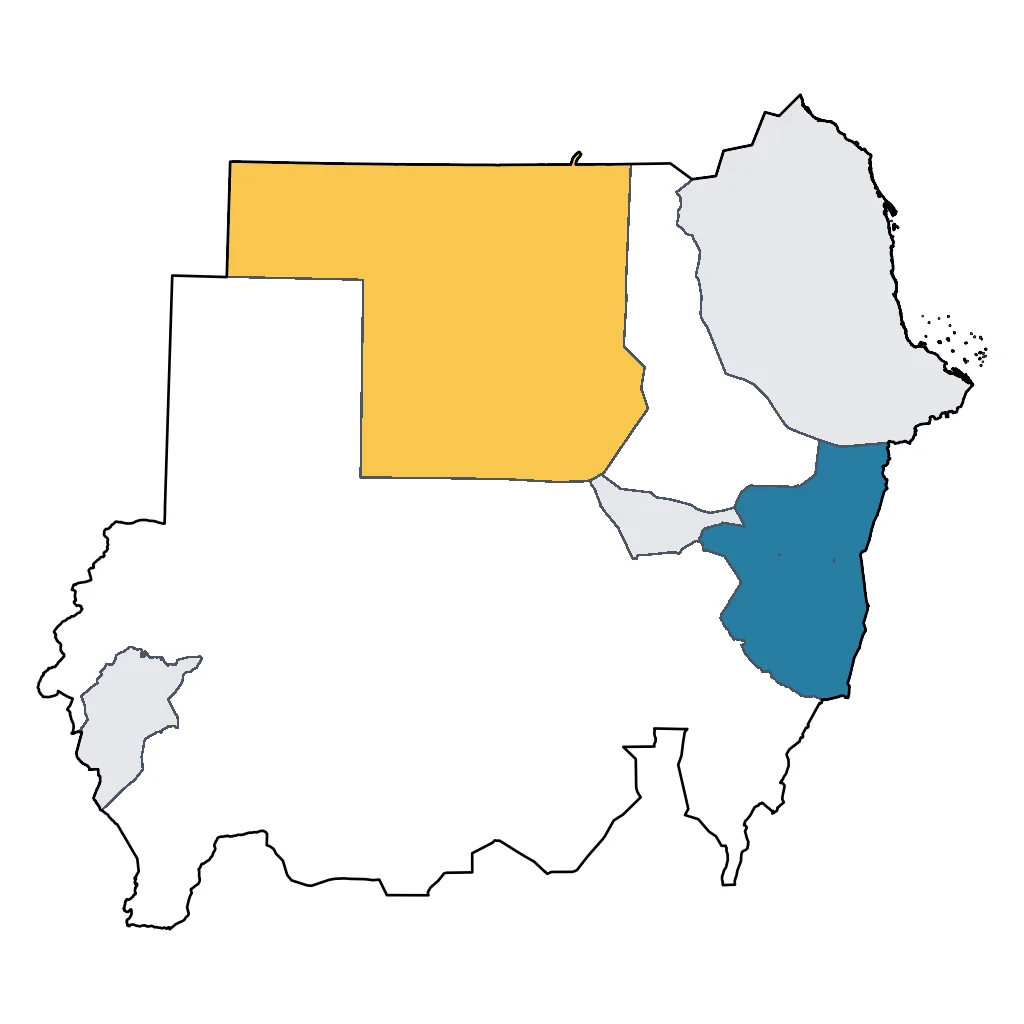
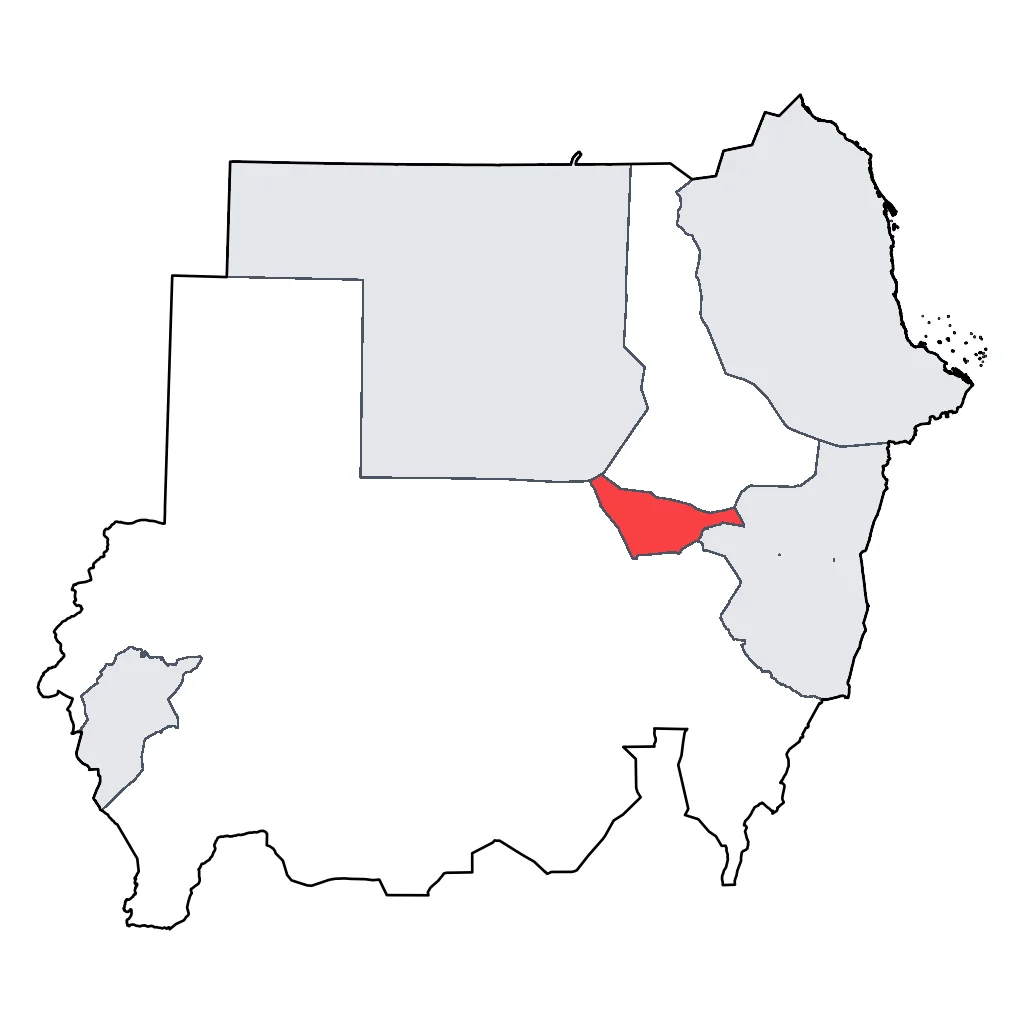
Click on a region marker to explore details. Use the dropdown to color regions by activity suitability.

Activities & Best Times

Sports & Active
ExcellentSport tourism, fitness activities, active recreation
A premier global destination for elite-level diving and sailing due to incredible sea visibility and healthy reef systems. Peak months align with moderate air temperatures (15-28°C) that prevent physical exhaustion, whereas summer months are dangerously hot for active outdoor sports.
High-altitude trekking and hiking through the volcanic highlands provide a world-class challenge for active families seeking authentic wilderness. Optimal conditions occur during the cool, dry winter (Nov-Feb); however, extreme heat in the spring and torrential monsoonal rains in summer make outdoor physical activity either dangerous or logistically unfeasible.
The Taka Mountains present world-class granite climbing potential for expert families, though the lack of formal infrastructure keeps this rating conservative. Peak months offer the necessary dry conditions and cooler rock temperatures, while the summer heat makes any strenuous activity dangerous.

Beach & Sea
ExcellentBeach resorts, marine activities: diving, snorkelling, kite surfing, wind surfing, sailing

Adventure & Nature
Very GoodHiking, wildlife, outdoor exploration, ecotourism
The Taka Mountains offer globally unique, jagged granite landscapes that are visually spectacular and highly authentic for experienced hikers. Peak winter months (Dec-Feb) provide the only comfortable window for exploration, as the summer months bring extreme heat exceeding 40°C and monsoon-related accessibility issues.
Exceptional marine biodiversity and untouched wilderness areas offer authentic exploration for families seeking a raw, non-commercialized nature experience. Peak conditions occur during the cooler winter months; the summer heat is too intense for safe or enjoyable outdoor exploration.
Offers unique desert exploration including Nile boat trips, sand dune trekking, and camping under world-class dark skies. The cool, dry winter months are ideal for outdoor activity, whereas the severe summer temperatures (averaging nearly 40°C) present significant safety risks for desert adventure.

City & Cultural
Very GoodUrban tourism, museums, historical sites, architecture
Home to the ancient Kingdom of Kush and the 'Black Pharaohs,' the region offers world-class UNESCO sites like Jebel Barkal and the Kerma ruins without the crowds of Egypt. Peak winter months provide the mild temperatures (max 24-27°C) necessary for exploring exposed archaeological sites; summer heat regularly exceeds 35-40°C, making cultural tours uncomfortable.
Kassala is a hub of authentic Beja culture and Sufi traditions, centered around the stunning Khatmiya Mosque at the base of the mountains. This is an excellent choice for well-travelled families seeking genuine cultural immersion, though the harsh summer climate and heavy rains from July to September make urban exploration nearly impossible.
Features authentic experiences like the Omdurman Souq and the unique confluence of the Blue and White Niles, though infrastructure is still developing for luxury family travel. Peak months offer pleasant daytime temperatures (23-28°C), while the extreme heat of April through September (often exceeding 40°C) makes urban exploration unsuitable for children.

Educational & Exploratory
Very GoodLearning experiences, scientific sites, historical education
An exceptional destination for families to learn about ancient civilizations, archaeological excavation, and Nubian heritage in an authentic, non-commercialized environment. Winter offers optimal learning conditions, while the extreme hyper-arid climate from April to October limits access to remote sites and reduces the quality of educational tours.
Home to the National Museum of Sudan, housing significant Meroitic and Christian Nubian artifacts, offering deep historical insight for inquisitive families. The cooler winter season is essential for visiting museum grounds and nearby archaeological sites, as summer temperatures and occasional dust storms create a challenging learning environment.
The region provides a deep look into Horn of Africa history, from the agricultural innovations of Gedaref to the religious significance of the Khatmiya order. Winter provides optimal conditions for visiting historical sites, whereas the intense pre-monsoon heat and peak rainfall limit access to local experts and outdoor landmarks.

Road Trips & Scenic
GoodScenic drives, countryside tours, route-based travel
The route through the Nubian Desert along the Nile provides a sense of raw exploration and spectacular, uncrowded landscapes for experienced travelers. Peak season ensures reliable vehicle performance and passenger comfort, while the intense summer heat and potential for sandstorms during the hotter months make long-distance travel difficult.
The route through the Eastern Highlands offers dramatic scenery as the flat savannah gives way to towering rock monoliths. Travel is best during the dry, cooler winter months; however, the 'haboob' dust storms of late spring and the seasonal flooding of the Gash River in summer present significant hazards for international travelers.
Serves as the essential gateway for scenic desert drives toward the Pyramids of Meroe or the Red Sea hills. Peak winter months offer the clear visibility and moderate temperatures necessary for safe and enjoyable long-distance desert travel, which is dangerous and grueling during the summer heat.

Festivals & Seasonal
GoodEvents, celebrations, seasonal attractions

Relaxation & Wellness
MarginalSpa retreats, wellness centers, peaceful getaways
Traditional Nubian guesthouses offer a tranquil, slow-paced escape for travelers seeking spiritual peace over modern spa facilities. This peaceful atmosphere is best enjoyed during the pleasant winter months; high temperatures during the rest of the year negate the relaxation benefits for international visitors.
The temperate microclimate and natural hot springs of the Jebel Marra offer a rare highland sanctuary for peaceful reflection. The dry, mild winter months provide the most comfortable environment for wellness; high humidity and heavy rainfall in the summer or intense heat in the spring detract from the tranquil outdoor experience sought by discerning travelers.

Airports & Flight Routes
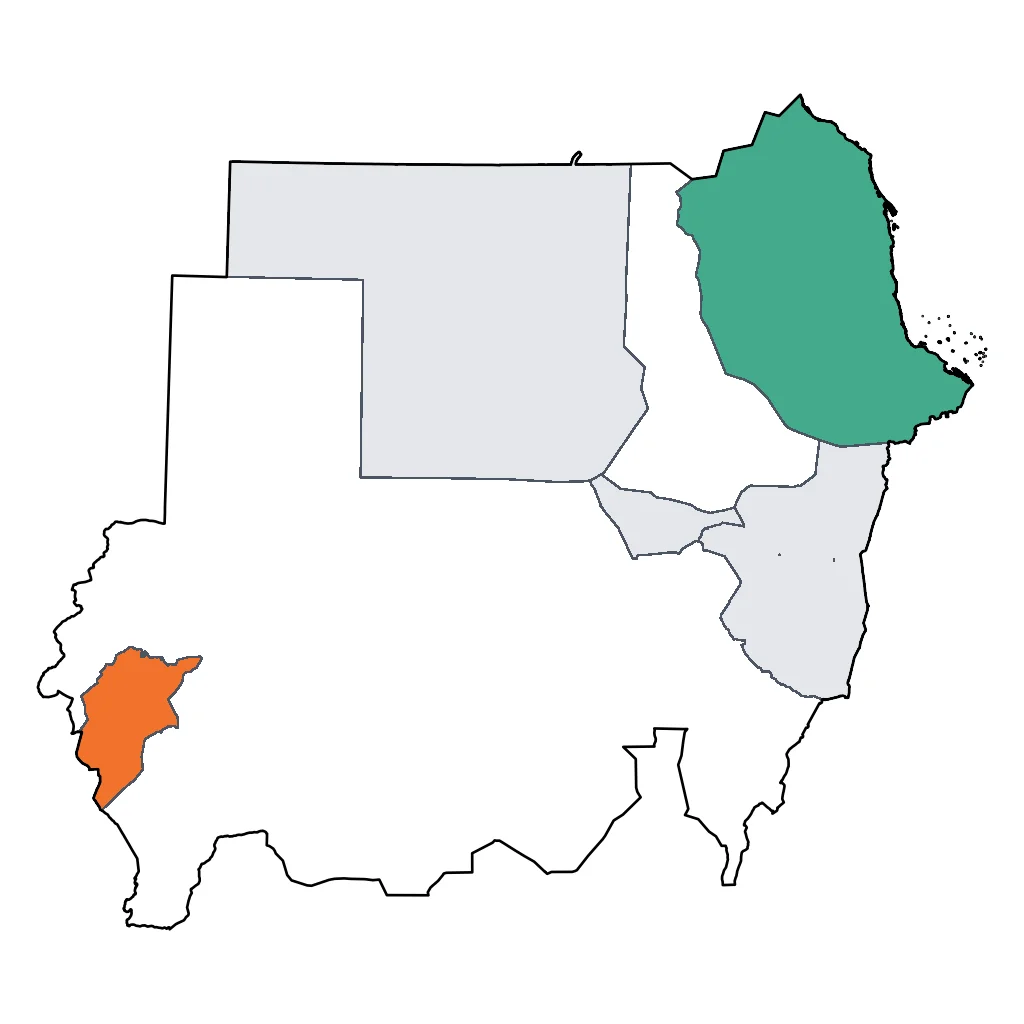
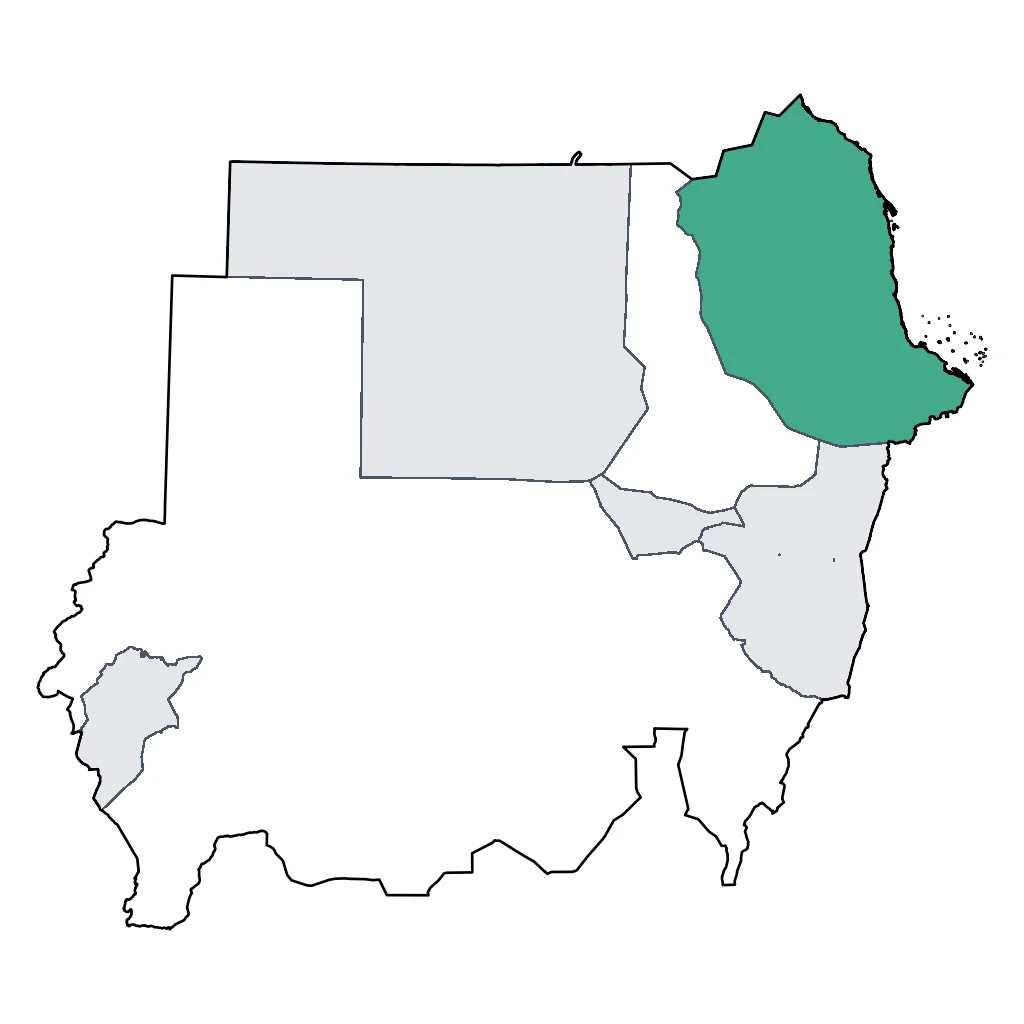
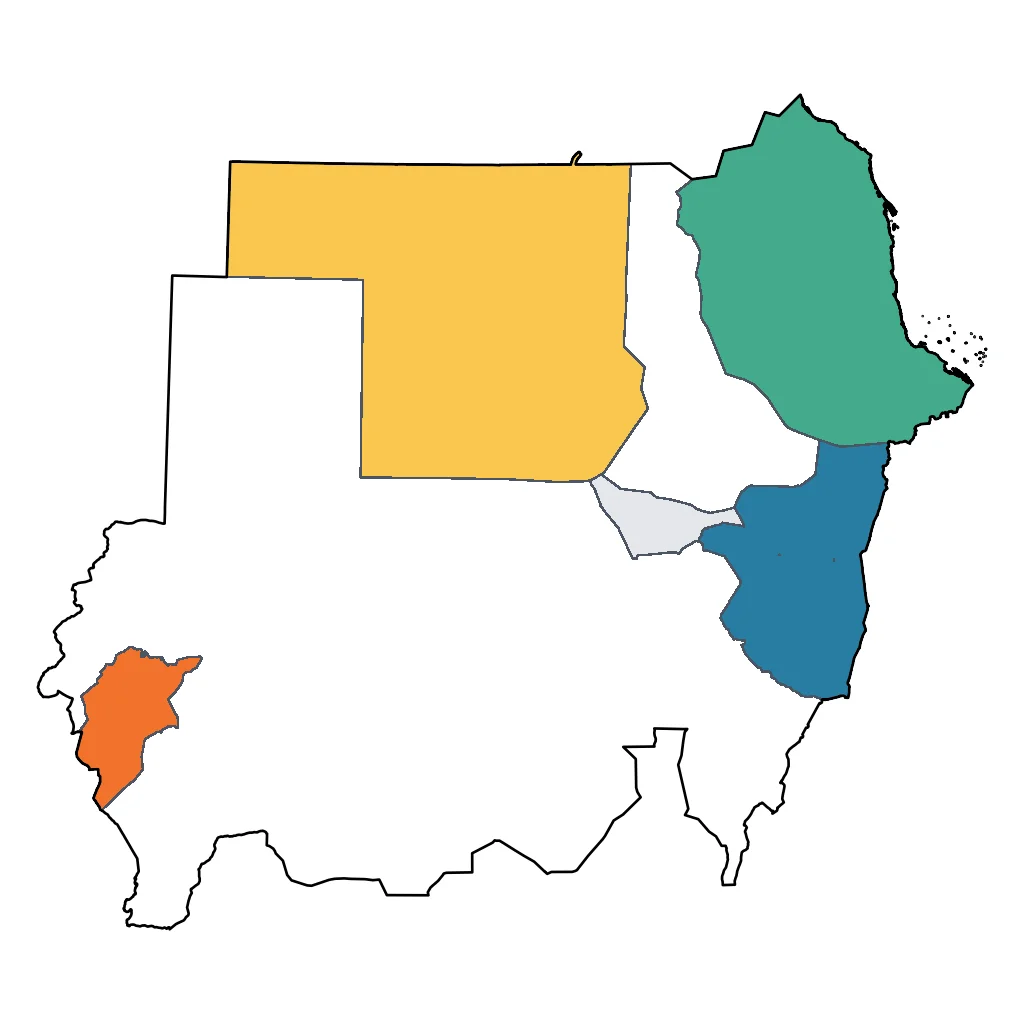
Toggle options to view domestic routes and international airports. Click an airport for details.

Climate & Weather
Darfur Highlands (Central Darfur State)
Show Details
| Month | Temp °C | Rain | Humidity |
|---|
Eastern Sudan Highlands (Kassala State, Gedaref State)
Show Details
| Month | Temp °C | Rain | Humidity |
|---|
Khartoum & Confluence (Khartoum State)
Show Details
| Month | Temp °C | Rain | Humidity |
|---|
Nubian Nile Valley (Northern State)
Show Details
| Month | Temp °C | Rain | Humidity |
|---|
Red Sea Coast (Red Sea State)
Show Details
| Month | Temp °C | Rain | Humidity |
|---|

Travel Advisory
Extreme risk due to active civil war and total collapse of infrastructure. All major agencies strictly advise against any visits.
Safety Topics
Traveller Advice (4 groups)

Aid personnel are frequently targeted for violence or abduction, and humanitarian supplies are often looted by armed groups.

There is a significantly heightened risk of sexual assault and gender-based violence linked to the ongoing military conflict.

Media workers face extreme risks including arbitrary arrest, physical harm, and censorship while reporting on the conflict.

Anyone currently in the country should shelter in place until a safe departure route is confirmed. Maintain emergency supplies of food, fuel, and medication.