

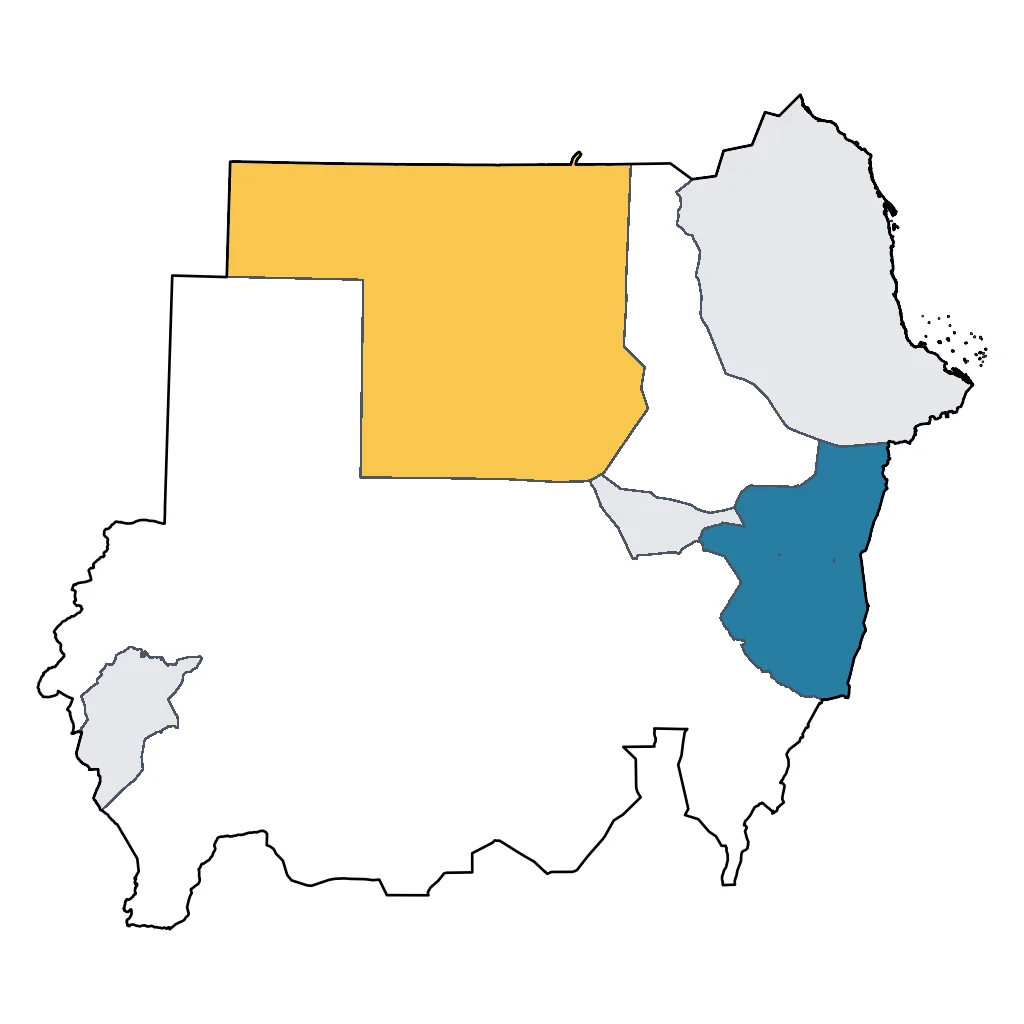
Darfur Highlands (Central Darfur State)
Volcanic peaks and hidden waterfalls 🌋
⚠️ SAFETY WARNING: Due to severe armed conflict, ethnic violence, and a complete lack of security infrastructure, government agencies (including CA, USA, UK, AU, IE, and NZ) advise travelers to avoid all travel to this region. The area is experiencing a humanitarian crisis with active military hostilities. Families are strongly urged to consult their own government's official travel advisory before considering any movement in this area, as the risk to life is extreme.
The Darfur Highlands, centered around the majestic Jebel Marra massif, rise dramatically from the surrounding Sahelian plains. This extinct volcanic range creates a unique ecological island with a temperate climate that differs significantly from the rest of Sudan. The highest point, the Deriba Caldera, contains two saline lakes nestled within the crater, a geological marvel that has historically been the crown jewel of western Sudan's natural geography. The slopes of the mountains are terraced with rich volcanic soil, supporting orchards of citrus fruits, apples, and mangoes that are rare elsewhere in the country.
Geographically, the region serves as a crucial watershed. Rainfall captured by the high peaks feeds the seasonal wadis (riverbeds) that radiate outward, sustaining agriculture and communities in the valleys below. The landscape is a rugged mix of basalt rock formations, deep canyons, and cascading waterfalls, such as the ones found near the settlement of Nierteti. These natural features create a stunning visual contrast against the arid backdrop of the wider Darfur region. The flora here includes species not found in the lowlands, making it a biodiversity hotspot of significant environmental importance.
Culturally, the highlands have been home to the Fur people for centuries, from whom the region takes its name. The area's history is deeply intertwined with the Sultanate of Darfur, which ruled these lands as an independent kingdom until the early 20th century. Traditional farming practices on the mountain terraces reflect generations of adaptation to the highland terrain. While the current security situation has severely impacted daily life and accessibility, the region's physical beauty and cultural heritage remain a testament to its potential as a destination for trekking and nature exploration in a peaceful future. The resilience of the landscape, with its enduring peaks and fertile valleys, stands in stark contrast to the volatility of the present conflict.
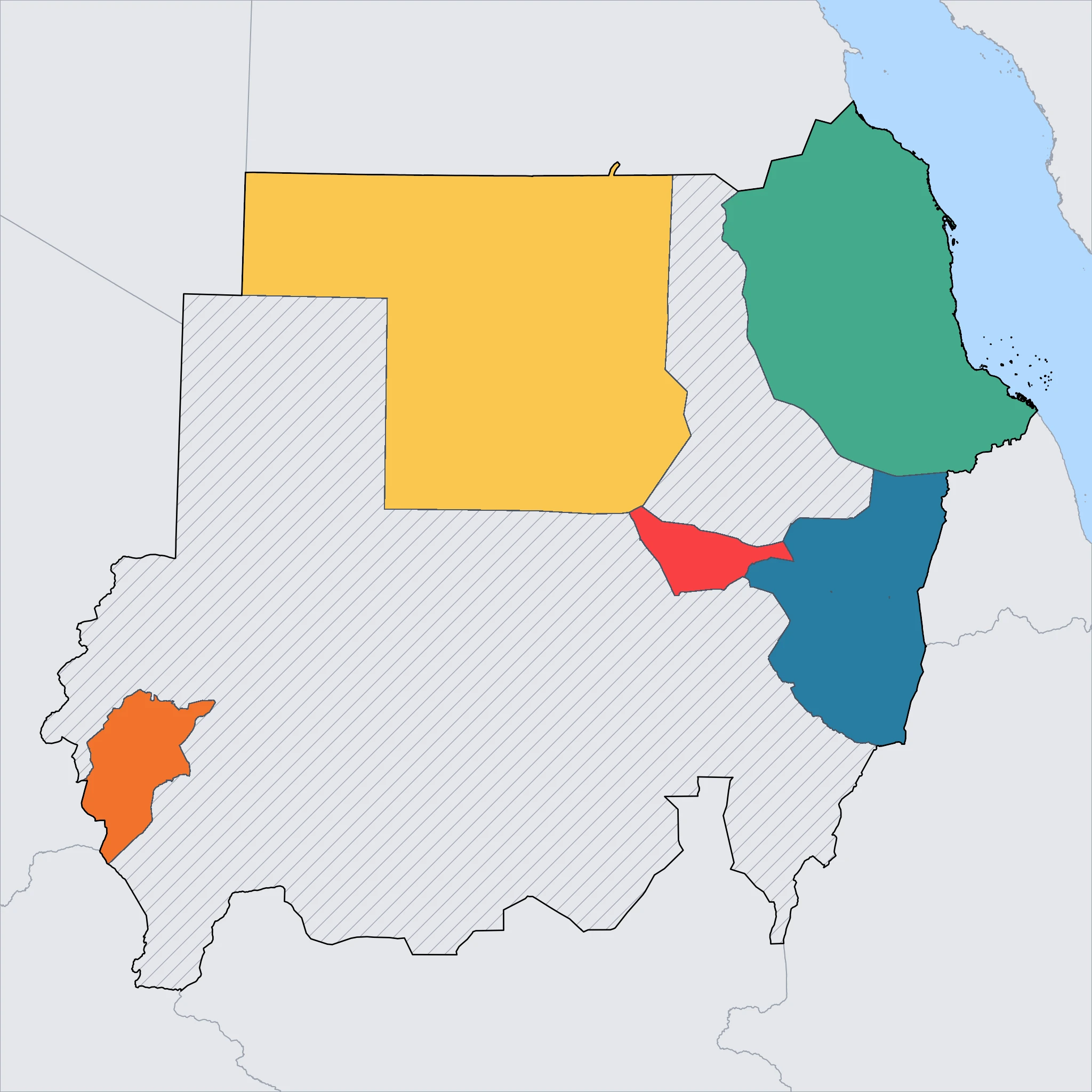
Click a region to explore

Activities & Best Times

Hiking, wildlife, outdoor exploration, ecotourism
The Jebel Marra massif offers a unique volcanic landscape with the stunning Deriba Crater lakes and lush waterfalls that contrast sharply with the surrounding Sahel. Peak dry months (Nov-Feb) provide clear skies and temperate weather for trekking; the rainy season (Jul-Aug) creates impassable conditions, while the pre-monsoon heat (Mar-May) exceeds comfortable levels for exploration.

Sport tourism, fitness activities, active recreation
High-altitude trekking and hiking through the volcanic highlands provide a world-class challenge for active families seeking authentic wilderness. Optimal conditions occur during the cool, dry winter (Nov-Feb); however, extreme heat in the spring and torrential monsoonal rains in summer make outdoor physical activity either dangerous or logistically unfeasible.

Learning experiences, scientific sites, historical education
The region provides significant geological interest regarding Saharan volcanic activity and the historical legacy of the Fur Sultanate. Educational visits are best during the dry season (Nov-Feb) when the crater is accessible; seasonal weather extremes and infrastructure limitations during the rest of the year make site access difficult for international families.

Spa retreats, wellness centers, peaceful getaways
The temperate microclimate and natural hot springs of the Jebel Marra offer a rare highland sanctuary for peaceful reflection. The dry, mild winter months provide the most comfortable environment for wellness; high humidity and heavy rainfall in the summer or intense heat in the spring detract from the tranquil outdoor experience sought by discerning travelers.

Scenic drives, countryside tours, route-based travel
Remote and scenic routes through the highlands offer dramatic vistas of volcanic peaks and green oases for experienced overland travelers. Travel is most reliable during the dry winter (Nov-Feb); extreme temperatures in spring (Mar-May) and heavy summer rains (Jul-Aug) can wash out unpaved tracks and create hazardous driving conditions.

Attractions (4 total)
Landmark / Monument / Iconic Urban Attraction
Deriba Caldera
Nierteti
The highest point of the Jebel Marra massif, this massive volcanic crater contains two stunning lakes and represents the most iconic natural landmark of the Sudanese highlands.
Nierteti Falls
Nierteti
A picturesque mountain waterfall cascading into a lush, green valley, serving as a primary gateway and scenic landmark for the Jebel Marra region.
Natural Feature / Scenic Site
Deriba Crater
Zalingei
A dramatic volcanic caldera featuring two nested lakes, representing the highest and most iconic point of the Jebel Marra massif.
Wadi Azum
Zalingei
A vital and picturesque seasonal river valley near Zalingei, renowned for its extensive fruit orchards and vibrant green landscapes.