Lake Bled & Julian Alps
Alpine adventures in a fairy tale landscape ⛰️
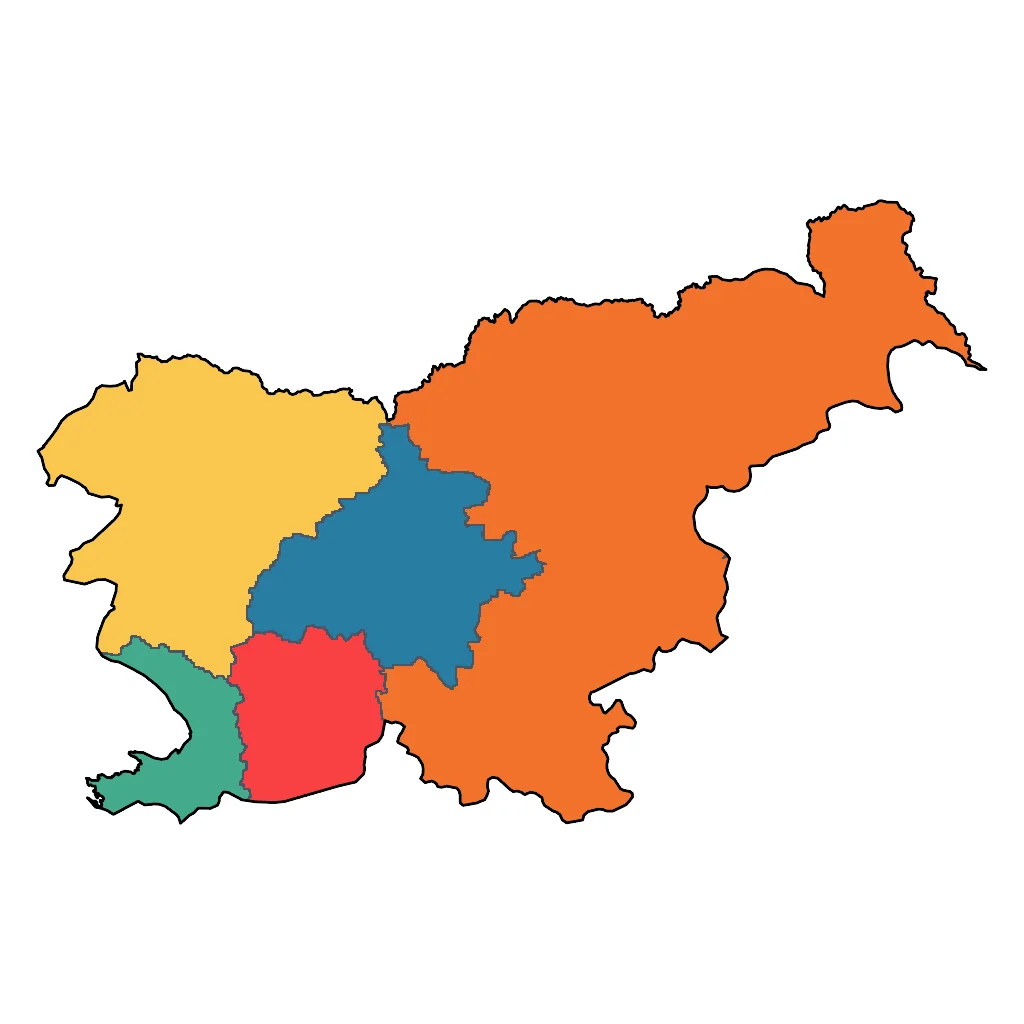
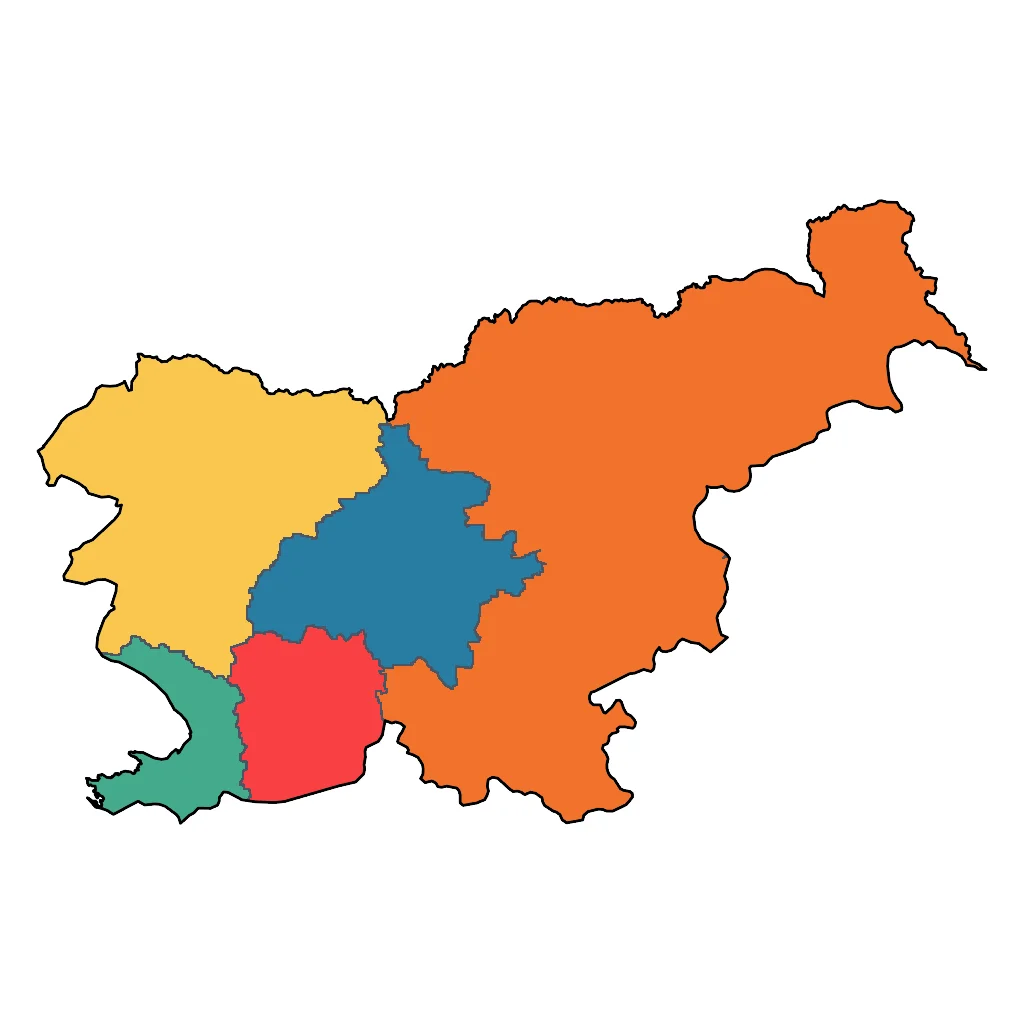
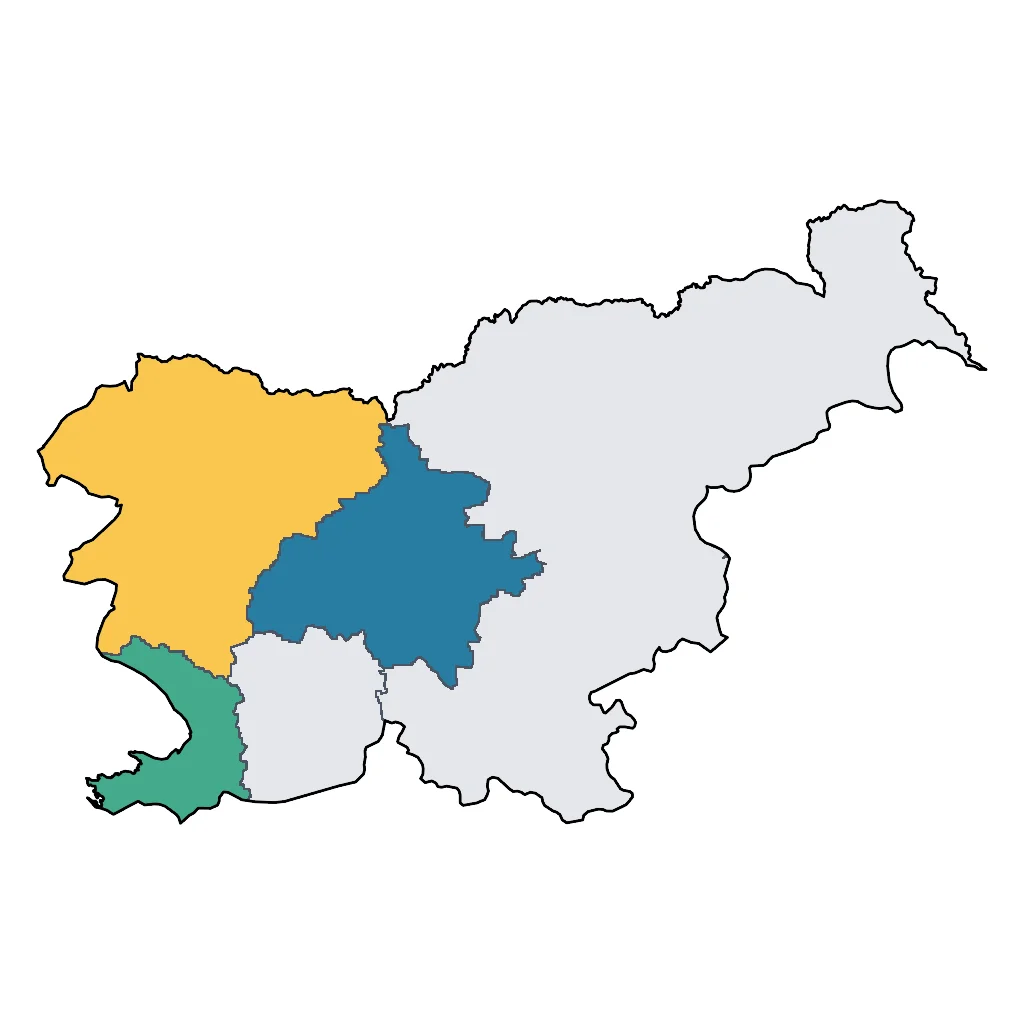
The Julian Alps and Lake Bled represent the iconic image of Slovenia, offering families a playground of lakes, mountains, and forests. This region is the capital of Slovenian outdoor tourism. In summer, the weather is generally warm but fresh, perfect for hiking and swimming, while winter transforms the area into a snow-covered hub for skiing and skating. The landscape is dominated by Mount Triglav, the country's highest peak, but plenty of activities remain accessible for little legs.
Lake Bled is the central attraction, appearing almost too perfect to be real. Families can take a pletna (a traditional flat-bottomed boat rowed by a standing oarsman) to the island in the middle of the lake. Kids love ringing the "wishing bell" inside the church. A walk around the entire lake takes about an hour or two on a flat, paved path suitable for strollers. For a thrill, the Straža hill overlooking the lake offers a summer toboggan track that is a huge hit with children. Nearby, the Vintgar Gorge features wooden galleries bolted to rock faces above the rushing Radovna River, providing an exciting but safe 1.6km walk that feels adventurous.
A short drive away lies Lake Bohinj, which is wilder, less developed, and situated within the Triglav National Park. The water here is cooler but pristine, and families can rent canoes or take the tourist boat. The cable car to Mount Vogel offers incredible views and easy alpine walking trails. In the northern part of the region, Kranjska Gora is a family favorite year-round. In winter, it hosts accessible ski slopes with excellent schools for beginners; in summer, it offers the "Kekec Land" experience (based on a famous Slovenian children's character) and cycling paths that cross into Italy.
While the region is very safe, it is also popular. Bled can get congested with traffic in July and August, so families are advised to start their days early. The food is hearty and alpine-influenced; the Kremšnita (cream cake) in Bled is a mandatory treat that inevitably results in messy, happy faces.
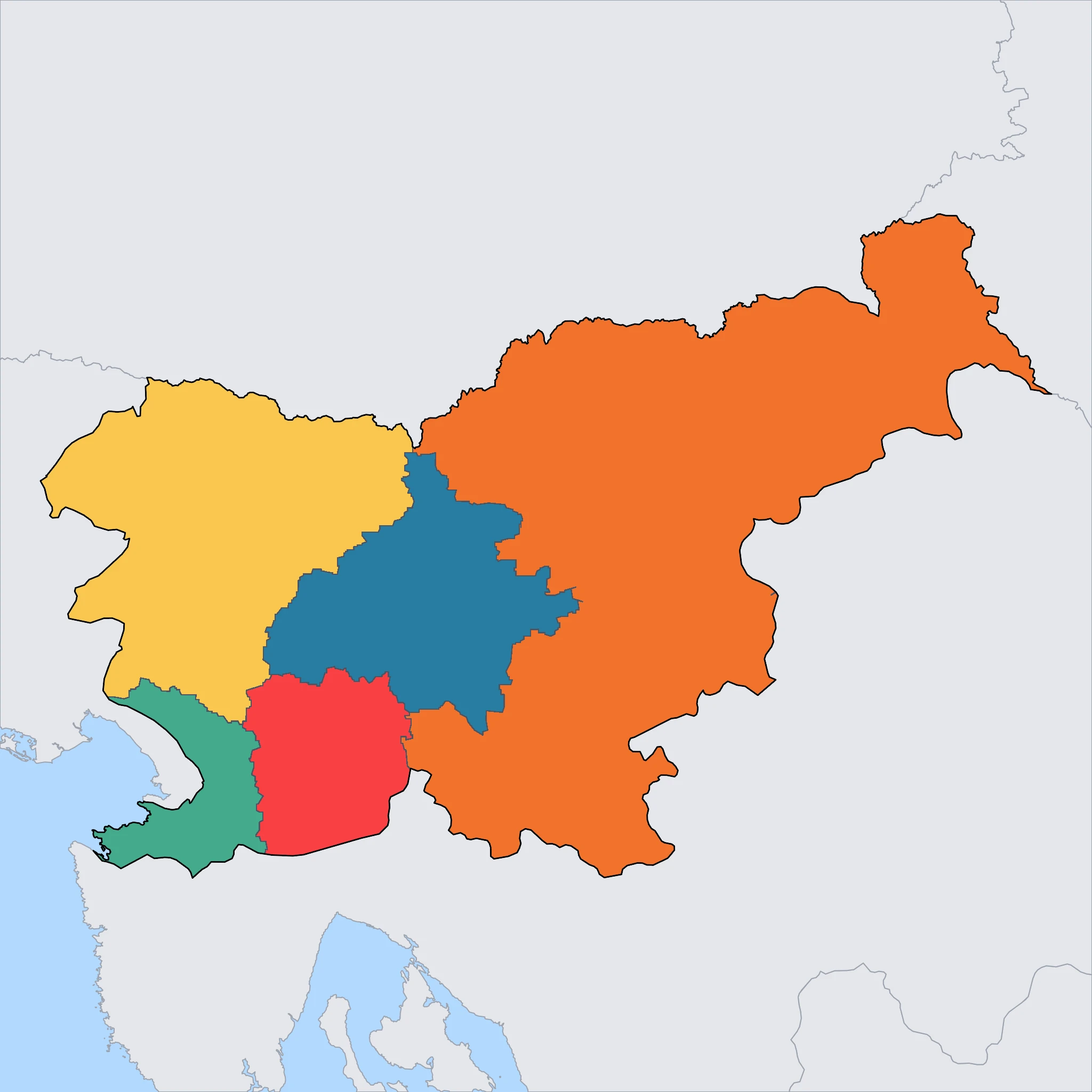
Click a region to explore
Activities & Best Times
Hiking, wildlife, outdoor exploration, ecotourism
Triglav National Park offers world-class alpine hiking and emerald rivers in a pristine UNESCO Biosphere Reserve. Peak summer months provide the best trail accessibility and temps (max 24-25°C), while shoulder months are lush but have high rainfall (>200mm); winter is unsuitable due to snow and heavy precipitation.

Sport tourism, fitness activities, active recreation
A premier destination for world-class rowing, canyoning, and cycling around pristine lakes and the Soca Valley. Peak summer provides ideal water temperatures and operational activity centers; shoulder months remain viable for experienced athletes, but winter conditions are too harsh for most active recreation.

Urban tourism, museums, historical sites, architecture
The iconic Bled Island church and cliffside castle represent unique, high-quality cultural heritage in a fairytale landscape. Peak summer offers the best atmosphere and full access to historical sites; shoulder months are pleasant but experience higher rainfall; winter months are often too cold and wet for extensive sightseeing.

Spa retreats, wellness centers, peaceful getaways
A historic wellness destination known for its alpine air and high-end lakeside spa retreats. Peak summer months allow for outdoor wellness and lake activities in mild 20°C+ weather; late autumn and winter see heavy rainfall (>250mm) which limits the appeal of the serene lakeside setting.
Scenic drives, countryside tours, route-based travel
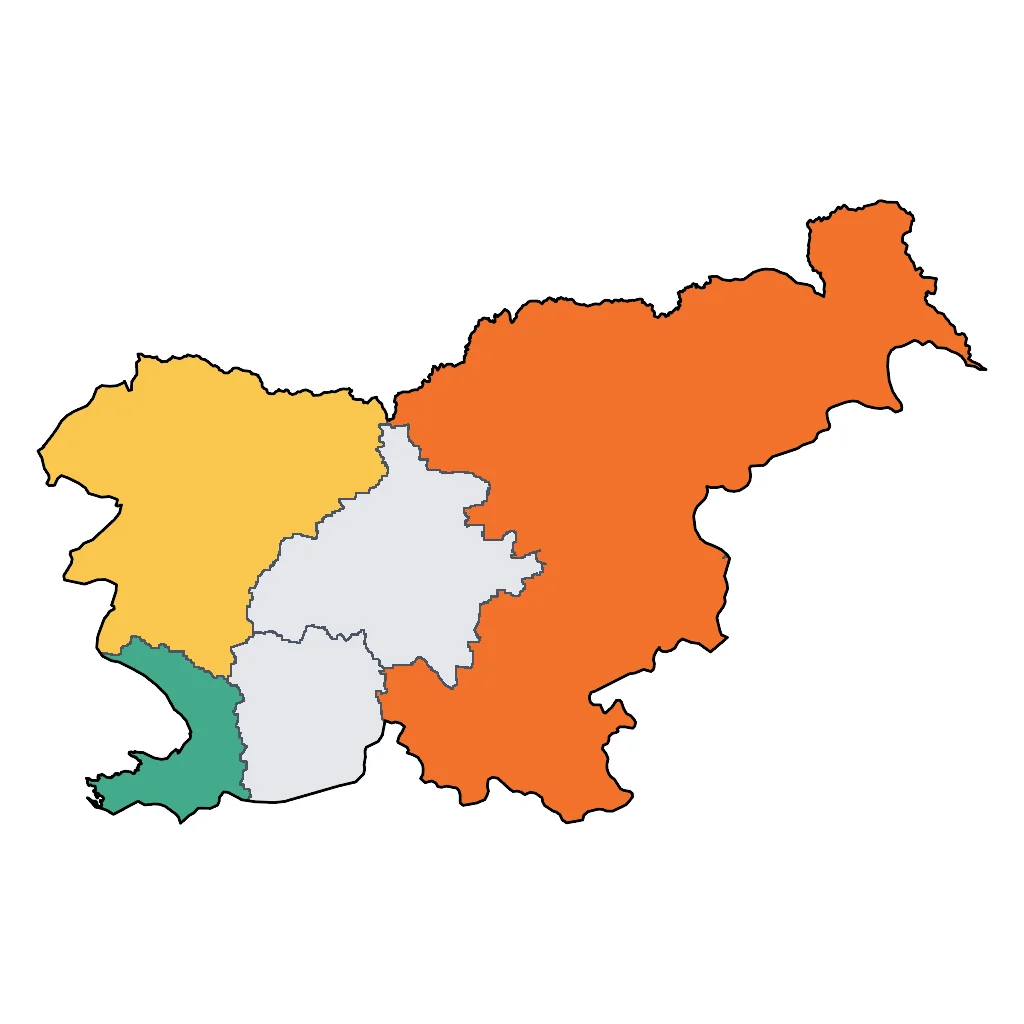
The Vršič Pass and Julian Alps circuit are genuinely spectacular, but 'excellent' should be reserved for multi-day epic drives with global recognition (e.g., Route 66, Pacific Coast Highway, Iceland Ring Road). Slovenia's compact size limits the epic scale. Downgrade to 'very_good' maintains high quality while applying international calibration.
Winter sports, ski resorts, snow activities
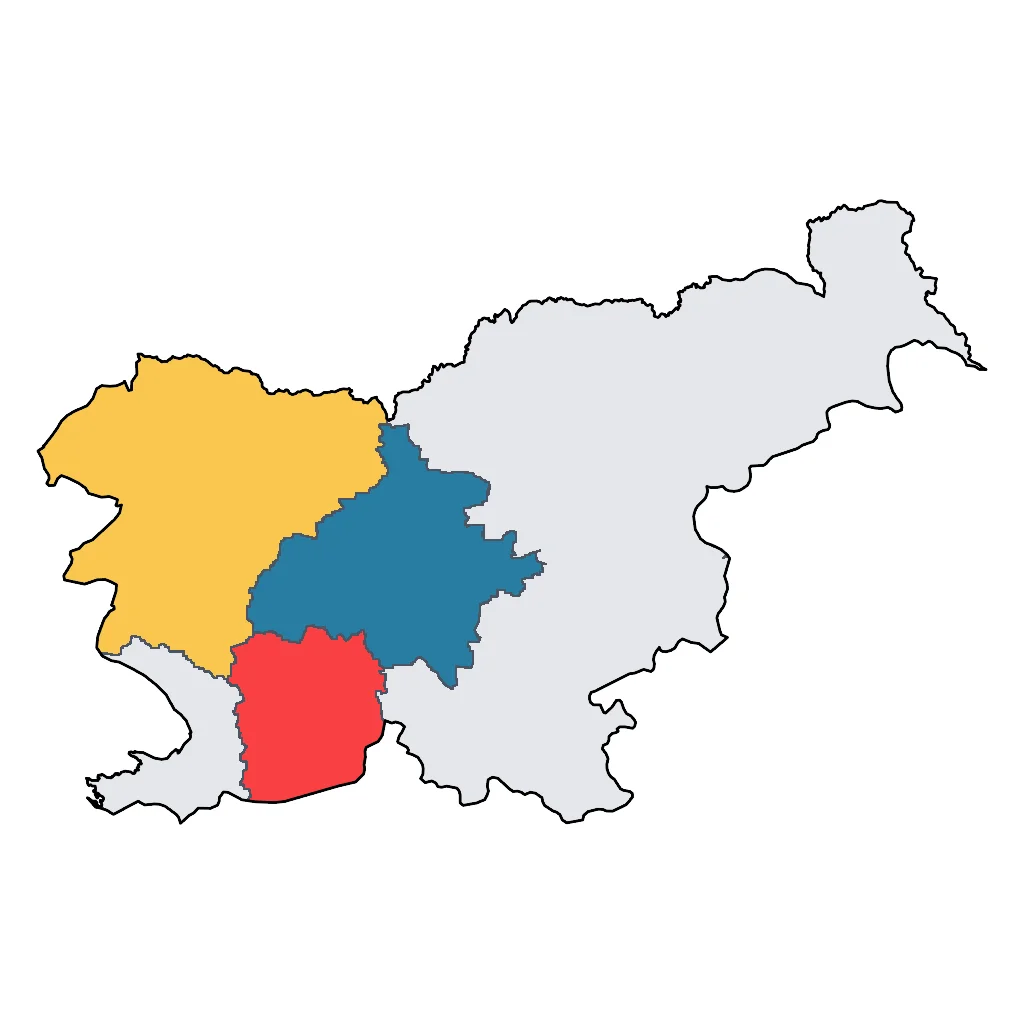
Authentic alpine resorts like Vogel and Kranjska Gora provide high-quality, family-friendly winter sports in a spectacular setting. Peak conditions occur in January and February with the coldest temperatures for snow reliability; shoulder months offer variable conditions as temperatures rise above 5°C.
Beach resorts, marine activities: diving, snorkelling, kite surfing, wind surfing, sailing
Lake Bled and Lake Bohinj offer pristine, crystal-clear alpine swimming and rowing experiences for families seeking an alternative to coastal resorts. Peak summer months (Jul-Aug) are the only times water and air temperatures are comfortable enough for swimming, though they remain cooler than Mediterranean standards.

Learning experiences, scientific sites, historical education
Offers sophisticated learning about alpine ecology, geology, and World War I history (Isonzo Front). Peak months ensure all guided educational centers and outdoor historical sites are open; shoulder months offer quieter experiences but are often hampered by frequent mountain rain.

Events, celebrations, seasonal attractions
Features authentic events like the Okarina Festival and traditional harvest celebrations like the Cow's Ball in Bohinj. Late summer and early autumn host the most significant cultural festivals; December offers charming alpine Christmas markets, while other months lack major internationally-significant events.