

Slovenia packs an incredible diversity of landscapes into a small, accessible package, making it one of Europe's most family-friendly destinations. Known for its focus on sustainability and green living, the country offers clean air, drinkable tap water, and well-maintained infrastructure. For parents, the short driving distances are a major advantage; you can enjoy breakfast in the Alpine mountains and dip your toes in the Adriatic Sea by the afternoon.
The capital city, Ljubljana, feels more like a relaxed town than a bustling metropolis. The city centre is pedestrian-only, making it safe for toddlers to run freely along the riverbanks. Families can take the glass funicular up to Ljubljana Castle for puppet shows and history tours, or go on a scavenger hunt to find the famous dragon statues guarding the bridges. In the warmer months, the Open Kitchen market offers diverse food stalls where even picky eaters can find something to enjoy.
Nature is the primary playground here. Lake Bled is the headline act, where families can board traditional wooden pletna boats to reach the island church or walk the easy 6-kilometre path around the water. Just a short drive away, Lake Bohinj offers a quieter, wilder experience with excellent swimming spots and kayak rentals. For a walk that feels like an adventure, Vintgar Gorge provides wooden walkways suspended over rushing turquoise water, accessible enough for older children and sturdy carriers.
Beneath the surface, Slovenia is famous for its Karst landscape. Postojna Cave is particularly well-suited for children, featuring a 3.7-kilometre underground electric train ride past massive stalagmites. Deep inside, you can see the "human fish" (olm), a blind aquatic salamander that looks like a baby dragon. Nearby, the dramatic Predjama Castle is built directly into a cliff face, sparking imaginations with tales of the robber baron Erazem.
Animal lovers should head to Lipica, the original stud farm of the white Lipizzaner horses, where you can watch training sessions or take carriage rides. For active families, the Soča Valley offers emerald-green waters perfect for beginner-level white water rafting and ziplining. Accommodation options are notably family-oriented, with a wide network of "Tourist Farms" (Turistične kmetije) allowing children to sleep in haylofts, feed animals, and eat farm-to-table breakfasts.
Practical Information: Slovenia is part of the Schengen Area and uses the Euro. English is widely spoken, especially by younger generations and in hospitality. The roads are excellent, though you must purchase a digital vignette for highway travel. While Slovenia is a year-round destination, May to September offers the best weather for swimming and hiking.
Explore Regions
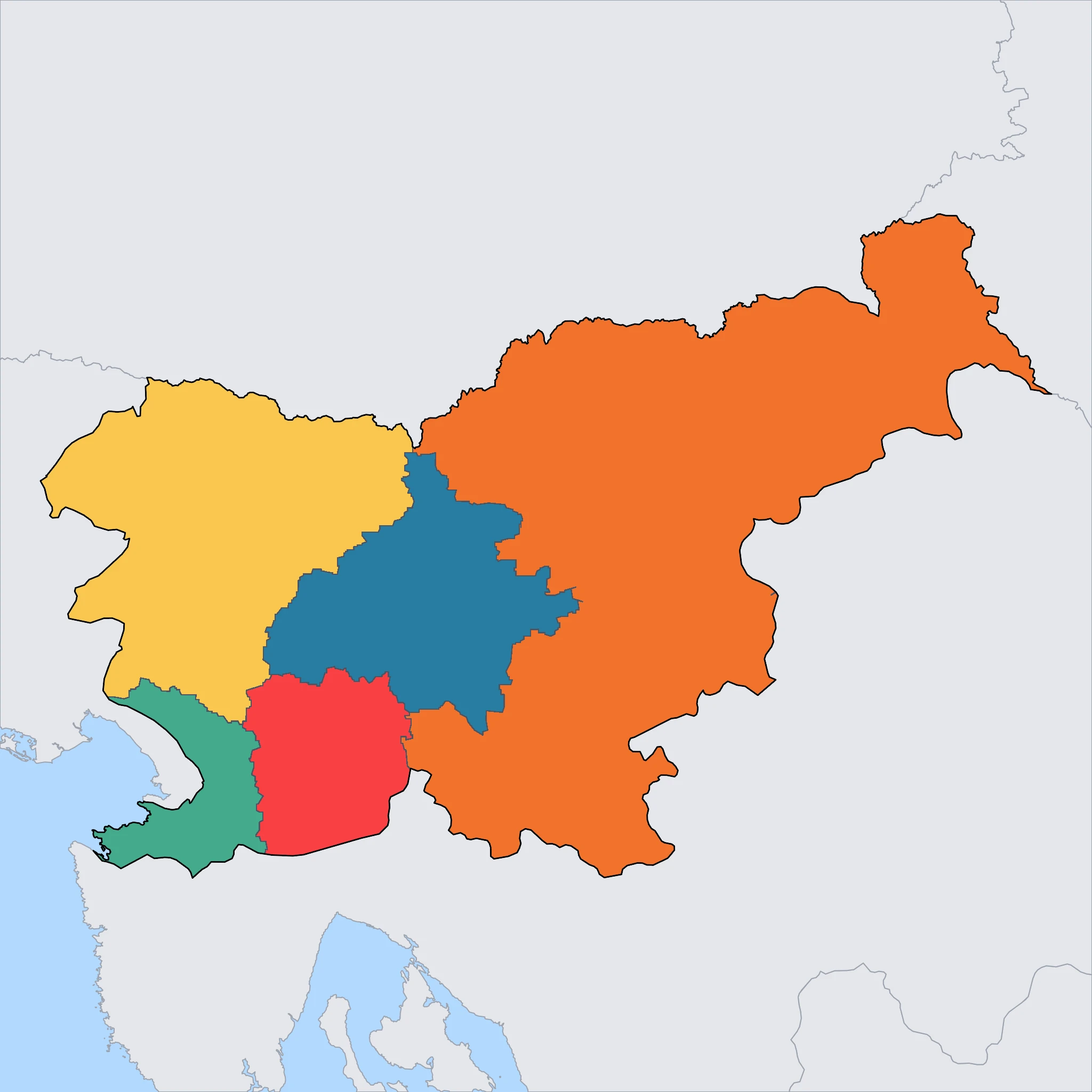
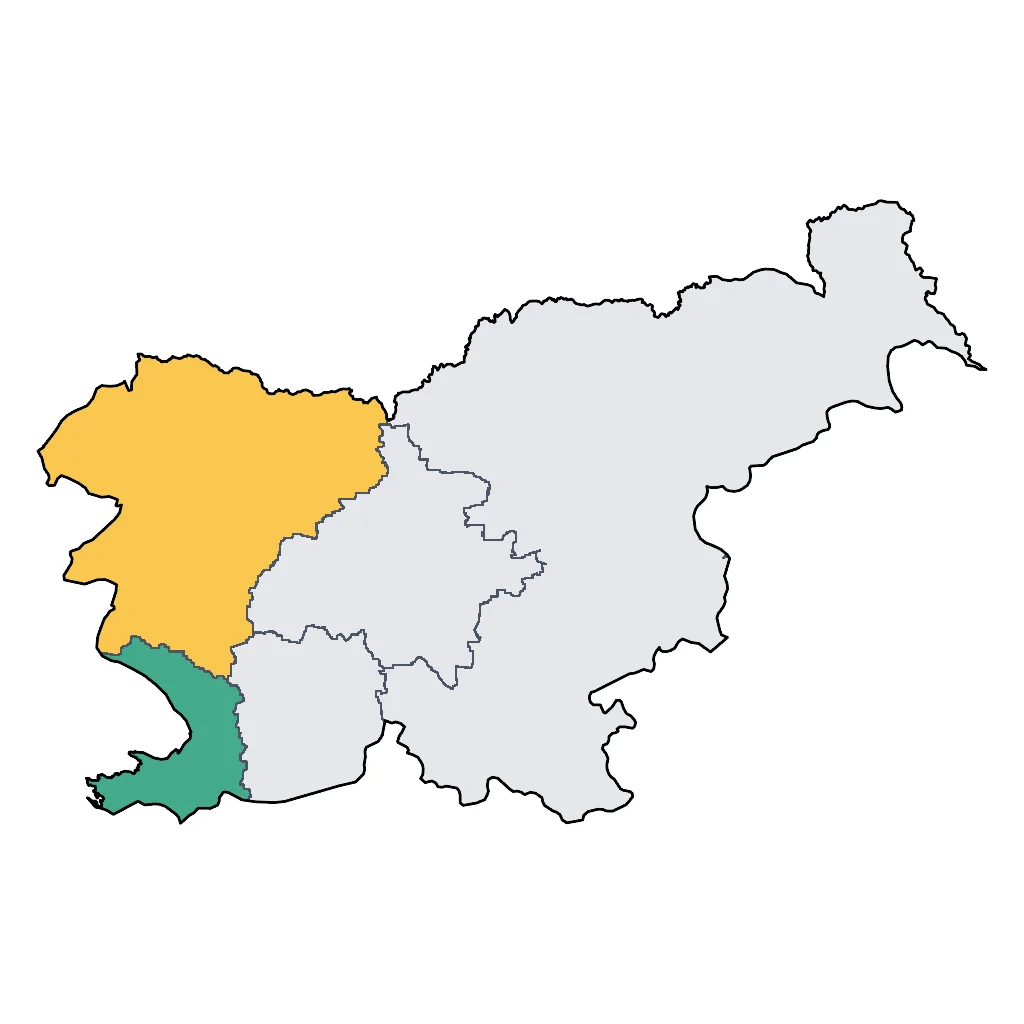
5 Regions
Coastal Slovenia (Piran, Portorož)
Venetian charm meets seaside fun on the Adriatic 🌊
Karst Region (Postojna, Škocjan caves)
Underground dragons and dancing white horses 🐴
Lake Bled & Julian Alps
Alpine adventures in a fairy tale landscape ⛰️
Ljubljana
Europe's greenest capital for little explorers 🐉
Maribor & Eastern Slovenia
Sunny hills, thermal pools, and ancient stories 🍇
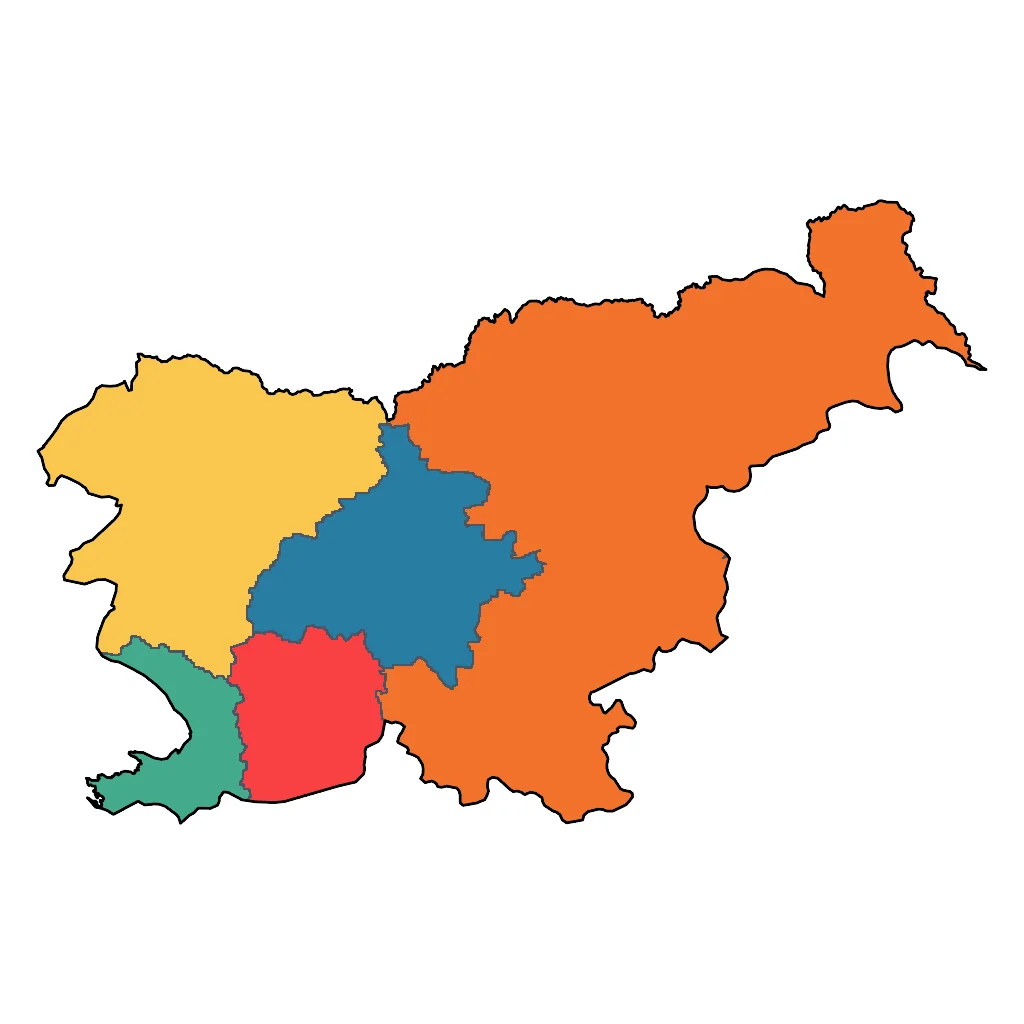
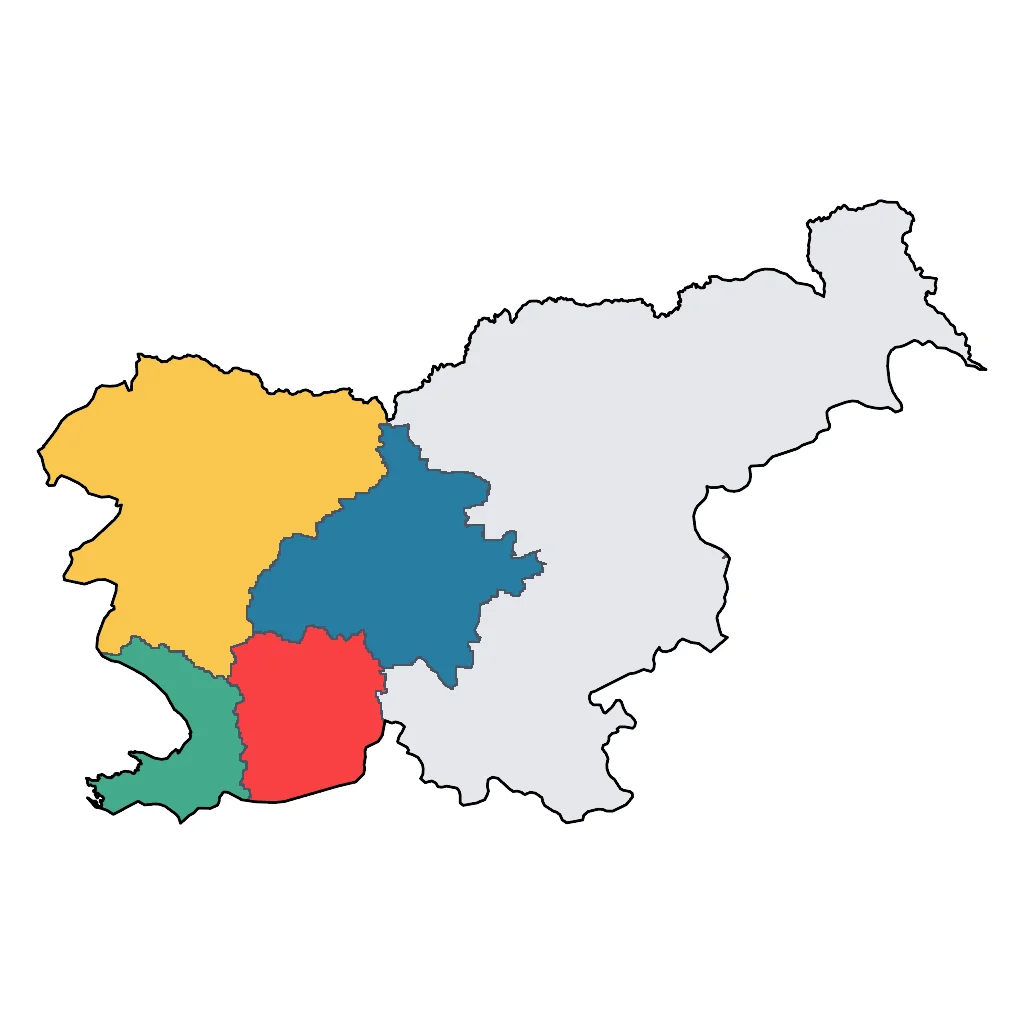
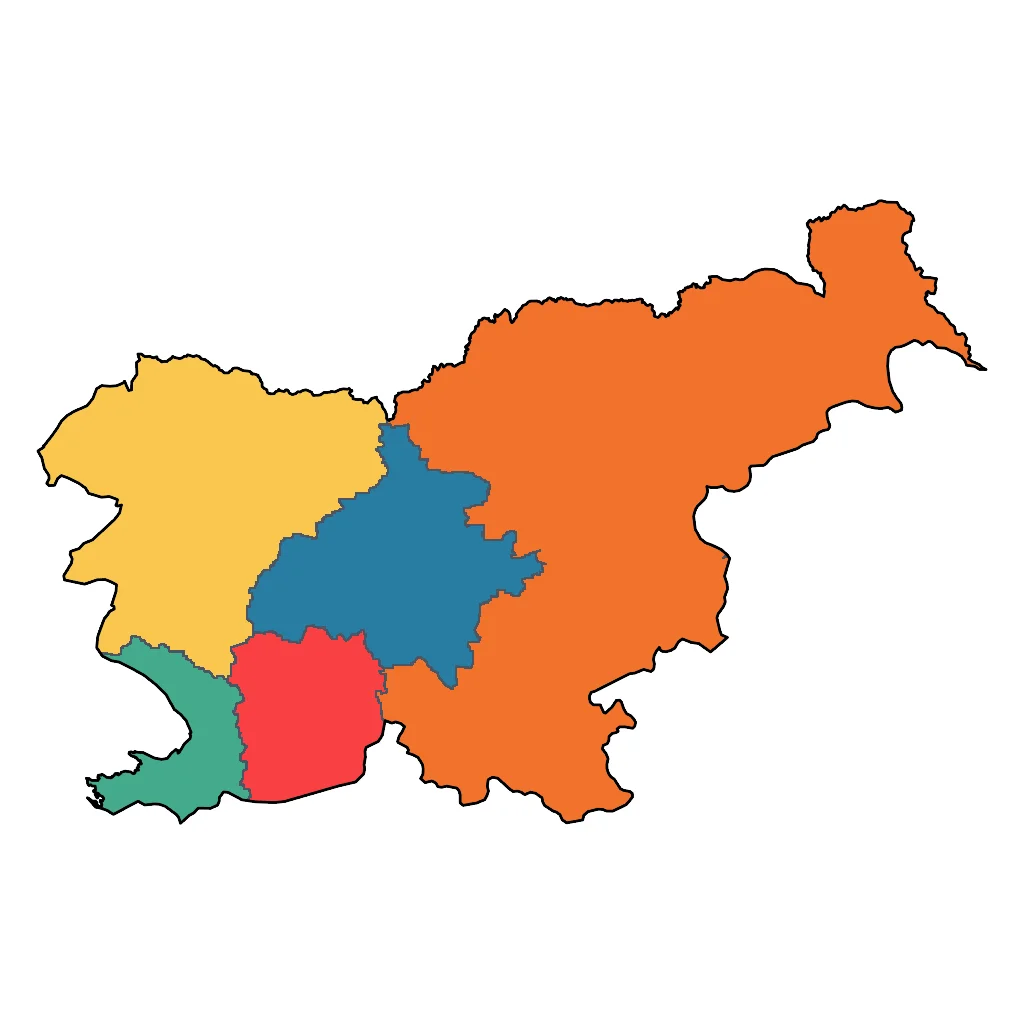
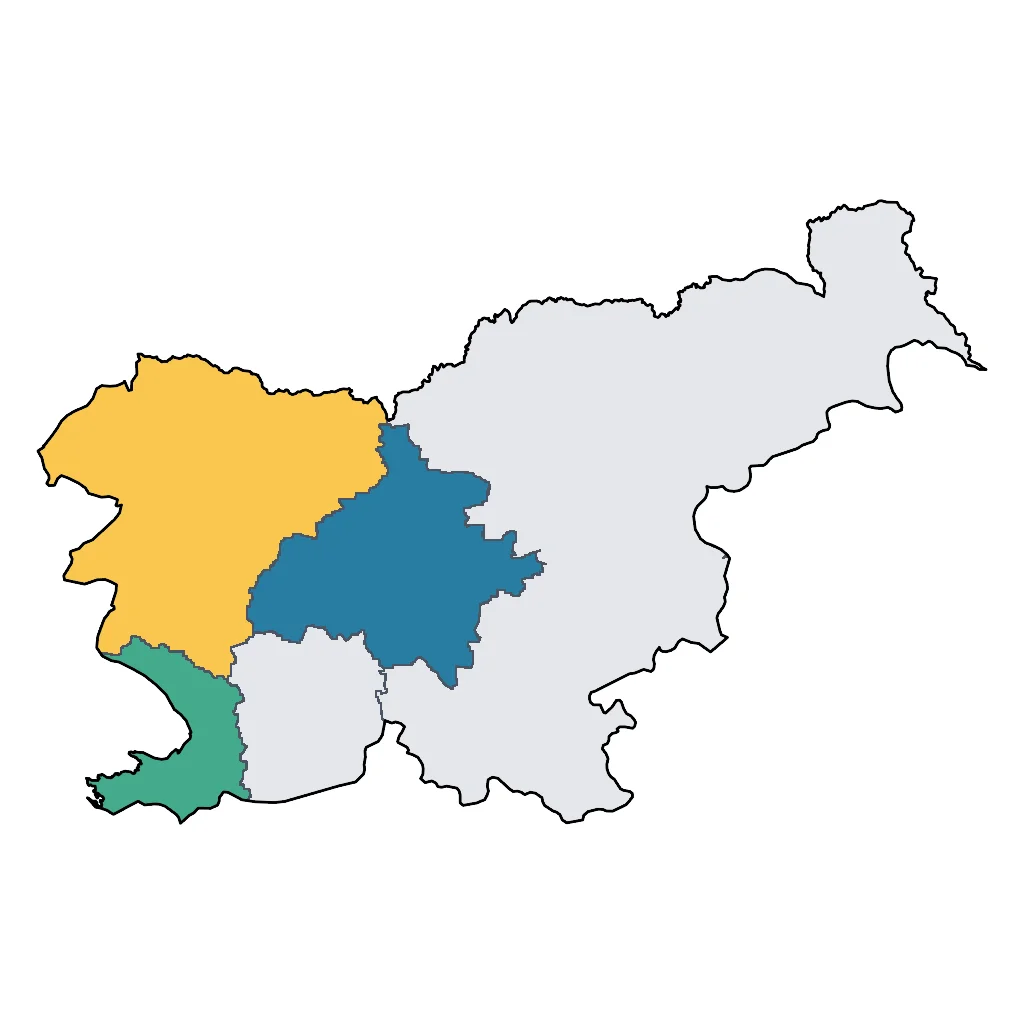
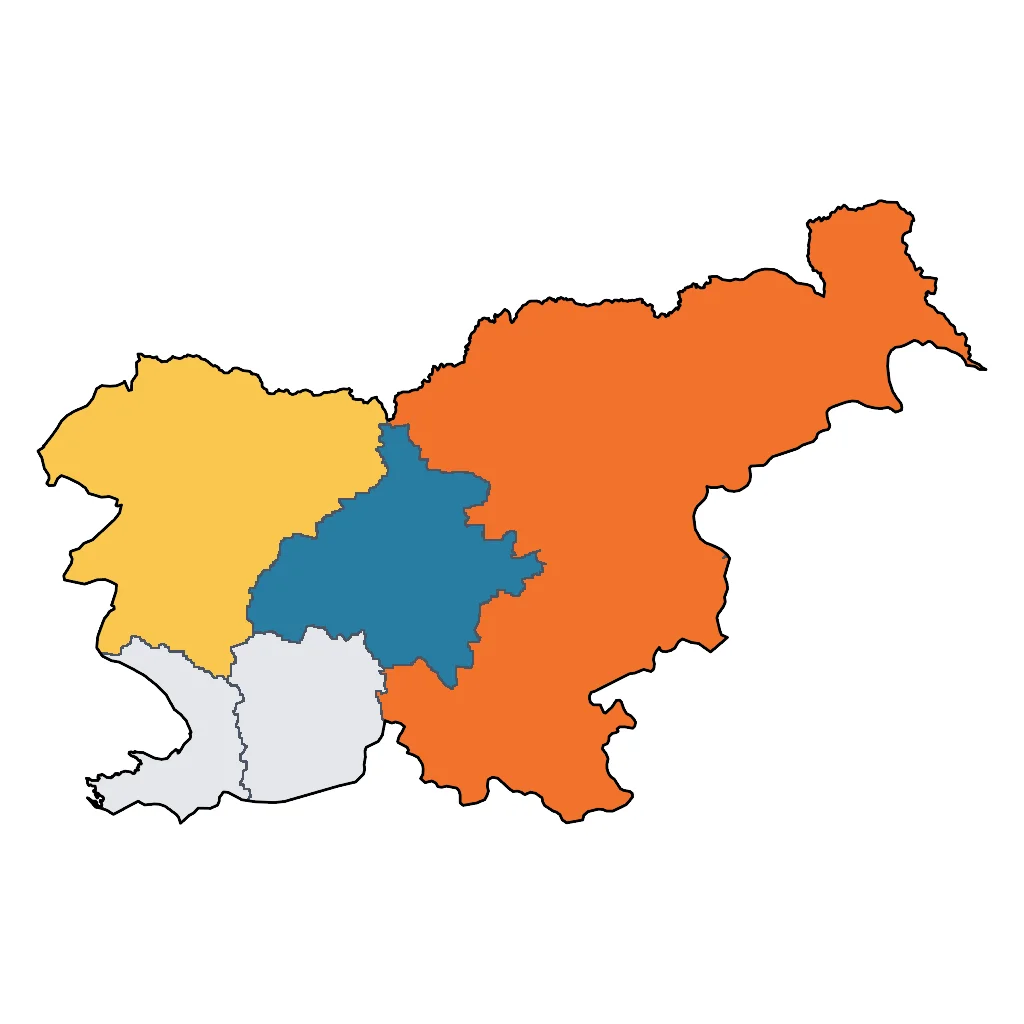
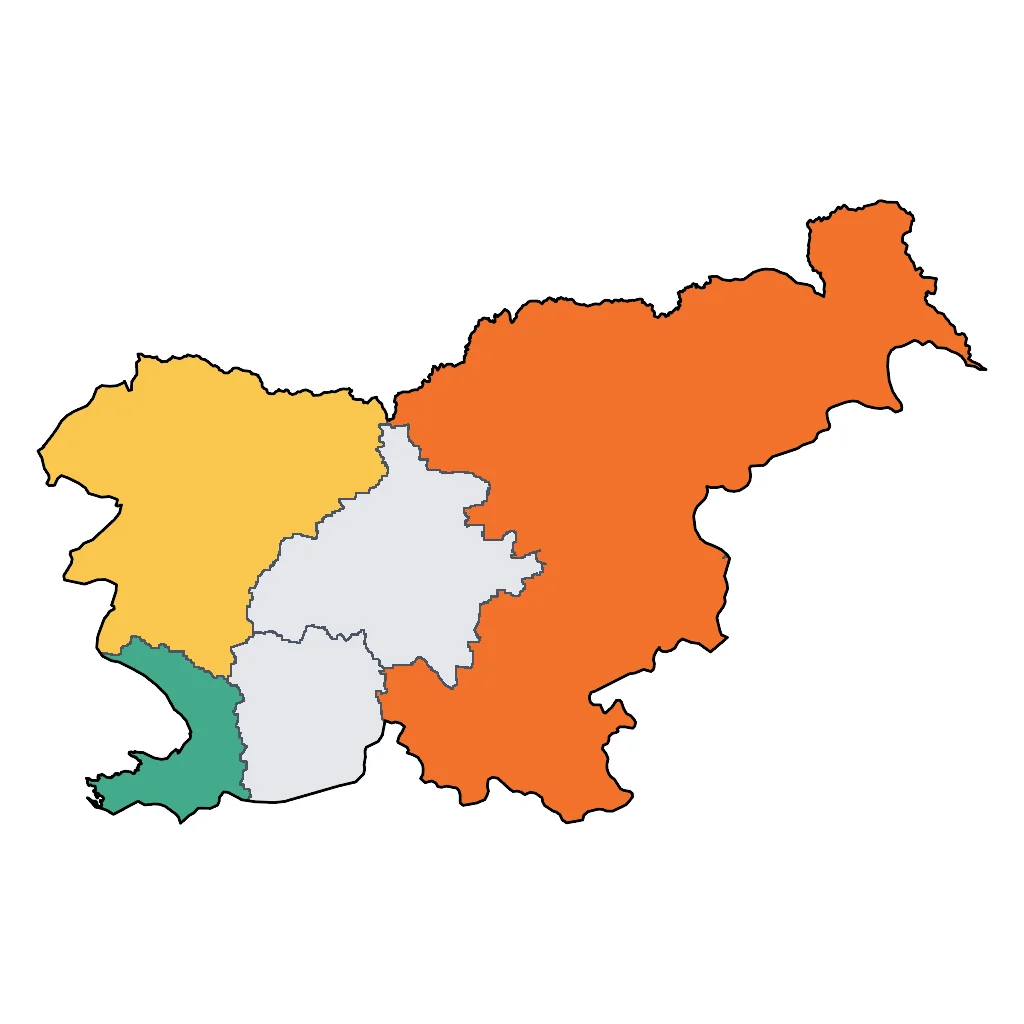
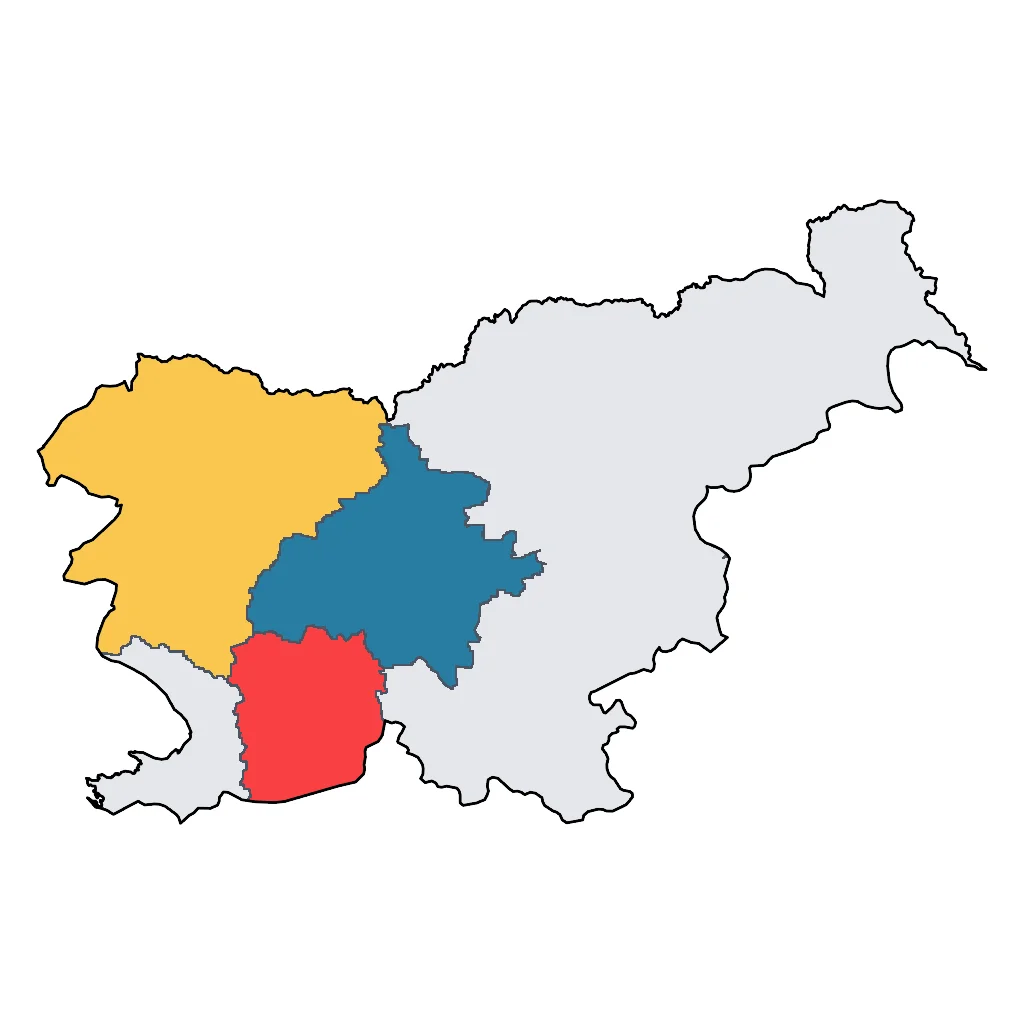
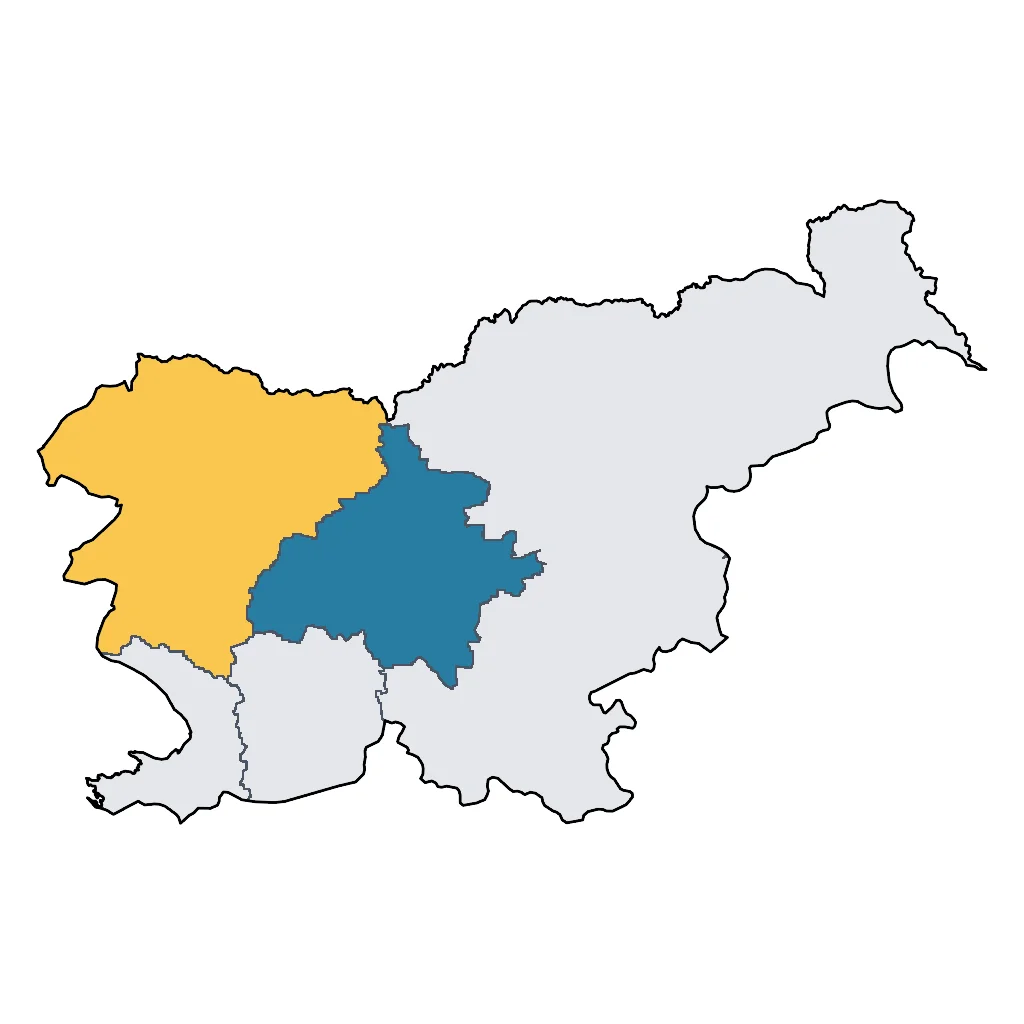
Click on a region marker to explore details. Use the dropdown to color regions by activity suitability.
Activities & Best Times
Adventure & Nature
ExcellentHiking, wildlife, outdoor exploration, ecotourism
Triglav National Park offers world-class alpine hiking and emerald rivers in a pristine UNESCO Biosphere Reserve. Peak summer months provide the best trail accessibility and temps (max 24-25°C), while shoulder months are lush but have high rainfall (>200mm); winter is unsuitable due to snow and heavy precipitation.
Home to the UNESCO-listed Škocjan Caves and Postojna, the region offers world-class subterranean exploration and unique karst landscapes. Peak summer months provide the best weather for combining underground tours with surface hiking, while the extremely high rainfall from October to December can limit outdoor exploration.
Recognized as Europe's Green Capital, the city offers seamless access to urban forests and the unique UNESCO Ljubljana Marshes ecosystem. Peak months provide the best conditions for exploring the 'Green Loop,' while high autumn and spring rainfall can make trails muddy and less accessible.

Educational & Exploratory
ExcellentLearning experiences, scientific sites, historical education
As the global type-site for Karst topography, the region provides unparalleled educational value regarding geology and biodiversity, including the rare Proteus anguinus. While caves remain 10°C year-round, the shoulder months of April and October remain suitable for families, though winter is avoided due to significant precipitation and reduced site accessibility.
Offers high-quality insights into Roman history (Emona) and sustainable urban planning that attracts international study. Warm, bright months are ideal for guided architectural and archaeological walking tours, while cold winter temperatures limit the appeal of outdoor historical sites.
Offers sophisticated learning about alpine ecology, geology, and World War I history (Isonzo Front). Peak months ensure all guided educational centers and outdoor historical sites are open; shoulder months offer quieter experiences but are often hampered by frequent mountain rain.
Sports & Active
ExcellentSport tourism, fitness activities, active recreation
A premier destination for world-class rowing, canyoning, and cycling around pristine lakes and the Soca Valley. Peak summer provides ideal water temperatures and operational activity centers; shoulder months remain viable for experienced athletes, but winter conditions are too harsh for most active recreation.
Home to the Parenzana, a world-class rail-to-trail cycling path, and excellent sailing conditions in the Piran Gulf. Late spring and summer offer the best conditions for active exploration, though June and September can be notably rainy for outdoor sports.
Excellent infrastructure for urban cycling and kayaking on the Ljubljanica river right through the historic center. Peak activity occurs during the warmer, more stable summer months; winter conditions are too cold and damp for comfortable outdoor recreation.

City & Cultural
Very GoodUrban tourism, museums, historical sites, architecture
A UNESCO-listed urban masterpiece featuring Jože Plečnik’s iconic architecture and a sophisticated, car-free city center. Peak summer months offer the most vibrant riverside cafe culture, while high rainfall in June and September makes them better suited as shoulder periods despite pleasant temperatures.
The iconic Bled Island church and cliffside castle represent unique, high-quality cultural heritage in a fairytale landscape. Peak summer offers the best atmosphere and full access to historical sites; shoulder months are pleasant but experience higher rainfall; winter months are often too cold and wet for extensive sightseeing.
Piran is an exceptionally preserved Venetian Gothic gem offering authentic Mediterranean history without the overwhelming crowds of Venice. Summer and late spring offer the best atmosphere for exploring narrow alleyways, while winter's high precipitation and chill significantly dampen the urban experience.

Festivals & Seasonal
Very GoodEvents, celebrations, seasonal attractions
Home to the prestigious Ljubljana Festival in summer and a scientifically-themed Christmas light display in December that is unique in Europe. Peak months align with these major international events; the shoulder season includes the authentic Kurentovanje carnival influences in February.
Features the UNESCO-listed Kurentovanje in Ptuj, one of Europe's most authentic ethnographic carnivals, and the Old Vine Festival celebrating the world's oldest grapevine. February is peak for traditional carnival culture, while September offers world-class harvest celebrations; winter months provide high-quality traditional Christmas markets.
Features authentic events like the Okarina Festival and traditional harvest celebrations like the Cow's Ball in Bohinj. Late summer and early autumn host the most significant cultural festivals; December offers charming alpine Christmas markets, while other months lack major internationally-significant events.

Relaxation & Wellness
Very GoodSpa retreats, wellness centers, peaceful getaways
A historic wellness destination known for its alpine air and high-end lakeside spa retreats. Peak summer months allow for outdoor wellness and lake activities in mild 20°C+ weather; late autumn and winter see heavy rainfall (>250mm) which limits the appeal of the serene lakeside setting.
Portorož boasts a world-class wellness tradition utilizing local salt-pan mud and brine treatments that date back centuries. The pleasant warmth of May through September is ideal for combining spa treatments with outdoor coastal relaxation, whereas the damp winter months are less conducive to wellness travel.
While Rogaška Slatina and Terme Olimia are high-quality thermal spas, 'excellent' wellness ratings should be reserved for internationally iconic destinations (Baden-Baden, Budapest, Japanese onsen). Slovenia has a strong spa tradition but lacks the global brand recognition for 'excellent'. Once thermal spa attractions are verified in database, 'very_good' is more appropriate.
Road Trips & Scenic
Very GoodScenic drives, countryside tours, route-based travel
Ljubljana serves as a world-class boutique hub for exploring Slovenia's diverse landscapes, from Alpine peaks to the Adriatic coast, all within a 90-minute drive. Summer provides the best visibility and driving conditions, whereas winter months see significant precipitation and temperatures near freezing, making mountain passes hazardous.
The Vršič Pass and Julian Alps circuit are genuinely spectacular, but 'excellent' should be reserved for multi-day epic drives with global recognition (e.g., Route 66, Pacific Coast Highway, Iceland Ring Road). Slovenia's compact size limits the epic scale. Downgrade to 'very_good' maintains high quality while applying international calibration.
Well-maintained roads and short distances between dramatic landmarks make this an ideal scenic driving destination for families with children. Peak months offer the best visibility and lush greenery, while the heavy rainfall of late autumn and winter can make driving conditions less pleasant and obscure the limestone vistas.
Ski & Snow
Very GoodWinter sports, ski resorts, snow activities
Authentic alpine resorts like Vogel and Kranjska Gora provide high-quality, family-friendly winter sports in a spectacular setting. Peak conditions occur in January and February with the coldest temperatures for snow reliability; shoulder months offer variable conditions as temperatures rise above 5°C.
Ljubljana is a sophisticated base for families seeking authentic alpine culture, with world-class ski resorts like Krvavec only 30 minutes away. Peak snow reliability occurs in January and February; the city itself becomes a winter wonderland in December, though skiing conditions are more variable then.
Mariborsko Pohorje hosts the Alpine Ski World Cup, offering professional-grade infrastructure, though its low altitude makes it less reliable than the High Alps. Peak snow conditions occur in Jan-Feb, but sophisticated travelers may find the terrain limited compared to major global ski destinations.
Beach & Sea
GoodBeach resorts, marine activities: diving, snorkelling, kite surfing, wind surfing, sailing
Lake Bled and Lake Bohinj offer pristine, crystal-clear alpine swimming and rowing experiences for families seeking an alternative to coastal resorts. Peak summer months (Jul-Aug) are the only times water and air temperatures are comfortable enough for swimming, though they remain cooler than Mediterranean standards.
The region offers sophisticated Adriatic charm with high-end resorts and crystal-clear water, though it lacks the expansive sandy beaches of top-tier global destinations. Peak summer provides optimal water temperatures above 22°C, while high autumn rainfall makes the off-season unsuitable for seaside activities.
Airports & Flight Routes
Toggle options to view domestic routes and international airports. Click an airport for details.
Climate & Weather
Coastal Slovenia (Piran, Portorož)
Show Details
| Month | Temp °C | Rain | Humidity |
|---|
Karst Region (Postojna, Škocjan caves)
Show Details
| Month | Temp °C | Rain | Humidity |
|---|
Lake Bled & Julian Alps
Show Details
| Month | Temp °C | Rain | Humidity |
|---|
Ljubljana
Show Details
| Month | Temp °C | Rain | Humidity |
|---|
Maribor & Eastern Slovenia
Show Details
| Month | Temp °C | Rain | Humidity |
|---|
Travel Advisory
The country is broadly safe with stable security conditions; travelers should use standard safety common sense.
Safety Topics
Traveller Advice (3 groups)

The country is considered safe for solo female travelers. Standard precautions against street harassment in nightlife areas are sufficient.
Mountainous terrain requires proper equipment and preparation. It is strongly recommended to use marked trails, check weather forecasts before departure, and register itineraries at mountain huts. Many rescues involve tourists who were under-equipped for altitude or rapid weather changes.

Slovenia is generally progressive and safe for LGBTQ+ travelers. Same-sex marriage is legal, and public displays of affection are common in urban areas, though discretion may be advised in more conservative rural regions.