

⚠️ SAFETY WARNING: Exercise increased caution due to crime and the potential for terrorism in border areas. Most governments, including the US and UK, advise against all travel to the northern Savanes region (including the Koutammakou landscape) and areas north of Kantè due to security risks along the Burkina Faso border. Families should stick to the southern and central regions, which remain generally stable.
Togo is often described as "Africa in miniature," packing a diverse range of landscapes and cultures into a country that is easy to cross. For families, the southern plateau offers a safe and engaging mix of tropical nature, bustling markets, and village life. Unlike larger neighbours, travel distances here are short, meaning less time in the car and more time exploring.
The capital, Lomé, is the primary entry point. It is a sensory experience, with the massive Grand Marché offering a maze of colourful wax prints and crafts. While the city sits on a beautiful stretch of golden sand, families must be aware that the ocean current (the "barre") is extremely strong and dangerous; swimming is rarely safe in the sea. Instead, enjoy the beach for sandcastles and walks, then head to hotel pools or the calm waters of Lake Togo for swimming. A short pirogue (canoe) ride across the lake leads to Togoville, a historic village where children can see the cathedral and learn about local animist traditions in a peaceful setting.
The highlight for most families is the region around Kpalimé, located in the lush hills about two hours northwest of the capital. The climate here is cooler and the atmosphere relaxed. This area is famous for its nature walks where children can spot hundreds of butterfly species on Mount Kloto or hike through cocoa and coffee plantations. The hike to the Womé Waterfall is a favourite family adventure, ending with a refreshing swim in a natural jungle pool. The terrain is accessible enough for active children, and local guides are excellent at pointing out medicinal plants and insects.
Culturally, Togo provides a deep education. Families can visit the Akodessewa Fetish Market in Lomé to learn about Voodoo (Vodun) practices, though parents should judge if the dried animal talismans are appropriate for their sensitive younger children. For food, kids often enjoy the tactile experience of eating fufu (pounded yam) with their hands, alongside grilled fish and mild sauces. French is the official language, so a phrasebook is helpful, though the warm hospitality of the Togolese people transcends language barriers.

Explore Regions
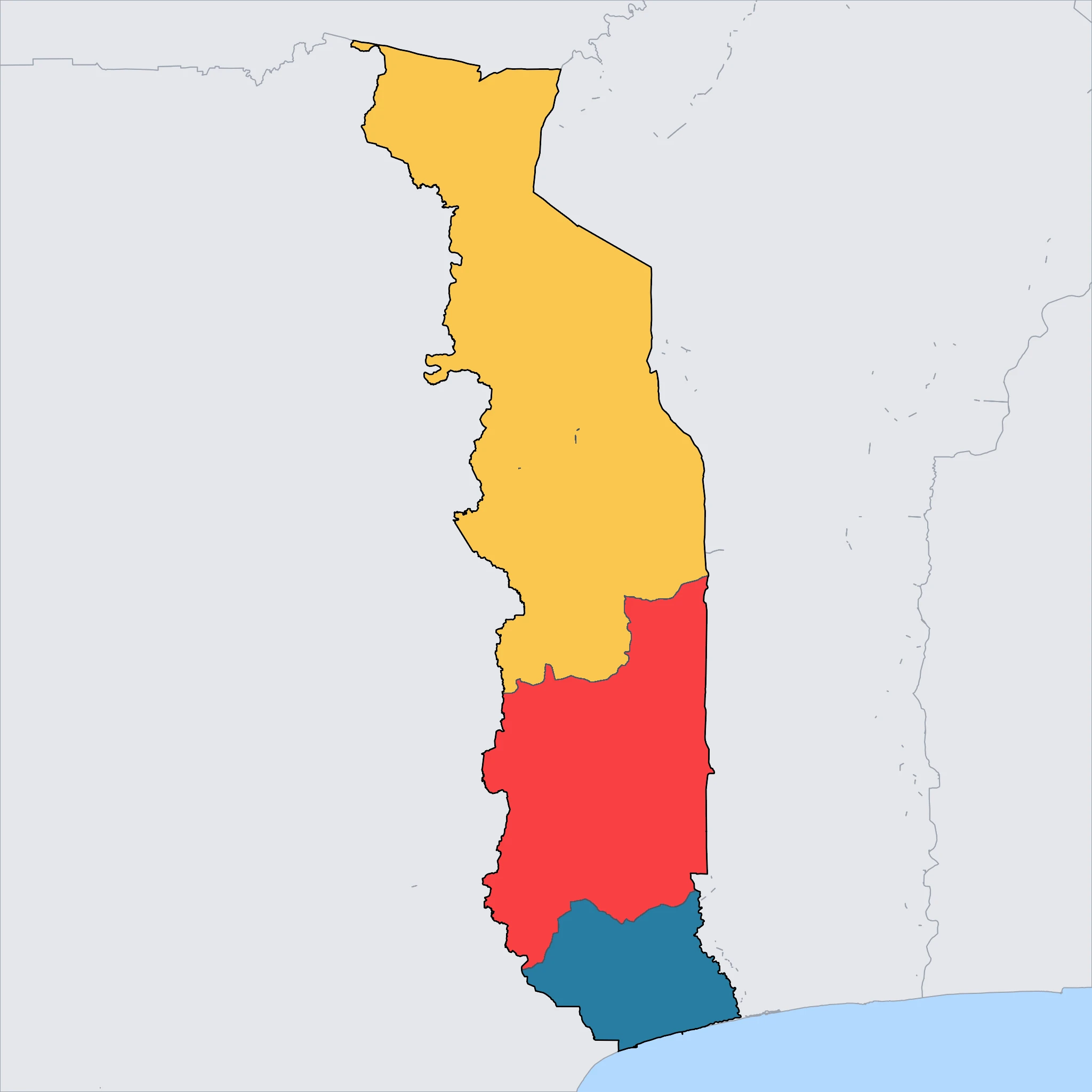
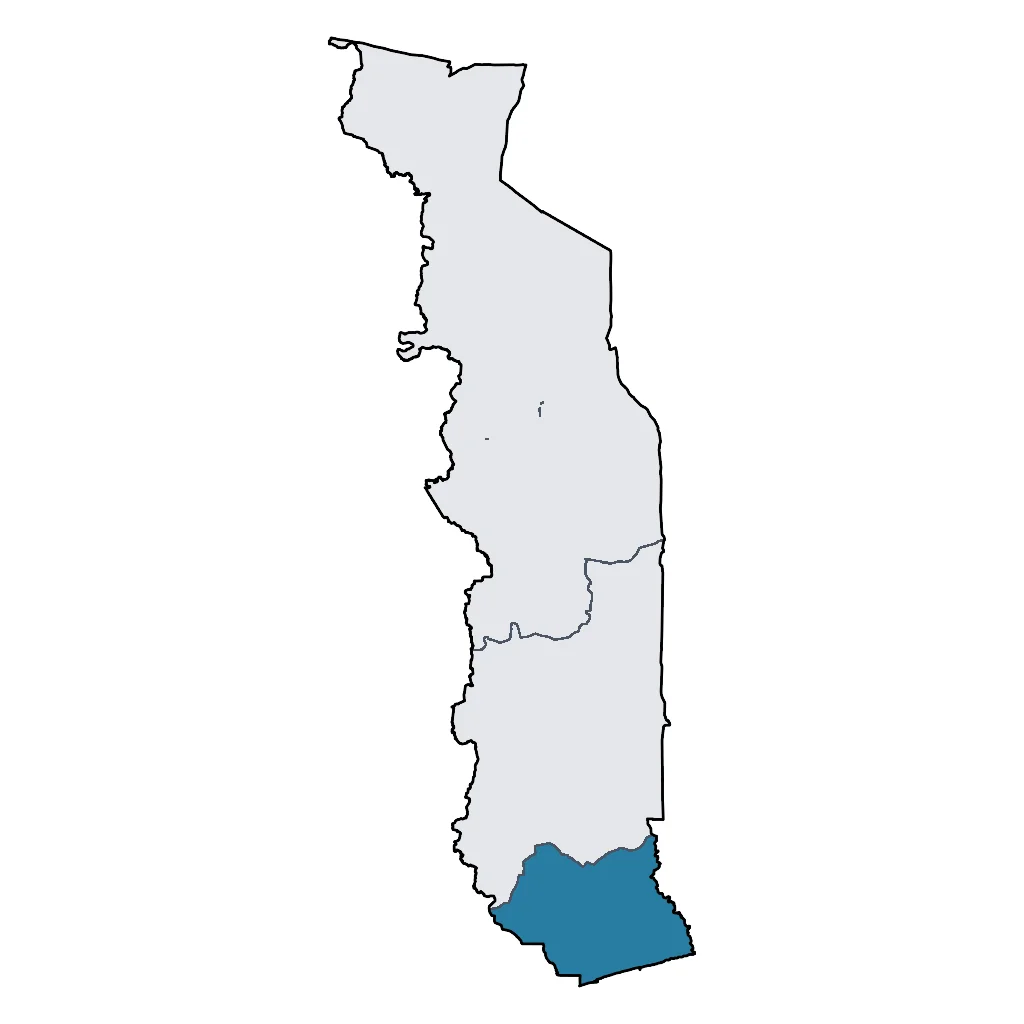
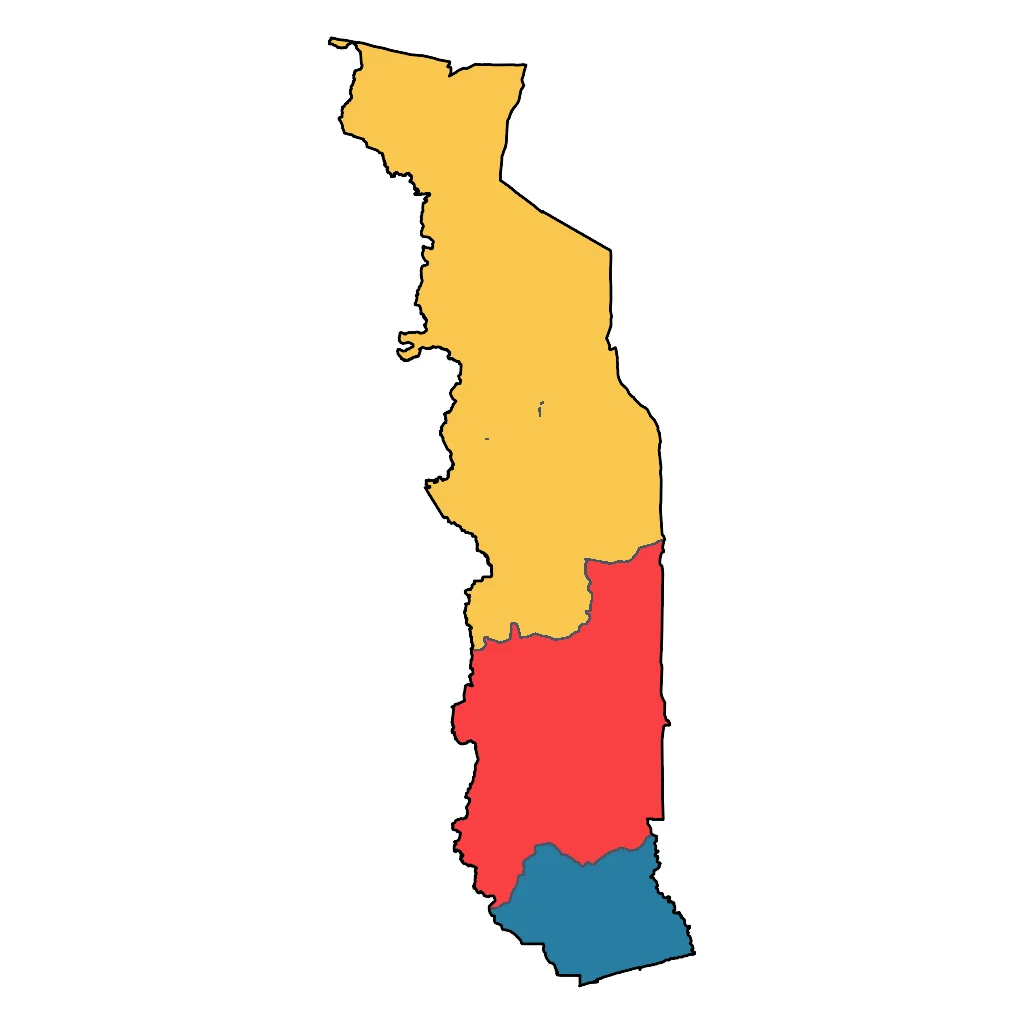
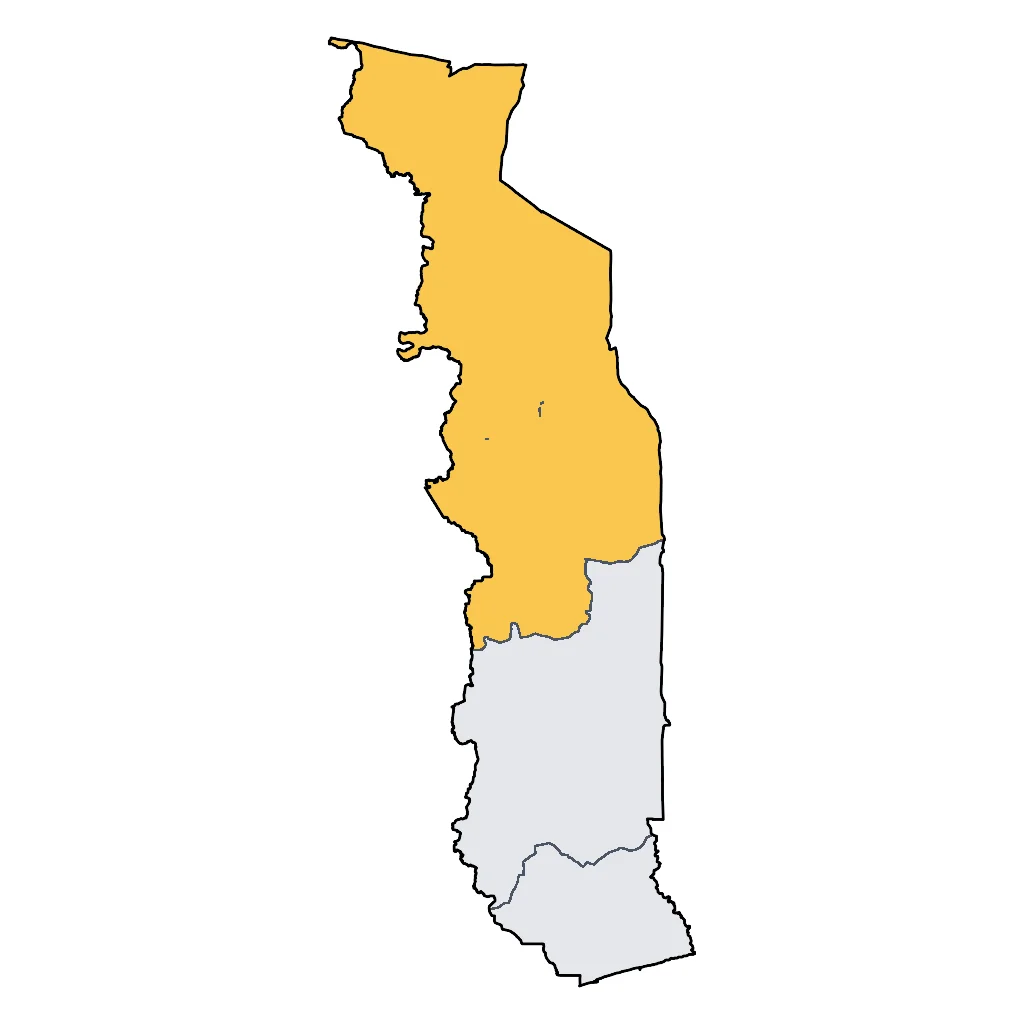
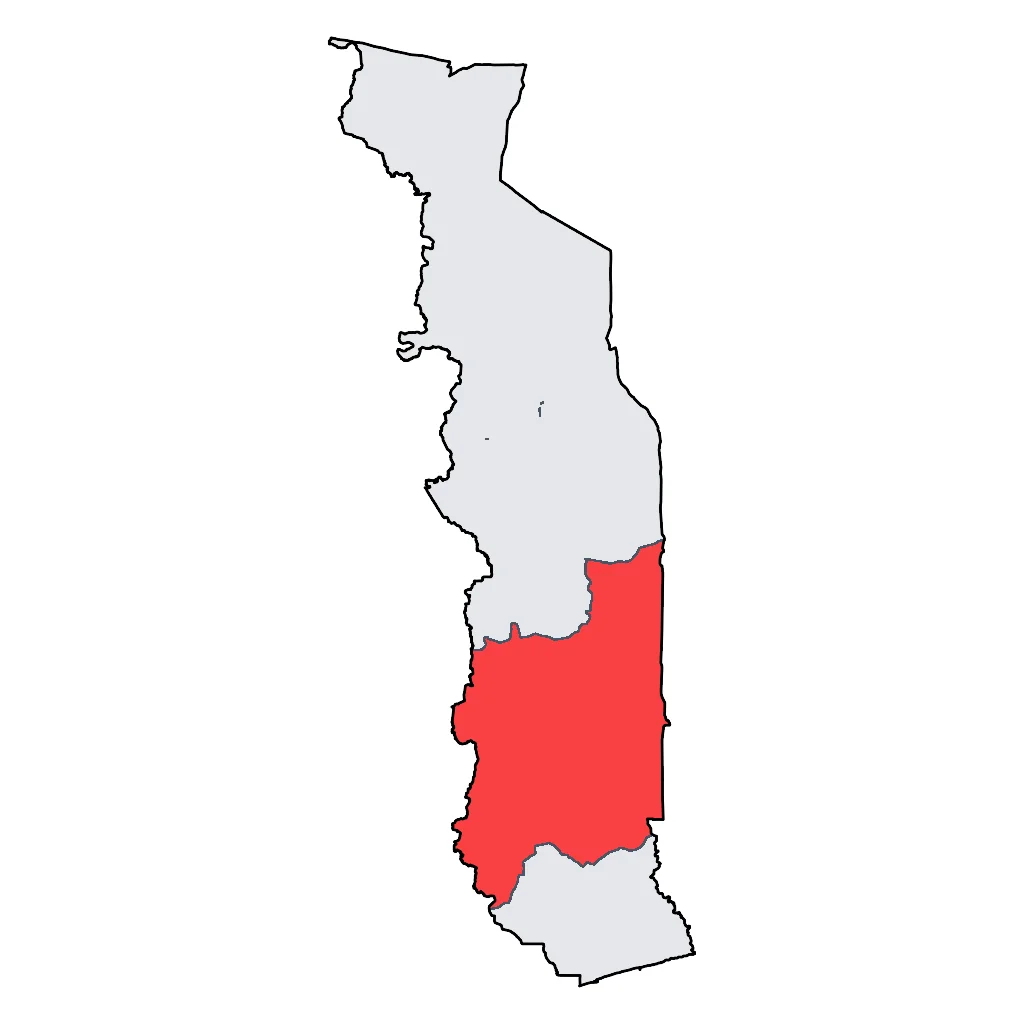
Click on a region marker to explore details. Use the dropdown to color regions by activity suitability.

Activities & Best Times

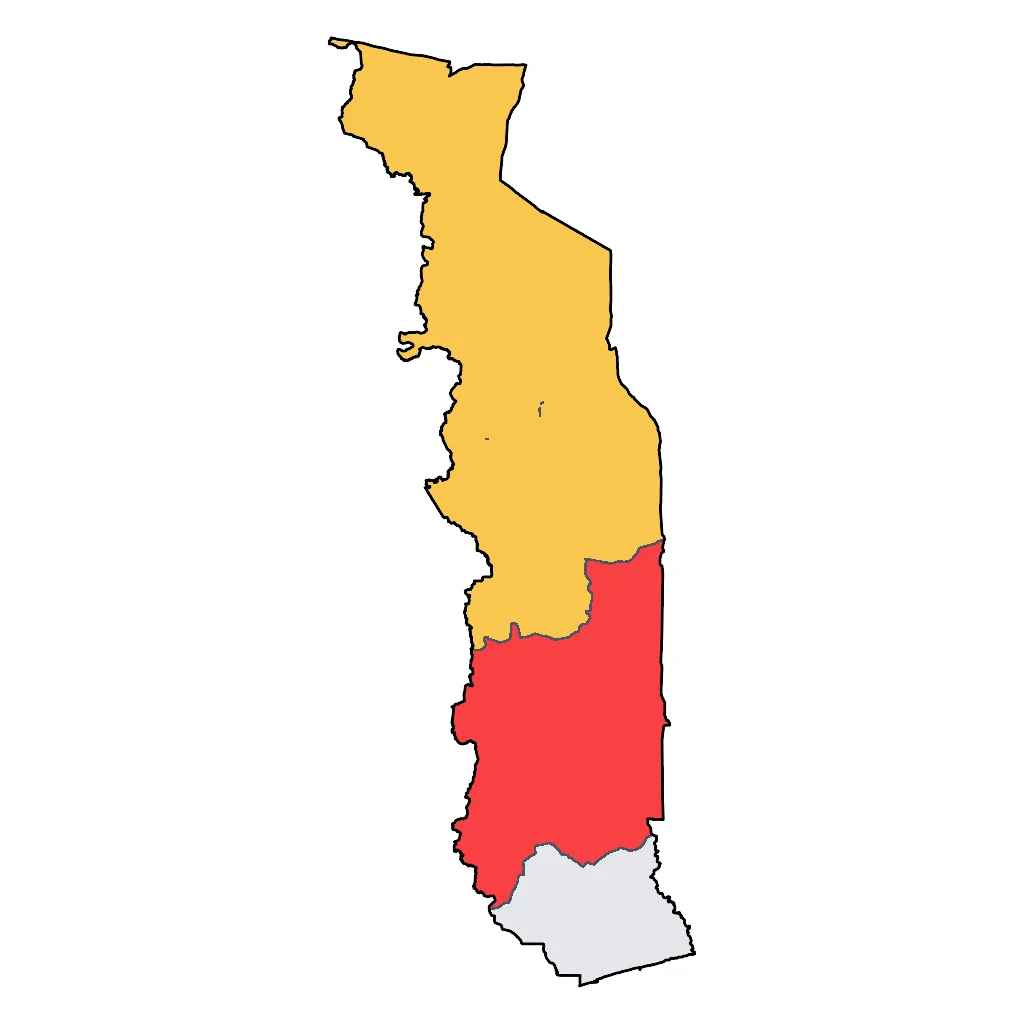
Adventure & Nature
Very GoodHiking, wildlife, outdoor exploration, ecotourism
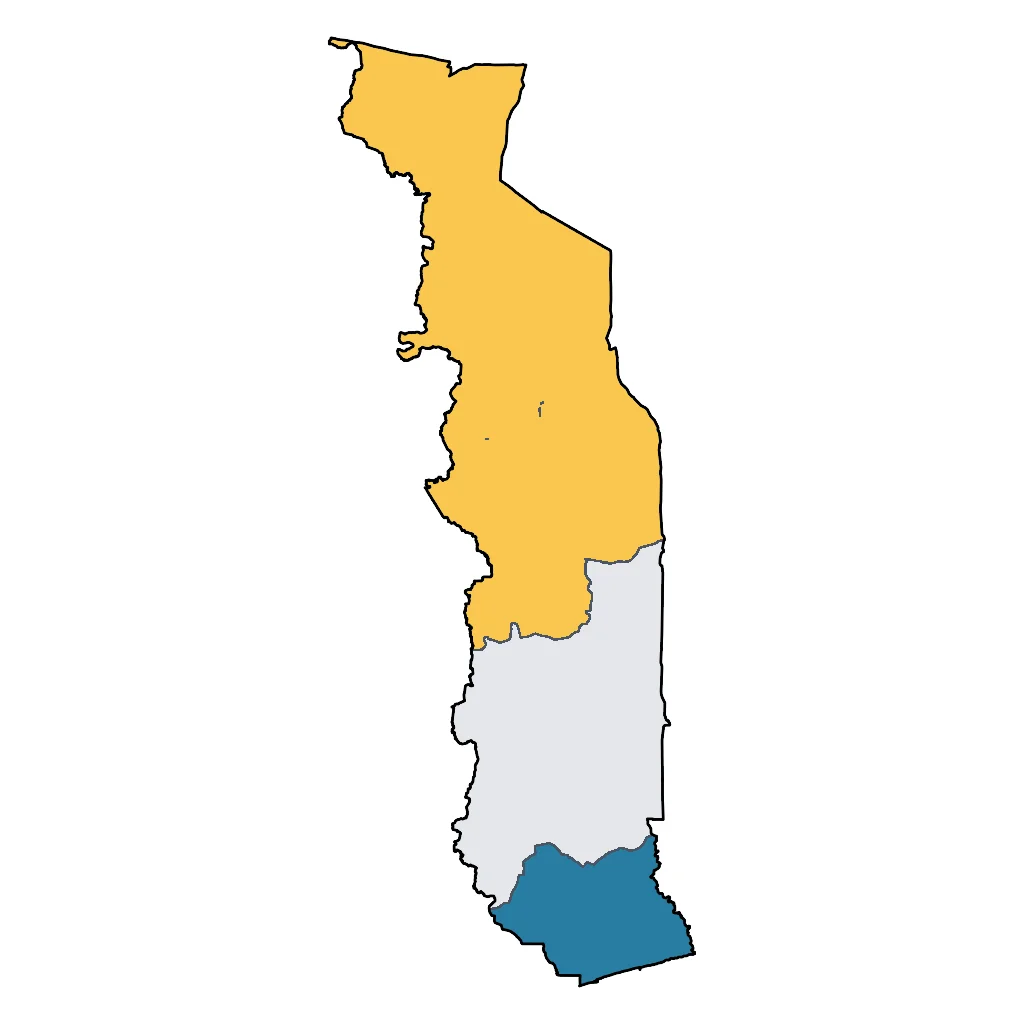
The UNESCO-listed Koutammakou landscape and the rugged Atakora Mountains offer unique, world-class trekking and cultural immersion. Peak months provide dry, clear conditions for exploration, while the extreme heat of March-May and heavy monsoon rains of June-September significantly degrade trail safety and accessibility.
Offers unique West African highland trekking, including Mount Agou and hidden waterfalls within coffee and cocoa forests. Peak dry months provide safe trail conditions and manageable humidity, while the heavy monsoon rains from April to September make forest paths excessively slippery for families.
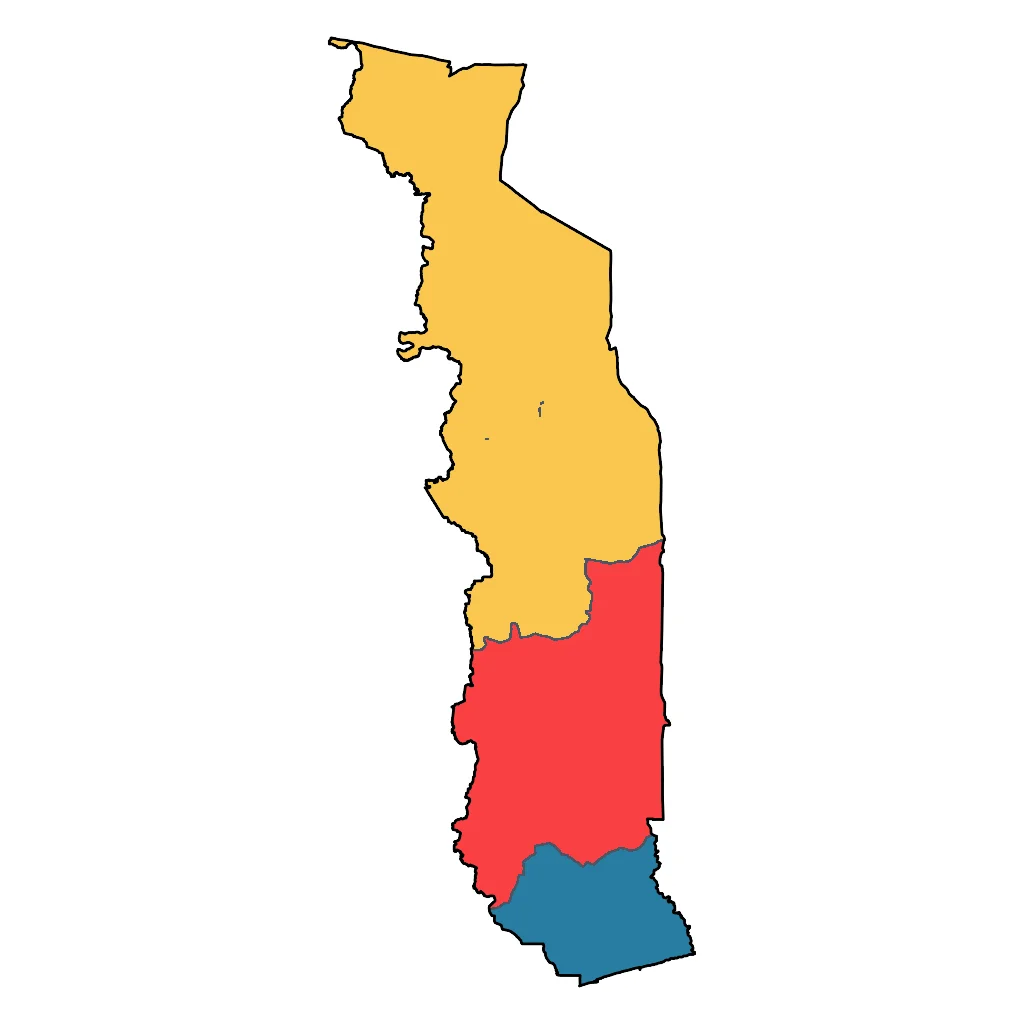
Nature exploration focuses on pirogue trips across Lake Togo and coastal birdwatching, providing an authentic but low-key eco-tourism experience. Conditions are best during the dry season when water levels are predictable, but the region lacks the world-class wildlife infrastructure found in other African destinations.

City & Cultural
Very GoodUrban tourism, museums, historical sites, architecture
Lomé offers a uniquely authentic West African urban experience, centered on the globally significant Akodessewa Fetish Market and vibrant Grand Marché. The dry months of Dec-Feb provide optimal conditions for exploration, while the 'little dry season' in July-August offers cooler temperatures suitable for walking tours despite cloudier skies.
Home to the iconic Takienta mud-tower houses, this region offers one of West Africa's most authentic cultural experiences for sophisticated travelers. The dry winter months are optimal for visiting villages and witnessing local traditions, whereas the rainy season makes many heritage sites difficult to reach.
Kpalimé is Togo's artistic heart, featuring authentic artisanal workshops and German colonial architecture that appeals to sophisticated travelers. The dry season is ideal for exploring the Centre des Artisans and local galleries, which become less accessible during the intense mid-year rainy season.

Festivals & Seasonal
Very GoodEvents, celebrations, seasonal attractions
The Epe-Ekpe festival in September is a world-class cultural event in Glidji, showcasing authentic spiritual rites that attract international observers. January also features significant traditional celebrations, though the heavy rains of the mid-year monsoon period lack major organized festivities of global interest.
The Evala wrestling matches in July are a spectacular and authentic display of Kabyé warrior culture, attracting international interest despite the rainy season. July is the only peak month for this specific event, with June and August offering some preparatory and post-event cultural atmosphere.

Beach & Sea
GoodBeach resorts, marine activities: diving, snorkelling, kite surfing, wind surfing, sailing

Educational & Exploratory
GoodLearning experiences, scientific sites, historical education
While the region has cultural significance, 'very_good' educational rating requires more concrete institutional evidence (museums, research centers, educational programs). The descriptor 'anthropological treasure trove' is overstated for international calibration. Downgrade to 'good' reflects genuine cultural learning opportunities without overclaiming.
Excellent for families to learn about sustainable cocoa and coffee production through hands-on plantation tours and traditional craft demonstrations. Best during the dry harvest months; the wet season significantly limits rural accessibility and disrupts outdoor educational activities.
Provides deep insight into Batammariba architectural engineering and social structures that have remained unchanged for centuries. Educational tours are best conducted in the dry season when site accessibility is guaranteed; extreme heat and heavy rains during other months limit the learning experience.

Road Trips & Scenic
GoodScenic drives, countryside tours, route-based travel
The drive through the Aledjo Fault and the northern cliffs offers dramatic scenery and a sense of true frontier exploration. Peak months offer the best road safety and visibility, while the wet season (June-September) poses risks of mud-clogged paths and flash flooding in more remote areas.
Scenic drives through the rolling Plateaux region offer lush vistas and authentic rural village encounters. Travel is best during the dry season for road safety and visibility; many unpaved secondary roads to waterfalls and plantations become difficult to navigate during the monsoon.

Sports & Active
GoodSport tourism, fitness activities, active recreation
The hilly terrain provides scenic opportunities for hiking and mountain biking suited for active families. Conditions are optimal when rainfall is lowest (Nov-Jan); extreme heat in February and heavy rains thereafter create challenging and muddy conditions for outdoor sports.
Offers rugged hiking and opportunities to observe traditional athletic competitions. The climate and limited infrastructure restrict this to an intrepid activity best pursued during cooler, dry months to avoid heat exhaustion or mud-clogged trails.

Relaxation & Wellness
MarginalSpa retreats, wellness centers, peaceful getaways
The cooler highland climate provides a peaceful escape from the coastal heat, though it lacks world-class luxury spa infrastructure. The mist-shrouded atmosphere is most pleasant during the cooler dry months, whereas high humidity and heavy rain from April to September degrade the outdoor relaxation experience.
The remote, peaceful savanna environments offer a sense of deep isolation and 'digital detox' for adventurous families. While lacking world-class spa facilities, the early dry season provides a tranquil climate for a quiet, authentic retreat.

Airports & Flight Routes
Toggle options to view domestic routes and international airports. Click an airport for details.
Climate & Weather
Kara & Northern Togo
Show Details
| Month | Temp °C | Rain | Humidity |
|---|
Kpalimé & Plateaux
Show Details
| Month | Temp °C | Rain | Humidity |
|---|
Lomé & Coast
Show Details
| Month | Temp °C | Rain | Humidity |
|---|

Travel Advisory
While general travel is possible, significant security concerns including regional terrorism and urban crime require increased vigilance.
Safety Topics
Traveller Advice (3 groups)

Avoid displaying wealth or carrying large amounts of cash. Register with your national consulate where available, and ensure travel insurance includes emergency air evacuation.

Homosexuality is illegal in Togo and social attitudes are conservative. Travelers should exercise extreme discretion as public displays of affection may result in arrest or harassment.

Solo female travelers may experience verbal harassment. It is advisable to avoid walking alone after dark and to maintain a low profile in crowded areas.