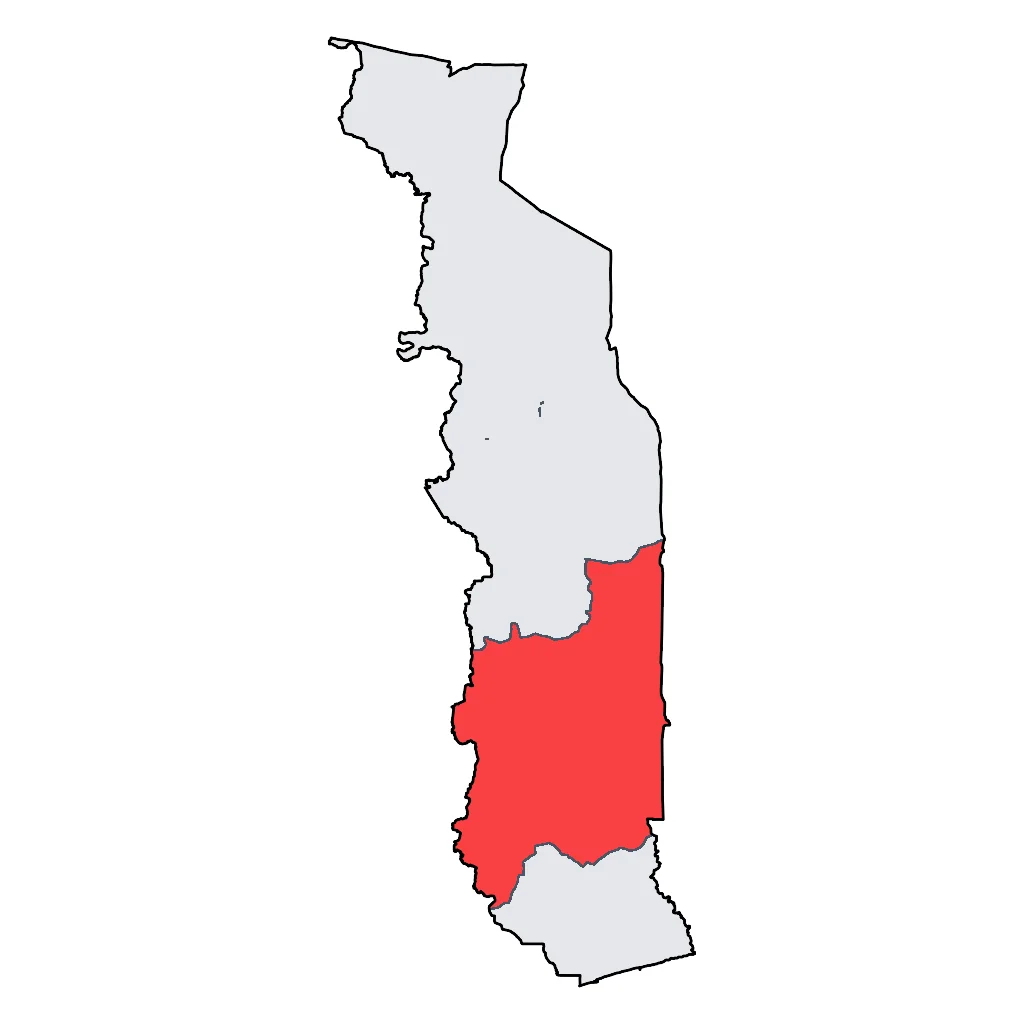
Kara & Northern Togo
Ancient mud castles and rich tribal traditions 🏰
⚠️ SAFETY WARNING: Due to the threat of kidnapping, terrorism, and insecurity near the northern borders, government agencies (including the UK, USA, Canada, and Australia) advise travelers to reconsider or avoid travel to parts of this region, particularly near the Burkina Faso border. The security situation can change rapidly. Families are strongly urged to consult their own government's official travel advisory before considering a trip, as circumstances and risk assessments vary.
For families who choose to visit the safer zones of this region, the primary draw is the Koutammakou landscape, home to the Batammariba people. This UNESCO World Heritage site is famous for its Takienta—spectacular mud tower houses that resemble miniature fortresses. These structures are not just museums; they are active family homes where children can see how grain is stored in conical turrets and how livestock is kept safe on the ground floor. It is a living history lesson that captivates older children interested in how people live differently around the world.
The city of Kara serves as the main logistical base for the region. It is a busy commercial hub where you can find basic amenities, hotels, and guides necessary for exploring the surrounding countryside. Unlike the humid coast, the north is drier and more rugged, characterized by the rocky outcrops of the Atakora mountain chain. November to February is generally the most comfortable time to visit, as the Harmattan winds bring cooler, hazier weather that lowers the oppressive heat found elsewhere.
Cultural festivals are a significant part of life here, most notably the Evala wrestling festivals held in July. While these events are energetic and draw huge crowds, they can be overwhelming for young children due to the noise and density of spectators. Families seeking a quieter experience might prefer visiting local weaving cooperatives or hiking the lower slopes of the surrounding hills with a reputable local guide. Due to the sensitive security environment, it is vital to travel with an experienced driver who knows the current road conditions and to avoid all travel after dark.
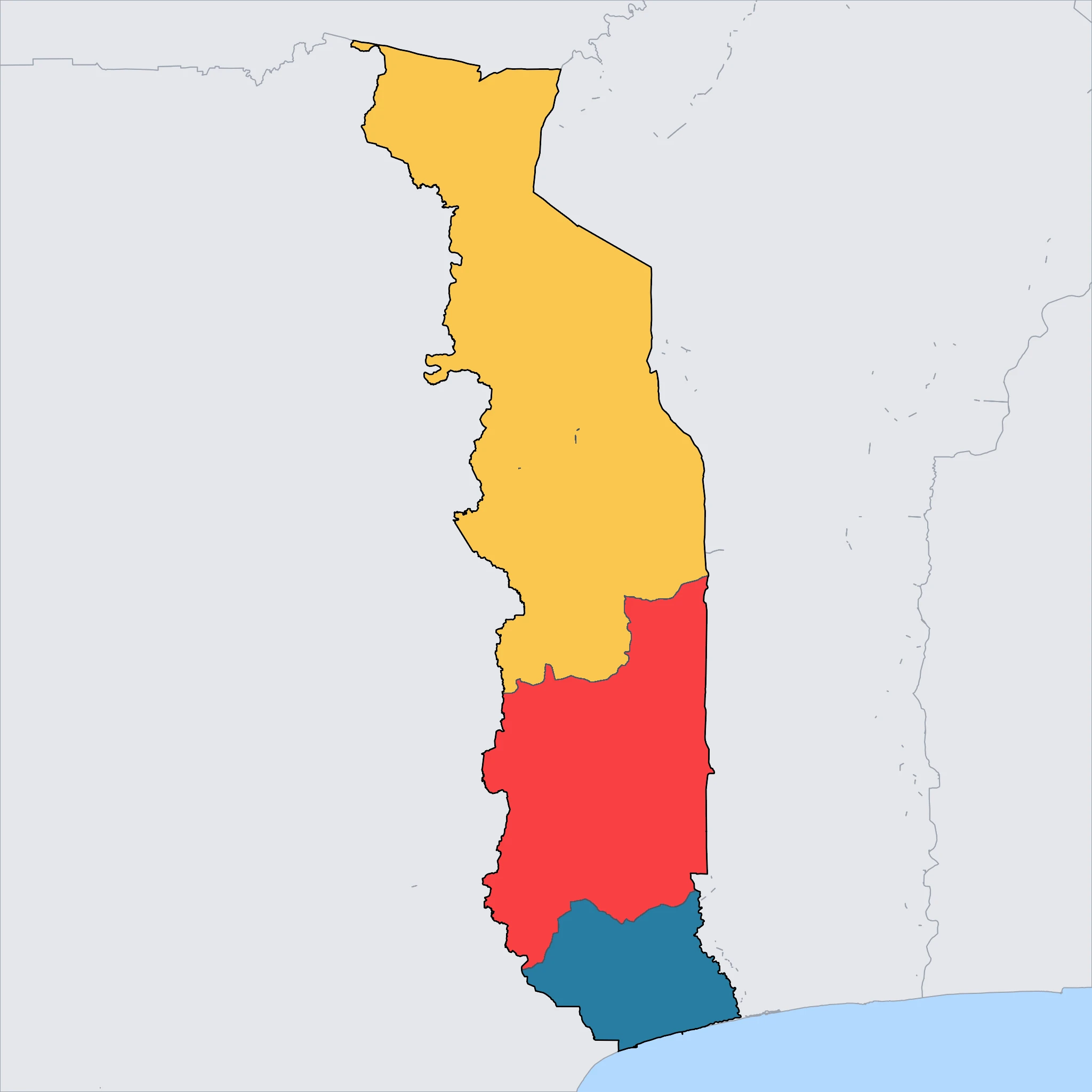
Click a region to explore

Activities & Best Times

Hiking, wildlife, outdoor exploration, ecotourism
The UNESCO-listed Koutammakou landscape and the rugged Atakora Mountains offer unique, world-class trekking and cultural immersion. Peak months provide dry, clear conditions for exploration, while the extreme heat of March-May and heavy monsoon rains of June-September significantly degrade trail safety and accessibility.
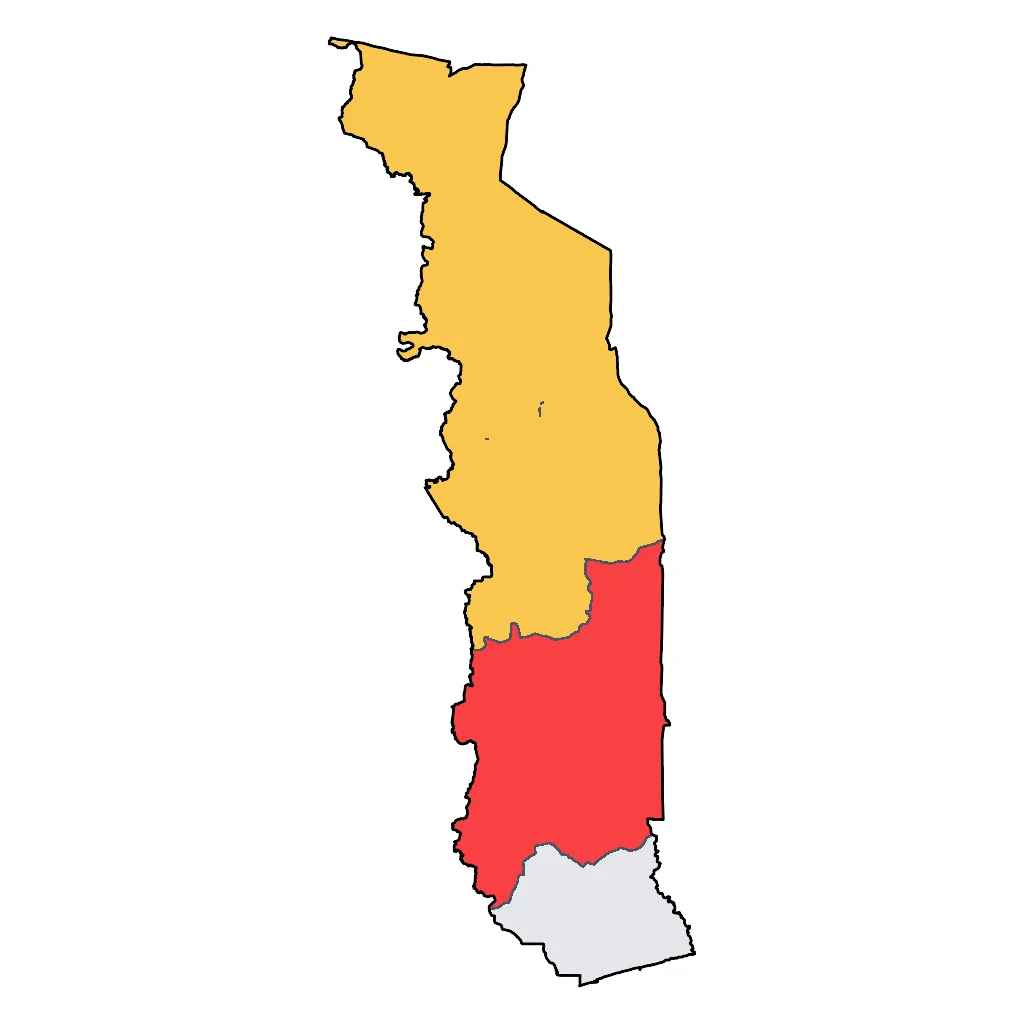

Urban tourism, museums, historical sites, architecture
Home to the iconic Takienta mud-tower houses, this region offers one of West Africa's most authentic cultural experiences for sophisticated travelers. The dry winter months are optimal for visiting villages and witnessing local traditions, whereas the rainy season makes many heritage sites difficult to reach.
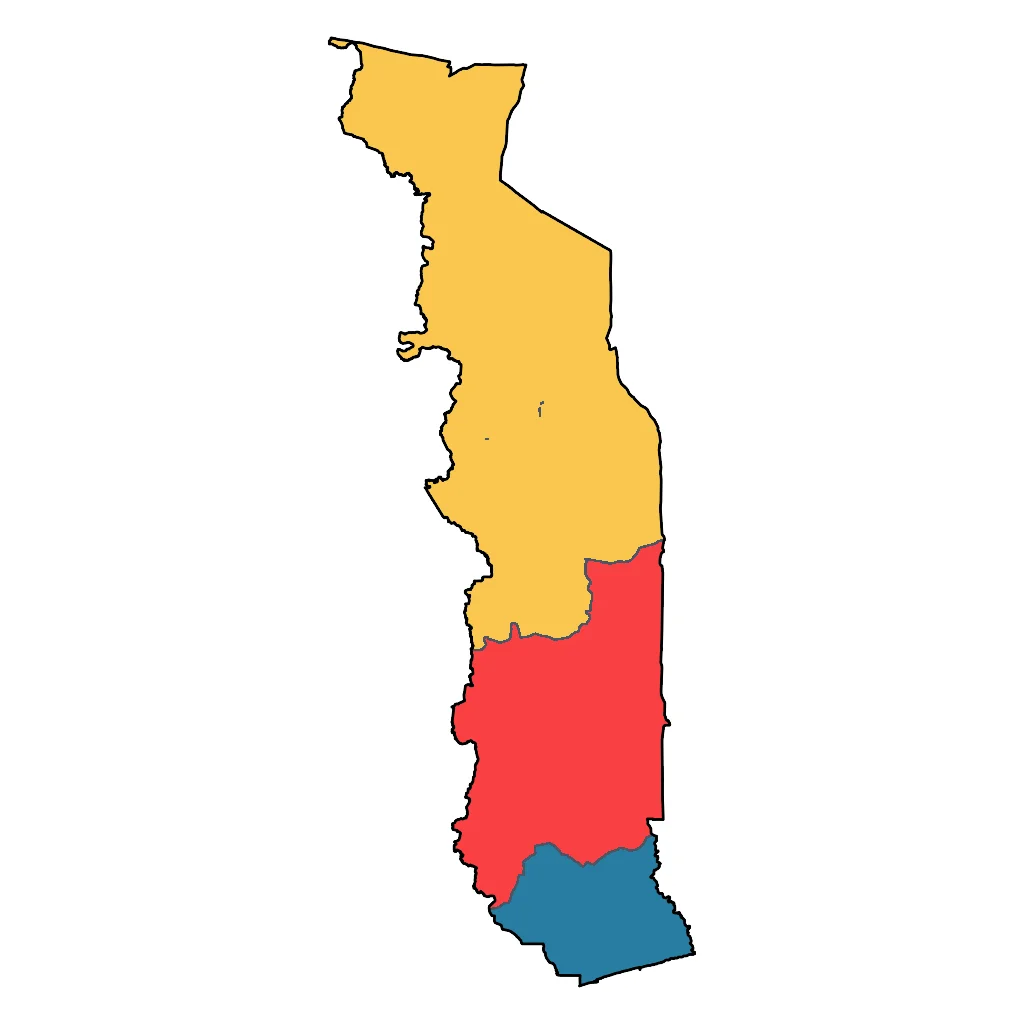

Events, celebrations, seasonal attractions
The Evala wrestling matches in July are a spectacular and authentic display of Kabyé warrior culture, attracting international interest despite the rainy season. July is the only peak month for this specific event, with June and August offering some preparatory and post-event cultural atmosphere.
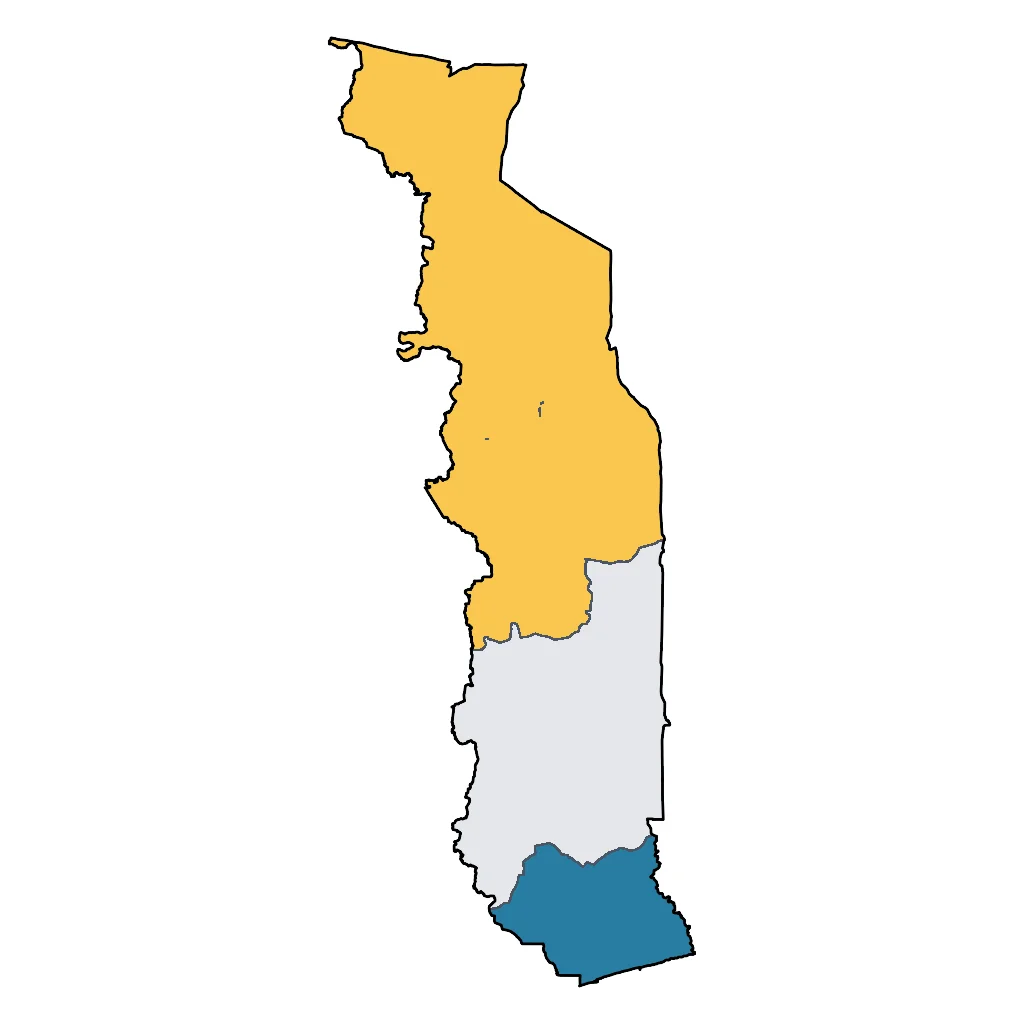

Learning experiences, scientific sites, historical education
Provides deep insight into Batammariba architectural engineering and social structures that have remained unchanged for centuries. Educational tours are best conducted in the dry season when site accessibility is guaranteed; extreme heat and heavy rains during other months limit the learning experience.
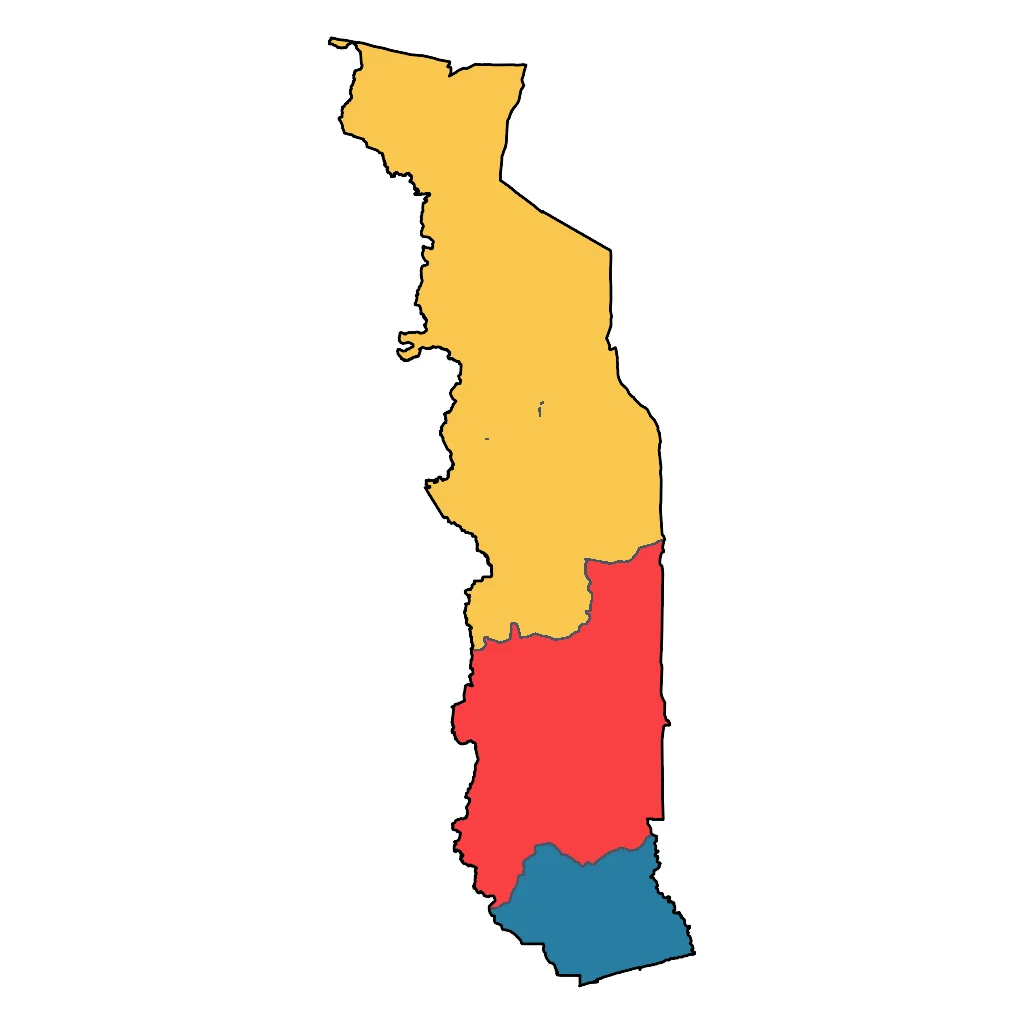

Scenic drives, countryside tours, route-based travel
The drive through the Aledjo Fault and the northern cliffs offers dramatic scenery and a sense of true frontier exploration. Peak months offer the best road safety and visibility, while the wet season (June-September) poses risks of mud-clogged paths and flash flooding in more remote areas.

Spa retreats, wellness centers, peaceful getaways
The remote, peaceful savanna environments offer a sense of deep isolation and 'digital detox' for adventurous families. While lacking world-class spa facilities, the early dry season provides a tranquil climate for a quiet, authentic retreat.

Sport tourism, fitness activities, active recreation
Offers rugged hiking and opportunities to observe traditional athletic competitions. The climate and limited infrastructure restrict this to an intrepid activity best pursued during cooler, dry months to avoid heat exhaustion or mud-clogged trails.