
⚠️ SAFETY WARNING: Due to potential civil unrest, petty crime, and limited medical facilities, government agencies (including the US, UK, and Canada) advise travelers to reconsider travel and exercise increased caution. Visitors should avoid large gatherings and be vigilant in Stone Town at night. Families are strongly urged to consult their own government's official travel advisory before considering a trip, as circumstances and risk assessments vary.
Zanzibar is a sensory delight that combines history, culture, and beach relaxation. The heart of the island is Stone Town, a UNESCO World Heritage site with narrow streets, carved wooden doors, and bustling bazaars. Families can visit the Old Fort or take a guided spice tour to smell and taste vanilla, cloves, and cinnamon fresh from the plant—an educational experience that kids usually enjoy. A boat trip to see the giant tortoises on Changuu (Prison) Island is another favorite activity.
For beach time, the northern villages of Nungwi and Kendwa are ideal for families because the ocean here is less affected by tides, allowing for swimming throughout the day. The water is warm and turquoise, perfect for splashing around or trying beginner snorkeling. On the southeast coast, places like Paje are famous for kitesurfing, though the water recedes significantly at low tide, revealing tide pools full of starfish and crabs that young explorers love to investigate.
Nature lovers should visit Jozani Chwaka Bay National Park, the only home of the rare Red Colobus monkey. These monkeys are habituated and often playful, easy to spot from the boardwalks that wind through the groundwater forest and mangroves. When dining, many hotels offer familiar international dishes alongside mild Swahili curries, ensuring even picky eaters find something to enjoy.
Click a region to explore

Activities & Best Times

Beach resorts, marine activities: diving, snorkelling, kite surfing, wind surfing, sailing
Zanzibar is a premier global beach destination featuring world-class diving at Mnemba Atoll and iconic white-sand beaches. The long dry season (Jun-Sep) offers optimal sea visibility and pleasant temperatures, while the heavy 'long rains' in April and May significantly degrade the coastal experience.

Urban tourism, museums, historical sites, architecture
Stone Town is a UNESCO World Heritage site offering a sophisticated, authentic fusion of African, Omani, and Indian history. The cooler, dry months are ideal for navigating its labyrinthine alleys; the intense humidity and heavy rains of the monsoon months (Mar-May) make walking tours uncomfortable.

Spa retreats, wellness centers, peaceful getaways
The island hosts world-class boutique eco-luxury retreats and private island spas catering to the most discerning travelers. The lower humidity from June to September provides a superior environment for outdoor wellness and meditation compared to the oppressive heat of the rainy seasons.
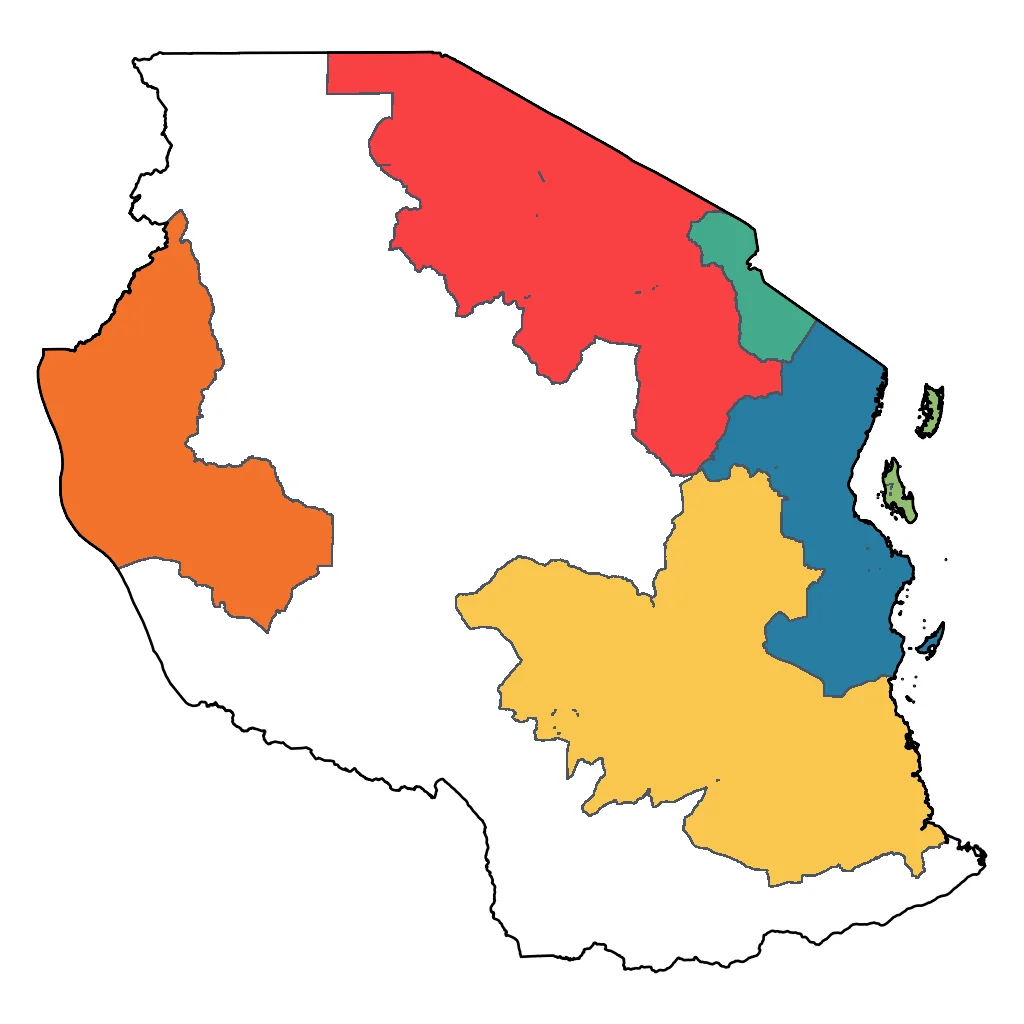

Hiking, wildlife, outdoor exploration, ecotourism
Home to the endemic Red Colobus monkeys in Jozani Forest and unique marine ecosystems, the region offers distinctive wildlife encounters. Peak dry months ensure accessible trails and higher wildlife visibility, whereas the rainy seasons turn forest paths into impassable mud.
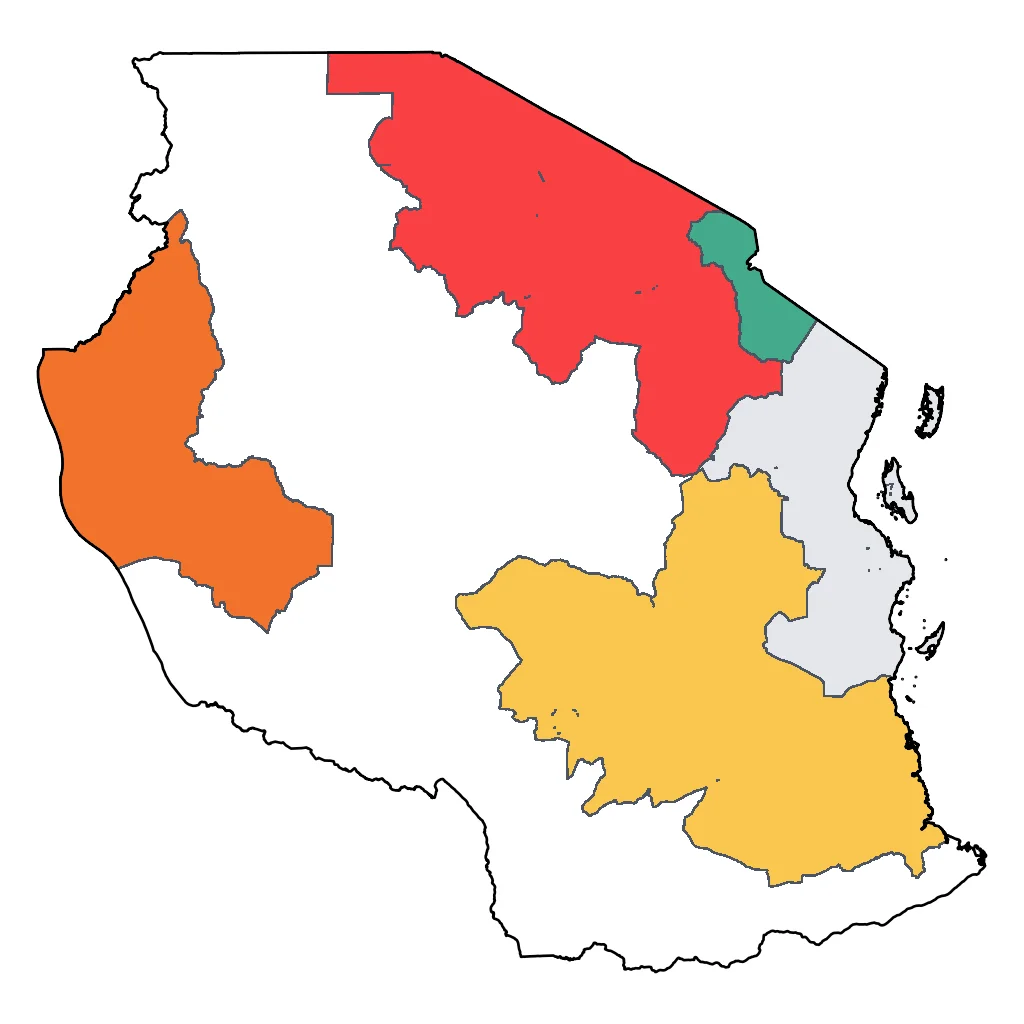

Sport tourism, fitness activities, active recreation
Zanzibar is a globally recognized hub for kitesurfing (especially Paje) and traditional dhow sailing. Peak months align with the reliable 'Kusi' trade winds and optimal diving visibility, while the monsoon months bring unpredictable winds and poor water clarity.
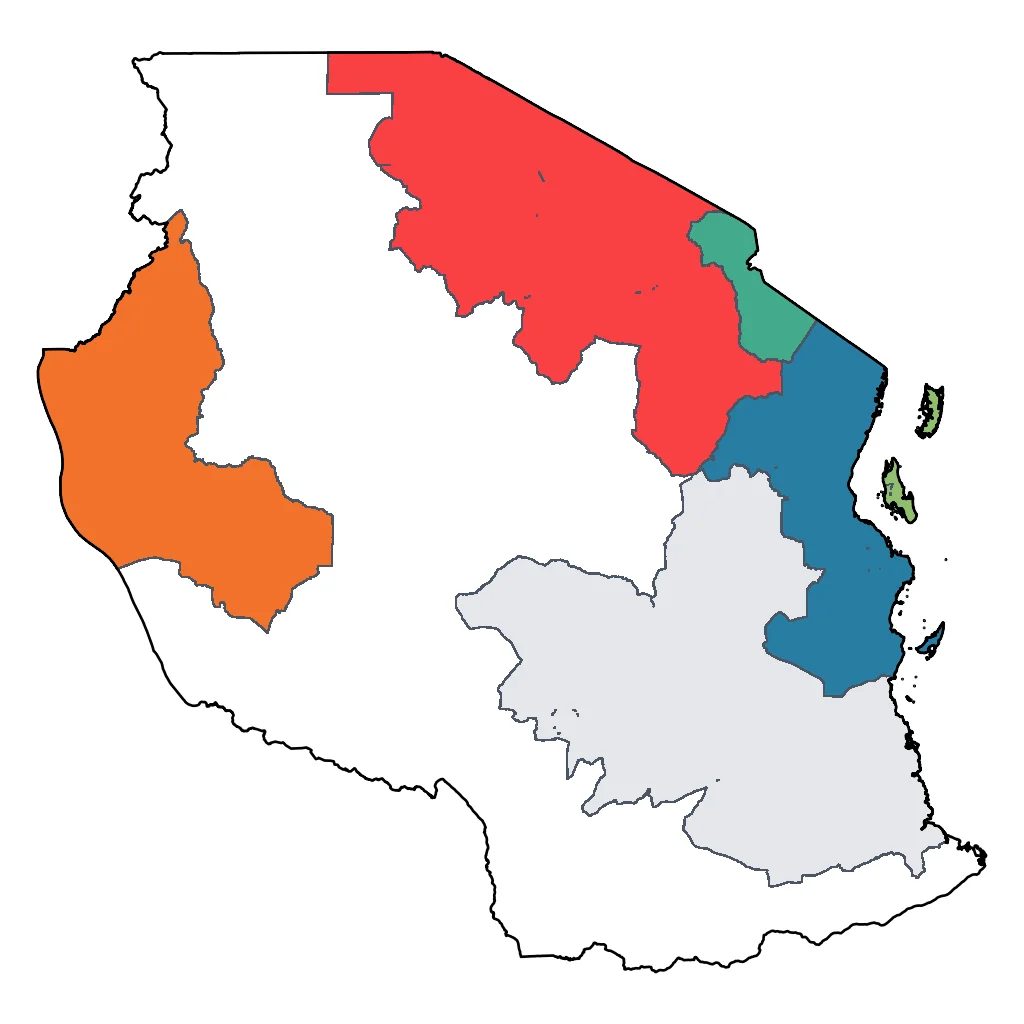

Learning experiences, scientific sites, historical education
Offers deep historical insights into the spice trade and East African slave trade history through authentic sites and plantations. These outdoor learning experiences are best enjoyed during the drier months when guided spice tours and architectural walks are fully operational.
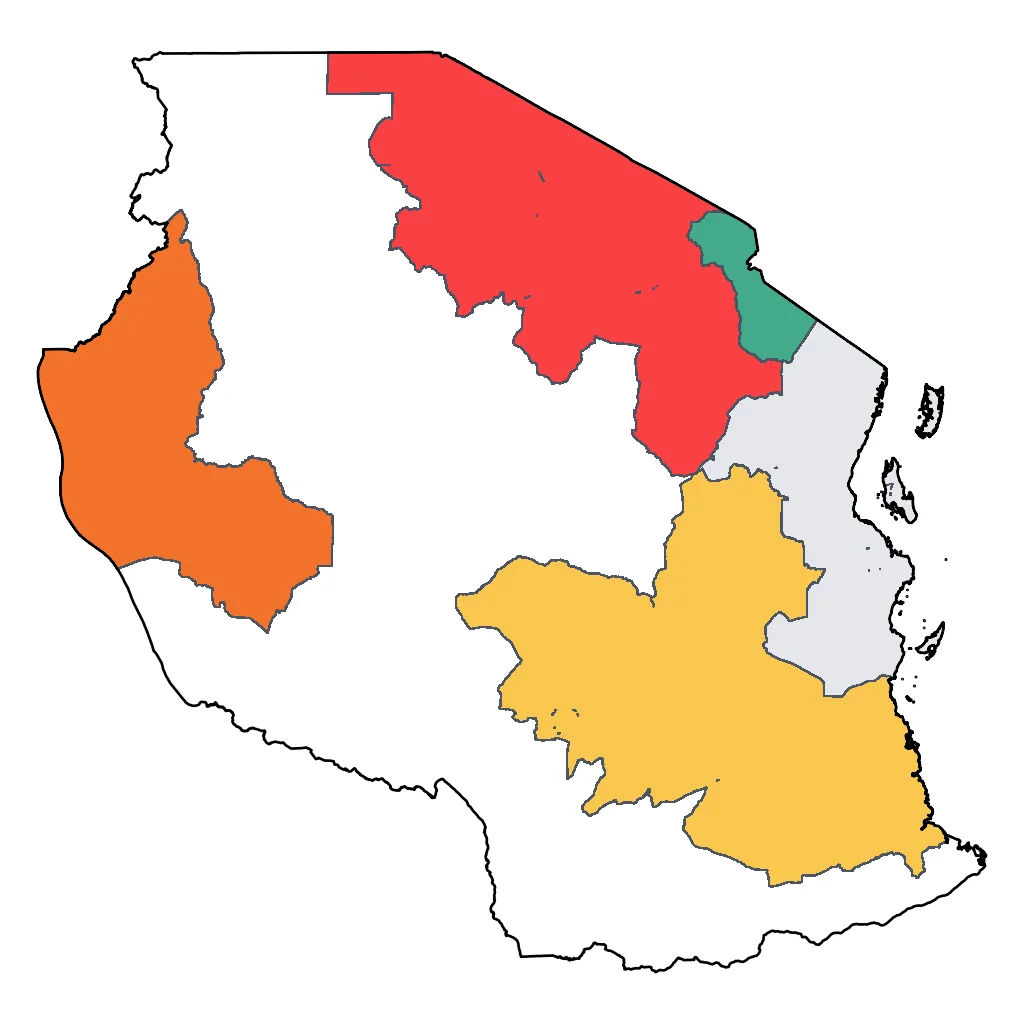

Events, celebrations, seasonal attractions
Zanzibar hosts internationally significant events like Sauti za Busara (Feb) and the Zanzibar International Film Festival (July). These peak months offer travelers a world-class immersion into Swahili arts and music during periods of favorable weather.