

Tanzania is widely considered one of the best destinations for a first-time family safari, largely because it successfully pairs high-density wildlife viewing with post-adventure relaxation on the Indian Ocean. The country's tourism infrastructure is well-developed, particularly along the popular "Northern Circuit," making it easier to navigate with children than more remote parts of the continent.
Geographically, the country is vast, ranging from the humid coastal plains to the cool, high-altitude crater highlands. For families, the climate is a major factor; the long dry season from June to October is ideal for game viewing as animals gather around waterholes, and the weather is generally dry and sunny. The "long rains" from March to May can make travel difficult and are often best avoided with younger children due to muddy roads and increased insect activity.
Wildlife and Nature Highlights
The Ngorongoro Crater is often the highlight for younger travelers. As an enclosed caldera teeming with animals, it offers a high chance of seeing the "Big Five" (lion, leopard, elephant, buffalo, rhino) within a few hours, minimising the need for long, tiring drives. Nearby, Tarangire National Park is famous for its massive herds of elephants and baobab trees-often described to kids as "upside-down trees." For older children, the vast plains of the Serengeti offer the spectacle of the Great Migration, where millions of wildebeest move across the landscape.
Island Relaxation and Culture
After the dust of the savanna, most families fly to Zanzibar. The island offers distinct experiences: the winding alleys of Stone Town provide a history lesson in the spice trade, while the northern beaches like Nungwi and Kendwa are less affected by extreme tides, allowing for all-day swimming. A tour of a spice farm is a tactile activity where kids can taste cinnamon bark and smell fresh vanilla. On the mainland, visiting a Maasai village allows children to engage with a distinct culture, though it is important to choose respectful, community-focused tours rather than staged stops.
Practical Considerations
Traveling in Tanzania requires preparation. Distances between parks can be long, and the roads are often unpaved and bumpy-locally joked about as an "African massage." Light aircraft flights can reduce travel time significantly. Health is a priority; Tanzania is a malaria zone, so families typically need antimalarial medication and distinct insect repellent regimes. While lodges and tented camps offer high standards of comfort and western-style food (pasta and grilled chicken are staples), trying local dishes like chapati (flatbread) and pilau (spiced rice) is a safe and delicious introduction to East African cuisine.

Explore Regions
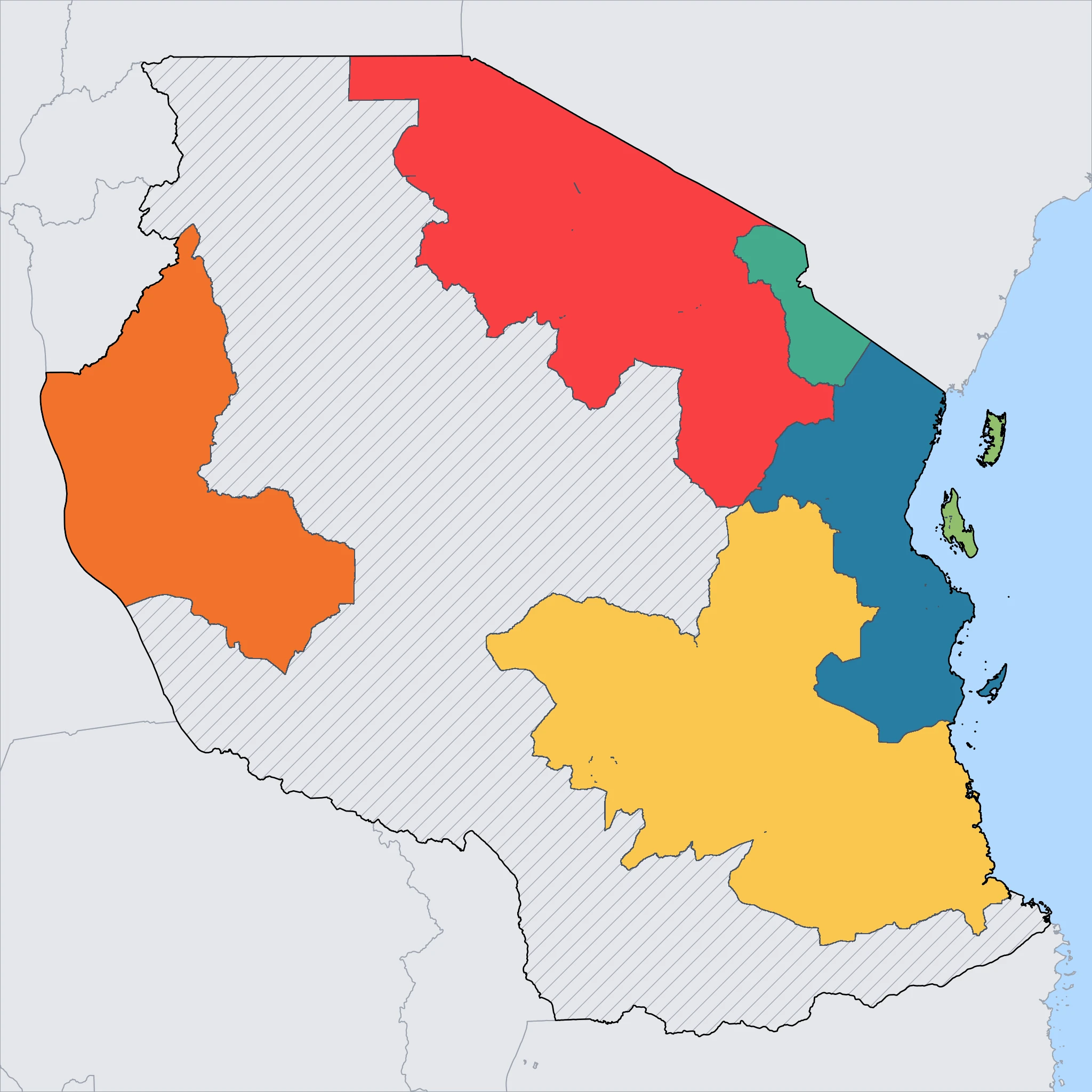
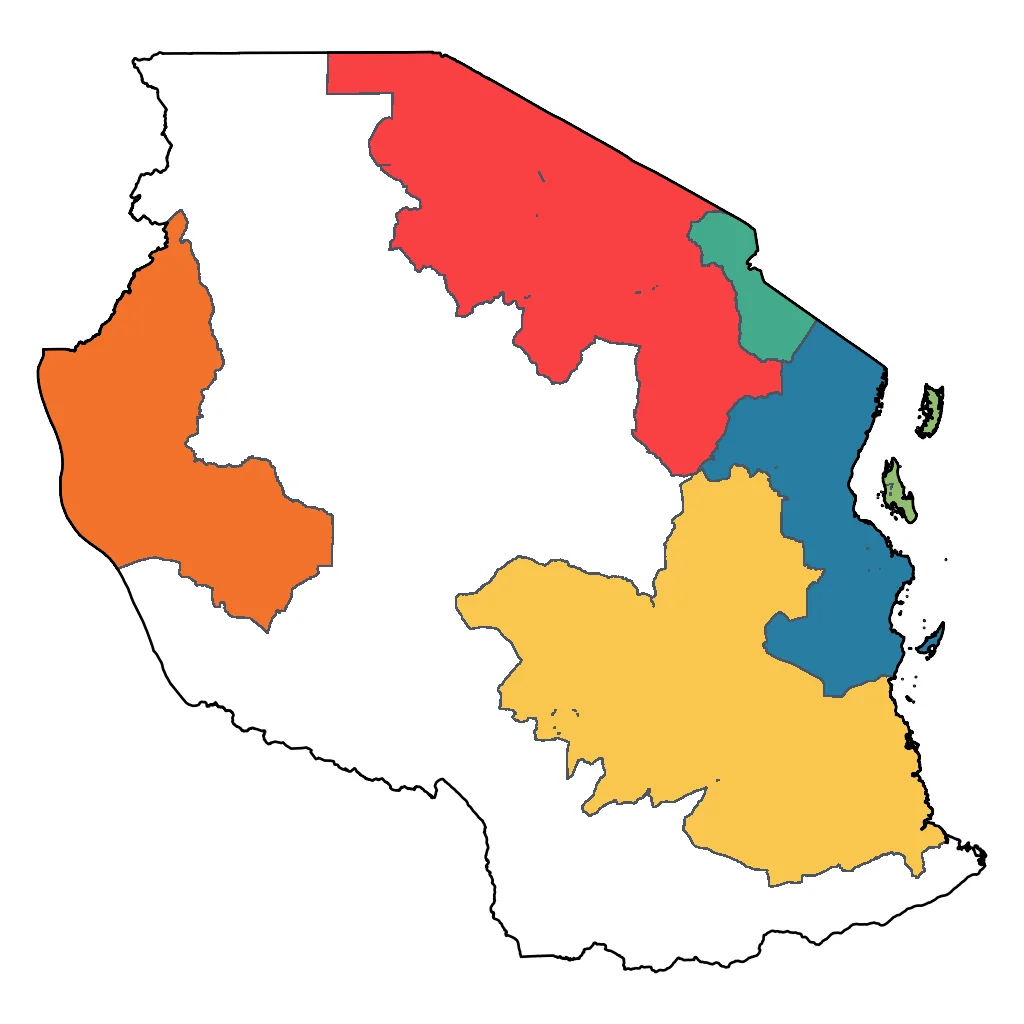
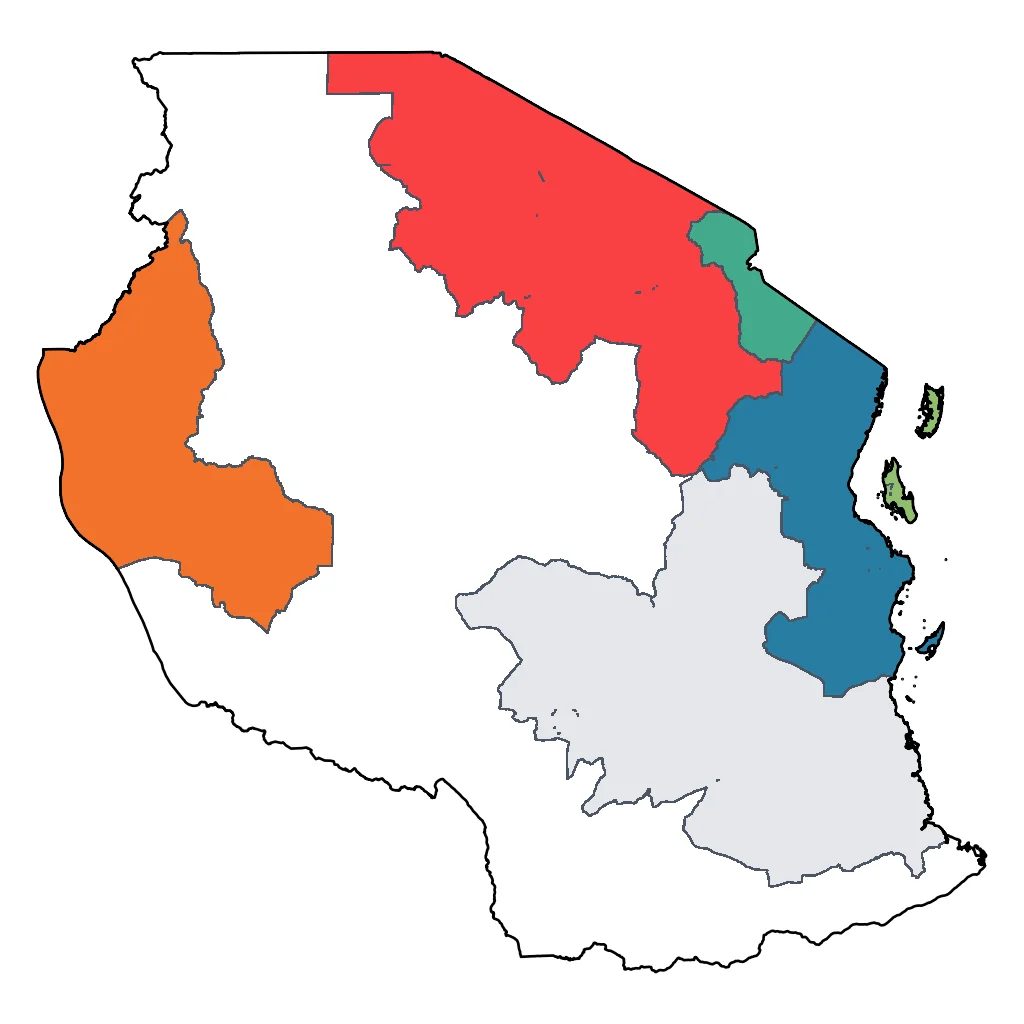
6 Regions
Dar es Salaam & Coast
Urban energy meets historic coastal towns 🏙️🌊
Kilimanjaro region
Adventures at the roof of Africa 🏔️☕
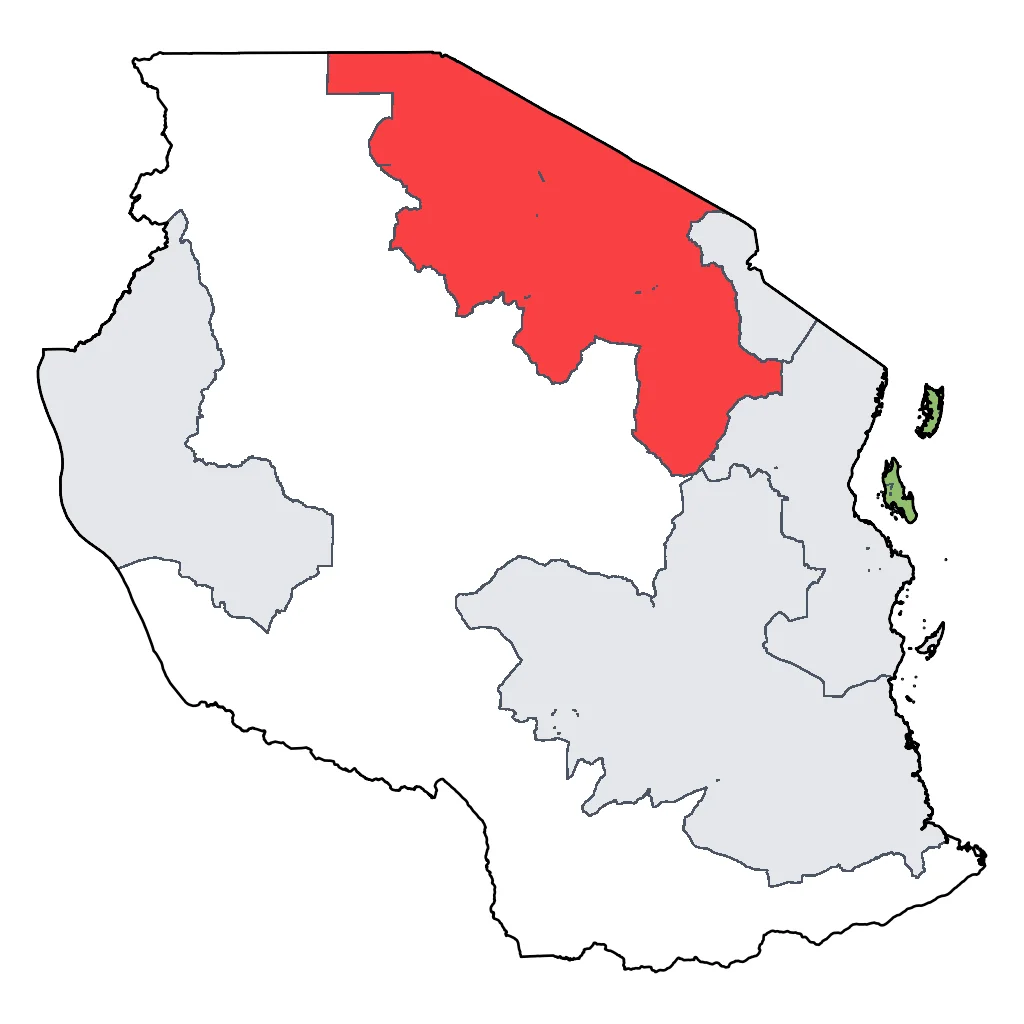
Serengeti & Northern Circuit (Serengeti, Ngorongoro, Lake Manyara)
The ultimate family safari destination 🦁🐘
Southern Parks (Selous/Nyerere, Ruaha)
Wild rivers and vast landscapes 🛶🐊
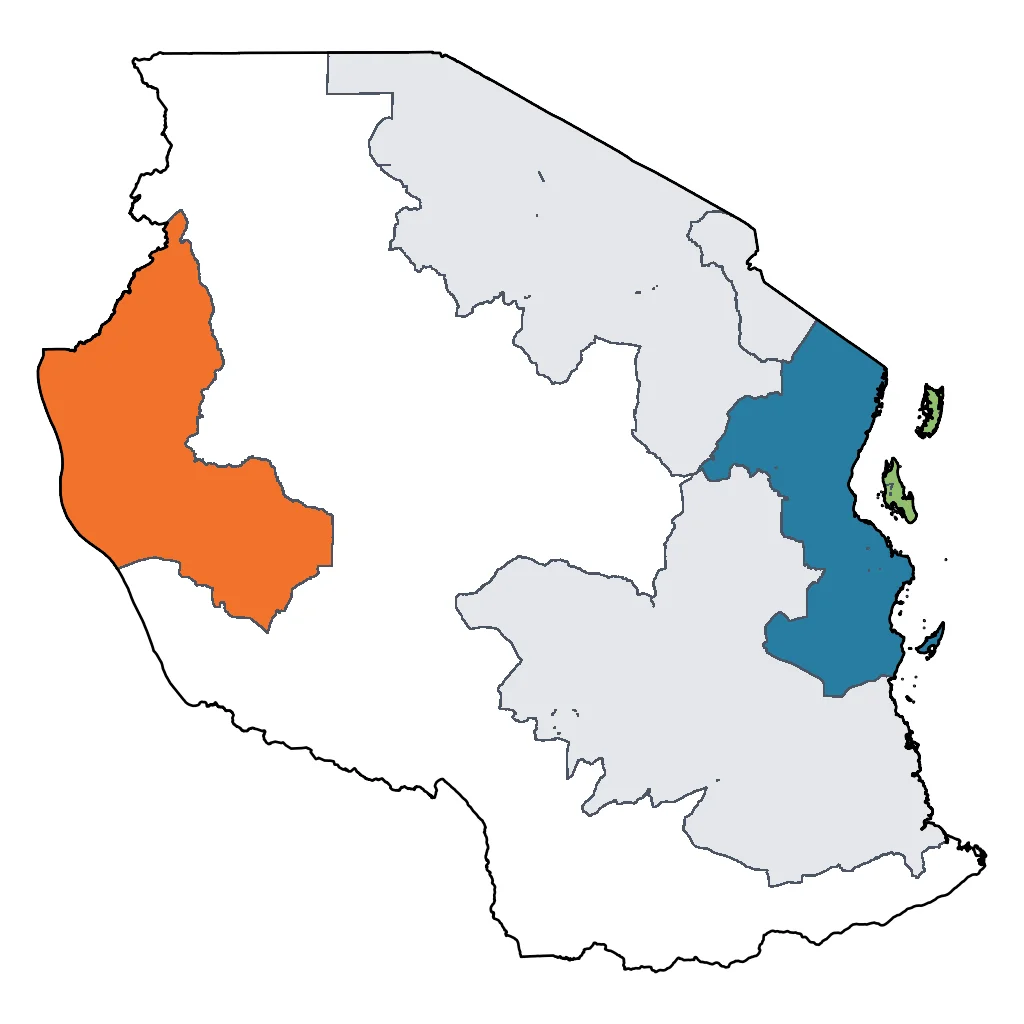
Western Tanzania (Mahale, Gombe - chimps)
Chimpanzee encounters on the great lake 🐵🚤
Zanzibar
Spice island magic and turquoise waters 🏝️🐢
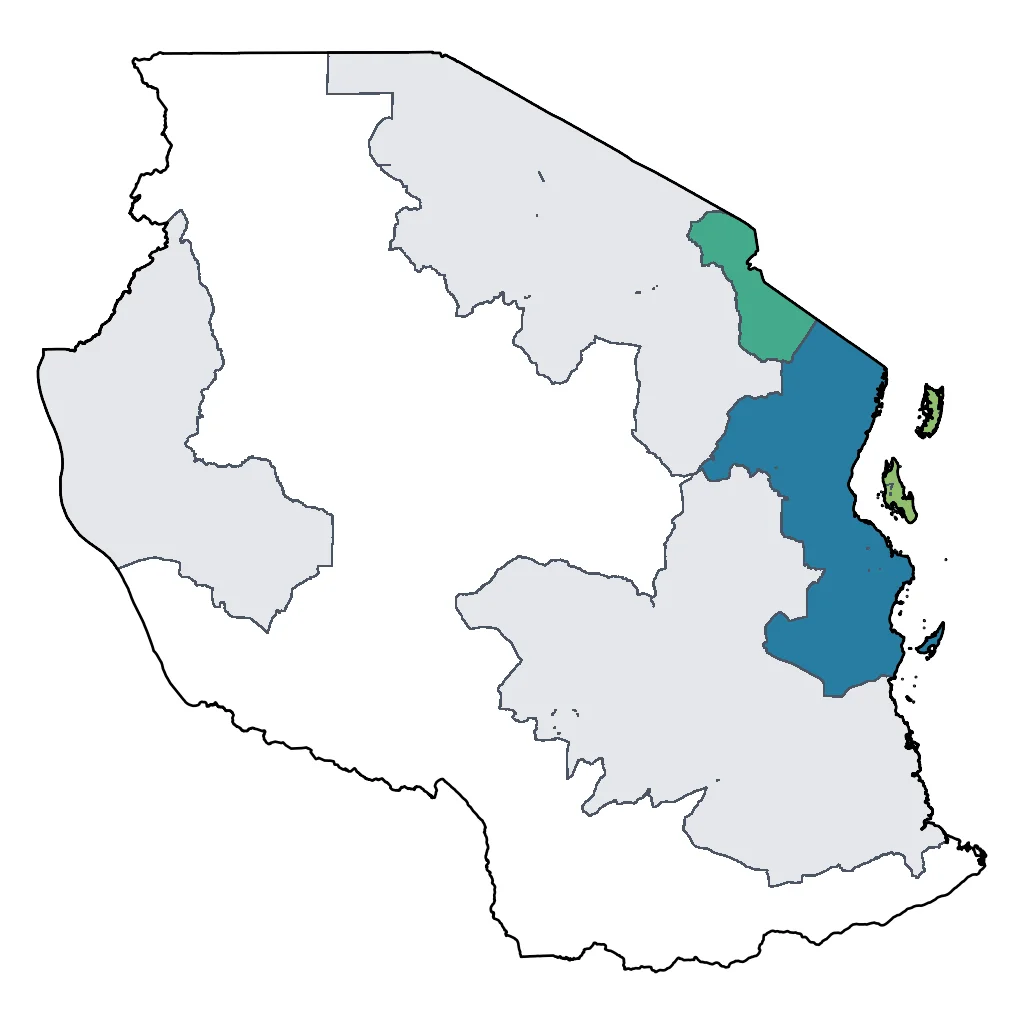
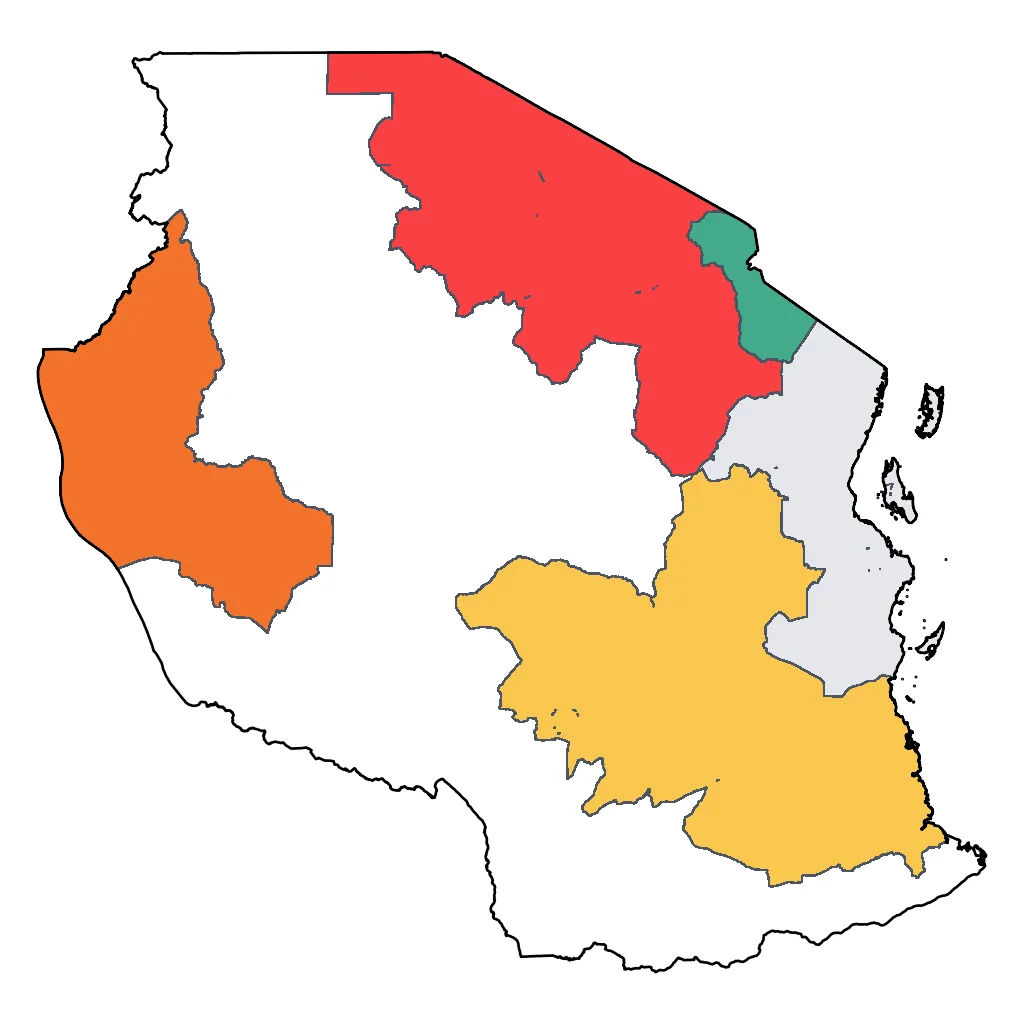
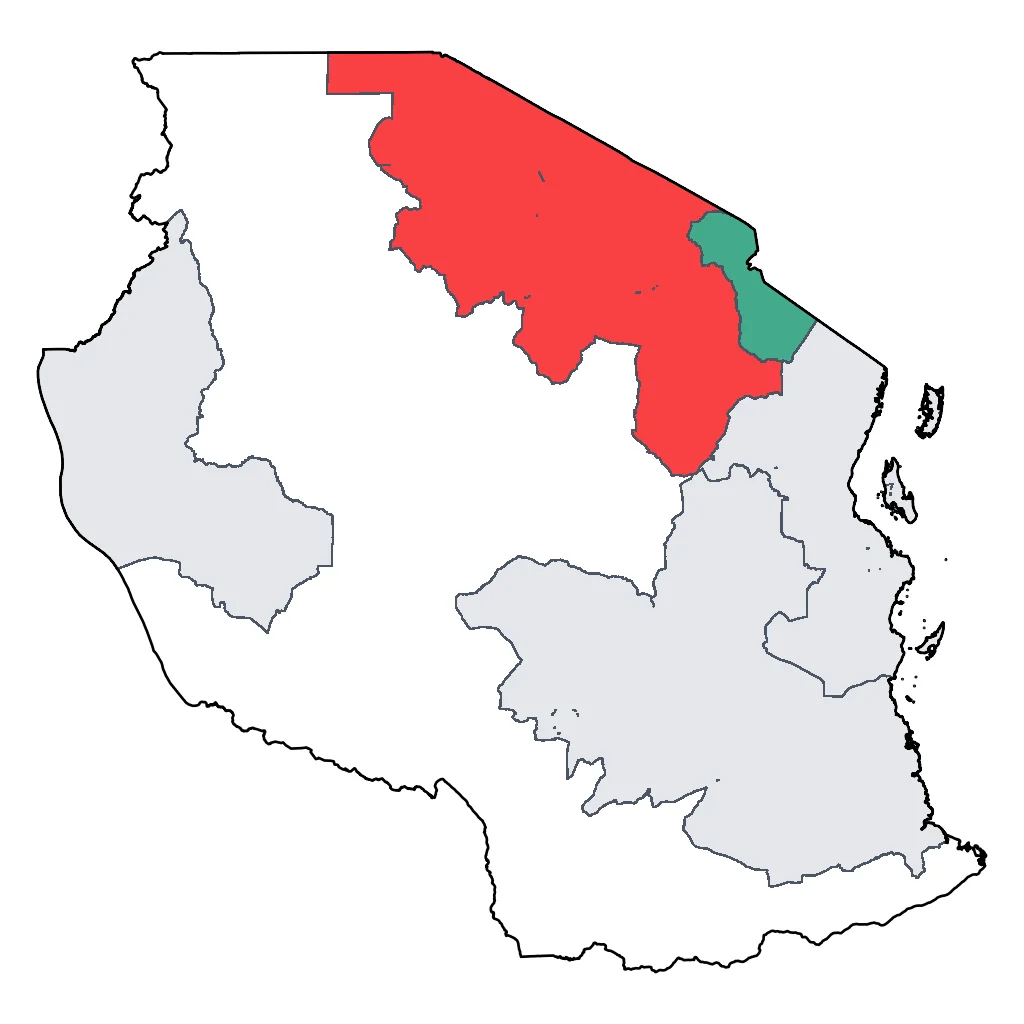
Click on a region marker to explore details. Use the dropdown to color regions by activity suitability.

Activities & Best Times
Adventure & Nature
ExcellentHiking, wildlife, outdoor exploration, ecotourism
A world-class frontier for primate encounters, Mahale and Gombe offer arguably the most authentic wild chimpanzee trekking on Earth within a pristine rainforest-meets-lake ecosystem. The dry season (Jun-Sep) is peak as chimps congregate on lower mountain slopes and trails remain navigable, whereas heavy tropical rains (Nov-Apr) make the steep terrain dangerously slick.
A global benchmark for wildlife viewing, featuring the Big Five and the world's highest predator density across iconic savannahs. Peak dry months (Jun-Oct) offer optimal visibility at waterholes, while Jan-Feb provides the spectacular calving season; peak rains in Mar-Apr can make tracks impassable.
A world-class wilderness offering unique boat safaris on the Rufiji River and elite walking treks to track rare wild dogs away from safari crowds. Peak dry season (Jun-Oct) provides optimal wildlife concentration at water sources, while heavy rains (Mar-May) and intense humidity (Jan-Feb) can restrict access and visibility.

Beach & Sea
ExcellentBeach resorts, marine activities: diving, snorkelling, kite surfing, wind surfing, sailing
Zanzibar is a premier global beach destination featuring world-class diving at Mnemba Atoll and iconic white-sand beaches. The long dry season (Jun-Sep) offers optimal sea visibility and pleasant temperatures, while the heavy 'long rains' in April and May significantly degrade the coastal experience.
The crystal-clear waters and white-sand beaches of Lake Tanganyika offer a unique, high-end 'island-style' experience featuring snorkeling for endemic cichlids and kayaking in a remote paradise. Dry season months offer optimal visibility and calm waters, whereas the rainy seasons can lead to rougher lake conditions and reduced water clarity.
Offers a sophisticated blend of private island escapes like Mbudya and the unique coastal wilderness of Saadani National Park. Peak months provide optimal dry weather and crystal-clear visibility, while the heavy 'long rains' of March-May make coastal access and sea conditions unfavorable.

Relaxation & Wellness
ExcellentSpa retreats, wellness centers, peaceful getaways
The island hosts world-class boutique eco-luxury retreats and private island spas catering to the most discerning travelers. The lower humidity from June to September provides a superior environment for outdoor wellness and meditation compared to the oppressive heat of the rainy seasons.
Features ultra-exclusive, 'off-grid' luxury camps offering a unique brand of barefoot sophistication and total digital detox on the shores of Lake Tanganyika. The dry season (Jun-Sep) provides the low humidity and clear, mosquito-free evenings essential for this high-end outdoor relaxation experience.
Features world-class, ultra-luxury safari lodges offering sophisticated 'bush Zen' spa treatments and high-end tranquility. Optimal weather occurs during the low-humidity dry season, while heavy rains in Mar-May can disrupt the serene outdoor atmosphere and lodge logistics.

Sports & Active
ExcellentSport tourism, fitness activities, active recreation
A world-class destination for high-altitude trekking and endurance training, supported by professional guiding infrastructure and unique terrain. Peak months offer optimal climbing conditions and lower humidity, whereas the heavy 'long rains' in April and May significantly degrade the active outdoor experience.
Zanzibar is a globally recognized hub for kitesurfing (especially Paje) and traditional dhow sailing. Peak months align with the reliable 'Kusi' trade winds and optimal diving visibility, while the monsoon months bring unpredictable winds and poor water clarity.
Offers exceptional freshwater kayaking and snorkeling in the crystal-clear waters of Lake Tanganyika, which hosts hundreds of endemic cichlid species. Activities are best during the dry months when the lake is calm and underwater visibility is at its global maximum, while the monsoon-like rains of the off-season significantly degrade water clarity.

Festivals & Seasonal
ExcellentEvents, celebrations, seasonal attractions
Home to the Great Migration, a seasonal wildlife event of unrivaled international significance. Peak months align with dramatic Mara River crossings (Jul-Sep) and the synchronized birthing in the south (Jan-Feb); transition months offer less predictable herd movements.
Zanzibar hosts internationally significant events like Sauti za Busara (Feb) and the Zanzibar International Film Festival (July). These peak months offer travelers a world-class immersion into Swahili arts and music during periods of favorable weather.
The Kilimanjaro Marathon in February is a significant international event that attracts global participants to the mountain's base. Outside of this major race and local harvest periods, there are few large-scale cultural festivals that meet the high standards of internationally experienced travelers.

City & Cultural
ExcellentUrban tourism, museums, historical sites, architecture
Stone Town is a UNESCO World Heritage site offering a sophisticated, authentic fusion of African, Omani, and Indian history. The cooler, dry months are ideal for navigating its labyrinthine alleys; the intense humidity and heavy rains of the monsoon months (Mar-May) make walking tours uncomfortable.
A vibrant, authentic hub of Swahili culture featuring the historic Kivukoni fish market and a blend of colonial and modern architecture. The dry, cooler months of June-September are ideal for exploring the city's high-energy markets and museums without the intense humidity of the rainy season.
The region provides authentic immersion into Chagga culture and the history of Moshi, a town shaped by mountaineering and coffee heritage. Peak months allow for vibrant local market visits and cultural village walks, while the monsoon-like rains in April and May make urban and rural cultural exploration less accessible.

Educational & Exploratory
Very GoodLearning experiences, scientific sites, historical education
Home to the longest-running study of wild primates (Jane Goodall's Gombe), this region offers unparalleled educational value regarding human evolution and conservation. Peak months align with the dry season for easier access to research sites and clearer observation of complex primate social structures.
Offers profound learning opportunities at Olduvai Gorge (the 'Cradle of Mankind') and authentic interactions with Maasai communities. The dry season (Jun-Oct) ensures easy access to archaeological sites and comfortable conditions for outdoor cultural exchanges.
Authentic opportunities for families to learn about complex ecosystems and conservation first-hand through expert-led tracking and river ecology studies. The peak months align with the best conditions for bush walks, whereas high rainfall in the off-season makes ground-based learning and tracking difficult.
Road Trips & Scenic
GoodScenic drives, countryside tours, route-based travel
The circuit offers breathtaking volcanic landscapes and the iconic descent into the Ngorongoro Crater. Peak dry months are essential for navigating the unpaved park tracks in comfort; the 'long rains' in Mar-May create challenging mud conditions unsuitable for luxury family travel.
Scenic circuits around the mountain's base offer breathtaking vistas and access to hidden waterfalls through lush highlands. The coolest dry months (June-September) provide the best visibility of the summit, while the torrential rains of April and May create challenging driving conditions on unpaved rural routes.
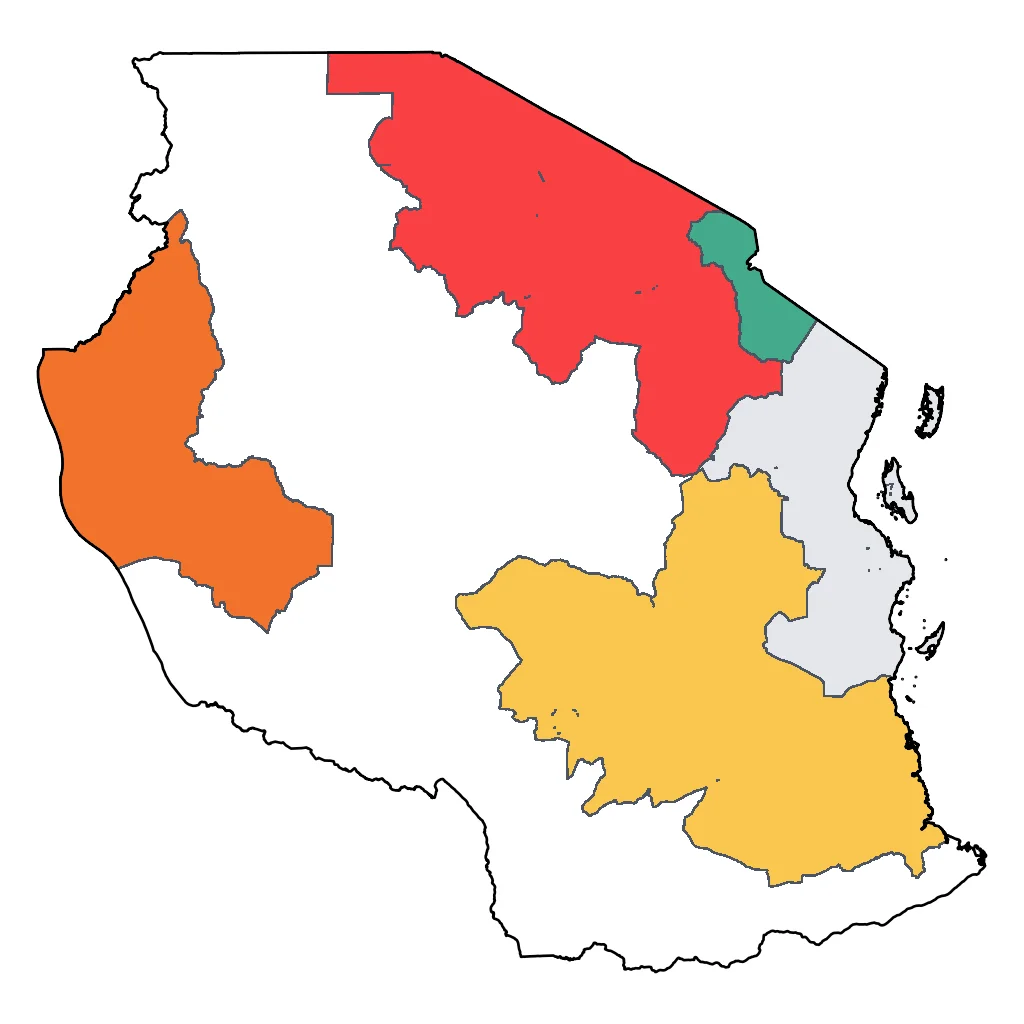

Airports & Flight Routes
Toggle options to view domestic routes and international airports. Click an airport for details.

Climate & Weather
Dar es Salaam & Coast
Show Details
| Month | Temp °C | Rain | Humidity |
|---|
Kilimanjaro region
Show Details
| Month | Temp °C | Rain | Humidity |
|---|
Serengeti & Northern Circuit (Serengeti, Ngorongoro, Lake Manyara)
Show Details
| Month | Temp °C | Rain | Humidity |
|---|
Southern Parks (Selous/Nyerere, Ruaha)
Show Details
| Month | Temp °C | Rain | Humidity |
|---|
Western Tanzania (Mahale, Gombe - chimps)
Show Details
| Month | Temp °C | Rain | Humidity |
|---|
Zanzibar
Show Details
| Month | Temp °C | Rain | Humidity |
|---|

Travel Advisory
The majority of agencies recommend increased vigilance. However, travelers should note that the US and New Zealand have recently escalated their advice to 'Reconsider Travel' due to civil unrest.
Safety Topics
Traveller Advice (3 groups)

Ensure you have confirmed your flight status during periods of unrest and verify that your travel insurance specifically covers the Zanzibar mandatory requirement.

Dress modestly to respect local cultural norms, particularly in Zanzibar and other Muslim-majority areas. Avoid walking alone at night or on secluded beaches.

Avoid public displays of affection and be extremely discreet, as same-sex relations are criminalized and police may target individuals based on their identity.