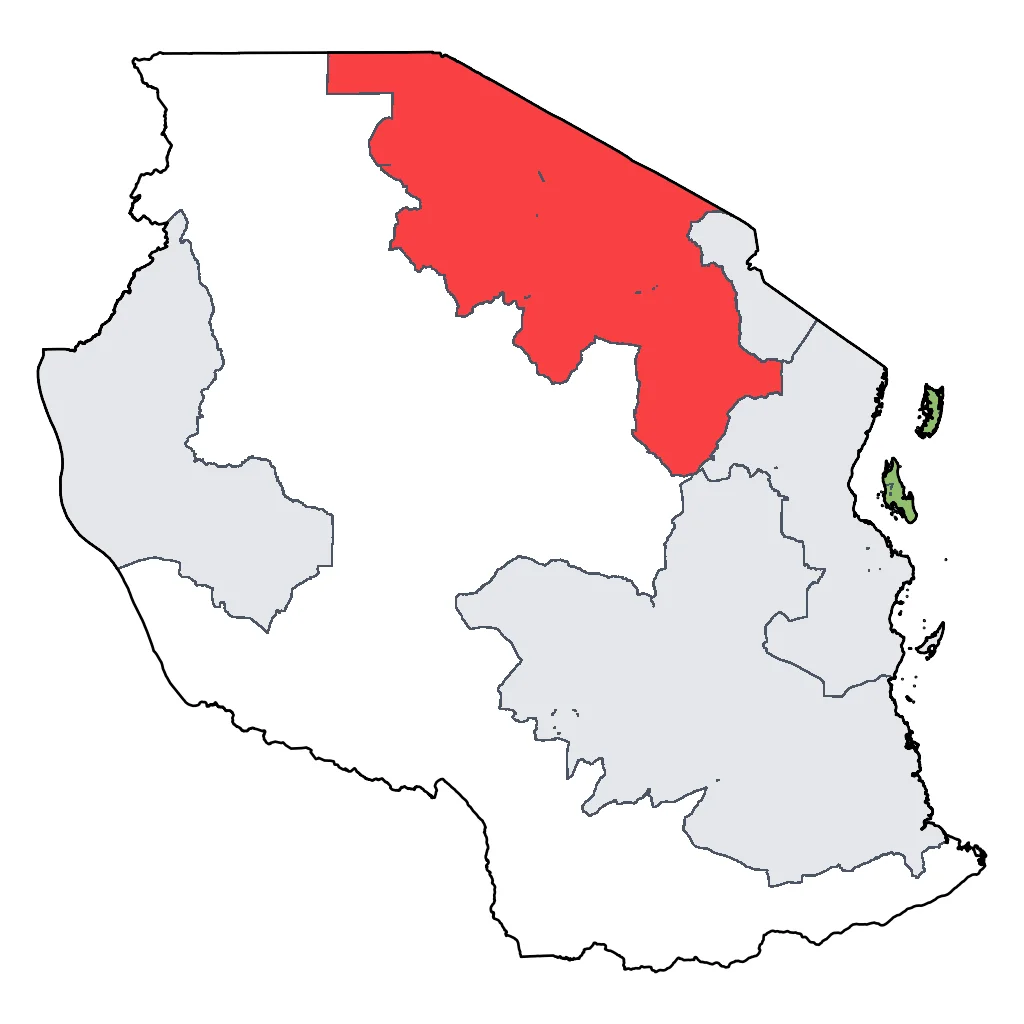

The Kilimanjaro region is defined by Africa's highest peak, but you don't need to climb to the summit to enjoy the area. The town of Moshi serves as a green, relaxed base where families can see the snow-capped mountain on clear mornings. The lower slopes are lush with banana groves and coffee plantations, offering cultural tours that are engaging for children. Local guides demonstrate how to pulp, dry, and roast coffee beans, often accompanied by traditional songs and a shared meal.
For active families, a hike to Materuni Waterfalls is a manageable adventure. The path winds through local villages and rainforest, ending at a dramatic cascade where brave swimmers can take a dip in the chilly glacial water. Another popular excursion is to the Chemka Hot Springs (Kikuletwa), a natural oasis with turquoise water ideal for swimming and swinging on ropes into the warm pool. The water is clear enough to see small fish, making it a fun spot for kids to bring goggles.
Cultural interactions are central here. The Chagga people have a rich history, and visitors can explore the Chagga Bolt Holes (underground tunnels used for defense) or visit the Marangu village. The climate around Moshi is generally milder than the coast, though evenings can be cool. It is an excellent stopover for families wanting to stretch their legs and experience Tanzanian daily life before or after a wildlife safari.
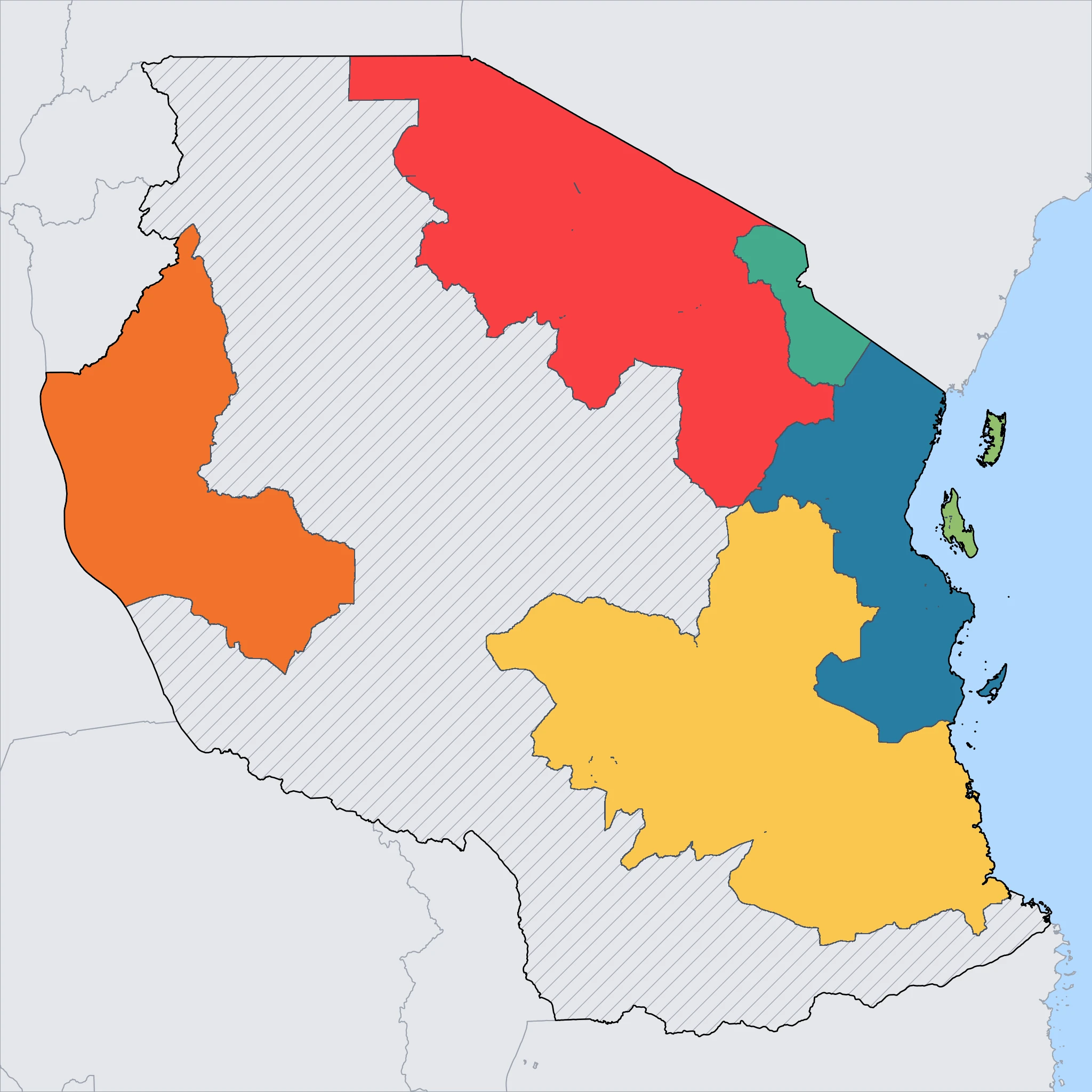
Click a region to explore

Activities & Best Times
Hiking, wildlife, outdoor exploration, ecotourism
As the home of the world’s tallest free-standing mountain, the region offers globally iconic trekking across diverse ecological zones from tropical forest to arctic desert. Dry seasons provide the necessary visibility and safety for mountain exploration, while the extreme rainfall in April and May makes trails difficult and dangerous.
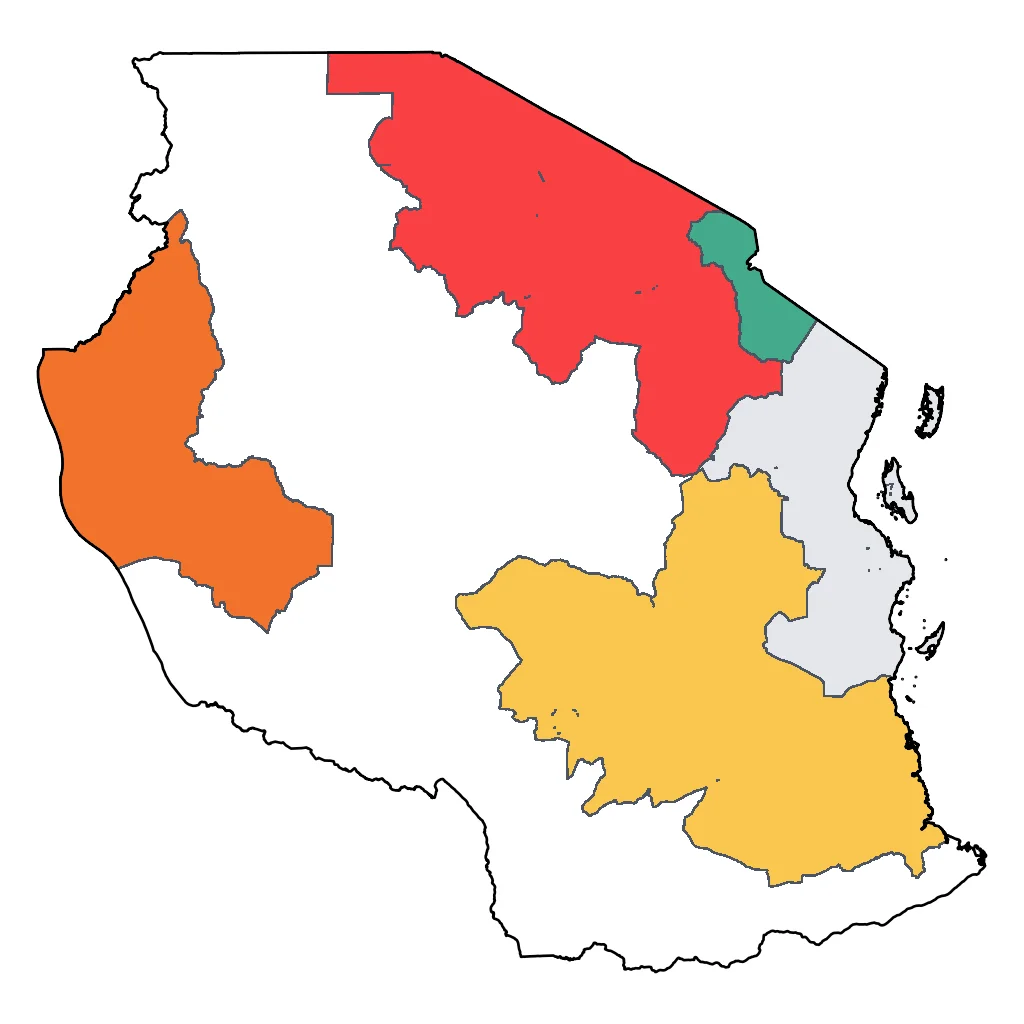

Sport tourism, fitness activities, active recreation
A world-class destination for high-altitude trekking and endurance training, supported by professional guiding infrastructure and unique terrain. Peak months offer optimal climbing conditions and lower humidity, whereas the heavy 'long rains' in April and May significantly degrade the active outdoor experience.
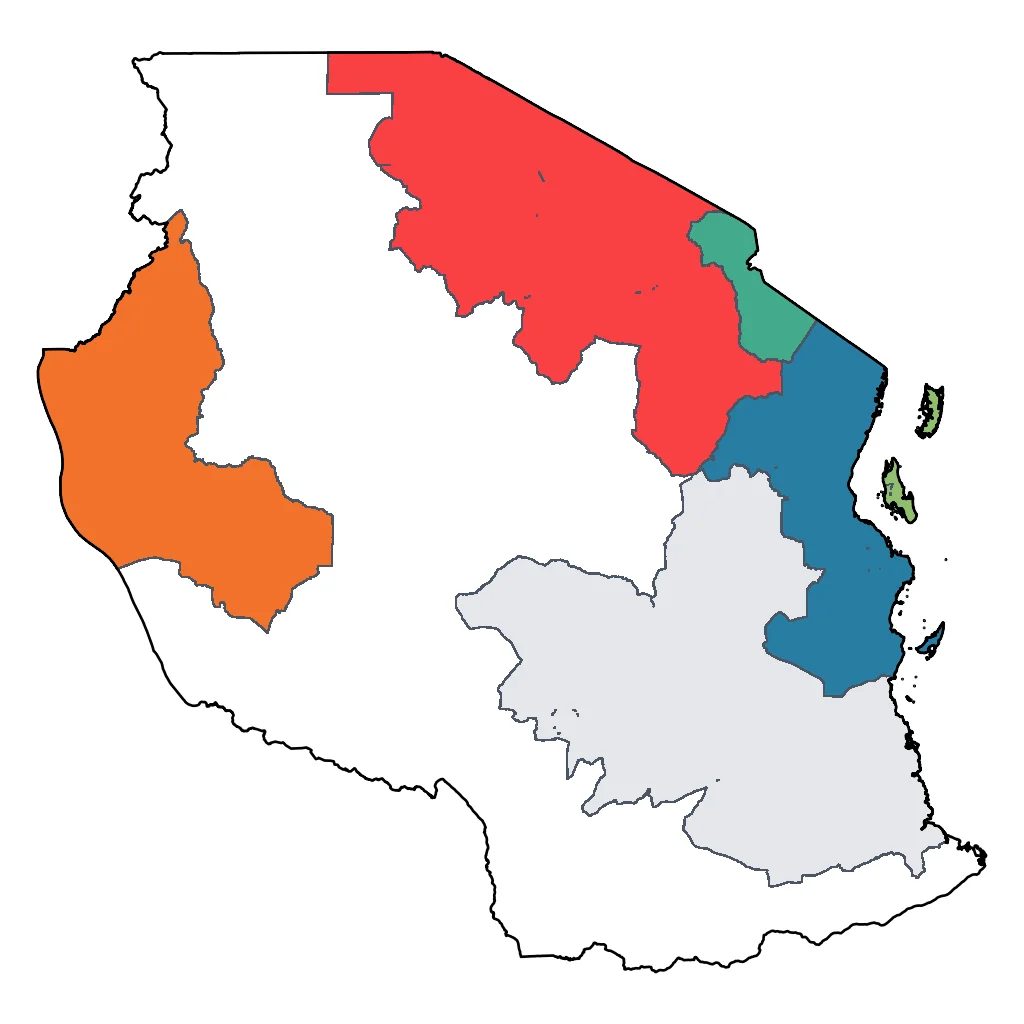

Learning experiences, scientific sites, historical education
Offers profound learning opportunities regarding glacial recession, volcanic geology, and the farm-to-cup process of Arabica coffee production. Best visited when dry weather allows for immersive field visits and plantation tours; excessive rainfall in the off-season limits access to rural research and heritage sites.
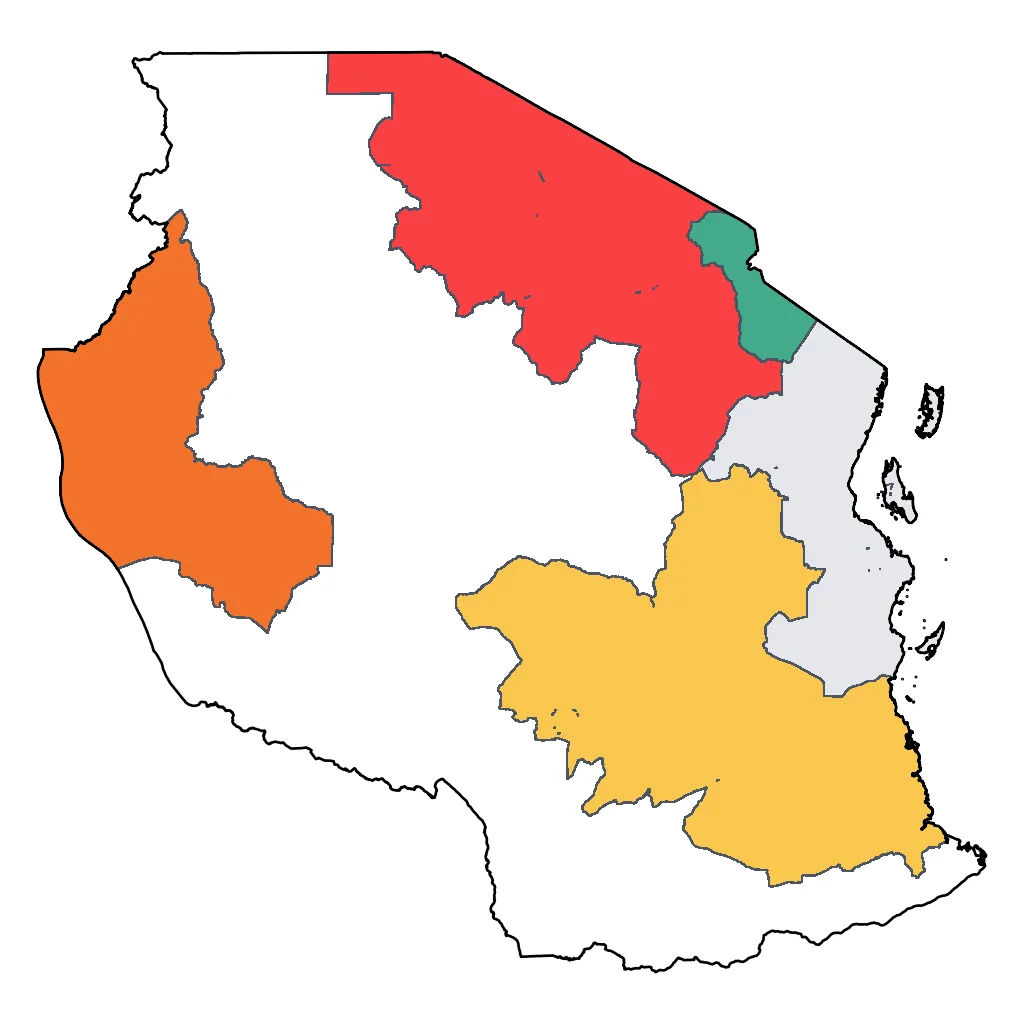

Urban tourism, museums, historical sites, architecture
The region provides authentic immersion into Chagga culture and the history of Moshi, a town shaped by mountaineering and coffee heritage. Peak months allow for vibrant local market visits and cultural village walks, while the monsoon-like rains in April and May make urban and rural cultural exploration less accessible.
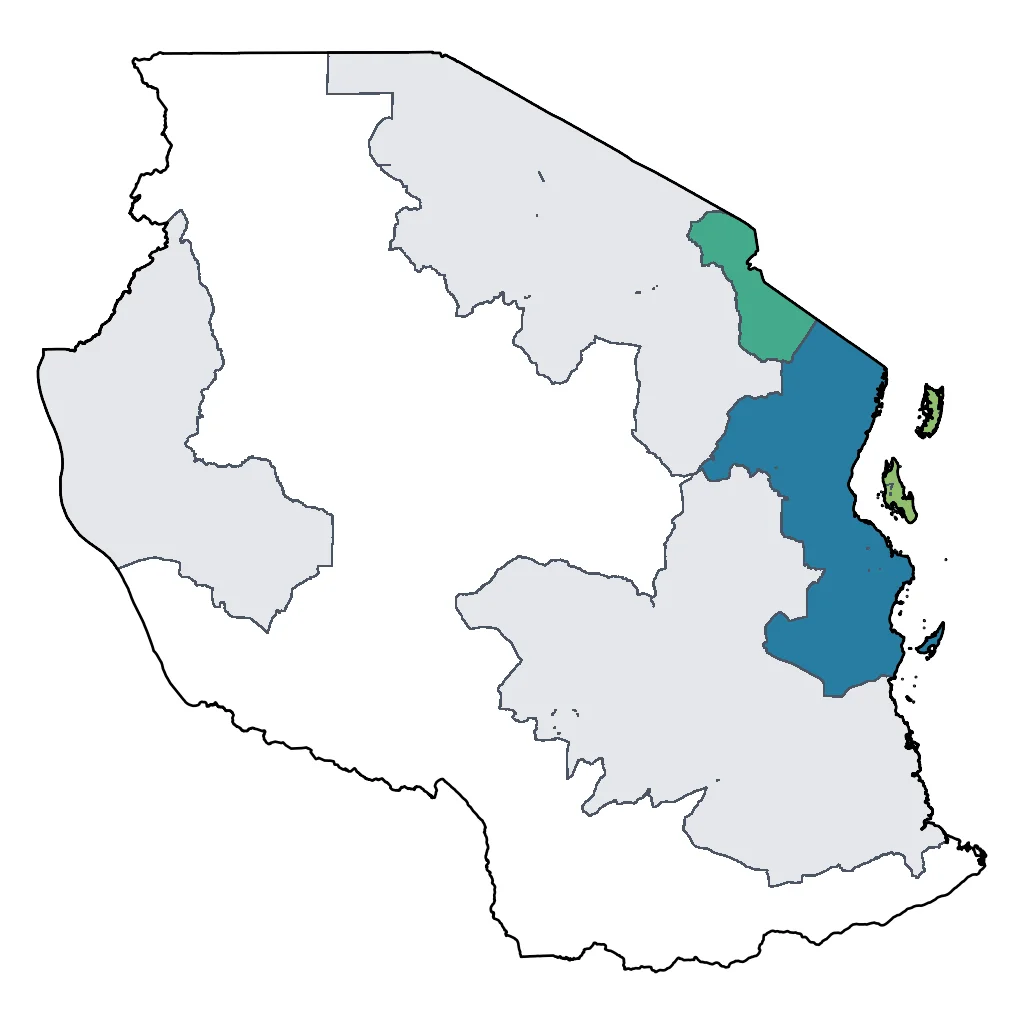

Spa retreats, wellness centers, peaceful getaways
High-end boutique lodges nestled in the coffee-growing foothills provide a serene, world-class retreat for forest bathing and mountain meditation. Dry periods are peak as they allow for outdoor wellness activities with clear mountain views, which are frequently obscured by clouds and rain during the off-season.
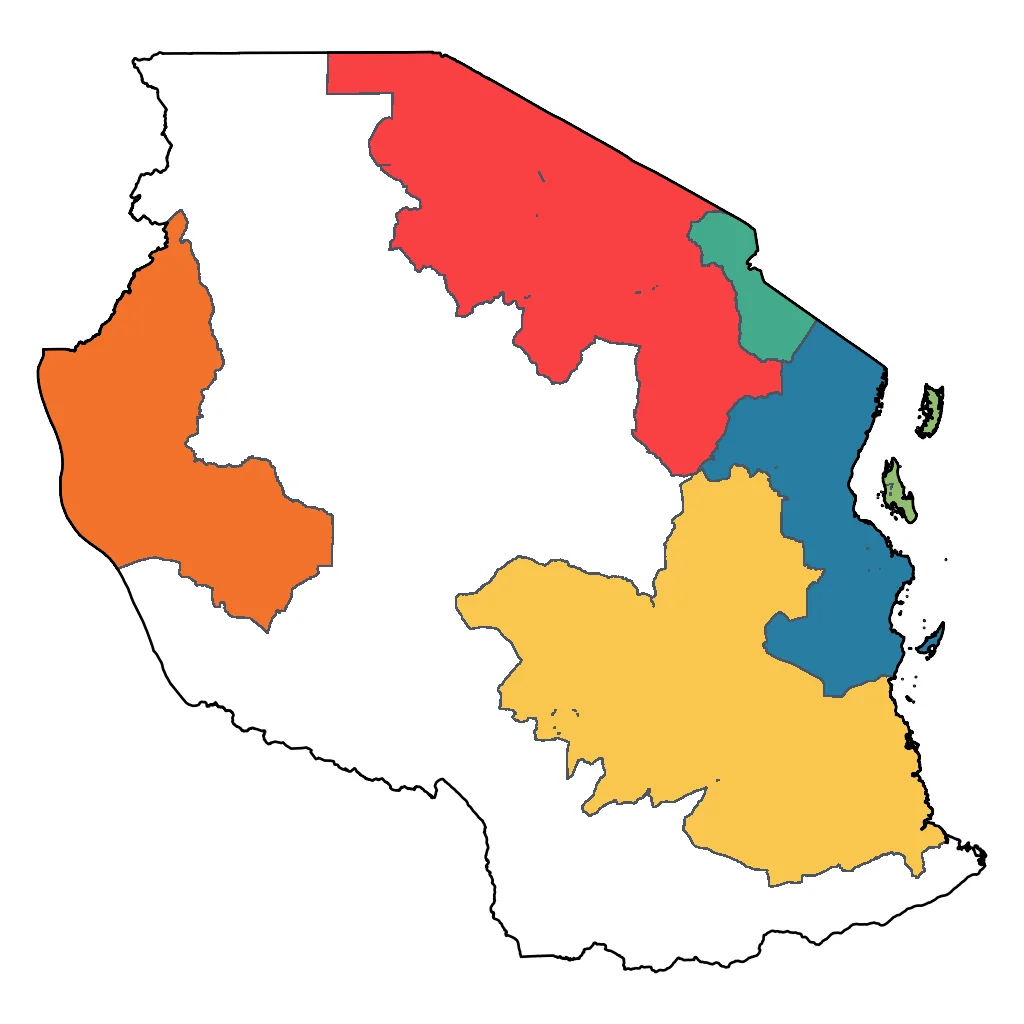
Scenic drives, countryside tours, route-based travel
Scenic circuits around the mountain's base offer breathtaking vistas and access to hidden waterfalls through lush highlands. The coolest dry months (June-September) provide the best visibility of the summit, while the torrential rains of April and May create challenging driving conditions on unpaved rural routes.

Events, celebrations, seasonal attractions
The Kilimanjaro Marathon in February is a significant international event that attracts global participants to the mountain's base. Outside of this major race and local harvest periods, there are few large-scale cultural festivals that meet the high standards of internationally experienced travelers.