

Often cited as the safest country in South America, Uruguay offers a tranquil and approachable introduction to the continent for families. Unlike its larger neighbors, Uruguay moves at a slower pace, defined by rolling pampas, endless riverfront promenades, and a welcoming culture that values leisure time. From the historic streets of Colonia to the sea lion colonies of the Atlantic coast, the country provides diverse experiences without the logistical headaches often associated with international family travel.
The capital, Montevideo, is remarkably walkable and green. The city’s social hub is the Rambla, a continuous 22-kilometer waterfront sidewalk where families gather to cycle, share mate (herbal tea), and watch the sunset over the Rio de la Plata. In Parque Rodó, children can ride vintage amusements and paddle boats, while the nearby carnival museums offer a colorful glimpse into the country's Afro-Uruguayan musical traditions, specifically Candombe drumming.
Heading east, the coastline shifts from river to ocean. Piriápolis is a classic, low-key family resort town featuring a chairlift that offers clear views of the bay and hills. For a wilder adventure, Cabo Polonio requires a journey across sand dunes in a designated 4x4 truck. Here, electricity is scarce, and a massive colony of sea lions rests on the rocks beneath the lighthouse-a guaranteed highlight for young animal lovers. The famous resort of Punta del Este offers calmer waters at Mansa Beach and the iconic "Hand" sculpture emerging from the sand.
In the west, Colonia del Sacramento draws visitors with its UNESCO-listed historic quarter. Families can wander the cobblestone streets, climb the lighthouse for panoramic views, and spot vintage cars parked beneath sycamore trees. Just a short ferry ride from Buenos Aires, it serves as a peaceful contrast to the big city.
Inland, the rural interior invites you to experience gaucho (cowboy) culture. Many estancias (ranches) welcome guests for day visits or overnight stays, allowing children to ride horses, watch sheep shearing, and enjoy a traditional wood-fired asado barbecue. In the north, the thermal hot springs at Daymán provide water parks and relaxation for all ages.
Travel here is straightforward thanks to flat terrain and well-maintained roads, making car rentals a viable option for parents. The climate is temperate; summers (December to February) are warm and ideal for the beach, while spring and autumn offer milder weather for sightseeing. While prices can be higher than in neighboring Argentina or Brazil, the trade-off is high food safety standards, reliable tap water in major cities, and a secure environment for children to explore.

Explore Regions
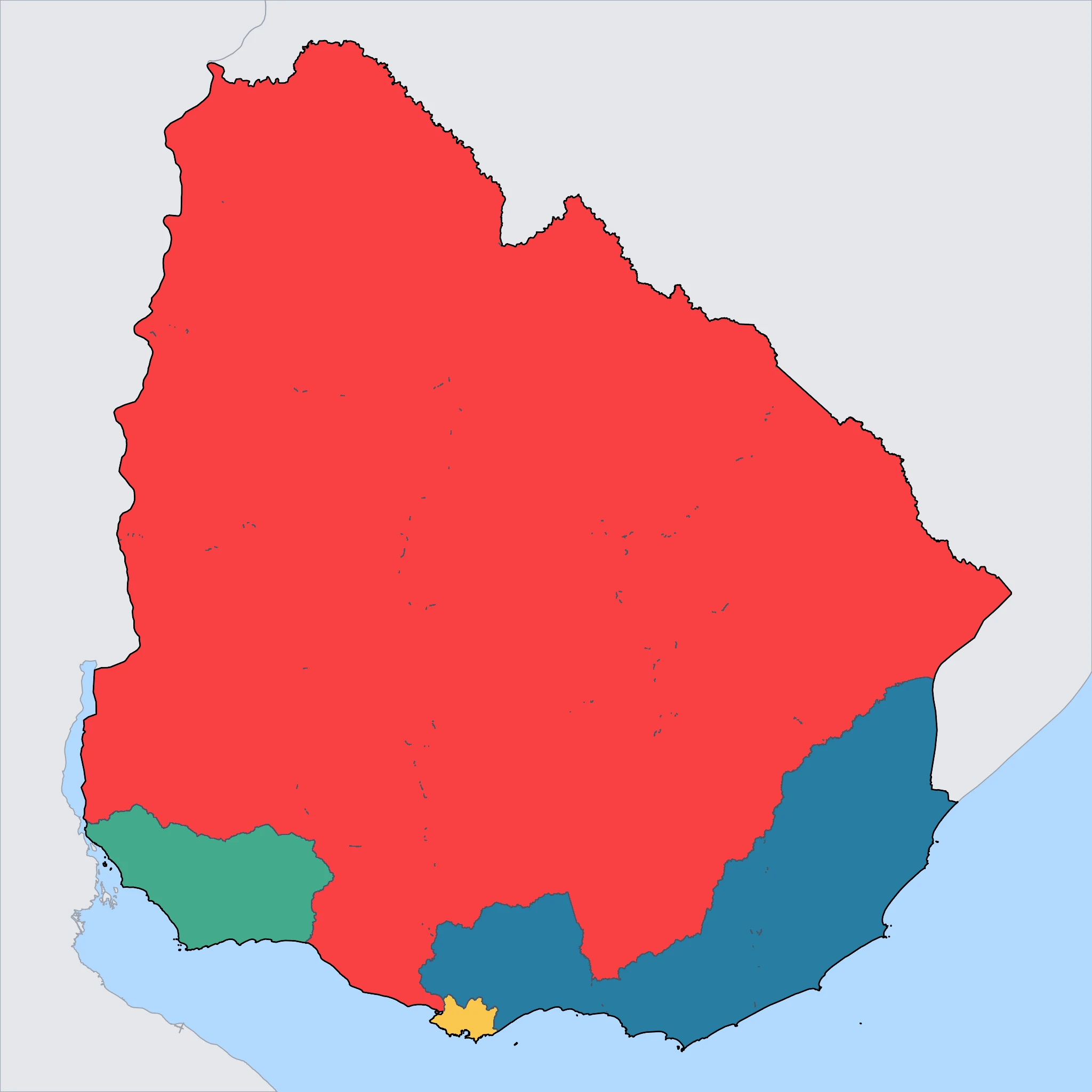
4 Regions
Colonia del Sacramento
History comes alive on the riverfront 🏰🌊
Interior & Estancias
Saddle up for a true gaucho adventure 🐴🌿
Montevideo
A relaxed capital where the city meets the sea 🚲🌇
Punta del Este & East Coast
Sun, sand, and sea lions on the Atlantic 🏖️🦀
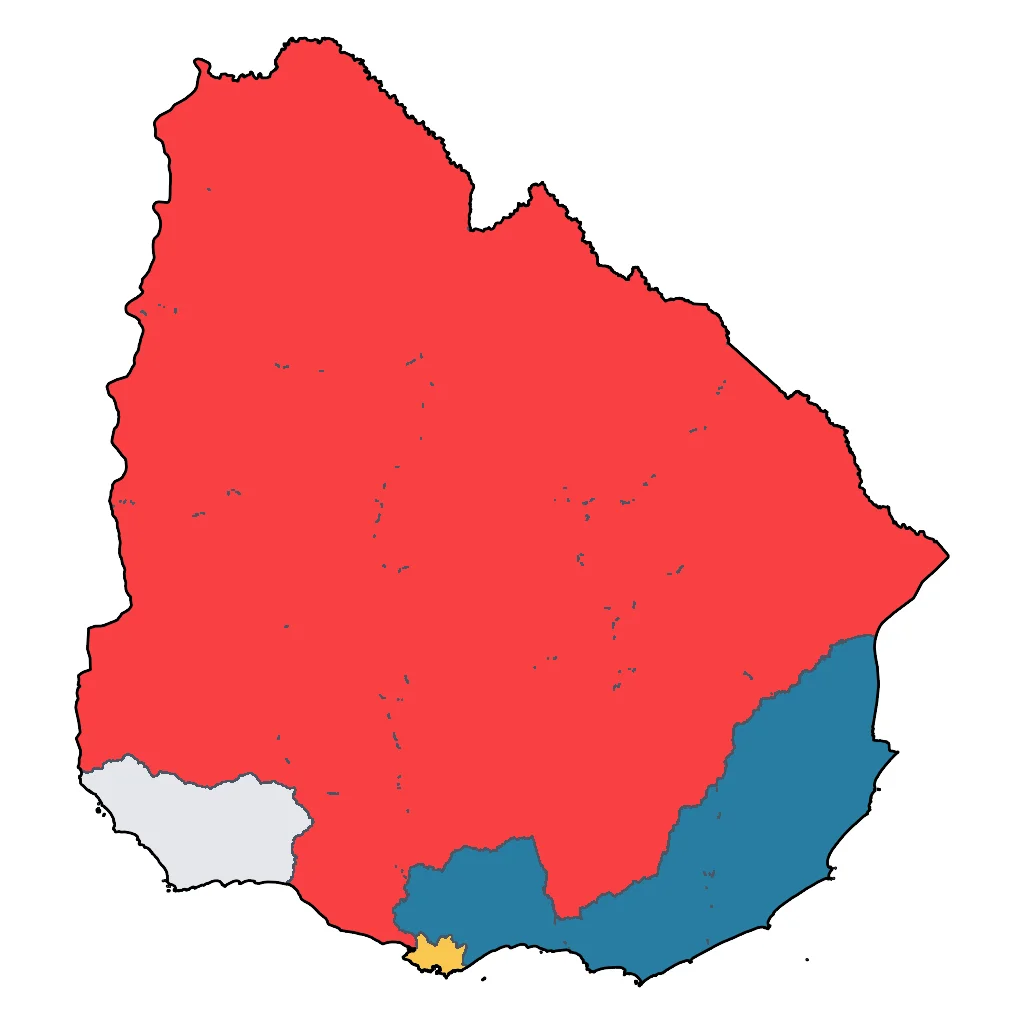
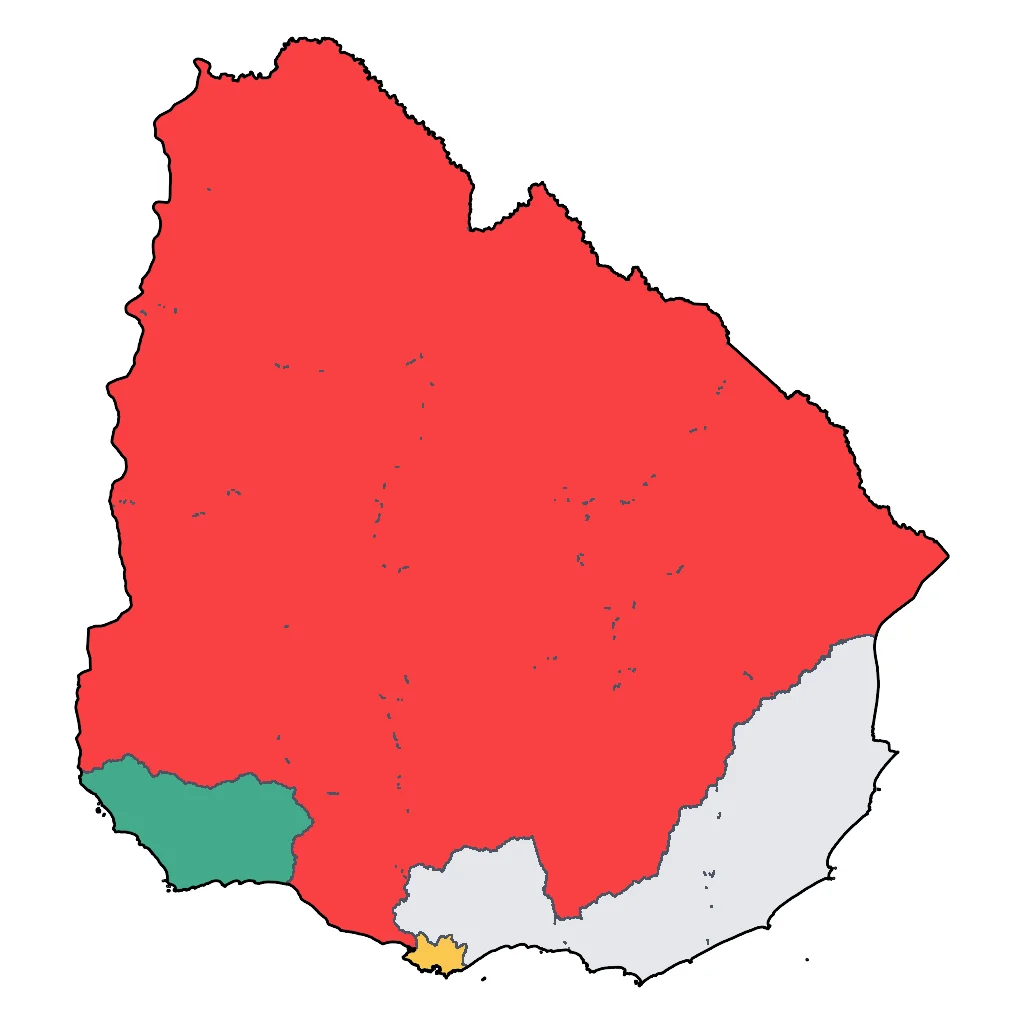
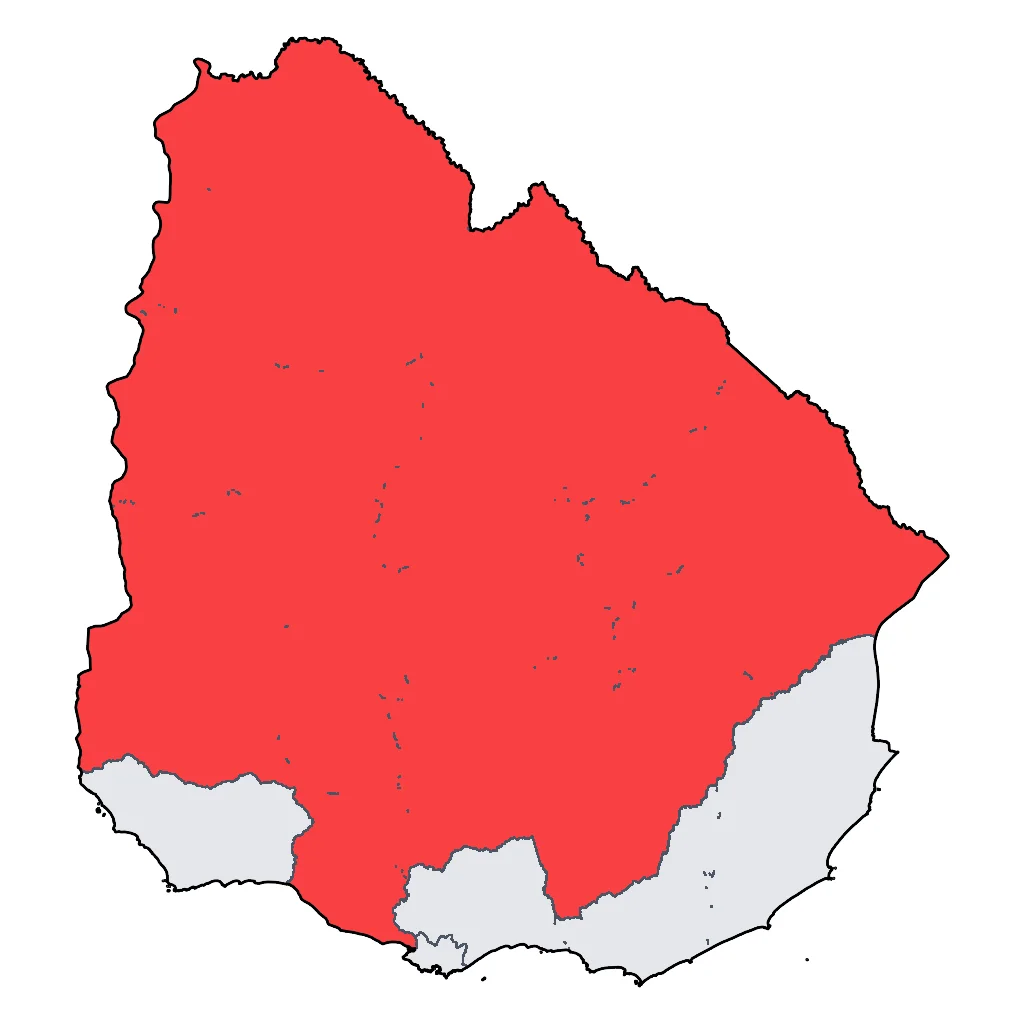
Click on a region marker to explore details. Use the dropdown to color regions by activity suitability.

Activities & Best Times
Beach & Sea
Very GoodBeach resorts, marine activities: diving, snorkelling, kite surfing, wind surfing, sailing
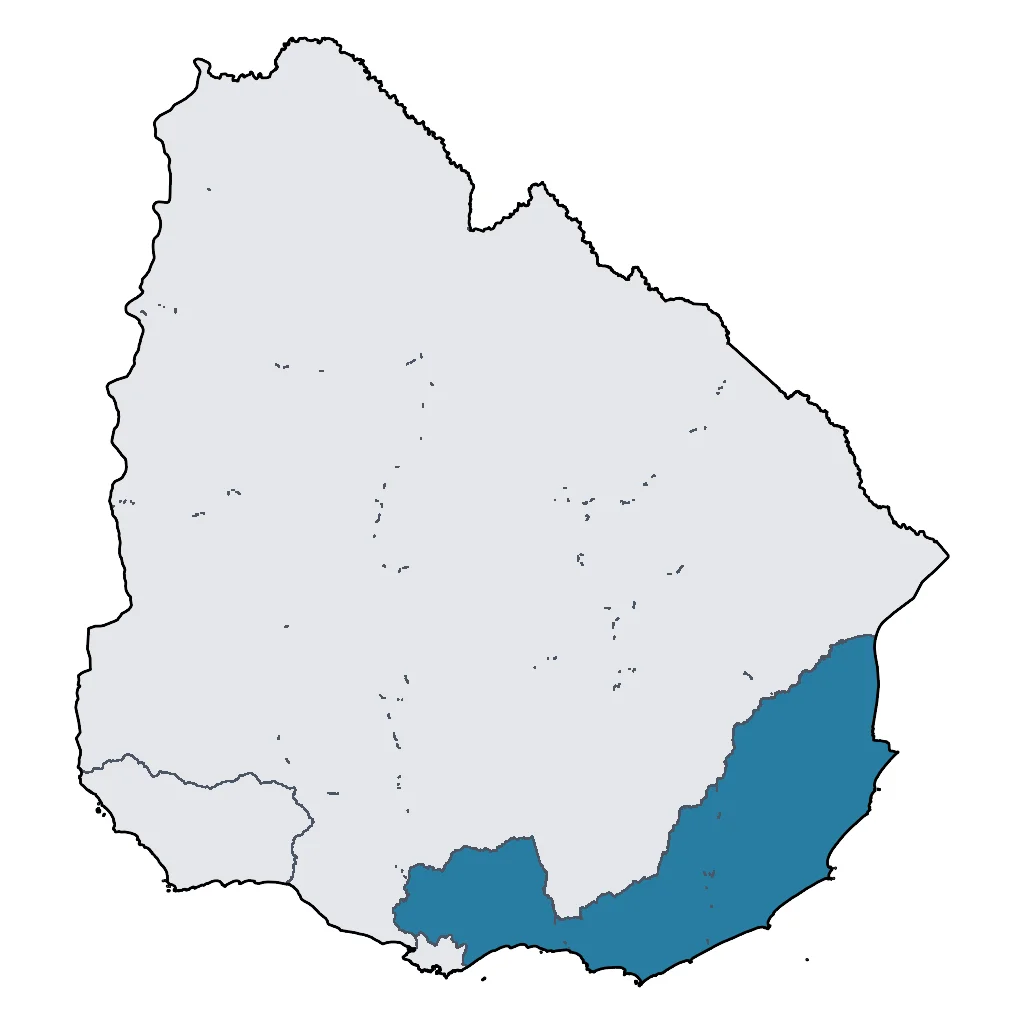
Renowned as South America's premier beach destination, offering a mix of high-end resorts in Jose Ignacio and wilder surf breaks. Peak summer (Dec-Feb) provides the necessary heat (max 26-28°C) for swimming, while winter months are too cold and windy for coastal leisure.
Features calm, shallow riverside beaches like Playa Ferrando that are safe for young children, though the turbid river water lacks international luxury benchmarks. Only the peak summer months of January and February provide the high air temperatures (max 27-29°C) necessary for a viable swimming experience.
While Montevideo has accessible urban beaches like Playa de los Pocitos, the water is an estuary mix and lacks the crystalline quality of nearby Jose Ignacio or global beach hubs. It serves as a pleasant coastal escape in the heat of January and February, but is unsuitable for swimming for most of the year due to cool water temperatures.

City & Cultural
Very GoodUrban tourism, museums, historical sites, architecture
A exceptionally preserved UNESCO World Heritage site featuring a unique fusion of Portuguese and Spanish colonial architecture. Peak months offer ideal walking temperatures (17-24°C) for exploring cobblestone streets, while winter months (Jun-Aug) are often too damp and chilly for leisurely urban exploration.
Montevideo offers a sophisticated blend of European-style architecture, world-class parrillas, and a thriving tango scene that feels authentic and uncrowded. Peak summer months provide the most vibrant street life and ideal temperatures for exploring the historic Ciudad Vieja, while winter months can be damp and chilly, detracting from the outdoor cafe culture.
Boasts significant landmarks like Casapueblo and the world-class Atchugarry Contemporary Art Museum, which reflect a sophisticated regional art scene. The peak social and gallery season coincides with summer, while winter sees many boutiques and cultural venues close for the season.

Relaxation & Wellness
Very GoodSpa retreats, wellness centers, peaceful getaways
Home to world-class 'estancia' retreats and designer wellness boutiques that cater to discerning travelers seeking peace and sophisticated luxury. The peak summer months are ideal for outdoor yoga and spa activities, whereas the shoulder seasons offer crisp, quiet days perfect for introspection.
High-end, secluded estancias offer sophisticated 'digital detox' experiences with organic farm-to-table dining and world-class hospitality. Peak summer months (Nov-Mar) are perfect for outdoor relaxation and poolside lounging, whereas the winter months lack the warmth needed for the full estancia retreat experience.
Renowned for its 'slow travel' atmosphere and sophisticated boutique posadas that cater to discerning tastes. Summer provides the perfect climate for iconic riverside sunsets and outdoor dining; the off-season is characterized by high humidity and cold winds off the Río de la Plata.

Road Trips & Scenic
Very GoodScenic drives, countryside tours, route-based travel
The drive from the glamorous marinas of Punta del Este to the rustic, gaucho-chic town of Garzón offers diverse and stunning coastal scenery on well-maintained roads. Summer provides the best visibility and access to seasonal stops, while the cooler shoulder months offer a more tranquil, authentic experience.
Scenic, well-maintained routes wind through the rolling 'Cuchillas' hills, offering a unique sense of isolation and vast horizons for experienced travelers. Spring and autumn provide the best light and comfortable driving temperatures; winter can be overcast with lower visibility for landscape photography.
As a hub for exploring Uruguay's boutique wineries in Canelones and the UNESCO site of Colonia del Sacramento, the roads are excellent and scenic. Peak months offer the best visibility and pleasant weather for countryside stops; winter months often bring gray skies and frequent rainfall that obscure the coastal views.

Sports & Active
Very GoodSport tourism, fitness activities, active recreation
The region is an international hub for equestrian sports, including world-class polo and endurance riding. Peak periods avoid the high humidity of mid-summer and the cold of winter, providing the most comfortable conditions for active physical pursuits.
Offers world-class polo, competitive sailing, and high-quality golf courses like Cantegril that appeal to active, affluent families. Activity is highest in summer when the weather is optimal and sporting clubs are fully operational, dropping off significantly in the damp winter months.
The 22-kilometer Rambla is a world-class venue for cycling, running, and sailing with views of the Rio de la Plata. Optimal conditions occur during the southern summer when sea breezes are consistent and temperatures are warm; winter is often too windy and cold for enjoyable outdoor recreation.

Adventure & Nature
Very GoodHiking, wildlife, outdoor exploration, ecotourism
Authentic gaucho culture offers a world-class horseback riding experience across pristine, undulating grasslands. Peak months provide ideal temperatures (18-25°C) for long days exploring the pampas, while winter (May-Aug) is too chilly for comfortable extended outdoor activity.
Unique ecosystems like the dunes of Cabo Polonio and the sea lion colonies at Isla de Lobos provide authentic wildlife encounters without heavy commercialization. Summer is peak for accessibility and animal activity, while shoulder months remain suitable for trekking the coastal lagoons.

Festivals & Seasonal
Very GoodEvents, celebrations, seasonal attractions
Home to the world's longest Carnival, the city comes alive with Candombe drum processions (Llamadas) that offer a unique and visceral cultural experience for families. The peak occurs in January and February during the official celebrations; outside of the summer window, the specific rhythmic and festive infrastructure is largely dormant.
January is the 'Temporada' height, featuring world-class art openings, polo tournaments, and international fashion events that attract a global elite. This high-society season is brief, with the region returning to a very quiet state for the remainder of the year.
The 'Patria Gaucha' in March is a globally significant celebration of rural traditions, offering an authentic glimpse into local heritage. While other months feature smaller local fairs, the winter season has few major cultural events suitable for international travelers.

Educational & Exploratory
GoodLearning experiences, scientific sites, historical education
Offers high educational value for families regarding colonial history, maritime heritage, and 17th-century military engineering. Optimal weather from spring through autumn ensures access to the iconic lighthouse and archaeological ruins, which are less accessible during the cold, rainy winter period.
The city boasts high-quality museums like the Museo Torres García and impressive Art Deco landmarks that provide deep insights into Southern Cone history. Educational walking tours are best enjoyed in the warmer, brighter months; mid-winter (June-July) is the least suitable due to the shortest days and highest humidity.
Travelers can engage in immersive learning about sustainable ranching, traditional leatherworking, and the unique ecology of the South American grasslands. The mild weather of spring and autumn facilitates interactive outdoor demonstrations that are less accessible during the colder winter months.

Theme Park & Entertainment
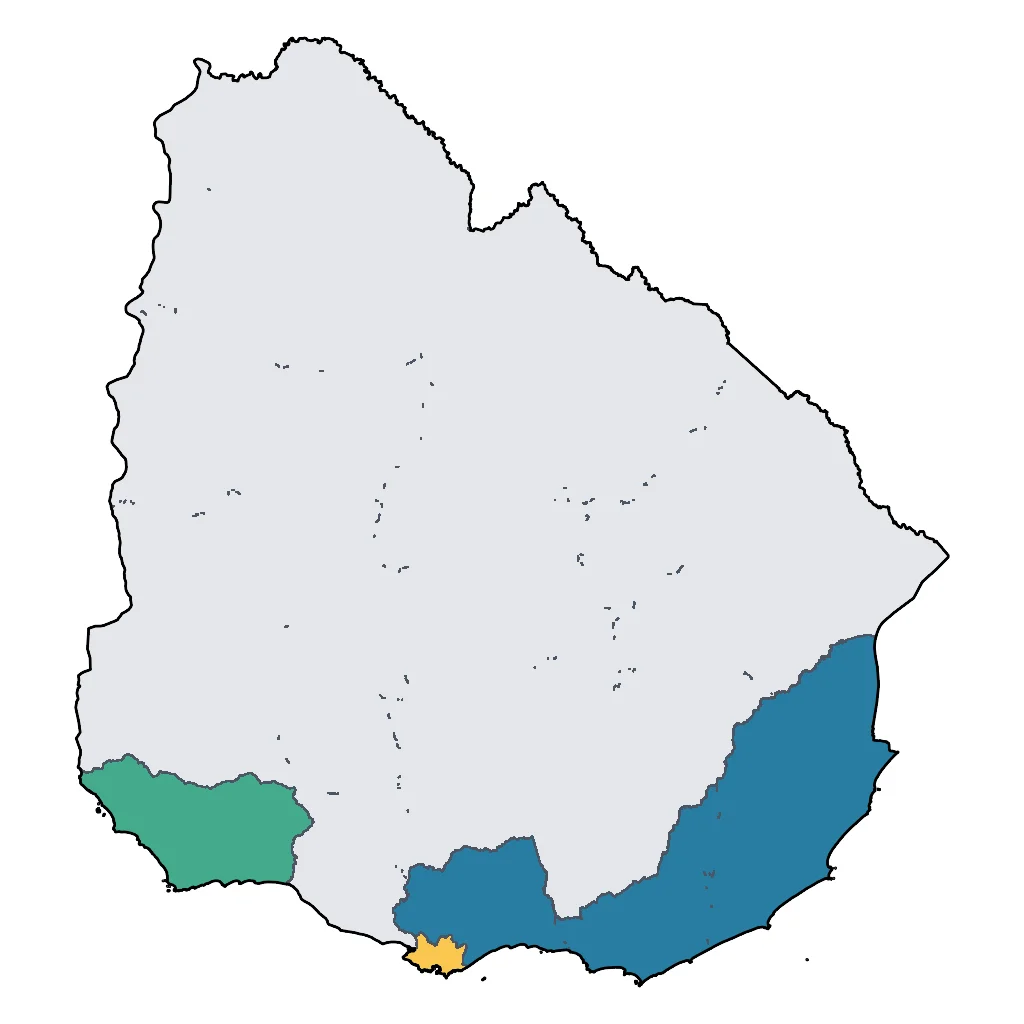
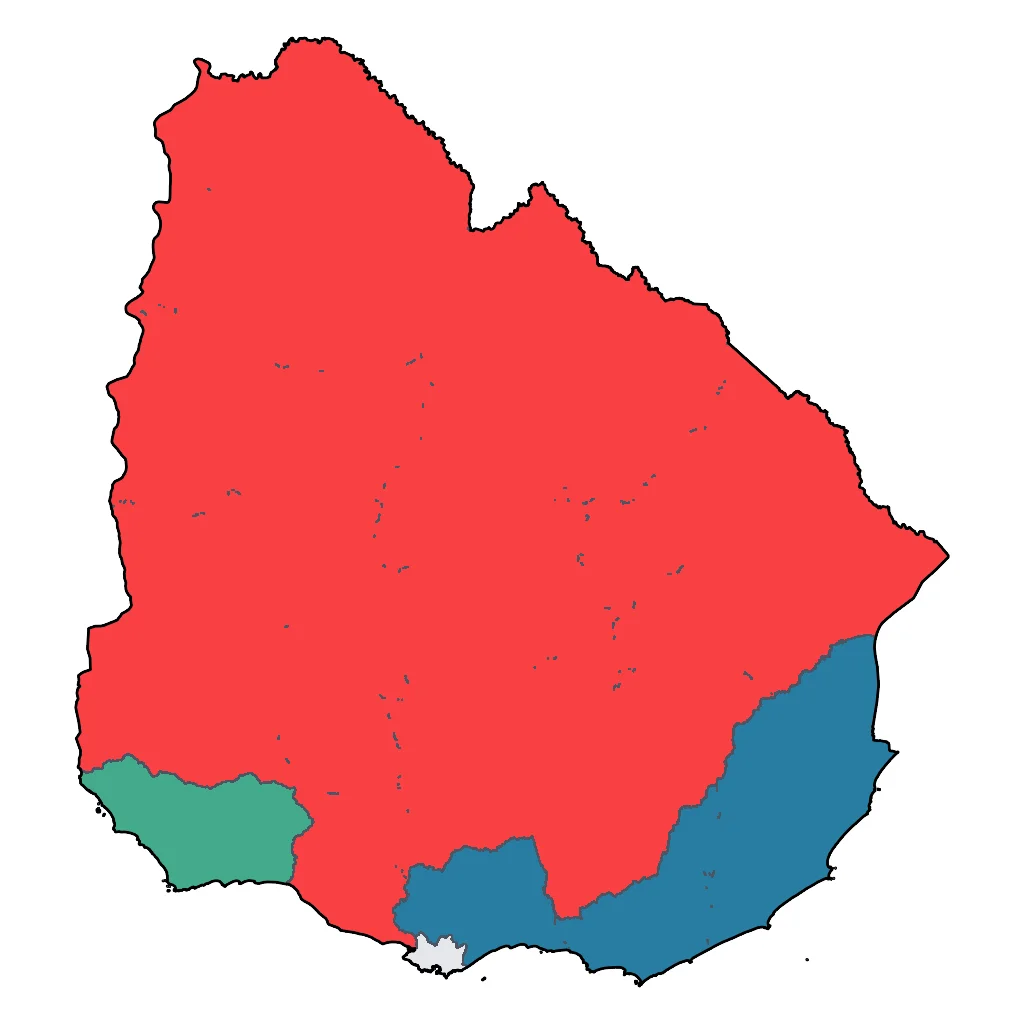
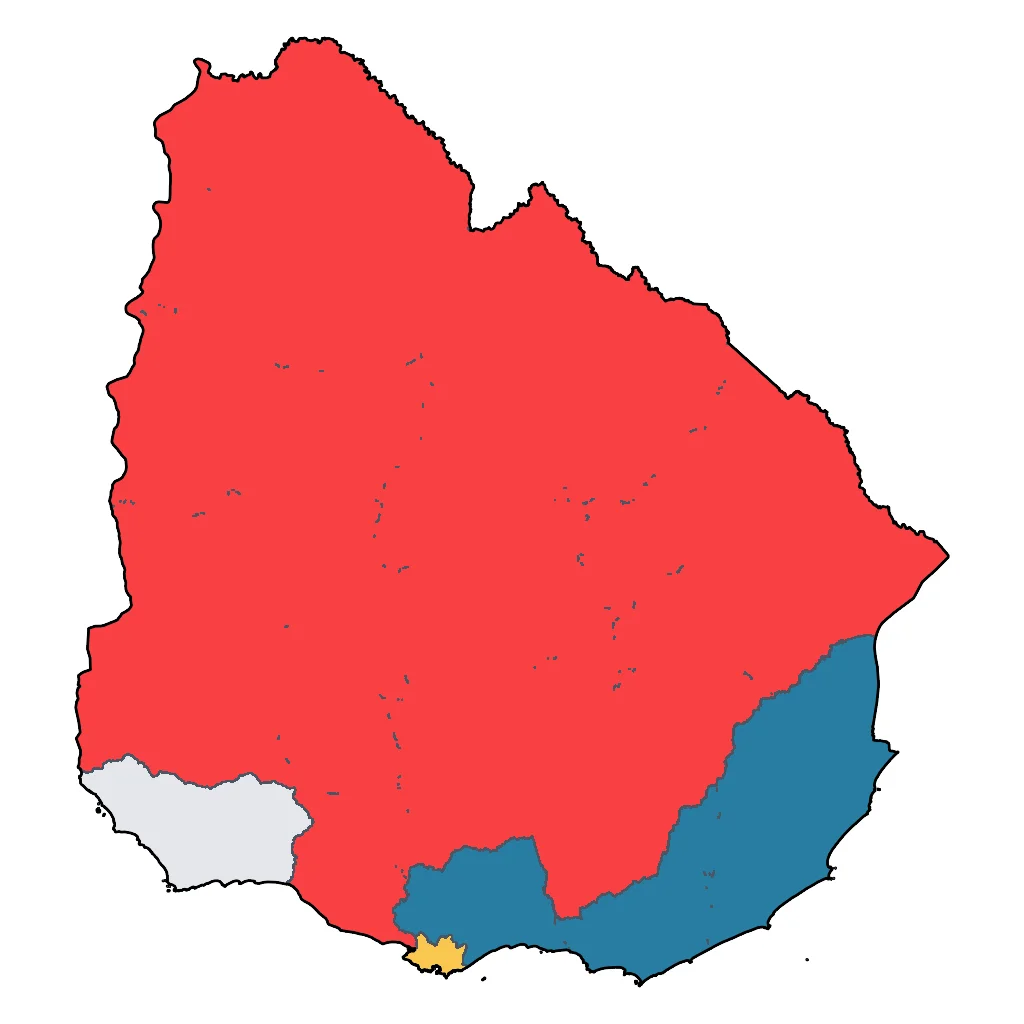
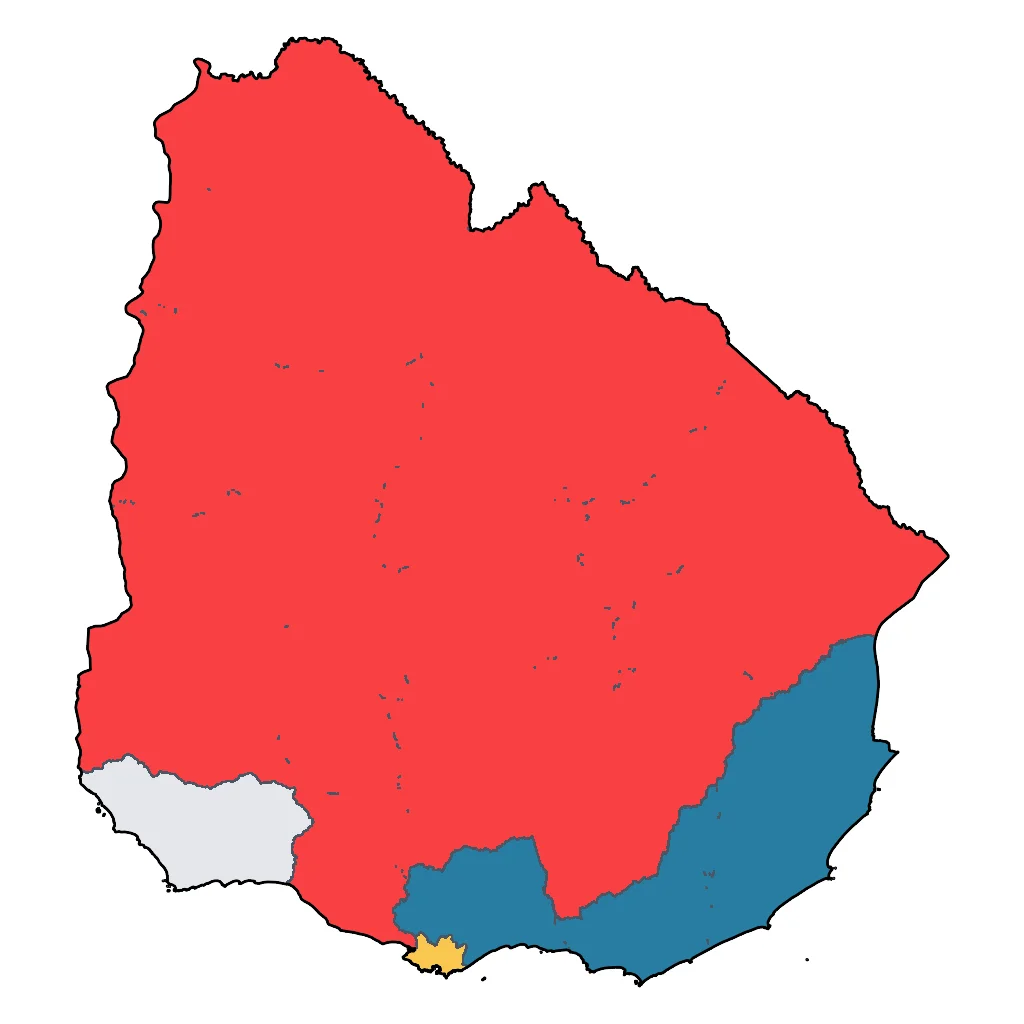
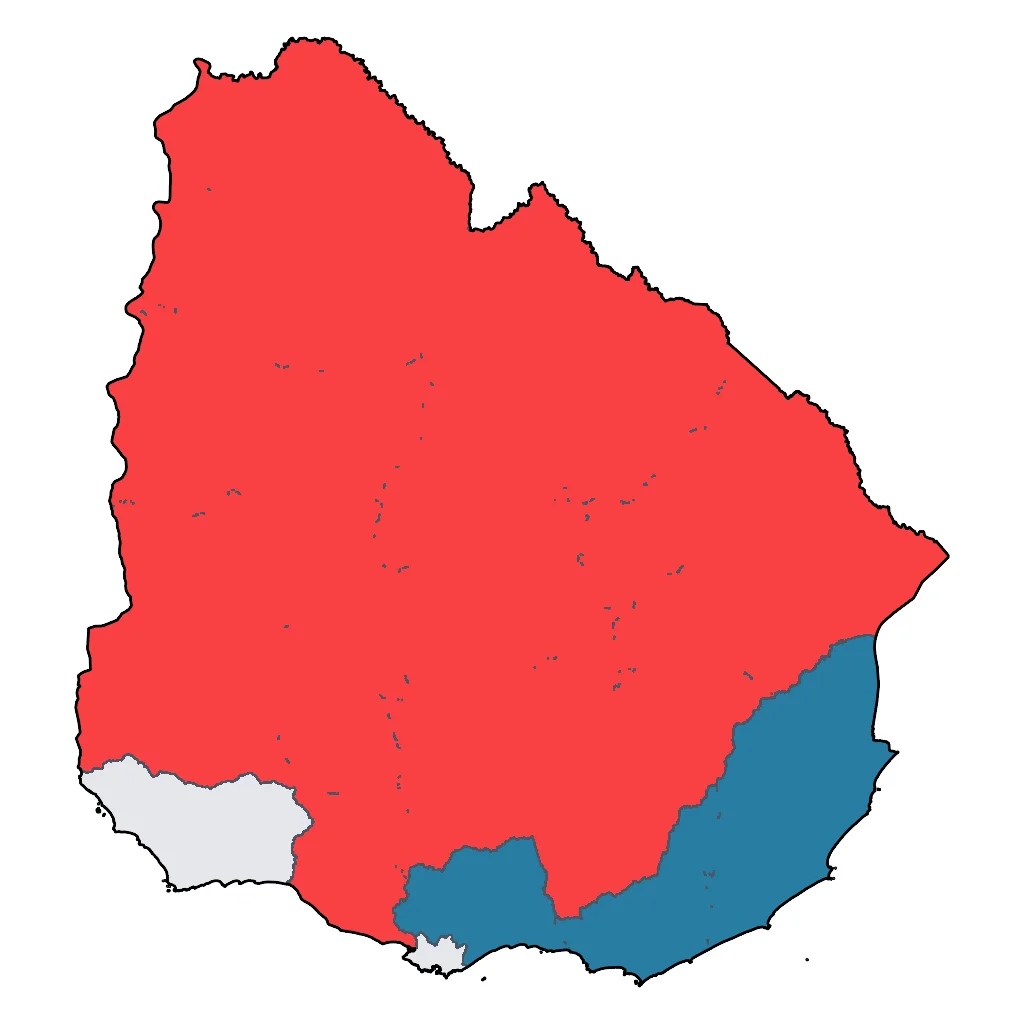
MarginalAmusement parks, family entertainment venues

Airports & Flight Routes
Toggle options to view domestic routes and international airports. Click an airport for details.
Climate & Weather
Colonia del Sacramento
Show Details
| Month | Temp °C | Rain | Humidity |
|---|
Interior & Estancias
Show Details
| Month | Temp °C | Rain | Humidity |
|---|
Montevideo
Show Details
| Month | Temp °C | Rain | Humidity |
|---|
Punta del Este & East Coast
Show Details
| Month | Temp °C | Rain | Humidity |
|---|

Travel Advisory
Five of the six major agencies classify the country at their lowest risk tier, though specific urban crime concerns are noted.
Safety Topics
Traveller Advice (4 groups)

Be aware of strict exit regulations for minors who reside in or stay in the country for extended periods (over 365 days), which may require specialized parental consent documentation.

Maintain standard safety awareness, use ATMs inside secure buildings rather than on the street, and secure your passport and valuables in hotel safes.

Uruguay is a progressive destination with legal protections for the LGBTQ+ community, including legalized same-sex marriage and anti-discrimination laws.

Solo female travelers should exercise increased caution when walking at night, particularly in specific Montevideo neighborhoods like Casavalle, Cerro, and the Old City.