⚠️ SAFETY WARNING: Due to extremely high rates of violent crime, including armed robbery and kidnapping, and the risk of wrongful detention, government agencies (including the USA, UK, Canada, Australia, Ireland, and New Zealand) advise travelers to avoid all travel to Caracas. Security conditions are volatile and can deteriorate without warning. Families are strongly urged to consult their own government's official travel advisory before considering a trip, as circumstances and risk assessments vary.
Caracas is a metropolis of contrasts, sprawling across a long valley approximately 900 meters above sea level. This altitude gives the city a spring-like climate year-round, distinct from the tropical heat of the coast. The city's defining geographical feature is El Avila National Park (Warairarepano), a steep mountain wall that looms over the northern edge of the city. A modern cable car system whisks visitors to the summit, offering sweeping views of the urban valley on one side and the Caribbean Sea on the other. On clear days, the Humboldt Hotel at the top is a visible landmark from miles away.
The historic center revolves around Plaza Bolívar, shaded by African mahogany trees and surrounded by colonial architecture, including the Cathedral of Caracas and the yellow-painted Casa Amarilla. Families interested in history might look towards the Birthplace of Simón Bolívar, a preserved colonial house dedicated to the 'Liberator' of South America. The city also hosts the extensive Jardín Botánico (Botanical Garden) near the Central University of Venezuela, a UNESCO World Heritage site recognized for its modern architecture and art integration.
Despite its cultural richness, navigating Caracas requires extreme caution. Traffic is dense, and public infrastructure has suffered from lack of maintenance. The distinct neighborhoods vary greatly in character; areas like Chacao and Las Mercedes are commercial hubs with malls and restaurants, while the western and hillside barrios are densely populated residential zones. For those who do visit, movement is typically restricted to secure private transport and specific zones during daylight hours.
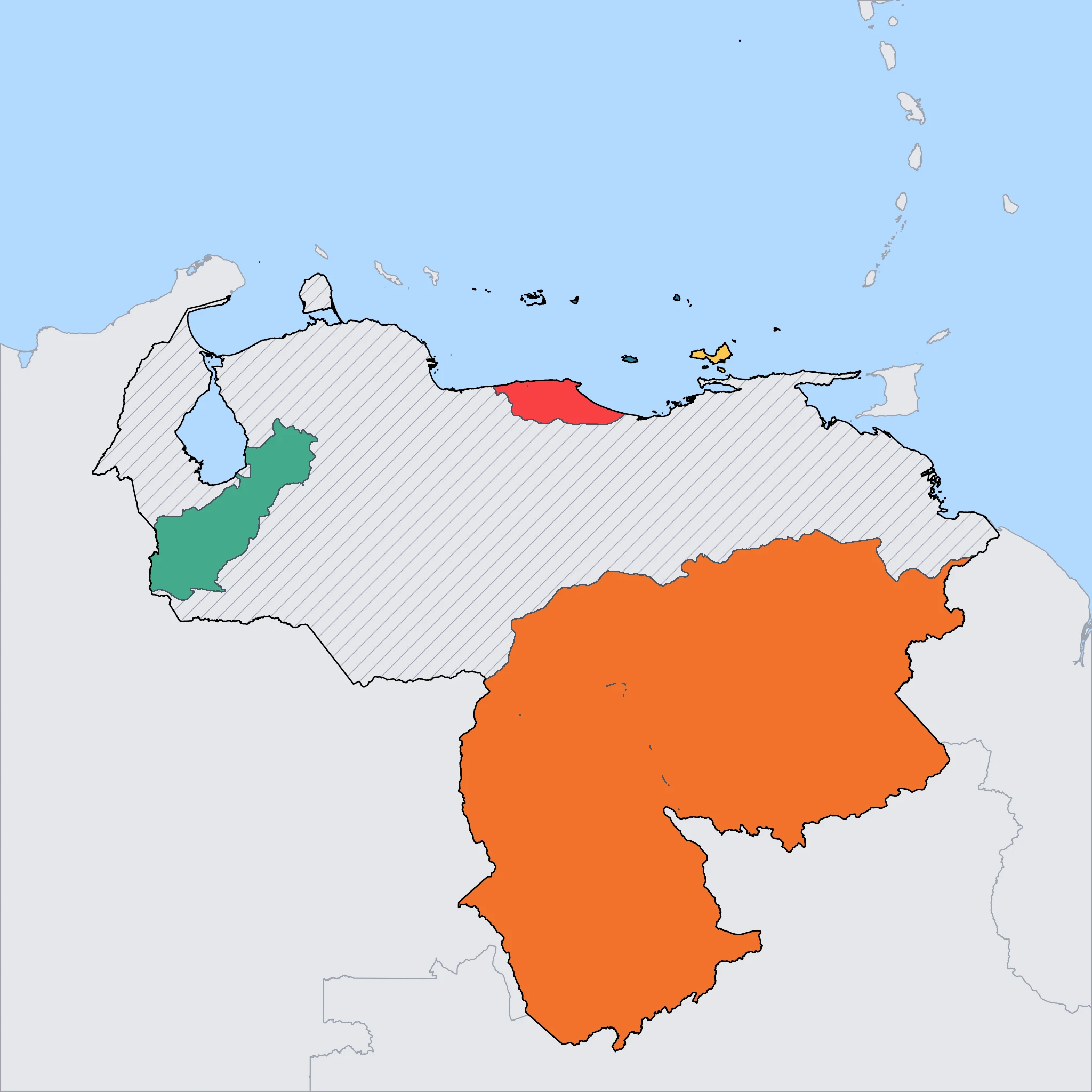
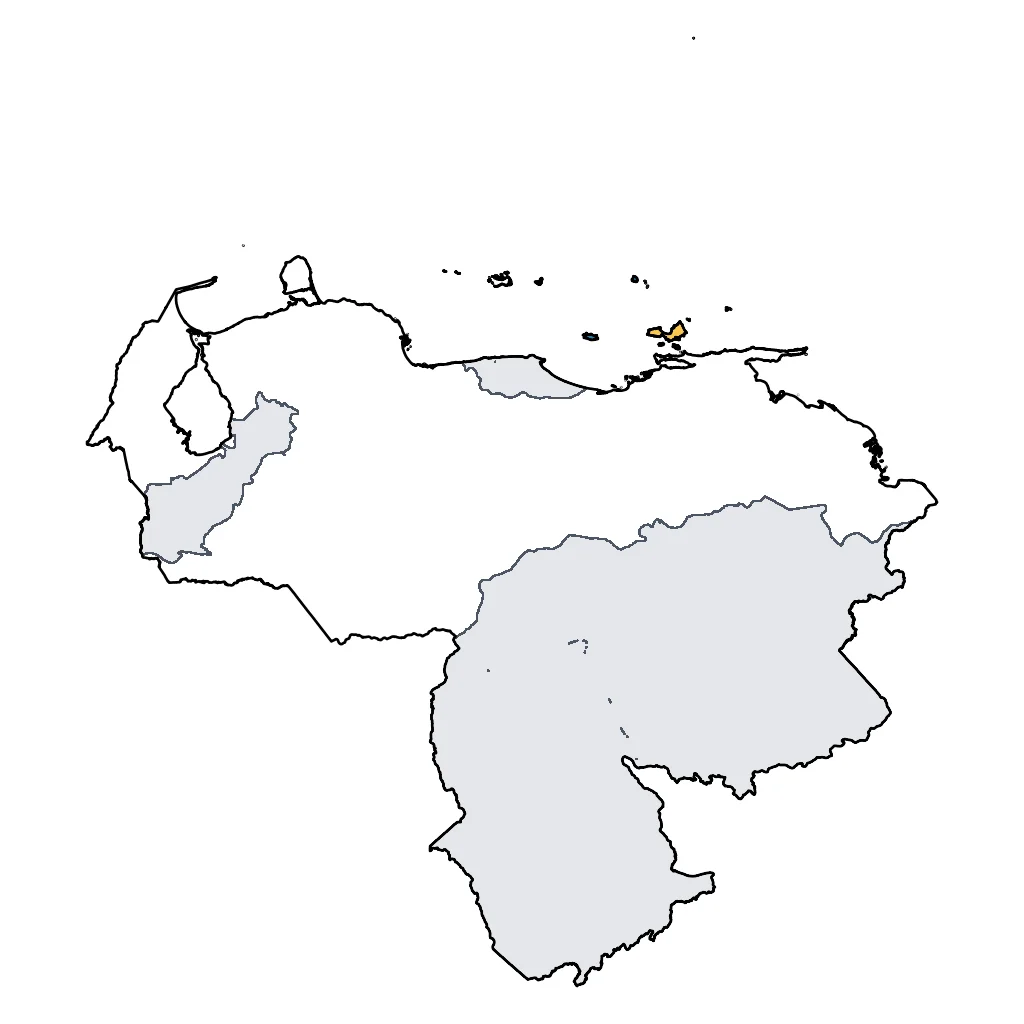
Click a region to explore

Activities & Best Times

Hiking, wildlife, outdoor exploration, ecotourism
El Ávila National Park offers a world-class mountain environment with cloud forests and extensive hiking trails overlooking the Caribbean. The dry season (Jan-Apr) is peak for visibility and trail safety, while heavy tropical rains from June to November can cause landslides and poor mountain visibility.
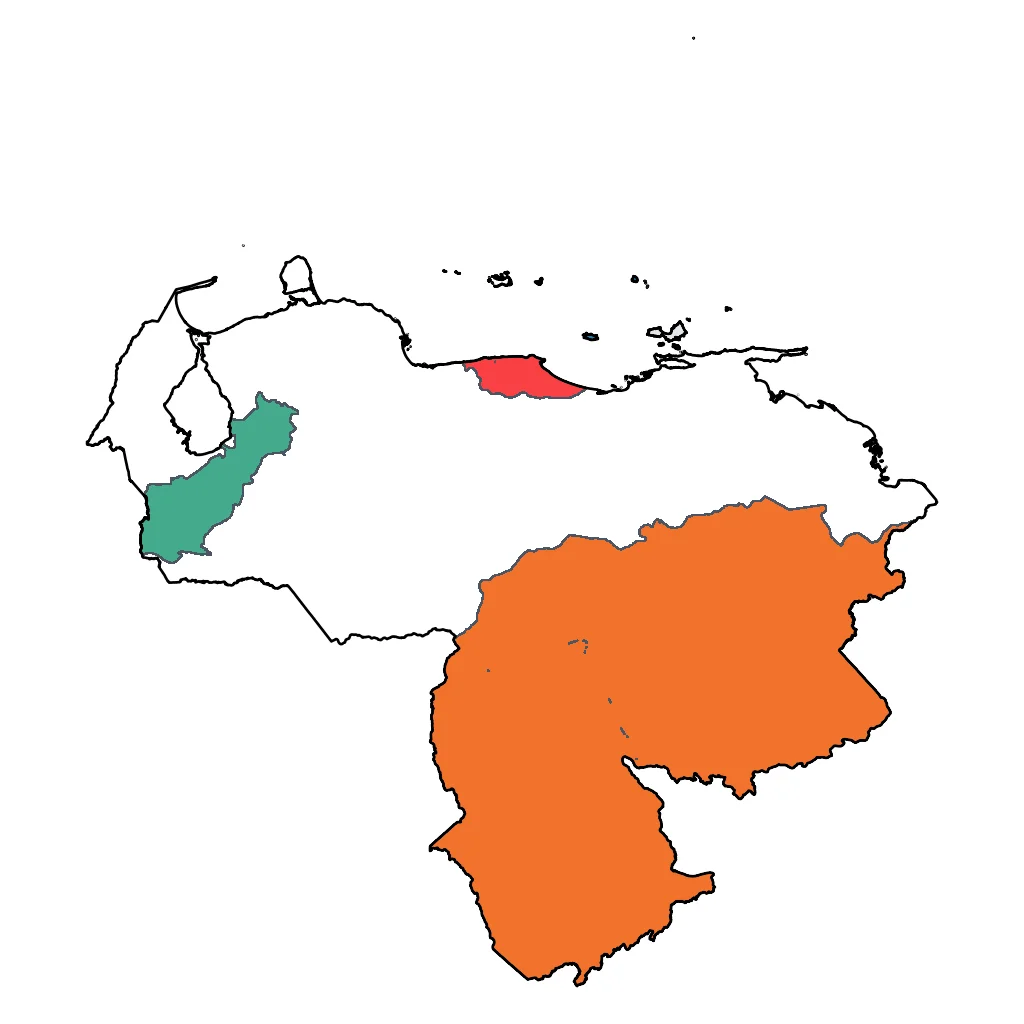

Urban tourism, museums, historical sites, architecture
Caracas features world-class modernist architecture, including a UNESCO-listed university campus, and a sophisticated fine-dining scene in districts like Las Mercedes. Drier months provide the best climate for exploring outdoor architectural sites and the historic colonial center, whereas the wet season often limits urban exploration.
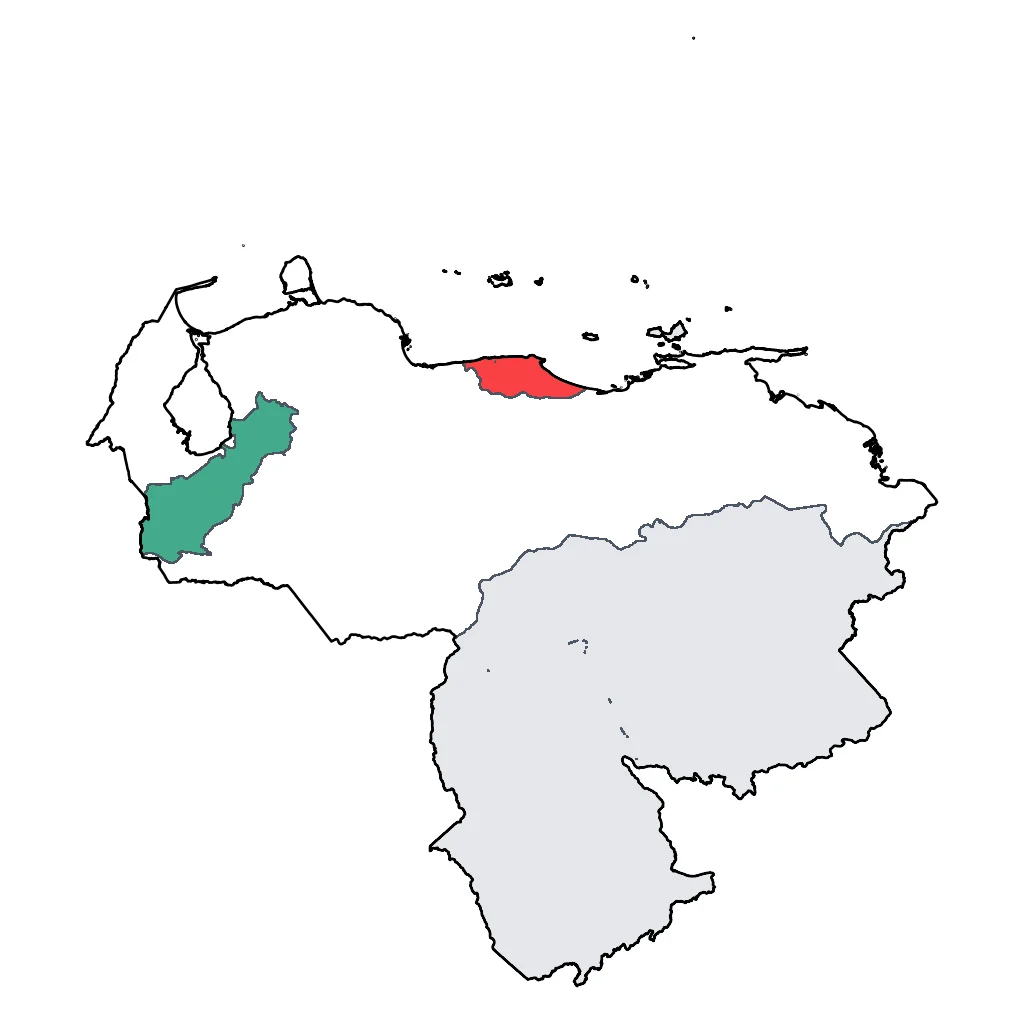

Learning experiences, scientific sites, historical education
As the birthplace of Simón Bolívar, the city offers significant historical depth regarding South American independence alongside avant-garde scientific and art museums. Peak dry months allow for comfortable walking tours of the historic core and the University City's integrated art and architecture.
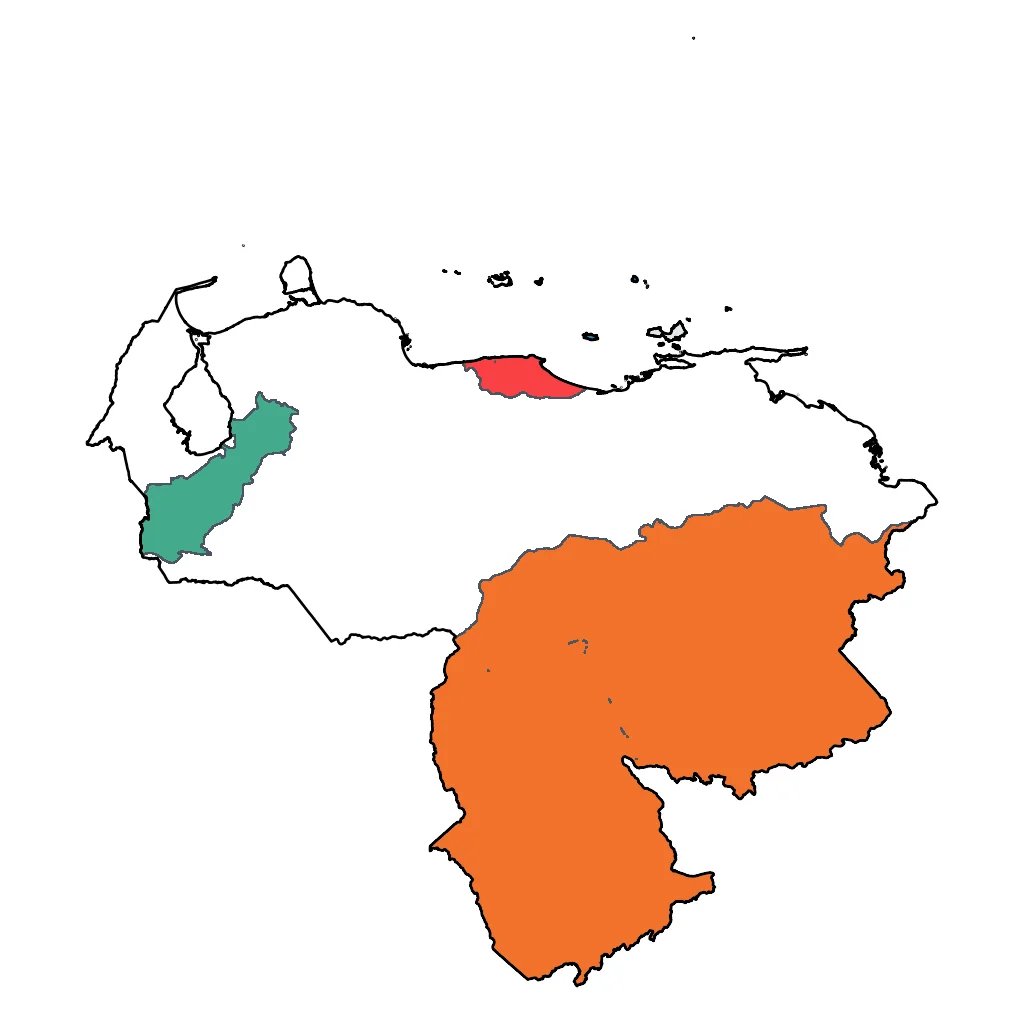

Sport tourism, fitness activities, active recreation
The valley is a premier destination for urban paragliding and technical mountain trail running due to its dramatic verticality. Conditions are optimal from January to April when steady winds and low rainfall ensure reliable flights and dry, fast-moving mountain terrain.
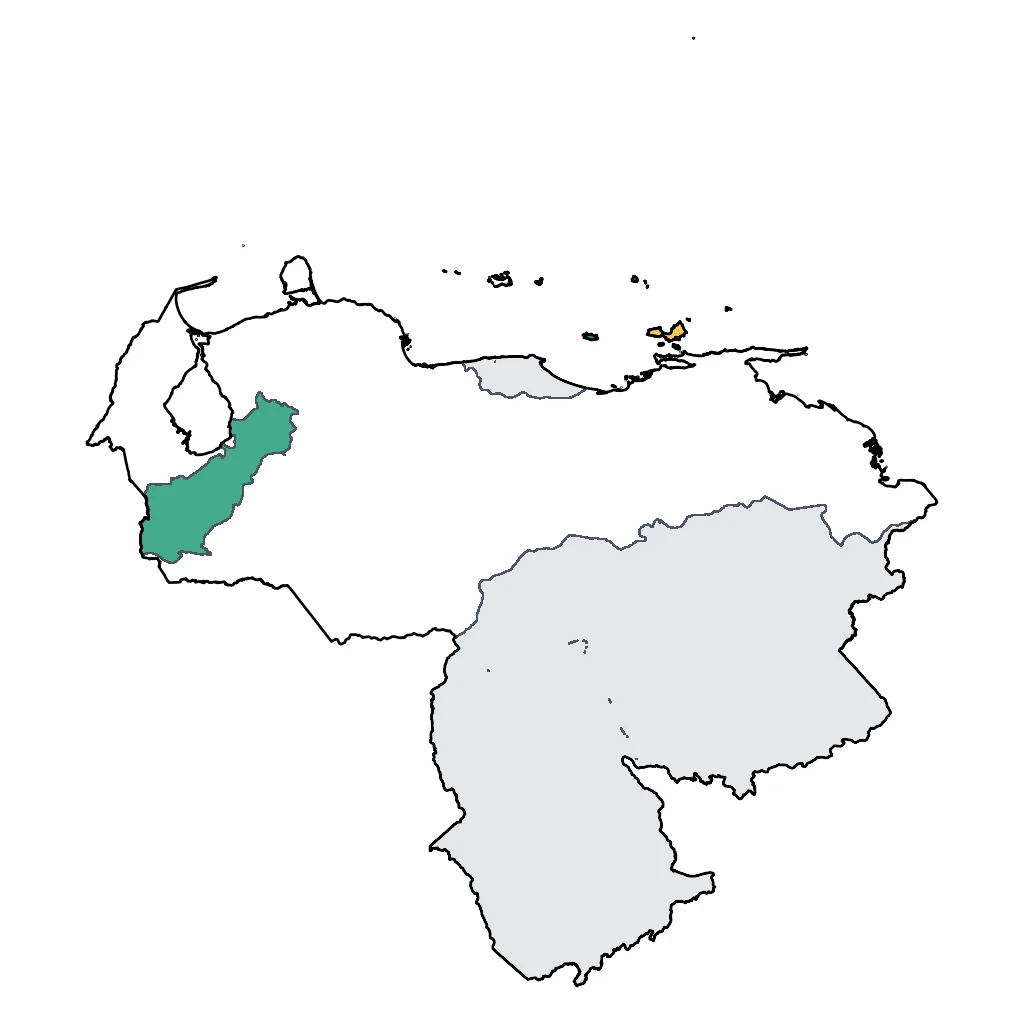

Beach resorts, marine activities: diving, snorkelling, kite surfing, wind surfing, sailing
While the nearby coastline of La Guaira offers warm waters, the facilities generally lack the world-class exclusivity expected by discerning international families compared to global benchmarks. The driest months (Feb-Mar) offer the clearest water and best sea conditions for local yachting and beach club visits.