

⚠️ SAFETY WARNING: Due to extreme political instability, high rates of violent crime, critical shortages of medical supplies, and recent military actions, government agencies (including CA, USA, UK, AU, IE, and NZ) advise travelers to avoid all travel to Venezuela. The security situation is volatile, and consular support is severely limited or suspended. Families are strongly urged to consult their own government's official travel advisory before considering a trip, as circumstances and risk assessments vary.
Geographically, Venezuela is a land of stark contrasts. Located on the northern coast of South America, it offers a diverse terrain that includes the tail end of the Andes mountains, the humid Amazon basin, and the vast grassy plains known as Los Llanos. The country is most famous for Angel Falls (Salto Ángel), which plunges nearly a kilometer off the edge of the Auyán-tepui mountain in the UNESCO-listed Canaima National Park. These ancient geological formations, known as tepuis, create a prehistoric landscape that has inspired literature and film.
For those interested in marine life, the Los Roques Archipelago offers some of the clearest waters in the Caribbean, historically popular for snorkeling and diving among coral reefs. On the mainland, the Orinoco Delta presents a complex labyrinth of waterways inhabited by the Warao indigenous people and rich in birdlife. The Llanos region serves as a premier wildlife viewing destination, teeming with capybaras, caimans, and exotic birds, comparable to Brazil's Pantanal.
Culturally, Venezuela is known for its warm hospitality and distinct culinary traditions. The arepa, a cornmeal cake filled with cheese, meat, or beans, is the national staple and a kid-friendly favorite. The climate is tropical, generally hot and humid year-round, though temperatures drop significantly in the mountainous regions. While the natural assets of Venezuela remain world-class, the current lack of reliable transportation, healthcare, and security infrastructure makes access strictly limited.
Explore Regions
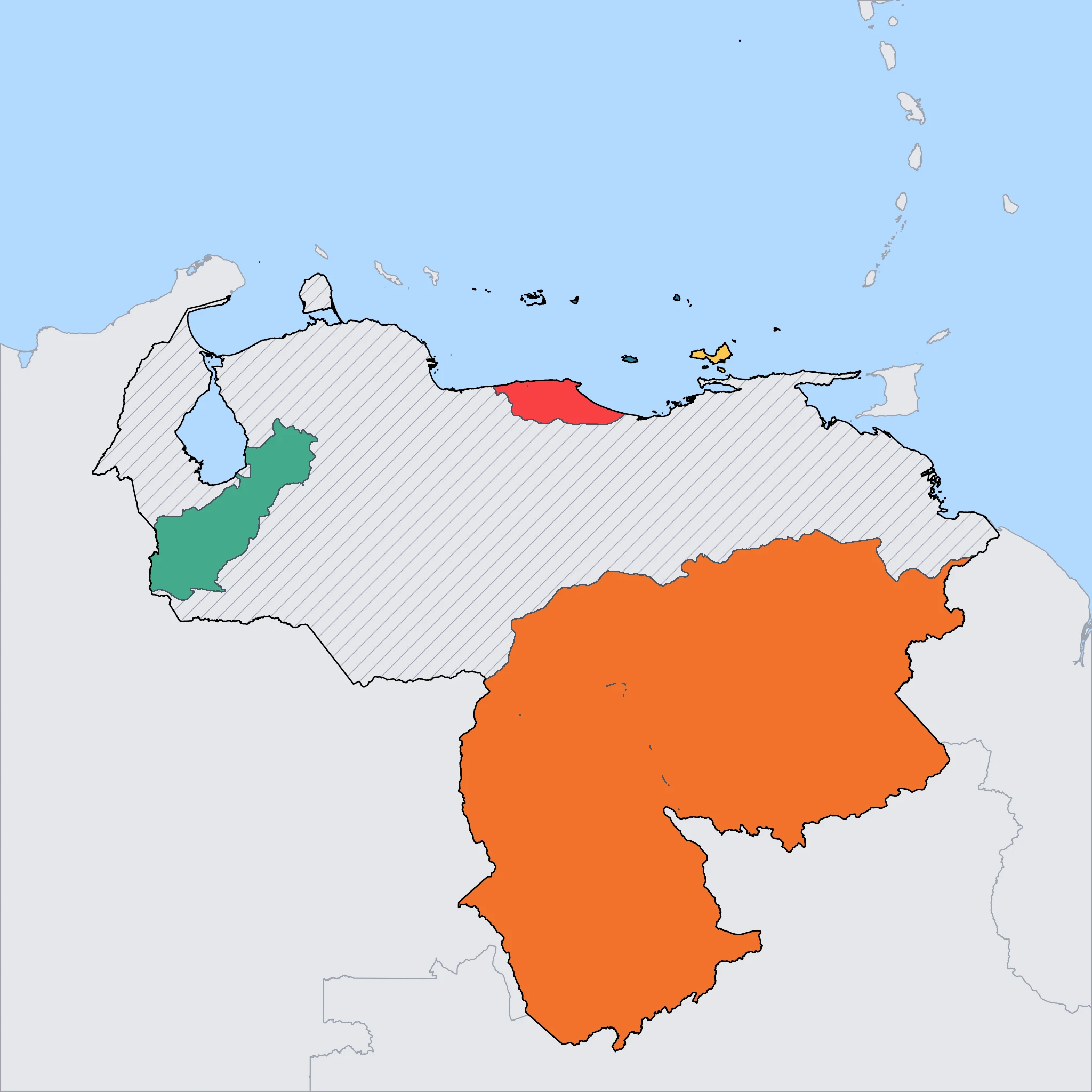
5 Regions
Angel Falls & Canaima
Ancient landscapes and the world's highest waterfall 🌊
Caracas
A high-altitude capital cradled by mountains 🚠
Los Roques & Islands
Turquoise waters and pristine coral reefs 🏝️
Margarita Island
Historic forts and Caribbean coastlines 🏰
Mérida & Andes
Cloud-piercing peaks and mountain villages 🏔️
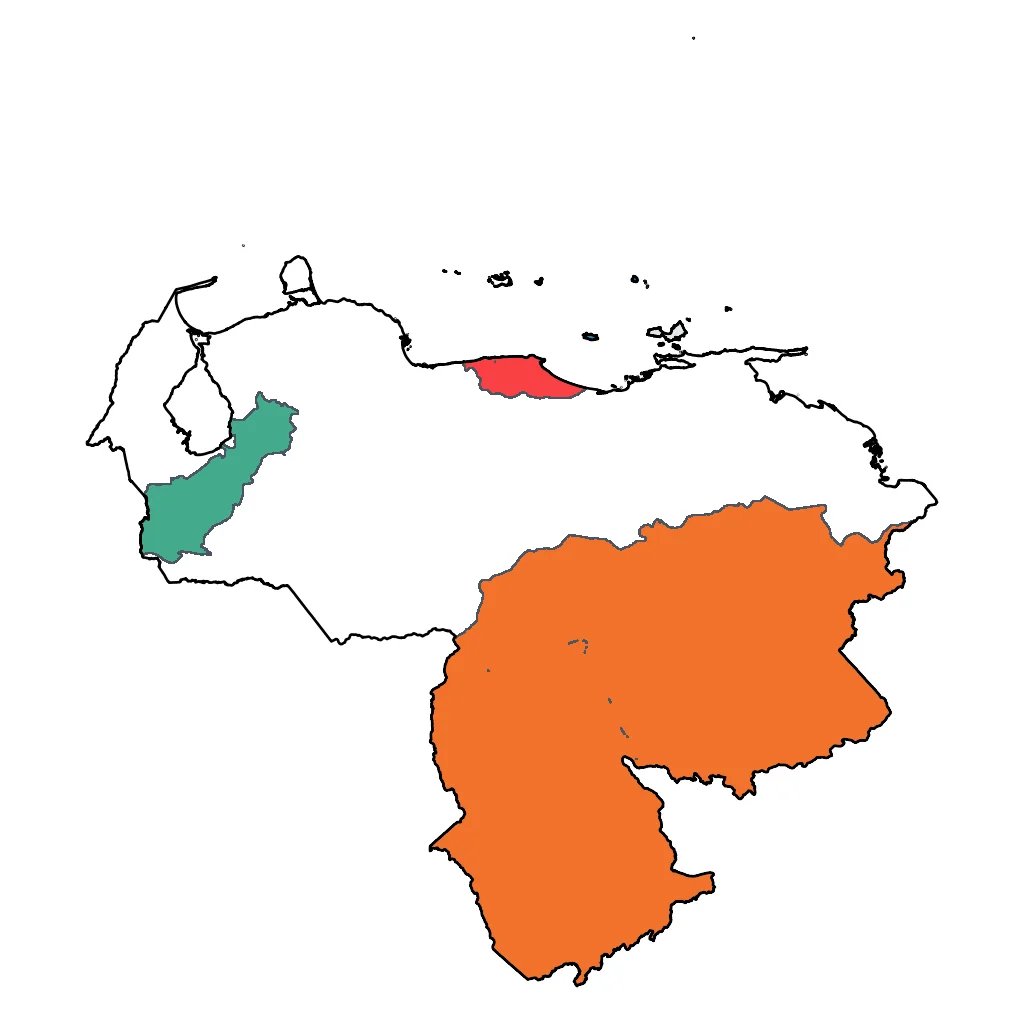
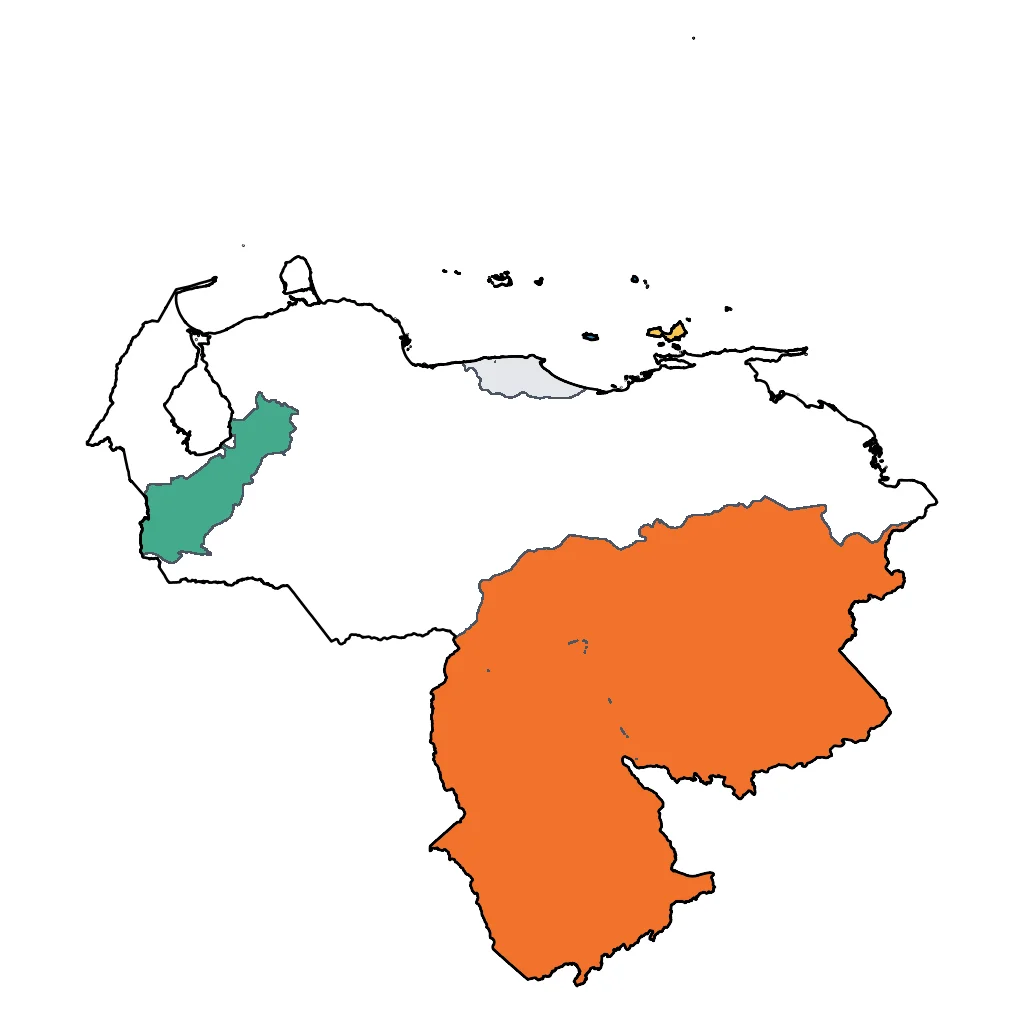
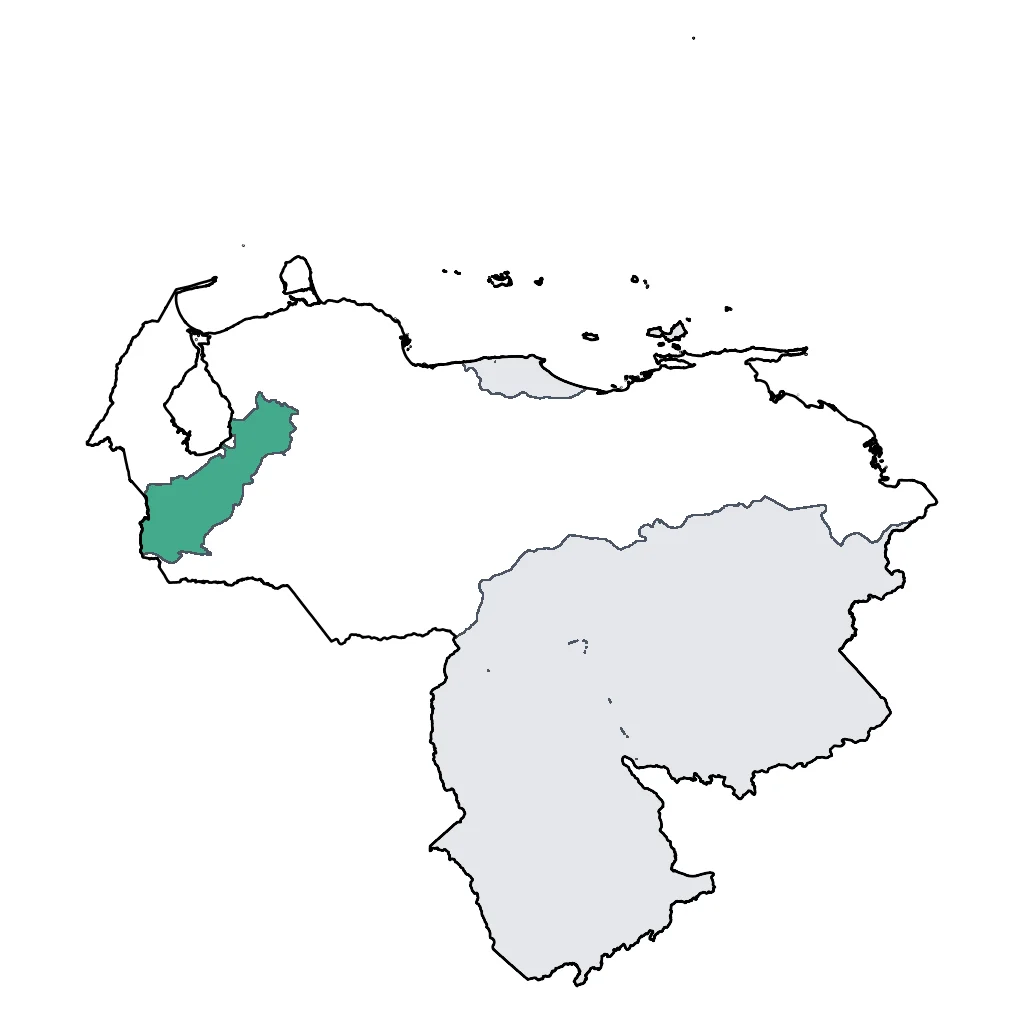
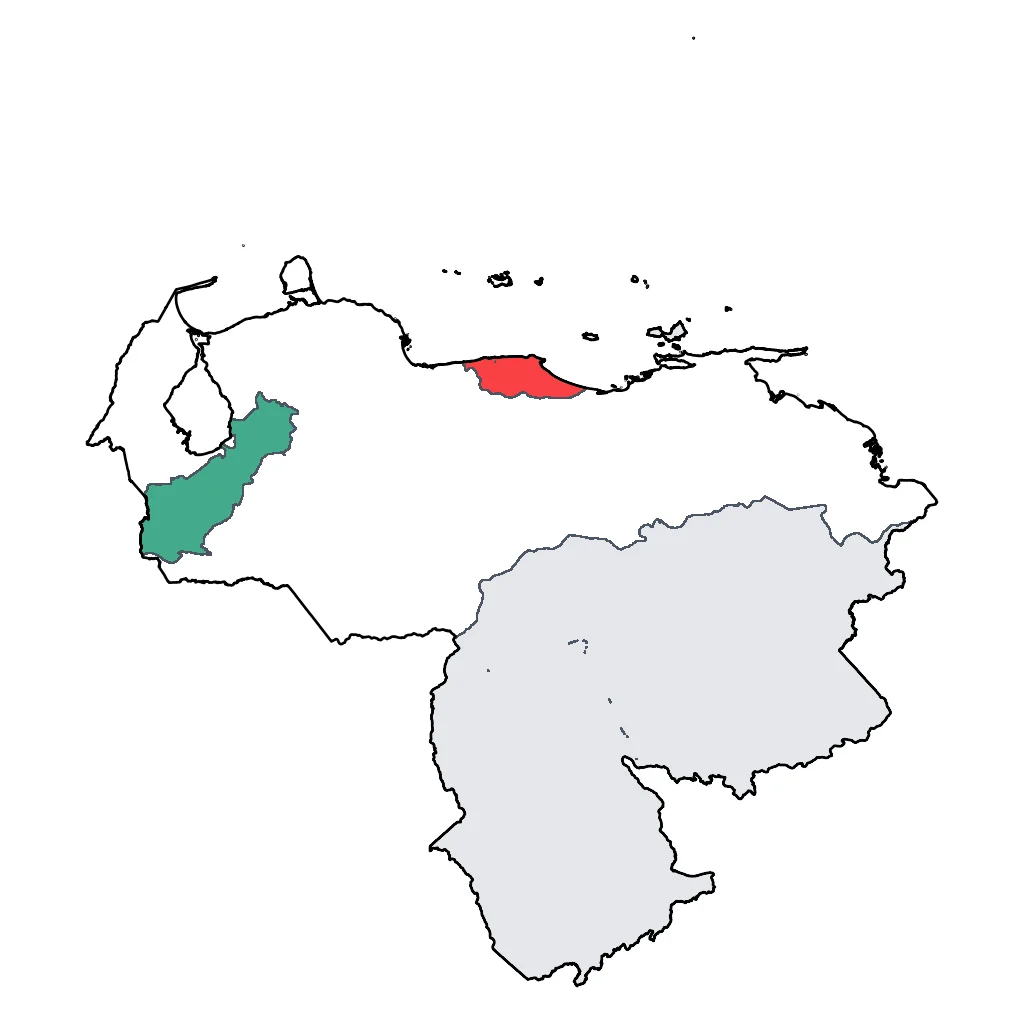
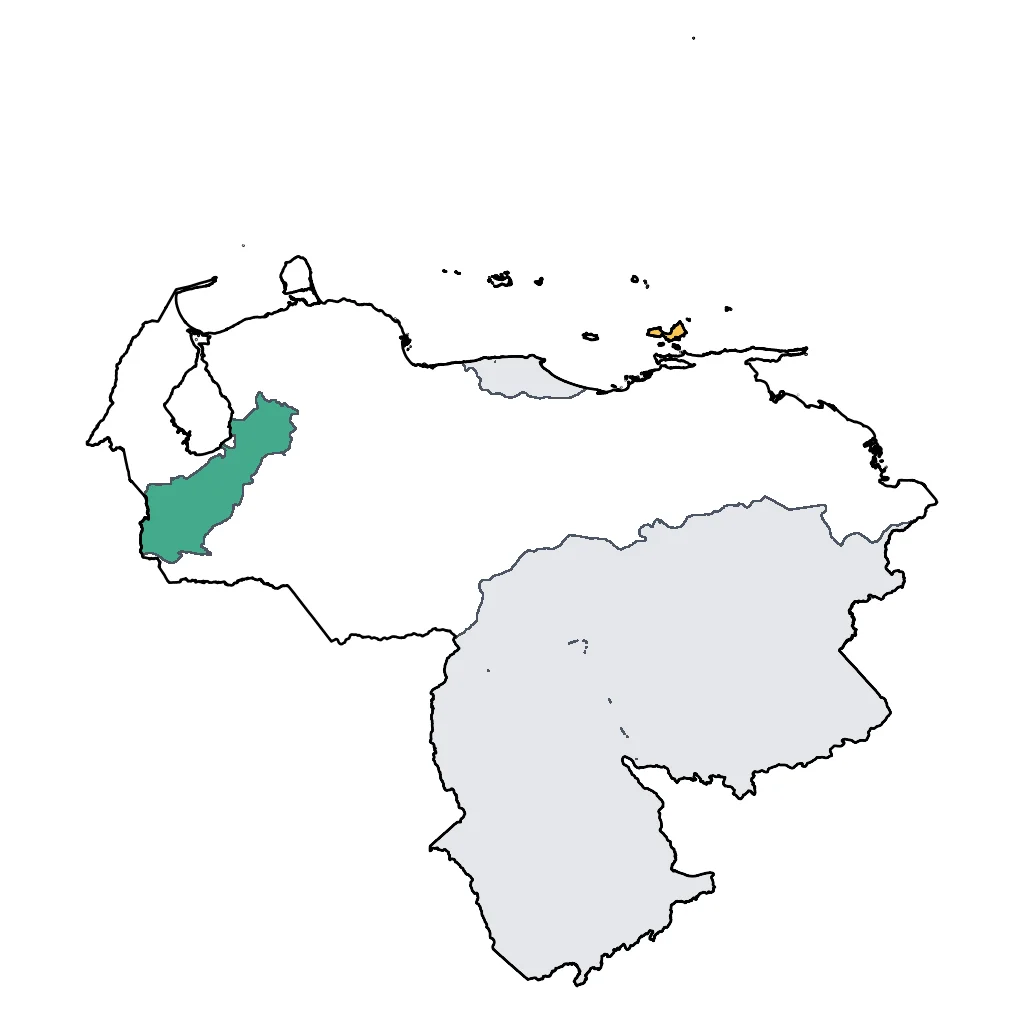
Click on a region marker to explore details. Use the dropdown to color regions by activity suitability.

Activities & Best Times
Adventure & Nature
ExcellentHiking, wildlife, outdoor exploration, ecotourism
Home to the world's tallest waterfall and unique 'Lost World' tepuis, offering a truly incomparable prehistoric wilderness experience. Peak months coincide with the rainy season when river levels are high enough for motorized curiaras (canoes) to reach the base of Angel Falls; the dry season (Jan-Apr) often limits viewing to flyovers only.
El Ávila National Park offers a world-class mountain environment with cloud forests and extensive hiking trails overlooking the Caribbean. The dry season (Jan-Apr) is peak for visibility and trail safety, while heavy tropical rains from June to November can cause landslides and poor mountain visibility.
An authentic ecological paradise offering sea turtle nesting sites, mangrove explorations, and spectacular bird watching. The dry season (Jan-May) provides the most comfortable climate for island exploration and optimal conditions for spotting marine life in clear waters.
Beach & Sea
ExcellentBeach resorts, marine activities: diving, snorkelling, kite surfing, wind surfing, sailing
A world-class marine sanctuary with over 300 islands featuring crystalline waters and biodiversity rivaling the Maldives. Peak months offer near-zero rainfall and exceptional underwater visibility, while the late-year 'rainy' season brings slightly higher humidity and cloud cover.
Offers a diverse range of coastal experiences from the turquoise waters of Playa El Agua to the unique mangrove channels of La Restinga. The region's semi-arid climate ensures more sunshine than most Caribbean islands, with peak conditions in the driest months; late-year months are rated 'off' due to peak annual rainfall levels.
While the nearby coastline of La Guaira offers warm waters, the facilities generally lack the world-class exclusivity expected by discerning international families compared to global benchmarks. The driest months (Feb-Mar) offer the clearest water and best sea conditions for local yachting and beach club visits.

Sports & Active
ExcellentSport tourism, fitness activities, active recreation
Renowned globally for world-class kitesurfing and flats fishing (bonefish) due to consistent trade winds and vast shallow lagoons. The wind is most reliable and strongest from January through June, coinciding with the driest months.
El Yaque is a globally renowned destination for windsurfing and kitesurfing, offering world-class wind consistency and shallow waters perfect for active families. Peak months align with the strongest, most reliable trade winds and lowest precipitation; November and December see slightly higher rainfall and less consistent wind profiles.
Renowned for world-class paragliding at Tierra Negra and high-altitude mountain biking. Jan-Feb offer stable thermal conditions and dry terrain; heavy rainfall in spring and autumn prevents safe aerial and cycling activities.

Educational & Exploratory
Very GoodLearning experiences, scientific sites, historical education
A living laboratory of geology and indigenous Pemon culture within a UNESCO World Heritage site. Expeditions provide profound insights into some of Earth's oldest geological formations and the hydraulic cycles of the rainforest, though heavy dry-season months restrict access to the most significant hydrological features.
As the birthplace of Simón Bolívar, the city offers significant historical depth regarding South American independence alongside avant-garde scientific and art museums. Peak dry months allow for comfortable walking tours of the historic core and the University City's integrated art and architecture.
The Dos Mosquises research station provides unique educational opportunities regarding marine conservation and sea turtle biology. Visiting is best during the dry season when boat access to remote research cays is smoothest and the environmental conditions are most conducive to field study.

Relaxation & Wellness
Very GoodSpa retreats, wellness centers, peaceful getaways
Boutique, beachfront posadas offer a sophisticated and tranquil escape from commercial tourism with high standards of personalized service. Ideal wellness conditions occur in the first half of the year when lower humidity and constant sea breezes enhance the outdoor relaxation experience.
Boutique beach clubs in Pampatar and high-end resorts offer a sophisticated atmosphere with lower humidity (68-70%) than typical tropical destinations. The first half of the year provides the most comfortable outdoor relaxation weather; the end of the year is slightly more humid and prone to tropical showers.
Authentic boutique posadas provide secluded mountain retreats with crisp air and panoramic views. Drier months allow for peaceful outdoor relaxation; the high humidity and persistent rain of the off-season (Oct) can feel damp and restrictive.

Road Trips & Scenic
Very GoodScenic drives, countryside tours, route-based travel

City & Cultural
GoodUrban tourism, museums, historical sites, architecture
Caracas features world-class modernist architecture, including a UNESCO-listed university campus, and a sophisticated fine-dining scene in districts like Las Mercedes. Drier months provide the best climate for exploring outdoor architectural sites and the historic colonial center, whereas the wet season often limits urban exploration.
Mérida offers an authentic mix of colonial architecture, high-altitude villages like Los Nevados, and vibrant university culture. Peak months enjoy dry weather for exploring plazas; high precipitation in April-May and Oct-Nov limits urban mobility.
La Asunción and Pampatar feature well-preserved colonial forts and churches that offer a glimpse into the island's Spanish heritage. While charming and authentic, the cultural scale is modest compared to global heritage hubs, making it a secondary rather than primary draw for experienced travelers.

Festivals & Seasonal
GoodEvents, celebrations, seasonal attractions
The island hosts authentic cultural celebrations, most notably the Virgen del Valle in September and vibrant traditional Carnivals in February. These events offer sophisticated travelers a genuine look at Neo-Spartan culture, while other months provide a standard but pleasant tropical atmosphere.
The Feria del Sol in February is an internationally recognized celebration of Andean culture and traditions. While religious festivals provide shoulder season interest, the high rainfall and lack of events in May-Nov make it the off-season for cultural tourism.
Theme Park & Entertainment
MarginalAmusement parks, family entertainment venues
Airports & Flight Routes
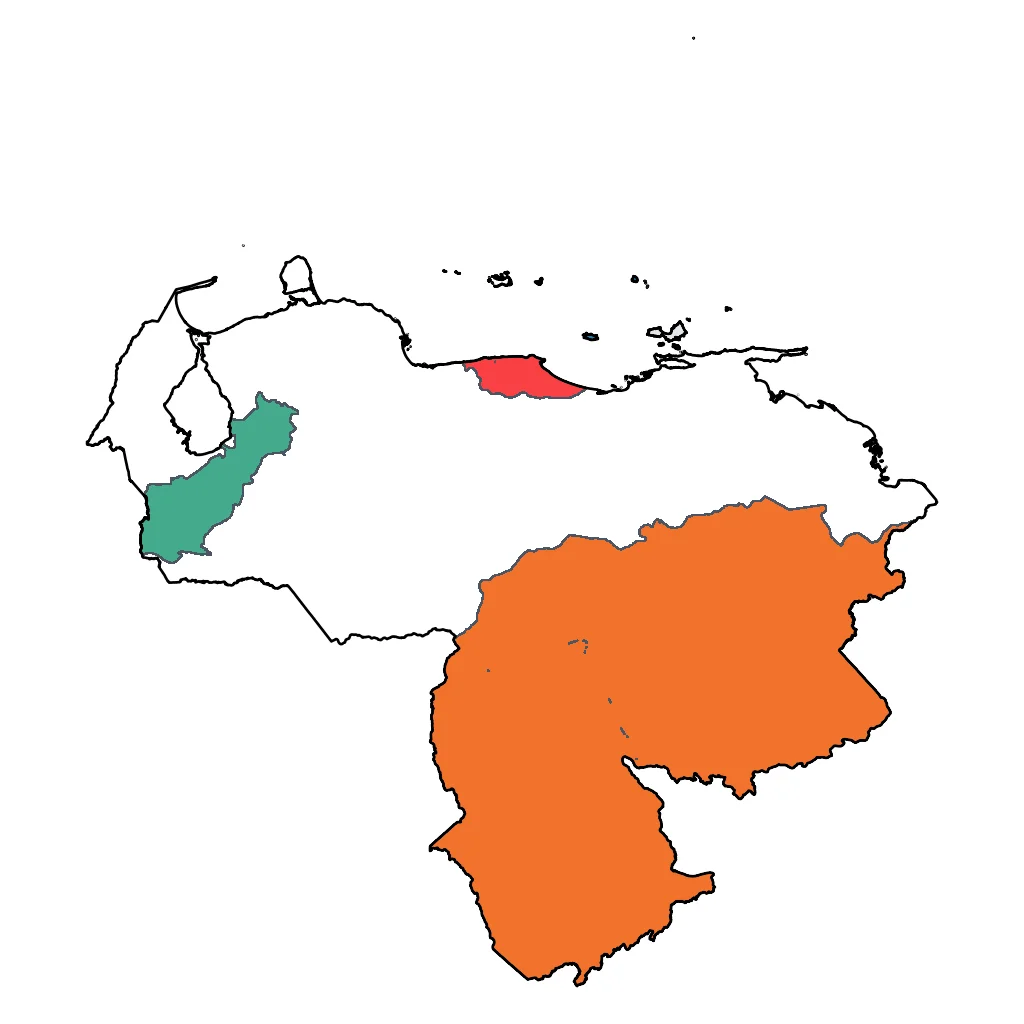
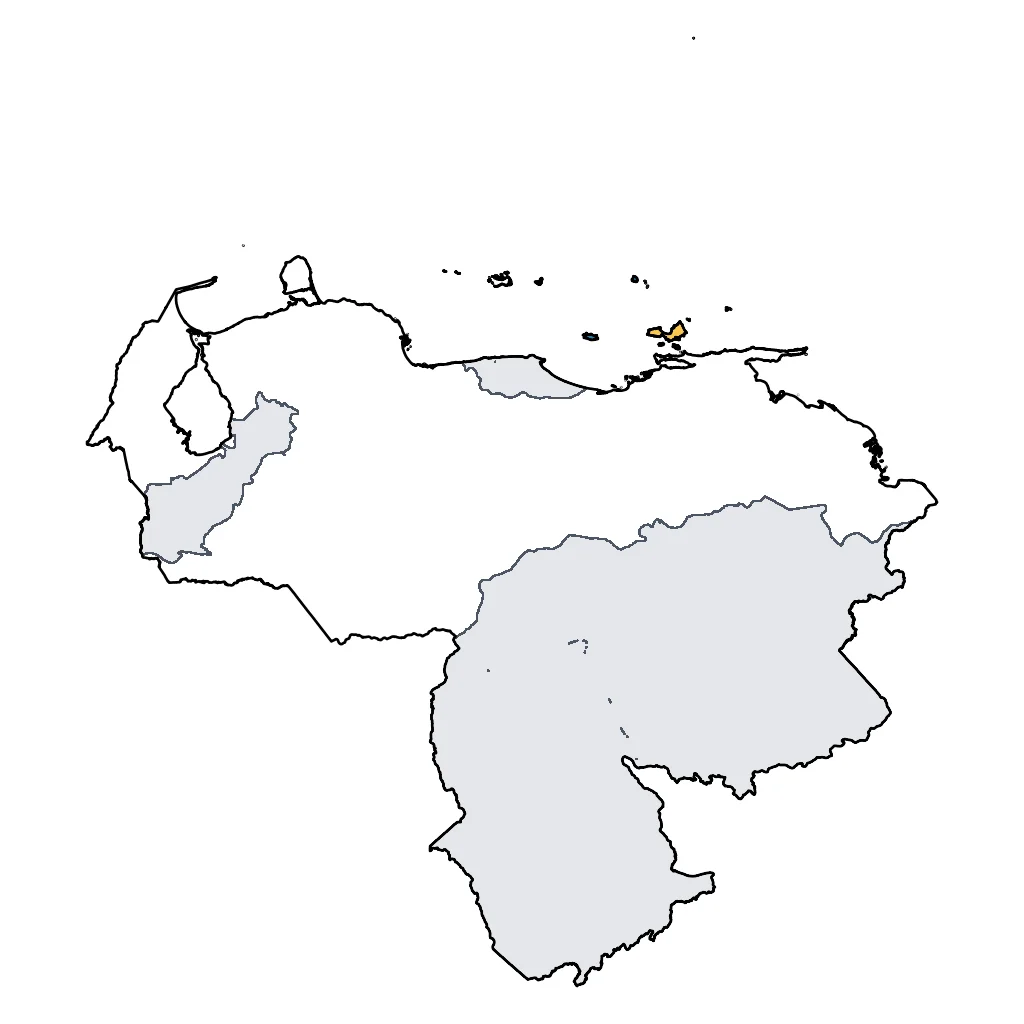
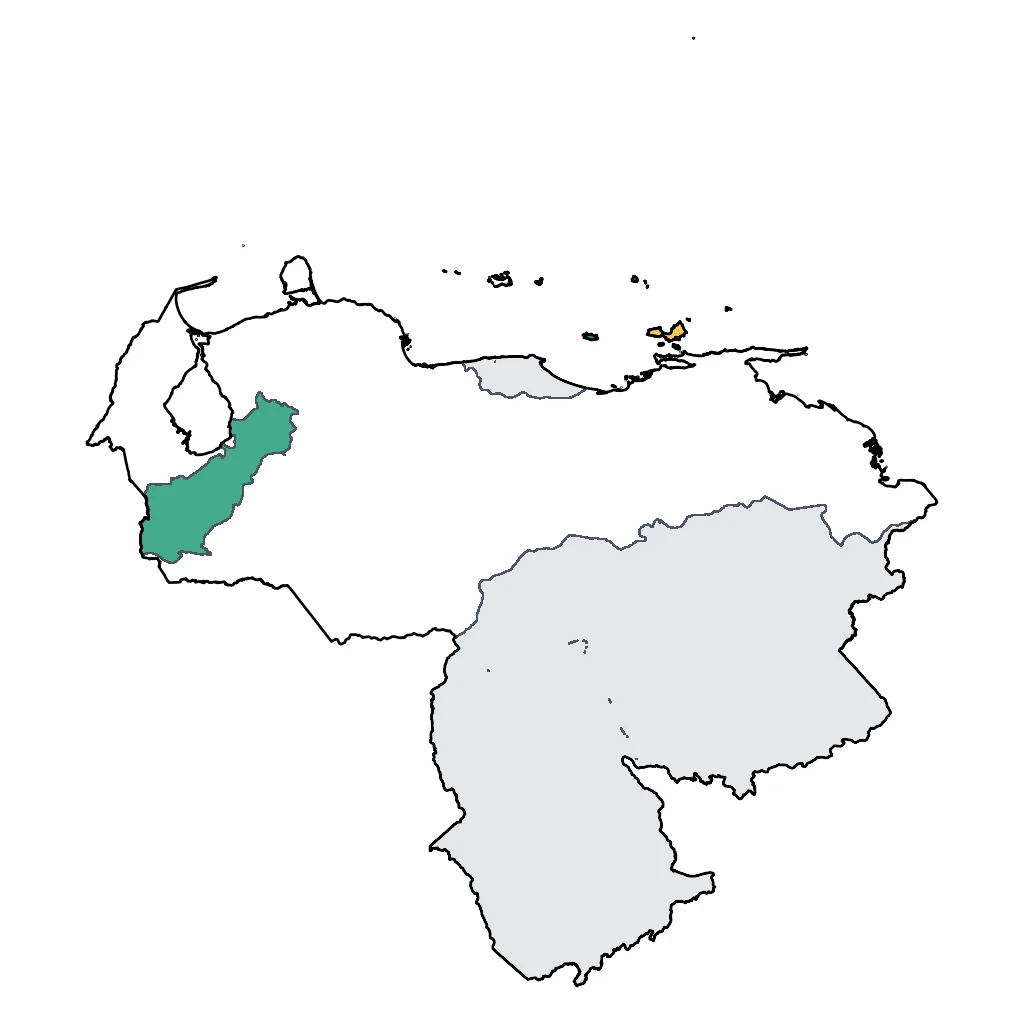
Toggle options to view domestic routes and international airports. Click an airport for details.
Climate & Weather
Angel Falls & Canaima
Show Details
| Month | Temp °C | Rain | Humidity |
|---|
Caracas
Show Details
| Month | Temp °C | Rain | Humidity |
|---|
Los Roques & Islands
Show Details
| Month | Temp °C | Rain | Humidity |
|---|
Margarita Island
Show Details
| Month | Temp °C | Rain | Humidity |
|---|
Mérida & Andes
Show Details
| Month | Temp °C | Rain | Humidity |
|---|

Travel Advisory
Extreme risk; all agencies strongly advise against travel under any circumstances due to systemic collapse and recent military conflict.
Safety Topics
Traveller Advice (4 groups)

While not specifically illegal, same-sex relations lack legal protections and public displays of affection may attract harassment or police scrutiny.

Female visitors face elevated risks of sexual assault and should avoid all solo travel, particularly after dark or in isolated urban areas.

Media workers are at high risk of being targeted for detention, having equipment seized, or being accused of supporting foreign interference.

Anyone currently in the country should shelter in place, maintain stocks of essentials, and prepare for a potential rapid evacuation via third countries.