

Los Roques & Islands
Turquoise waters and pristine coral reefs 🏝️
⚠️ SAFETY WARNING: Due to limited medical infrastructure, the necessity of transiting through high-risk mainland hubs, and the lack of consular support, government agencies (including the USA, UK, Canada, Australia, Ireland, and New Zealand) advise travelers to avoid all travel to this region. Emergency evacuation from these remote islands is difficult. Families are strongly urged to consult their own government's official travel advisory before considering a trip, as circumstances and risk assessments vary.
Los Roques is an archipelago of more than 300 islands and cays surrounding a vast, shallow lagoon. Designated as a National Park, it protects one of the most pristine coral reef systems in the Caribbean. The geography here is defined by stark contrasts: brilliant white sand, blindingly blue skies, and water that shifts through every shade of turquoise and emerald. The climate is arid and windy, with intense sun and little rainfall, making it a year-round destination for marine activities.
The only inhabited island of significant size is Gran Roque. There are no high-rise hotels here; instead, accommodation consists of posadas (small inns), many of which are converted fishermen's homes with colorful facades and sandy internal courtyards. Streets are unpaved sand, and there are no cars, creating a barefoot, slow-paced atmosphere. Families typically spend their days taking small boats to nearby cays. Francisquí is popular for snorkeling right off the beach, while Cayo de Agua is famous for its narrow sandbar that forms a bridge between two landmasses, allowing you to walk with the sea on both sides.
The archipelago is a sanctuary for marine life. Children can spot sea turtles, starfish, and schools of tropical fish in the calm, transparent waters. Birdwatching is also significant, with large colonies of pelicans and boobies nesting in the mangroves. Because all supplies must be imported from the mainland, costs can be higher than elsewhere in Venezuela, and resources like fresh water are precious. The isolation that preserves its beauty also means visitors must be self-sufficient regarding medications and essentials.
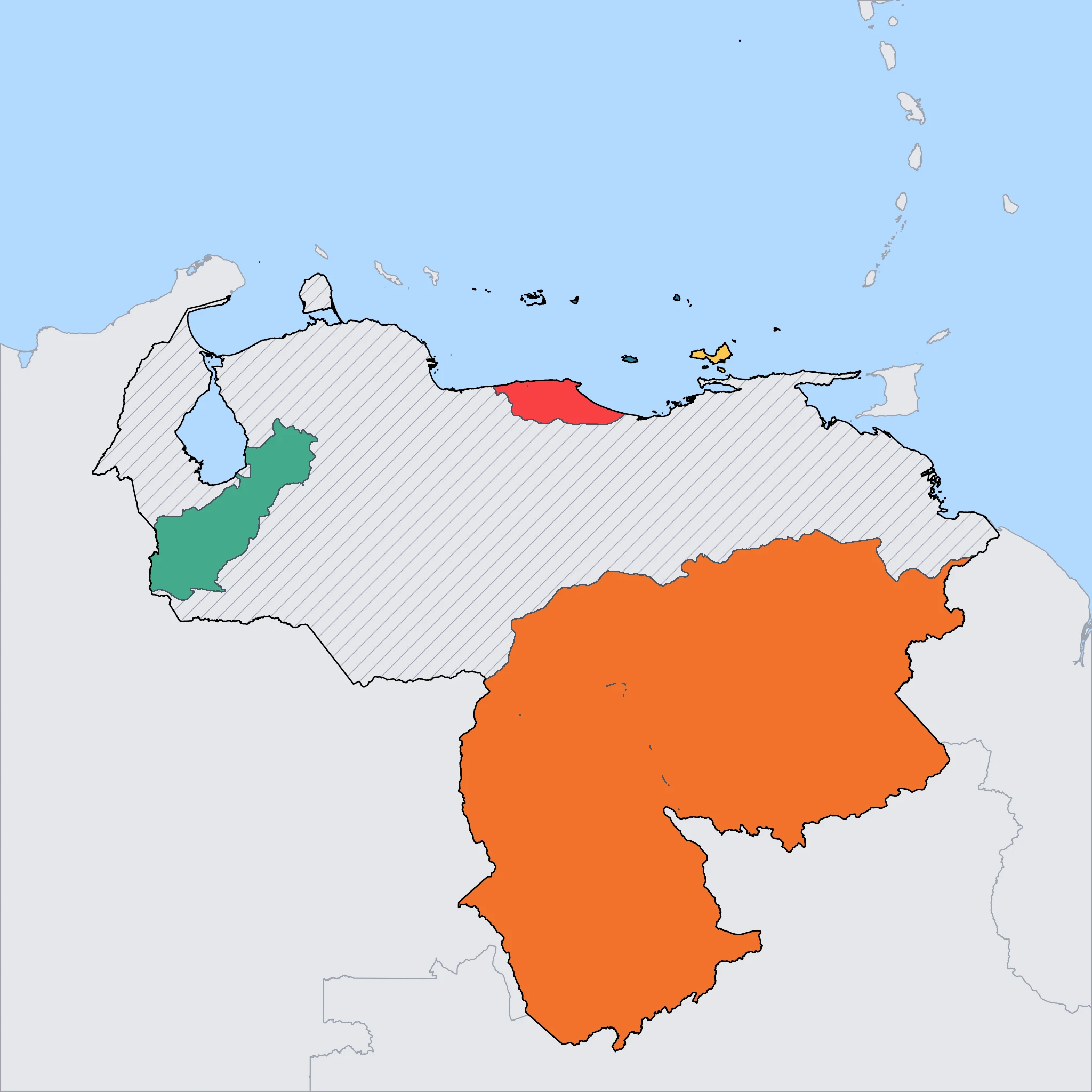
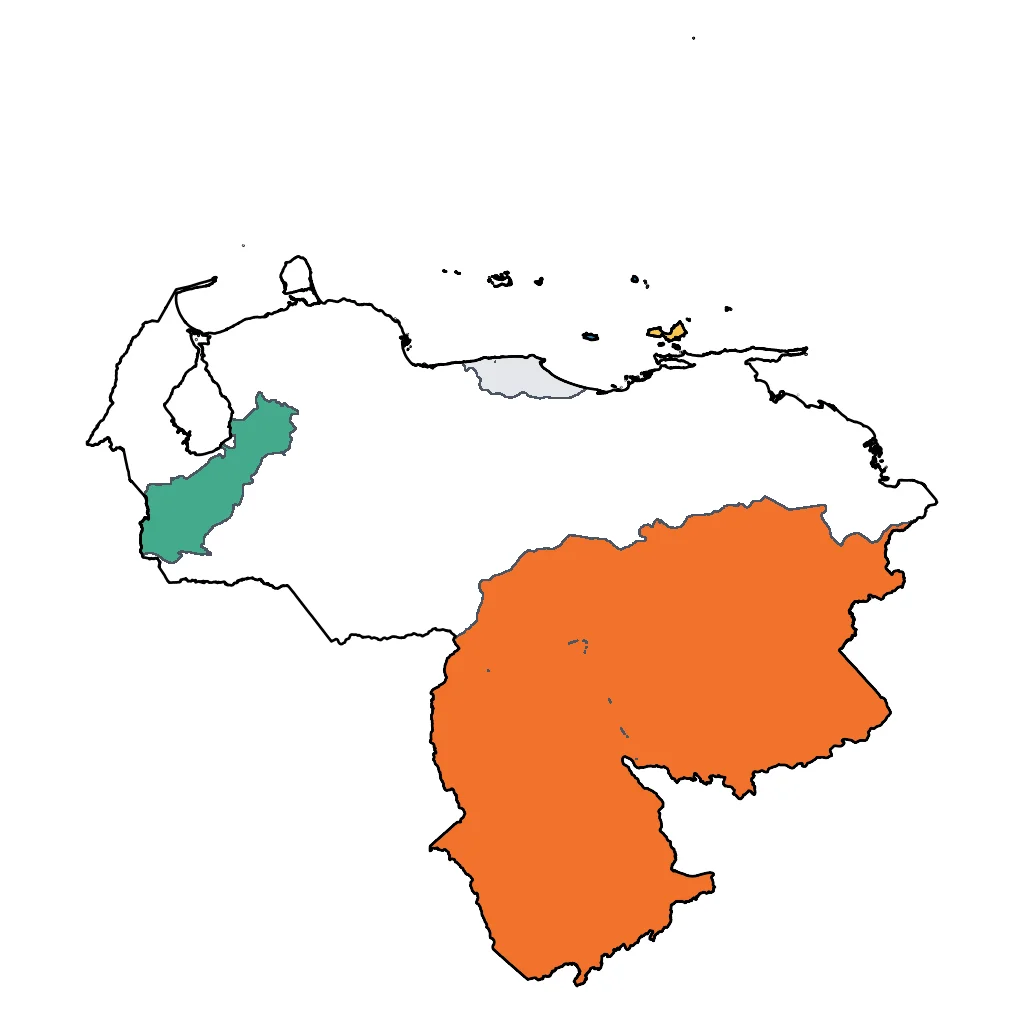
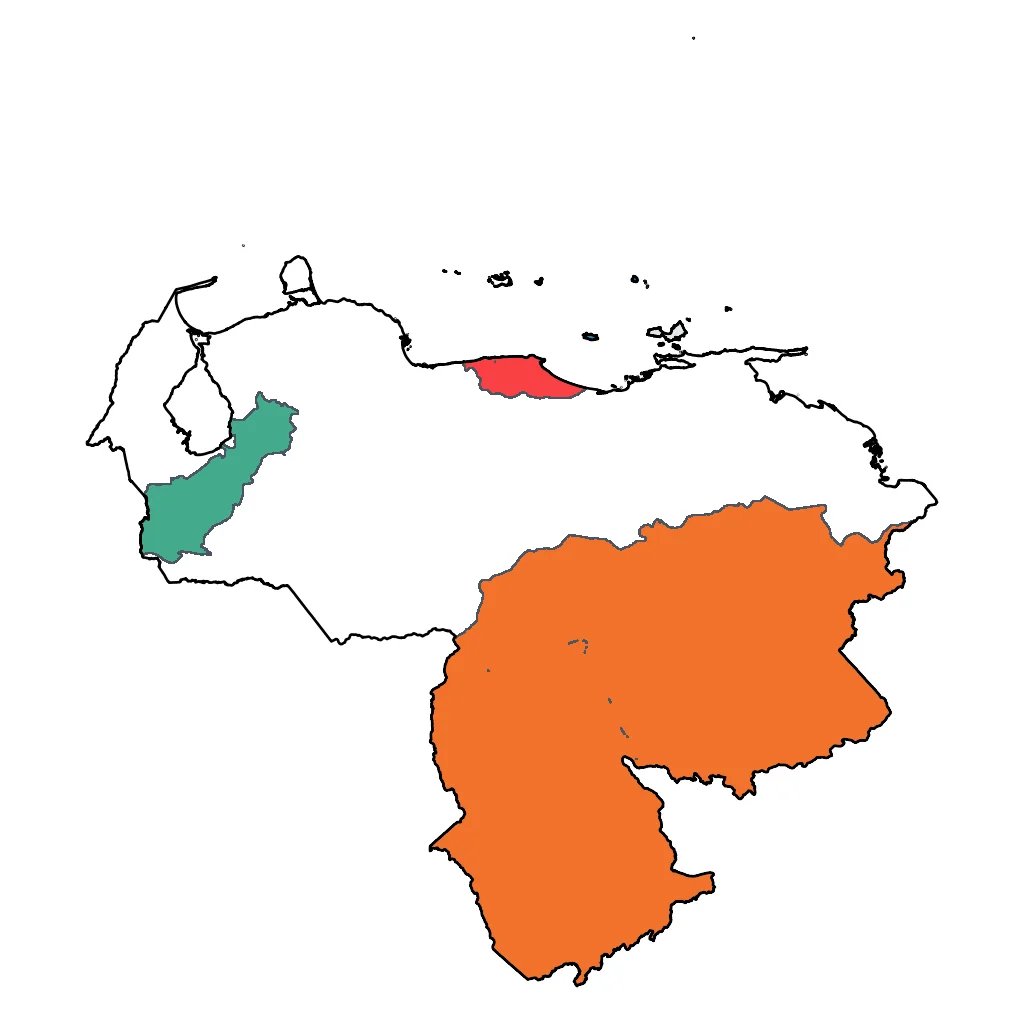
Click a region to explore

Activities & Best Times

Beach resorts, marine activities: diving, snorkelling, kite surfing, wind surfing, sailing
A world-class marine sanctuary with over 300 islands featuring crystalline waters and biodiversity rivaling the Maldives. Peak months offer near-zero rainfall and exceptional underwater visibility, while the late-year 'rainy' season brings slightly higher humidity and cloud cover.

Sport tourism, fitness activities, active recreation
Renowned globally for world-class kitesurfing and flats fishing (bonefish) due to consistent trade winds and vast shallow lagoons. The wind is most reliable and strongest from January through June, coinciding with the driest months.

Hiking, wildlife, outdoor exploration, ecotourism
An authentic ecological paradise offering sea turtle nesting sites, mangrove explorations, and spectacular bird watching. The dry season (Jan-May) provides the most comfortable climate for island exploration and optimal conditions for spotting marine life in clear waters.

Spa retreats, wellness centers, peaceful getaways
Boutique, beachfront posadas offer a sophisticated and tranquil escape from commercial tourism with high standards of personalized service. Ideal wellness conditions occur in the first half of the year when lower humidity and constant sea breezes enhance the outdoor relaxation experience.

Learning experiences, scientific sites, historical education
The Dos Mosquises research station provides unique educational opportunities regarding marine conservation and sea turtle biology. Visiting is best during the dry season when boat access to remote research cays is smoothest and the environmental conditions are most conducive to field study.

Attractions (21 total)
Beach / Coastal Recreation Area
Cayo de Agua
Gran Roque
An iconic island featuring a natural sand bridge that connects two landmasses amidst crystal clear turquoise waters.
Dos Mosquises Turtle Research Center
Gran Roque
A marine biology station where families can see protected sea turtles and learn about coral reef conservation efforts.
Visit website →Madrisquí
Gran Roque
One of the most accessible islands from the main town, offering gentle waves and stunning blue hues for a relaxing day out.
Crasquí
Gran Roque
A long, pristine beach known for its excellent seafood restaurants and calm waters ideal for windsurfing and swimming.
Francisquí
Gran Roque
A group of three islets offering calm, shallow lagoons and vibrant coral reefs that are perfect for family snorkeling trips.
Hiking & Cycling Routes
Gran Roque Lighthouse Trail (Faro Holandés)
Gran Roque
1.2km easy out-and-back trail, typical duration 30-45 minutes, 50m elevation gain. This historic path leads to the ruins of a 19th-century Dutch-built lighthouse and offers the most iconic panoramic views of the Los Roques archipelago and the colorful village of Gran Roque. No bike rentals available as the terrain is rocky and steep.
Visit website →Cayo de Agua Isthmus Walk
Gran Roque
2.5km easy beach walk (round trip), typical duration 1 hour, 0m elevation gain. This world-famous route follows a narrow natural sandbar bridge that connects two parts of Cayo de Agua, allowing visitors to walk with the Caribbean Sea on both sides. Accessible only via boat from Gran Roque. No cycling allowed on the sand.
Visit website →Historic Town / Village / Cultural Area
Gran Roque Village
Gran Roque
The archipelago's only inhabited village offers a unique car-free cultural experience with sandy streets, brightly painted houses, and a traditional Caribbean fishing atmosphere.
Visit website →Dos Mosquises Archaeological and Research Station
Dos Mosquises
A cultural and scientific area where visitors can see pre-Hispanic archaeological remains from the Valencioid culture and learn about sea turtle conservation programs.
Visit website →El Faro Holandés
Gran Roque
A historic 19th-century stone lighthouse located on the highest point of Gran Roque, providing a glimpse into maritime history and panoramic views of the coral reef system.
National Park / Nature Reserve
Cayo Crasquí
Gran Roque
Known for its long, calm coastline and excellent conditions for light water sports, providing a relaxing environment for all ages.
Cayo Madrisquí
Gran Roque
One of the most accessible islands from the main town, featuring extremely calm and shallow waters ideal for toddlers and young swimmers.
Cayo Francisquí
Gran Roque
A group of islands featuring shallow natural pools and vibrant coral reefs, making it a perfect spot for children to snorkel safely.
Castle / Palace / Historic Site
Dos Mosquises Archaeological Museum
Gran Roque
A small museum and research station showcasing pre-Hispanic indigenous artifacts and a sea turtle conservation program that is popular with families.
The Dutch Lighthouse
Gran Roque
A historic 19th-century lighthouse ruin that offers a scenic hiking destination for families and breathtaking views of the Caribbean archipelago.
Natural Feature / Scenic Site
Dos Mosquises Biological Research Station
Gran Roque
A conservation site where visitors can observe sea turtle hatchlings and learn about marine biology in a pristine island setting.
Science Museum / Natural History Museum / Discovery Centre
Dos Mosquises Biological Station
Los Roques National Park
A marine research facility and turtle hatchery where families can learn about coral reef conservation and see various species of sea turtle hatchlings.
Landmark / Monument / Iconic Urban Attraction
Iglesia de Gran Roque
Gran Roque
A charming and simple blue-and-white church that serves as the central cultural and urban landmark of the archipelago's main village.
Faro Holandés
Gran Roque
An 18th-century stone lighthouse located on the highest point of Gran Roque, offering panoramic views of the entire archipelago.
Aquarium / Sea Life Centre
Dos Mosquises Turtle Research Station
Cayo Dos Mosquises
A dedicated marine conservation facility where visitors can observe sea turtle hatchlings and learn about the protection of Hawksbill, Green, and Loggerhead species.
Zoo / Wildlife Park / Safari Park
Dos Mosquises Turtle Sanctuary
Dos Mosquises
A marine biology research station where families can observe sea turtle conservation efforts and see young hatchlings in protective tanks.