
Livingstone & Victoria Falls
The adventure capital where the smoke thunders 🌊🐘
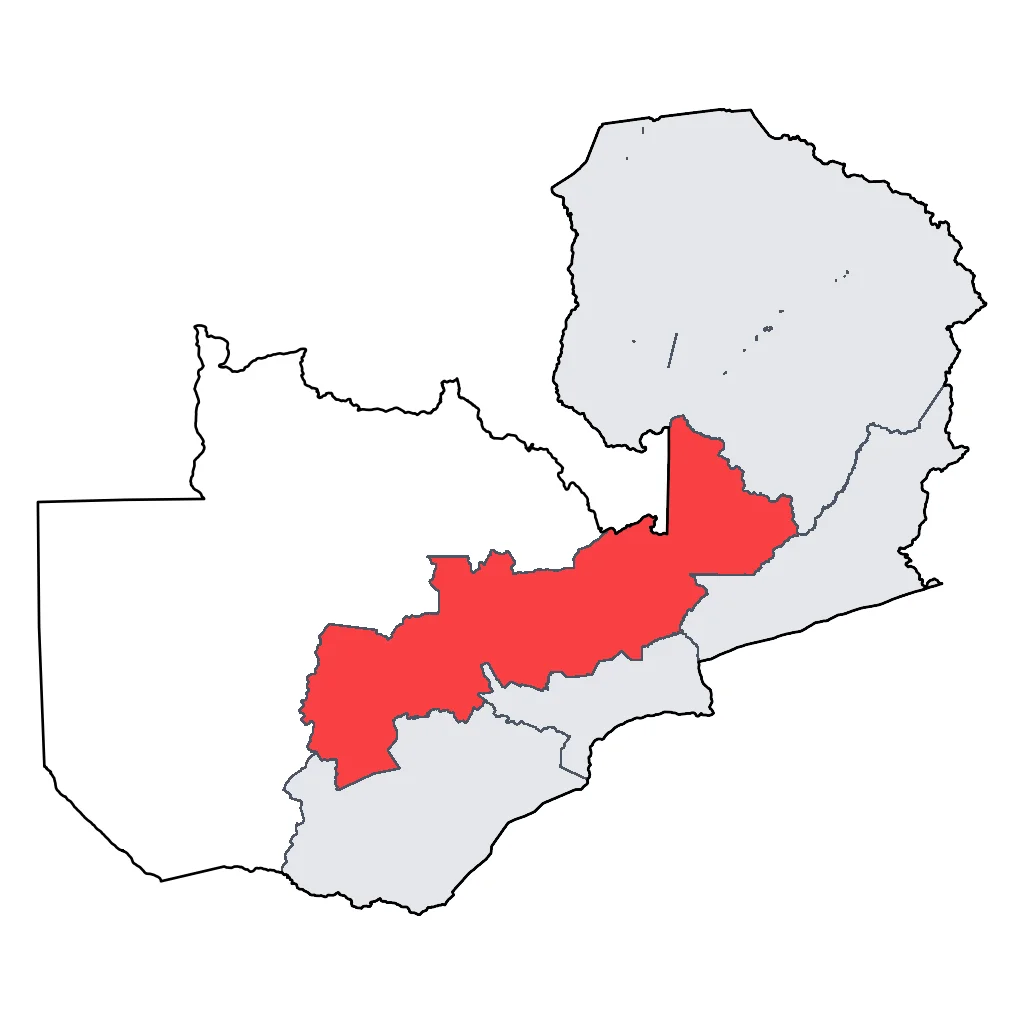
Livingstone is the tourism capital of Zambia and the gateway to the majestic Victoria Falls, locally known as Mosi-oa-Tunya (The Smoke That Thunders). For families, this region strikes a perfect balance between high-adrenaline adventure and relaxed exploration. The geography is defined by the mighty Zambezi River, which widens lazily above the falls before plunging over 100 meters into the basalt gorges below. The climate is generally warm, with a hot season from September to November and a lush, green rainy season from December to April. The cool, dry months from May to August are often the most comfortable for travelling with children.
The primary attraction is, of course, the waterfall itself. Safe, paved paths wind through the rainforest on the Zambian side, offering spectacular viewpoints. Be prepared to get soaked during high water season (February to May); renting ponchos is a fun practical necessity. Beyond the falls, the Livingstone Museum provides a fascinating, bite-sized history lesson on David Livingstone and local culture that is manageable for school-aged children. For a uniquely Zambian experience, families can visit the Mukuni Village to learn about the Leya people’s traditions and daily life.
Wildlife viewing here is exceptionally accessible. Mosi-oa-Tunya National Park is small and lacks predators like lions, making it a relaxed environment for game drives where you can spot giraffes, zebras, and the rare white rhinoceros without the tension of a major expedition. The Lady Livingstone or similar river boats offer sunset cruises that are a hit with all ages; kids can spot hippos yawning in the water and elephants drinking on the banks while parents enjoy a sundowner. For active families with older children, scenic helicopter flights provide a geography lesson from the sky, revealing the zigzagging gorges carved by the river over millennia.
Accommodation options in Livingstone are plentiful and family-oriented, ranging from luxury riverside resorts with kid’s clubs to comfortable guesthouses. Dining is easy, with many venues offering familiar international menus alongside local nshima dishes. When packing, bring waterproof bags for cameras and sturdy walking shoes for the wet pathways. Malaria prophylaxis is recommended for this region, so consult a doctor before travel.
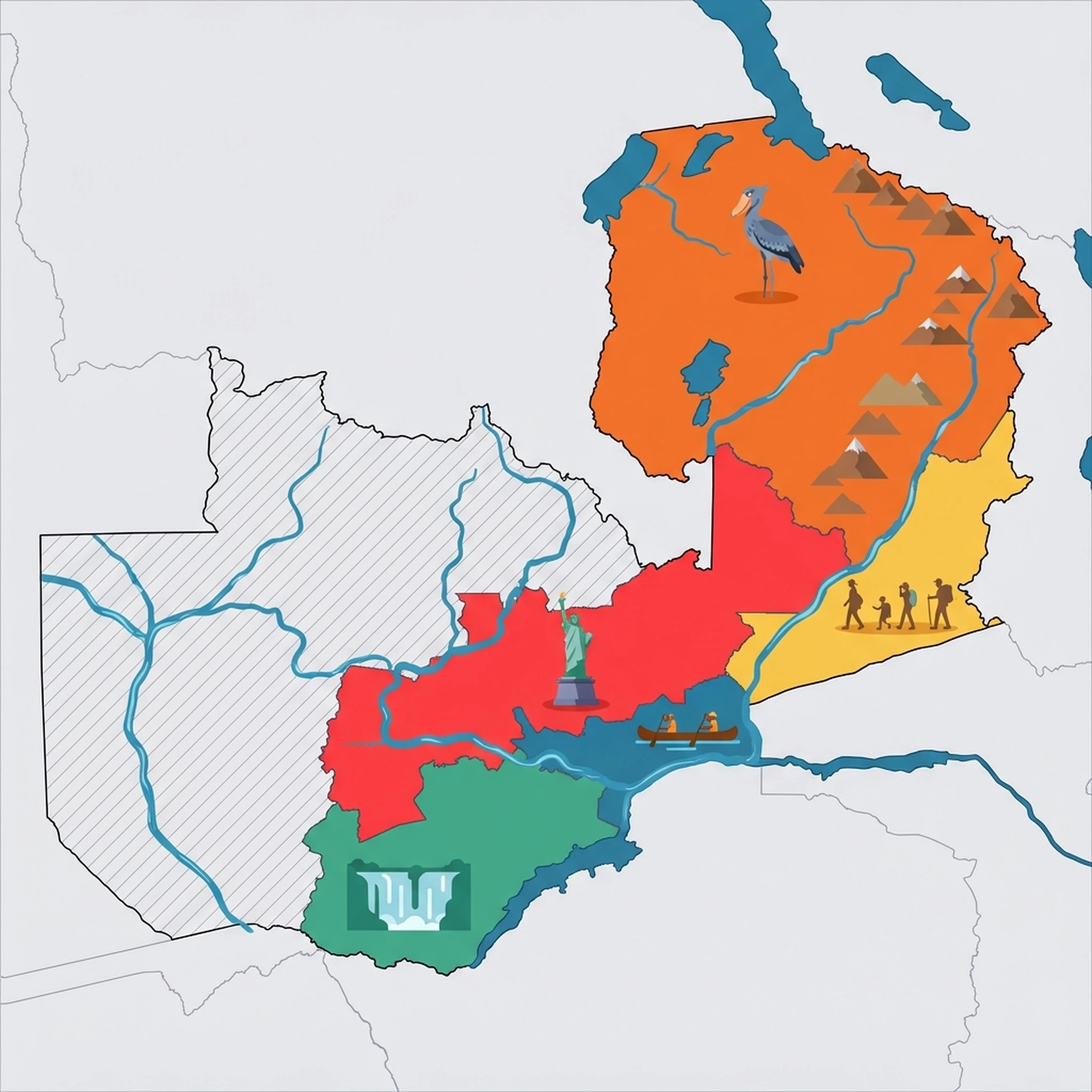
Click a region to explore

Activities & Best Times

Hiking, wildlife, outdoor exploration, ecotourism
Home to a UNESCO World Heritage natural wonder and unique white rhino tracking, offering unparalleled proximity to the Zambezi's raw power. Peak dry months (May-Aug) provide optimal wildlife viewing and clear views of the Falls; shoulder months see the dramatic high-water spray or rising heat; the wet season (Nov-Feb) limits trail access and visibility.

Sport tourism, fitness activities, active recreation
A global capital for adrenaline sports, featuring world-class Grade 5 white-water rafting, bungee jumping, and gorge swings. The peak low-water season (Aug-Oct) is the only time the most technical rafting runs are open; high river levels from Jan-Apr often force the closure of these elite-level aquatic activities.

Learning experiences, scientific sites, historical education
Rich in colonial history and geological significance, with the Livingstone Museum providing sophisticated insights into David Livingstone's explorations. Peak months offer comfortable walking temperatures for historical tours; high rainfall in summer (Dec-Feb) makes outdoor archaeological and heritage sites difficult to navigate.
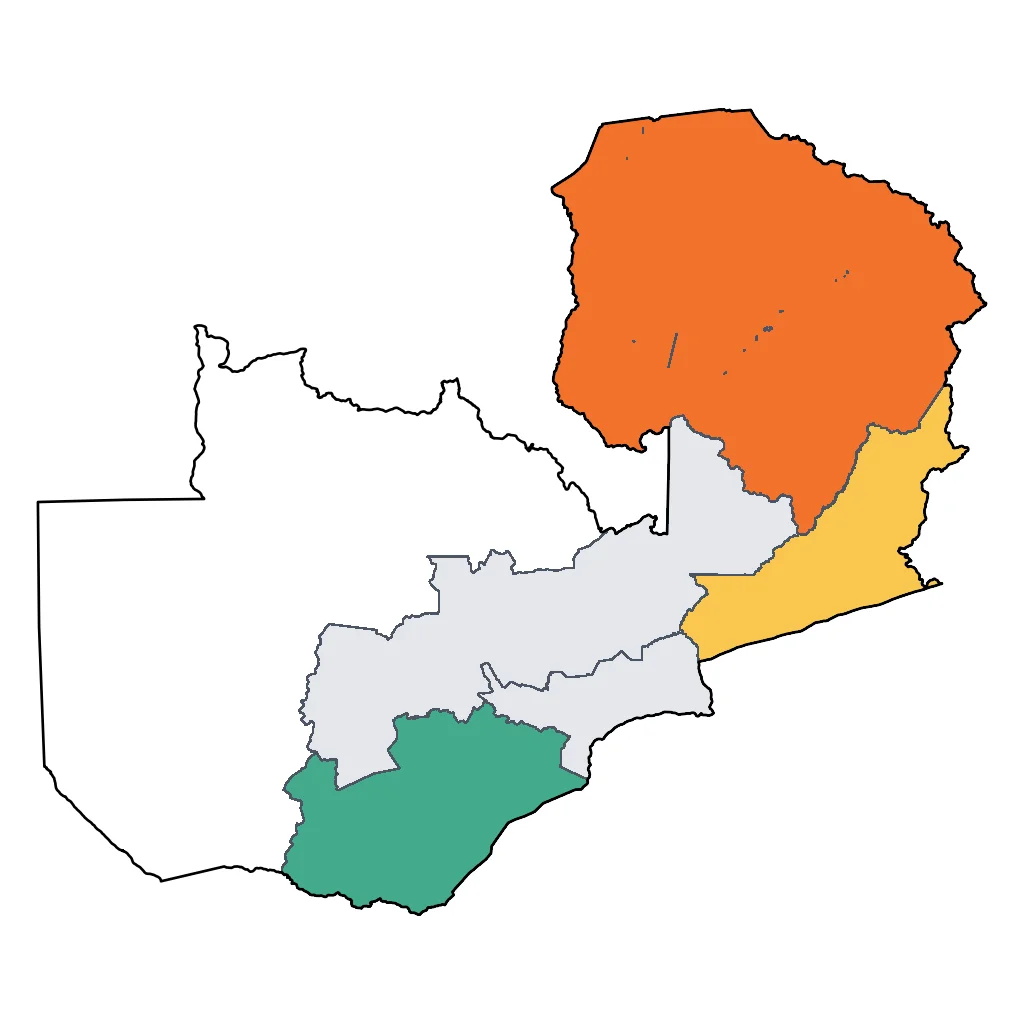

Spa retreats, wellness centers, peaceful getaways
Features ultra-luxury riverside lodges and high-end spas overlooking the Zambezi, providing a serene escape for discerning families. The dry winter (May-Aug) offers low humidity and bug-free relaxation; the wet season (Nov-Mar) brings oppressive humidity and high mosquito activity that detracts from the outdoor wellness experience.
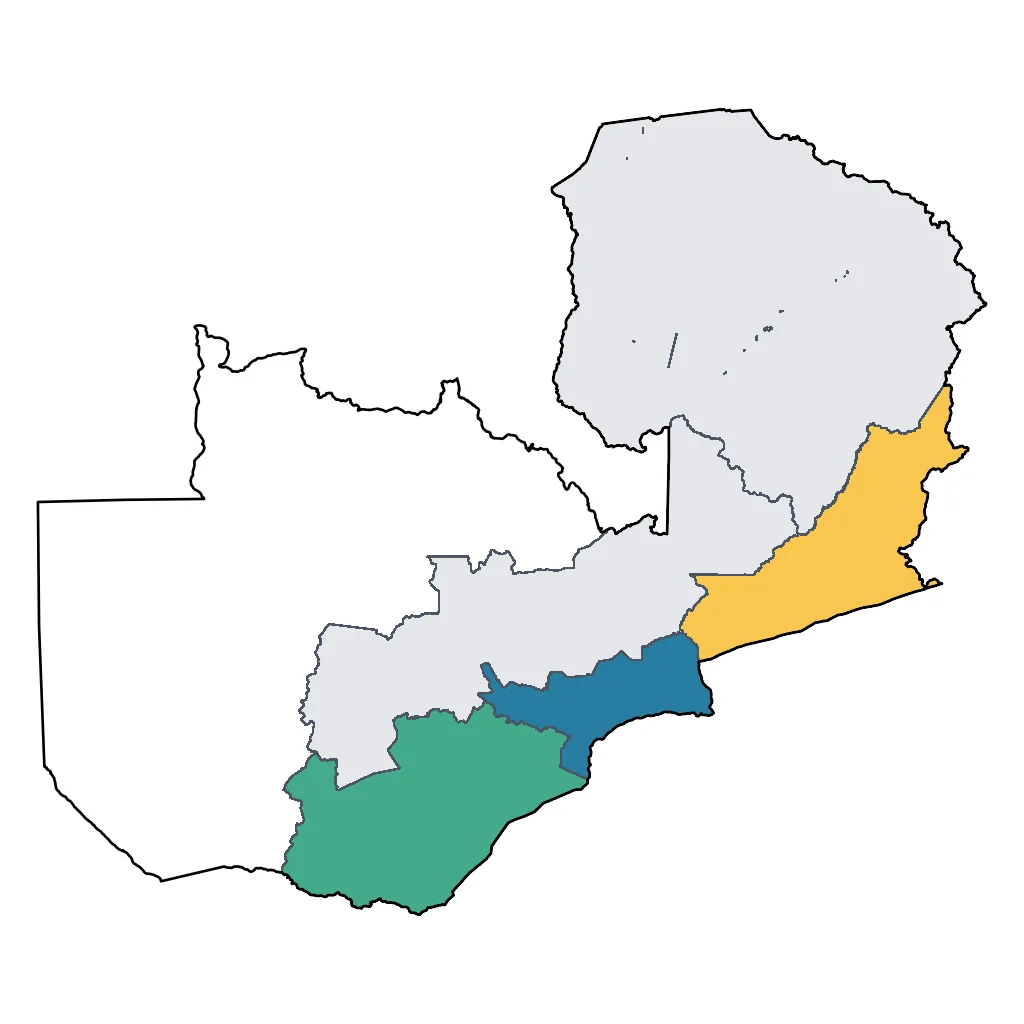

Urban tourism, museums, historical sites, architecture
Livingstone town offers a safe, authentic glimpse into Zambian history with colonial architecture and local markets, though it lacks the infrastructure of a global cultural metropole. Dry peak months are best for navigating the town on foot; shoulder months are viable for cultural immersion, but summer rains make urban exploration difficult.