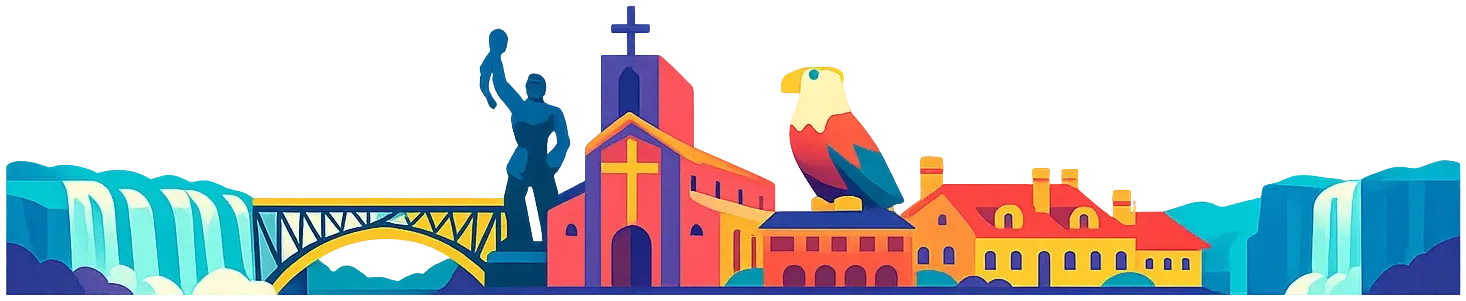

Zambia is often cited as the "Real Africa" by safari purists, but for families, it represents a vast, open-air playground where geography and biology lessons come to life. Unlike more commercialised destinations, Zambia offers a wilderness experience that feels exclusive and wild, yet remains accessible and safe for travelling families. The country is landlocked in Southern Africa, shaped by three great rivers: the Kafue, the Luangwa, and the mighty Zambezi.
Geography and Climate
Most of the country sits on a high plateau, which tempers the tropical heat. There are three distinct seasons, and choosing the right one is crucial for a successful family trip. The Cool Dry Season (May to August) is ideal for children; days are sunny and pleasant (around 25°C), though morning game drives can be chilly enough to require fleece jackets. The Hot Dry Season (September to October) is excellent for game viewing as animals congregate at waterholes, but temperatures can soar above 35°C, which may be uncomfortable for younger children. The Wet Season (November to April) turns the landscape lush green; while beautiful, some remote camps close due to muddy roads.
Family Travel Highlights
The undisputed hub for families is Livingstone, the gateway to Victoria Falls (Mosi-oa-Tunya). Here, the activities are endless. Families can walk across the Knife-Edge Bridge to feel the spray, visit the Livingstone Museum to see David Livingstone's memorabilia, or take the Royal Livingstone Express steam train for a dinner run through the bush. For a relaxed wildlife encounter, river boat cruises on the upper Zambezi allow safe viewing of elephants and crocodiles from a stable deck.
Wildlife and Safaris
Zambia is the birthplace of the walking safari. While these are typically restricted to children aged 12 and up due to safety, younger kids can enjoy game drives in open 4x4 vehicles. South Luangwa National Park is world-renowned for its high density of leopards and giraffes. Many lodges here offer specific "scouting" programmes where kids learn to identify animal tracks and droppings. The Lower Zambezi National Park offers a unique mix of land and water activities; families can fish for tigerfish (catch and release) or canoe through calm channels (age restrictions apply).
Culture and Practicalities
Zambians are known for their warmth, and the national motto, "One Zambia, One Nation," reflects the country's peaceful history. English is the official language, making communication easy. The local currency is the Kwacha. In terms of food, children might enjoy trying nshima, the staple maize porridge eaten with hands. Health Note: Zambia is a malarial zone, so consulting a travel doctor for child-appropriate prophylaxis is essential. Families should also be aware that travel distances can be long, often requiring small bush planes to move between parks.
Explore Regions
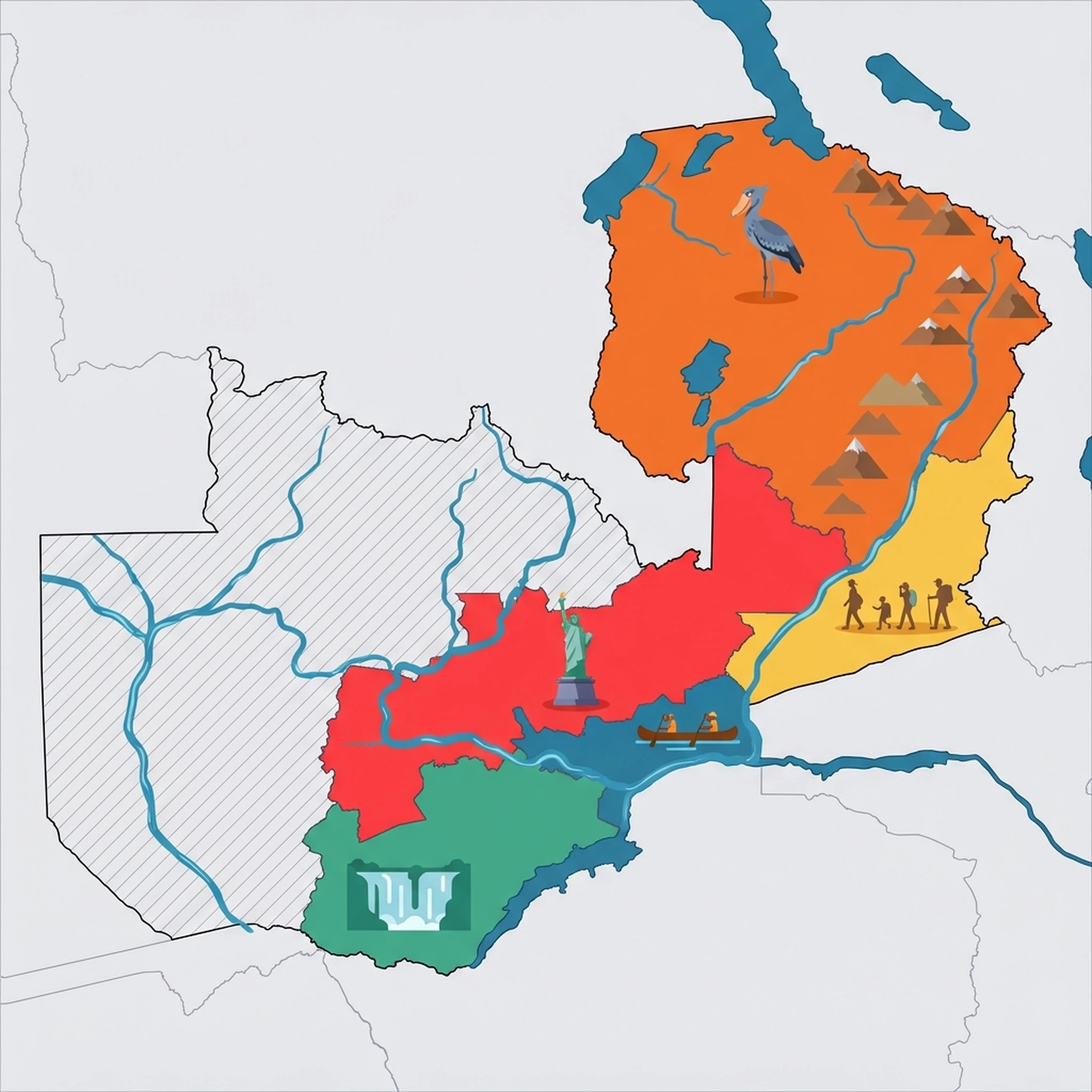
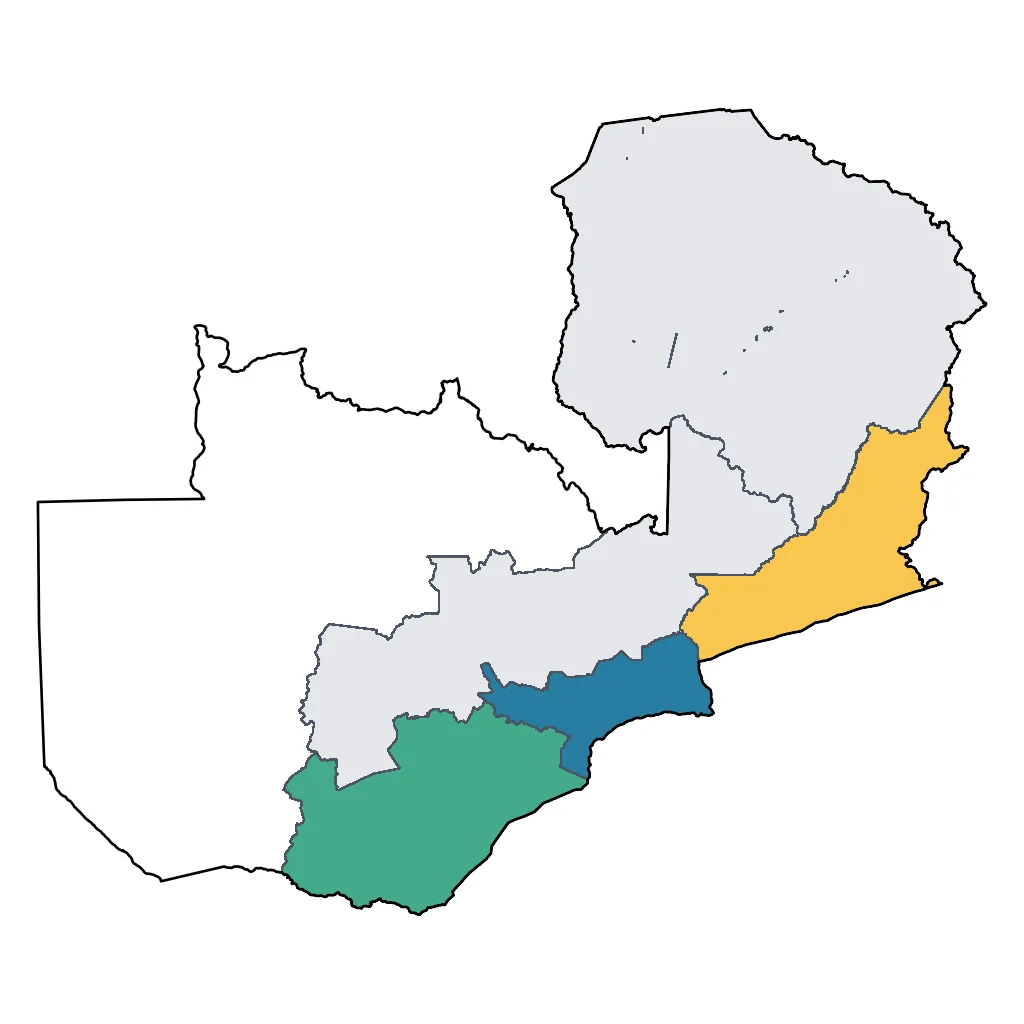
5 Regions
Livingstone & Victoria Falls
The adventure capital where the smoke thunders 🌊🐘
Lower Zambezi NP
River safaris and elephant encounters 🛶🐊
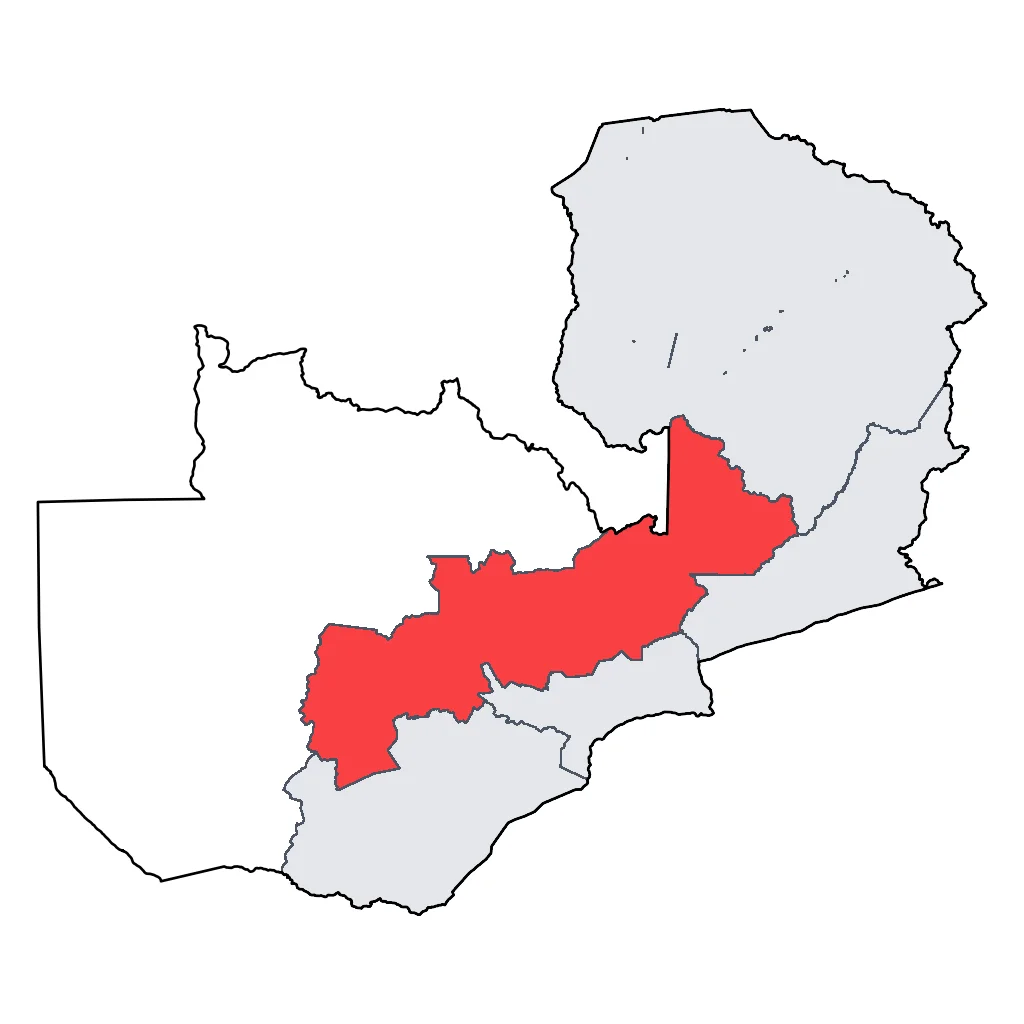
Lusaka & Central
City culture and conservation close up 🐘🏙️
Northern Zambia (Kasanka, Bangweulu)
Wild wetlands and the great bat migration 🦇🌿
South Luangwa NP
The valley of the leopard and walking safaris 🐆🌳
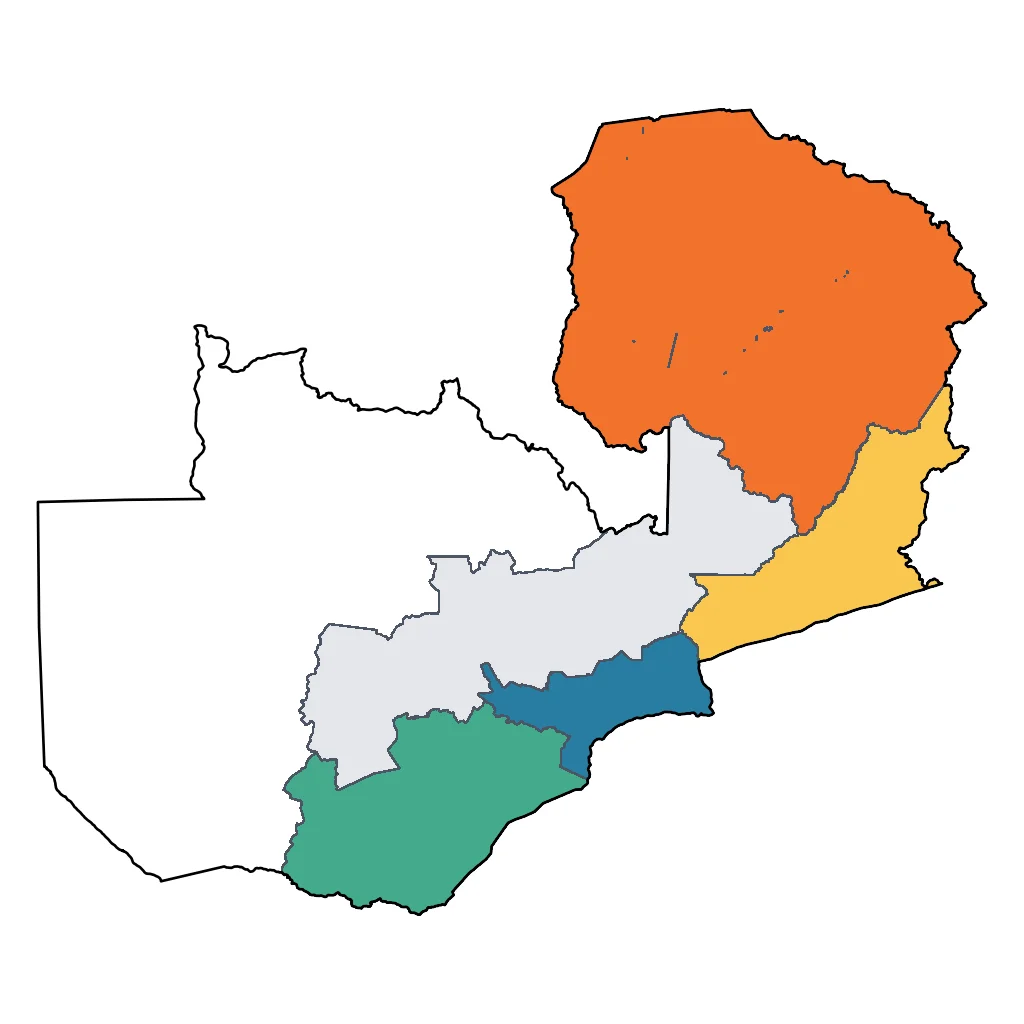
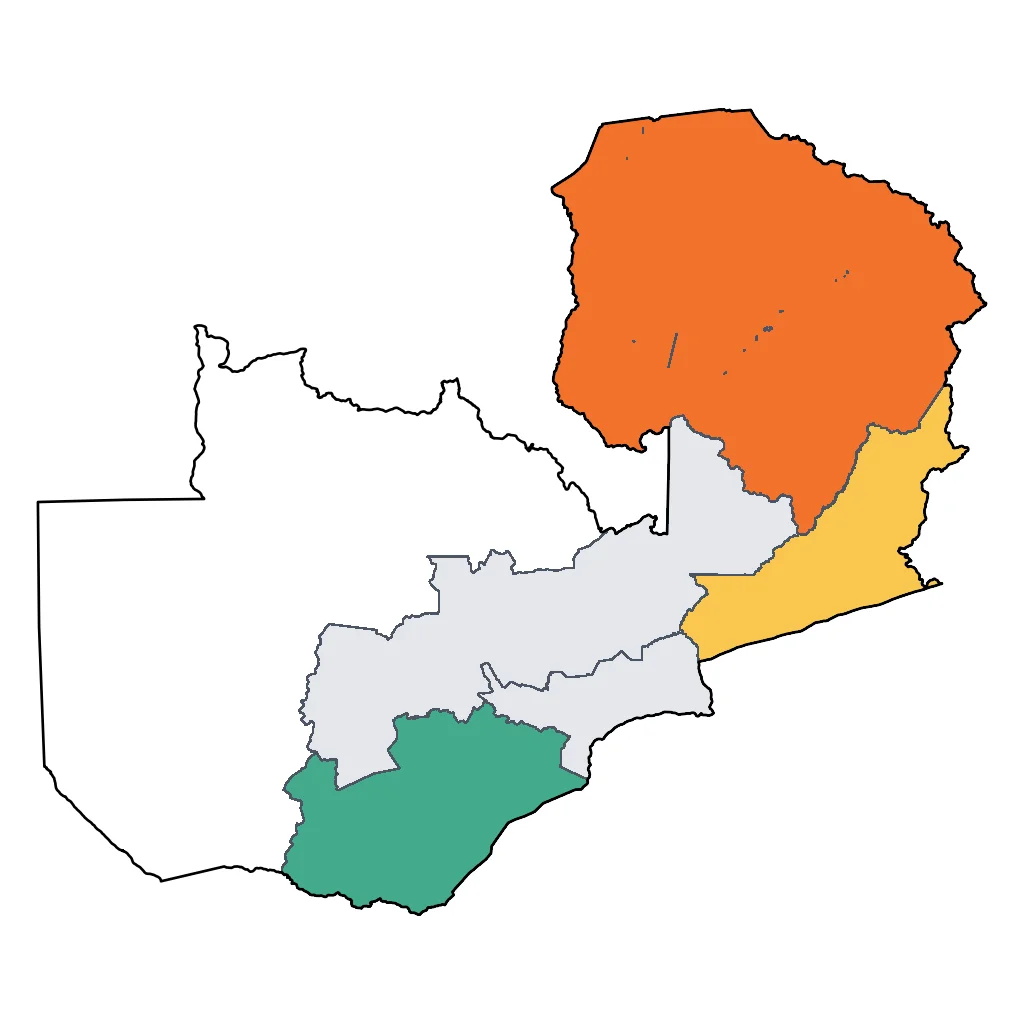
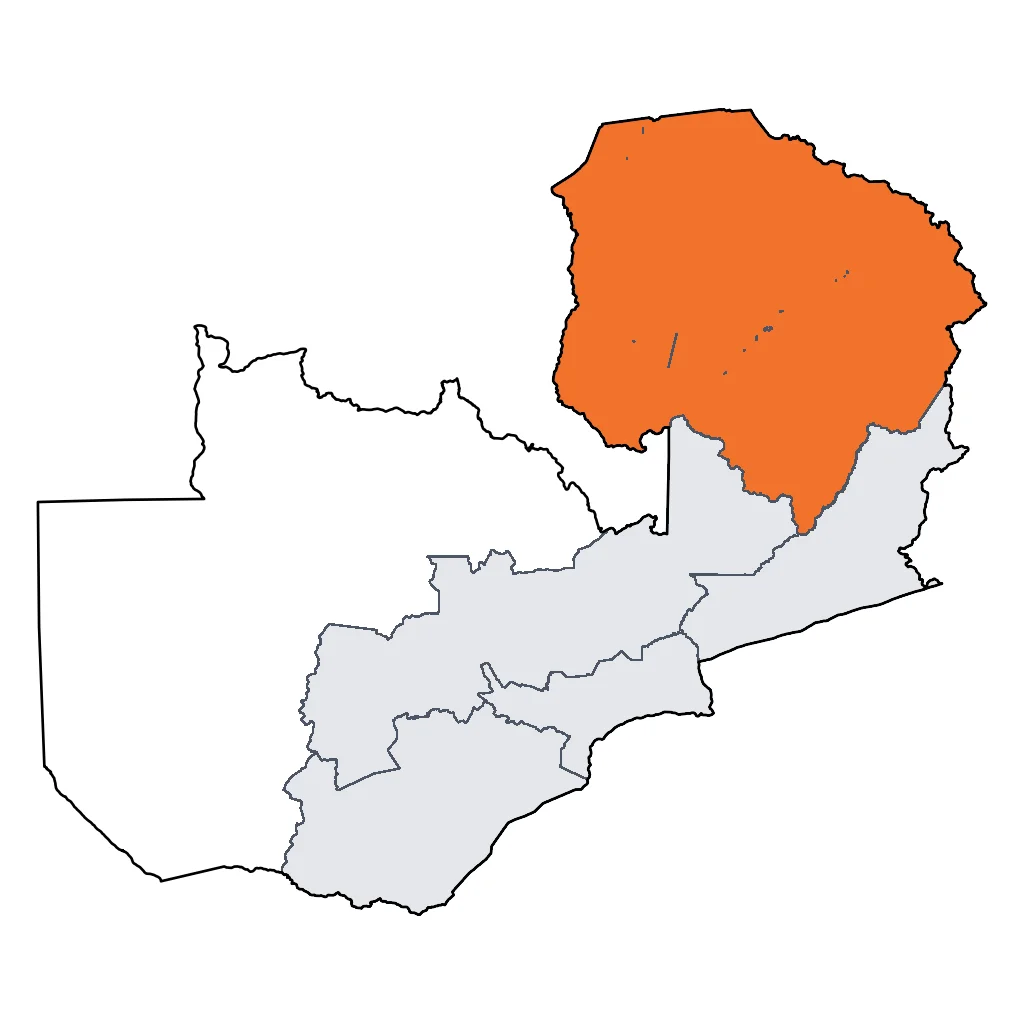
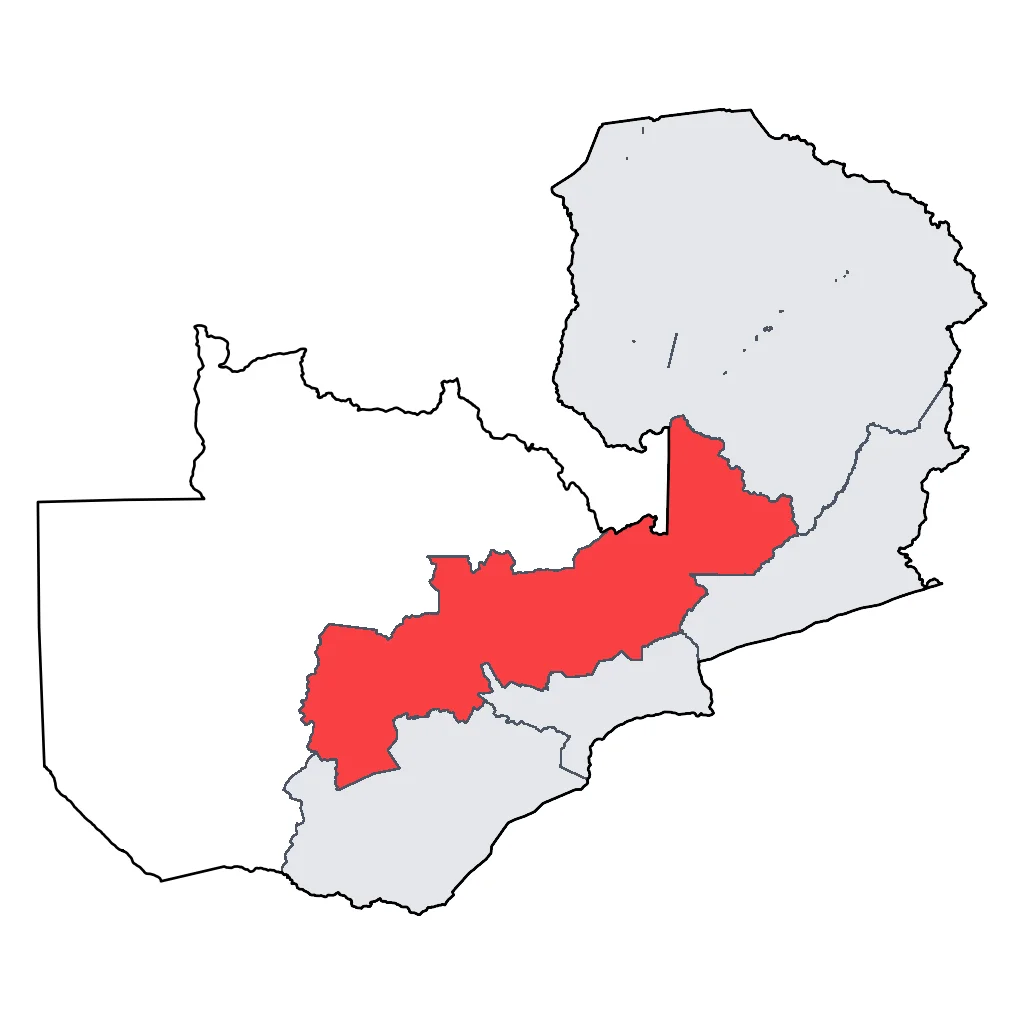
Click on a region marker to explore details. Use the dropdown to color regions by activity suitability.
Activities & Best Times
Adventure & Nature
ExcellentHiking, wildlife, outdoor exploration, ecotourism
Home to a UNESCO World Heritage natural wonder and unique white rhino tracking, offering unparalleled proximity to the Zambezi's raw power. Peak dry months (May-Aug) provide optimal wildlife viewing and clear views of the Falls; shoulder months see the dramatic high-water spray or rising heat; the wet season (Nov-Feb) limits trail access and visibility.
A world-class wilderness offering unique river-based safaris and silent canoe expeditions among massive elephant herds and hippos. The dry winter months (Jun-Sep) provide optimal wildlife visibility and comfortable temperatures, while heavy summer rains (Dec-Mar) lead to many camp closures and difficult terrain.
A global benchmark for wildlife density and the birthplace of the walking safari, offering an unmatched, raw bush experience. Peak months provide optimal visibility and comfortable temperatures (21-27°C) for tracking predators; the wet season (Dec-Mar) sees heavy rainfall and high grass that limits wildlife viewing and access.
Sports & Active
ExcellentSport tourism, fitness activities, active recreation
A global capital for adrenaline sports, featuring world-class Grade 5 white-water rafting, bungee jumping, and gorge swings. The peak low-water season (Aug-Oct) is the only time the most technical rafting runs are open; high river levels from Jan-Apr often force the closure of these elite-level aquatic activities.
Renowned internationally for world-class tiger fishing and expert-led paddling on the Zambezi River. Peak fishing occurs as water temperatures rise in the late dry season (Aug-Oct); however, the high water levels and torrential rain of the wet season (Jan-Mar) make these activities impractical.
Offers world-class walking safaris and seasonal canoeing for active travelers seeking a physical connection to nature. Activity is best during the cooler winter months; the shoulder seasons are acceptable but increasing heat or mud makes trekking significantly more strenuous for families.

Educational & Exploratory
Very GoodLearning experiences, scientific sites, historical education
Rich in colonial history and geological significance, with the Livingstone Museum providing sophisticated insights into David Livingstone's explorations. Peak months offer comfortable walking temperatures for historical tours; high rainfall in summer (Dec-Feb) makes outdoor archaeological and heritage sites difficult to navigate.
Provides sophisticated families with deep insights into African ecology, conservation, and traditional tracking skills led by world-class guides. The dry season is ideal for field-based learning and interactive bushcraft; heavy summer rains make many conservation sites and educational trails inaccessible.
Features significant natural history sites and the David Livingstone Memorial, providing profound insights into African exploration and ecology. Educational access is best during the dry season when remote research sites and historical landmarks are accessible by road.

Festivals & Seasonal
Very GoodEvents, celebrations, seasonal attractions

City & Cultural
GoodUrban tourism, museums, historical sites, architecture
Lusaka offers an authentic urban African experience with high-quality contemporary art galleries and the historically significant National Museum. The cool, dry winter (May-Aug) is ideal for exploring outdoor markets and city sites; the hot, rainy season (Nov-Mar) makes urban navigation and walking difficult.
Livingstone town offers a safe, authentic glimpse into Zambian history with colonial architecture and local markets, though it lacks the infrastructure of a global cultural metropole. Dry peak months are best for navigating the town on foot; shoulder months are viable for cultural immersion, but summer rains make urban exploration difficult.

Relaxation & Wellness
GoodSpa retreats, wellness centers, peaceful getaways
Features ultra-luxury riverside lodges and high-end spas overlooking the Zambezi, providing a serene escape for discerning families. The dry winter (May-Aug) offers low humidity and bug-free relaxation; the wet season (Nov-Mar) brings oppressive humidity and high mosquito activity that detracts from the outdoor wellness experience.
Ultra-exclusive luxury lodges offer a sophisticated 'digital detox' with serene, world-class river views and deep tranquility. The cool, dry months (Jun-Aug) offer the most pleasant climate for outdoor relaxation, whereas the extreme heat of October and high humidity of the rainy season diminish the comfort level.
Features exclusive, remote lodges perfect for a high-end 'digital detox' amidst a peaceful wilderness setting. Peak cool months (Jun-Aug) offer pleasant humidity levels and mild days, whereas the extreme heat of October (>34°C) and the intense humidity of the rainy season are less conducive to outdoor relaxation.
Road Trips & Scenic
GoodScenic drives, countryside tours, route-based travel
The central plateau features expansive landscapes and well-maintained arterial roads connecting the capital to Zambia's major natural wonders. Best travelled in the clear-skied dry season for safety and visibility; the rainy season (Dec-Mar) carries risks of flash flooding and poor road conditions in rural areas.
A true frontier expedition for experienced drivers seeking raw, scenic landscapes and waterfalls. Only viable in the peak dry season; the region's infrastructure is extremely vulnerable to rainfall, making many routes impassable for much of the year.
Airports & Flight Routes
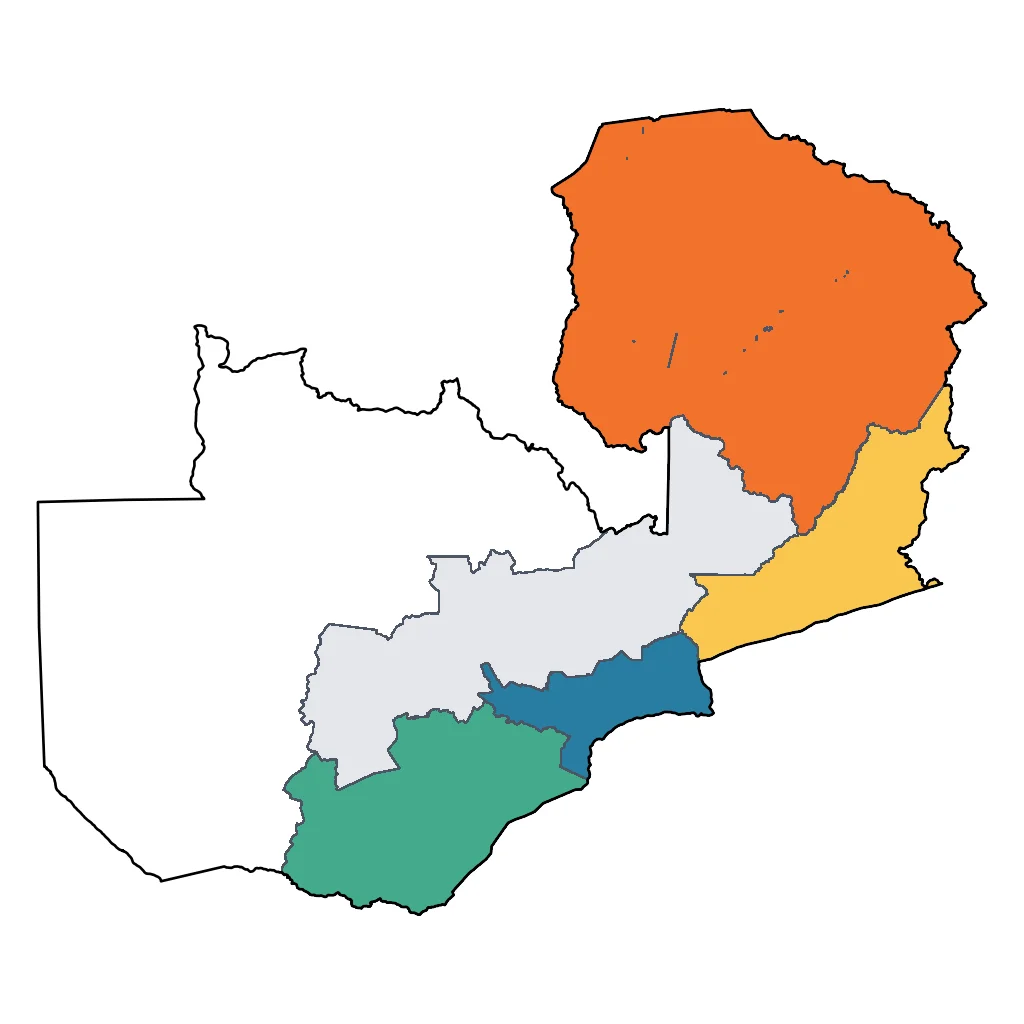
Toggle options to view domestic routes and international airports. Click an airport for details.
Climate & Weather
Livingstone & Victoria Falls
Show Details
| Month | Temp °C | Rain | Humidity |
|---|
Lower Zambezi NP
Show Details
| Month | Temp °C | Rain | Humidity |
|---|
Lusaka & Central
Show Details
| Month | Temp °C | Rain | Humidity |
|---|
Northern Zambia (Kasanka, Bangweulu)
Show Details
| Month | Temp °C | Rain | Humidity |
|---|
South Luangwa NP
Show Details
| Month | Temp °C | Rain | Humidity |
|---|
Travel Advisory
The majority of major travel agencies consider Zambia safe for standard travel, provided normal security awareness is maintained.
Safety Topics
Traveller Advice (3 groups)

Solo female travelers should be particularly cautious at night. Conservative dress is highly recommended when visiting rural areas or traditional communities to respect local customs.
High-risk activities near Victoria Falls and in game parks carry significant physical risk. Ensure your travel insurance explicitly covers medical evacuation by air and specialized rescue services.

Homosexual acts are illegal and can result in significant prison sentences. Travelers should exercise discretion and avoid public displays of affection as local societal attitudes remain conservative.