

South Luangwa National Park is widely considered one of the premier wildlife parks in the world. For families, it offers an immersive safari experience where the sheer density of animals keeps children engaged and excited. The park is centred around the winding Luangwa River and its oxbow lagoons, which serve as a magnet for thirsty wildlife. The valley floor is hot and low-lying; seeing temperatures rise above 35°C in October is common, while the dry winter months (May to August) offer cooler, crisp mornings perfect for game viewing.
This park is famous as the birthplace of the walking safari. While long walks are restricted to adults and older teens (usually 12+), many lodges offer shorter 'nature walks' for younger kids around the camp perimeter to look for bugs, tracks, and droppings. The game drives here are spectacular: South Luangwa is known as the 'Valley of the Leopard' due to the high success rate of spotting these elusive cats, often on night drives which are permitted here. Seeing a leopard on the hunt or a porcupine scurrying in the spotlight is a thrilling after-dinner adventure for kids. The park also hosts unique subspecies like Thornicroft’s giraffe and Cookson’s wildebeest, found nowhere else.
Accommodation is clustered around the Mfuwe Gate area, where you will find a range of family-friendly lodges and camps. Many feature swimming pools—essential for the midday heat—and family houses with private dining options. The Mfuwe area also has community projects like tribal textile workshops and conservation education centres that welcome visitors, providing a cultural context to the wildlife experience. The 'Green Season' (rainy season) from November to April is beautiful and dramatic, with boating safaris possible in some areas, though many remote camps close down.
Access is easy via flights to Mfuwe Airport from Lusaka. When visiting, families should be aware that camps are often unfenced; hippos grazing on the lawn are a common sight. Strict adherence to safety briefings is vital. Tsetse flies can be a nuisance in certain sectors of the park, so packing long-sleeved clothing and appropriate insect repellent is highly recommended to keep everyone comfortable.
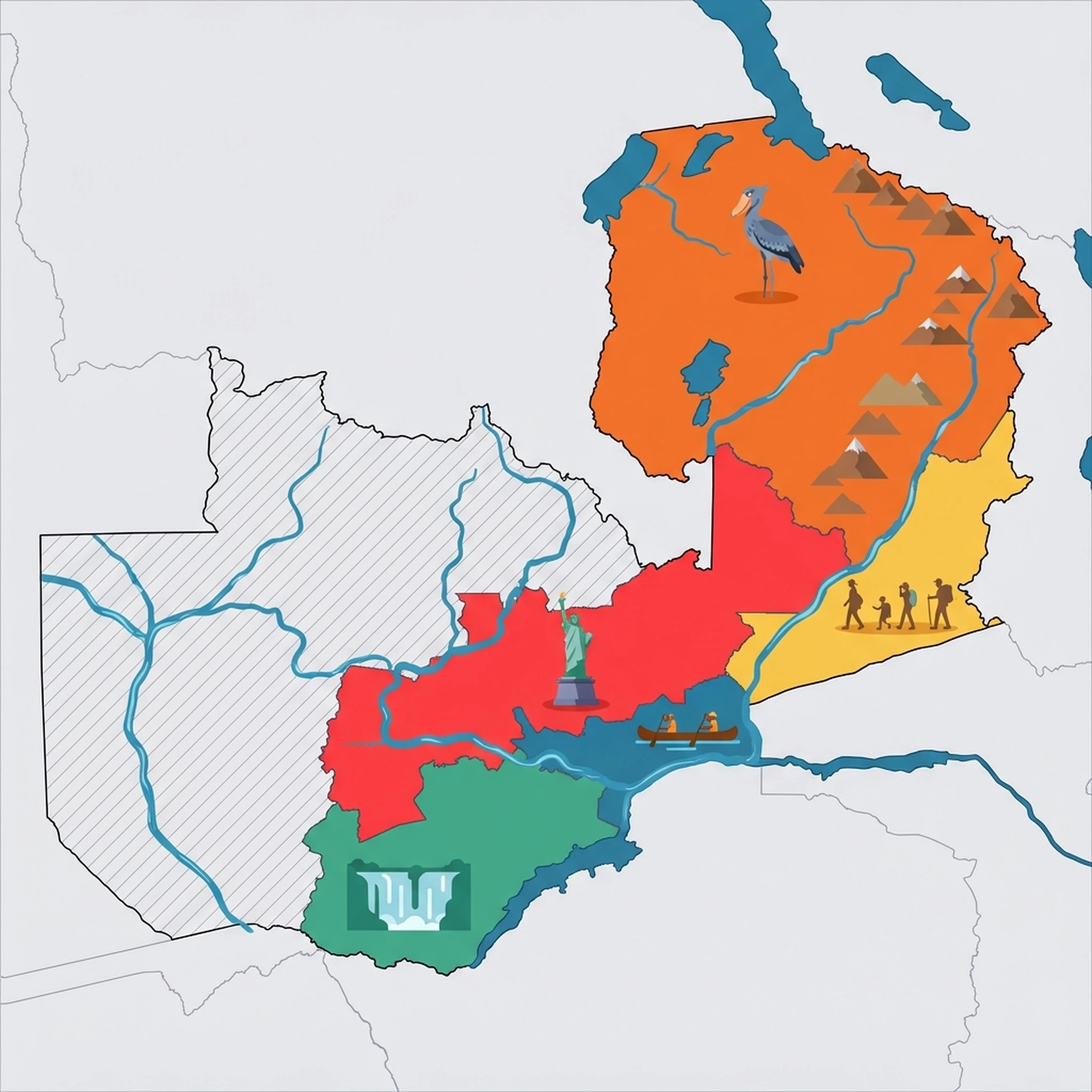
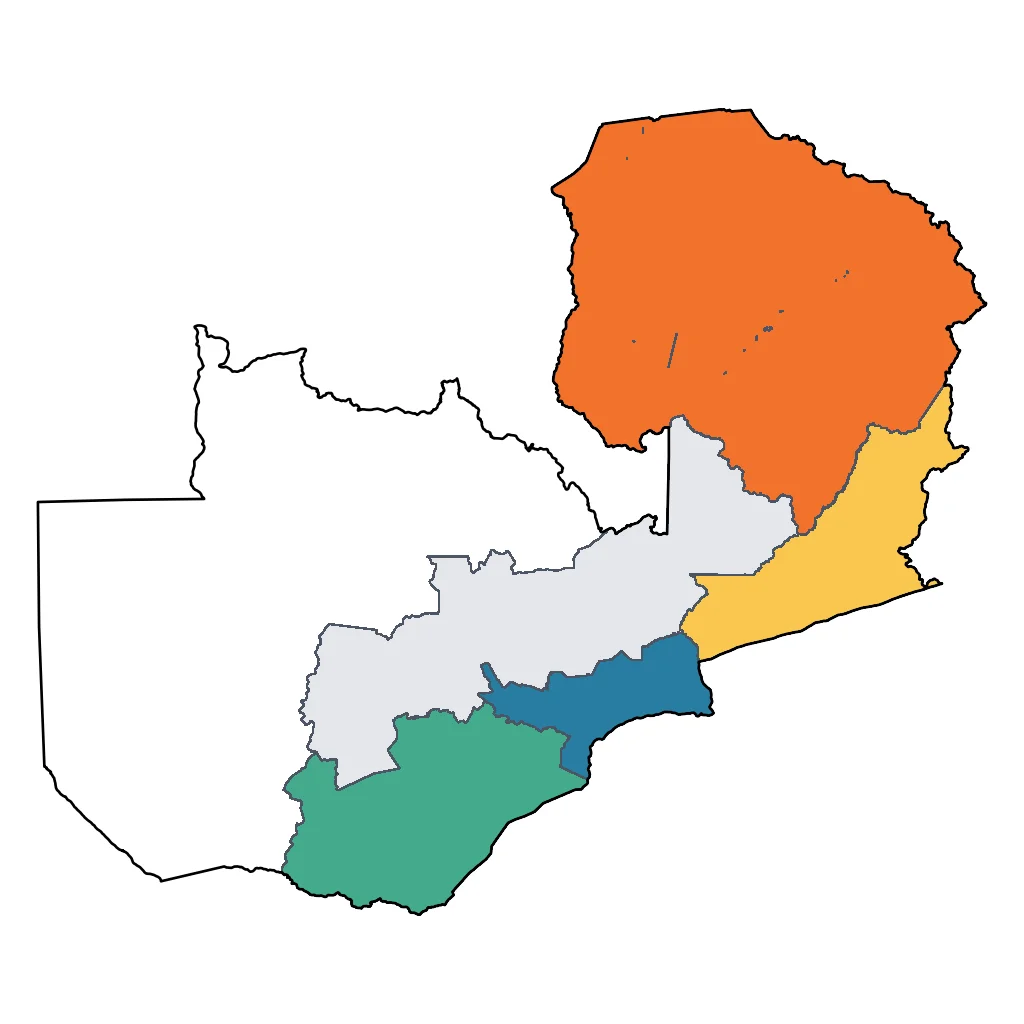
Click a region to explore

Activities & Best Times

Hiking, wildlife, outdoor exploration, ecotourism
A global benchmark for wildlife density and the birthplace of the walking safari, offering an unmatched, raw bush experience. Peak months provide optimal visibility and comfortable temperatures (21-27°C) for tracking predators; the wet season (Dec-Mar) sees heavy rainfall and high grass that limits wildlife viewing and access.
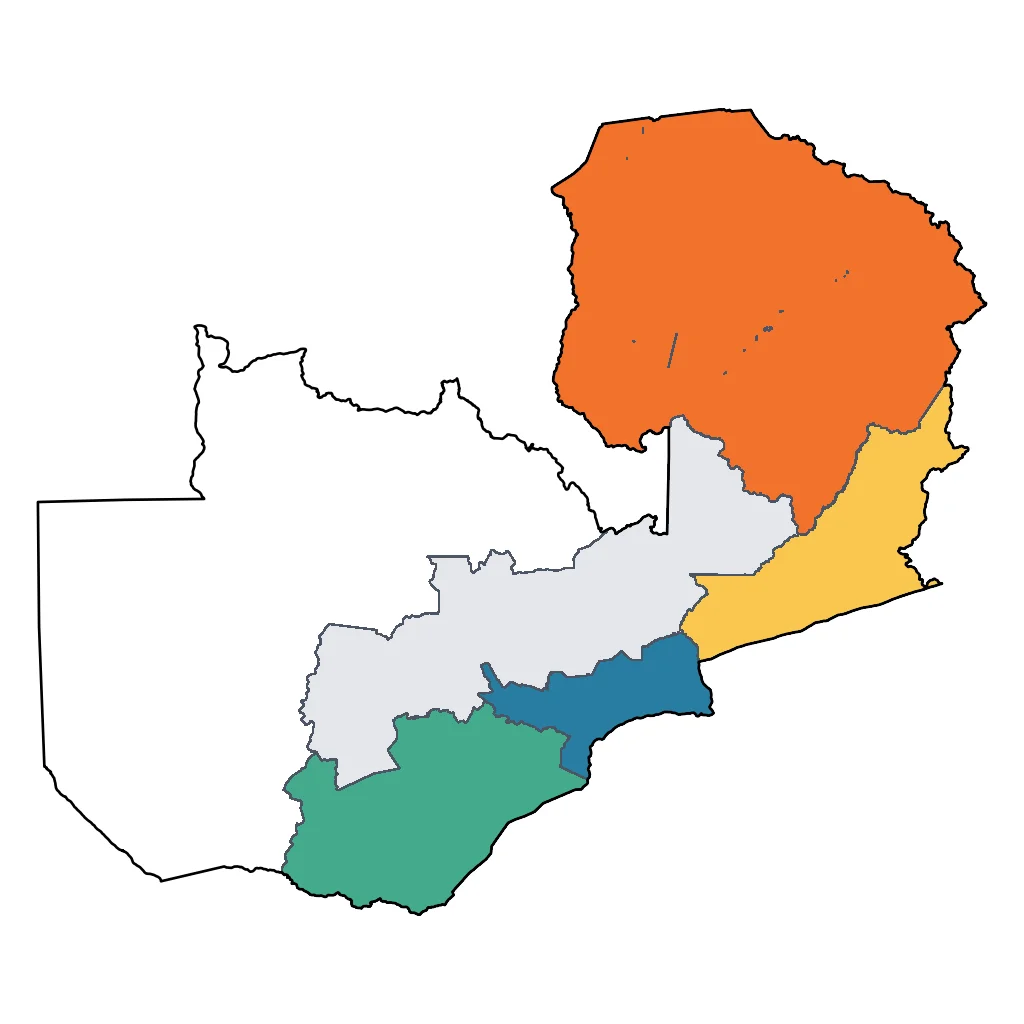

Learning experiences, scientific sites, historical education
Provides sophisticated families with deep insights into African ecology, conservation, and traditional tracking skills led by world-class guides. The dry season is ideal for field-based learning and interactive bushcraft; heavy summer rains make many conservation sites and educational trails inaccessible.
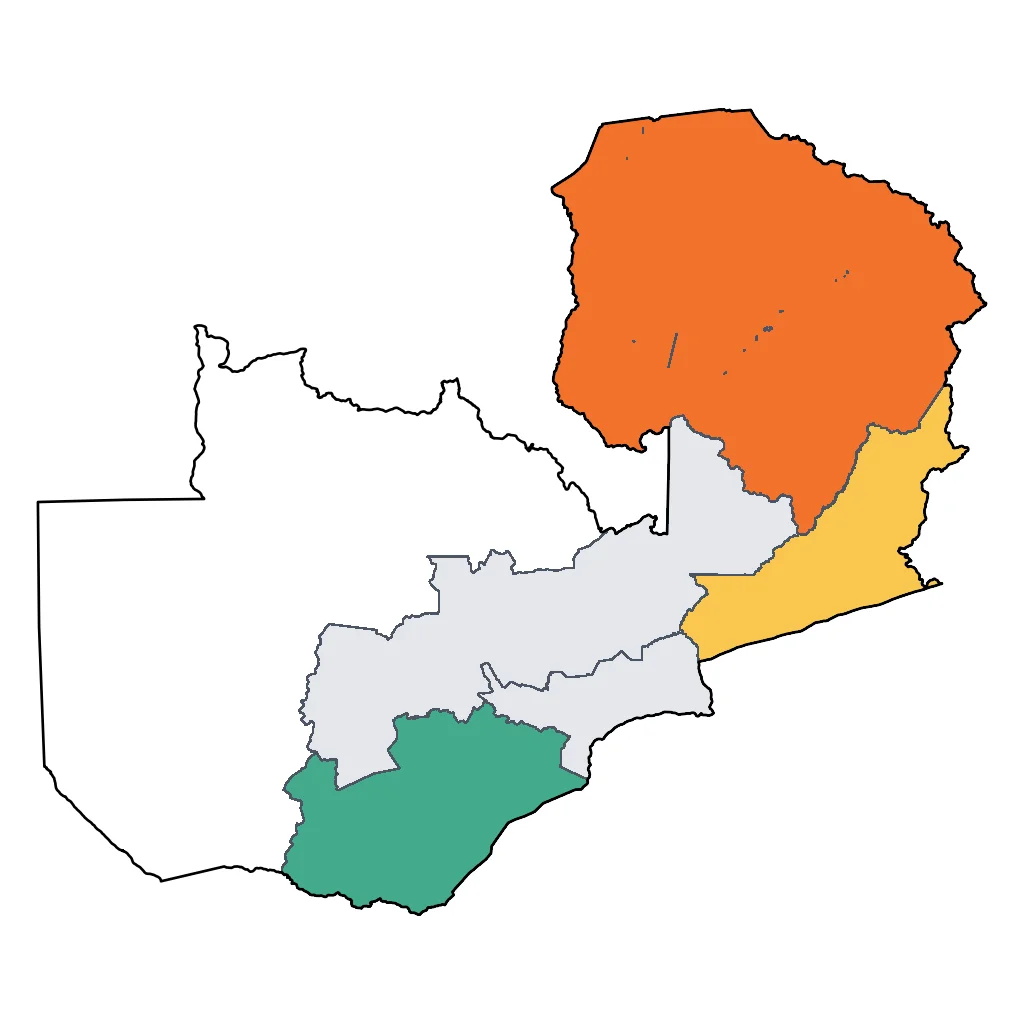

Spa retreats, wellness centers, peaceful getaways
Features exclusive, remote lodges perfect for a high-end 'digital detox' amidst a peaceful wilderness setting. Peak cool months (Jun-Aug) offer pleasant humidity levels and mild days, whereas the extreme heat of October (>34°C) and the intense humidity of the rainy season are less conducive to outdoor relaxation.
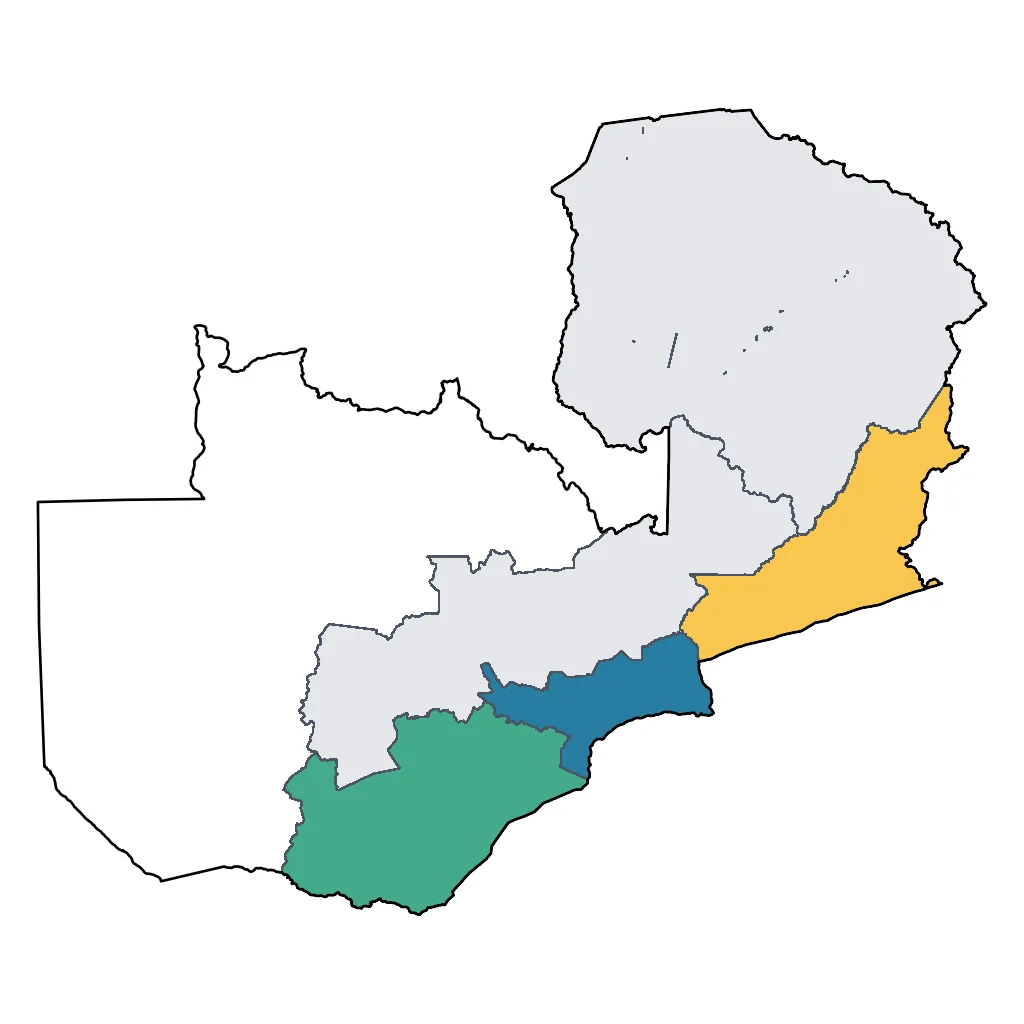

Sport tourism, fitness activities, active recreation
Offers world-class walking safaris and seasonal canoeing for active travelers seeking a physical connection to nature. Activity is best during the cooler winter months; the shoulder seasons are acceptable but increasing heat or mud makes trekking significantly more strenuous for families.

Attractions (12 total)
Natural Feature / Scenic Site
Luangwa River
Mfuwe
The lifeblood of the park, this wide meandering river features dramatic sandy banks and massive pods of hippos and crocodiles.
Visit website →Mfuwe Lagoon
Mfuwe
A picturesque oxbow lagoon near the main park gate, famous for its water lilies and as a prime viewing spot for elephants and birdlife.
Muchinga Escarpment
Mfuwe
A dramatic mountain wall that forms the western boundary of the Luangwa Valley, providing a breathtaking backdrop for the park's plains.
Nsefu Sector
Mfuwe
A remote and highly scenic northern area of the park known for its distinct oxbow lagoons and the historic birthplace of Zambian photographic safaris.
Zoo / Wildlife Park / Safari Park
South Luangwa National Park
Mfuwe
A world-renowned safari destination famous for its walking safaris and incredibly high density of leopards, lions, and hippos along the Luangwa River.
Visit website →Road Trips & Scenic Drives
The Great East Road (T4)
Lusaka
600km paved highway (8-10 hours). A major trans-African route that descends the Muchinga Escarpment, offering panoramic views of the Luangwa Valley before crossing the iconic Luangwa Bridge. This is the primary road trip route for international visitors traveling from the capital to the Eastern Province.
Visit website →The Riverside Drive (South Luangwa)
Circular
Approx 50km well-maintained dirt track (4WD required, 3-5 hours). This world-renowned scenic loop follows the banks of the Luangwa River, passing high-density wildlife areas including oxbow lagoons like Chindeni and Wafa. It is the park's primary route for self-drive game viewing.
Visit website →The Mfuwe Road (D123)
Chipata
130km paved road (2-3 hours). Known as the gateway to the valley, this scenic corridor connects the regional hub of Chipata to Mfuwe. It traverses the Lupande Game Management Area, providing views of traditional Zambian villages and frequent sightings of elephants and giraffes as you approach the park.
Visit website →Farm Park / Petting Zoo / Rural Experience
Tribal Textiles
Mfuwe
A renowned artisan workshop where families can tour the production area to see traditional starch-resist textile techniques and participate in craft workshops.
Visit website →Science Museum / Natural History Museum / Discovery Centre
Chipembele Wildlife Education Centre
Mfuwe
A dedicated conservation discovery centre featuring interactive exhibits, animal skeletal displays, and natural history education about the Luangwa Valley ecosystem.
Visit website →Landmark / Monument / Iconic Urban Attraction
Mfuwe Bridge
Mfuwe
The iconic main gateway into the national park, this bridge is a vital landmark where visitors stop to observe large pods of hippos and crocodiles in the Luangwa River.
Historic Town / Village / Cultural Area
Kawaza Village
Mfuwe
This award-winning community project provides an authentic experience of traditional Kunda life through village stays, local cuisine, and demonstrations of ancient herbal medicine.