
Fier, Apollonia & Divjakë
Ancient ruins and rare pelicans in the wild lagoons 🏛️🐦
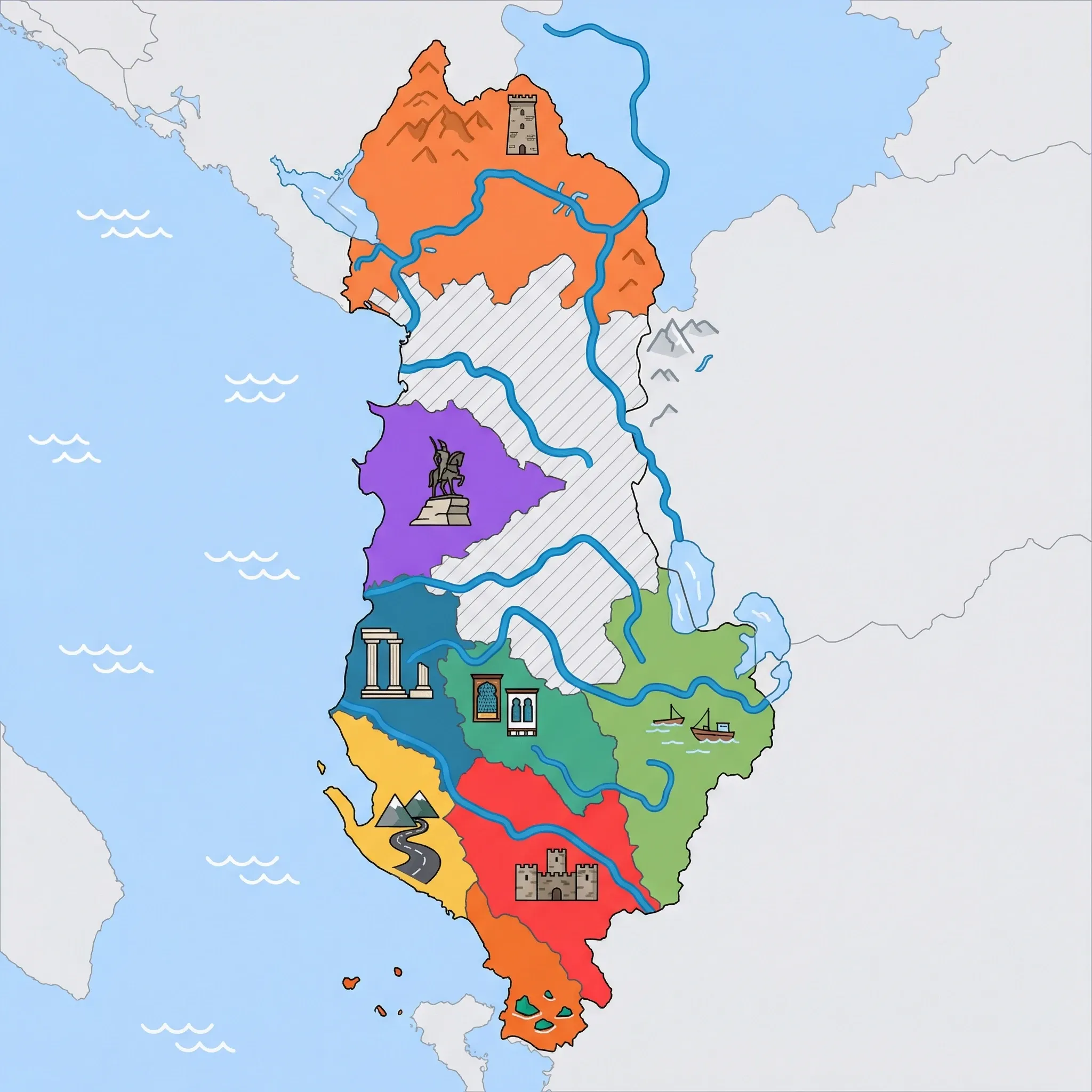
Click a region to explore
Often bypassed by tourists rushing south, the Fier and Divjakë region is Albania's agricultural heartland and a biodiversity hotspot. The landscape here is flat, composed of vast lagoons, pine forests, and rolling farmland. For families, this flatness is a blessing—it means easy walking and cycling without the exhausting hikes of the mountains. The coastline at Divjakë is wild and sandy, backed by dense forests rather than hotels. It feels untamed and spacious, perfect for families who want to escape the crowds.
The region offers a unique mix of high culture and raw nature. You can spend the morning teaching kids about Roman emperors at Apollonia and the afternoon boating through a lagoon watching pelicans fish. It is not a place of glitz or luxury resorts; it is a place of quiet discovery. The beaches here have darker, iodine-rich sand and shallow waters that stretch for miles, making them incredibly safe for toddlers. The local culture is deeply hospitable and centered around farming; the "farm-to-table" concept here isn't a trend, it's just how life works.
Key Attractions
The Divjakë-Karavasta National Park is the region's star. It hosts the largest lagoon in Albania and is one of the few breeding grounds for the Dalmatian Pelican. Families can take small boat tours to get close to these massive birds (they look like dinosaurs to kids!). The park also has a visitor center and boardwalks through the pine forest that are stroller-friendly.
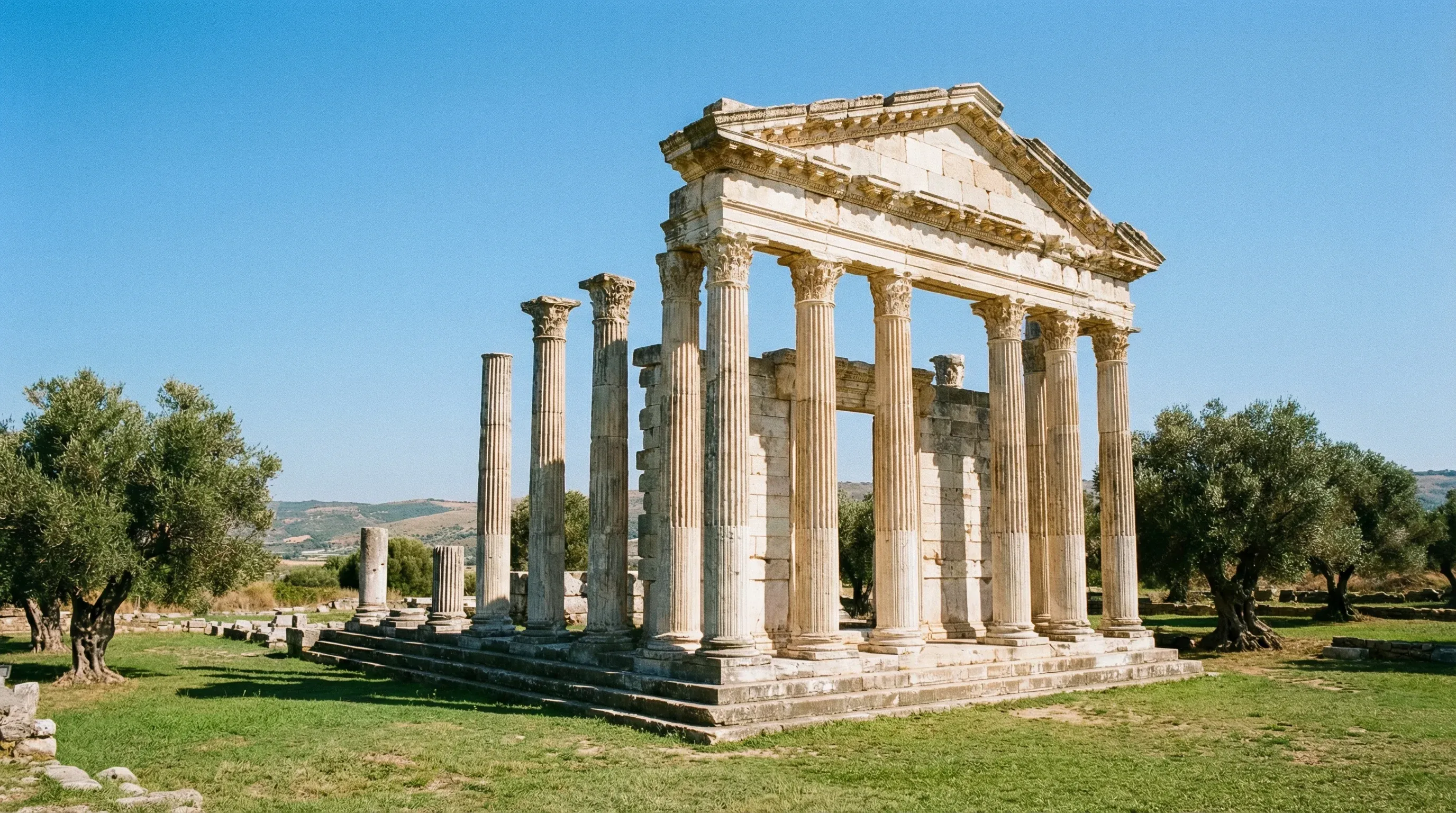
A short drive away is the Archaeological Museum of Apollonia. Founded by Greek colonists, this site is massive and atmospheric. Unlike crowded museums, this is an open-air park. Children can explore the ancient Odeon, hide behind pillars, and see the beautiful Monastery of Saint Mary. The on-site museum is small but manageable. It’s a low-stress way to introduce kids to archaeology, with plenty of space for picnics under the olive trees.
Practical Advice
The lagoon area is famous for mosquitoes—bring strong repellent. The best time for birdwatching is spring or autumn, though the pelicans are residents year-round. Fier is a functional city, not a tourist hub; it's better to stay near the coast in Divjakë or at a rural agrotourism farm.
Food & Drink
Typical meal times: Lunch 12:30 pm to 2:30 pm. Dinner 7:30 pm to 9:30 pm.
Typical meal costs: Extremely good value. Fresh seafood meals cost 1,000–1,500 ALL (approx. $10.50–16 USD / €10–15 EUR). A coffee is 60 ALL ($0.60).
Dietary requirements: This is the "garden of Albania." Vegetables are abundant and high quality. Fish is the main protein near the coast; meat inland. Very easy for dairy-free/gluten-free if you stick to grilled fish and salads.
Signature dishes:
- Eel Casserole (Tavë Ngjale) – The lagoon produces high-quality eel, usually cooked with herbs and rice or in a spicy red sauce.
- Rosnica me Pule – A countryside staple of chicken with dough crumbs, very kid-friendly and mild.
- Grilled Mullet – Caught fresh from the lagoon, served simply with lemon.
Why this score?
The terrain is largely flat and coastal, offering mild adventure in the form of birdwatching in the Karavasta Lagoon or walking through archaeological ruins. It is one of the more accessible and less physically demanding regions for families, lacking the steep gradients of the rest of the country.
Why this score?
Fier is a major industrial and administrative hub with substantial medical facilities that can handle most routine issues. Its proximity to the main north-south highway ensures relatively quick access to Tirana’s superior hospitals if an emergency exceeds local capabilities.
Why this score?
This region is primarily a transit zone for tourists heading south, with Apollonia and Divjakë-Karavasta serving as specific interest points rather than major stay-over destinations. It receives significantly fewer international bed-nights compared to the mountainous north or the southern coast.

This is one of the cheapest coastal regions. Accommodation in Divjakë cabins or family hotels is 3,000–5,000 ALL (approx. $32–53 USD / €30–50 EUR). Entry to Apollonia is minimal (around 400 ALL). You get a lot of space and food for your money here.
Family Travel Notice
Minors traveling with only one parent or alone must carry notarized parental consent. Note that children born to Albanian parents may be regarded as local citizens, regardless of their place of birth.

Getting Here & Around
Getting Here
- Driving – About 1.5 hours south of Tirana/Durrës. The terrain is flat and roads are generally good.
- Bus – Buses to Fier are frequent from all major cities. From Fier, you need a taxi or furgon to reach Apollonia or Divjakë.
Getting Around
- Car – Essential. Public transport between the lagoon, the ruins, and the city is sparse and unreliable for families.
- Bicycle – Divjakë is one of the best places in Albania for family cycling due to the flat, shaded forest paths.
No airports in this region. See the country flight map for nearby connections.

Packing List
The wetlands are prime mosquito territory, especially at sunset.
Essential for spotting the Dalmatian Pelicans and other migratory birds in the lagoon.
Apollonia and the Divjakë pine forests are perfect picnic spots with few benches.
Essential for the Albanian Riviera (Ksamil, Himarë) where many beautiful beaches are pebbly or rocky.
Cobblestone streets in historic towns like Gjirokastër and Berat make strollers nearly impossible to use.
Credit cards are rarely accepted outside luxury hotels and supermarkets; you will need cash for almost everything.
Roads like the Llogara Pass and routes to the Alps are incredibly winding and can affect sensitive travelers.
Occasional power cuts can occur, and street lighting in smaller coastal villages can be sparse.
Mosquitoes can be aggressive in coastal areas and near lagoons like Karavasta during summer evenings.

Activities & Best Times

Hiking, wildlife, outdoor exploration, ecotourism
The Divjakë-Karavasta lagoon system is a premier birdwatching destination, home to the rare Dalmatian Pelican. Spring and autumn offer the best conditions for wildlife observation and hiking, avoiding the intense heat of mid-summer.

Urban tourism, museums, historical sites, architecture
Apollonia Archaeological Park is an internationally significant Illyrian-Greek site featuring a world-class museum and monastery. Visiting is best in the mild months of spring and autumn to explore the extensive ruins comfortably.

Beach resorts, marine activities: diving, snorkelling, kite surfing, wind surfing, sailing
Expansive sandy beaches like Divjakë offer safe, shallow waters for families, though infrastructure is still developing compared to global hubs. Peak summer provides optimal swimming temperatures, while shoulder months are pleasant for coastal walks.

Scenic drives, countryside tours, route-based travel
The heritage route connecting Ardenica, Apollonia, and the Karavasta coast offers a scenic blend of history and landscape. Spring and autumn provide the best visibility and most comfortable conditions for rural driving.

Sport tourism, fitness activities, active recreation
The region features an adventure park and dedicated cycling trails through pine forests and lagoon paths. Late spring and early autumn provide the most comfortable temperatures for physical activity, avoiding the summer heat.

Learning experiences, scientific sites, historical education
The national park visitor center provides significant insights into Adriatic wetland conservation and local ecosystems. Access and guided sessions are most reliable during the peak birdwatching seasons in spring and autumn.

Amusement parks, family entertainment venues
The Blue Magic Water Park offers regional aquatic entertainment but lacks the scale or unique themes of major international parks. It is only fully operational and appropriate during the peak summer heat.




Public Holidays & Calendar Next 12 months
Public holidays, festivals, cultural celebrations, and seasonal natural phenomena coming up in Fier, Apollonia & Divjakë over the next 12 months.
Loading holidays and events...

Travel Advisory
While Albania is widely accessible for tourism, multiple international agencies advise increased vigilance due to crime and occasional civil unrest. Risk assessments are evenly split between normal and elevated caution, resulting in a moderate advisory level overall.
Safety Topics
Traveller Advice (3 groups)
Minors traveling with only one parent or alone must carry notarized parental consent. Note that children born to Albanian parents may be regarded as local citizens, regardless of their place of birth.

Ensure your passport is valid for at least six months and that you have comprehensive medical insurance that covers emergency evacuation, as local healthcare standards vary significantly outside major cities.

When visiting rural or less developed areas, be aware that solo female travelers may experience occasional verbal harassment or unwanted attention.
Agency Summaries
General safety levels are high, with no special restrictions for Irish citizens. Visitors are encouraged to monitor local news. Consular assistance is managed by the embassy in Greece.
No major travel restrictions are in place. Travelers are advised to obtain comprehensive insurance, as medical facilities are limited outside the capital. Specific documentation like an International Driving Permit and Green Card is necessary for motorists.
Heightened vigilance is recommended due to the potential for political demonstrations in Tirana and limited healthcare infrastructure. Consular support is provided through the embassy in Italy as there is no local Australian mission.
There are more safety and security concerns than typically found in New Zealand, primarily related to crime and the potential for civil unrest. Petty theft is a risk in crowded tourist areas.
Visitors should be more vigilant due to crime levels, particularly street crime in urban centers and organized crime activity countrywide. The embassy has highlighted specific dining establishments in Tirana to avoid due to security concerns and unfair business practices.
Albania is generally considered safe for visitors, though travelers should remain aware of aggressive local driving habits and potential hazards on rural roads. Specific regulations apply to children of Albanian descent and those traveling with only one parent.
Information is provided for general guidance only and does not constitute travel, safety, medical, or legal advice. Conditions may change. Users are responsible for independently verifying information before travel.