
Sant Julià de Lòria & Southern Valleys
Adrenaline rushes and sun-drenched valleys 🎢☀️
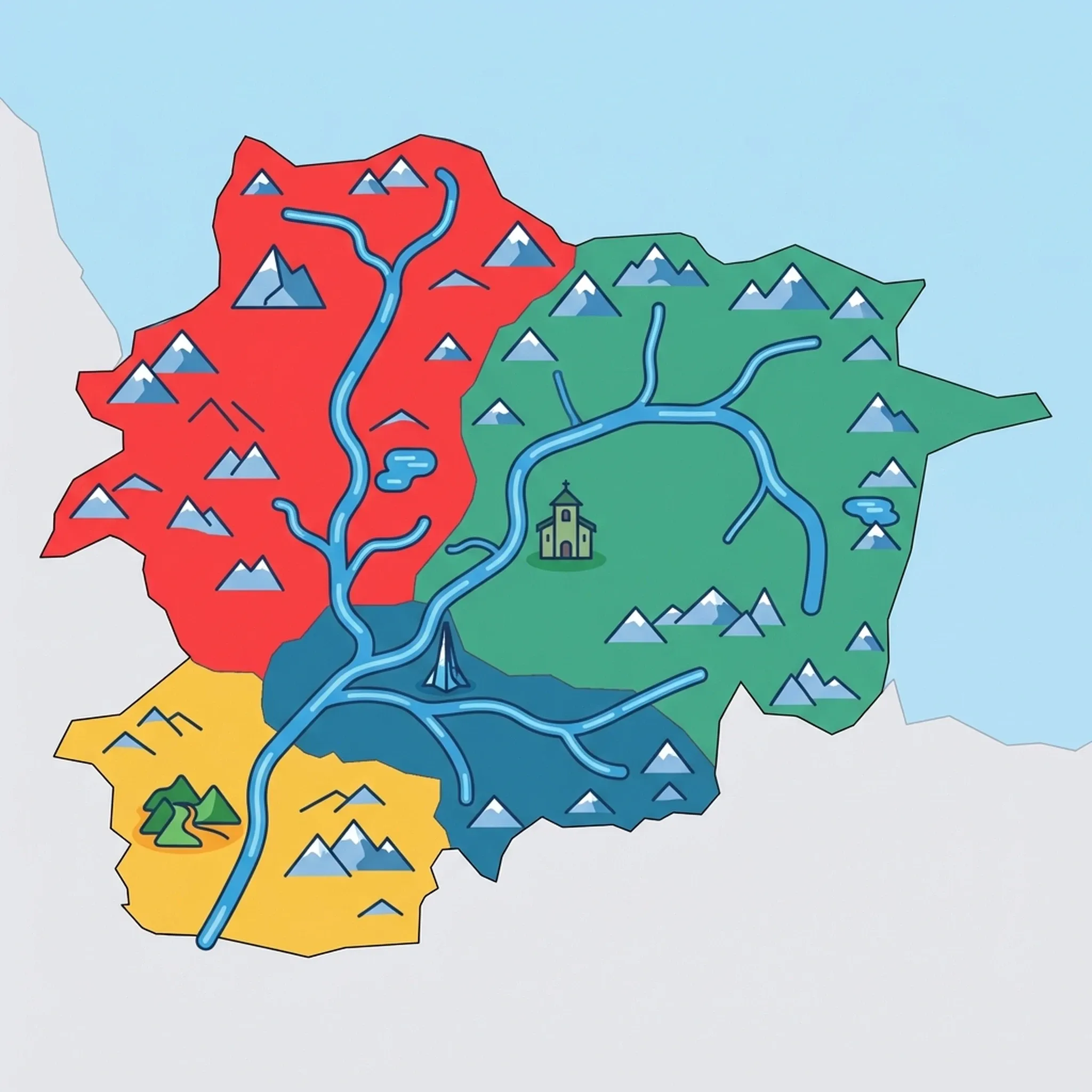
Click a region to explore
Overview
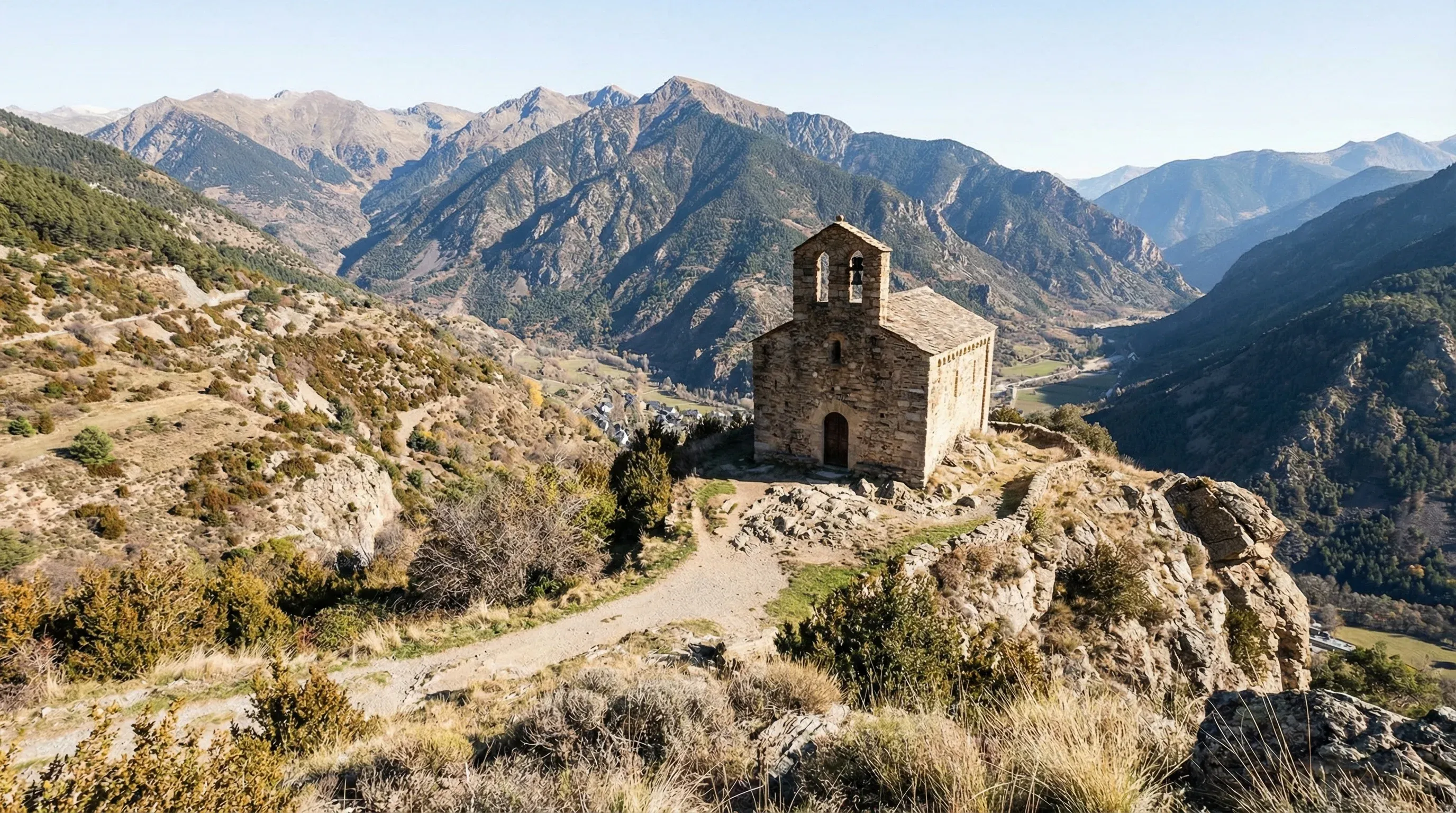
Sant Julià de Lòria is often the first glimpse travelers have of Andorra when arriving from Spain, but many drive straight through on their way to the capital. Those who stop, however, discover a region with a distinct character. Being the lowest parish in altitude (around 900 meters), it enjoys a milder, sunnier climate than the northern valleys. This makes it an excellent choice for families visiting in the shoulder seasons (spring/autumn) when the high ski resorts might be slushy or closed. The landscape here is characterized by dense forests of La Rabassa and steep, winding roads that are legendary among cyclists.
The vibe is less 'glitzy ski resort' and more 'authentic town'. It feels lived-in, with a university campus and a tobacco museum that nods to the region's agricultural (and smuggling) past. For active families, this is the adventure capital. It doesn't rely on snow for thrills; instead, it uses the natural terrain for outdoor parks, archery, and hiking. It is a place where you can spend the morning screaming down a toboggan track and the afternoon wandering through medieval Romanesque hamlets that cling to the terraced hillsides.
Key Attractions
The headline act for any family visiting this region is undoubtedly Naturland. This adventure park is split into two levels (1600m and 2000m). The star attraction is the Tobotronc, the world's longest alpine coaster. It runs for 5.3km through the forest, and children (height restrictions apply) absolutely love the ability to control their own speed while zooming through the trees. Unlike rollercoasters, you are immersed in nature. Naturland also features the 'Airtrekk', a massive wooden sky trail structure with ropes and zip lines, plus an animal park where kids can see wolves and bears native to the Pyrenees in large enclosures.
For families who enjoy road trips or have older teens interested in cycling history, the Coll de la Gallina Scenic Pass is a must. Frequent host to the Vuelta a España cycling race, this road offers hair-raising switchbacks and breathtaking views back down into Spain. It's a challenging drive but the panoramic views from the top are unmatched. While less famous than the big ski resorts, the cross-country ski trails in La Rabassa (part of Naturland) offer a peaceful winter alternative for families who want to try snowshoeing or Nordic skiing away from the crowded downhill slopes.
Practical Advice
Because Naturland is split into two sectors with significant distance between them, having a car is highly recommended. The road up to La Rabassa is winding—take it slow if kids get car sick. In summer, the lower altitude means it can get quite hot (25°C+), so bring hats and water. In winter, while it snows less here than in the north, the road to the adventure park can still be icy.
Food & Drink
Typical meal times: Standard Andorran times apply (Lunch 1:00 pm–3:30 pm). However, due to the proximity to the border, many places cater to Spanish schedules with even later dining options.
Typical meal costs: Generally slightly cheaper than the capital or ski resorts. A family lunch can be found for €45–70 (approx. $50–75 USD / £38–60 GBP). The 'menu del día' is very common and economical.
Dietary requirements: Good options in the main town. At Naturland, the restaurant options are more limited to basic cafeteria style (burgers, pasta), so families with strict allergies might prefer to pack a picnic.
Signature dishes:
- Cargols a la llauna – Snails roasted in a tin tray with olive oil, salt, and pepper. A very Catalan starter that adventurous kids might find fun to eat with toothpicks.
- Embotits – This region is famous for cured meats. Look for 'donja' or 'longaniza' sausages, often served on wooden boards with tomato bread.
- Coca de Massegada – A sweet pastry cake, often flavored with anise, typical of this parish's festivals.
Why this score?
The area is home to the Tobotronc and the La Rabassa forest, providing moderate outdoor thrills in a controlled, family-friendly environment. The terrain is less extreme than the high northern peaks, focusing more on recreational parks and accessible forest trails.
Why this score?
Its location near the Spanish border and immediate proximity to the capital's main hospital ensures excellent medical access. Local primary care centers are modern and well-equipped to handle the needs of visitors to the local adventure parks.
Why this score?
As the gateway from Spain, this region sees heavy transit and day-trip traffic, particularly for the Naturland adventure park. While popular with families and border-crossers, it lacks the massive international hotel infrastructure found in the more northern ski valleys.

Relative to the rest of Andorra, this is the most budget-friendly region. Accommodation is less expensive as it's not 'ski-in/ski-out'. A family apartment might cost €80–130 (approx. $85–140 USD / £65–110 GBP) per night. Supermarkets here are often the first stop for locals stocking up, meaning prices are normal, not tourist-inflated.

Getting Here & Around
Getting Here
- Driving – The easiest region to reach from Spain, just 10km from the border. It is the first town you hit on the CG-1.
- Bus – The L1 bus connects Sant Julià to Andorra la Vella frequently (every 20 mins). The 'Quart Bus' runs a loop within the parish, connecting the smaller hamlets.
- Shuttle – Naturland operates a seasonal shuttle bus from the town center to the adventure park levels, but schedules should be checked in advance as they vary by season.
Getting Around
- Car – Essential for reaching Naturland (Sector 2000) and exploring the scenic mountain roads like Coll de la Gallina.
- Walking – The town center of Sant Julià is small and flat, but all attractions are up in the surrounding hills.
- Cycling – This region is a cycling hub; exercise caution on narrow mountain roads as you will share them with many pro cyclists training.
No airports in this region. See the country flight map for nearby connections.
Official Links

Packing List
The road up to Naturland (La Rabassa) is extremely winding with many hairpins.
Mandatory for many activities at Naturland like the Airtrekk and buggies; flip-flops are not allowed.
The forests of La Rabassa have excellent designated picnic zones that are budget-friendly.
If you plan to rent MTBs or e-bikes, the terrain is rough and extra padding helps comfort.
Essential for Caldea and hotel spas, even in the depth of winter.
The roads into and around Andorra are extremely winding and can affect children.
The high altitude sun and wind burn lips quickly, even on cloudy days.
Legally required if driving in winter; police fines are instant if you get stuck without them.
The mountain air is very dry and can cause itchy skin and nosebleeds for kids.
Great for spotting vultures, marmots, and chamois in the nature parks.

Activities & Best Times

Hiking, wildlife, outdoor exploration, ecotourism
The La Rabassa forest and Naturland provide high-quality immersion in Pyrenean ecosystems, featuring an animal park and the Tobotronc mountain slide. Summer months offer ideal conditions for exploring nature trails, while winter snow restricts deep forest access for typical hiking.

Urban tourism, museums, historical sites, architecture
Features authentic Romanesque heritage at Sant Cerni de Nagol and the world-class Tobacco Museum, which reflects the region's unique economic history. Best visited during warmer months for comfortable walking tours through the town's historic quarters and contemporary gardens.

Learning experiences, scientific sites, historical education
The notes describe Naturland Animal Park as providing a 'significant discovery experience' which contradicts the marginal rating. If the attraction is significant, the rating should be good.

Scenic drives, countryside tours, route-based travel
Home to the iconic Coll de la Gallina mountain pass and the southern gateway for the Grand Tour of Andorra. Peak visitation occurs when high-altitude roads are reliably clear of ice and offer maximum visibility for scenic viewing.

Sport tourism, fitness activities, active recreation
An internationally recognized destination for road cycling and MTB, with infrastructure supporting professional-level training on famous climbs. The activity season is strictly limited by mountain weather, peaking in the dry summer months.
Winter sports, ski resorts, snow activities
Focused primarily on Nordic skiing and family-oriented snow activities at the La Rabassa center rather than alpine skiing. Reliable snow coverage is generally restricted to the core winter months due to the region's lower overall altitude.




Public Holidays & Calendar Next 12 months
Public holidays, festivals, cultural celebrations, and seasonal natural phenomena coming up in Sant Julià de Lòria & Southern Valleys over the next 12 months.
Loading holidays and events...

Travel Advisory
All major global agencies agree that Andorra is a low-risk destination. Standard safety awareness is sufficient for visitors.
Safety Topics
Traveller Advice (4 groups)
Ensure your insurance policy explicitly covers mountain-specific risks like skiing accidents or high-altitude hiking, as standard policies might exclude these activities.

While Andorra is generally accepting, travellers are encouraged to review local social norms and legal protections for sexual and gender minorities.
Research the accessibility of mountain resorts and older urban areas in advance, as the rugged terrain and older infrastructure may present challenges.

Consult general safety guidelines for female travellers, though Andorra is considered very safe with low levels of harassment reported.
Agency Summaries
Most trips to the principality are without incident. Because all travel into Andorra involves passing through France or Spain, British citizens must comply with Schengen border and passport rules. Standard precautions against petty crime are recommended.
Irish citizens do not require a visa for short stays, though the Irish Passport Card is not accepted for entry. It is essential to have comprehensive travel insurance because the European Health Insurance Card (EHIC) is not valid in Andorra.
Andorra is a safe destination where standard travel safety measures are sufficient. There are no airports in the country, meaning entry is only possible via land borders with France or Spain. Travellers should review the entry requirements for these transit countries before departure.
Australian authorities do not maintain a separate, detailed advisory for Andorra due to its low risk and small size, but the general recommendation is to follow standard safety practices. Consular assistance is provided through the Australian Embassy in Spain.
There is no specific travel warning in place for Andorra. New Zealanders are advised to have full medical and travel insurance, particularly for air evacuation, as local medical costs can vary and reciprocal health agreements with Europe often do not apply.
Travellers should maintain standard safety awareness as they would in Canada. While the crime rate is minimal, incidents of pickpocketing or bag snatching can occur in busy areas. Since Andorra is landlocked, visitors must transit through France or Spain and should ensure they have the correct travel documents for the Schengen Area.
Information is provided for general guidance only and does not constitute travel, safety, medical, or legal advice. Conditions may change. Users are responsible for independently verifying information before travel.