
Vienna & Wienerwald
Imperial grandeur meets the world's most livable family city 🎻
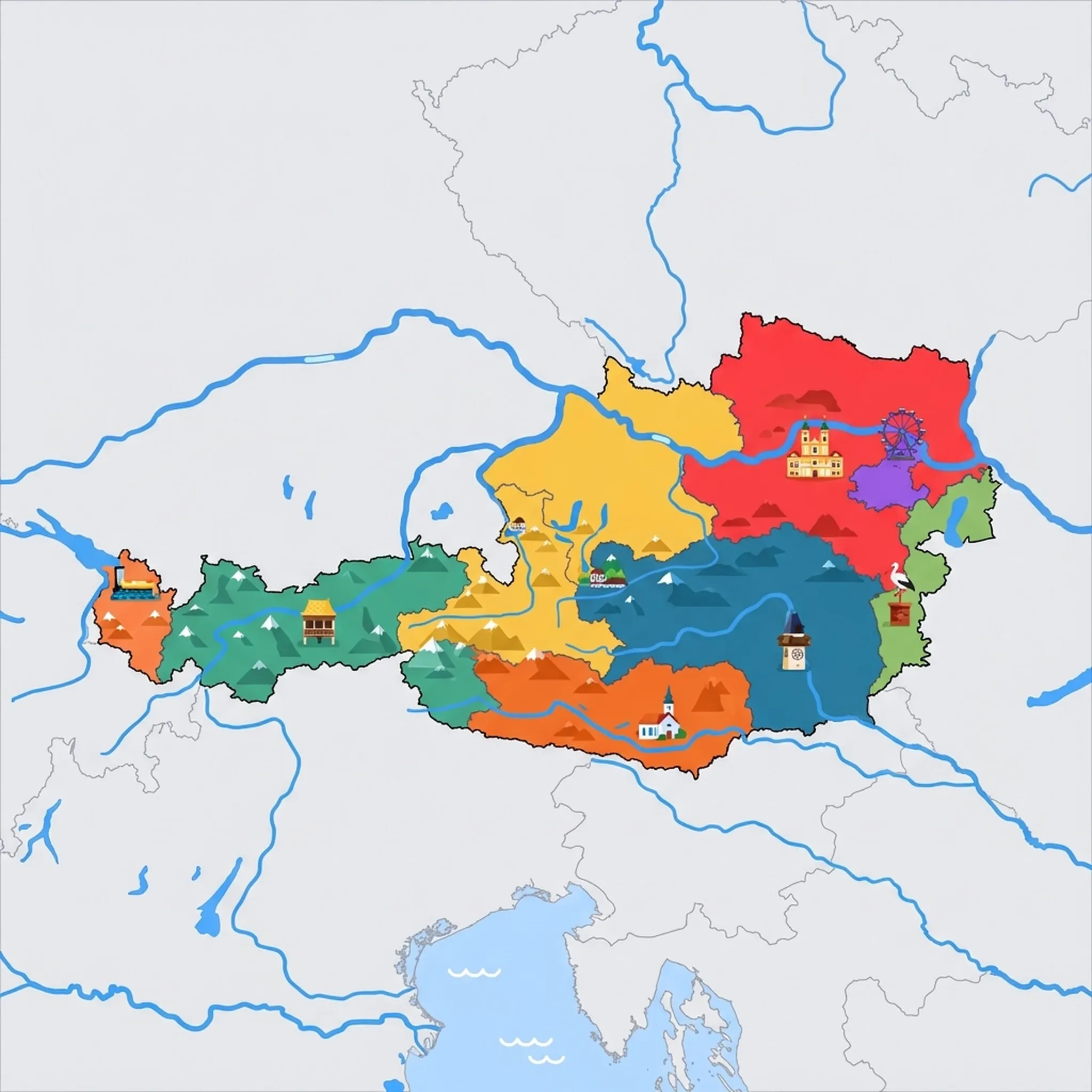
Click a region to explore
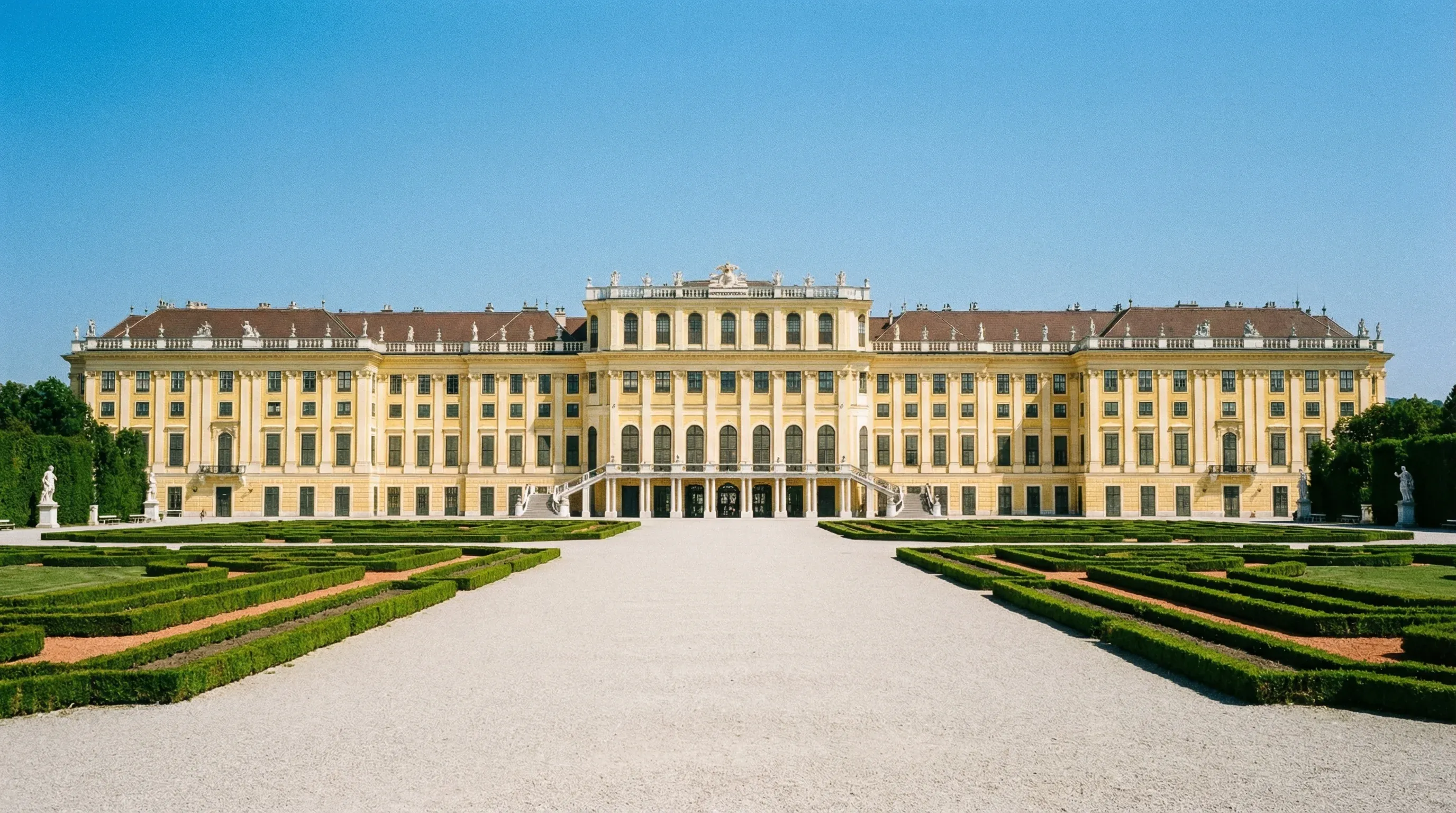
Vienna regularly tops the charts as the world's most livable city, and for visiting families, it is easy to see why. It is a metropolis that functions perfectly: public transport is clean and safe, sidewalks are wide, and half the city is green space. While it is famous for its imperial grandeur—palaces, opera, and coffee houses—it is surprisingly welcoming to children. You can visit the Schönbrunn Palace not just to see how emperors lived, but to visit the world's oldest zoo located in its gardens. The city doesn't hide its culture behind glass; museums often have dedicated kids' programs, and the culture of 'coffee and cake' is one that children happily embrace.
Surrounding the city are the Vienna Woods (Wienerwald), a biosphere reserve that offers hiking and vineyards within a tram ride of the city center. In summer, the Donauinsel (Danube Island), a 21km long man-made island, becomes a massive recreational paradise with shallow beaches, playgrounds, and cycle paths safe from traffic. The vibe is sophisticated yet relaxed. You can attend a world-class concert in the evening after spending the afternoon swimming in the Old Danube. It is safe, clean, and packed with history that is accessible to all ages, making it the perfect city break for families who want culture without the chaos.
Key Attractions
Schönbrunn Palace is the headline act; the Children's Museum inside lets kids dress up in imperial clothes, and the vast Schönbrunn Palace Gardens contain a maze and the zoo. In the city center, the Naturhistorisches Museum Wien (Natural History Museum) is a favorite for its animatronic dinosaur and massive meteorite collection. For animal lovers, the Haus des Meeres - Aqua Terra Zoo is a unique aquarium housed in a converted WWII anti-aircraft flak tower, offering incredible views from the roof terrace. If the weather is hot, head to the Alte Donau for electric boat rentals and swimming. The St. Stephen's Cathedral allows you to climb the tower for a view over the unique tiled roof.
Practical Advice
Vienna is a year-round destination. December brings magical Christmas markets, while summer offers outdoor swimming. Public transport is free for children under 6; children under 15 ride free on Sundays/Holidays. Sunday is a quiet day with most shops closed, so plan museum visits then.
Food & Drink
Typical meal times: Lunch 12:00 pm to 2:00 pm. Dinner 6:00 pm to 10:00 pm. Sausage stands ('Würstelstand') are open late for snacks.
Typical meal costs: Mid-range. A Schnitzel dinner costs €18–28 (approx. $19–30 USD / £15–24 GBP). Coffee and cake will cost around €8–12 (approx. $9–13 USD / £7–10 GBP).
Dietary requirements: Vienna is very cosmopolitan. Vegan, gluten-free, and halal options are abundant in the city center. Traditional dishes are heavy on veal and pork.
Signature dishes:
- Wiener Schnitzel – Thinly pounded veal (or pork), breaded and fried golden. Served with potato salad (without mayo) and cranberry sauce.
- Sachertorte – A dense chocolate cake with a thin layer of apricot jam, coated in dark chocolate icing.
- Apfelstrudel – Thin pastry filled with tart apples, raisins, and cinnamon.
- Käsekrainer – A sausage filled with small cubes of cheese that melt when grilled. A street food classic.
Why this score?
The region is almost entirely urban and highly developed, with the Wienerwald offering only gentle, manicured forest trails. Activities focus on culture, history, and dining rather than any form of rugged or physically challenging adventure.
Why this score?
As a major European capital, Vienna offers world-class healthcare, including the AKH, one of the largest and most advanced hospitals in Europe. Multilingual staff, international insurance coordination, and specialized clinics are ubiquitous throughout the city.
Why this score?
Vienna is a top-tier global destination, attracting millions of international tourists to its imperial palaces and museums. It serves as the primary gateway for almost all foreign visitors to Austria and is a staple of European capital tours.

Vienna is a capital city and priced accordingly. Museum entries for a family can be €50+ (approx. $55 USD / £42 GBP). Accommodation inside the Ringstrasse is luxury; staying in districts 2-9 is much more affordable. Public transport passes are great value.
Family Travel Notice
Single parents or guardians traveling with minors who are not their own should carry notarized consent letters and proof of relationship to prevent delays at border control.

Getting Here & Around
Getting Here
- Airports – Vienna International Airport (VIE) is a major global hub. The City Airport Train (CAT) reaches the center in 16 minutes.
- Train – The Hauptbahnhof (Central Station) connects to all major European cities.
- Driving – Parking is expensive and difficult in the city. Drive to a Park & Ride on the outskirts and take the U-Bahn in.
Getting Around
- Public Transport – The U-Bahn (Subway), trams, and buses are world-class. Strollers are easily accommodated.
- Walking – The First District (Inner City) is compact and best explored on foot to see St. Stephen's Cathedral.
- Cycling – Great on the Donauinsel, but busy traffic in the center can be stressful for young kids.
No airports in this region. See the country flight map for nearby connections.
Official Links

Packing List
Viennese dress up for dinner and concerts; kids in tracksuits might feel underdressed in nice cafes.
Even for 4-5 year olds, the amount of walking in the city and palace gardens is significant.
Vienna has mountain spring tap water; public drinking fountains are everywhere.
Tick-borne encephalitis is a risk in tall grass and forests; essential for hikers.
Many mountain huts (Almhütten) and small rural cafes do not accept cards.
Tap water is pure alpine spring water almost everywhere—don't buy plastic.
Essential for safe traction on alpine trails and walking on city cobblestones.
Austria has no ocean, but its crystal-clear lakes are a summer highlight.

Activities & Best Times

Urban tourism, museums, historical sites, architecture
Vienna is a global cultural benchmark featuring imperial architecture, world-class museums like the Kunsthistorisches, and a vibrant coffee house culture. Peak months provide ideal walking weather and the atmospheric Christmas market season in December.

Hiking, wildlife, outdoor exploration, ecotourism
The Wienerwald biosphere reserve offers sophisticated families authentic forest immersion, high-ropes parks, and extensive hiking trails. Late spring and early autumn are peak for temperate conditions and the spectacular changing colors of the woods.

Sport tourism, fitness activities, active recreation
Excellent infrastructure for active travelers, featuring the internationally recognized Danube Cycle Path and well-maintained urban hiking trails. May, June, and September offer the most comfortable conditions for long-distance cycling and outdoor adventure parks.

Learning experiences, scientific sites, historical education
Features top-tier educational sites including the ZOOM Kindermuseum and Naturhistorisches Museum that serve as major motivators for families. Visitation peaks during major school holiday windows and the broader city tourism season.

Events, celebrations, seasonal attractions
Host to world-famous events like the New Year's Concert, the Opera Ball, and the Rathausplatz Christmas markets. Seasonal peaks are precisely aligned with these specific international events and the large-scale Donauinselfest in June.

Spa retreats, wellness centers, peaceful getaways
The historic spa town of Baden and high-end thermal complexes offer authentic Austrian wellness traditions and thermal bathing. These indoor restorative experiences are most appealing during the colder months when the contrast with the outdoor climate is greatest.

Scenic drives, countryside tours, route-based travel
The Wiener Höhenstraße and Thermenregion Wine Road provide scenic driving routes through historic vineyards and wooded hills. May, June, September, and October offer the best visibility and most picturesque landscapes for touring.

Amusement parks, family entertainment venues
The iconic Wurstelprater is a world-famous amusement park blending historic charm with modern entertainment, while Therme Wien provides high-end aquatic facilities. These venues are best experienced during the main tourism season when outdoor rides are fully operational.

Winter sports, ski resorts, snow activities
Limited low-altitude ski facilities exist on the city's outskirts, suitable only for beginners or local convenience. The season is highly unpredictable and restricted to the coldest weeks of mid-winter.

Attractions (34 total)



Public Holidays & Calendar Next 12 months
Public holidays, festivals, cultural celebrations, and seasonal natural phenomena coming up in Vienna & Wienerwald over the next 12 months.
Loading holidays and events...

Travel Advisory
All major agencies agree that Austria is a low-risk destination where standard personal safety awareness is sufficient.
Safety Topics
Traveller Advice (3 groups)

Single parents or guardians traveling with minors who are not their own should carry notarized consent letters and proof of relationship to prevent delays at border control.

The social environment is inclusive and same-sex relationships are legally recognized. Travelers are unlikely to face issues, though standard discretion in less urban areas is always a balanced approach.

Mountain enthusiasts should monitor avalanche warnings closely before skiing or hiking. It is essential to have specialized insurance that covers alpine rescue and medical evacuation by air.
Agency Summaries
Austria is considered a safe destination where travelers should apply standard safety measures. Risks are comparable to those found in Canada.
Austria maintains a low threat profile. While general vigilance is recommended due to global trends, the local situation is very safe.
The country is categorized at the lowest risk level. Visitors are advised to follow standard security protocols and stay informed of local conditions.
No specific warnings against travel are in place. The environment is stable, though visitors should remain aware of their surroundings in urban centers.
Ireland advises its citizens to follow typical safety routines while visiting. The country remains a low-risk destination for international visitors.
General safety levels are high. Travelers are advised to use common sense and be alert to petty crime in areas popular with tourists.
Information is provided for general guidance only and does not constitute travel, safety, medical, or legal advice. Conditions may change. Users are responsible for independently verifying information before travel.