
Pendjari NP & North
Rugged mountains and West Africa's last great wildlife refuge 🦁🐘
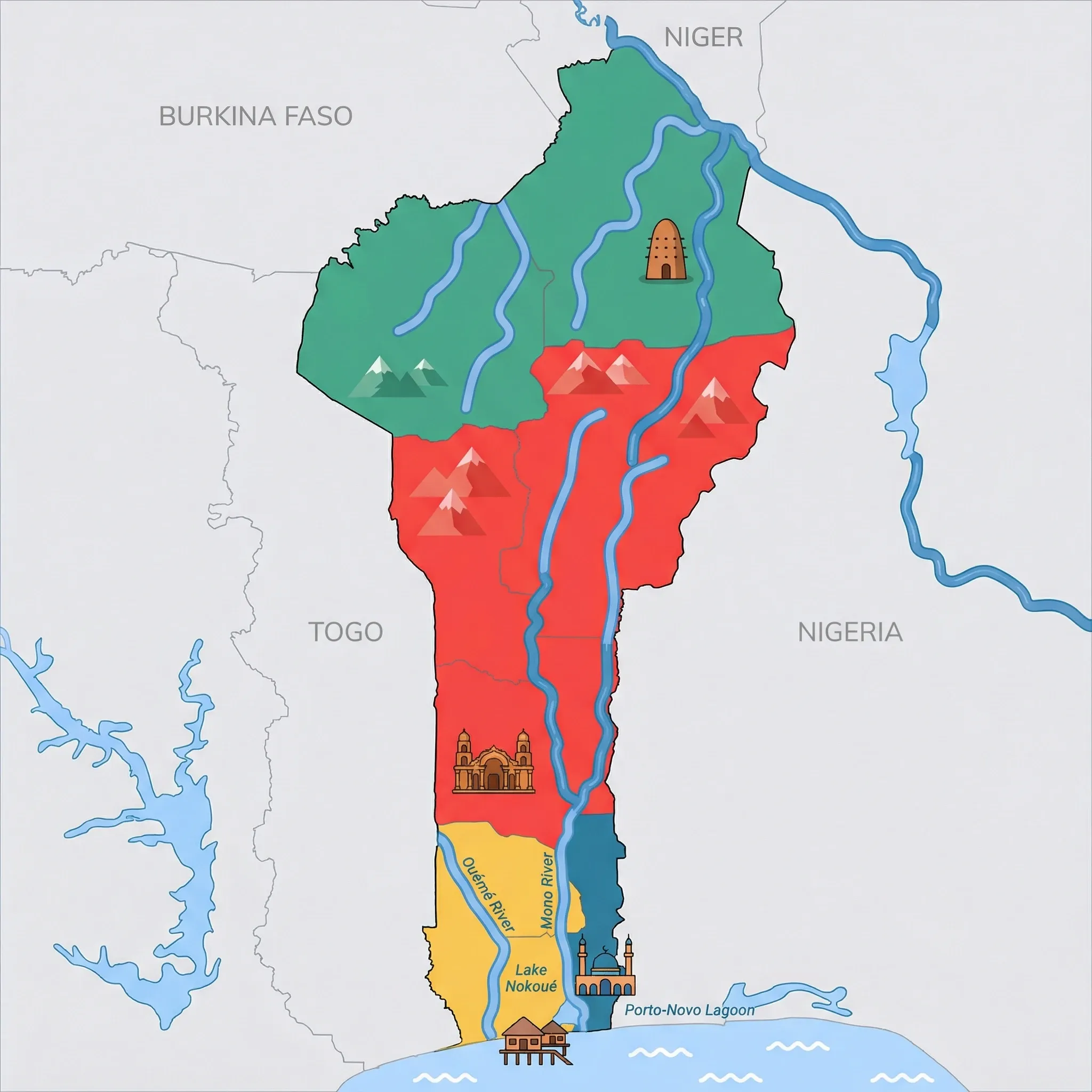
Click a region to explore
⚠️ SAFETY WARNING: Due to the threat of terrorism and kidnapping near the Burkina Faso and Niger borders, government agencies (including the CA, USA, and UK) advise travelers to avoid all travel to Pendjari National Park and the northern border regions. The security situation involves armed groups and can change without notice. Families are strongly urged to consult their own government's official travel advisory before considering a trip, as circumstances and risk assessments vary.
For those looking at the geography of the region, Northern Benin offers a stark contrast to the humid coast. This is a land of golden savannahs, baobab trees, and the rugged Atacora mountain range. It is traditionally the safari capital of West Africa, where nature remains raw and untamed. The dry heat here is more manageable than the coastal humidity, and the culture is distinct, with influences from the Sahel.
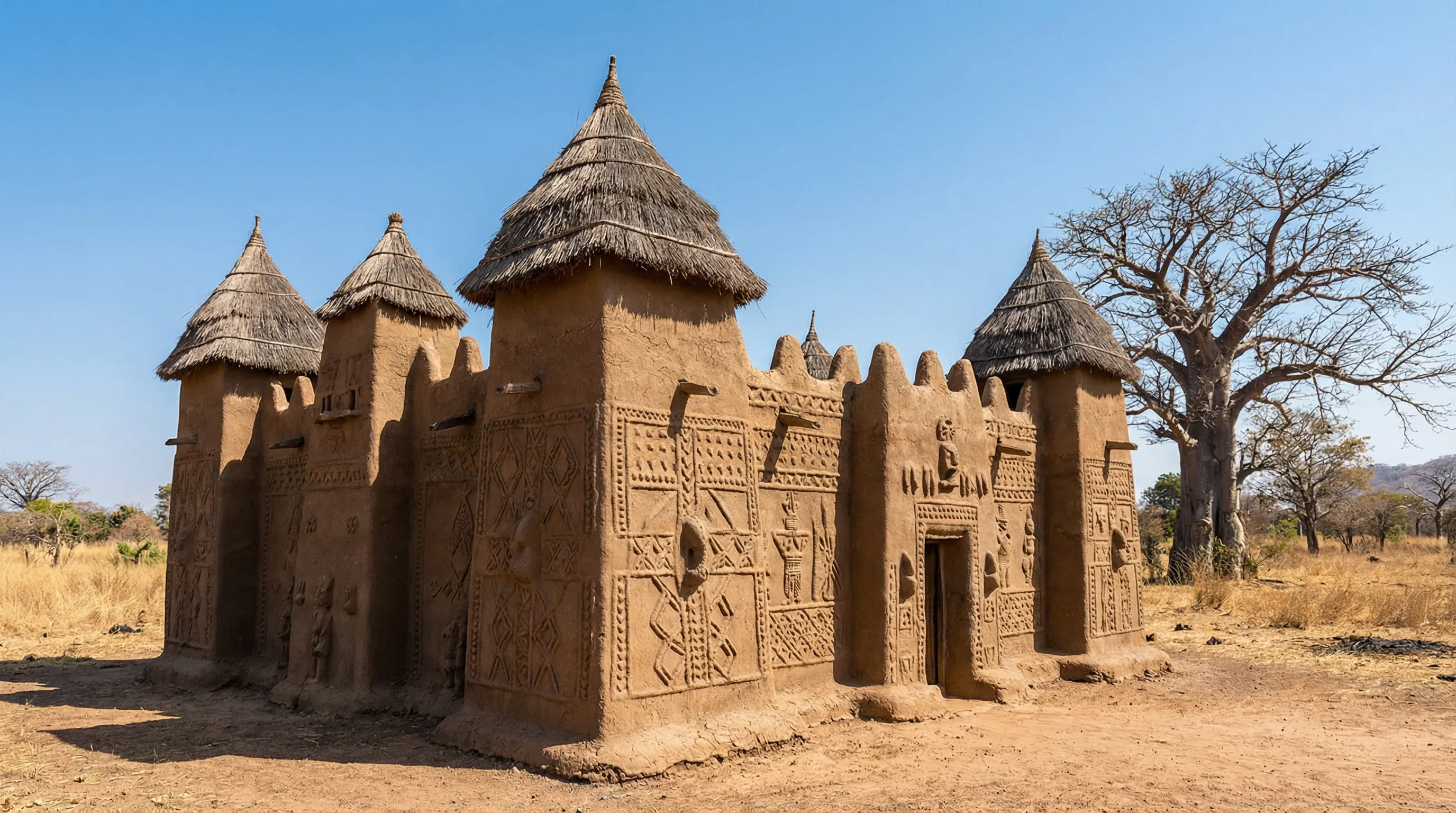
The region is culturally renowned for the Somba people, who are famous for their unique two-story fortress houses. These structures are not just homes but defensive castles, designed centuries ago to protect families from slave raiders and wild animals. The architecture is so unique that the area is designated a UNESCO World Heritage site. While the wildlife parks are the main draw, the waterfall at Kota and the museum in Natitingou provide cultural context to this remote frontier.
Key Attractions
The crown jewel of the region is Pendjari National Park. When accessible, it offers the best chance in West Africa to see lions, elephants, buffalo, and antelopes in their natural habitat. Unlike the crowded parks of East Africa, sightings here feel private and wild. To the east lies W National Park of Benin, a massive transboundary reserve shared with Niger and Burkina Faso, known for its birdlife and river ecosystems.
Culturally, the Koutammakou, the Land of the Batammariba is unmissable. Families can visit the Tata Somba—earthen castles with thatched turrets. Entering these miniature fortresses, climbing the ladders to the roof terraces where grain is dried and families sleep, is an adventure that feels like stepping into a storybook for children.
Practical Advice
The best time for wildlife viewing is the dry season (December to April) when animals congregate around waterholes. However, this is also when the Harmattan wind blows dust from the Sahara. Travel here requires a 4x4 vehicle. Always travel with a reputable, registered guide, not just for the best experience but for safety and navigation in remote areas.
Food & Drink
Typical meal times: Breakfast is early (6:30 am to 8:00 am) to beat the heat. Lunch is 12:00 pm to 2:00 pm, and dinner is usually 7:00 pm to 8:30 pm.
Typical meal costs: Meals are inexpensive. A hearty local lunch costs 1,500–3,000 XOF (approx. $2.50–5.00 USD / €2.30–4.50 EUR). Lodges inside or near parks charge higher rates, around 8,000–12,000 XOF (approx. $13–20 USD / €12–18 EUR) for dinner.
Dietary requirements: Options are more limited here than in the south. Starchy grains and grilled meats dominate. Vegetarians can rely on cheese (wagasi) and yam dishes, but vegan options may be scarce in rural lodges.
Signature dishes:
- Wagasi – This region is the heartland of Wagasi cheese production. It is sold fresh or fried by Fulani women on the roadsides.
- Founyou – A tiny, nutritious grain (fonio) often served like couscous, a staple of the northern diet.
- Tchoukoutou – A local opaque beer made from sorghum or millet. While alcoholic, seeing the brewing process in large cauldrons is a cultural sight (tasting is for parents only!).
Why this score?
This region is highly adventurous, featuring the rugged Atacora Mountains and the vast, wild savannah of the national parks. Visiting the unique Tata Somba fortress-houses requires navigating remote areas with limited infrastructure and basic amenities. The physical environment and the presence of large wildlife like lions and elephants provide a genuine wilderness experience.
Why this score?
Medical services in the north are extremely limited, with Natitingou providing only basic healthcare facilities that are often under-resourced. In the event of an emergency in the national parks, evacuation to Cotonou is difficult and time-consuming due to the distance and road conditions. Foreign travelers are advised to have comprehensive medical evacuation insurance and carry extensive first-aid supplies.
Why this score?
Pendjari National Park is a premier West African wildlife destination, but its popularity has been severely impacted by regional security concerns near the northern borders. The distance from Cotonou and limited luxury lodging options keep visitor numbers very low compared to East African safari parks. It is currently visited only by niche adventure travelers and dedicated conservationists.

While local food is cheap, the cost of accessing the region raises the budget. Hiring a 4x4 with a driver/guide is essential and costs approx. 60,000–100,000 XOF (approx. $100–165 USD / €90–150 EUR) per day. Accommodation ranges from simple guesthouses at 15,000 XOF ($25) to park lodges at 45,000–90,000 XOF (approx. $75–150 USD / €68–135 EUR).

Getting Here & Around
Getting Here
- Driving – It is a long full-day drive (9–10 hours) from Cotonou to Natitingou on paved roads.
- Air – Domestic flights to Natitingou are sporadic and schedules change frequently; charter flights are sometimes available for safari tourists.
Getting Around
- 4x4 Vehicle – Essential for visiting Pendjari National Park or exploring the dirt tracks of Koutammakou.
- Moto-taxi – Available in Natitingou, but not suitable for long-distance travel to the parks.
No airports in this region. See the country flight map for nearby connections.
Official Links

Packing List
The Harmattan wind brings heavy dust from the Sahara; essential for protecting airways during open-air drives.
Wildlife can be distant in the vast savannah; kids will need their own pair to stay engaged.
The dry heat dehydrates children faster than they realize; essential for emergency rehydration.
Electricity supply in remote northern lodges can be intermittent or generator-dependent.
Mandatory for entry; you will likely be refused at the border without the original card.
Power cuts (load shedding) are common even in cities; street lighting is often inconsistent.
Benin is a high-risk zone year-round; bring enough paediatric medication for the whole trip.
ATMs are unreliable outside Cotonou; Euros are the easiest currency to exchange for XOF.
Public bins are rare; carry your own rubbish bag to avoid littering in nature or towns.
Dust and limited running water in rural areas make these essential for keeping kids clean.

Activities & Best Times

Hiking, wildlife, outdoor exploration, ecotourism
Pendjari and W National Parks represent the best wildlife viewing in West Africa, offering authentic savanna experiences with lions, elephants, and hippos. The peak season occurs during the dry months when thinning vegetation and congregating animals at water holes maximize visibility.

Urban tourism, museums, historical sites, architecture
Home to the UNESCO-listed Koutammakou landscape, the region offers highly unique Batammariba 'Tata Somba' architecture and authentic tribal heritage. Access to remote traditional villages like Taneka Beri is most reliable during the cooler dry season before the intense pre-monsoon heat and heavy rains.

Sport tourism, fitness activities, active recreation
The Koussoukoingou Heritage Trail and Route des Tata provide specialized infrastructure for hiking and cycling through mountain landscapes. Activity is limited to the brief window of cooler weather in December and January, as extreme heat and seasonal rains make physical exertion difficult during the rest of the year.

Scenic drives, countryside tours, route-based travel
The Route des Tata Somba and the Atacora Scenic Highway offer distinctive landscape views and cultural stops. Driving is best during the peak dry season to ensure unpaved village access roads remain navigable for international travelers.




Public Holidays & Calendar Next 12 months
Public holidays, festivals, cultural celebrations, and seasonal natural phenomena coming up in Pendjari NP & North over the next 12 months.
Loading holidays and events...

Travel Advisory
Benin is generally assessed as requiring elevated caution due to common street crime and localized security instability. Major agencies highlight severe risks in northern border regions that contrast with the more stable southern tourist areas.
Safety Topics
Traveller Advice (3 groups)

Maintain a low profile, avoid carrying large amounts of cash, and be particularly vigilant in crowded markets and on beaches after dark. Always carry a copy of your identification and remain aware of local political developments.

While legal status is complex, same-sex relationships are not widely socially accepted. Discretion is strongly recommended, as public displays of affection may lead to harassment or negative attention.

Female travellers may experience verbal harassment or unwanted attention. It is advisable to dress modestly, especially in rural or conservative areas, and avoid walking alone at night.
Agency Summaries
New Zealand does not have a specific travel advisory for Benin but recommends that visitors maintain standard safety awareness and secure comprehensive travel insurance.
A high level of caution is required nationwide due to violent crime and the potential for civil unrest. Security remains sensitive following a thwarted coup attempt in early December 2025.
Increased caution is advised across Benin due to risks of civil unrest, crime, terrorism, and kidnapping. Certain northern border regions are designated as Level 4 (Do Not Travel) due to extreme safety threats.
Travellers should remain highly vigilant throughout Benin due to prevalent crime. Heightened security risks exist in northern border regions, where all travel should be avoided because of the threat of terrorism and kidnapping.
While general travel is permitted in the south, the UK advises against all travel to northern border parks and all but essential travel to several northern and eastern departments due to terrorist activity and rising criminality.
Irish citizens should exercise a high degree of caution. Following political instability in late 2025, travellers are urged to avoid large gatherings and remain alert to security updates.
Information is provided for general guidance only and does not constitute travel, safety, medical, or legal advice. Conditions may change. Users are responsible for independently verifying information before travel.