
Click a region to explore
WARNING: Extreme Altitude. Potosí sits at 4,090 meters (13,420 feet). This is significantly higher than La Paz. Families should only visit after they are fully acclimatized. Watch children closely for signs of altitude sickness.
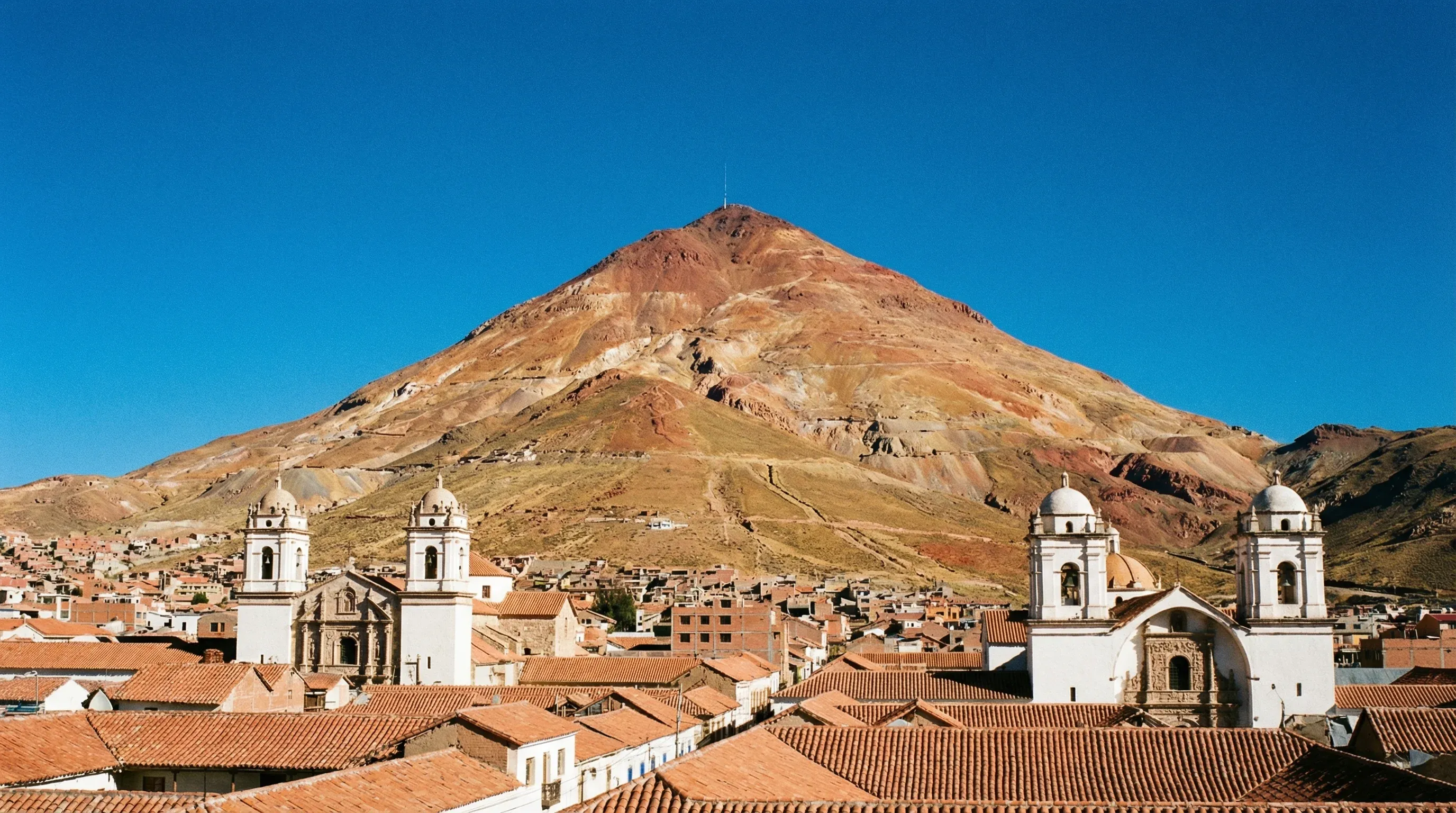
Potosí is a city of ghosts and grandeur, a place where history feels heavy and immediate. Dominating the skyline is the perfect cone of Cerro Rico (Rich Mountain), the source of silver that bankrolled the Spanish Empire for centuries. For families who love history, Potosí is fascinating. The city center is a treasure trove of colonial art and architecture, recognized by UNESCO for its preservation. Walking the narrow, winding streets feels like stepping back into the 17th century, with intricate wooden balconies and stone doorways at every turn.
While Potosí is famous for its cooperative mine tours, these are generally not recommended for young children due to dust, claustrophobia, and safety risks. However, the story of the mountain can be appreciated from the outside. The city offers plenty of surface-level culture that is safer and equally educational. The climate here is harsh—cold and dry—so visits are usually about indoor exploration of museums and churches, followed by warming up with hot soups. It’s a destination for families with older, history-curious children rather than toddlers.
Key Attractions
The Historic Center of Potosí is the main walkable attraction. The highlight for families is the National Mint (Casa Nacional de la Moneda). It’s one of South America's best museums. Kids are often fascinated by the massive wooden machinery used to press coins, which was originally powered by mules and slaves. The creepy "Mascaron" (laughing mask) painting in the courtyard is iconic. The guided tours explain the global importance of the "Piece of Eight" silver coin in a way that makes history tangible.
While entering the deep mines of Cerro Rico is risky for kids, you can take a taxi to the miners' market or the mountain viewpoints. Seeing the mountain up close and understanding its scale is impressive. Older teenagers might handle a brief, sanitized mine tour, but parents should exercise extreme caution and choose reputable operators.
Practical Advice
Best time to visit: The dry winter (May to September) is sunny but bitterly cold, especially at night. Bring heavy winter gear. Summer brings rain and mud.
Logistics: Potosí is a stopover, usually between Sucre and Uyuni. One or two nights is sufficient. The altitude makes physical exertion difficult; walk slowly and take frequent breaks. Hotels often provide oxygen tanks at reception—don't hesitate to use them if feeling breathless.
Food & Drink
Typical meal times: Lunch is 12:00 pm to 2:00 pm. Dinner is 6:30 pm to 9:00 pm. Eating a light dinner is recommended to aid sleep at high altitude.
Typical meal costs: Very affordable. A good dinner costs 30–60 BOB (approx. $4.50–9 USD / €4–8 EUR).
Dietary requirements: Options are more limited than in La Paz or Sucre. Traditional food is heavy on meat, corn, and potatoes. Vegetarians can rely on egg dishes and soups (ask for no meat stock).
Signature dishes:
- K'alapurka – A thick, spicy corn soup served with a volcanic rock dropped inside the bowl to keep it bubbling hot. A fun, theatrical dish for kids to watch (wait for it to cool!).
- Sopa de Maní – The peanut soup here is particularly good, often served with fries on top.
Why this score?
The primary attraction involves guided tours into the active silver mines of Cerro Rico, which present a dark, cramped, and physically demanding environment. Visiting one of the highest cities in the world also poses significant physiological challenges for many families.
Why this score?
Medical infrastructure is geared toward the local population and mining industry, with very few facilities catering to international tourists. Emergency services are basic, and complex cases are typically transferred to larger cities like Sucre or La Paz.
Why this score?
Despite its status as a UNESCO World Heritage site, Potosí is often a secondary stop for travelers moving between Sucre and Uyuni. Its extreme altitude and focus on colonial industrial history make it a specialized destination rather than a major international draw.

Potosí is one of the cheaper main cities. Accommodation in colonial mansions turned hotels is good value, around 250–450 BOB (approx. $35–65 USD / €30–60 EUR) for a family room. Museum entry fees are nominal.

Getting Here & Around
Getting Here
- Bus – Regular buses connect to Sucre (3 hours) and Uyuni (4 hours). The road to Sucre is paved and scenic. The road to Uyuni is also paved and offers great views of canyons and herds of vicuñas.
- Car – Hiring a private driver from Sucre is a comfortable option for families, allowing stops to admire the landscape.
Getting Around
- Walking – The historic center is compact but hilly. At this altitude, walking uphill is a workout.
- Taxi – Cheap and plentiful. Use them to get back to your hotel if it's uphill. A ride within the city costs about 5–10 BOB (approx. $0.70–1.45 USD / €0.65–1.30 EUR).
No airports in this region. See the country flight map for nearby connections.

Packing List
Hotels often lack central heating; nights are freezing inside and out.
A kid-friendly way to ingest coca leaf extract to help with mild altitude headaches.
The air is exceptionally dry; skin cracks easily without heavy protection.
Cold temperatures drain phone and camera batteries much faster than normal.
The high-altitude air is extremely dry and often causes nosebleeds, especially in children.
Budget hotels and hostels rarely have plugs in the sinks, making it hard to wash hands or clothes.
Heating is rare in hotels, and nights on the Altiplano drop well below freezing.
Power cuts can occur in remote areas like the Salt Flats; useful for nighttime bathroom trips.
The dry, dusty air at altitude can be very irritating to eyes, particularly for contact lens wearers.

Activities & Best Times

Hiking, wildlife, outdoor exploration, ecotourism
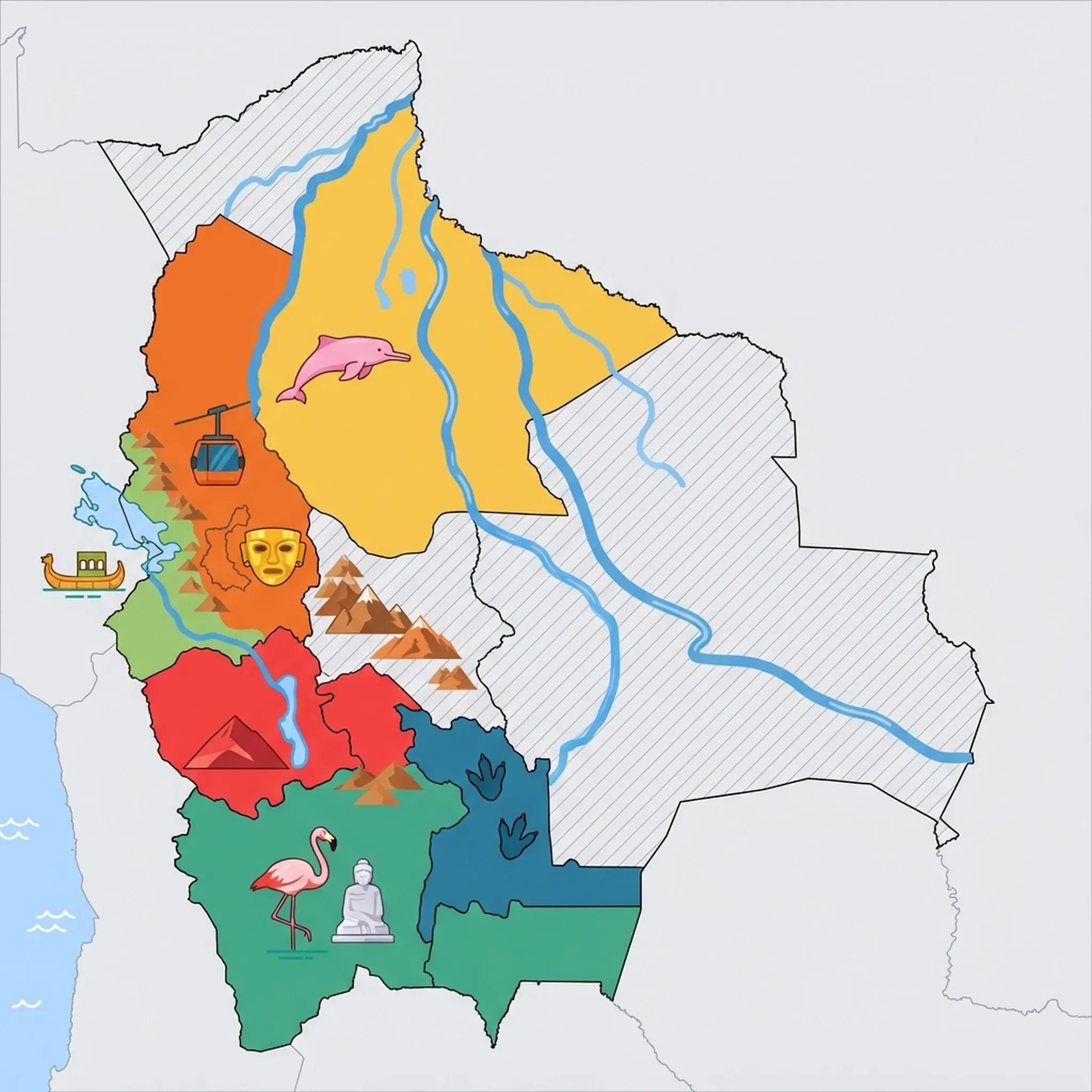
Home to the Eduardo Avaroa Reserve and Torotoro National Park, offering high-altitude volcanic landscapes and dinosaur tracks. Peak season aligns with the dry winter months when remote wilderness tracks are accessible and skies are clear.

Urban tourism, museums, historical sites, architecture
A UNESCO World Heritage site with exceptional colonial architecture and the globally significant National Mint. The dry season is ideal for navigating the steep, high-altitude streets, while heavy summer rains can make the city damp and cold.

Spa retreats, wellness centers, peaceful getaways
Features authentic thermal experiences like Termas de Polques in the high Altiplano and Balneario de Tarapaya. These natural hot springs are most restorative during the freezing dry winter months, though logistics can be rugged for families.

Scenic drives, countryside tours, route-based travel
The Lagunas Route is a world-renowned off-road expedition through surreal landscapes, though roads are unpaved and demanding. Travel is strictly recommended in the dry season to avoid impassable muddy tracks and seasonal snow.

Sport tourism, fitness activities, active recreation
Offers challenging high-altitude trekking and internationally recognized cycling routes toward Uyuni. The lack of rainfall from May to October provides the necessary stability for these strenuous physical activities.

Learning experiences, scientific sites, historical education
The Diego Huallpa Mine Museum provides a deep dive into the industrial history of the Cerro Rico, offering unique learning opportunities for older children. Activity is best scheduled during the dry season to ensure safe access to mining areas.

Amusement parks, family entertainment venues
The Balneario Tarapaya offers a regional aquatic experience, though it lacks international theme park standards. Best visited during the warmer southern summer months, as winter temperatures at this altitude make outdoor swimming less appealing.

Attractions (8 total)



Public Holidays & Calendar Next 12 months
Public holidays, festivals, cultural celebrations, and seasonal natural phenomena coming up in Potosí over the next 12 months.
Loading holidays and events...

Travel Advisory
All six major agencies recommend a baseline level of elevated caution for Bolivia. While most of the country is open for travel, there is a strong consensus on the risks posed by frequent civil unrest and roadblocks, as well as high-risk pockets like the Chapare region where crime levels are critical.
Safety Topics
Traveller Advice (4 groups)

Stay informed via local media regarding roadblocks and strikes which can strand travellers for days. Always carry extra food, water, and warm clothing on long road trips. Avoid any large gatherings or protests, as they can turn violent unexpectedly.

Information on accessibility is limited; travellers with physical or sensory disabilities should prepare for infrastructure challenges and research medical facility locations in advance.

Be aware of local attitudes and social norms; travellers are encouraged to review specific advice regarding safety and legal considerations for the LGBTQ+ community in Bolivia.

Female travellers should consult gender-specific safety guides and take standard precautions, especially when travelling solo or at night in urban centres.
Agency Summaries
Heightened caution is necessary because of the potential for violent crime and sudden civil unrest. New Zealanders should avoid all protests and avoid the Chapare region for any non-essential purposes due to kidnapping and extortion risks.
Australians are encouraged to be particularly careful due to the dual threats of violent crime and civil instability. Demonstrations and roadblocks are common and unpredictable, potentially leading to significant travel delays or violence.
The UK government advises against any non-essential travel to the Chapare region in Cochabamba. Across the country, visitors should prepare for disruptions caused by political demonstrations and marches, which can emerge with very little notice and block major transport routes.
Irish citizens should be aware of a continuous risk of social unrest and strikes that can impact tourist infrastructure and domestic travel. Vigilance is required near large crowds, and travellers are warned not to attempt to bypass road blockades.
Increased caution is advised nationwide because of civil unrest, which often manifests as sudden strikes and demonstrations. Specifically, the Chapare region is designated as 'Do Not Travel' due to high levels of violent crime and limited emergency support for foreign nationals.
Travellers should remain highly vigilant due to persistent political and social tensions that frequently result in roadblocks throughout the country. While the general advice is to be cautious, there is a specific warning to avoid non-essential travel to the Chapare region because of risks related to drug trafficking and kidnapping.
Information is provided for general guidance only and does not constitute travel, safety, medical, or legal advice. Conditions may change. Users are responsible for independently verifying information before travel.