
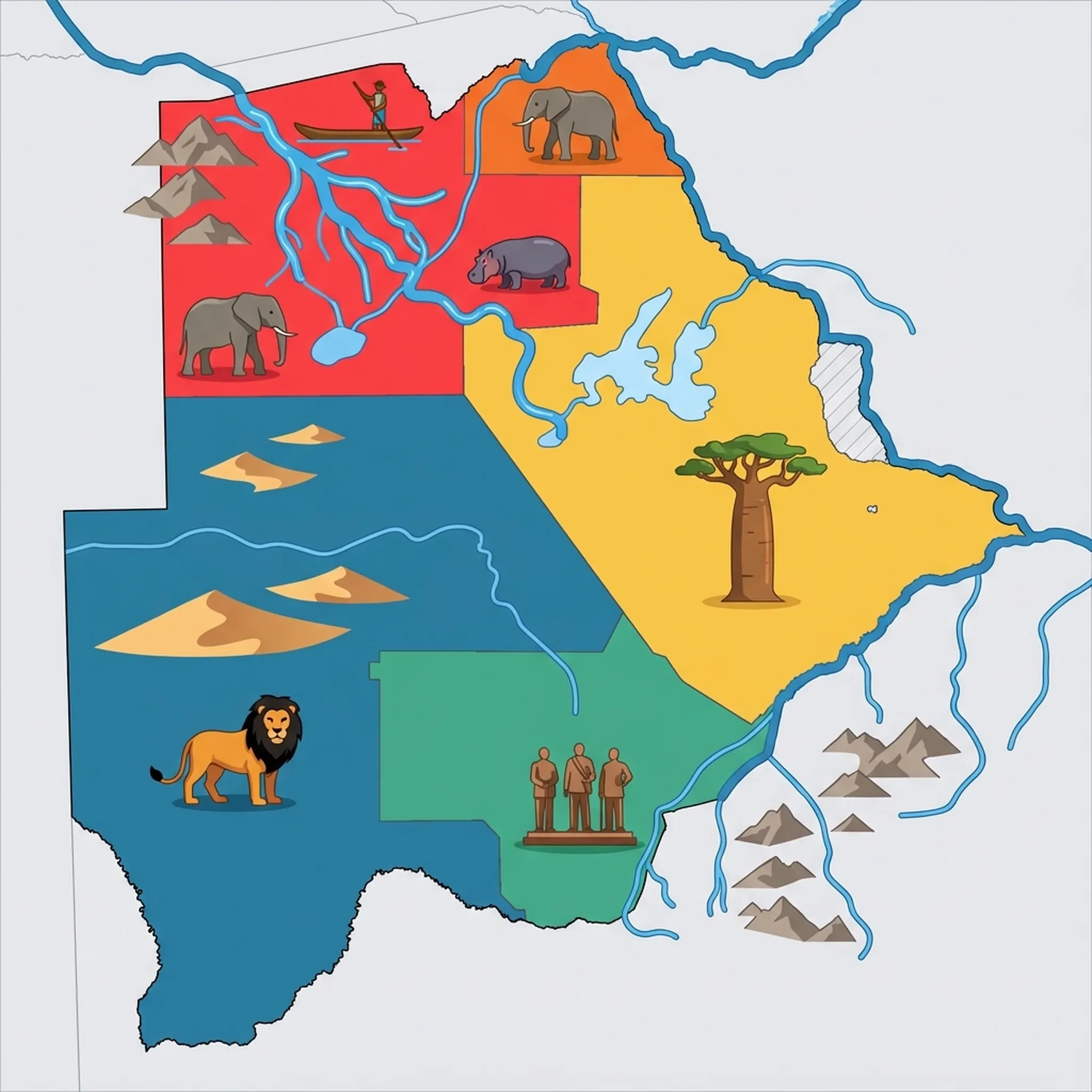
Click a region to explore
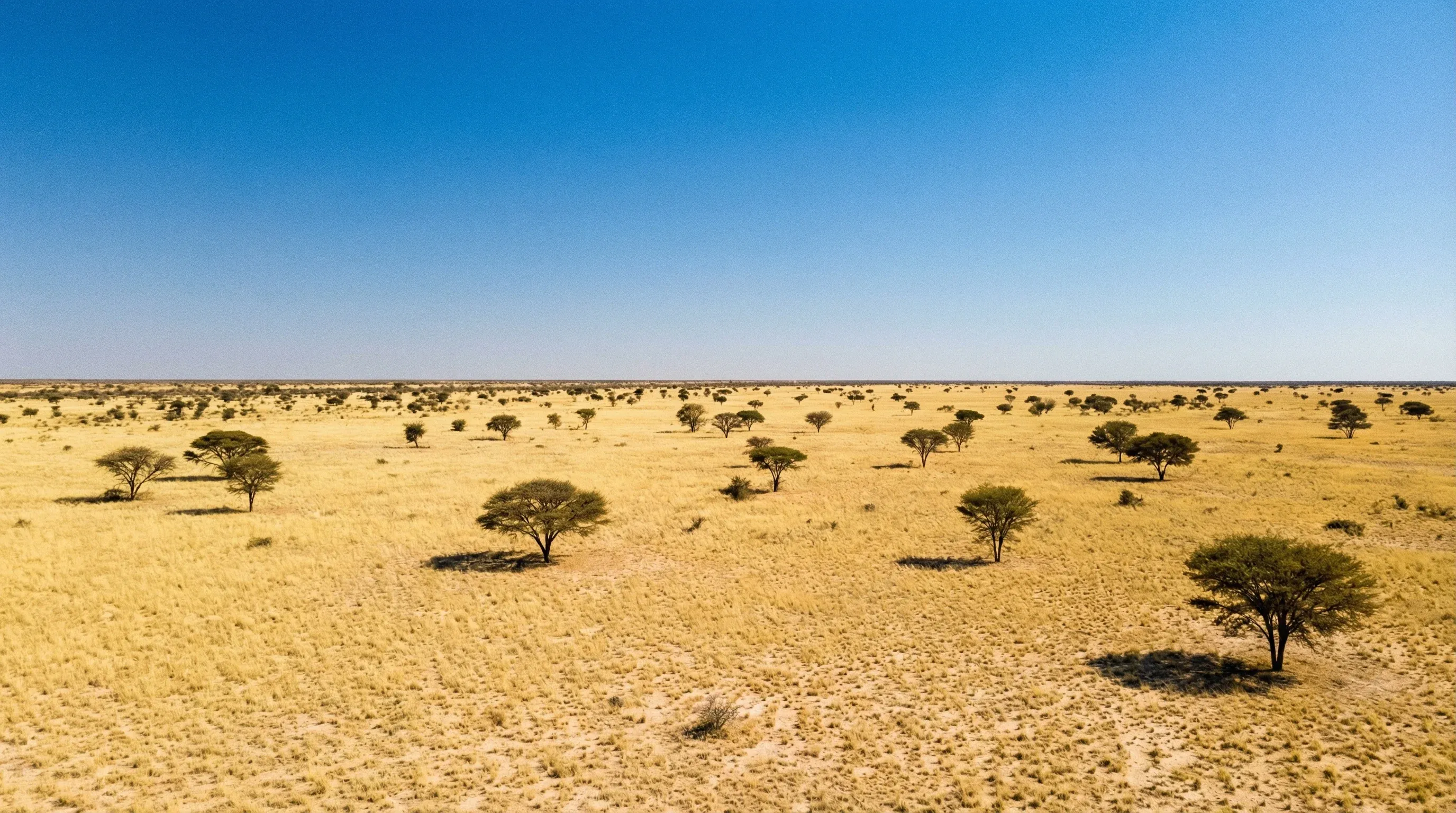
The Kalahari is not a desert of rolling sand dunes like the Sahara, but a fossilized desert covered in grasses, acacia trees, and scrub. For adventurous families, it offers an experience of isolation and raw nature that is hard to find elsewhere in the modern world. The scale here is immense. The silence is absolute. At night, the lack of light pollution reveals a starry sky so dense it looks like spilled milk—an astronomy lesson your children will never forget. This is the land of the San people (Bushmen), and engaging with their ancient culture through guided walks can be a transformative educational experience for kids, teaching them how to find water in tubers or track animals in the sand.
Wildlife viewing here is harder than in Chobe but deeply rewarding. The animals—gemsbok, springbok, brown hyenas, and the famous black-maned lions—are adapted to harsh conditions. The "Green Season" (summer) is particularly magical, as the rains turn the desert into a lush grazing ground filled with newborn antelopes and stalking predators. While it requires more preparation and often a 4x4 vehicle, the Kalahari offers families a chance to bond without the distraction of WiFi or crowds.
Key Attractions
The Central Kalahari Game Reserve is one of the world's largest reserves. Exploring Deception Valley here is like stepping into a documentary. Further south, the Kgalagadi Transfrontier Park is famous for its red dunes and predator sightings. For a landscape straight out of a fantasy novel, visit Baines' Baobabs, a cluster of ancient giants that have stood watch over the pans for millennia. Adventure-seekers can venture to the ghostly, granite outcrop of Kubu Island, rising from the white salt flats—a perfect natural playground for kids to scramble over.
Practical Advice
This region is for self-sufficient families. Distances are vast, and facilities are scarce. The best time for wildlife is during and after the rains (December to April), but this is also when mud can be challenging. Winters (June to August) are freezing at night—temperatures can drop below zero. Always carry extra water and fuel.
Food & Drink
Typical meal times: Campsite dinners are prepared early, around 6:00 pm to 7:30 pm, to enjoy the fire before the cold sets in. Lunch is a roadside picnic stop.
Typical meal costs: Most families here are self-catering. Stocking up in supermarkets, expect to pay BWP 80–150 (approx. $6–11 USD / €5.50–10.50 EUR) per person per day for groceries. Lodge meals, if available, are around BWP 250–400 (approx. $19–30 USD / €17–28 EUR).
Dietary requirements: If staying in lodges, dietary needs are met well. If self-catering, you are limited only by what you pack. Fresh produce can be scarce in small desert villages.
Signature dishes:
- Kalahari Truffles – Rare desert fungi that appear after rains, tasting like a mix of mushroom and nut; a local delicacy.
- Game Biltong – Dried, cured meat (often Kudu or Gemsbok) that serves as the perfect car snack for long drives.
- Potjiekos – A slow-cooked stew prepared in a round, cast-iron pot over an open fire, essential for desert camping.
Why this score?
This is one of the most challenging and remote environments in Africa, requiring self-sufficiency, 4x4 expertise, and significant supplies. The terrain is characterized by deep sand, extreme temperature fluctuations, and a total lack of facilities once inside the reserves. It offers a profound sense of isolation that qualifies as a high-tier adventure destination.
Why this score?
Medical infrastructure is virtually non-existent within the desert reaches, with only very basic clinics found in distant gateway towns like Ghanzi. In the event of an accident or illness, the only viable option is a costly and time-consuming air evacuation. Families must carry comprehensive first-aid kits as professional help is hours or days away.
Why this score?
The Central Kalahari Game Reserve and Kgalagadi Transfrontier Park are vast but receive very low visitor volumes due to their extreme remoteness. Most international tourists bypass these arid landscapes in favor of the wetter, wildlife-dense north. It remains a niche destination for dedicated overlanders and cultural enthusiasts seeking San Bushmen encounters.

The cost depends heavily on your travel style. Self-driving and camping is the budget-friendly option, with campsites costing BWP 30–250 (approx. $2.50–19 USD / €2–17 EUR) per person. However, renting a fully equipped 4x4 is expensive, often BWP 1,500–2,500 (approx. $110–185 USD / €105–175 EUR) per day. Fuel costs will be significant due to distances.
Family Travel Notice
Minors under 18 must present a certified copy of their full unabridged birth certificate at the border. If traveling with only one parent, a signed affidavit from the absent parent is mandatory.

Getting Here & Around
Getting Here
- Driving – Essential. The Trans-Kalahari Highway (A2) is the main artery. Access to parks requires a 4x4.
- Airports – Maun (MUB) is the nearest major airport for renting 4x4s, followed by a 4–5 hour drive to the reserve gates.
Getting Around
- Car – A fully equipped 4x4 with high clearance is non-negotiable for Central Kalahari Game Reserve and Kubu Island.
- Tours – Specialized mobile safari operators can take families who prefer not to drive themselves.
No airports in this region. See the country flight map for nearby connections.
Official Links

Packing List
Desert nights drop to freezing in winter; the temperature swing is extreme.
Prevents prickly grass seeds and hot sand from getting into children's shoes.
The air is incredibly dry and will crack lips within 24 hours.
Zero cell signal in the reserves; essential for safety if self-driving alone.
Light aircraft flights to the Delta have strict luggage rules: no hard shells or wheels allowed.
Many campsites and eco-lodges are unfenced and very dark at night; essential for hands-free safety.
Avoid dark blue and black, which attract painful tsetse flies in the bush. Wear khaki or tan.
Sharing frustrates kids. Having their own pair keeps them engaged in spotting wildlife.
The air in Botswana is incredibly dry; lips and skin crack quickly without frequent application.
Morning game drives are freezing (often near 0°C) even in shoulder seasons due to open vehicles.

Activities & Best Times

Hiking, wildlife, outdoor exploration, ecotourism
Home to iconic reserves like the CKGR and Kgalagadi, offering profound wilderness immersion and unique desert-adapted wildlife. The dry winter months provide manageable temperatures for families and optimal visibility, while the peak summer heat and rain can make remote tracks impassable.

Urban tourism, museums, historical sites, architecture
Offers deep immersion into San (Bushmen) heritage and spectacular prehistoric sites like Kubu Island and Baines' Baobabs. Best visited in the dry season when these remote archaeological and cultural landmarks are easily accessible via desert tracks.

Scenic drives, countryside tours, route-based travel
The Trans-Kalahari Highway and Safari Way provide world-class remote driving experiences through vast, ethereal landscapes. Winter months offer stable road conditions, whereas the summer rainy season poses significant risks of getting stuck in deep sand or mud.

Sport tourism, fitness activities, active recreation
Features internationally recognized adventure cycling routes across the salt pans and through game-rich nature trails. Activity is strictly seasonal, as the extreme midday heat of the Kalahari summer (November-March) is unsuitable for strenuous physical exertion.

Learning experiences, scientific sites, historical education
Specialized learning opportunities include the Adrian Gale Diamond Museum, focusing on Botswana's pivotal diamond industry. While a significant facility, it serves primarily as a brief educational stop within a broader safari itinerary rather than a standalone travel motivator.




Public Holidays & Calendar Next 12 months
Public holidays, festivals, cultural celebrations, and seasonal natural phenomena coming up in Kalahari Desert over the next 12 months.
Loading holidays and events...

Travel Advisory
A majority of international agencies classify Botswana as safe for travel under standard security awareness, though North American agencies advise elevated caution specifically regarding crime.
Safety Topics
Traveller Advice (2 groups)

Minors under 18 must present a certified copy of their full unabridged birth certificate at the border. If traveling with only one parent, a signed affidavit from the absent parent is mandatory.

While legal protections exist, social attitudes remain conservative. Travelers are advised to be discreet regarding public displays of affection.
Agency Summaries
While the overall security situation is stable, visitors should be cautious of petty crime in urban centers and take health precautions against malaria in the north.
Most visits are safe, but travelers should take basic precautions against street crime and be aware of limited medical facilities in remote areas.
Irish citizens are encouraged to follow standard safety protocols, especially regarding personal belongings and avoiding ATMs after dark.
There are no significant security warnings for the country, but travelers should maintain comprehensive insurance and stay informed on local health risks.
Heightened awareness is recommended due to frequent crimes of opportunity, such as muggings and 'smash-and-grab' thefts from vehicles at intersections and shopping centers.
Travelers are advised to remain highly vigilant due to prevalent criminal activity, including home burglaries and carjackings, though tourists are not the primary targets.
Information is provided for general guidance only and does not constitute travel, safety, medical, or legal advice. Conditions may change. Users are responsible for independently verifying information before travel.