
Bobo-Dioulasso & Southwest
Where ancient mud-brick architecture meets lush waterfalls and peaks 🕌💦
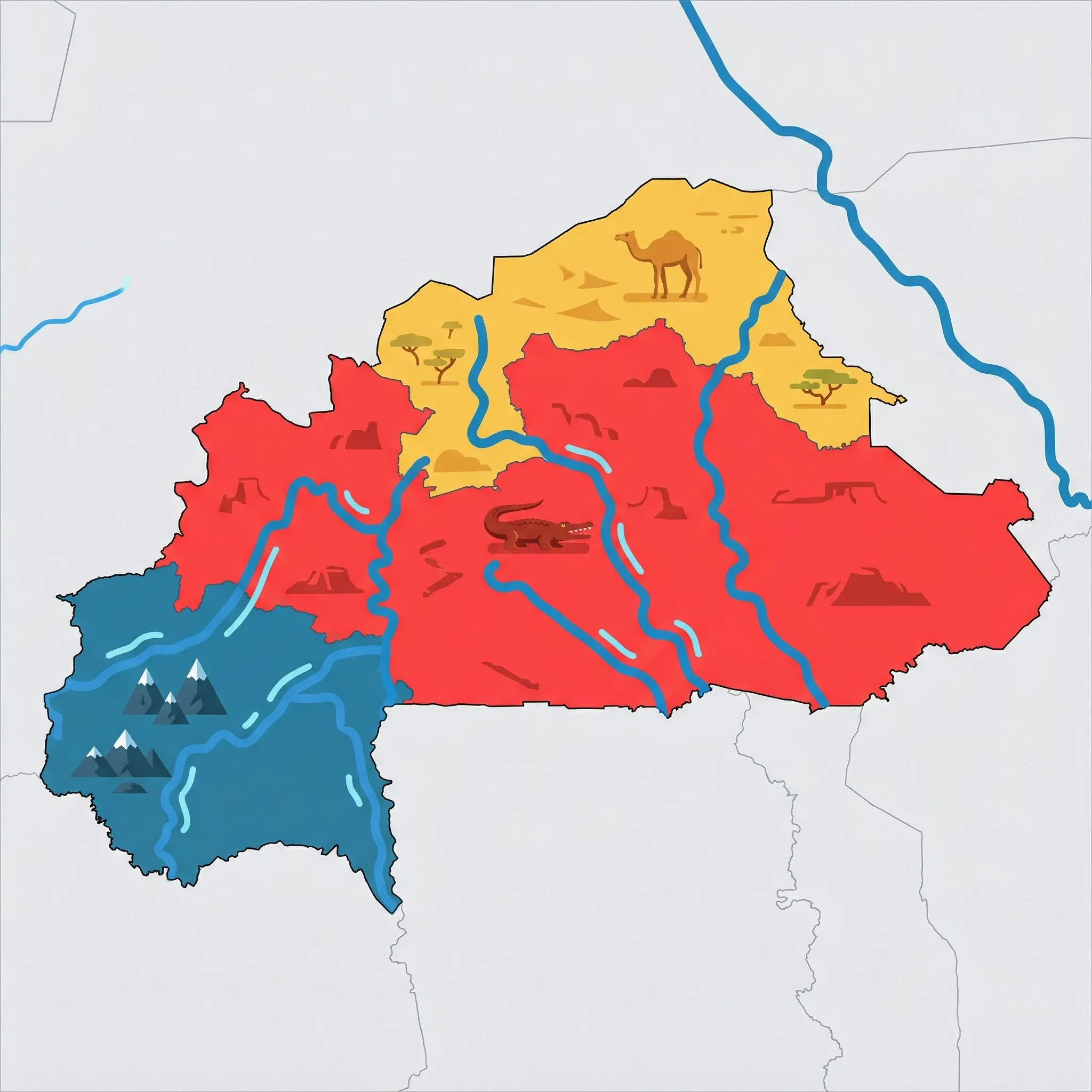
Click a region to explore
⚠️ SAFETY WARNING: Due to the threat of terrorism, kidnapping, and violent crime, government agencies (including the USA, UK, CA, AU, IE, and NZ) advise travelers to avoid all travel to this region. The security situation has deteriorated significantly, and rural areas—including roads between cities and border zones—are considered extremely dangerous. Families are strongly urged to consult their own government's official travel advisory before considering a trip, as circumstances and risk assessments vary.
Bobo-Dioulasso, often called "Bobo," is the cultural heartbeat of Burkina Faso and traditionally the most popular destination for travelers due to its greener landscape and relaxed atmosphere. Unlike the arid north, this region is lush during the rainy season, characterized by mango groves, sugarcane fields, and dramatic geological formations. The city itself is famous for its music scene, wide tree-lined boulevards, and the preservation of its distinctive mud-brick architecture. For families, the region offers a mix of cultural education and natural wonders that are unique in West Africa.
The vibe here is slower and more rhythmic than the capital. In better times, it is a place where children can learn about the Dyula culture, see traditional mask performances, and explore nature reserves that feel like adventure playgrounds. The combination of water features—rare in the Sahel—and fascinating rock domes makes the landscape feel otherworldly yet accessible.
Key Attractions
The crown jewel of the city is the Grand Mosque of Bobo-Dioulasso. Built in the late 19th century, its distinctive wooden struts and mud construction make it visually striking for children and adults alike; it is a living piece of history that still functions as a community hub. Just outside the city, nature takes center stage. The Cascades de Karfiguéla (Banfora Cascades) offer a series of waterfalls tumbling over sandstone terraces, creating natural pools that have historically been popular for family picnics and swimming.
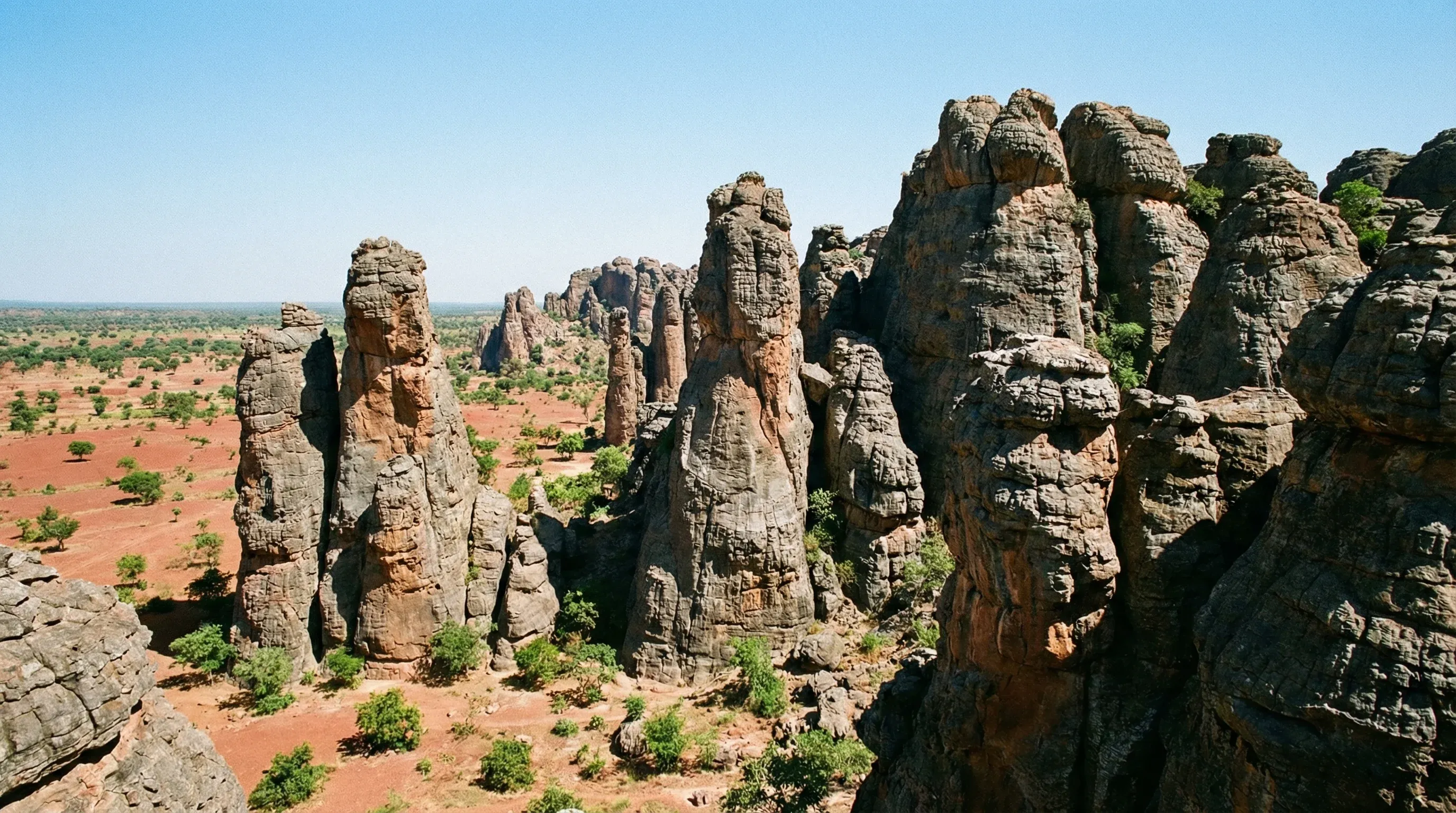
Further exploration leads to Lake Tengrela, a calm body of water famous for its resident hippopotamus families. Viewing these massive creatures from a safe distance on a pirogue (local boat) is a memorable wildlife encounter. For geology enthusiasts, the Sindou Peaks present a labyrinth of sharp sandstone cones sculpted by wind and rain, offering hiking trails that feel like exploring a fantasy movie set.
Practical Advice
The best time to visit—security permitting—is the dry season from November to February when temperatures are cooler. Malaria prophylaxis is essential for all family members. The region is known for its mosquitoes, particularly near the water features in Banfora.
Food & Drink
Typical meal times: Lunch is generally served from 12:00 pm to 2:30 pm, and dinner from 7:00 pm to 9:30 pm.
Typical meal costs: A meal at a decent local restaurant costs roughly 2,500–6,000 XOF (approx. $4–10 USD / €3.80–9.15 EUR). Street food is significantly cheaper.
Dietary requirements: Vegetarian options are available, largely based on beans, yams, and rice, though meat stock is often used in sauces. Peanuts are a very common ingredient, so those with nut allergies must be extremely cautious.
Signature dishes:
- Riz Gras – Literally "fat rice," this is a flavorful one-pot dish cooked with oil, tomato paste, vegetables, and often chicken or guinea fowl.
- Tô – The national staple, a thick porridge made from millet, sorghum, or corn flour, served with various sauces like okra (sauce gombo) or baobab leaf.
- Poulet Télévisé – Roast chicken, so-called because it is often roasted in glass-fronted rotisseries that look like televisions, popular in maquis (open-air restaurants).
Why this score?
The southwest offers diverse outdoor experiences ranging from trekking through the Sindou Peaks to exploring the Cascades de Karfiguéla and the Dômes de Fabedougou. While the terrain is accessible compared to the deep desert, the lack of modern signage and the necessity of local guides for sites like Lake Tengrela add a layer of ruggedness. It provides a good balance of natural beauty and cultural immersion without the extreme isolation of the north.
Why this score?
Medical facilities in Bobo-Dioulasso are basic and often lack the specialized equipment or English-speaking staff required by international families. Outside the main city, in areas like Banfora or Sindou, healthcare options are minimal and restricted to small clinics with very limited supplies. Emergency medical evacuation would be required for any serious condition, as local hospitals are not equipped for complex procedures.
Why this score?
While Bobo-Dioulasso is Burkina Faso's second city and a cultural hub for the Sudano-Sahelian style, it remains a very niche destination on a global scale. The region features the UNESCO-listed Ruins of Loropéni and scenic spots like the Sindou Peaks, but international arrival numbers are extremely low compared to major African destinations. Infrastructure is primarily designed for domestic or regional travelers rather than a steady flow of intercontinental tourists.

Bobo-Dioulasso is generally inexpensive. Accommodation is cheaper than the capital. A comfortable family guesthouse room costs 20,000–40,000 XOF (approx. $33–66 USD / €30–60 EUR) per night. Local street food costs under 1,000 XOF (approx. $1.65 USD / €1.50 EUR), while a meal in a nice hotel restaurant might run 6,000–10,000 XOF (approx. $10–16 USD / €9–15 EUR).

Getting Here & Around
Getting Here
- Airports – Bobo-Dioulasso Airport (BOY) has historically received flights from Ouagadougou and Abidjan, though schedules can be erratic.
- Bus – Several major bus companies operate the route from Ouagadougou. The journey takes 5–6 hours, but the road is currently subject to security risks and checkpoints.
- Driving – The RN1 highway connects Ouagadougou to Bobo-Dioulasso. While paved, road conditions vary, and security advice strongly warns against driving inter-city roads due to banditry and attacks.
Getting Around
- Taxis – Taxis in Bobo are distinctively green. They are affordable and can be hired for "courses" (specific trips) or by the hour. Negotiation is expected.
- Motorcycle Taxis – Known as "taxi-motos," these are ubiquitous but less safe for families with small children due to lack of helmets and traffic chaos.
- Car Hire – Renting a 4x4 with a local driver is the only recommended method for reaching sites like Lake Tengrela or the Sindou Peaks safely.
No airports in this region. See the country flight map for nearby connections.
Official Links

Packing List
The southwest is wetter and greener, meaning higher mosquito density and malaria risk.
Heat can be oppressive, and air conditioning is not guaranteed in all lodgings.
For swimming at the cascades; locals dress conservatively, and skimpy swimwear attracts unwanted attention.
Street lighting is sparse and power cuts (load shedding) are common in the evenings.
Mandatory for entry; you will be refused admission without the original card.
Power cuts are frequent and street lighting is minimal to non-existent.
English is rarely spoken outside of high-end hotels; basic French is essential.
ATMs are unreliable and credit cards are virtually useless outside the top hotel.
Essential during Harmattan season (Dec-Feb) when dust fog is heavy.
Running water is scarce and many meals (like Tô) are traditionally eaten by hand.

Activities & Best Times

Hiking, wildlife, outdoor exploration, ecotourism
Dramatic geological formations like the Sindou Peaks and Karfiguéla Falls provide an authentic West African wilderness experience for intrepid families. Peak season coincides with the cooler dry period, while the heavy monsoon rains from July to September restrict access to remote trails.

Urban tourism, museums, historical sites, architecture
Home to the UNESCO-listed Ruins of Loropéni and the Old Quarter of Sya, the region offers deep Sudanic-Sahelian heritage and vibrant artisan culture. Best visited in the cooler months to explore historic mud-brick sites; heavy rains in summer hinder outdoor walking tours and archaeological exploration.

Sport tourism, fitness activities, active recreation
Purpose-built heritage trails around Sindou and Mount Tenakourou support cycling and hiking in a distinct landscape. Activity is concentrated in the coolest months to avoid the extreme pre-monsoon heat of April and the subsequent high-humidity rainy season.

Scenic drives, countryside tours, route-based travel
Named scenic circuits like the Lobi Heritage Trail offer unique landscapes, though the infrastructure is rugged and requires robust vehicles. The dry season ensures road reliability, as unpaved sections become largely impassable during the May-September rainy season.




Public Holidays & Calendar Next 12 months
Public holidays, festivals, cultural celebrations, and seasonal natural phenomena coming up in Bobo-Dioulasso & Southwest over the next 12 months.
Loading holidays and events...

Travel Advisory
All major international agencies currently advise against any travel to Burkina Faso due to severe security threats, including terrorism, kidnapping, and political instability.
Safety Topics
Traveller Advice (3 groups)

Aid workers and those in humanitarian sectors are at an increased risk of targeted kidnapping by extremist groups, particularly in border regions and the Sahel.

Same-sex relationships are illegal and can result in imprisonment, fines, or deportation for foreign nationals.

Female travellers should observe conservative dress and behavior standards to respect local cultural norms and avoid unwanted attention.
Agency Summaries
Avoid all travel to Burkina Faso because of persistent terrorist threats, high kidnapping risks, and political volatility.
The FCDO advises against all travel to the country due to the high risk of terrorist attacks, kidnapping, and political instability following military coups.
Australia advises against all travel to Burkina Faso due to the dangerous security situation, terrorism, and violent crime. Foreigners are specifically targeted for kidnapping.
New Zealanders are urged not to travel to Burkina Faso and those already there should consider leaving immediately due to extreme security risks.
Ireland strongly advises against all travel to Burkina Faso. The security situation remains volatile and unpredictable after recent political unrest.
Do not travel to Burkina Faso due to pervasive terrorism, crime, and the threat of kidnapping. The U.S. government has extremely limited ability to assist citizens outside of the capital.
Information is provided for general guidance only and does not constitute travel, safety, medical, or legal advice. Conditions may change. Users are responsible for independently verifying information before travel.