
Sahel North
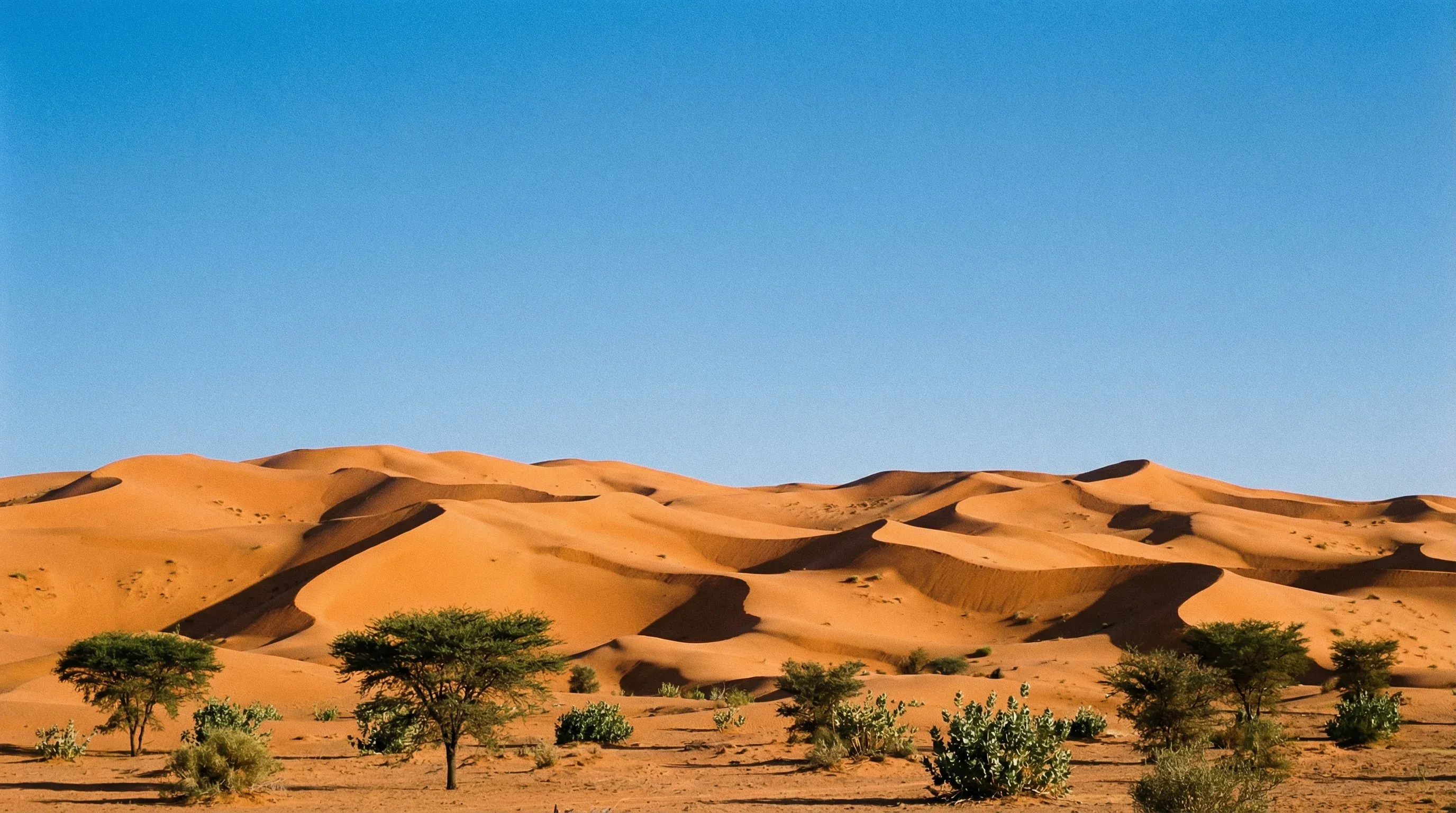
The golden sands where the Sahel meets the Sahara 🐪🌅
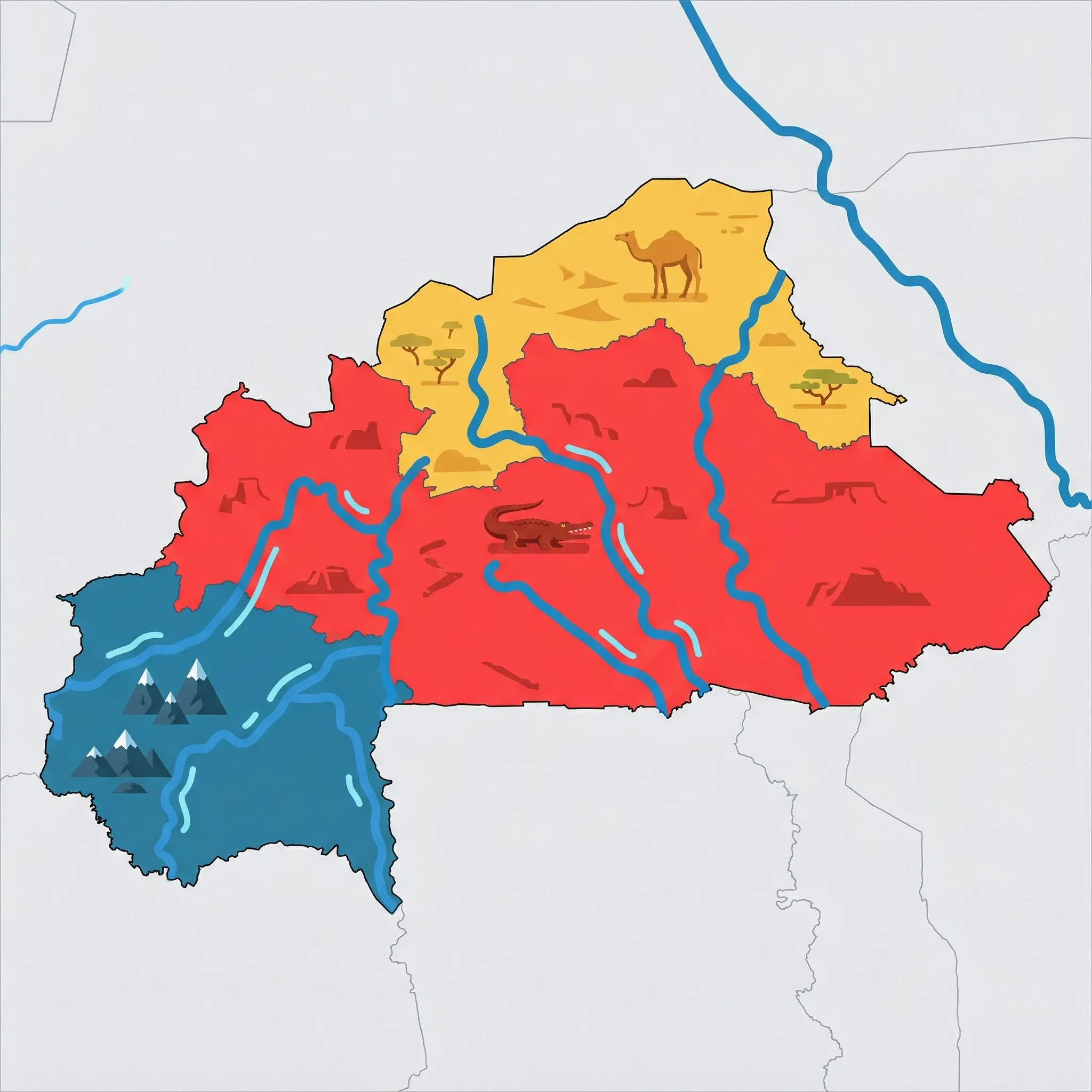
Click a region to explore
⚠️ SAFETY WARNING: DO NOT TRAVEL. This region is an active conflict zone. Government agencies (including the USA, UK, CA, AU, IE, and NZ) advise against all travel to the Sahel North due to extreme risks of terrorism, military operations, and kidnapping. There is virtually no state control in many areas, and foreigners are high-value targets. The information below describes the region's geography and history but should not be interpreted as an endorsement to visit under current conditions.
The Sahel North is a land of stark, breathtaking beauty, where the dry savanna transitions into the golden dunes of the Sahara Desert. It is the traditional home of the Tuareg, Peul, and Bella peoples, known for their indigo robes and nomadic lifestyles. The landscape is defined by vast horizons, acacia trees silhouetted against orange sunsets, and seasonal ponds that miraculously appear during the brief rains, attracting migratory birds.
Culturally, this has historically been one of the most fascinating parts of West Africa, famous for its remote markets where camels and salt were traded. The silence of the desert and the brilliance of the night sky here are legendary. However, the open nature of the terrain and its proximity to unstable borders have made it the epicenter of the current security crisis.
Key Attractions
The primary natural wonder of the north is the Mare d'Oursi and Sand Dunes. This RAMSAR-listed wetland is crucial for migratory birds, including flamingoes and herons, which arrive during the European winter. The contrast between the blue water and the adjacent golden sand dunes creates a stunning visual landscape. In safer times, visitors would climb the dunes at sunrise to watch the colors shift across the sands and visit the nearby ethnographic museum in Oursi, which documents the daily life and artifacts of the local nomadic tribes.
Practical Advice
The climate is extreme Sahelian—scorching hot during the day and surprisingly cold at night, especially in December and January. Water is scarce. Travel here requires specialized logistics, including 4x4 vehicles and experienced guides, though currently, no insurance policy would cover travel to this zone.
Food & Drink
Typical meal times: Meal times follow the rhythm of the sun and prayer times. Lunch is around 1:00 pm, and dinner is after the final evening prayer, around 8:00 pm.
Typical meal costs: Food is simple and inexpensive. A meal in a local eatery would cost 1,000–3,000 XOF (approx. $1.65–5 USD / €1.50–4.50 EUR). Availability of commercial restaurants is extremely limited.
Dietary requirements: The diet is heavily reliant on millet and dairy. Vegetarians may find options limited to plain millet porridge. Lactose intolerance can be challenging as fresh and fermented milk are staples.
Signature dishes:
- Gapal – A rich, refreshing drink or snack made from millet dough, yogurt, ginger, and sugar, fueling the local herders.
- Lait Caillé – Fermented yogurt-like milk, often served with millet couscous, a staple of the Peul diet.
- Méchoui – Whole roasted sheep or goat, traditionally cooked in an earth oven for special occasions and communal feasts.
Why this score?
The terrain is characterized by the rolling dunes of the Sahara and the arid Sahelian landscape, offering a high degree of physical challenge and isolation. Navigating the Route du Sahel requires significant preparation, and the environment is harsh with limited water and extreme heat. The region is highly adventurous due to its 'end of the world' feel and the necessity of nomadic-style travel to reach sites like the Mare d'Oursi.
Why this score?
Medical services in the northern Sahel are virtually non-existent for tourists, consisting of only very basic health posts in towns like Dori. These facilities are frequently under-resourced and are not equipped to handle even moderate medical emergencies or trauma. Given the current security environment and distance from the capital, access to any form of reliable medical care is nearly impossible for international visitors.
Why this score?
The Sahel North has seen a near-total collapse in international tourism due to severe security concerns and its extreme remote location. Once known for the Gorom-Gorom market and the Oursi sand dunes, it is now almost entirely off-limits to casual foreign travelers. Even in stable times, its isolation and lack of traditional tourism infrastructure kept it as one of the least visited regions globally.

While the cost of living is very low, the cost of logistics for a foreigner would be high due to the need for specialized vehicles, security, and guides. A local meal might cost under 1,500 XOF (approx. $2.50 USD / €2.30 EUR), but the cost of safe transport and security provisions makes the effective price of visiting prohibitive.

Getting Here & Around
Getting Here
- Driving – The road from Ouagadougou to Dori is paved but passes through high-risk zones. Driving requires a 4x4 vehicle and, currently, would likely require a military escort for foreigners.
- Air – There are small airstrips in Dori, but they are generally reserved for humanitarian or military use, not commercial tourism.
Getting Around
- 4x4 Vehicle – The only viable way to navigate the sandy tracks and dunes around Mare d'Oursi and Sand Dunes. Soft sand requires experienced off-road driving skills.
- Camel – Historically, camel treks were the traditional way to explore the dunes, offering a silent and authentic perspective of the landscape.
No airports in this region. See the country flight map for nearby connections.

Packing List
Essential for protecting the face, nose, and mouth from blowing sand and intense sun.
Mobile network coverage is non-existent or frequently sabotaged in remote northern areas.
The desert sun is extreme; standard sunscreen often sweats off, requiring total physical block.
Desert nights in December/January can drop near freezing, catching many travelers off guard.
Mandatory for entry; you will be refused admission without the original card.
Power cuts are frequent and street lighting is minimal to non-existent.
English is rarely spoken outside of high-end hotels; basic French is essential.
ATMs are unreliable and credit cards are virtually useless outside the top hotel.
Essential during Harmattan season (Dec-Feb) when dust fog is heavy.
Running water is scarce and many meals (like Tô) are traditionally eaten by hand.

Activities & Best Times

Hiking, wildlife, outdoor exploration, ecotourism
The region features the iconic Oursi sand dunes and the Sahel Partial Faunal Reserve, offering authentic desert immersion for well-travelled families. Peak conditions align with the cooler dry season from November to February; the extreme pre-monsoon heat and subsequent rainy season make outdoor exploration difficult or impossible.

Urban tourism, museums, historical sites, architecture
While Gorom-Gorom market is regionally significant, calling it 'world-class' is inflated compared to internationally renowned markets like Marrakech or Istanbul. It's an important Sahelian market but not a top global cultural destination. The rating should reflect national/regional importance rather than international standing.

Scenic drives, countryside tours, route-based travel
The Sahel Scenic Circuit offers a rugged, off-the-beaten-path driving experience through stark landscapes and remote settlements. Driving is only recommended during the dry season when tracks are firm; the rainy season (July-Sept) renders many unpaved routes impassable for standard international vehicles.




Public Holidays & Calendar Next 12 months
Public holidays, festivals, cultural celebrations, and seasonal natural phenomena coming up in Sahel North over the next 12 months.
Loading holidays and events...

Travel Advisory
All major international agencies currently advise against any travel to Burkina Faso due to severe security threats, including terrorism, kidnapping, and political instability.
Safety Topics
Traveller Advice (3 groups)

Aid workers and those in humanitarian sectors are at an increased risk of targeted kidnapping by extremist groups, particularly in border regions and the Sahel.

Same-sex relationships are illegal and can result in imprisonment, fines, or deportation for foreign nationals.

Female travellers should observe conservative dress and behavior standards to respect local cultural norms and avoid unwanted attention.
Agency Summaries
Avoid all travel to Burkina Faso because of persistent terrorist threats, high kidnapping risks, and political volatility.
The FCDO advises against all travel to the country due to the high risk of terrorist attacks, kidnapping, and political instability following military coups.
Australia advises against all travel to Burkina Faso due to the dangerous security situation, terrorism, and violent crime. Foreigners are specifically targeted for kidnapping.
New Zealanders are urged not to travel to Burkina Faso and those already there should consider leaving immediately due to extreme security risks.
Ireland strongly advises against all travel to Burkina Faso. The security situation remains volatile and unpredictable after recent political unrest.
Do not travel to Burkina Faso due to pervasive terrorism, crime, and the threat of kidnapping. The U.S. government has extremely limited ability to assist citizens outside of the capital.
Information is provided for general guidance only and does not constitute travel, safety, medical, or legal advice. Conditions may change. Users are responsible for independently verifying information before travel.